
Ozone Progress

A refrigerator factory in 2018 in Xingfu, China, an area that defied restrictions on ozone-depleting CFC-11 until a government crackdown. Gilles Sabrié for The New York Times

Any time we see even the slightest sign of meaningful change, it is worth pausing, noting it, and getting back to work:

Rogue emissions from China of ozone-depleting chemicals had threatened to delay recovery by a decade. But the emissions were stopped, according to a U.N.-backed report.

The protective ozone layer in the upper atmosphere could be restored within several decades, scientists said Monday, as recent rogue emissions of ozone-depleting chemicals from China have been largely eliminated. Continue reading
Smog, Ozone & Biodiversity

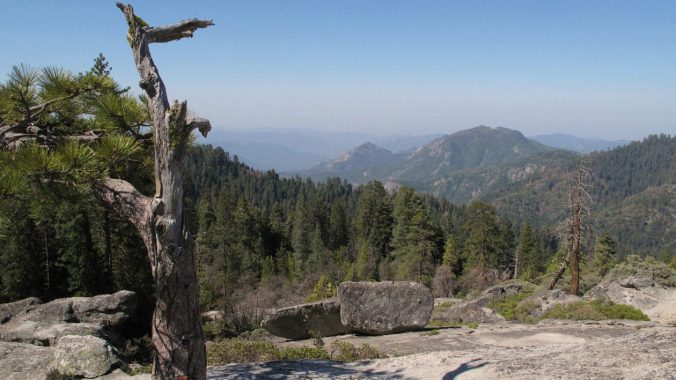
The view from Beetle Rock in Sequoia National Park, California. Smog, containing high levels of ozone, blows in from the San Joaquin Valley. TRACIE CONE / AP PHOTO

Thanks to Jim Robbins for updating our understanding of ozone’s ongoing threat (we had thought it was lessening):

Ozone Pollution: An Insidious and Growing Threat to Biodiversity

Ground-level ozone has long been known to pose a threat to human health. Now, scientists are increasingly understanding how this pollutant damages plants and trees, setting off a cascade of impacts that harms everything from soil microbes, to insects, to wildlife.

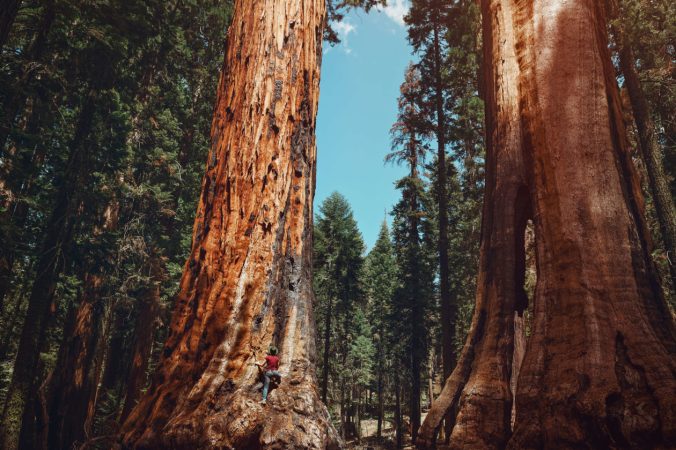
Giant sequoias in Sequoia National Park, California. MARJI LANG/LIGHTROCKET VIA GETTY IMAGES

Sequoia National Park’s famous groves of stout, 300-foot-tall trees sit high on the western side of the Sierra Nevada, above California’s San Joaquin Valley. They are threatened as never before: Wildfires have burned much of the forest, and now, for the first time, insects are killing sequoias. Continue reading