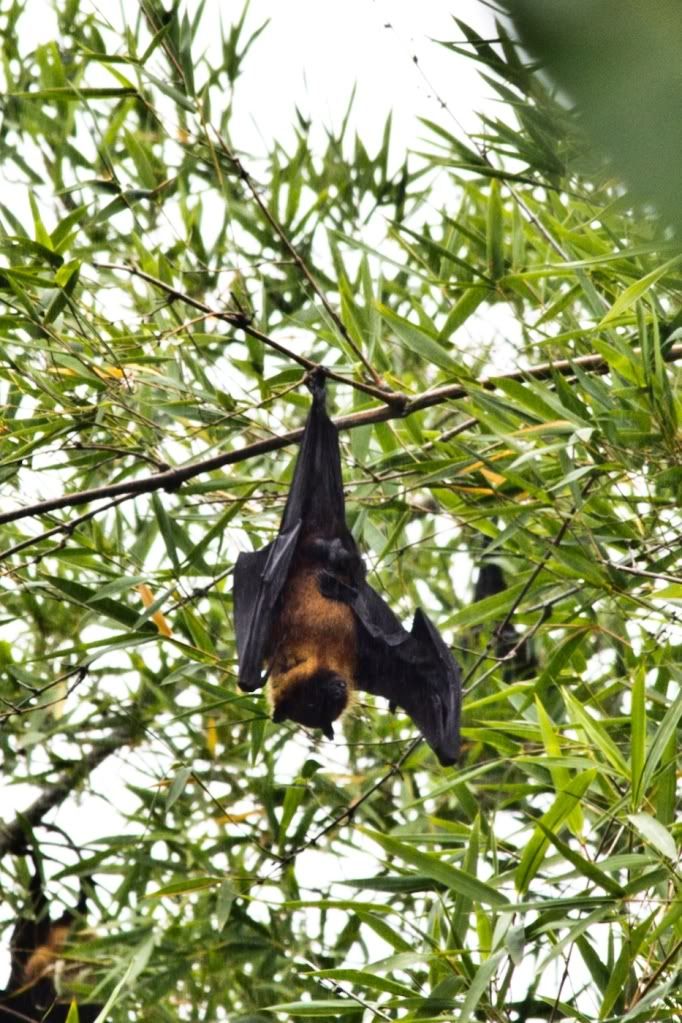
Last year, Sung wrote about the bats in the bamboo stands next to Cardamom County. I’ve always been aware of their presence, but I always lacked the equipment to get a closer look, and even more prominently lacked the equipment to photograph them. This year, my arsenal remains limited, but I have one more telephoto lens than I did previously. From the restaurant’s roof on a sunny day, I’m less than 20 meters away from well-lit subjects. On a windy sunny day, the subjects are generally stirring, as mentioned by Sung – the ideal time to photograph them.
Continue reading
Photography
Bullock Cart – A Traditional Transportation
The whole world is moving towards new technologies and scientific inventions, but still one can find the oldest and traditional mode of transportation in Kerala across some villages: the Bullock cart. Some merchants and travelers prefer the bullock cart over other transportation vehicles. Continue reading
Odonata Hotspots
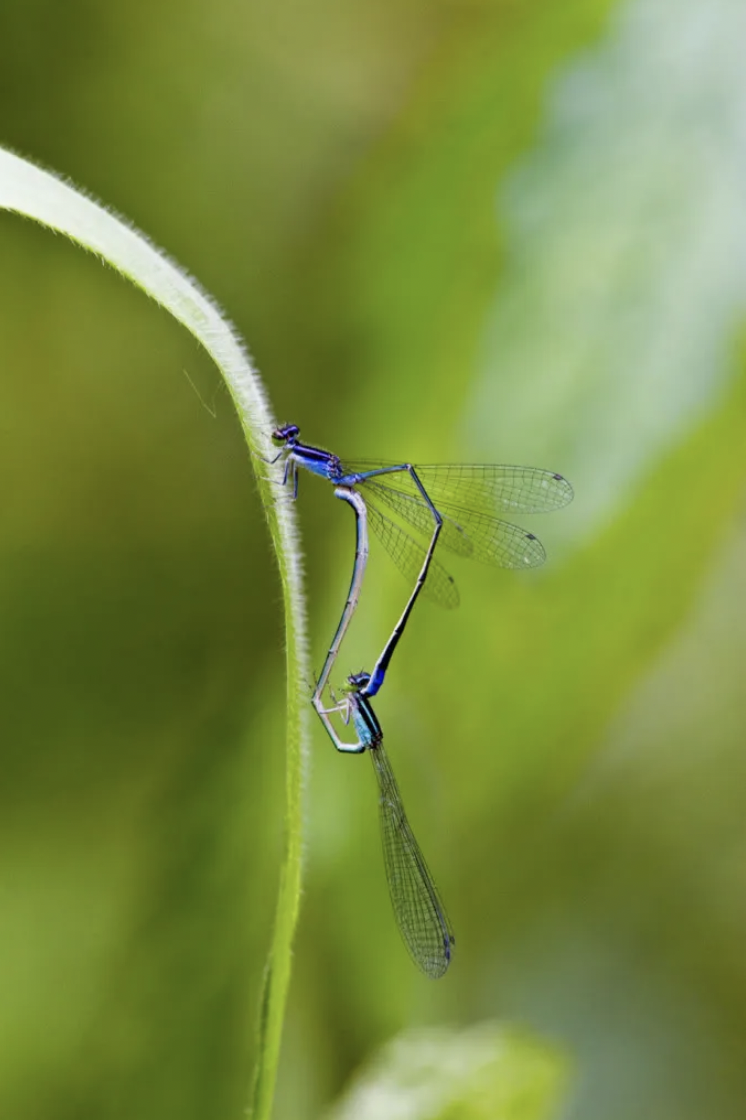
It’s always a delight when I stumble upon a pond or stream with dragonflies and damselflies flying around, defending their territories, basking, hunting, and propagating, their very existence a pleasure for me to witness. However, the rare joy is when I find a gem of a habitat – an area so ideal for odonate life that while I photograph one new species, I have to avoid being distracted by the other four or five more colorful new species I’m simultaneously seeing out of the corner of my eye. I had one such explosive pond-wading experience several days ago while visiting a spice estate near Kumily. Continue reading
Shoot The Moon
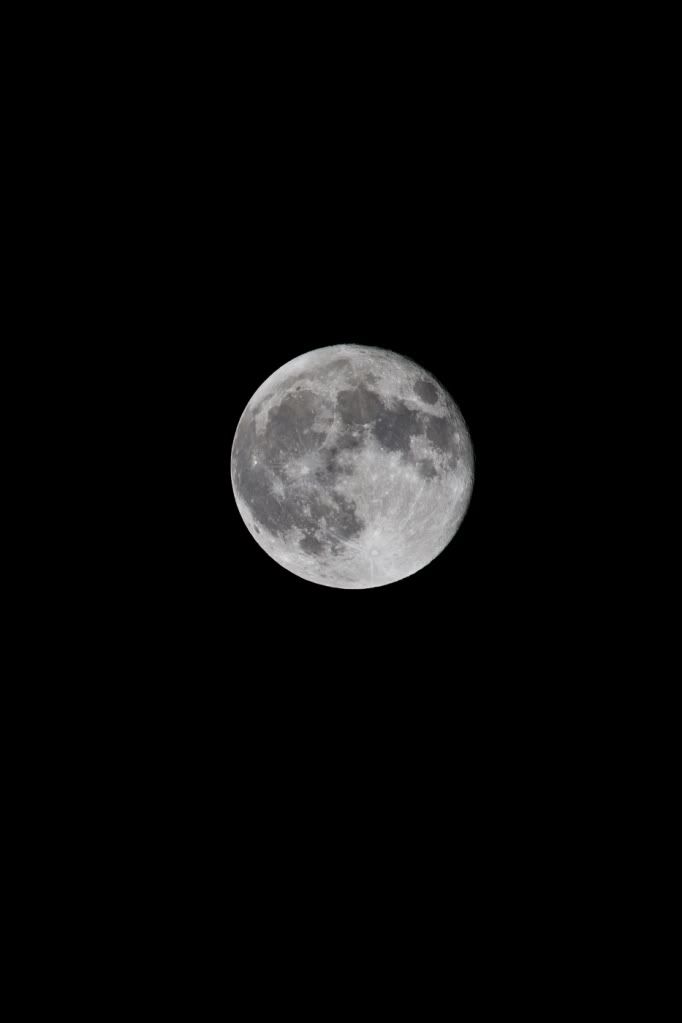
One of the advantages of consistently cloudless skies is the ability to view celestial objects without difficulty. Although there’s a telescope available for use every night at Feynan, I found the experience of simply watching the moon’s transit across the sky beautiful. On a moonless night, the stars perforate the sky in their multitude. Photographing the moon, however, was something I’d never done before. Having a powerful lens (300mm) opens up a huge range of possibilities, and one that few people consider is that of night photography. Continue reading
Nilgiri Tahr
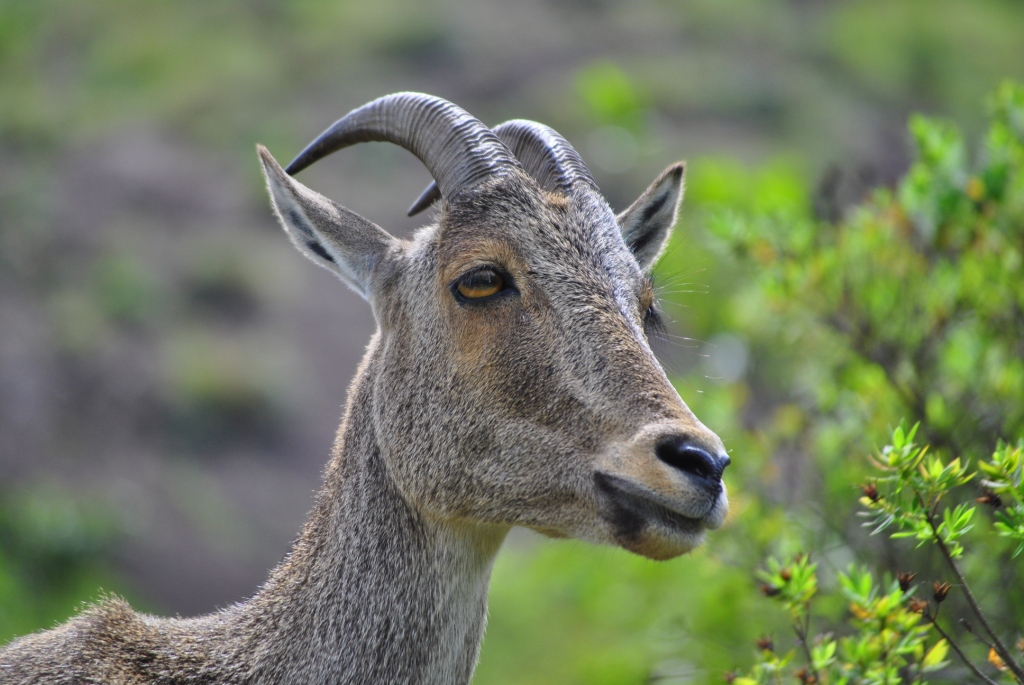
The Nilgiri tahr is a wild goat commonly found in India’s Western Ghats at elevation of 1200m-2600m. These animals can be found in abundance in Eravikulam National Park, Kerala. Female Nilgiri tahr are short with smaller curved horns comparing to males. It is the state animal of Tamil Nadu (one of the southern states of India). These photographs were taken at the national park during a staff tour to Munnar.
Wadi Dana – Valley of the Rising Sun
Jordan is a composite of valleys and gorges, gullies and canyons, gulches and sand. Dry, warm air is blown through every nook and cranny, a stark contrast from the moist, muggy air I’ve grown accustomed to breathing in the south of India the last two years.
In fact, the only real similarity between Kerala and Jordan in my mind is how different they are (if you have been to both and think they are birds of a feather, let’s agree to disagree) – particularly climatically. I took advantage of my enhanced ability to physically exert myself without rapidly dripping sweat as often as possible during my time at Feynan; I accompanied the guides on as many activities as possible, and also did a fair bit of hiking on my own.
One of my favorite (as well as most convenient) hikes was from Feynan up the first valley to the north-east: Wadi Dana. I spent at least 24 hours walking in this valley on my own – and probably nearly that long with guides and guests. It was a boon to watch the lodge’s Bedouin guides walking through the lands they grew up in, as well as learning about the area’s natural bounties from them; every hike yielded a treasury of information on goat udder infection remedies, headache alleviation; arthritis, diabetes, and chronic headache treatments – all sourced from plants that appear to an outsider’s eyes as weeds growing from the cracks in the mountain. I learned how to sanitize my hands with “Bedouin Soap”, how to find a decent snack when feeling peckish, and what type of branch to use to make a splint if one of your goats breaks its leg (although I wasn’t taught how to actually do so, I was in someone’s tent and watched it being done), as well as several other folk remedies and fixes based on native plant life. Continue reading
Kaiser the Puppy and the Rising Middle Class in India
Three days ago, we pulled up in front of an art deco gate and half-abandoned mansion on the property of a soon-to-be new RAXA Collective resort. By ‘we’ I mean the design team comprising of an architecture student (me, Chi-Chi), a landscape architecture student (Rania), a hotelie-turned-interior architecture student (Jonathon), and an engineering student (Siobhan). We were told to get a feel of the property.
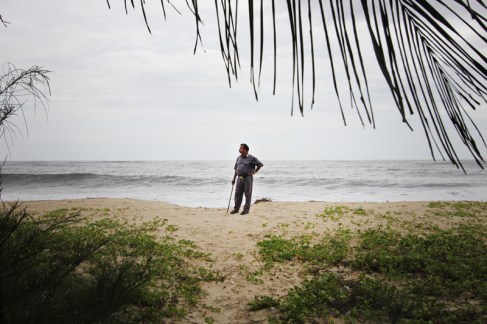
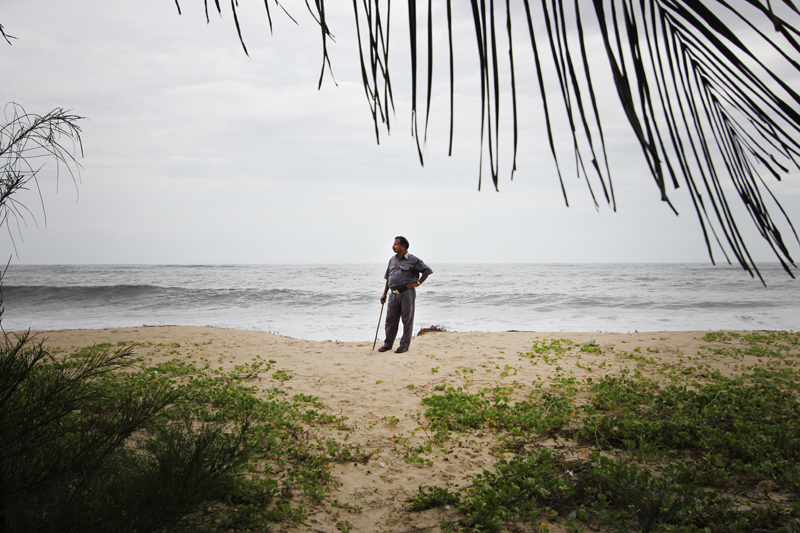
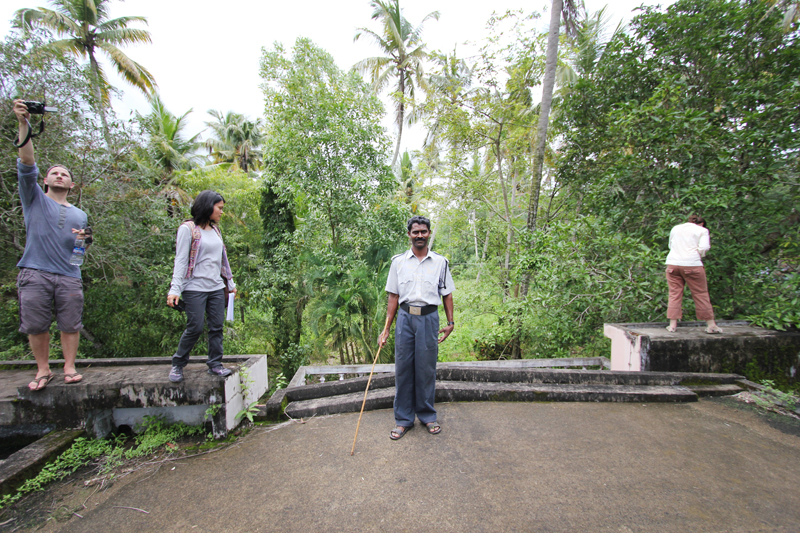
We, the interns, walked around the property with Amie and the trusty guard. The bamboo stick to protect against rumored snakes on the beach.
We found: ‘objects’ (modest fishermen’s homes); an endless, unobstructed beach with marbled sand and black waves; and our new favorite hangout spot, a nearby internet café.
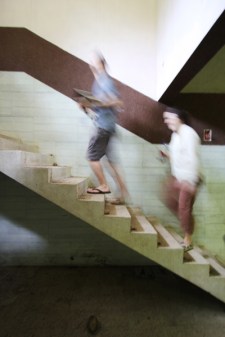
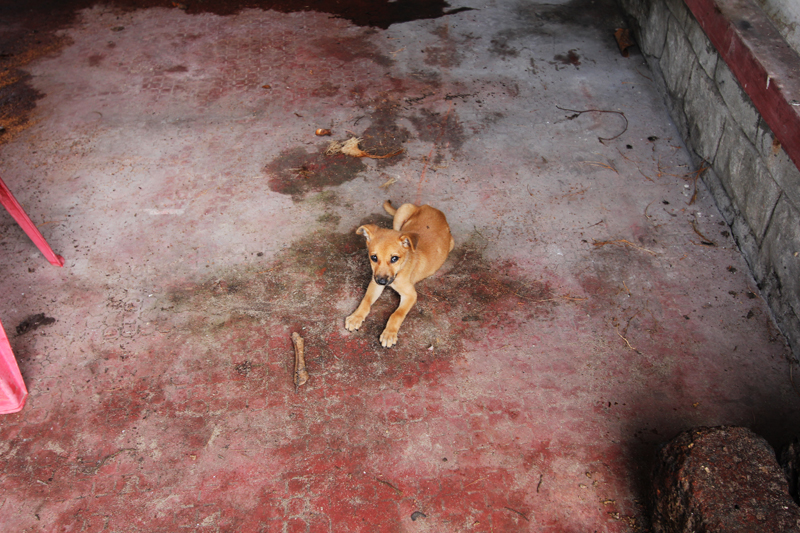
Kaiser found: two Indian security guards; their next-door-neighbor friend; our cook Manu; and us.
Kaiser is a tiny mixed puppy who arrived on site only an hour before we did. As a dog-lover and all-around “everything happens for a reason” believer, I KNEW KAISER WAS A SIGN. A sign for what, I don’t really know, but he was a very cute and very small sign, so I immediately focused all my down-time obsessing and fussing over Kaiser.
I think Kaiser gave me more insight to Indian attitudes. It’s very difficult to converse with someone about abstract ideas without a common language, but if you throw a dog in the mix, it becomes a lot easier.
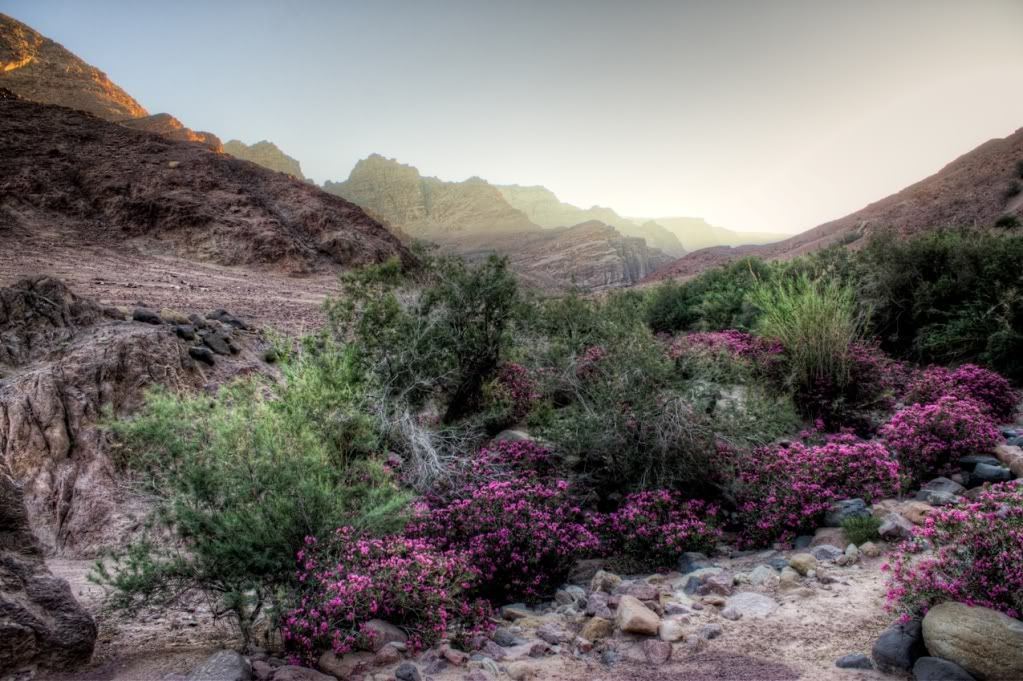
Beauty of Jordan: Wadi Dana at Dawn
This is a series of posts on Jordan’s natural wonders, which will mainly include only one or two pictures and a brief description per post. I’m working at Feynan Ecolodge for this reason; Jordan is beautiful, culturally, historically, but most of all naturally. The wilderness here is something else, and it is my duty to share that beauty with the world. Continue reading
Tuning In
I went birding yesterday. For a rookie like me, that means taking a walk somewhere scenic with my camera, aiming and shooting (the lens) at birds, hoping my amateur work churns out something recognizable, then researching and identifying the species.

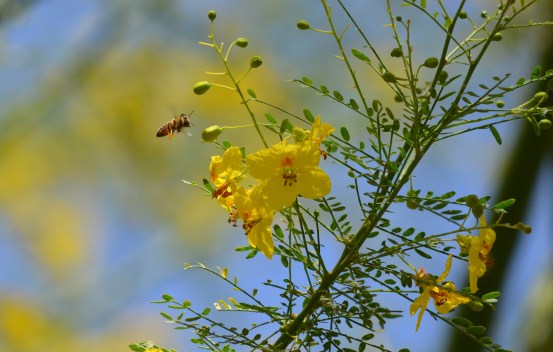
Bee in action on Palo Verde tree
As I moved along from tree to tree and bush to bush, detecting movements and sounds, I felt myself identifying a couple of birds by their calls, and hunting them out in that way. Suddenly it felt as if the volume was turned up – I tuned into the busy conversation that was going on above my head. Continue reading
Feelings on Ficus
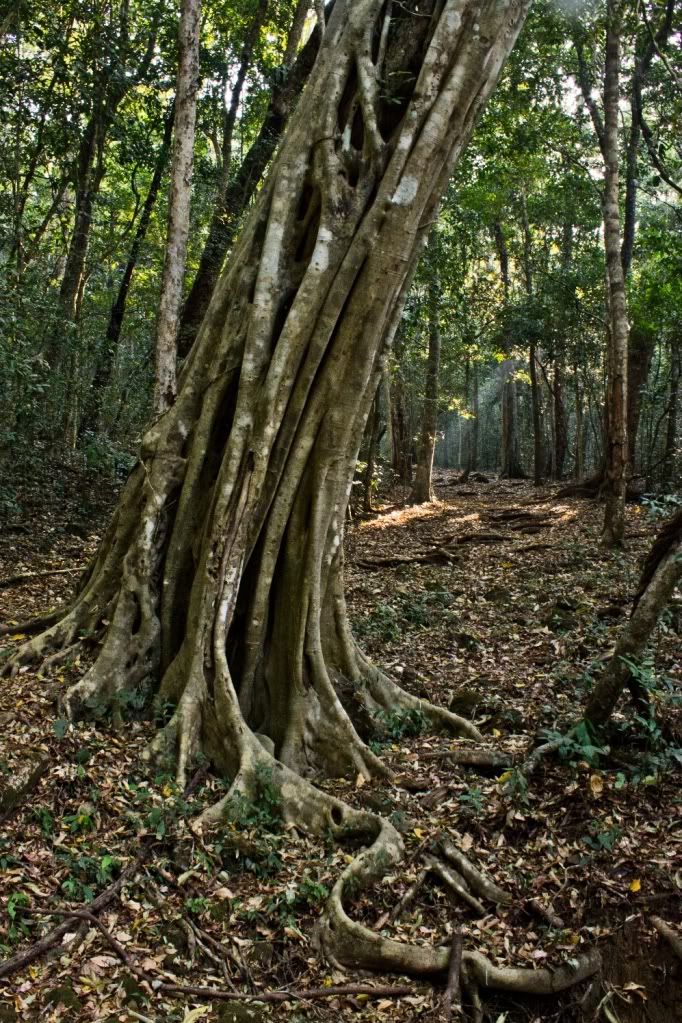
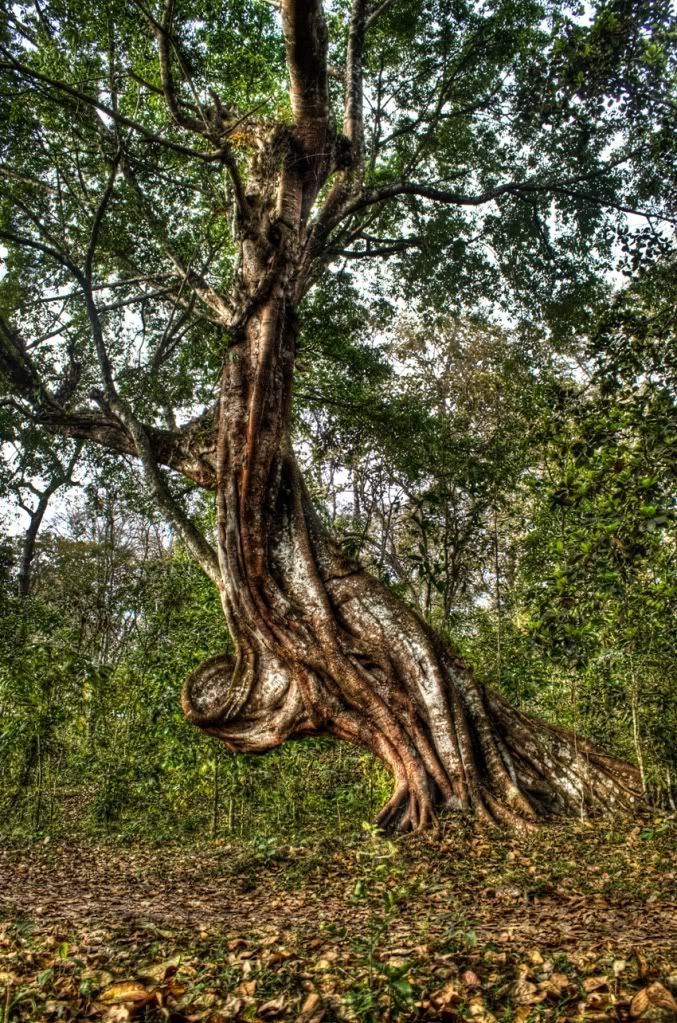
Ficus. The word brings to mind many things – the juicy sweetness of a ripe, freshly picked fig; the summer heat of any tropical or Mediterranean setting; fertility. But recently, Ficus means one thing to me: strangler figs. This may sound morbid, and in a branchy way, it is. Many species of ficus begin their lives epiphytically – generally after a seed is dropped by a bird or arboreal mammal onto the upper branches of what will become a host tree. Over time, the seeds will germinate and sprout aerial roots, which make their way to the ground by either hanging freely or by crawling down the host tree’s trunk. It is not at all uncommon in Indian forests to see roots hanging from the canopy.

Gavi’s Gangly Forest

In early summer the forests of the Western Ghats are roaring with the sounds of insects. Crisp dried leaves crackle underfoot, and monkeys howl in the distance. I didn’t really expect to see animals – any intelligent enough to survive would be sleeping in a cool hollow somewhere. Despite the heat, the woods are beautiful, and the scenes unfolding before my eyes as we trek deeper into the reserve grow more and more unusual, with trees’ limbs and roots seeming to grasp and grope. Continue reading
Looking: Over and Out

India’s Western Ghats are one of our planet’s most biodiverse zones – as well as an intensely beautiful geological spine that separates the southwestern coast of the subcontinent from the southeastern. Kerala’s border with Tamil Nadu coincides with the range, which poses no mysteries. Transportation over the hills and mountains is tedious, and each side has it’s own cultural and meteorological identity; the border makes sense to an outsider. Continue reading
The Unseen Scenes
March 2012
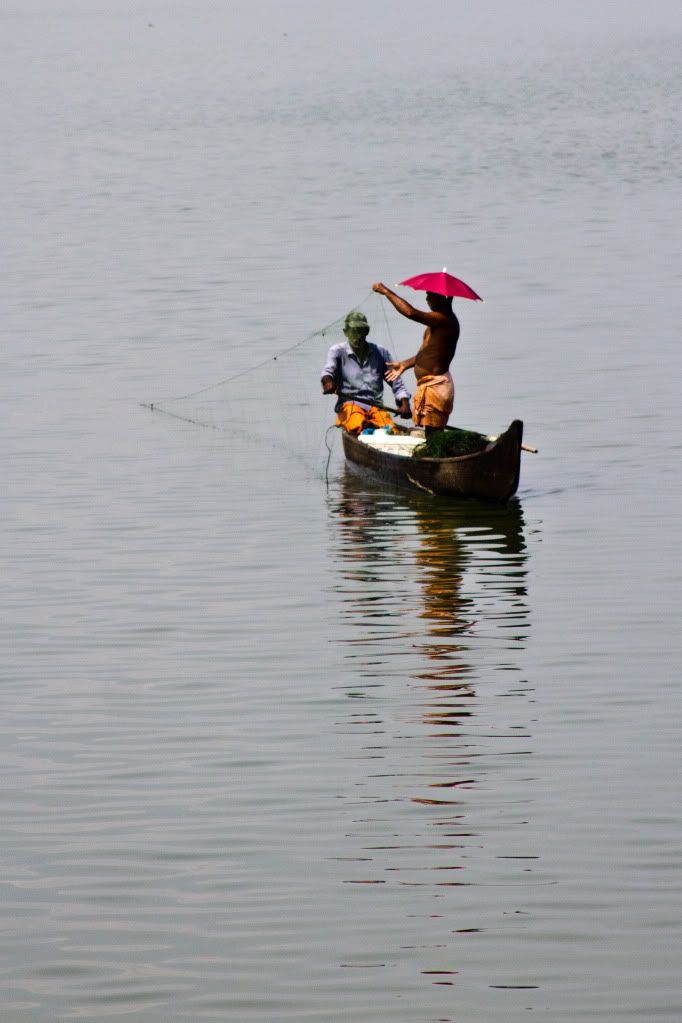
A morning on Kerala’s Backwaters. Although in the general sense you know what to expect in terms of how the day will play out, you are guaranteed to see some strange and possibly surreal things between breakfast and lunch. More if you rise before the sun comes up. This is purely out of self-preservation – during the heat of the day, any significant physical activity ends up being exhausting, and the locals know best. That said, it’s worth being up early to catch a number of interesting photographs that you would have been unable to were you sleeping. To the left are two fishermen – one rowing slowly while the other (suitably attired for protection from the sun) checks nettings for a catch. This was my first time seeing fishermen wearing umbrella hats, but I see workers in the paddy fields with them often. Despite this fact, I haven’t photographed them due to poor lighting conditions and a significant distance between us every time. Continue reading
More on Urban Decay
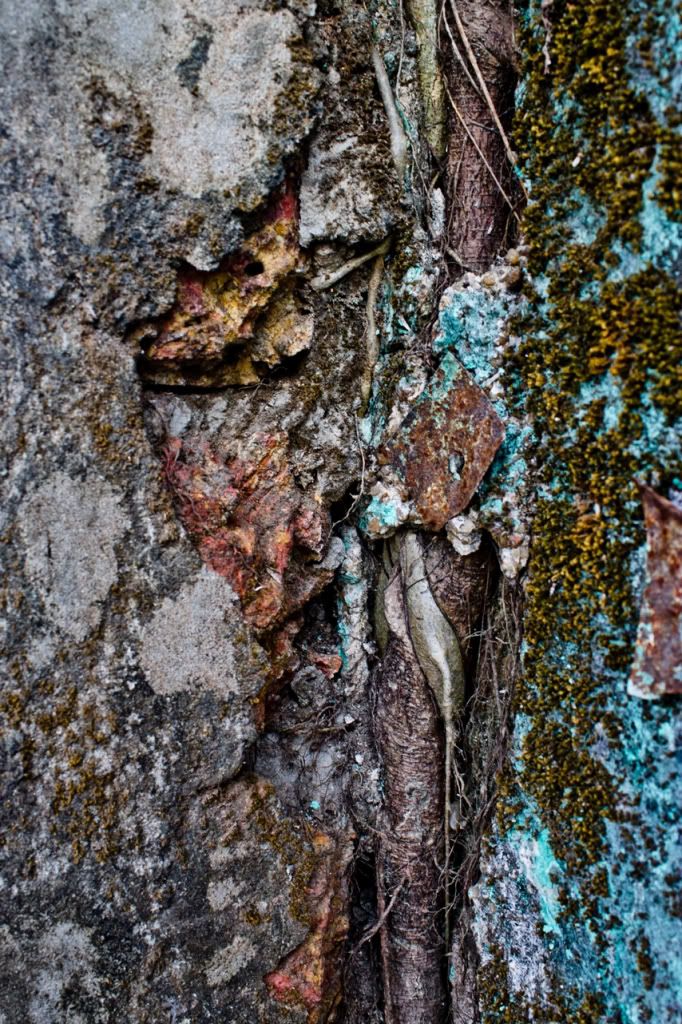
I’ve portrayed urban decay in an artistic light once or twice before – and since then, Kochi has had nothing but time to become more pitted and scarred (in a pleasant and non-violent way). The same walls I’ve walked past a dozen times seem to have sprouted roots – literally. Continue reading
The Truly Golden Dartlet
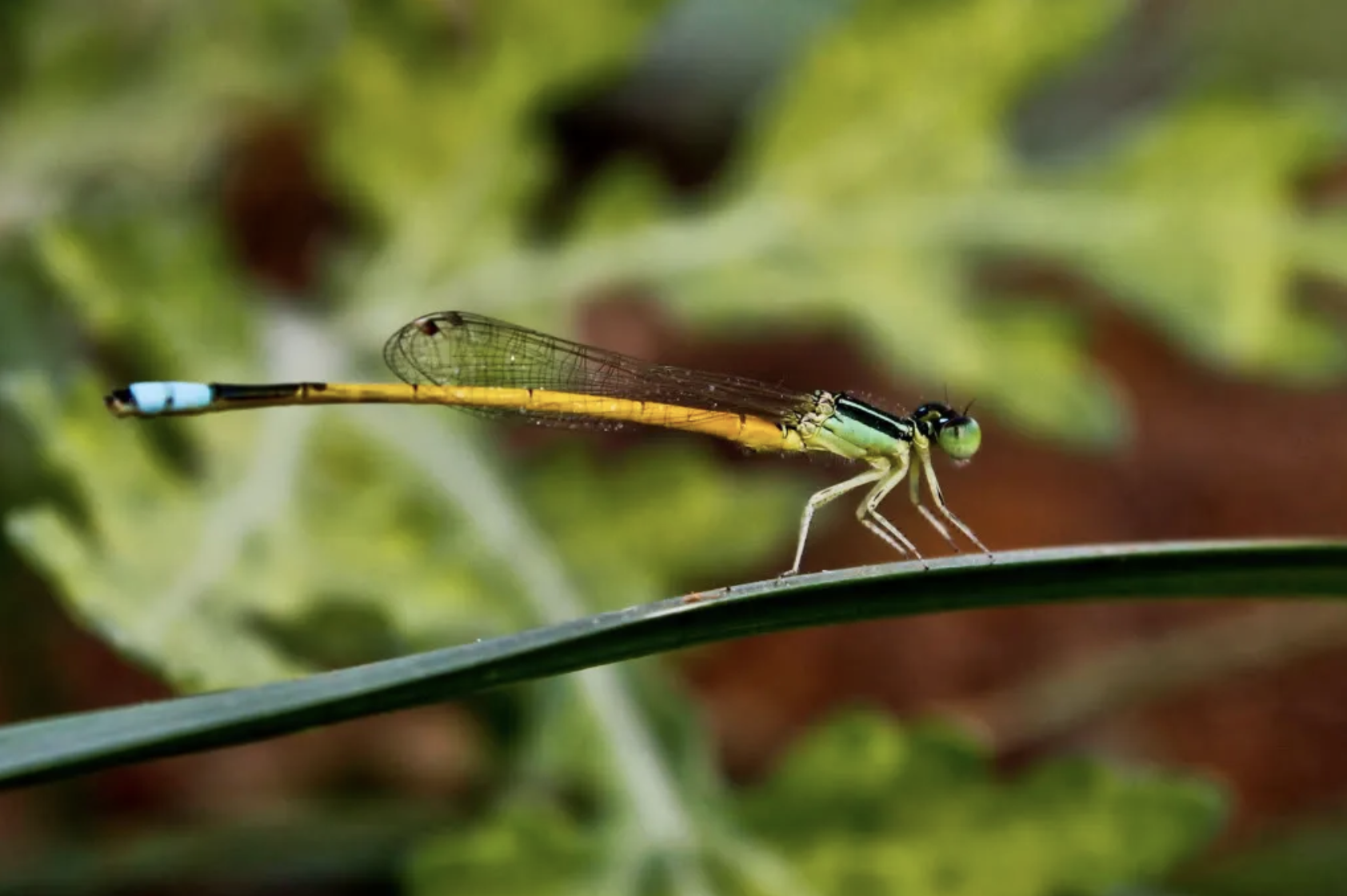
The Golden Dartlet, or Iscnura aurora, is a small species of damselfly that resides in the general vicinity of small streams and ponds. The above photograph was taken several hundred meters from any sizable body of water – a testament to the creature’s rugged and functional, yet beautiful design. Continue reading
Marketable Faces: Part Three (Melting Pot)
The fringes of society are not the only point of convergence for odd characters. Least of all in India. Confronted by a foreigner with a camera, a man of modest means, excited by said foreigner’s appearance and interest in him, might act rather queerly. Although this response isn’t strictly natural in the general sense, it is by no means posed or artificial, as the subject is acting entirely of their own accord. So when they proffer bananas in shock, or hide their face behind a cup of chai or a cigarette, that’s the reaction I capture. The most frequent response is nervously calling out to friends nearby to “get a load of this”.
Marketable Faces: Part Two (Men of a Certain Age)
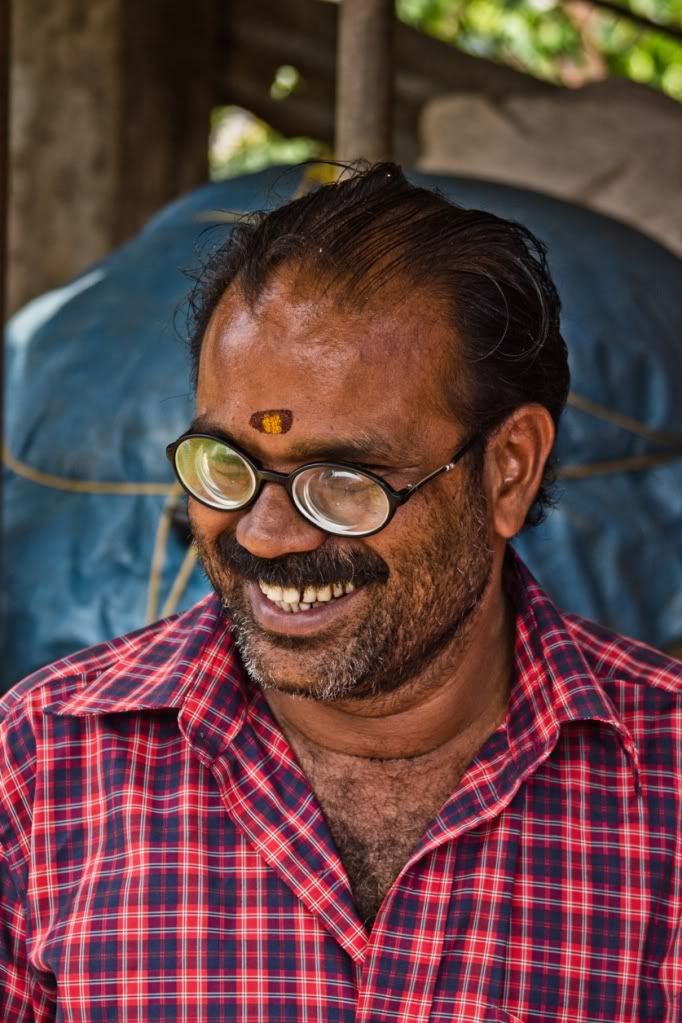
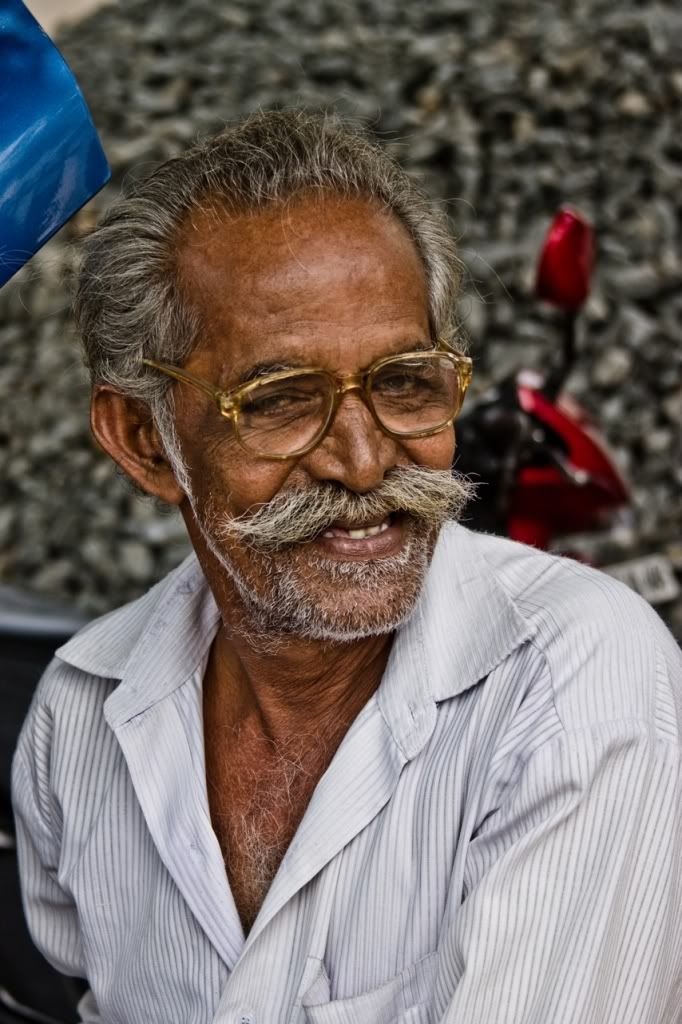
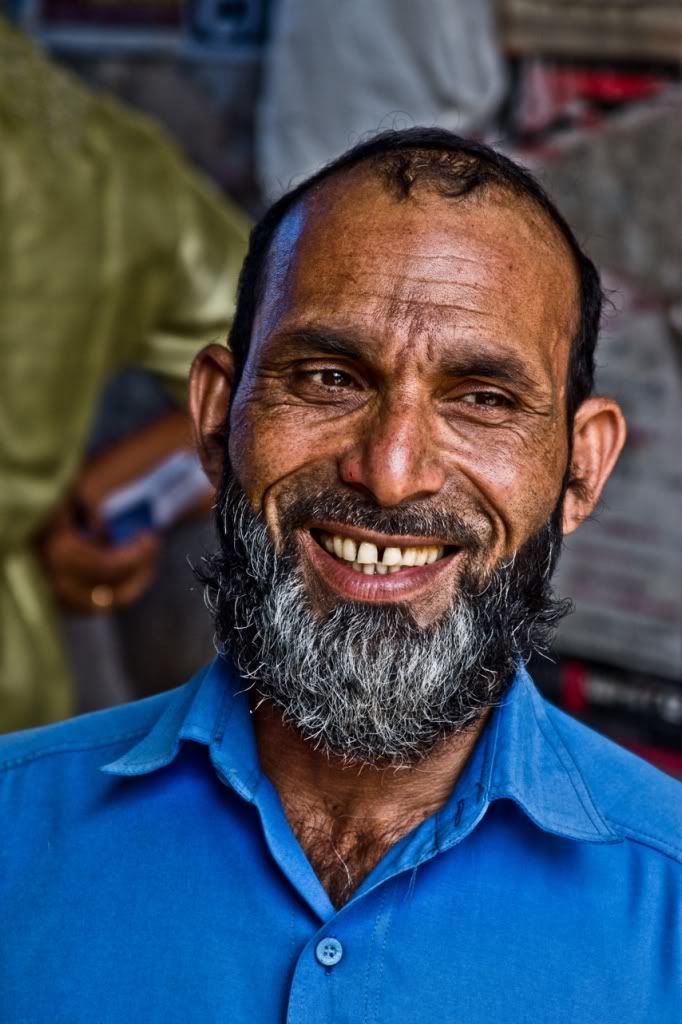
There’s something about Indian men above the age of fifty. Their features seem to lend themselves to being photographed. When they have beards, they are twice as photogenic, and when they crack a smile, it’s twice as radiant as that of a man half their age. One of my favorite aspects of the British colonial residue (or perhaps the Indian custom rubbed off on the Brits!) is the extravagant facial hair exhibited by many Indian men of a certain age – Keralites with enormous mustaches are not as common as in Tamil Nadu, but when they do it, they do it with class.
Marketable Faces: Part One (Men in Blue)
Throughout Kerala, colorful trucks unload tons of produce and commodities every morning. Wholesalers, warehouses, and markets all maintain a steady flow of goods – and the cycle begins anew each morning. I occasionally venture into central Cochin’s main market (Broadway) to photograph the process, and the colorful people that are washed about by the endless tide of fruits and vegetables, fish and fowl.
Crepuscular Forest
Elusive, elemental, and extremely beautiful – this natural phenomenon is breathtaking and actually quite simple to explain. Commonly known as light beams, crepuscular rays are caused by an effect similar to Rayleigh scattering, and are rare to see in a natural environment save near the twilight peripheries – hence the name. Steam, smoke, and dust during the rest of the day makes these beams visible to us from all angles, but short of these mediums, angle and hour are the most significant factors for seeing them.
A Dry Periyar
Kerala is dry. The places I’m used to seeing so green and vibrant that they practically drip are now dry, brown and crackly. What are normally torrential waterfalls are reduced to sunbaked rock faces. Clouds occasionally float through the sky, mostly in early morning, but they haven’t shed tears throughout the season. The native plants are geared to survive this climate, as the year seesaws between dryness and enormous moisture. In the forest, untold thousands of dead leaves cover the ground, crackling with glee as trekkers pass under the trees. Continue reading