A New Weekly Feature!


inside20sun20over20the20mountains

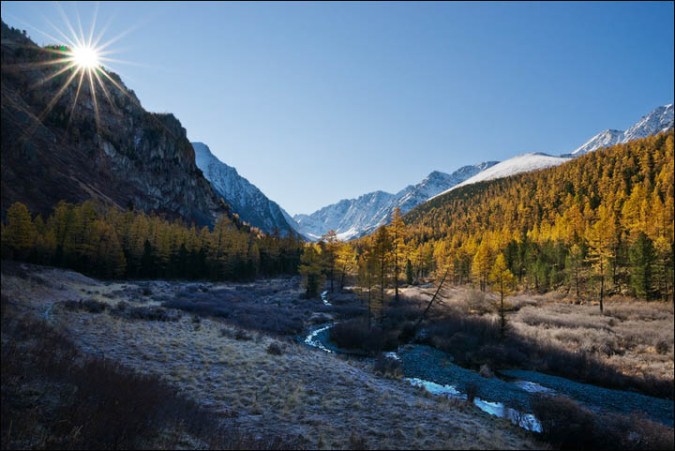
Ergaki National Park. Source: siberiatimes.com

Drawing inspiration from our site’s Bird of the Day, a new weekly feature titled National Park of the Week will publish every Sunday starting on August 28th. We love birds – but other wildlife too! – and we love the environment they (as well as we) live in, so we decided to start this new “column” (if this was a newspaper) to promulgate the protected areas that reflect the range of biodiversity and natural beauty around the globe. Although this weekly article has the words national park in the title, all types of government-protected areas, such as refuges, reserves, sanctuaries, and parks, will be featured in this category.  Continue reading
When Development Usurps Lakes

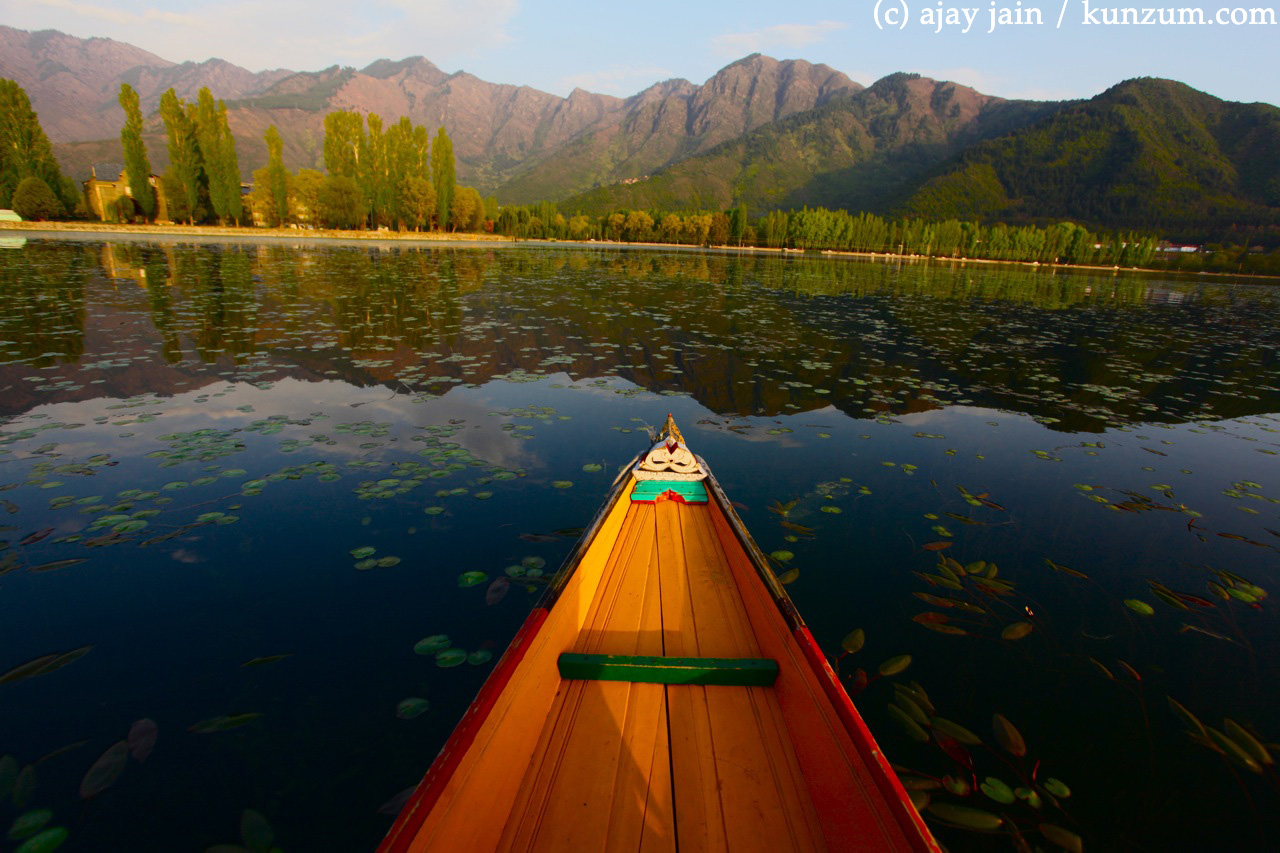
Half of the water bodies in and around Srinagar have disappeared over the last century under the pressure of rapid and badly managed urbanisation. PHOTO:

Half of the water bodies in and around Srinagar have disappeared over the last century under the pressure of rapid and badly managed urbanisation. PHOTO: Kunzum

Urban India is witnessing a rapid growth with more than 300 million Indians already living in cities and towns. In the coming 20-25 years, another 300 million people will be added to the urban population. If not managed properly, Indian cities will turn into ecological disaster zones. In a hurry to expand, cities have already eaten into their local water bodies. Kashmir, the land of snow\clad mountains and unrivaled natural beauty, is feeling the heat already.

The beautiful Kashmir Valley has over a thousand small and large water bodies, which are the bedrock of both its ecology and its economy. Unfortunately over the last century, massive urbanisation around these water bodies has led to pollution, siltation due to deforestation and overexploitation of the many streams and lakes. Many have shrunk to a fraction of their original size while some have all but disappeared.

Continue reading

Talking the Lion’s Share of Conservation

An image of a lion projected on to New York's Empire State Building in memory of Cecil, the lion hunted down in Zimbabwe recently. PHOTO: BBC

An image of a lion projected on to New York’s Empire State Building in memory of Cecil, the lion hunted down in Zimbabwe recently. PHOTO: BBC

The hue and cry over Cecil the lion’s killing is yet to die down. Zimbabwe’s most popular lion’s death did stir up outrage in the quarters of animals rights crusaders and much indignation at how a ‘man who restores lives’ could take the life of another. While the need for a better conservation-hunting model has risen yet again and efforts are on to chalk out more effective regulation on hunting, the focus returns to how man-habitat-animal conflicts abet loss of lives. More interesting are the isolated voices that call animals in the wild just what they are – “killers”.

Continue reading

What’s Behind the Prawn Sandwich?

Your cheap prawn sandwich may be destroying Sri Lanka's mangroves. PHOTO: Aldi

Your cheap prawn sandwich may be destroying Sri Lanka’s mangroves. PHOTO: Aldi

A swelling appetite for shrimps and prawns in America, Europe and Japan has fuelled industrial farming of shellfish in the past few decades. The industry now has a farm-gate value of $10 billion per year globally and the prawn in your sandwich is much more likely to have come from a pond than from the sea. While the industry is dominated by the likes of China, Vietnam and Thailand, a large number of other countries have invested heavily in cultivation too.

 One is Sri Lanka, which saw the industry as a passport to strong economic growth and widespread employment. Just outside the world’s top ten producers, it accounts for approximately 50% of the total export earnings from Sri Lankan fisheries. More than 90% of the harvested cultured prawns are exported, going mostly to Japan.

Prawn aquaculture has been likened to slash-and-burn cultivation—find a pristine spot, remove the vegetation and farm it for a few years before moving on. But the analogy is misleadingly benign. Slash-and-burn systems on a small scale can be sustainable, since the cut plots can recover afterwards.

Continue reading

Is That a Real Swan?

Robot swans patrol Singapore’s reservoirs, hunting pollution. PHOTO: CoExist

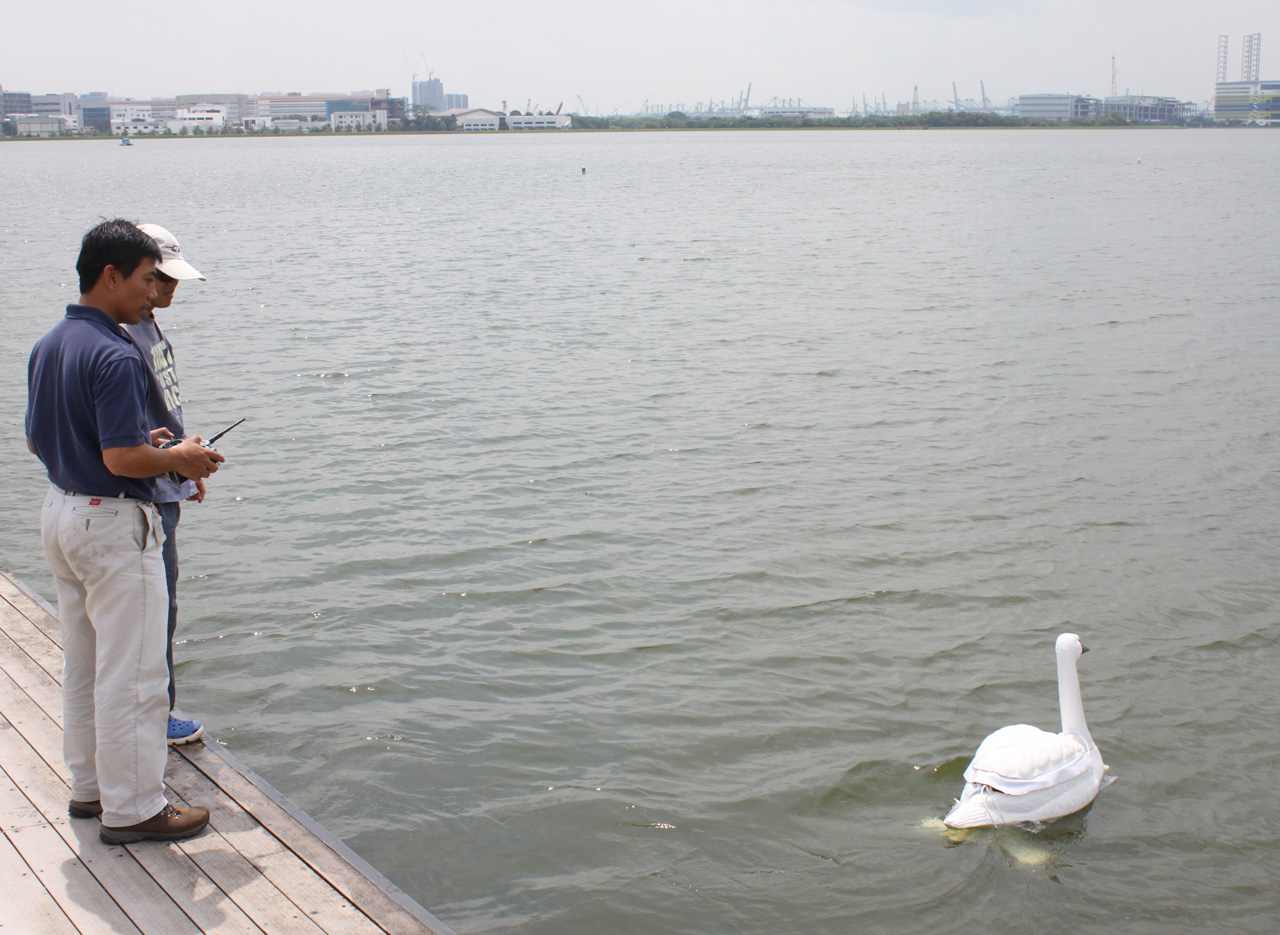
Robot swans patrol Singapore’s reservoirs, hunting pollution. PHOTO: CoExist

The  National University of Singapore has deployed robot swans to swim around water reservoirs and keep an eye on water quality. Presently, monitoring Singapore’s reservoirs is done by humans in boats, which is impractical, slow and not very scaleable. The NUSwan can swim tirelessly, continually testing pH, dissolved oxygen, turbidity (cloudiness) and chlorophyll. The results are transmitted wirelessly back to researchers, the GPS-equipped swans sweep the lake without duplicating any already-tested spots, and they automatically return to base for recharging when batteries run low.

Continue reading

The Incas and their Hand-built Roads

An exhibition at the National Museum of the American Indian concludes that the ancient Incas were great environmentalists. PHOTO: BBC

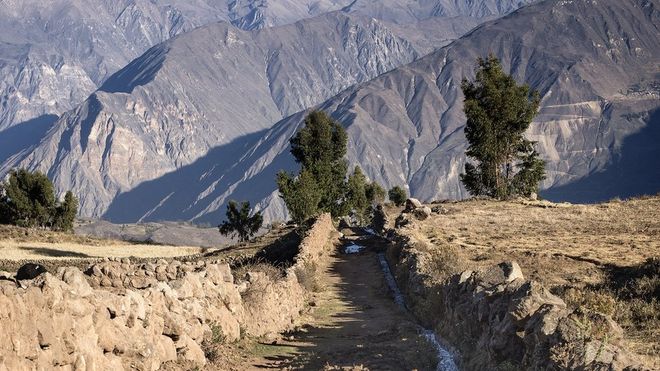
An exhibition at the National Museum of the American Indian concludes that the ancient Incas were great environmentalists. PHOTO: BBC

The Inca Road is one of the most extraordinary feats of engineering in the world. By the 16th Century it had helped transform a tiny kingdom into the largest empire in the Western hemisphere. And to the envy of modern engineers, substantial parts of the 24,000-mile (39,000-km) network survive today, linking hundreds of communities throughout Argentina, Bolivia, Chile, Colombia, Ecuador and Peru. Incredibly, it was constructed entirely by hand, without iron or wheeled transportation. A new exhibit at the Smithsonian Institution in Washington DC shows why the Incan kingdom built a lasting infrastructure.

Continue reading

Who Are You in the Wild?

The Okavango Delta is home to the largest-remaining elephant population and keystone populations of lion, hyena, giraffe and lechwe antelopes. It’s the size of Texas, and visible from space. PHOTO: James Kydd

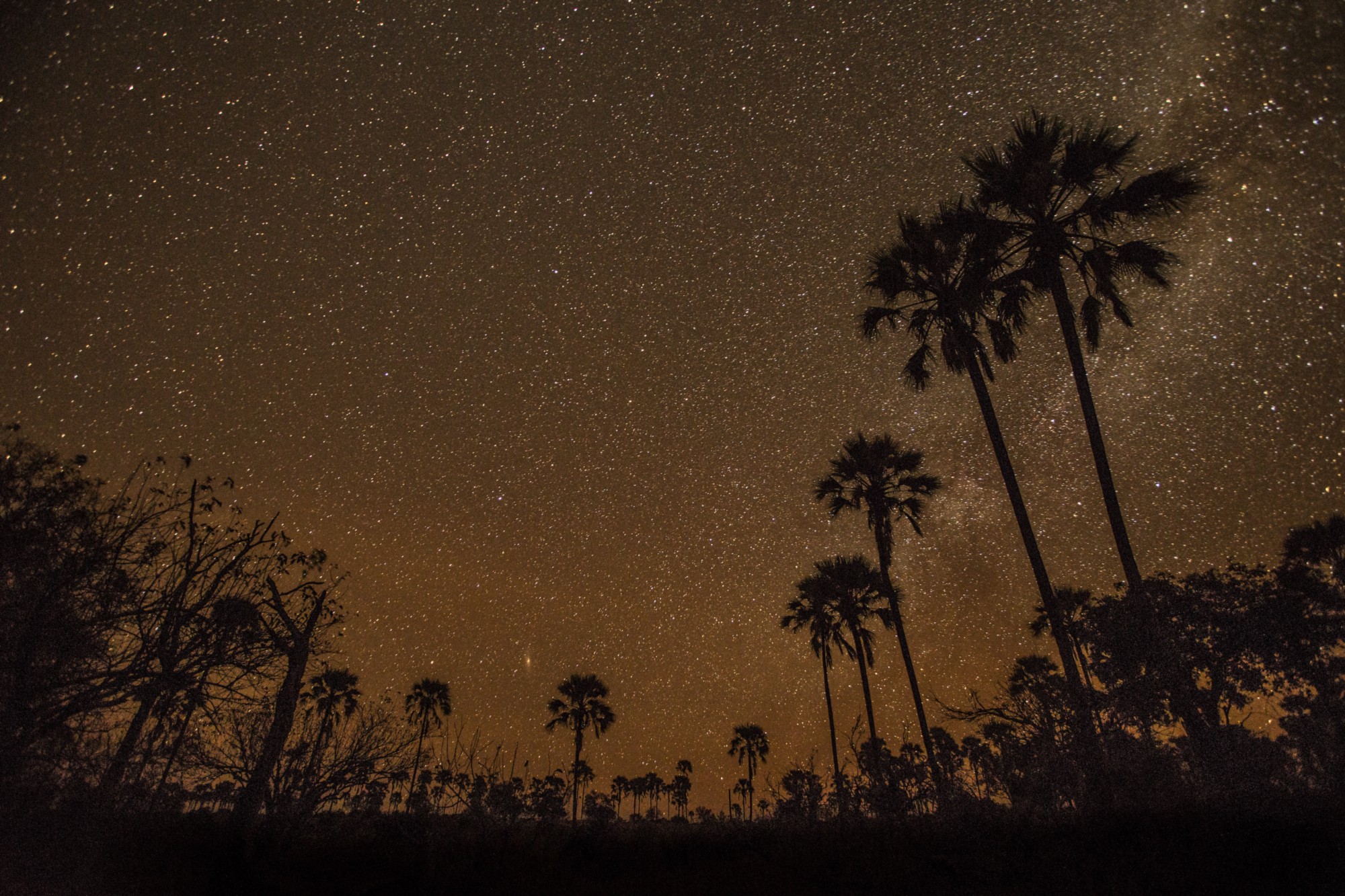
The Okavango Delta is home to the largest-remaining elephant population and keystone populations of lion, hyena, giraffe and lechwe antelopes. It’s the size of Texas, and visible from space. PHOTO: James Kydd

What can one man do towards protecting the wild? For starters, your efforts could center around saving Africa’s last remaining wetland wilderness. Then, you could be so relentless in your mission that UNESCO includes your ‘battleground’ in its World Heritage List. Then, you keep at your preservation project until you meet the Minister of Environment and get him to sign a pact on protecting the river system. If that all sounds good to you, allow us to introduce explorer Steve Boyes who has done all of the above and pledged his life to the conservation of the Okavango River Delta.

Located in northern Botswana, this untouched 18,000 square kilometer alluvial fan is the largest of its kind, and is supplied by the world’s largest undeveloped river catchment — the mighty Kavango Basin. The Okavango Delta is home to the largest-remaining elephant population and keystone populations of lion, hyena, giraffe and lechwe antelopes. It’s the size of Texas, and visible from space.

Continue reading

Fishing for Life

Greece is now heavily investing in open-ocean fish farming to meet demand.  PHOTO: Gerald Brimacombe

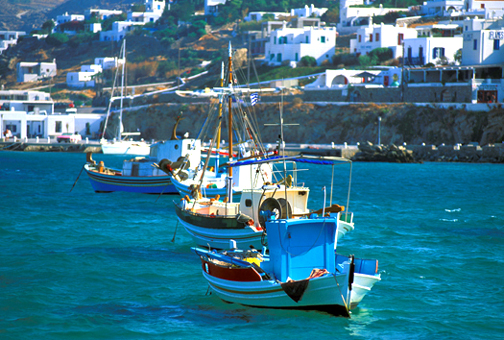
Greece is now heavily investing in open-ocean fish farming to meet demand. PHOTO: Gerald Brimacombe

The traditional Greek fisherman casting a net from his small wooden caique is a postcard image of the Mediterranean. In the past, these fishermen supplied tavernas and fish markets. But fish stocks are so low now that many say they can’t make a living. Reason? Commercial trawlers scoop most of the fish out of the sea, there’s over-exploitation of marine wealth, and fishing regulations are lax. National Public Radio tells this story from the port of Laki, a fishing village on the Aegean island of Leros:

It’s a sunny afternoon on the port of Laki, a fishing village on the Aegean island of Leros. The seaside tavernas are filled with happy tourists and local families listening to traditional violin music and eating fresh grilled fish. But fisherman Parisi Tsakirios is not celebrating. He’s on his wooden fishing boat, cleaning a bright yellow net. Two days at sea, he says, and barely a catch.”We caught just 20 pounds of fish,” says Tsakirios, who, at 29, has been fishing for 15 years. “We can sell that for 200 euros (about $225). But fuel costs almost as much, so we’ll be lucky if we make 20 euros (about $22).”

Continue reading

Profile: Mereena & Sustainable Housekeeping

A couple of days ago I had the pleasure of speaking with Mereena, the head of the housekeeping department at Cardamom County. Mereena has been here since 2003, and started from the bottom rung of the housekeeping department ladder. Mereena explained to me how she was successively promoted six times.


She began as a trainee housemaid, and then progressed to official housemaid and then to senior housemaid. Next she became housekeeping desk assistant, then trainee housekeeping supervisor, and then housekeeping supervisor and finally Room Experience Officer and head of housekeeping. Taking full charge of the department required thorough and extensive knowledge of housekeeping but maintaining that authority has required managing responsibly.  In multiple senses of that term.

Continue reading