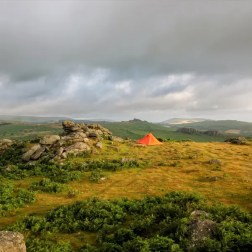
A wealthy couple bought an estate inside Dartmoor National Park and then successfully sued to bar campers from using their land. That ruling is now being appealed. Muir Vidler for The New York Times
Property rights, a foundational aspect of modern society, occasionally bump up against other rights. The journalist Brooke Jarvis has a new article that touches on this theme, we are happy to see:
The Fight for the Right to Trespass
A group of English activists want to legally enshrine the “right to roam” — and spread the idea that nature is a common good.
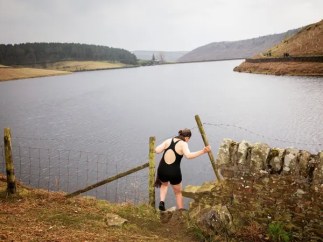
The signs on the gate at the entrance to the path and along the edge of the reservoir were clear. “No swimming,” they warned, white letters on a red background.
A protester at Kinder Reservoir. Muir Vidler for The New York Times
On a chill mid-April day in northwest England, with low, gray clouds and rain in the forecast, the signs hardly seemed necessary. But then people began arriving, by the dozens and then the hundreds. Some walked only from nearby Hayfield, while others came by train or bus or foot from many hours away. In a long, trailing line, they tramped up the hill beside the dam and around the shore of the reservoir, slipping in mud and jumping over puddles. Above them rose a long, curving hill of open moorland, its heather still winter brown. When they came to a gap between a stone wall and a metal fence, they squeezed through it, one by one, slipping under strings of barbed wire toward the water below. Continue reading

 Organikos