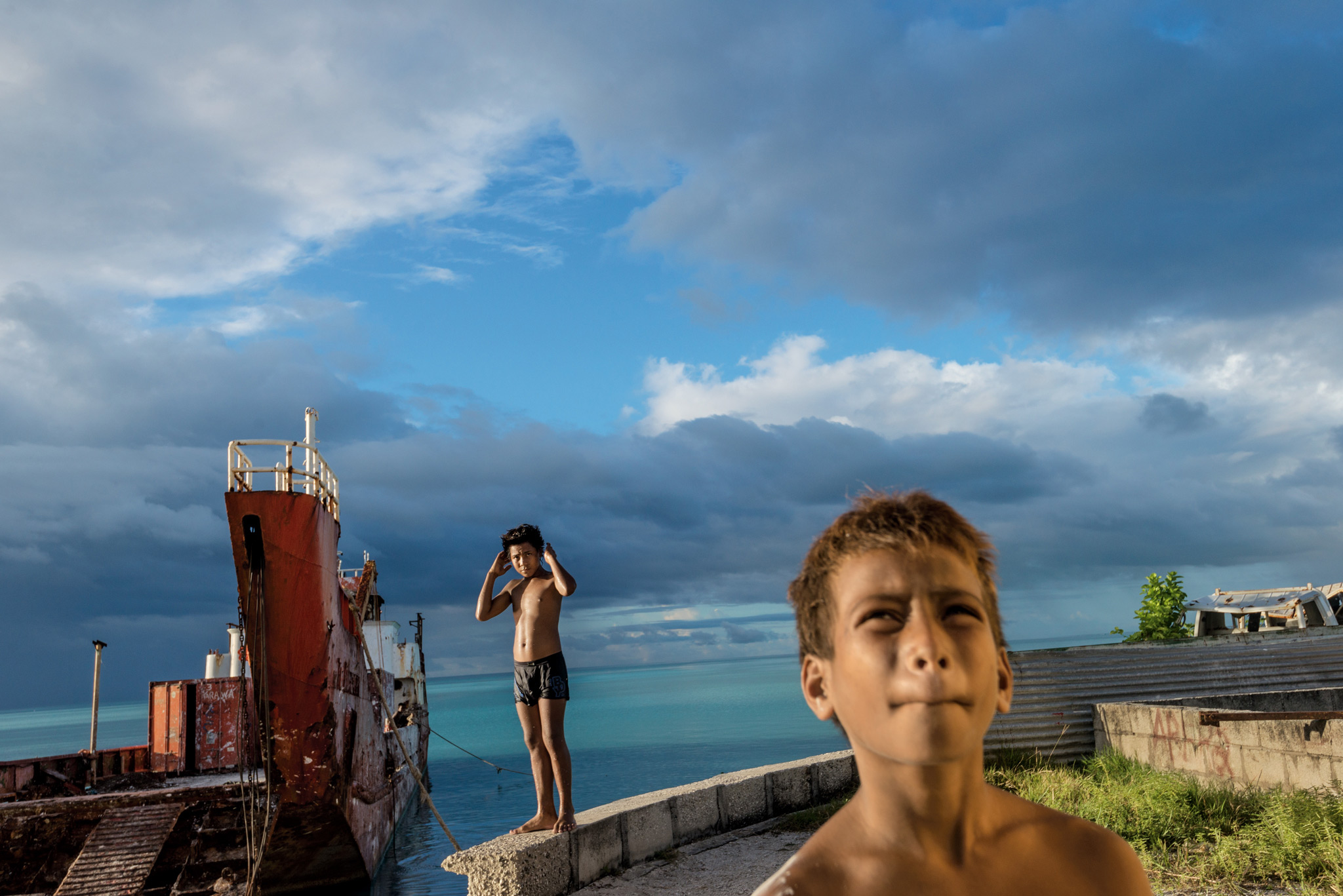
Wedded to Their Land Despite the Tides

 Kiribati—33 coral islands in an expanse of the central Pacific larger than India—is “among the most vulnerable of the vulnerable” to climate change. PHOTO: Kadir Van Lohuizen

Kiribati—33 coral islands in an expanse of the central Pacific larger than India—is “among the most vulnerable of the vulnerable” to climate change. PHOTO: Kadir Van Lohuizen

They do not think of themselves as “sinking islanders,” rather as descendants of voyagers, inheritors of a proud tradition of endurance and survival.

That’s how National Geographic captures the spirit of the people of Kiribati, a spirit that forgives the seas despite the threats that its warming, rising, acidifying waters pose to their native islands. A people who believe that planting mangroves will stop the encroaching sea in its tracks, a people whose lives are centered on the seas that without it, they maybe forced to question who they are. This is their story then, from “the front line of the climate-change crisis.”
Continue reading

Helping Salmon Get By

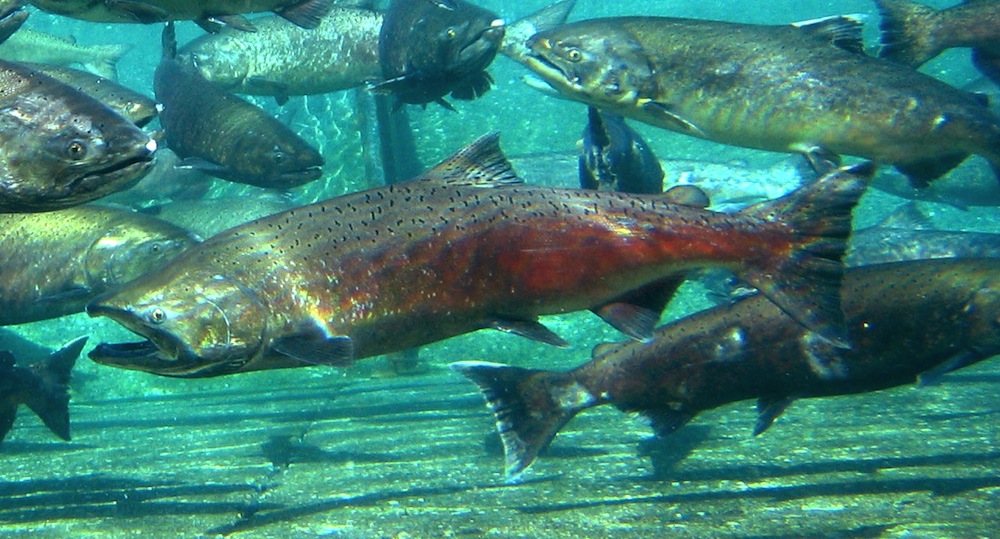
Drought and man-made obstacles lead fishery to boost releases of Chinook into Sacramento River, in hopes that a few thousand return to spawn.  PHOTO: Livescience

Drought and man-made obstacles lead fishery to boost releases of Chinook into Sacramento River, in hopes that a few thousand return to spawn. PHOTO: Livescience

To boost the dwindling population of natural chinook salmon in California, hundreds of thousands of fish are spawned and released by federal and state agencies every year. This year, 600,000 salmon were released earlier than normal because of a historic drought in California.

The California drought, the state’s worst on record, has taken a terrible toll on those already-diminished winter Chinook salmon runs. It’s not just that there isn’t enough water; there’s not enough cold water, especially after competing interests such as urban areas and big agriculture—each equipped with more political muscle than wild salmon advocates have—take their share. In 2014, the returning winter Chinook numbers were the worst that fishery officials had ever seen. In a normal year, about 25 percent of the eggs produce baby salmon healthy enough to migrate; last year, with only 5 percent surviving their infancy in the unusually warm water, nearly the whole winter run was wiped out.

Continue reading

The World’s Lone Weaver of Sea Silk

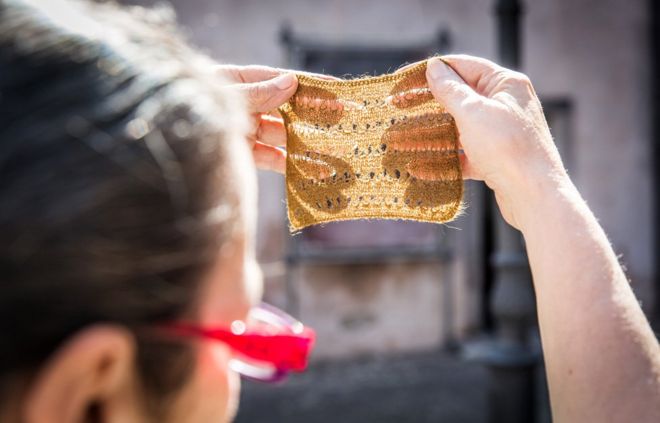
Chiara Vigo is the only woman in the world who still works the byssus, better known as the silk of the sea, the same way women in ancient Mesopotamia used to weave it in order to make clothes for their kings. PHOTO: BBC

Chiara Vigo is the only woman in the world who still works the byssus, better known as the silk of the sea, the same way women in ancient Mesopotamia used to weave it in order to make clothes for their kings. PHOTO: BBC

The Italian island of Sardinia. A place where coastal drives thrill, prehistory puzzles, endearing eccentricities exist. As DH Lawrence so succinctly put it: ‘Sardinia is different.’ The island has been polished like a pebble by the waves of its history and heritage. And an indispensable part of it is Chiara Vigo, who is thought to be the only women left who can harvest sea silk, spin it and make it shine like gold. By her own admission, Vigo is neither an artist nor an artisan. She is a master. While an artist creates over inspiration and an artisan produces and sells, masters pass their art on. Like she hopes to.

Continue reading

A Battle on the Ocean Bed

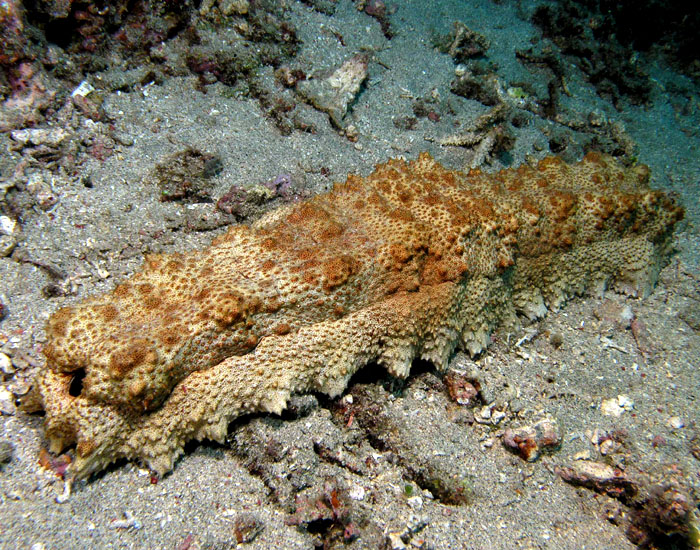
The potential opening of sea cucumber fishing in Galápagos has scientists and conservationists surprised and concerned after news leaked of a July 10 agreement that would allow the collection of 500,000 of the creatures, considered vital to the marine environment. PHOTO: Wikimedia Commons

The potential opening of sea cucumber fishing in Galápagos has scientists and conservationists surprised and concerned after news leaked of a July 10 agreement that would allow the collection of 500,000 of the creatures, considered vital to the marine environment. PHOTO: Wikimedia Commons

Sea cucumbers are in the news – again. The marine creature has been talked about as an adjunct treatment for those undergoing chemotherapy. They have also been tipped as a “wonder ingredient” in cosmetics. Not to forget the sea cucumber capsule industry, Asian cuisines that consider it a delicacy, and its place in the underground market of aphrodisiac market. This time around, the news isn’t good.

Continue reading

Two Tablespoons of Salt Please

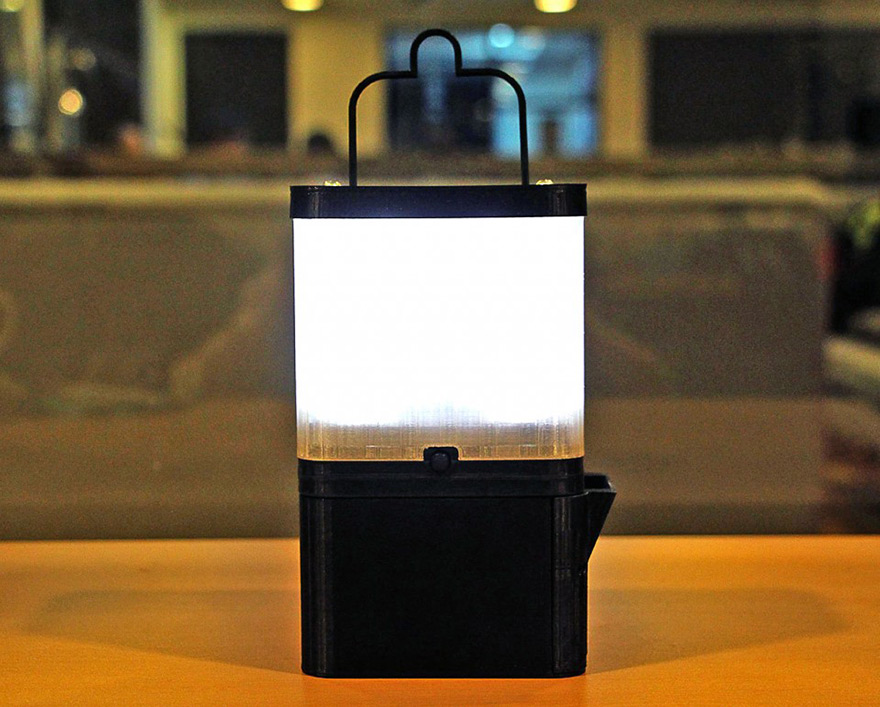
This eco-friendly lamp runs on just 2 tbsp of salt and a single glass of water. PHOTO: SALt

This eco-friendly lamp runs on just 2 tbsp of salt and a single glass of water. PHOTO: SALt

When you discuss abundance of resources, it’s inevitable that shortage creeps into the conversation. So when one looks at how many of the 7,000 islands that make Philippines lack electricity, it’s also difficult to miss the natural and abundant seawater. Engineer Lipa Aisa Mijena and team put both in the same equation and the result is a a lamp that’s capable emitting light for 8 hours on just 1 cup of saltwater.

Continue reading

Fishing for Life

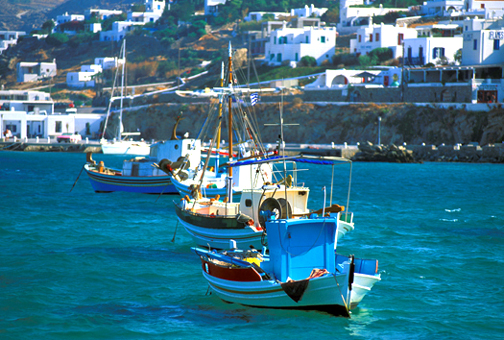
Greece is now heavily investing in open-ocean fish farming to meet demand.  PHOTO: Gerald Brimacombe

Greece is now heavily investing in open-ocean fish farming to meet demand. PHOTO: Gerald Brimacombe

The traditional Greek fisherman casting a net from his small wooden caique is a postcard image of the Mediterranean. In the past, these fishermen supplied tavernas and fish markets. But fish stocks are so low now that many say they can’t make a living. Reason? Commercial trawlers scoop most of the fish out of the sea, there’s over-exploitation of marine wealth, and fishing regulations are lax. National Public Radio tells this story from the port of Laki, a fishing village on the Aegean island of Leros:

It’s a sunny afternoon on the port of Laki, a fishing village on the Aegean island of Leros. The seaside tavernas are filled with happy tourists and local families listening to traditional violin music and eating fresh grilled fish. But fisherman Parisi Tsakirios is not celebrating. He’s on his wooden fishing boat, cleaning a bright yellow net. Two days at sea, he says, and barely a catch.”We caught just 20 pounds of fish,” says Tsakirios, who, at 29, has been fishing for 15 years. “We can sell that for 200 euros (about $225). But fuel costs almost as much, so we’ll be lucky if we make 20 euros (about $22).”

Continue reading

Let’s Take a Look at the Ocean

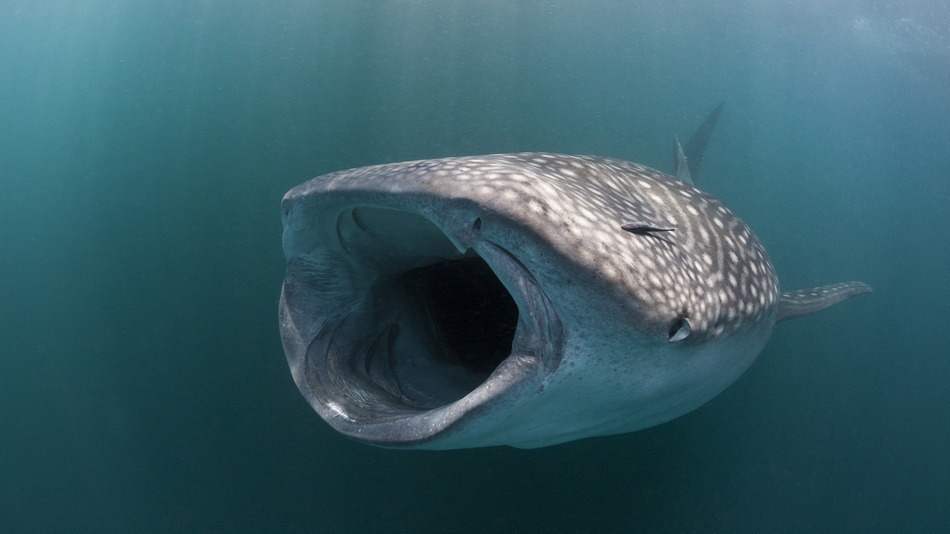
Feeding Whale Shark, in Triton Bay, West Papua, Indonesia. PHOTO: REINHARD DIRSCHERL/CORBIS

Feeding Whale Shark, in Triton Bay, West Papua, Indonesia. PHOTO: REINHARD DIRSCHERL/CORBIS

Be it the flash floods in Texas or a heat wave in India that has killed over 2,000 people to date, the signs of global warming and the consequent extremes are telling on land. The sea has not been spared either –  the acceleration of global sea level change from the end of the 20th century through the last two decades has been significantly swifter than scientists thought. And a closer look at the oceans reveal that by the end of the century, the polar regions may have some of the most abundant sea life on the planet. The tropics, which are currently the crown jewel of marine species richness, may be drained of much of its iconic marine life, opines a recent study published in the journal Nature Climate Change. 

If warming is held at the 2-degree target, the changes that will occur throughout the global ocean “will be relatively benign for the ecosystem.”The tropical regions would see a net loss in biodiversity with average global warming of 2 degrees Celsius, while polar areas could see a 300% increase in biodiversity as species seek out more hospitable areas.

Continue reading