Tree Core Samples & Age Estimations

Tree cores Harvard Forest

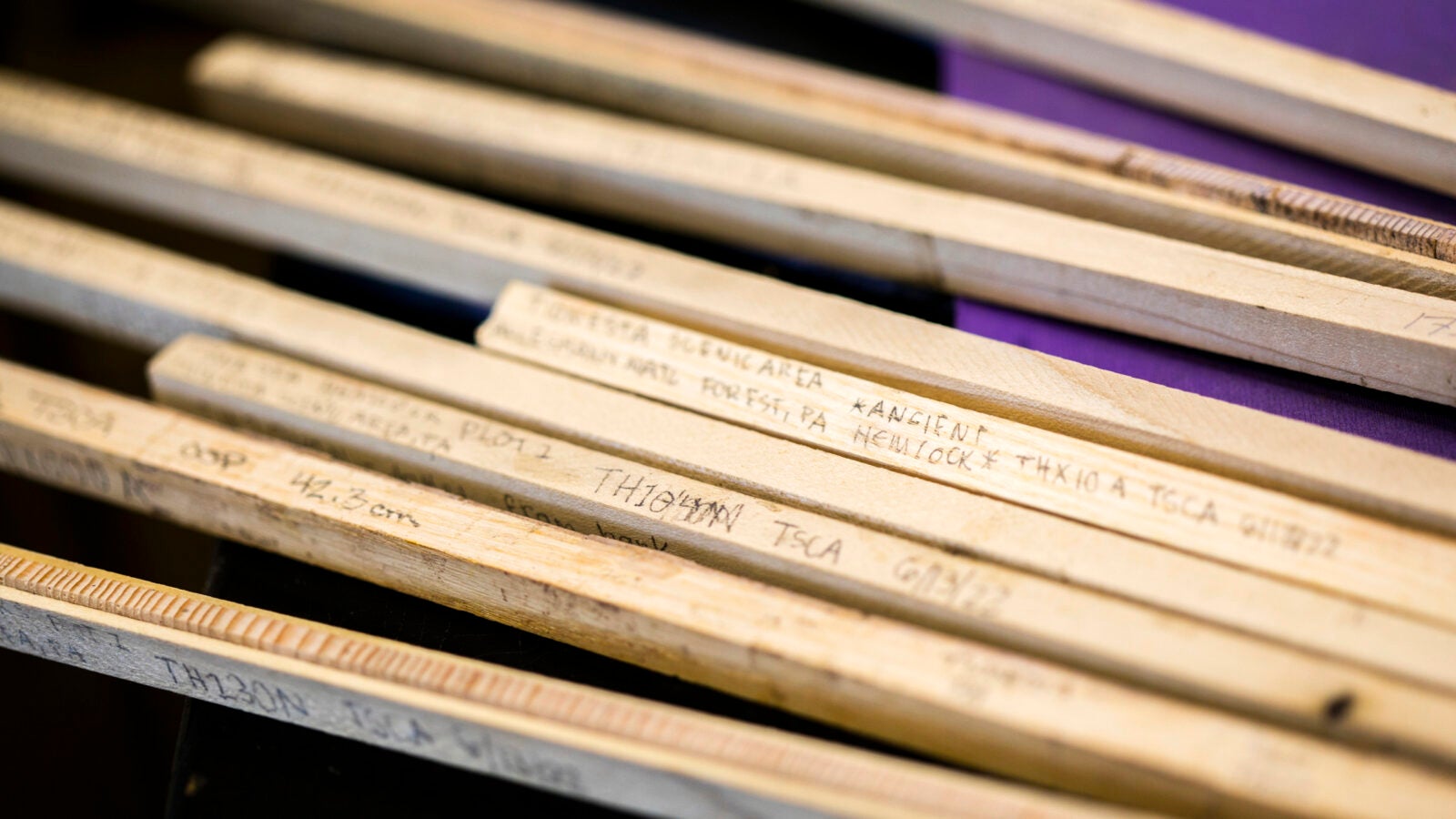
Core samples may hold clues to a forest’s response to climate change. Photos by Stephanie Mitchell/Harvard Staff Photographer

Juan Siliezar, staff writer for the Harvard Gazette asks and answers a question that we never tire of:

Want to know how cold it was in 1490? Ask a tree

Harvard Forest Senior Ecologist Neil Pederso

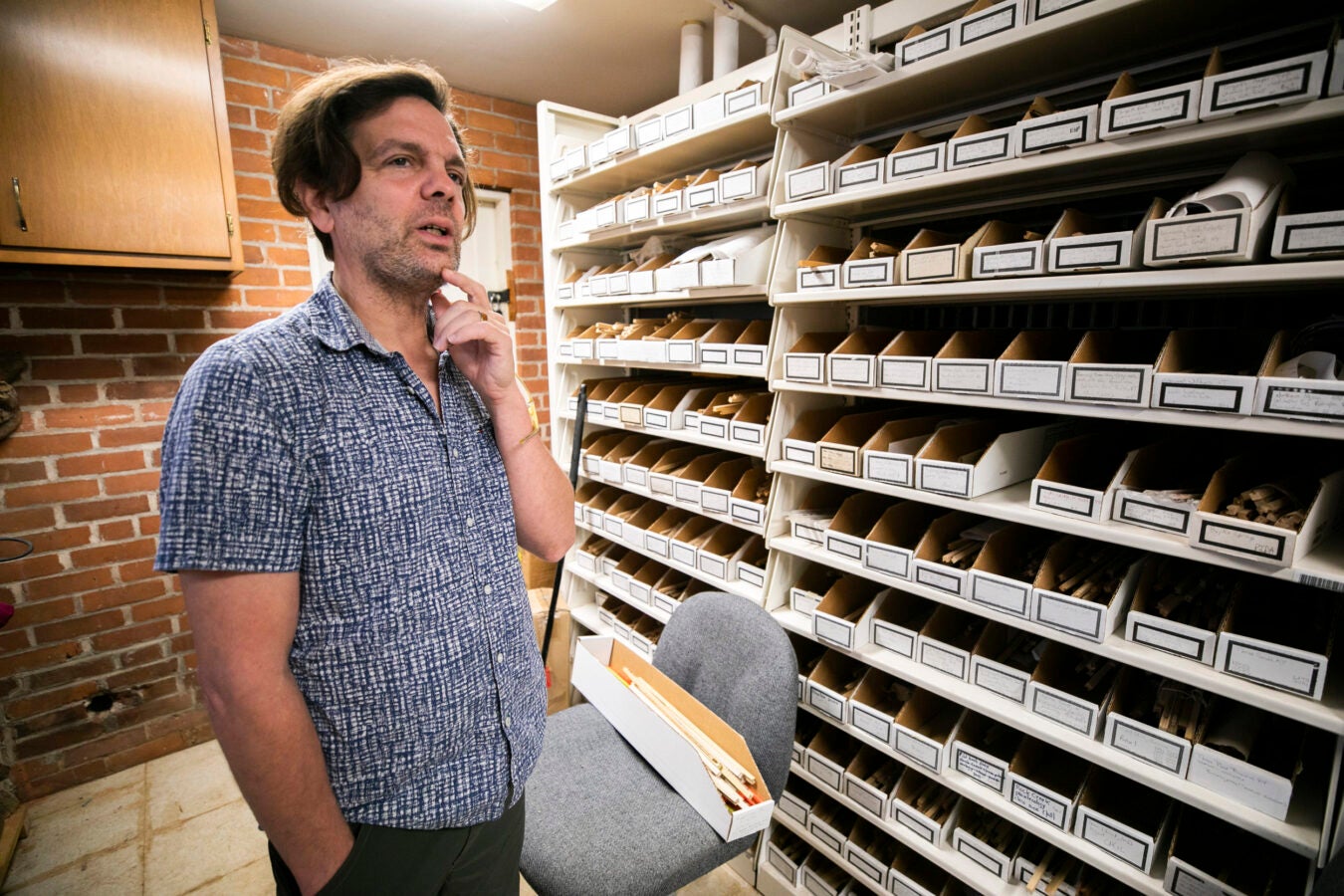
“We use tree cores to extract what I’ve been leaning toward calling the memory of the tree,” said Neil Pederson in the lab alongside core samples.

Sometimes getting to where you want to go is a matter of finding the right guide.

Four teams of researchers, led by Harvard Forest ecologists, searched for a patch of ancient trees deep in the woods of western Pennsylvania this summer as part of a project to study how climate changes affected trees over the centuries. One of the scientists had come across them 40 years earlier, but they appeared to have vanished. Just as the group was about to give up and move on they came across someone who gave them a valuable clue. Continue reading
The Bosnian Tree Elder

122212_web

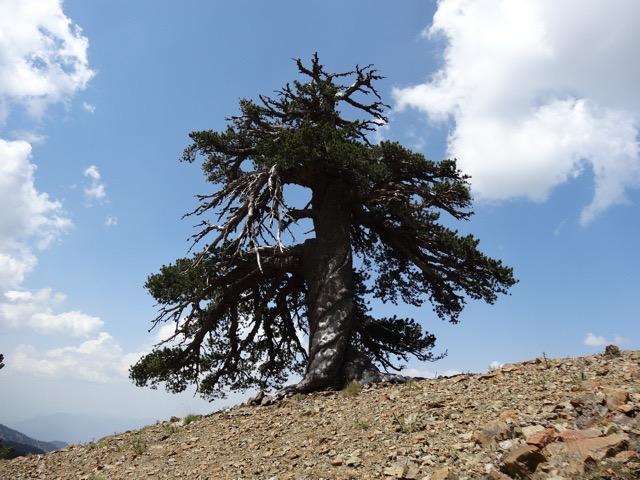
Certain species of trees can grow to be very old, and a group of scientists from Stockholm University  discovered a Bosnian pine (Pinus heldreichii) that would certainly classify as ancient. The solitary Bosnian pine is growing in the highlands of northern Greece and has been dendrochronologically dated– that is, analyzed to see how old the tree is – to be more than 1075 years old, making it the oldest known living tree in Europe.

“It is quite remarkable that this large, complex and impressive organism has survived so long in such an inhospitable environment, in a land that has been civilized for over 3000 years” says Swedish dendrochronologist, Paul J. Krusic, leader of the expedition that found the tree. It is one of more than a dozen individuals of millennial age, living in a treeline forest high in the Pindos mountains.

Continue reading

Where’s The Snow?

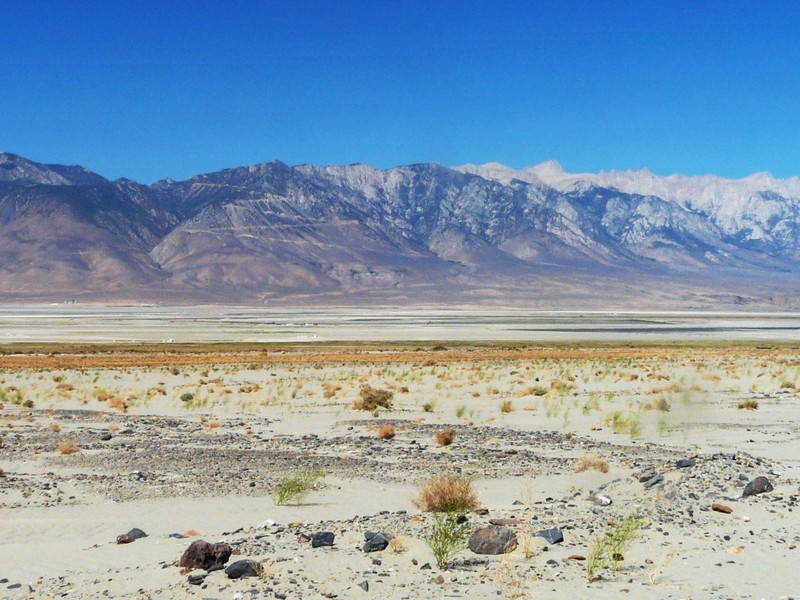
In 500 years, the Sierra's stores of snow have never ben this low. PHOTO: François B. Lanoë/Nature Climate Change

In 500 years, the Sierra’s stores of snow have never ben this low. PHOTO: François B. Lanoë/Nature Climate Change

Yet another ironical evidence of climate change. One in the mountains of Sierra Nevada, which coincidentally mean ‘snowy’ range. A new study has found that the snowpack in the Sierra Nevadas is the lowest it’s been in the past 500 years. Definitely not good news for California which depends on this snowpack for water. A debilitating drought, fierce wildfires, and now a declining snowpack, things sure are not looking good for the city.

Continue reading