Big New Grove

980x-12

We wish the Earl well, and appreciate his efforts:

Ireland to Plant Largest Grove of Redwood Trees Outside of California

By Steve Williams

An estate in Ireland has revealed plans to create a redwood grove that will be the largest of its kind outside California. The initiative serves as a testament both to Ireland’s heritage and its commitment to fighting global warming. Continue reading

Trees Cooling Urban Jungles

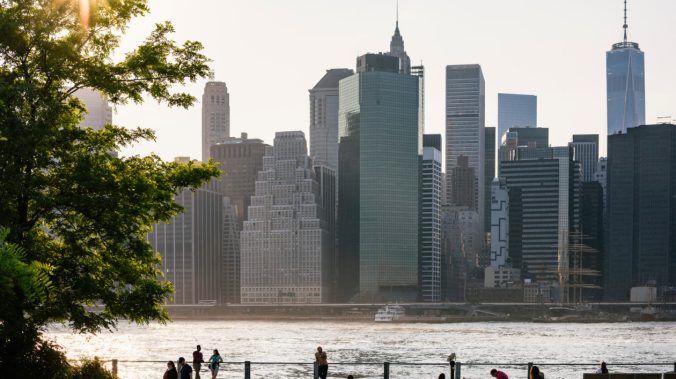
Brooklyn Bridge Park.

Thanks to Cool Green Science:

Using Cloud Computing to Untangle How Trees Can Cool Cities

BY TIMOTHY BOUCHER

We’ve all used Google Earth — to explore remote destinations around the world or to check out our house from above. But Google Earth Engine is a valuable tool for conservationists and geographers like myself that allows us to tackle some tricky remote-sensing analysis.

After having completed a few smaller spatial science projects in the cloud (mostly on the Google Earth Engine, or GEE, platform), I decided to give it a real workout — by analyzing more than 300 gigabytes of data across 28 United States and seven Chinese cities. Continue reading

The Man Behind The Hidden Life of Trees

3648

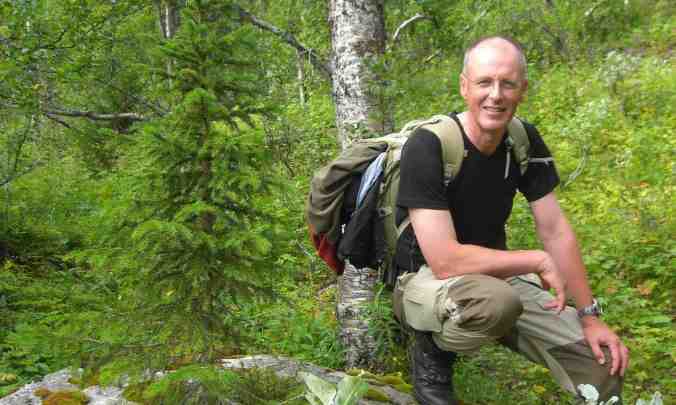
Trees a crowd … Peter Wohlleben and friends. Photograph: Peter Wohlleben

9781771642484The man who thinks trees talk to each other

Beech trees are bullies and willows are loners, says forester Peter Wohlleben, author of a new book claiming that trees have personalities and communicate via a below-ground ‘woodwide web’

Early this year I linked out to a profile of Peter Wohlleben, and that post was remarkably well received. The post about the woodwide web concept more recently, clearly connected conceptually, was also well received, while pointing to the findings of other researchers (if you did not listen to the Radio Lab piece, do yourself a favor and do so). I am happy to link to more about the ideas in this book, and to learn more about the man himself:

Trees have friends, feel loneliness, scream with pain and communicate underground via the “woodwide web”. Some act as parents and good neighbours. Others do more than just throw shade – they’re brutal bullies to rival species. The young ones take risks with their drinking and leaf-dropping then remember the hard lessons from their mistakes. It’s a hard-knock life.

Continue reading

4,000 Years of Shared History

The African baobab, though, is most widely distributed both in its home continent and in the neo-tropics where enslaved Africans were brought to work. PHOTO: Gavin Evans

The African baobab, though, is most widely distributed both in its home continent and in the neo-tropics where enslaved Africans were brought to work. PHOTO: Gavin Evans

The Baobab tree is a native African tree with numerous valuable advantages including food, shelter, clothing, medicines, hunting, fishing, water storage, etc. It is considered sacred and immortal and its species is as old as 5000 years.And some of this is heritage is shared with India as well.
In the French novella The Little Prince, the titular prince comes from a very small asteroid planet called B612 where soil is full of baobab seeds. He tells the author that if left to grow, the baobabs would become so numerous and huge that they could make the little planet explode.On Earth, though, baobabs are quite the opposite. Anyone living in Africa where baobabs grow to enormous sizes would be able to tell you about the numerous benefits the trees provide for humans and animals.They would probably describe the marvellous generosity of its trunk and its hospitality to many creatures, and extol the hardy and light fruit pod with its deliciously powdery pulp and nutritious seeds that remain fresh and edible over long periods of time.
But there is a mystery to baobabs, as they are also found in India. How did they get there?

Continue reading

What’s the Tree Population?

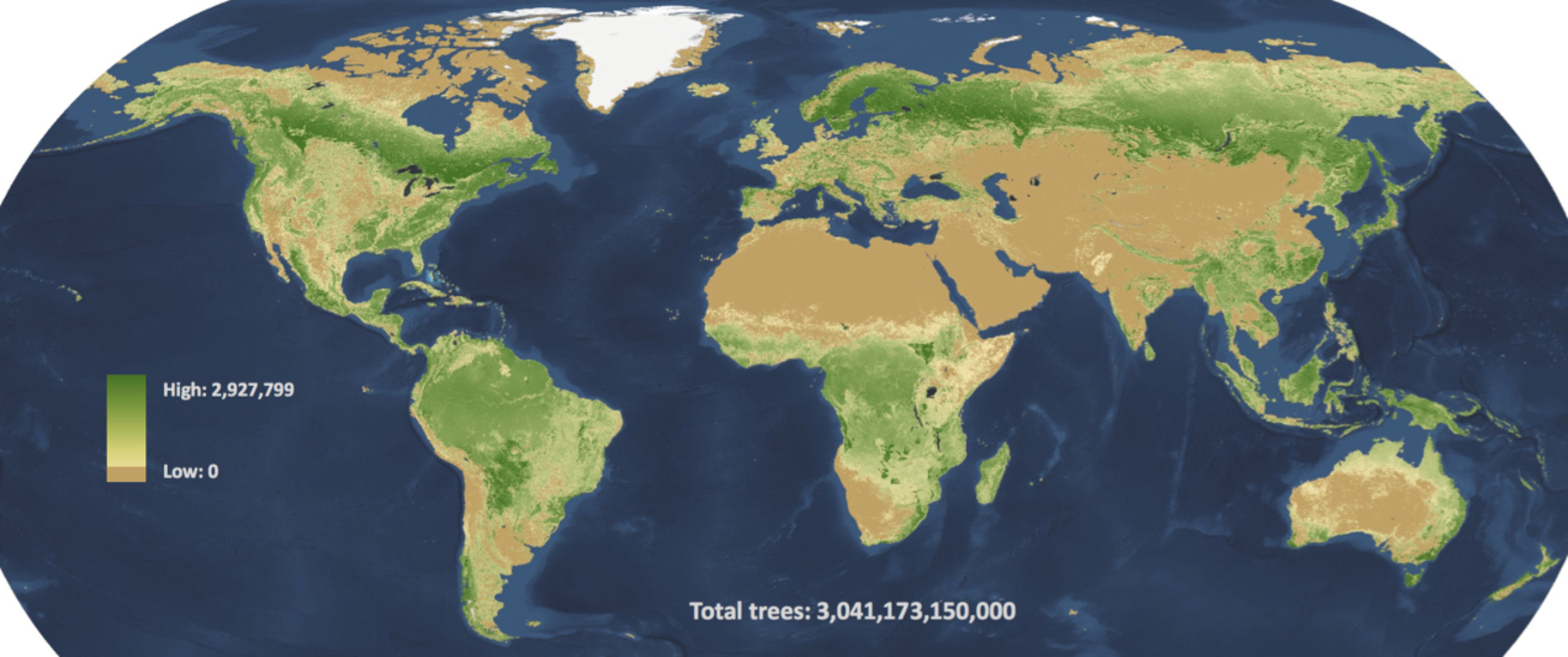
Three trillion trees, mapped to the square kilometre.  Source: Crowther et al / Nature

Three trillion trees, mapped to the square kilometre. Source: Crowther et al / Nature

Three trillion trees live on Earth, but there would be twice as many without humans. Each year more than 15 billion trees are lost worldwide, according to a major new study. Previous estimates for the total number of trees on Earth have been much lower. The new study is important not only because it gives a higher number, but how it was produced. As well as using remote sensing data such as images taken by satellites that can classify land type, the research also integrated 429,775 ground-based assessments of tree density.

Continue reading

Meet the Tree Elders

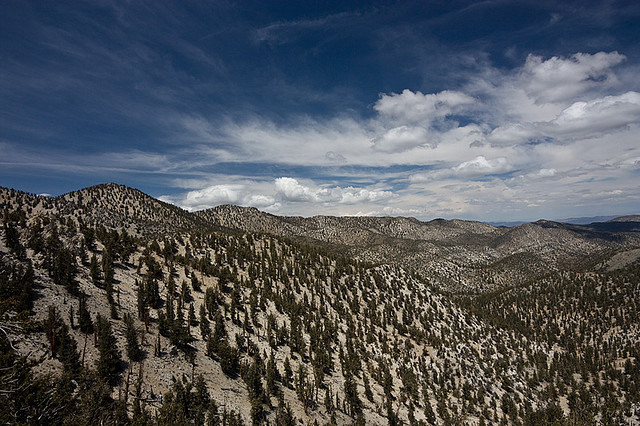
An ancient 4,800-year-old Great Basin Bristlecone Pine, the Methuselah Tree grows high in the White Mountains of eastern California. PHOTO: AGrinberg Creative Commons

An ancient 4,800-year-old Great Basin Bristlecone Pine, the Methuselah Tree grows high in the White Mountains of eastern California. PHOTO: AGrinberg Creative Commons

Did you know that the exact location of the world’s second oldest tree is a Forest Service secret? Or that a woman was charged with setting a fire that burnt down one of the oldest tree organisms? Well, “The Senator” must have sprung up roughly 3,500 years ago — a tiny cypress tree, no bigger than a fist, in the swamplands of Central Florida. In 2012, that very same cypress burned to the ground. The majestic 118-foot tall tree was one of the oldest organisms in the world. Over the course of its long life, it survived hurricanes, disease and logging sprees, serving as a tourist attraction and a spiritual epicenter for pilgrims hoping to bask, literally, in the shade of history.

Continue reading

In The Line of Fire

A firefighter monitors the flames in Cualedro. PHOTO: Pedro Armestre

A firefighter monitors the flames in Cualedro. PHOTO: Pedro Armestre

The Mediterranean climate, particularly the prolonged dry and hot summer season, is naturally favourable to wildfires. Their frequency and impact have increased over the last few decades in southern European countries, mainly due to land-use and socio-economic changes. Many traditional rural activities (e.g. firewood collection and livestock grazing systems) have been partly or totally abandoned in favour of alternatives (e.g. fossil fuels and factory farming). These changes have led to more homogeneous landscapes and the accumulation of dry matter in forests and rangelands, resulting in a greatly increased fire hazard.

Continue reading

The Indonesian Forests May Breathe Now

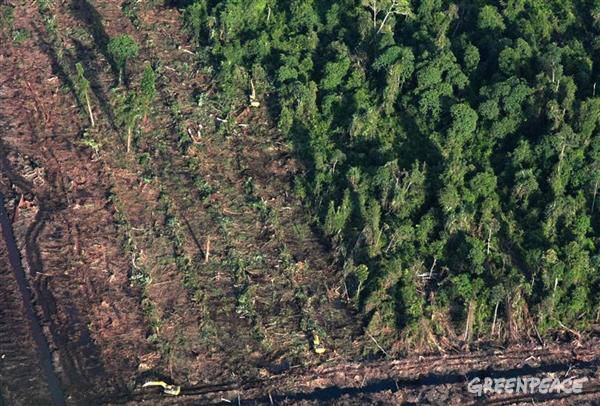
Loss of forest habitat through pulp and paper logging and palm oil plantations has pushed endangered species such as the Sumatran tiger, rhinoceros, elephants and the orangutan closer to extinction. PHOTO: Greenpeace

Loss of forest habitat through pulp and paper logging and palm oil plantations has pushed endangered species such as the Sumatran tiger, rhinoceros, elephants and the orangutan closer to extinction. PHOTO: Greenpeace

Indonesia has the third largest tropical rainforest in the world. The country is also the world’s largest producer of palm oil, fifth largest of coal, and tenth largest producer of pulp and paper. To say these industries are tied to resources of the land is to state the obvious. But to say that the activities are fast eating into forest cover is a matter of concern. Which is precisely why when a company like Asia Pacific Resources International Limited (APRIL) – the country’s second largest paper and pulp company – announces that it will completely eliminate deforestation in its operations, the world takes notice.

Greenpeace Australia Pacific said the “good news” came after more than 40,000 Australians emailed Australian paper supplier Office Brands asking it to stop buying from APRIL because its paper was sourced from Indonesia’s old-growth rainforests. The announcement comes after rival Indonesian company Asia Pulp and Paper (APP) announced in 2013 it would cease logging in natural forests. This followed a decade-long Greenpeace campaign that cost APP more than 130 corporate customers including Disney, Mattel and Hasbro.

Continue reading

Be for Boreal Forests

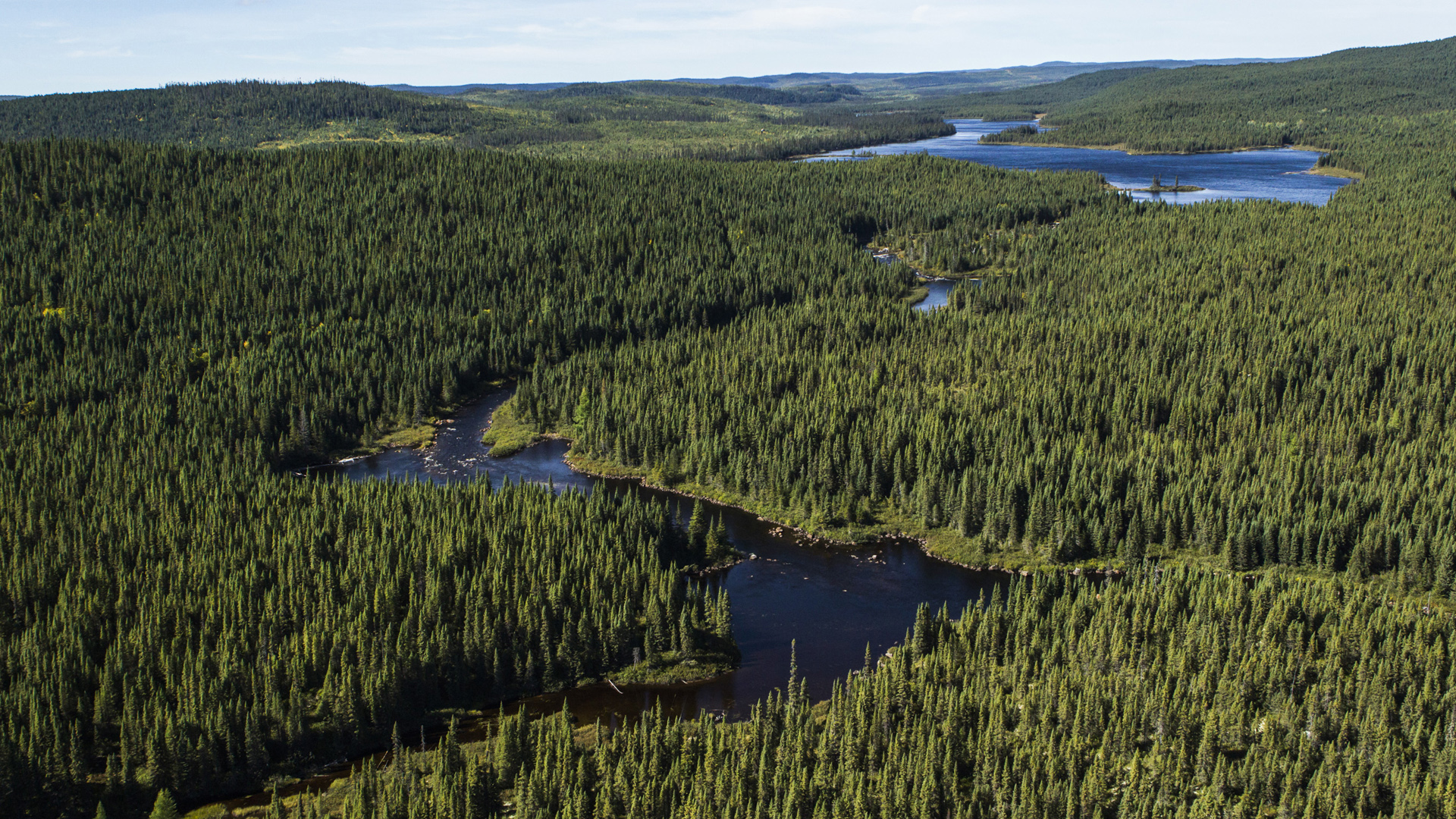
Canada’s boreal region covers almost 60 percent of the country’s land area, essentially spanning from the Atlantic to the Pacific. It is one of the largest and most complex ecosystems on the planet. PHOTO: borealfacts.com

Canada’s boreal region covers almost 60 percent of the country’s land area, essentially spanning from the Atlantic to the Pacific. It is one of the largest ecosystems on the planet. PHOTO: borealfacts.com

Question time. What is the largest intact forest on the planet? If you guessed Amazon, firstly you aren’t the only one; more importantly, you’ll have to know the answer is the Canadian boreal forests. Here are some facts: It covers a staggering 1.5 billion acres, between 1-3 billion birds flock nest and breed here each year, it alone stores 208 billion tonnes of carbon i.e 20 years worth of the world’s emissions from burning fossil fuels, and contains 200 million acres of surface fresh water alone. Yes, that’s a lot of numbers; but they are only some of the reasons for making sure these forests stay intact.

So, whether you enjoy a morning chasing warblers in Central Park’s Ramble, listening to ovenbirds sing in Rock Creek Park in Washington, D.C., scanning the Chicago waterfront for ducks or strolling the shaded paths of Mount Auburn Cemetery near Boston while vireos and tanagers flash through the old trees, you are drawing delight directly from that immense swath of unsullied northern forest.

Continue reading

Banyan Trees

Photo credits : Renjith

Photo credits: Renjith

The national tree of India, the Banyan is one of the most magical and mystical of trees. In Indian culture the Banyan tree is considered to be sacred and leaves of the tree are considered to be the resting place of Lord Krishna. It is also believed that Buddha achieved enlightenment while sitting under a Banyan tree. Continue reading

Coconut – Tree of Life

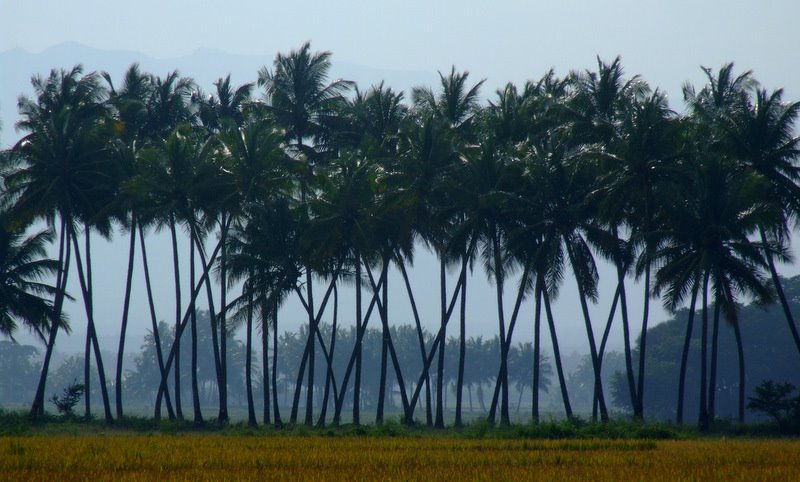
Photo credits :Ramesh Kidangoor

Photo credits: Ramesh Kidangoor

Kerala literally means the “land of Coconut” and is one of the leading producers of coconut in the world. Coconut trees are an integral part of the lifestyle and the economy of the state, and because of the numerous products and by-products derived from its various parts coconut is known as the “Tree Of Life”. Continue reading

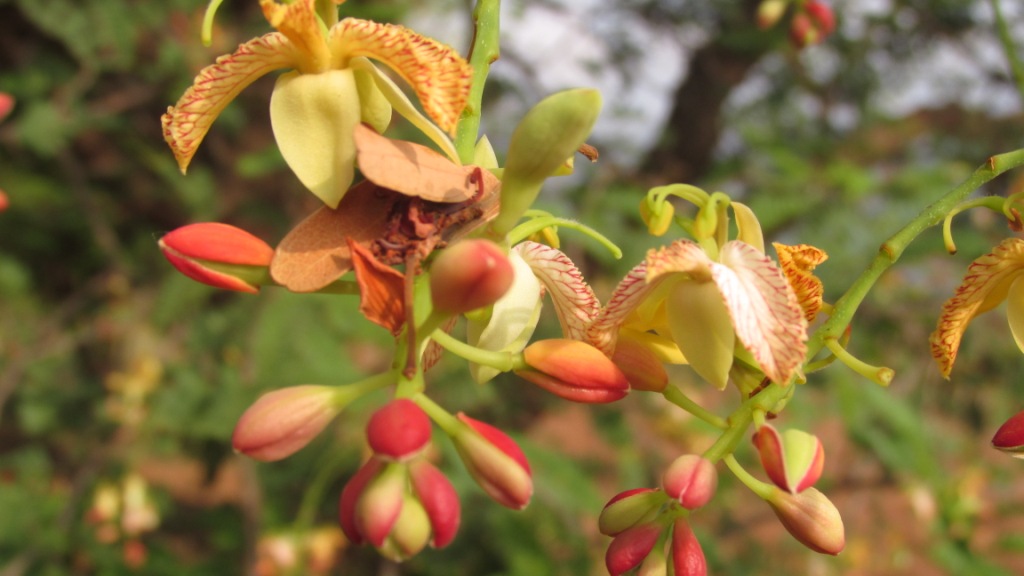
Tamarind Tree Flowers

Tamarind Flower

Tamarind Flower

The Tamarind is a large evergreen tree that grows up to 30 to 35 metres in height with beautiful flowers. Tamarind grows all over India, especially in hot and dry climate. Continue reading

Fishtail Palm -Toddy Palm

The Fishtail Palm is an attractive flowering plant with fishtail shaped leaves that grows in the tropical rain forest from India to Burma. In Kerala the tree is tapped for the local kallu (toddy) and the leaves are also a favorite fodder for elephants. Continue reading

Wild Periyar – Indian Sandalwood

Sandalwood (santalum album) is a small evergreen tree that can grow up to 15 metres high. This hemiparasitic tree (feeding off the roots of other plants) is found widely in the Periyar Tiger Reserve, although is considered threatened in many parts of the world. Continue reading

Mangrove Forests

Mangroves are an essential element of healthy coastal environment. They provide excellent habitat for migratory birds, serve as breeding ground for many species of fishes, control pollution through natural filtration and protect the shoreline from heavy waves. The important Mangroves plants are Acanthus cillicifolious, Acrostichum aurem and Avicennia officinalis, several of which are found in Kerala. Mangroves are salt-tolerant plants found in tropical and subtropical regions of the world. Continue reading

Red Silk-Cotton Tree (Bombax ceiba)

The Red Silk Cotton is a fast growing tree growing widely in the Western Ghats forest areas. These trees can reach a height of 35-40 meters, and bear large red-orange flowers from December to March. The timber of the tree is very soft and used for making plywood and match boxes. Continue reading

Terminalia paniculata – Kindal

These trees are very common in the moist deciduous forest of the Periyar Tiger Reserve, widely growing up to 850 meters in South Indian forests. These trees bloom from August to December with flowers that are white in colour and turn to red as they fruit.

Continue reading

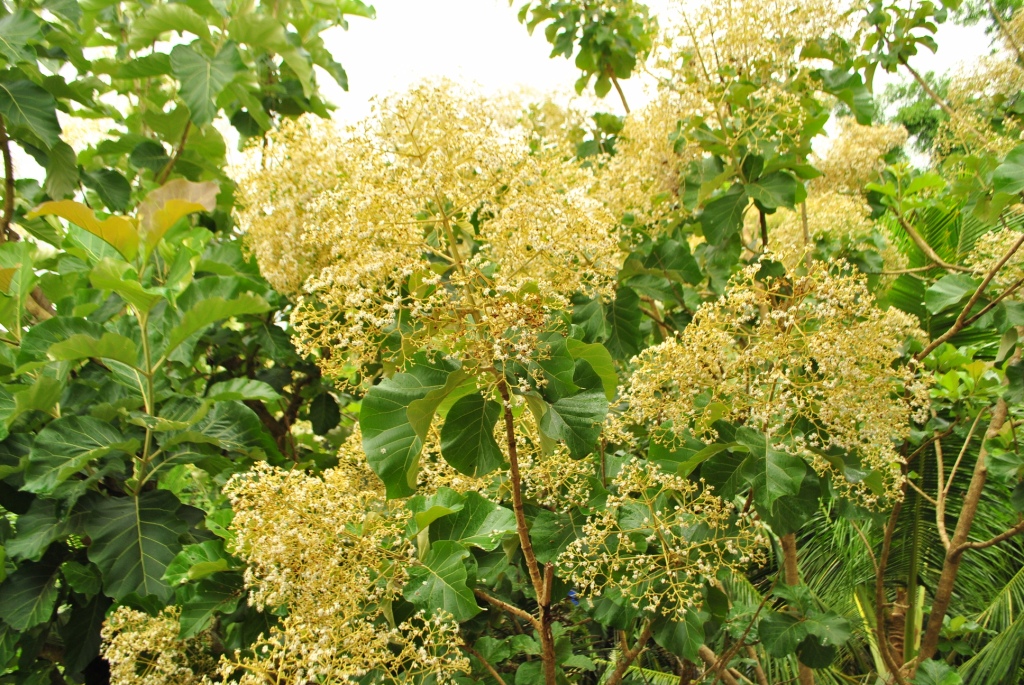
Teak (Tectona grandis)

Teak is a tall evergreen tree with very large leaves and small white flowers set on meter-long panicles. The timber is world famous and its uses are well known. The heart wood is golden yellow when freshly cut, later turning brown. The hard knots which develop on trunks are prized for making tobacco pipes.

Continue reading

Moottil Pazham (Baccourea courtallensis)

Moottil pazham trees are found only inside the semi-evergreen forest. This unusual tree bears fruits only on the lower part of the trunk, clustered around its base in bunches. The edible portion of the fruits are hard and turn from reddish brown to pink as they ripen. They fruits are a favourite food for forest dwelling tortoise. Continue reading

Allspice (Pimenta dioica)

Native to the New World Tropics, allspice is a medium sized tree growing up to 35 to 42 feet in height whose leaves smell like a combination of cinnamon, cloves and nutmeg. The evergreen tree produces small berries which contains one or two seeds. This seed is priced as the second most expensive spice in the world market after Saffron.

Continue reading