A Cleaner Seine Is A More Inspiring Seine

A photo of people swimming in the Seine in Paris on July 17 2024.

People swimming in the Seine, in July of 2024.Photograph by Raphael Lafargue / Sipa / AP

Skip the first half if you are short on time, but in the second half of this article you will find the fruition of imagination and courage we always hope to see more of:

The Unexpectedly Hopeful Paris Olympics

The Games have never lived up to all their ideals—some of which were dubious to begin with. And yet this year’s iteration, for all its flaws, has already inspired some positive change.

…Which brings me to the Seine. When the Olympics returned to Paris, in 1924, the swimming took place not in the Seine but in a pool, the Piscine des Tourelles. Swimming in the Seine was banned altogether one year prior. It was, after all, not merely a river but a road through Paris, crowded with barges. It was also a sewer, filled with refuse from houseboats and the untreated sewage that overflowed the city’s nineteenth-century system when it rained. Various attempts to clean up the Seine failed. When Paris was selected to host the 2024 Games, seven years ago, it was still illegal to swim in the river. Continue reading
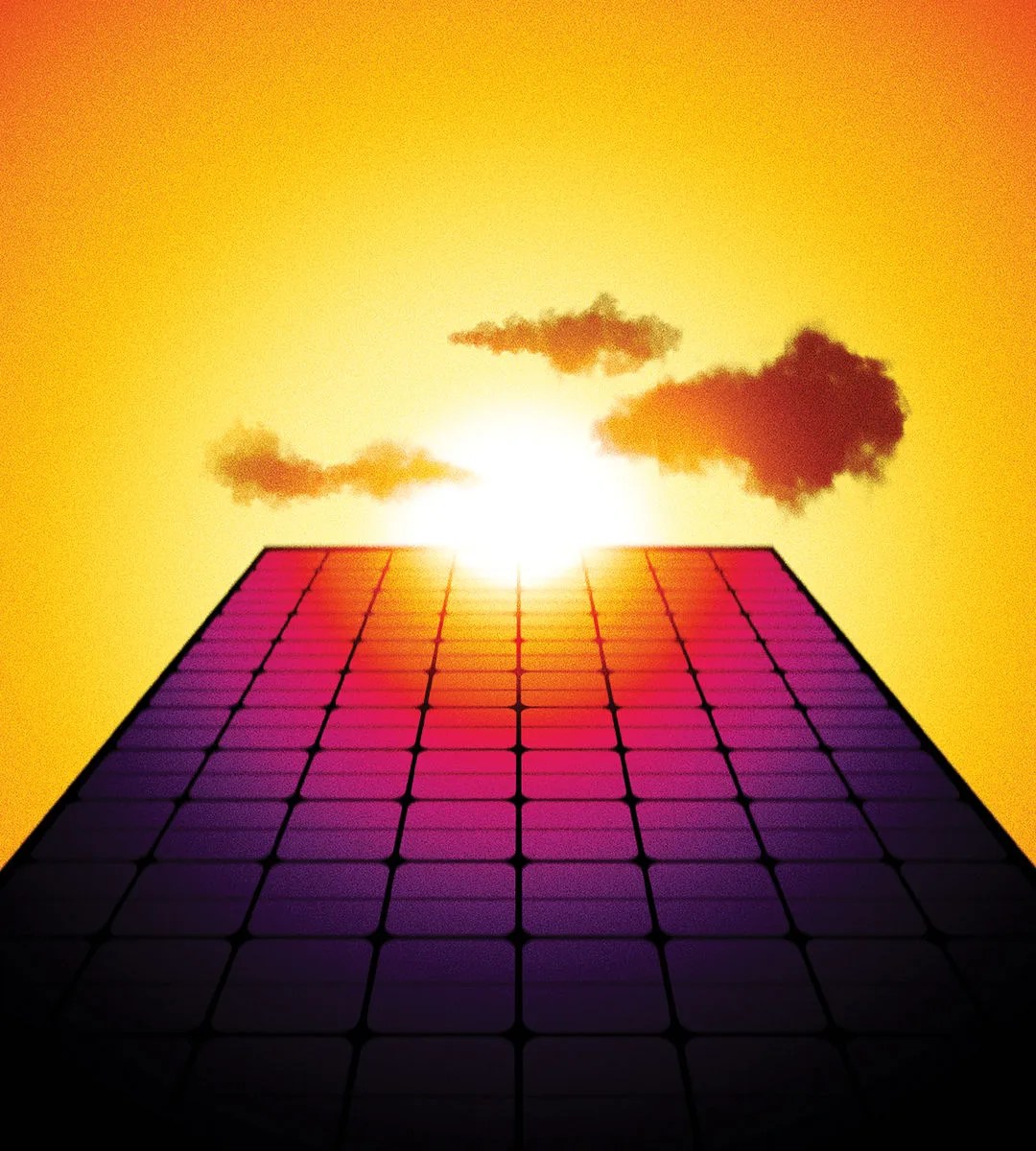
Energy Observer In New York

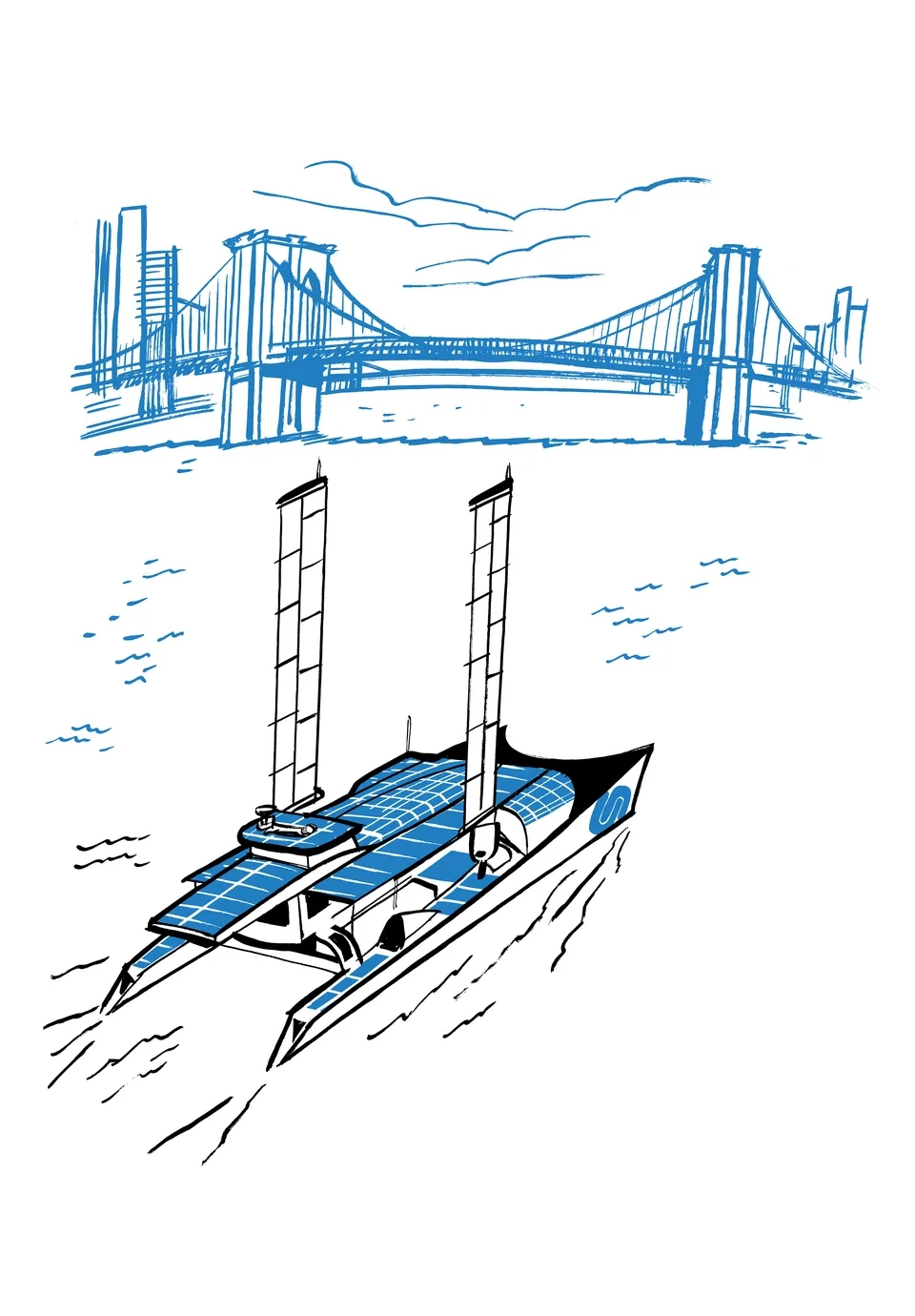
Illustration by João Fazenda

Our thanks to Adam Iscoe, writing in the New Yorker, for this:

An Around-the-World Eco-Voyage Makes a Pit Stop Near Wall Street

Energy Observer, a ship equipped with solar panels and a hydrogen fuel cell, has spent the past seven years circumnavigating the globe, powered by sun, water, and salads.

One phrase that describes New York’s waterways is “diesel-powered”: supersized container ships, megayachts, oil tankers, garbage barges. But not every ship that comes to town is on a Greenpeace watch list; there are also schooners, plus the odd outrigger canoe. And recently a hundred-foot-long former racing catamaran from France, which had been retrofitted with solar panels and a hydrogen fuel cell, docked near Wall Street. Continue reading

Bullish On Solar

image: la boca

The Economist makes a compelling case for us all to be more bullish on solar–not that we needed much convincing:

The exponential growth of solar power will change the world

An energy-rich future is within reach

It is 70 years since at&t’s Bell Labs unveiled a new technology for turning sunlight into power. The phone company hoped it could replace the batteries that run equipment in out-of-the-way places. It also realised that powering devices with light alone showed how science could make the future seem wonderful; hence a press event at which sunshine kept a toy Ferris wheel spinning round and round. Continue reading

Greenhouse Reflective Effects

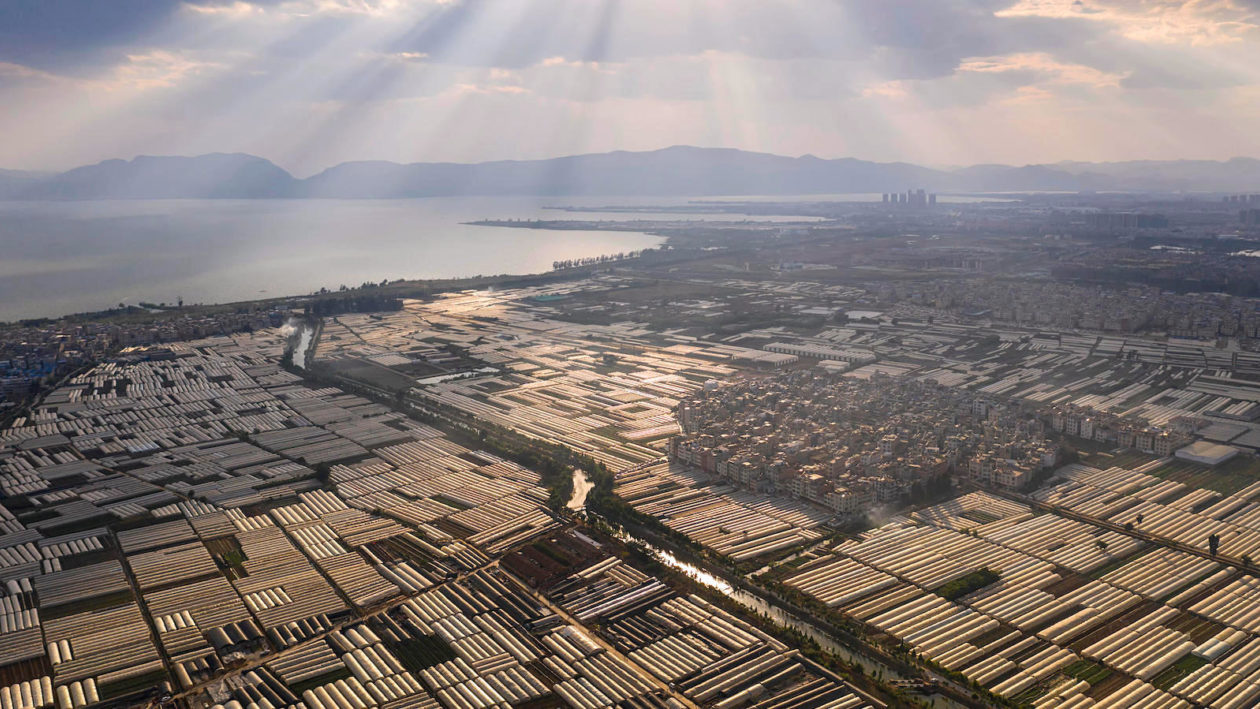
Greenhouse roofs reflect sunlight in Kunming, China. FABIO NODARI / ALAMY STOCK PHOTO

Fred Pearce, in Yale e360, offers reason to further consider the greenhouse:

Could the Global Boom in Greenhouses Help Cool the Planet?

As agricultural greenhouses proliferate, researchers are finding that their reflective roofs are having a cooling effect. Some experts see this as an unintended experiment with lessons for cooling cities, but others point to the environmental damage that greenhouses can cause.

The world is awash with greenhouses growing fresh vegetables year-round for health-conscious urbanites. There are so many of them that in places their plastic and glass roofs are reflecting sufficient solar radiation to cool local temperatures — even as surrounding areas warm due to climate change. Continue reading

Greenland’s Ice Sheet & Our Future

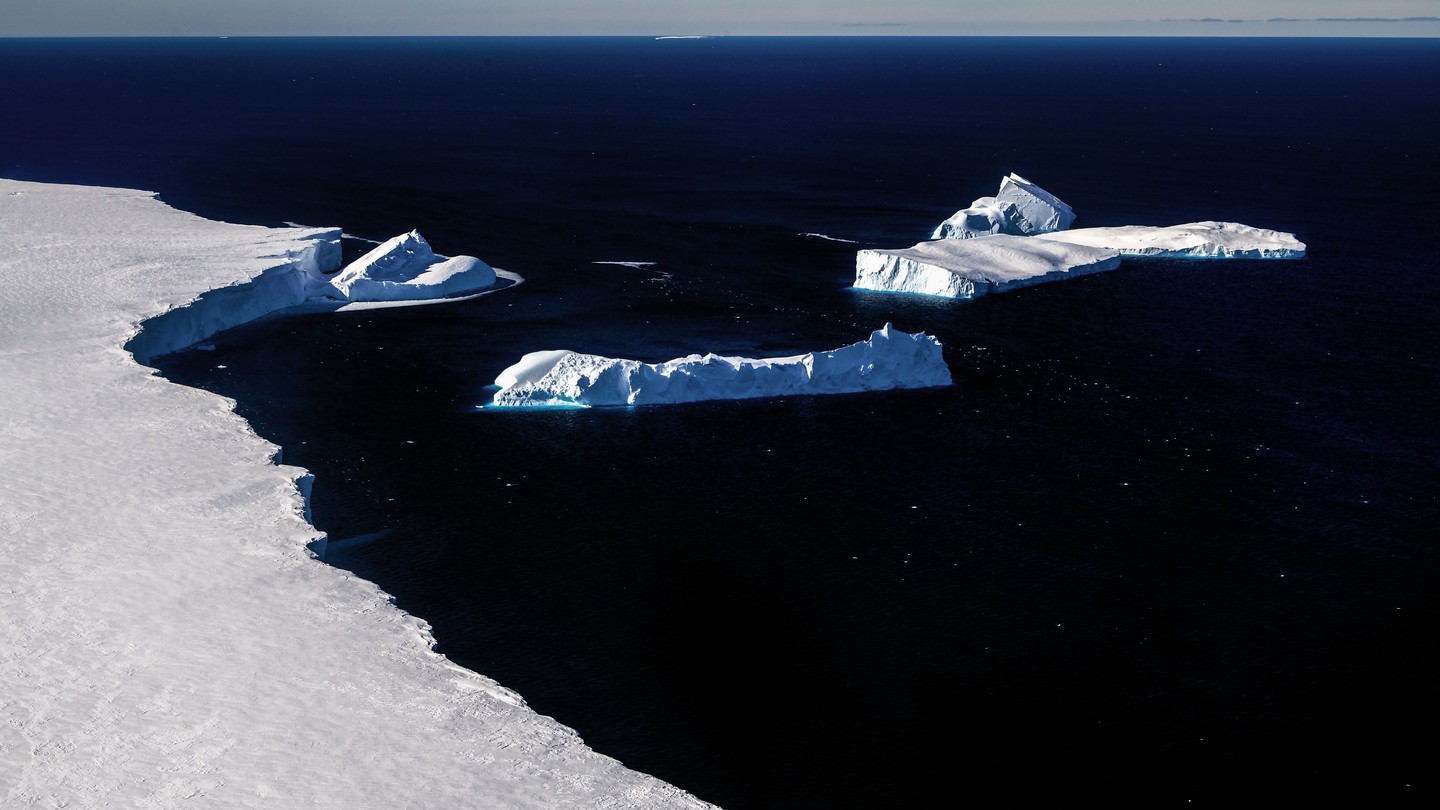
photo of curving white edge of glacier with several calved icebergs and dark blue sea

The edge of the Thwaites Glacier, 2023 (Nicolas Bayou)

Ross Andersen, writing for this focused issue of Atlantic, is worth reading for more than just the adventure he encountered reporting it:

A WILD PLAN TO AVERT CATASTROPHIC SEA-LEVEL RISE

The collapse of Antarctica’s ice sheets would be disastrous. A group of scientists has an idea to save them.

The edge of Greenland’s ice sheet looked like a big lick of sludgy white frosting spilling over a rise of billion-year-old brown rock. Inside the Twin Otter’s cabin, there were five of us: two pilots, a scientist, an engineer, and me. Farther north, we would have needed another seat for a rifle-armed guard. Here, we were told to just look around for polar-bear tracks on our descent. Continue reading

Hydropower In The Age Of Climate Change

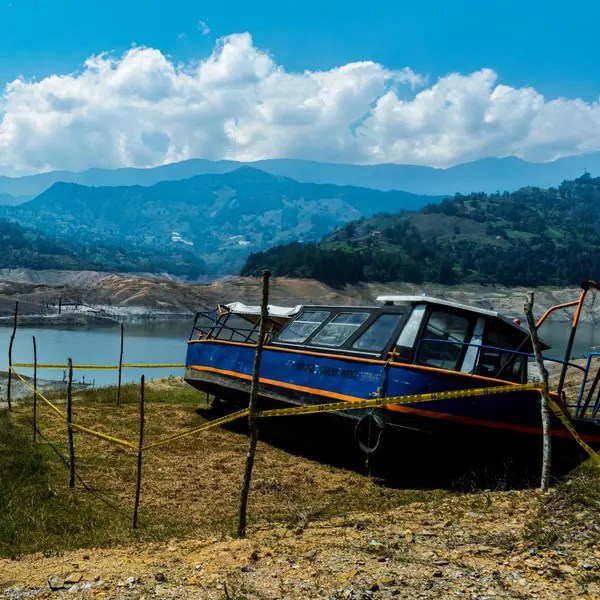
A dry section of the Guavio Reservoir that feeds the Guavio Hydroelectric Power Plant in Gachala, Colombia, in April. Jhojan Hilarion/Agence France-Presse — Getty Images

We knew that dams’ days are numbered, but the evidence keeps mounting:

When Hydropower Runs Dry

The struggle of the world’s largest source of renewable last year could have important implications for the fight against climate change.

Global pollution from electricity generation was set to fall last year, thanks to the growth of renewable energy. Then came the droughts.

Hydropower, the biggest source of renewable energy in the world, was crippled by lack of rain in several countries last year, driving up emissions as countries turned to fossil fuels to fill the gap. Continue reading

Doom-Scrolling With Rigor

Students in a course at the University of Chicago sorted through the future that they will inherit. Illustration by Ben Denzer

Gags and wonders abound. But now, enough diversionary fun, back to the tough stuff. Thanks to Rivka Galchen, writing in the current issue of The New Yorker, follow along and ponder all the major threats, with rigorous reasoning, in the classroom:

Are We Doomed? Here’s How to Think About It

Climate change, artificial intelligence, nuclear annihilation, biological warfare—the field of existential risk is a way to reason through the dizzying, terrifying headlines.

In January, the computer scientist Geoffrey Hinton gave a lecture to Are We Doomed?, a course at the University of Chicago. He spoke via Zoom about whether artificial intelligence poses an existential threat. He was cheerful and expansive and apparently certain that everything was going to go terribly wrong, and soon. “I timed my life perfectly,” Hinton, who is seventy-six, told the class. “I was born just after the end of the Second World War. I was a teen-ager before there was aids. And now I’m going to die before the end.” Continue reading

Upgrading Electrical Power Lines

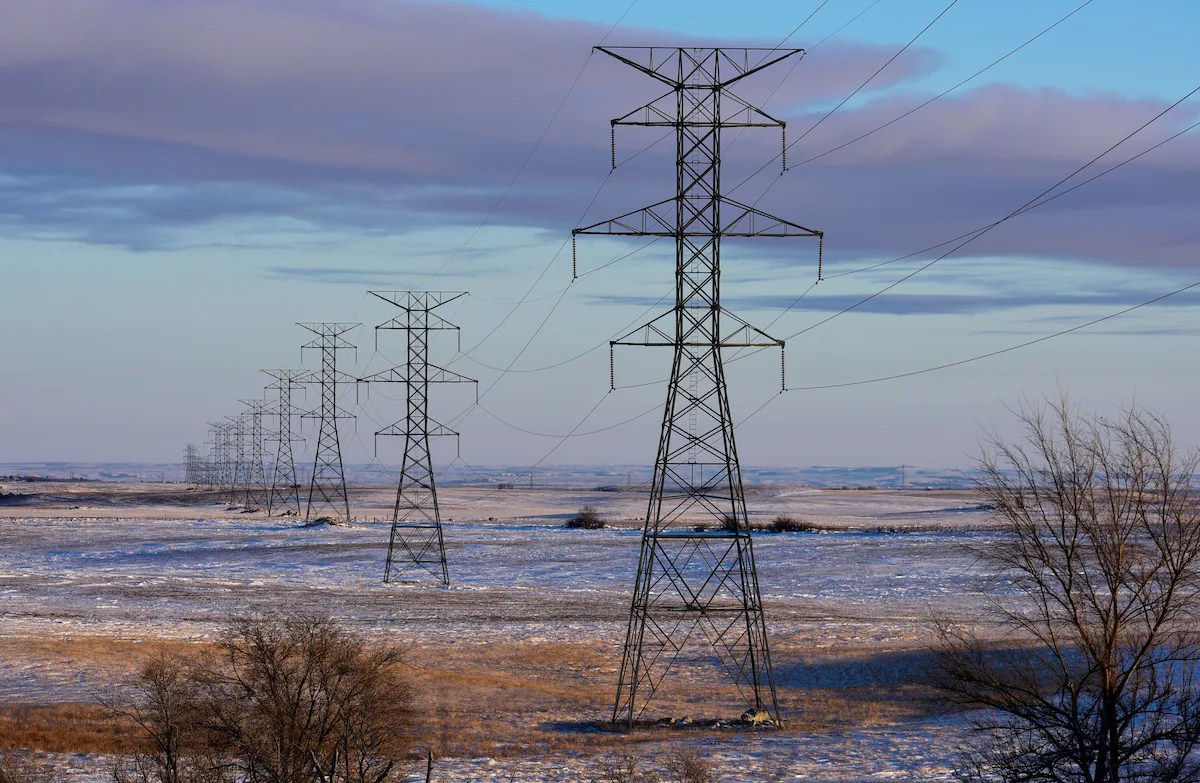
High voltage power transmission lines near Underwood, N.D. Installing new wires on the high-voltage lines that already carry power hundreds of miles across America could double the amount of power those lines carry. (Dan Koeck for The Washington Post)

Shannon Osaka, writing in The Washington Post, offers an unglamorous but effective-sounding story about the role that electrical transmission lines may play in upgrading our energy infrastructure:

How a simple fix could double the size of the U.S. electricity grid

Rewiring miles of power lines could make space for data centers, AI and a boom in renewables.

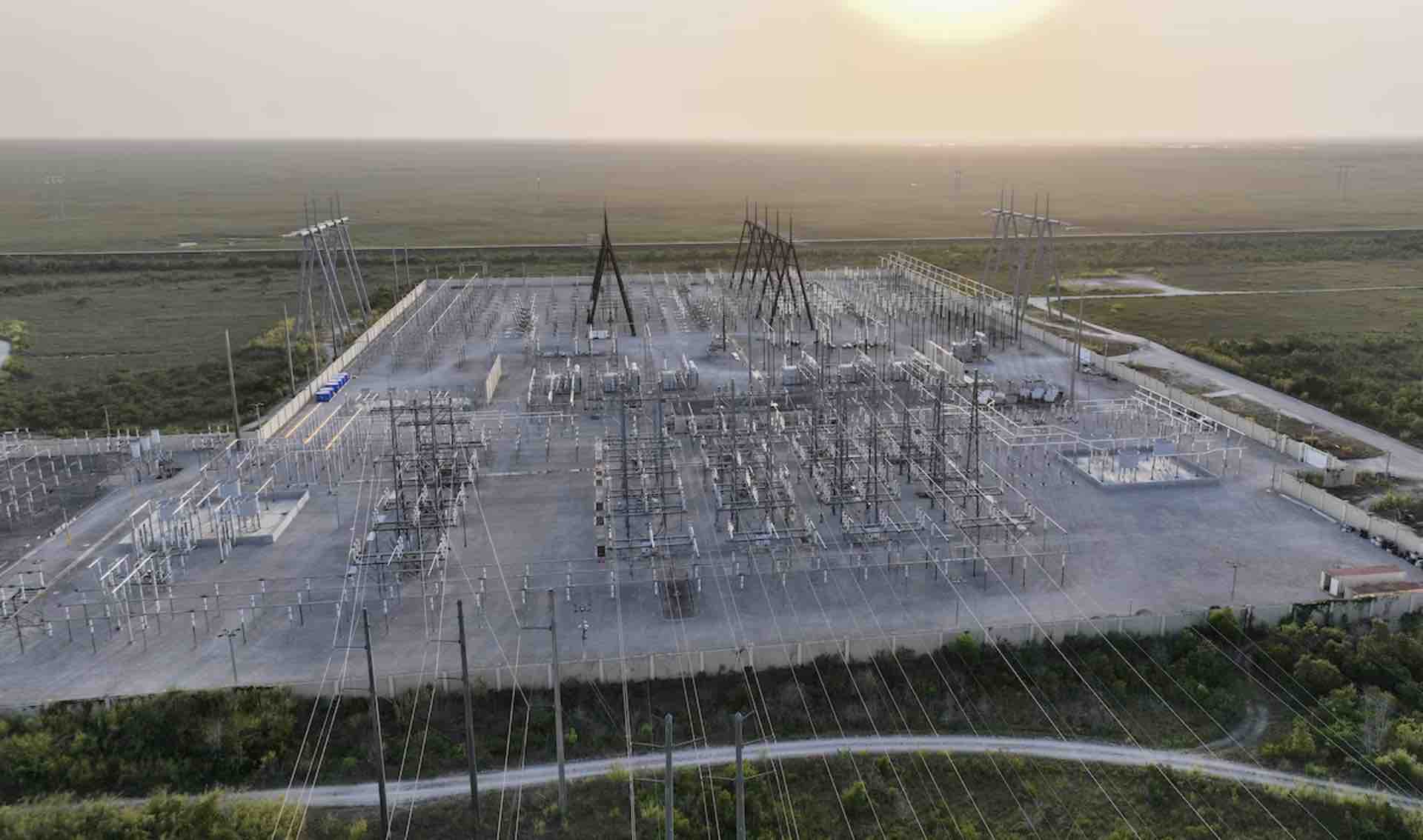
High voltage power lines run through a substation along the electrical power grid in Pembroke Pines, Florida. The grid is strained by increasing demand from electricity-hungry data centers and electric vehicles, as well as extreme weather events. (Joe Raedle/Getty Images)

There is one big thing holding the United States back from a pollution-free electricity grid running on wind, solar and battery power: not enough power lines.

As developers rush to install wind farms and solar plants to power data centers, artificial intelligence systems and electric vehicles, the nation’s sagging, out-of-date power lines are being overwhelmed — slowing the transition to clean energy and the fight against climate change. Continue reading

Sailing Circa 2024

photograph: getty images

Continuing the theme of new sailing technology, our thanks to the Economist:

A new age of sail begins

By harnessing wind power, high-tech sails can help cut marine pollution

In 1926 an unusual vessel arrived in New York after crossing the Atlantic. Continue reading

Magrathea Metals & Seawater Bounty

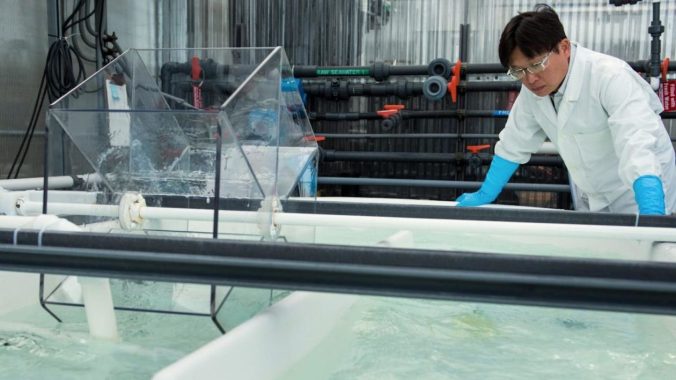
A system for testing technology to draw minerals from seawater at the Pacific Northwest National Laboratory in Sequim, Washington. PACIFIC NORTHWEST NATIONAL LABORATORY

Thanks as always to Jim Robbins and Yale e360:

In Seawater, Researchers See an Untapped Bounty of Critical Metals

Researchers and companies are aiming to draw key minerals, including lithium and magnesium, from ocean water, desalination plant residue, and industrial waste brine. They say their processes will use less land and produce less pollution than mining, but major hurdles remain.

Can metals that naturally occur in seawater be mined, and can they be mined sustainably? Continue reading

The Most Important View, If Climate Change Interests You


In a vulnerable, defendable part of the Amazon, the hundred-and-ten-foot-high tree house was built to attract wealthy tourists—and potential funders of conservation.Photograph courtesy Tamandua Expeditions

Tree house lodging is not new, but beyond beauty is impact. In that regard the accommodations with the most important view right now might be here:

The Highest Tree House in the Amazon

In 2023, conservationists and carpenters converged on Peru to build luxury accommodations in the rain-forest canopy.

Every day, empty logging trucks rumble into Puerto Lucerna, a small outpost on Peru’s Las Piedras River, which snakes through the lush Amazon rain forest. There, workers load them up with pyramids of freshly cut logs—cedar, quinilla, and, most important, ironwoods, which are prized for their hardness and rich color. Continue reading

Industry Pivots Via Carbon Sequestration

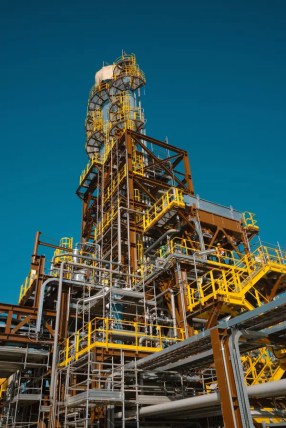
This gas processing plant at Casalborsetti is the focus of the first phase of an ambitious plan to capture carbon dioxide and bury it under the sea. Maurizio Fiorino for The New York Times

Where to put carbon is a major question of the day. Thanks to writers like Stanley Reed and publications like the New York Times the ideas keep coming:

Plan to Stash Pollution Beneath the Sea Could Save Money and Jobs

The Italian energy giant Eni sees future profits from collecting carbon dioxide and pumping it into natural gas fields that have been exhausted.

Renowned for ancient churches and the tomb of Dante, the 14th-century poet, the city of Ravenna and its environs along Italy’s Adriatic coast are also home to old-line industries like steel and fertilizer. Continue reading

An Oil Company Funding Carbon Capture?

The plant will be powered by geothermal energy. Francesca Jones for The New York Times

David Gelles in the New York Times furthers our understanding of the expanding use of carbon capture, and the motives of the key actors utilizing this technology:

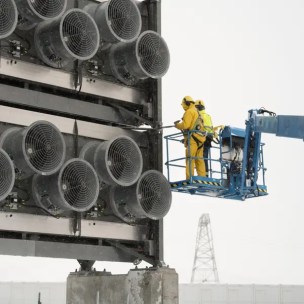
On a windswept Icelandic plateau, an international team of engineers and executives is powering up an innovative machine designed to alter the very composition of Earth’s atmosphere.

“Collector containers” where air is pulled in. Francesca Jones for The New York Times

If all goes as planned, the enormous vacuum will soon be sucking up vast quantities of air, stripping out carbon dioxide and then locking away those greenhouse gases deep underground in ancient stone — greenhouse gases that would otherwise continue heating up the globe.

Just a few years ago, technologies like these, that attempt to re-engineer the natural environment, were on the scientific fringe. They were too expensive, too impractical, too sci-fi. Continue reading
Dutch Water Knowhow Is Respectable

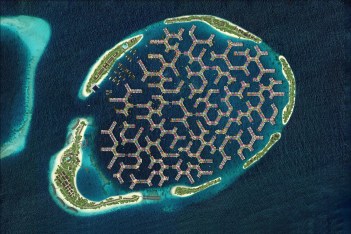
Waterstudio renderings like this one, of a floating “city” in the Maldives, are created using tools including Photoshop and the A.I. program Midjourney. Art work courtesy Waterstudio / Dutch Docklands

We respect the Dutch for their respect of nature, particularly their respect for the power of water and their longstanding determination to harmonize our life with it. This profile extends our respect:

A Dutch Architect’s Vision of Cities That Float on Water

What if building on the water could be safer and sturdier than building on flood-prone land?

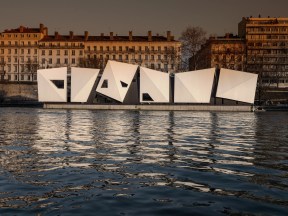
Koen Olthuis, the founder of the architectural firm Waterstudio, believes that floating buildings like the Théâtre L’Île Ô, in Lyon, will transform urban living like skyscrapers did a century ago. Photograph by Giulio Di Sturco for The New Yorker

In a corner of the Rijksmuseum hangs a seventeenth-century cityscape by the Dutch Golden Age painter Gerrit Berckheyde, “View of the Golden Bend in the Herengracht,” which depicts the construction of Baroque mansions along one of Amsterdam’s main canals. Handsome double-wide brick buildings line the Herengracht’s banks, their corniced façades reflected on the water’s surface. Interspersed among the new homes are spaces, like gaps in a young child’s smile, where vacant lots have yet to be developed.

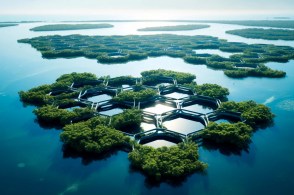
A rendering of a floating forest in the Persian Gulf, devised as part of a strategy to combat heat and humidity. When building projects on the water, Olthuis says, “you have to be very, very patient.” Art work courtesy Waterstudio

For the Dutch architect Koen Olthuis, the painting serves as a reminder that much of his country has been built on top of the water. The Netherlands (whose name means “low countries”) lies in a delta where three major rivers—the Rhine, the Meuse, and the Scheldt—meet the open expanse of the North Sea. More than a quarter of the country sits below sea level. Over hundreds of years, the Dutch have struggled to manage their sodden patchwork of land. Continue reading

The Vertical Forest In Milan

The Vertical Forest, a residential complex in Milan. Marta Carenzi/Archivio Marta Carenzi/Mondadori Portfolio, via Getty Images

Italy has not figured in our climate change solutions coverage, until now. Our thanks to Stephen Wallis and the New York Times for this:

A Growth Spurt in Green Architecture

Buildings made shaggy with vegetation or fragrant with wood are no longer novelties.

In the lineup of climate villains, architecture towers above many. The building and construction industries account for some 37 percent of worldwide carbon dioxide emissions, according to the United Nations Environment Program. Three of the most commonly used building materials — concrete, steel and aluminum — generate nearly a quarter of all carbon output. Continue reading
Embodied Carbon

Photo of a polluting factory.

Reporting credit: Ethan Freedman/ChavoBart Digital Media

Thanks to Yale Climate Connections for expanding our vocabulary:

What is ‘embodied carbon’?

It’s a little-known but major factor in the carbon footprint of our buildings.

Buildings can create a lot of global warming carbon pollution, from the electricity for lights and appliances to the oil or gas used to power the furnace.

Celebrating KithenAid’s Build To Last Determination

Illustration by The Atlantic. Source: Courtesy of KitchenAid.

Sharing this article is not with the intent to promote KitchenAid, per se. But okay if it does. More to appreciate The Atlantic for bringing your attention to a practice that is in short supply. Some companies do not build for obsolescence. Thanks to Anna Kramer for this:

Modern appliances are rarely built to last. They could learn something from the KitchenAid stand mixer.

My KitchenAid stand mixer is older than I am. My dad bought the white-enameled machine 35 years ago, during a brief first marriage. The bits of batter crusted into its cracks could be from the pasta I made yesterday or from the bread he made then. Continue reading
Jaron Lanier On Virtual Reality

Illustration by Jackie Carlise

Jaron Lanier has been our go-to voice of reason at important moments in technology hype. Here is his take on the latest hype:

Where Will Virtual Reality Take Us?

Apple’s Vision Pro headset suggests one possible future—but there are others.

Because we in Silicon Valley are newness junkies, it can feel like an act of sabotage to have memories, but, for better or worse, I have them. It’s been more than forty years since I co-founded the first company to make headsets and software for simulated experiences, and came up with familiar terms like virtual and mixed reality. Continue reading

Corrupted Cop & Better News

Cylindrical battery cells undergoing tests in the UK. Photographer: Jason Alden/Bloomberg

Thanks to Bill McKibben, in his newsletter–“A Corrupted COP New revelations show just how bad the oil countries really are“–for more details on this bad news but also for pointing us to better news that has implications for so much of the decarbonization opportunity set:

Battery Prices Are Falling Again as Raw Material Costs Drop

BloombergNEF breaks down the biggest annual drop in its lithium-ion battery price survey since 2018.

As the auto industry grapples with how to make affordable EVs, the task may get easier by one key metric. Battery prices are resuming a long-term trend of decline, following an unprecedented increase last year.

According to BloombergNEF’s annual lithium-ion battery price survey, average pack prices fell to $139 per kilowatt hour this year, a 14% drop from $161/kWh in 2022.1

Understanding Seawalls, Their Promise & Their Limits

Daniel A. Gross does some heavy lifting on behalf of all of us, especially those in coastal areas. This technology is foreign to most of us, except the Dutch. We can hope all we want, but now might be a good time to start thinking more seriously about whether this technology is fit for the task:

Can Seawalls Save Us?

Huge coastal barriers could protect the world’s cities. But they’ll have unexpected costs.

Pacifica, California, just south of San Francisco, is the kind of beachfront community that longtime residents compare to Heaven. One of its streets is called Paradise Drive; local fishermen brag that Pacifica Pier is among the state’s best places to catch salmon, striped bass, and crab. Every few years, a superbloom blankets the coast with golden wildflowers. When the sun cuts through the region’s famous fog, the sky sometimes glows, as in a Turner painting.

Some of Pacifica’s most dramatic views could be found on Esplanade Drive, where mid-century developers built bungalows on top of a cliff. For almost fifty years, residents gazed out from their back yards to see whales splashing in the Pacific. Then, in 1998, a group of homeowners gathered to say goodbye. “I cannot express how spectacular it has been living here,” one of them, Joe Parker, said at the time. “I’ve seen dolphins out there. I recognize all the seabirds.” Beverly Axelrod, who had spent fourteen years on Esplanade Drive, recalled how her ocean view had “healed everything.” Continue reading