
Photo credit: Stephen Crafts
Photo credit: Stephen Crafts
Long before Carson and Attenborough, as noted in a post by Meg last year, there were Vedic, Buddhist and Hindu texts; Old Testament scribes, New Testament scribes, great Islamic scholars; but also there were Greek philosophers, Roman thoughts nearly lost; on and on, closer to the present with Thoreau; etc.
All providing us with a sense of reverence for, and a way to understand, the mysteries we will refer to here as Nature. But what is next? And who will be our interpreters and scribes? Anyone following this site will know we are partial to Jad‘s sonically luscious and always surprising approach to making sure we understand and appreciate the world we live in; ditto for Krulwich (whom we have pointed to plenty of times but if you can only focus on one, make it this one). Thanks to the the latter, we came upon the clip above, and with one viewing we see a possible answer.
As my first of the trip, I checked into the Century Plaza Hotel & Spa in Vancouver with ears piqued and eyes peeled, self-inducing a sensitivity to visible manifestations of the hotel’s “green” commitment. But nothing about the lobby seemed different from your average hotel: reception, elevator bank, informational television screens, a café, a spa – it all seemed quite deluxe.

Then I arrived in the room. Continue reading

The Indian Moon Moth is an ethereal-looking, nocturnal insect found in the Periyar Tiger Reserve but is also widely distributed throughout India. The ochreous moon spots on the light green wings earned this moth its name.
Continue reading

Mammoths and saber-toothed cats may be the most famous beasts of the Ice Age. But they shared the prairie with horses and camels, too—both of which evolved in North America and crossed the ice bridge into Eurasia, before disappearing here. Matthew Kohn (Distinguished Professor, Department of Geosciences Boise State University Boise, Idaho) and Christopher Hill (Associate Dean, Graduate College Associate Professor, Anthropology Boise State University Boise, Idaho) talk about the lesser-known fauna of the Ice Age.
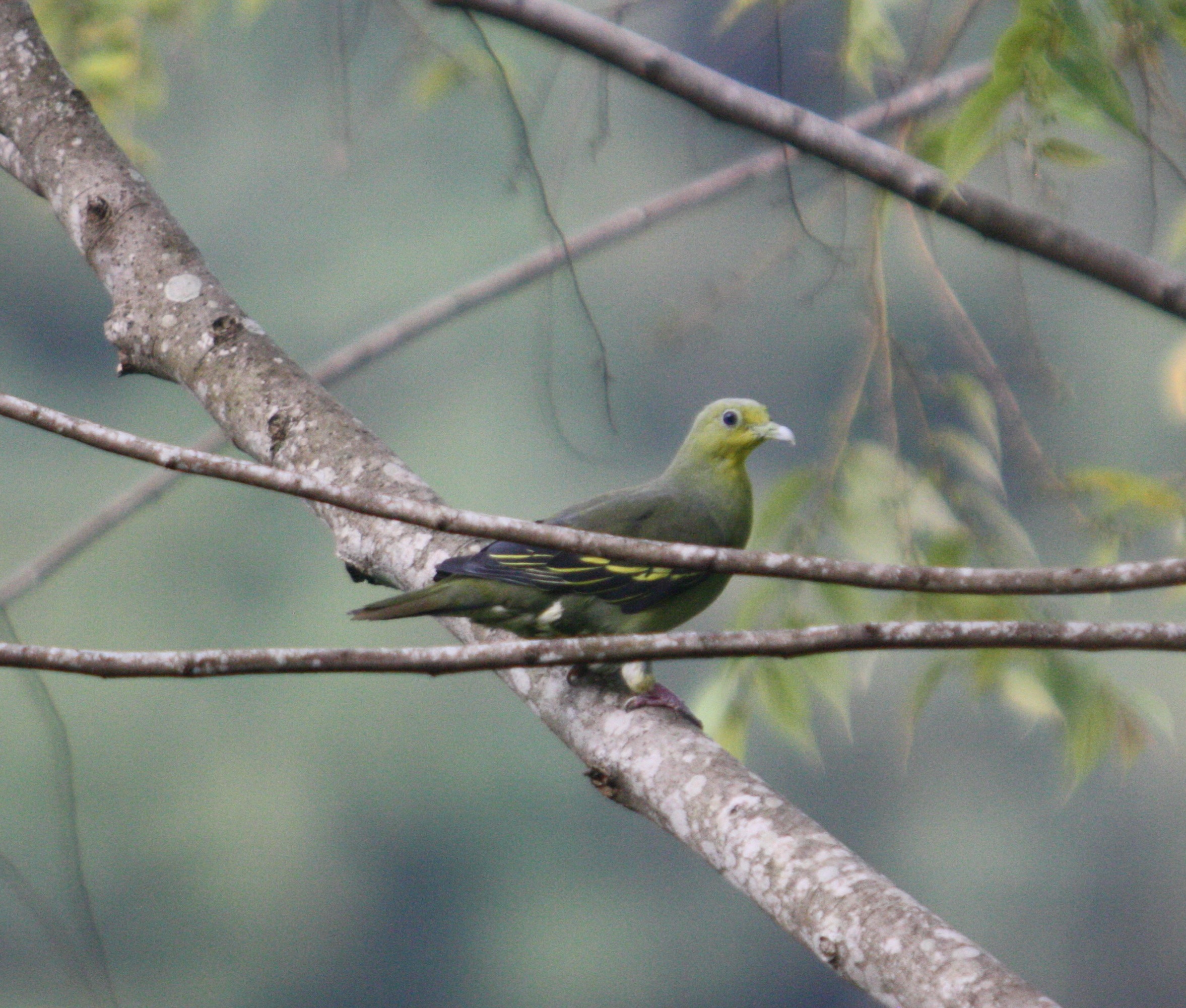
Sinharaja, Sri Lanka

This particular question clearly does not matter, but if we celebrate Rachel Carson’s contributions and their longevity (not to mention their impact on the next generation) and David Attenborough’s contributions over roughly the same period, it seems reasonable to wonder whether they ever met considering they shared common interest in the wonders of the earth and concern for the its health: Continue reading

Ghats Road, Idukki District
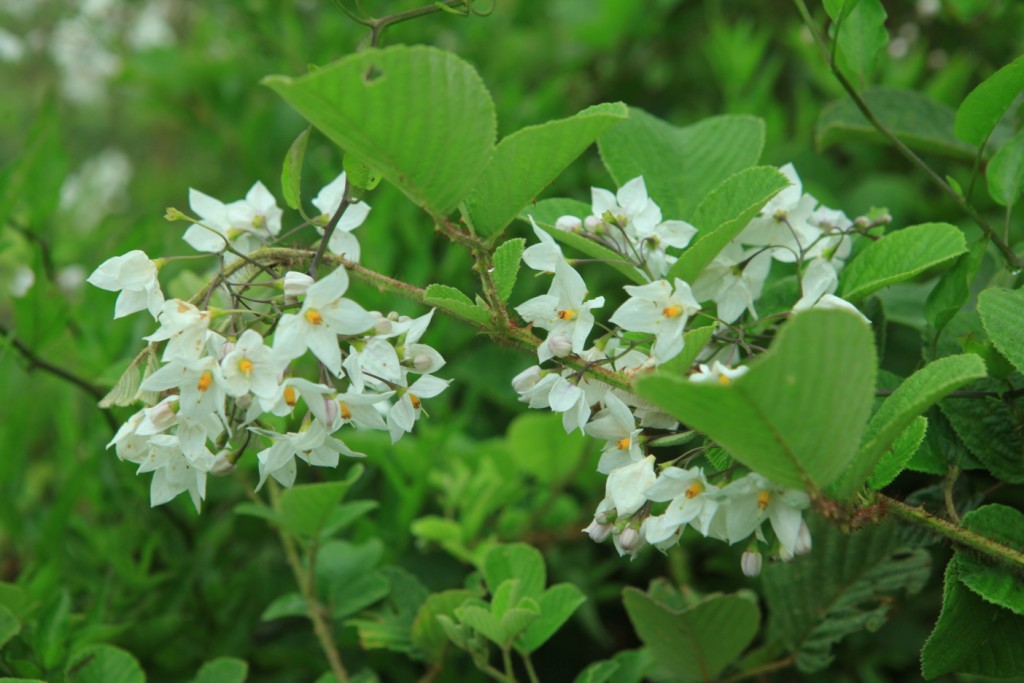
Solanum Laxum is a climbing vine native to central Asia, commonly found in the high ranges of Kerala above 1000 meters. The fragrant, star-shaped flowers are white with tiny yellow centers. Continue reading

Much as we love birds, and Mr Audubon’s illustrations, little did we know their value in book form, or that we might have this opportunity to see them on display under one roof (click the museum’s banner to the left or any of the bird images to go to the source):
John James Audubon’s hand-engraved The Birds of America (1827-1838), is the world’s most valuable book. But which page illustration from the book should be shown first in our new Treasures gallery?
Vote for your favourite page from the 4 below and see it in the Treasures gallery when it opens on 30 November 2012.
Anti-gambling though we are, we encourage you to cast a vote on the Natural History Museum’s website for your favorite Audubon illustration, with the chance to win a complete edition of Audubon’s The Birds of America. Continue reading

Barnegat Bay, NJ

Click the image above to go to the website for this unusual linking mechanism and here in particular for the history of the program:
We connect prisons with nature.
Our mission is to bring science and nature into prisons. We conduct ecological research and conserve biodiversity by forging collaborations with scientists, inmates, prison staff, students, and community partners. Equally important, we help reduce the environmental, economic, and human costs of prisons by inspiring and informing sustainable practices.
 Top Station valley view
Top Station, one of the highest and most popular excursion points in Munnar, is the uphill climb through tea estates to Top Station, a tiny hamlet on the Kerala-Tamil Nadu border. This idyllic spot has superb views over the Tamil Nadu plains and the edge of the Western Ghats. Top Station takes its name from a ropeway that once connected it via middle station to lower station in the valley.
With links to so many globally impactful human activities, such as transportation, lodging, foodservice and agriculture, the tourism industry is uniquely positioned to effect a paradigm shift toward this thing called sustainability. Buzzword though it is, sustainability has perhaps too many potential concrete applications to be easily defined in abstract terms. With a certain root sense of lasting or enduring, and more current denotations that are important in a global way, sustainability can be manifested in many real ways through business.
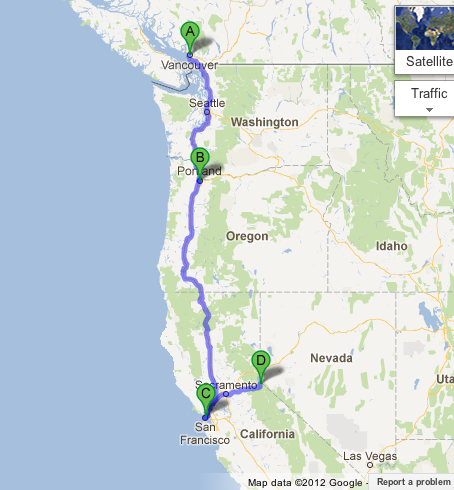 Finding myself motivated by applications of this concept in hospitality businesses, I set upon a mini-quest during the summer, making a series of five visits to hotels that do it well.
In the What’s Different Series, I will recount site visits and room-nights in hotels that have incorporated a commitment to sustainability into their communications and business identities, with the goal of identifying just what’s different? In hotels where I stayed a night, I’ll evaluate what sets the guest experience apart, if anything, from the experience at an “ordinary” hotel. Are there sacrifices? Perks? For the hotels that granted me a conversation and site visit, I’ll cover more about what they actually do differently in operations. What are the policies? How are the employees involved?
With its so many facets, hospitality has the opportunity to set a wide variety of examples of sustainable business. Looking forward and working forward, the questions I’m asked (mostly by myself in rumination), boil down to: what consists of sustainability in hospitality, and how do we get more companies to do it? Continue reading

U.S. Fish and Wildlife Service Photo
The book is as important as ever. Its author, whom we pantheistically canonized once already in advance of this anniversary for the book, is worthy of some background reading. Click the image to the left to go to a post by the New Yorker‘s Archive Editor, which will link you to other pieces in the New Yorker by and about Rachel Carson:
“Silent Spring” has proved to be so important that Carson herself has been a bit overshadowed by it. When she finished “Silent Spring,” Carson was fifty-five. She’d had a lengthy, but nowadays easily overlooked, career as an award-winning, best-selling writer of natural histories—the sorts of books that are written, nowadays, by Richard Dawkins or Bill Bryson.
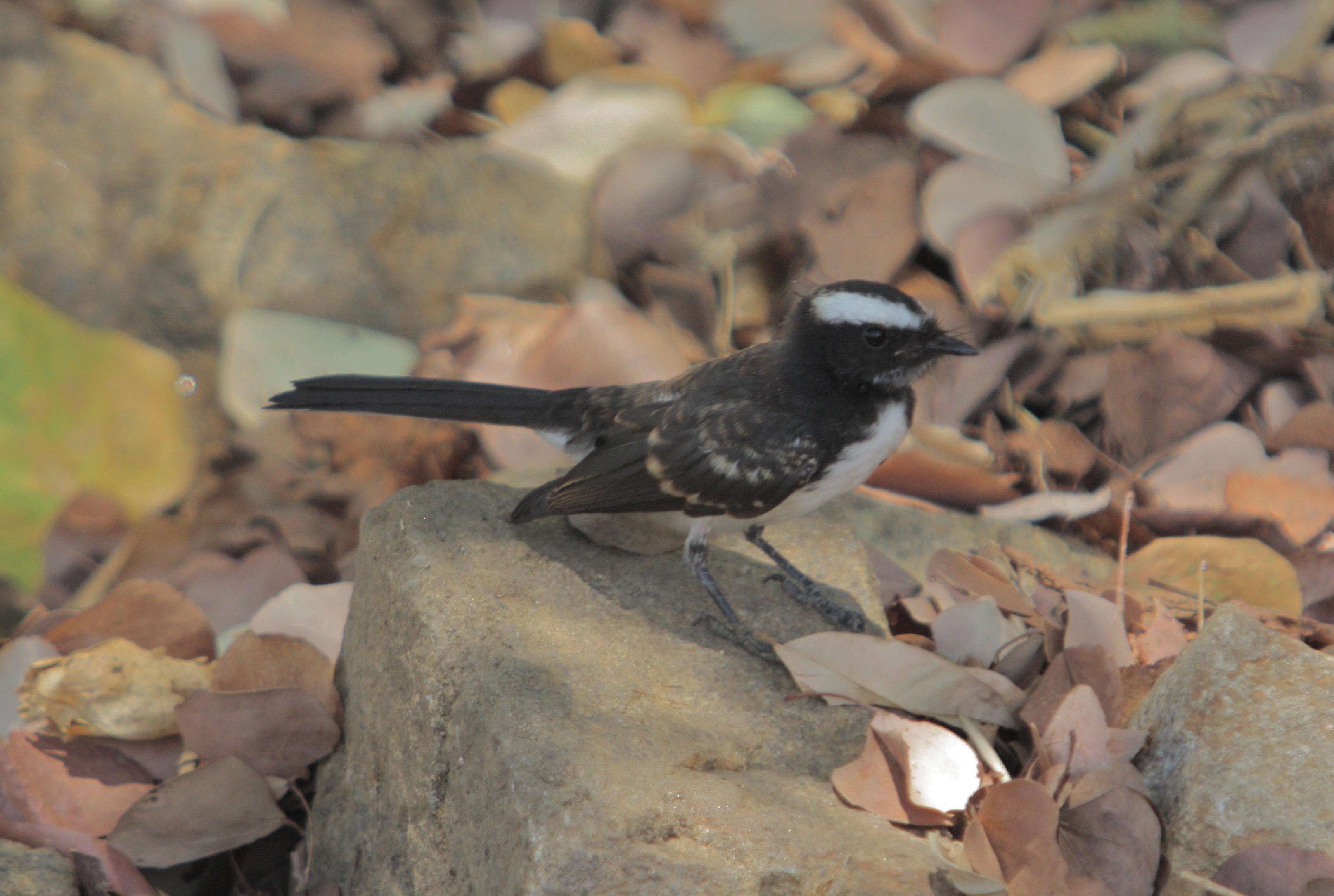
Uda Walawe, Sri Lanka

A letter that touches on a theme close to our hearts. Any of us could have written a letter with this sentiment (click the banner above for the letter and the link below to Zadie Smith’s article that inspired it) but his way with words is simply more powerful:
IN RESPONSE TO:
North West London Blues from the July 12, 2012 issue
To the Editors:
Seeing the photograph of Willesden Library in Zadie Smith’s powerful article [“North West London Blues,” NYR, July 12] gave me a sudden start, and a rush of intense memories and emotions, for it was here that I spent many of the happiest hours of my growing-up years—our house was a five-minute walk from the library—and where I received my real education. Continue reading
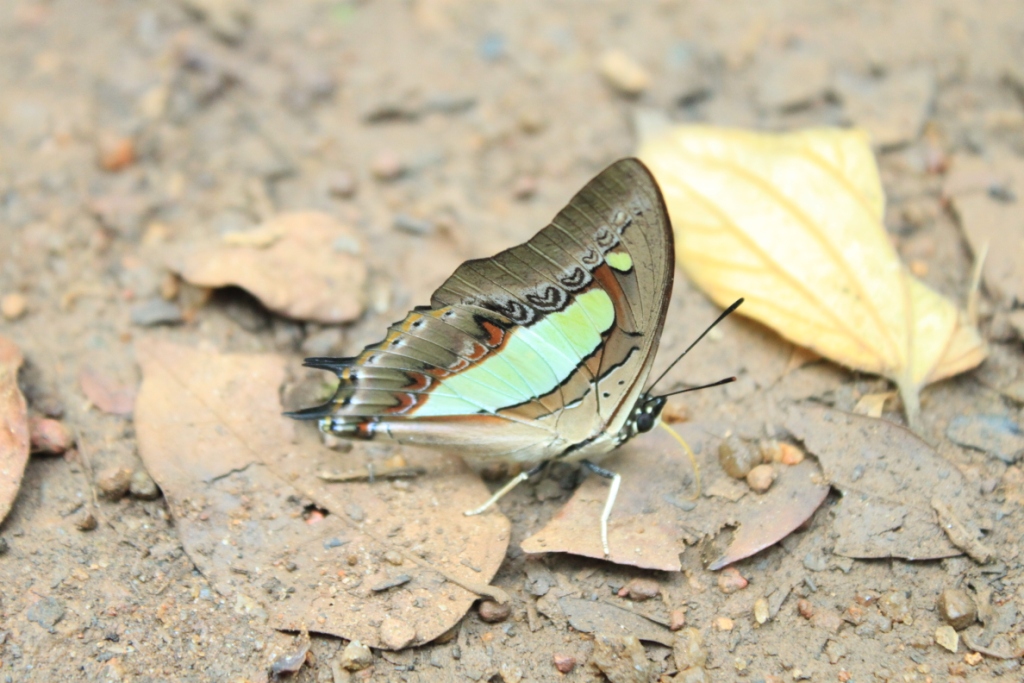
Nawab Butterflies are frequently found inside the forest, in damp patches as well as open areas such as pathways and fields. The butterflies have yellow and green patches on both side of the wings. Continue reading
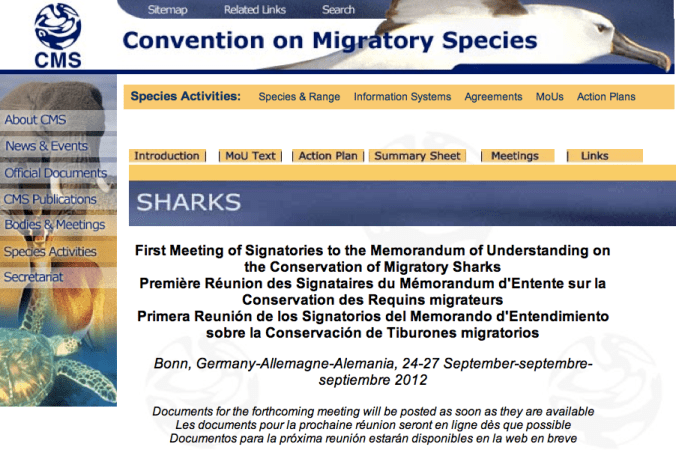
MEMORANDUM OF UNDERSTANDING ON THE CONSERVATION OF MIGRATORY SHARKS
After three meetings – the first in Mahé, Seychelles in December 2007, the second in Rome in 2008 and a third in Manila in February 2010 – the Memorandum of Understanding on the Conservation of Migratory Sharks was negotiated and signed. It commenced on 1 March 2010, the requisite number of signatures (ten) having been achieved in Manila at the end of the negotiations. Continue reading

Monterey, CA
 Organikos