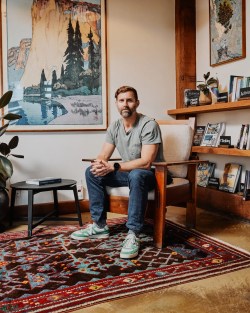
Greg Curtis, the former deputy general counsel of Patagonia, is responsible for giving away huge sums of money to causes that are aligned with Patagonia’s history of environmental activism. Adam Amengual for The New York Times
When news broke about the company’s future, we were in awe; since then we heard little so this is a welcome update:
Patagonia’s Profits Are Funding Conservation — and Politics
$71 million of the clothing company’s earnings have been used since September 2022 to fund wildlife restoration, dam removal and Democratic groups.
A little more than $3 million to block a proposed mine in Alaska. Another $3 million to conserve land in Chile and Argentina. And $1 million to help elect Democrats around the country, including $200,000 to a super PAC this month.
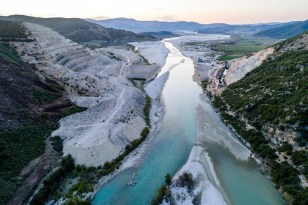
The site of the Kalivac Dam on the Vjosa River in Albania, where Holdfast has funded a major conservation project. Andrew Burr/Patagonia
Patagonia, the outdoor apparel brand, is funneling its profits to an array of groups working on everything from dam removal to voter registration.
In total, a network of nonprofit organizations linked to the company has distributed more than $71 million since September 2022, according to publicly available tax filings and internal documents reviewed by The Times.
The gusher of philanthropic money is the product of an unconventional corporate restructuring in 2022, when Patagonia’s founder, Yvon Chouinard, and his family relinquished ownership of the company and declared that all its future profits would be used to protect the environment and combat climate change.
Patagonia and the Chouinards set up a series of trusts, limited liability corporations and charitable groups designed to protect the independence of the clothing company while distributing all of its profits through an entity known as the Holdfast Collective.
Patagonia paid an initial $50 million dividend to Holdfast in 2022. It made another payment to Holdfast last year. That figure is not available in tax filings or the internal documents, and the company would not disclose it. Each year going forward, Patagonia will transfer all the profits it does not reinvest in the company to Holdfast.
“This is a new model of how wealthy people can approach their philanthropy,” said Stacy Palmer, chief executive of The Chronicle of Philanthropy. “It’s a combination of charity and politics, and it’s the beginning of changes we’re going to see more of.”
For a group that is distributing so much money, the Holdfast Collective has so far managed to remain largely under the radar, unknown to several philanthropy experts and Democratic fund-raisers who were asked about it…
Read the whole article here.

