Good As You Want To Be

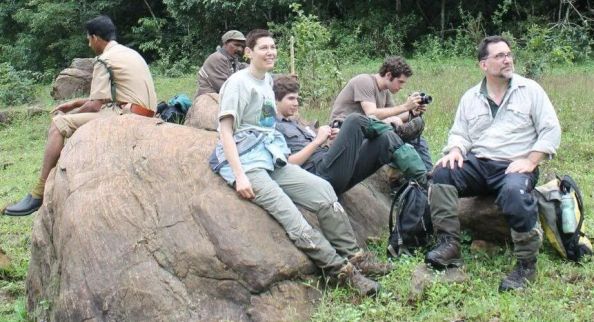
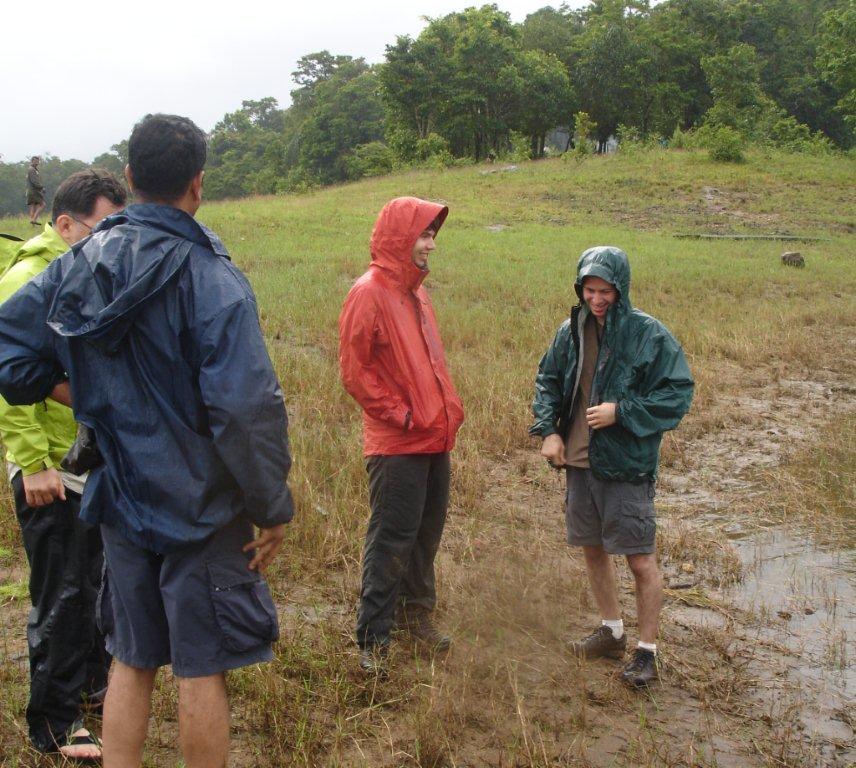
I have been thinking further on the Tiger Trail, and its connection to the purpose of this site.  Usually I muse on the wisdom of the judge that took the risk to allow convicted poachers to serve out their life sentence in the national park rather than in prison.  The opportunity we have to visit the wilderness with them, and to relay that story, is certainly a privilege, for this site and for the individuals who write about it.

But the reason I keep coming back to it is that the men who represented the risk have, by all appearances, made good on their promise not to return to poaching for all these years.  Why?

If the men were inherently good, an argument could be made, they would not have hunted and killed tigers for money, or destroyed the cinnabar ecosystem for money.  But to meet the men today, they certainly seem good, by nurture if not by nature.  And so, why? Continue reading

Sensible Sight, Visionary Sense

Milo’s post reminded me of the surprise I had, 30 years after first reading Brave New World, when (thanks to the generosity of The Paris Review, which started providing some of their archives online, free for the taking) I came across an interview with Aldous Huxley.  By most accounts, not least your high school English teacher’s, he was a visionary, right?  So ponder this, if you did not already know it:

…INTERVIEWER

How did you happen to start writing? Do you remember?

HUXLEY

I started writing when I was seventeen, during a period when I was almost totally blind and could hardly do anything else. I typed out a novel by the touch system; I couldn’t even read it. I’ve no idea what’s become of it; I’d be curious to see it now, but it’s lost. My aunt, Mrs. Humphry Ward, was a kind of literary godmother to me. I used to have long talks with her about writing; she gave me no end of sound advice…

Continue reading

Little L Liberalism

The first time I remember having heard of Nicaragua was during an evening newscast sometime in the autumn of 1980.  The first time I had the opportunity to vote in a presidential election was November, 1980.  Most of the students I knew at that time were somehow very certain about what was right and wrong in general, about what would be best for Nicaragua, about who could best lead the United States, and about lots of other things. And most seemed to have similar views to one another. Some days I was impressed by the coherence and consistency, others nauseated.

It was the nausea, in the end, that motivated me.  That sickening feeling was not the result of judging people around me, but of realizing that I did not have sufficient experience to have such strong viewpoints.  That was why I left college (the ad below, which I did not see until a few years after graduating college, summed up in 30 seconds what I had been looking for).

Continue reading

Expectations

Some time between 1980 and 1981,  when I first became aware of Nicaragua, I started leafing through this book that I saw many fellow students carrying around with them.  It was the text for a course I was not taking, but maybe that was for the better.  The short bursts of exposure to the explication of “the new” in art were probably all I could handle while being shocked by everything else, all new too.

By the summer of 1981 I had dropped out of college, and away from all that other too new stuff, and began apprenticing with a blacksmith.  It was a reaction to the news about Nicaragua, in part.  Today’s news reminded me that in the ensuing 30 years answers have not gotten any clearer, or easier.

I do not have any photographs from my time as would-be artisan, which was short-lived.  I have visual and sensory recollections of it, including my first listening to Blood On The Tracks and long motorcycle rides through the blue grass hills of northern Kentucky and southern Indiana.  And through my nose I can recall the smithy coal fire and grunting leather bellows, food cooked over a wood fire, and Sunday morning folks in clean clothes on church pews. Continue reading

Littler & Bigger Pictures

That bumper sticker activated my reflective reflex.  36 hours later I was going back, trying to find an article I had read (but when?) that quite artfully illuminated “things” for me.  Things related to that bumper sticker and the recent visit to New York City.  I found the article, re-read it, and recommend it.

At the same time I had photos and correspondence with Tal (he is the one looking at his camera in the photo below that Milo took) in the mix.  That all seemed related too (but how?).

TalMilo

Continue reading

Revisiting The Tiger Trail

When I send emails to friends, colleagues, and others about this website, and the objectives of Raxa Collective, I normally add links to a few posts that I think are representative.

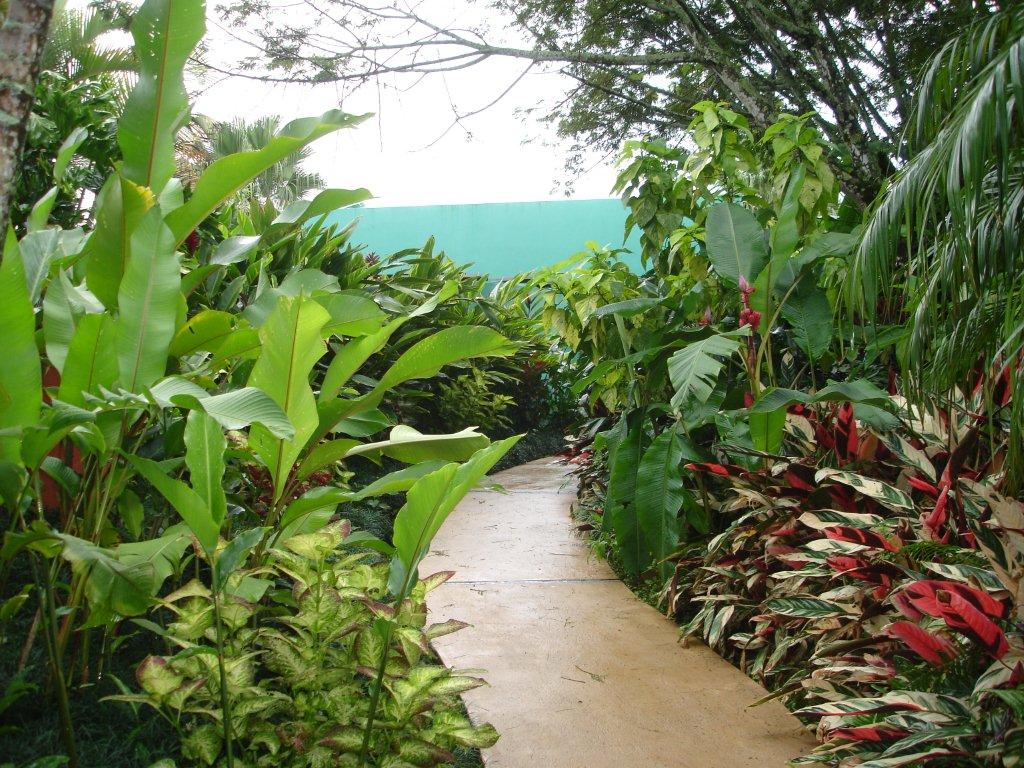
Almost always, this one is included.  Michael captured the moment well.

As we continue adding contributors to this site, and the diversity of topics and locations we pay attention to expands, for some reason I still come back to the Tiger Trail as a favored topic because it is such a good example of what we care about.

That tendency to return, at least in thought, led me to reconnect with a “lost” member of our Tiger Trail entourage. Continue reading

Stretching Venues

This slideshow requires JavaScript.

I have posted images and passing thoughts about my recent work travels to venues that represent my day to day work, but nothing until now about visiting with another contributor to this site, in New York City, on a beautiful autumn long weekend.  That visit had its work component too, but I took away an image of creative energy that was not particularly work-related, nor (I thought until now) related to the core themes of this site, so I neglected to share these images before. Continue reading

A Closer Look

Yesterday’s link to that last post in Robert Krulwich’s series on camouflage reminded me of the experience I had two weeks ago, while taking a photograph of some sea lions perched on the top of an outcrop of sun-absorbing, smooth black rock.  Those seemingly lazy creatures climb up from the waters below to recharge in the sun.

From where I was standing taking this photograph I did not notice anything other than the same kind of rocks in front of me.

Instinctively, I took a photograph of the outcropping in front of me but did not notice anything other than the contrast between the black and white.

I stood in the same spot for some minutes, mainly looking at the sea lions, but eventually looked back down in front of me and snapped another photo. Continue reading

Footprint Exercise

In an earlier post I was reminded of the origins of the metaphor we now commonly use to consider the impact we have on the environment.  Then a few weeks ago Seth mentioned that he was invited to have dinner with the fellow who brought that metaphor into common usage.  He did not post on the discussion that took place during that dinner, but here is how Cornell’s newspaper of record covered the presentation that followed.

Now, thanks to the BBC’s website, I have encountered this metaphor once again.  If you click on the image above and plug in your birthdate, you can have a quick snapshot of where you fit into the timeline of human history (I was approximately the 76,944,046,711th person born in history, according to my birth date, whereas someone born today would be somewhere around the 83,214,560,807th).

If you click through from that first step to the next in this mental exercise calculator, you can consider a couple more variables related to the human footprint over time and space.  Thank you again Mr. Wackernagel.

Another Eight Year Echo

Seth wrote several times about La Cumplida, so I will let those serve as an introduction to both the farm and to its several important educational initiatives.  Here I will note that my first visit to La Cumplida was in early 2003, and my most recent visit was last week.  The photo to the left shows several of us standing in lush arabica coffee at about 1,200 meters.

Seth told me numerous times over the summer that Don Clemente wanted me to return to this spot, where I had visited with him in 2003, to take another look at this location for a new entrepreneurial conservation initiative.  I did so, and for now I can only say wow.  I hope to be able to say more in the near future.

Galapagos Crafts

Another change visible in the Galapagos Islands circa 2011, versus 2oo3, is the quality of the craft on display in at least one shop in Puerto Ayora.  I have always been interested in artisan craft, but especially so in the last 15 years.  My first exposure to the intersection between ancient traditions and modern methods was in Guatemala in the mid-1990s, where an Austrian artisan was working with Maya communities on the re-establishment of production of finely carved ceremonial masks.  Not long after that, I saw the same thing in Ecuador, where a Swiss artisan was working with the tagua nut (aka vegetable ivory) to create remarkable carved curiosities.

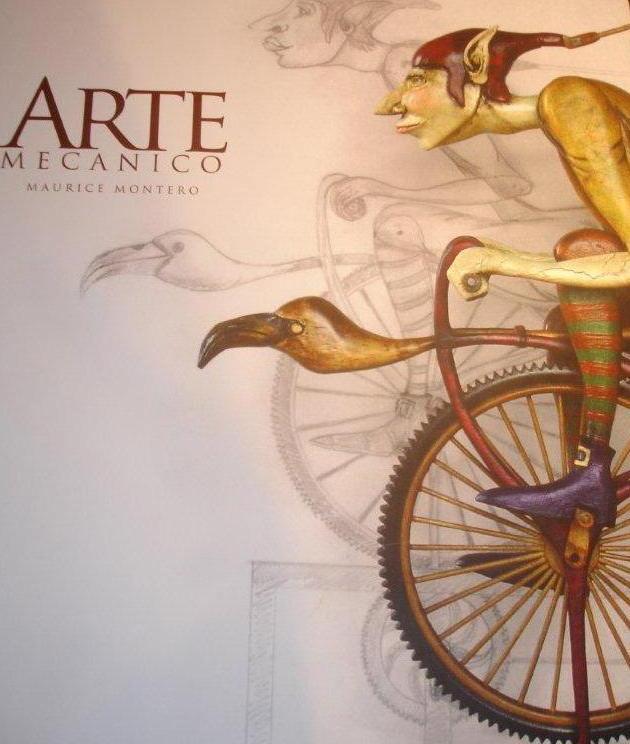
Now, in Galapagos, I see that an Ecuadoran artisan has documented his work in this book, showing a series of hand-made, all-wooden mechanical devices.  While he is not based in the islands, his work is on display and somehow resonates especially well there.  I took these short videos while visiting the gallery showing his work:


Galapagos Education #3/3

This blurry photo was taken in the town square the same evening as my visit to the school.  It was a musical and cultural show the school had orchestrated for the townspeople.  While school productions such as this may be universal, I was still struck by something: in none of my work visits from 1998-2003 had I seen such a display of community.  The men who play volleyball in the town square every evening respectfully halted their fiercely contested games, and many took a seat to watch and listen.

And while perhaps universal, this show in such a place had some magic beyond the music and dance steps: it was a sign of progress in the sustainable development of the islands.

Galapagos Education #2/3

This slideshow requires JavaScript.

Reyna walked me through the school and explained the transformation it has undergone in the last few years.  The transformation began with the realization that children in these islands were in the midst of amazing nature, but that nature was not incorporated into the education they received.  Nor was sustainability.  Going from school room to school room I could see that this was corrected, and then some.  No unnecessary paving, nor walls where they were not needed.  Many classrooms are literally open air.  Kids do not have to lean out a window to see what is happening in the trees.  The science classroom looks familiar, yet better. Continue reading

Galapagos Education #1/3

There were several reasons for the visit to the Galapagos Islands that I just completed.  I have known Reyna and Roberto for 15 years, since the time Reyna and I worked on a research project together.  One reason for the visit was to understand what has changed on the islands since my last visit, from the perspective of locals.  The biggest news, perhaps, was the radical improvement in the quality of education.  The photos below show the name of the school, and generous sponsors, from a sign at its entry; two children climbing over the wall from their home to the school grounds at the start of the day; a bit of sport; and the pathway from one classroom to the next.

This slideshow requires JavaScript.

Defensive Adaptation

This slideshow requires JavaScript.

The animals in the previous post from the Galapagos, and the one before that, are both fond of the outer skin of young cacti.   Young, in this case, means plants that are several months to several years old.  In one of the photos above (with an iguana visible) you can see the youthful protective skin of the cactus, full of spines on the trunk.  As a cactus matures, it develops a bark-like skin. Continue reading

Iguana Charisma

The lovely finch tells a story, aesthetic and scientific, that most of us accept as the gospel truth, about adaptation and evolution.  A good interpretive guide can help the average lay person understand the story.  Charles Darwin penciled out some of the first notes that guides use to explain why finches vary in color, beak size, behaviors, etc. and plenty of very smart people have contributed to the evolution of those explanations.  So we continue to learn.

This slideshow requires JavaScript.

A visit to the Galapagos Islands should include attention to the finch, considering the role they played in the ability we now have to understand some of the mysteries of the natural world.  Continue reading

Eight Year Echo Of Hope

When I described, a couple weeks ago, the echo of hope emanating from the Gulf of California it is fair to say I was pleasantly surprised.  That may be putting it too mildly, especially in hindsight now that I have seen a major new entrepreneurial initiative come to life there.  I will be writing more about that in the coming days.

But for now, I am in the Galapagos Islands and another echo is resonating.  In this case, for me, the echo is an eight year feedback.  As mentioned in this earlier post I had worked here on and off over several years, and the last time I was here there were some challenges that seemed intractable.  Today, upon arrival and for the remainder of the day, I had the opposite feeling of the last time I was here.  The photos below show the first thing I did with Reyna and Roberto after leaving the airport.  In the first photo you can see, as I did, just a simple conversation between them and one of the workers; then slowly a parade of otherworldly creatures crept into the photos…

This slideshow requires JavaScript.

Continue reading