Perspective On Life, Micro View

y648From the macro to the micro, some detailed reporting on a topic we need to be more informed about; in this book review of the recent book by Ed Yong (science reporter, another of our frequent fliers; see his recently filmed lecture on the topic below):

Reader, as you read these words, trillions of microbes and quadrillions of viruses are multiplying on your face, your hands and down there in the darkness of your gut. With every breath you take, with every move you make, you are sending bacteria into the air at the
rate of about 37 million per hour — your invisible aura, your personal microbial cloud. With every gram of food you eat, you swallow about a million microbes more.

According to the latest estimates, about half of your cells are not human — enough to 21weiner-master315make you wonder what you mean by “you.” Your human cells come from a single fertilized egg with DNA from your mother and father. Microbes began mingling with those human cells even before your first breath, the first kiss from your mother, your first taste of milk. And your human cells could not have built a healthy body without intimate help from all those trillions of immigrant microbes — your other half. Continue reading

Big Data & Environmental Activism

3702

Kate Brandt speaking at the 2016 SXSW Eco conference in Austin, Texas. Photograph: Diego Donamaria

We do not see enough of this type of story:

How Google is using big data to protect the environment

Google’s sustainability officer Kate Brandt outlines the company’s wide-range interest in sustainable fishing, green buildings and renewable energy

by Ucilia Wang

For many people, Google is simply the gateway to a vast archive of facts and memories. For those who pay closer attention to its business dealings, the company also invests billions to find new ways to use the power of computers: it’s developing robots, virtual reality gear and self-driving cars. Remember all the hubbub about Google Glass?

Google has been using the same approach in sustainability – spreading its wealth in a variety of projects to cut its waste and carbon footprint, initiatives which may one day generate profits. During the SXSW Eco conference this week, I caught up with Google’s sustainability officer, Kate Brandt, to find out more. Brandt joined the company in July last year after serving as the nation’s chief sustainability officer in the Obama administration. Continue reading

Bass, Harbinger Of Hope

16nature-master768

Its numbers fluctuate, but the striped bass is far more common than it was just a few decades ago. Credit Getty Images

Thanks to Mr. Taft and the New York Times for this note of reversed fortunes for the fish, and for the anglers who champion them most vocally:

Striped Bass of the Hudson

By

With the jutting jaw of a mob kingpin and the pinstripes of a Wall Street executive, striped bass swim through the brackish waters of New York Harbor like old-school New Yorkers — as if they own the place. Continue reading

Hello Anthropocene

screen-shot-2016-10-15-at-10-47-32-am

We have been looking forward to seeing you:

We are a digital, print, and live magazine in which the world’s most creative writers, designers, scientists, and entrepreneurs explore how we can create a sustainable human age we actually want to live in.

Make A Difference When You Can

980x-7

“What can we do to make a difference?”The Thinker

Thanks to EcoWatch for passing this along:

The Question I Get Asked the Most

Bill McKibben

The questions come after talks, on twitter, in the days’ incoming tide of email—sometimes even in old-fashioned letters that arrive in envelopes. The most common one by far is also the simplest: What can I do? I bet I’ve been asked it 10,000 times by now and—like a climate scientist predicting the temperature—I’m pretty sure I’m erring on the low side. Continue reading

Beware & Resist The Frack

4896

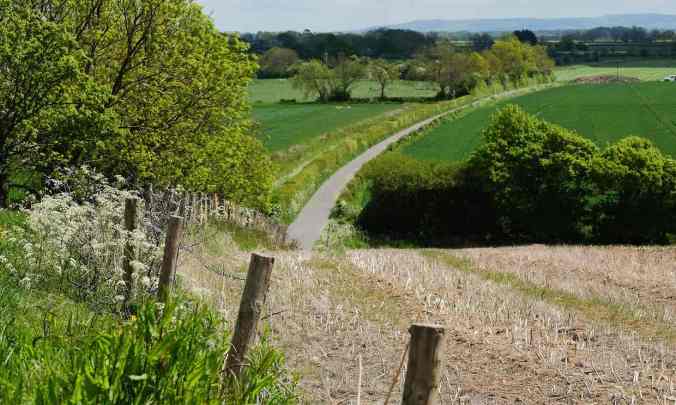
Countryside near the village of Kirby Misperton in North Yorkshire where a planning application by Third Energy to frack was recently approved. Photograph: Ian Forsyth/Getty Images

Many claim to tire of hearing about climate change, species extinction, threats from fracking and other environmental issues of great importance. Thanks to the Guardian for continuing to pay attention:

Majority of potential UK fracking sites are rich in important wildlife

Almost two-thirds of proposed areas have higher biodiversity, valuable for functions such as pollination and pest control, analysis shows

Many of the areas that have been recently marked as potential sites for fracking are rich in wildlife that perform crucial functions from pollination to decomposition, researchers have found.

Scientists say that almost two-thirds of the areas that have been labelled as suitable for shale gas extraction have levels of biodiversity equal to or above the national average, according to a new analysis of records collected from across the country. Continue reading

Bravo, Trip Advisor!

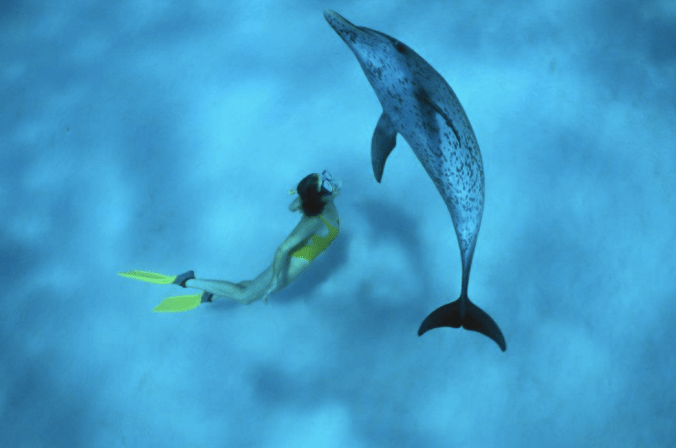
PHOTOGRAPH BY NORBERT WU, MINDEN PICTURES

In a world where economics often focus on the concept that “the customer is always right” it’s heartening to see even large companies re-evaluate policy, and make make changes in the face of facts.

Our work in India has often placed us face to face with the common practices of human-animal interaction written about below, and we don’t promote the  “elephant rides” that are often on travelers’ agenda. Change occurs along  with a shift in understanding, and our goal has always been to craft travel experiences that are both authentic and educational.

So “Bravo!” and a hearty welcome to any company willing to join us in achieving that goal!

TripAdvisor Halts Ticket Sales to Cruel Wildlife Attractions

By

TripAdvisor, the popular travel review website, and its ticket sales company, Viator, said Tuesday they no longer will sell tickets to hundreds of tourist attractions that are widely accepted as cruel to wild animals, reversing a policy under which the companies had resisted considering the welfare of animals when promoting trips.

The move to stop selling tickets to elephant rides, swim-with-dolphin experiences, and attractions that allow visitors to pet tigers and other exotic animals comes after a one-and-a-half-year protest campaign by the London-based animal welfare group World Animal Protection and reporting by National Geographic’s Wildlife Watch, which drew attention to TripAdvisor’s continued promotion of such attractions at a time when dozens of other tour and travel companies were moving away from them.

Such attractions have been shown to cause animals psychological and physical trauma that can shorten their lives. They also result in more animals being taken from the wild for tourism.

Continue reading

Solar’s Silicon Future

p04bw5z3

Thanks to the BBC for this story:

Why Apple And Google Are Moving Into Solar Energy

Silicon Valley’s biggest companies are investing in renewable energy in a serious way – a sign, perhaps, of rapid changes in the energy market.

By Chris Baraniuk 14 October 2016

Most people think of Apple as a company that makes phones, computers and smart watches – not an energy provider. But in August all of that changed when the firm was given permission to sell energy from a Californian solar farm that it acquired last year. Continue reading

Birds, Family, Bonds

1500-1

Australia has a uniquely down under way of delivering powerful stories about man’s relationship with nature:

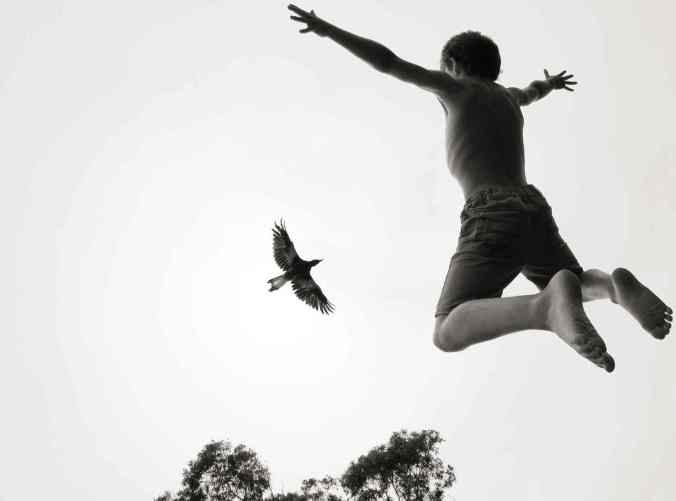
Penguin Bloom: how a scruffy magpie saved a family

Brazil, Climate & Coffee

gettyimages-480677832_wide-1b83ea26628e08d9cd240003d21c9c8653357d0c-s1100-c85

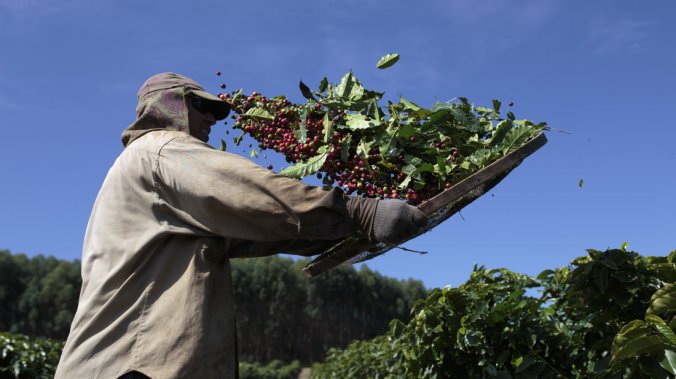
A worker separates coffee cherries during harvest at a plantation in Brazil’s Minas Gerais state. Brazil’s coffee exports fell to 2.6 million bags in June, a 12 percent drop from a year ago, according to a report last week by Cecafe, the country’s coffee export council. Patricia Monteiro/Bloomberg via Getty Images

Brazil is not a frequent focus of posts on this platform, primarily because we have not had a project there since before this platform began. But we almost certainly will before too long. And the country’s history in leadership, and in retreat, with regard to the environmental vanguard, are always of interest to us. Coffee and climate change are constant topics here, so this item at National Public Radio (USA) has our attention, with Brazil’s approach to saving its coffee from the ravages of climate change as a hook we are intrigued by:

Coffee And Climate Change: In Brazil, A Disaster Is Brewing

Coffee lovers, alert! A new report says that the world’s coffee supply may be in danger owing to climate change. In the world’s biggest coffee-producing nation, Brazil, the effects of warming temperatures are already being felt in some communities. Continue reading

Paris Gardens

980x-6

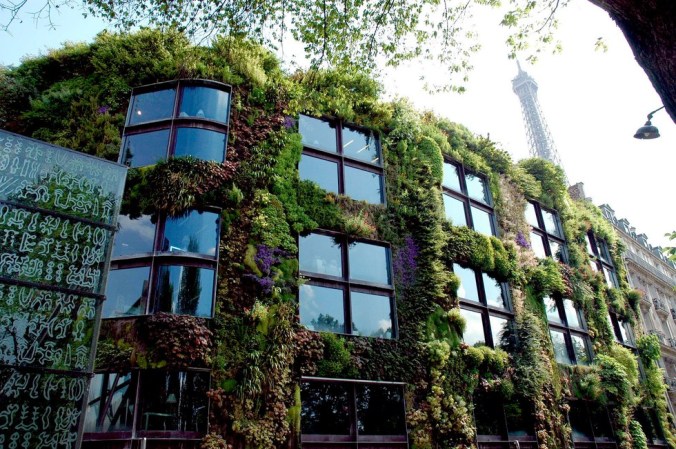
By the year 2020, the City of Paris wants to add 100 hectares of vertical gardens and roofs, with a third dedicated to urban agriculture.The Vertical Gardens by Patric Blanc / Flickr

Greening La Ville Lumière is as good a new objective as we can think of for a city that already has alot going for it (thanks to EcoWatch for the story):

Paris Becomes One of the Most Garden-Friendly Cities in the World

Earlier this summer, Paris quietly passed a new law encouraging residents to help green the City of Light by planting their own urban gardens. Continue reading

The Great Iguana Comeback

11tb-iguana1-superjumbo

The Jamaican rock iguana, a critically endangered species, is making a comeback. Credit Robin Moore

We love comeback stories! Here is a great one from an island country that was featured in these pages much more last year, and we miss hearing about the place:

Jamaican Rock Iguanas Get a Shot at a New Home in the Wild

By

Meet the Jamaican rock iguana. Its scaly body stretches around two feet long, tail not included. Slate blue spikes stick up along its spine, and a saggy sac of loose skin wraps around its head like a hoodless cowl. When cornered, it strikes with its front claws — one reportedly ripped an eye from a dog. Continue reading

Sundrop Farms, Harnessing Seawater & Solar

screen-shot-2016-10-11-at-2-26-28-pm

Thanks to EcoWatch for this:

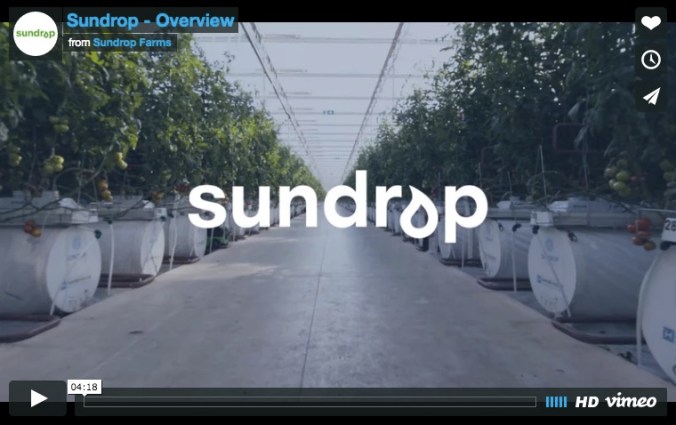
World’s First Farm to Use Solar Power and Seawater Opens in Australia

Sundrop Farms, a tomato production facility that is the first agricultural system of its kind in the world, celebrated its grand opening in Port Augusta, South Australia, Thursday.

Continue reading

Bravo, Romania

980xz

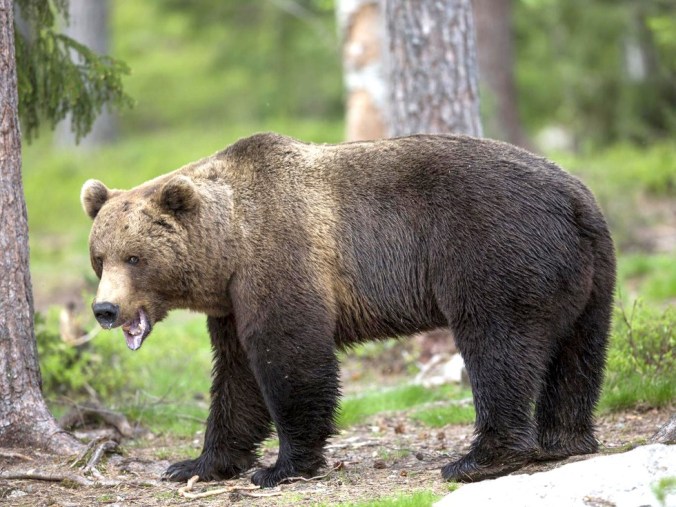
Romania’s government has taken action to protect its large carnivores from trophy hunters.iStock

There was a time when we found portions of the hunting-to-support-conservation argument compelling. Our view is getting more and more firm against it. We applaud a small country teeming with wildlife for taking a firm stand:

Wildlife Advocates Celebrate: Romania Bans Trophy Hunting

By Alicia Graef

In a surprise move that has wildlife advocates cheering, Romania’s government has taken action to protect its large carnivores from trophy hunters.

Last week, the Environment Ministry announced a total ban on trophy hunting of brown bears, wolves, lynx and and other wild cats, which is expected to save thousands of animals from being killed. Continue reading

Conservation, Nature & Culture

09gero-master768

Credit Ping Zhu

A writer who captures the nuanced relationship between conservation of nature and culture has our attention:

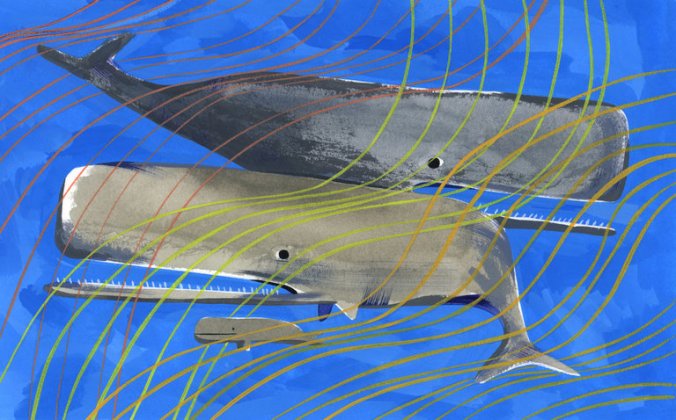
The Lost Cultures of Whales

By

Aboard the Balaena, Caribbean — I am alone on deck, my headphones filled with the sounds of the deep ocean. I have been tracking the sperm whales since 4 a.m. Now the island of Dominica imposes its dark shape in front of the rising sun.

“We have whales!” I shout down to Hal Whitehead, who founded the Dominica Sperm Whale Project with me a decade ago. He puts the kettle on and asks who it is as he comes on deck. Continue reading

New Life For Paper Maps

p04b372q

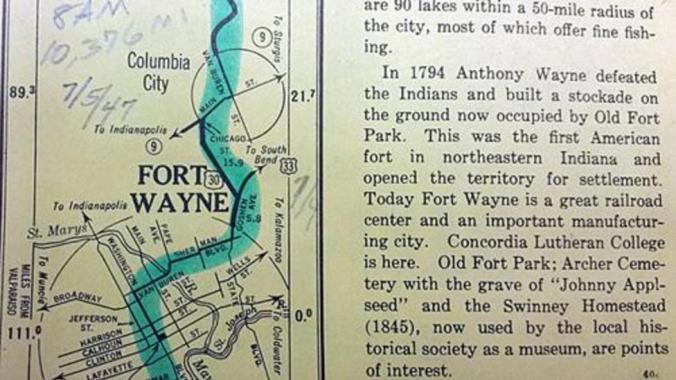
If you are old enough to remember regularly using postal services, as in letters printed on paper, placed in paper envelopes with stamp(s) affixed, then you can appreciate the assumption that paper maps are on their way out just like old fashioned letter-writing and sending. This article on the BBC website catches our attention for a counter-intuitive finding:

Why Paper Road Maps Won’t Die

In an age of Google Maps and GPS, paper maps sales are on the rebound

How did we manage to get from point A to B before GPS and navigation apps — especially when such journeys were long distances? Continue reading

Underwater Pollination

seagrass_pollinator

Image: Brigitta van Tussenbroek

We try to learn something new each day, and when we do, we pass it along here. Thanks to Conservation magazine for this one:

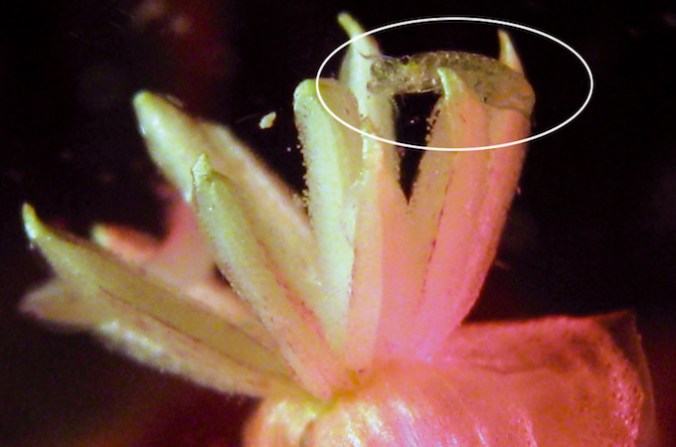
THE NEW UNDERWATER WORLD OF POLLINATION

Even at this relatively late stage in Earth’s exploration, it’s still possible to discover phenomena that are widespread, ecologically important, and—frankly—beautiful. Continue reading

Arctic Bumblebees

bees-test-topper-jumbo.jpg

Superb science journalism:

Six Scientists, 1,000 Miles, One
Prize: The Arctic Bumblebee

A team of researchers scours the wilds of northern Alaska for Bombus polaris, a big bee that has adapted to the cold and that can teach them more about the effects of climate change.

By

DALTON HIGHWAY, Alaska — “To bees, time is honey.

— Bernd Heinrich, “Bumblebee Economics

Hollis and Bren Woodard capturing bees next to the Alaskan pipeline. Katie Orlinsky for The New York Times

One hundred miles north of the Arctic Circle, by the side of a dusty road, two women in anti-mosquito head nets peer at a queen bumblebee buzzing furiously in a plastic tube.

“I think it’s the biggest bumblebee I’ve caught in my life!” Kristal Watrous says. Continue reading

Stromatolites & You

screen-shot-2016-10-09-at-10-29-39-am

We humans are part of a very tiny slice of history, whereas in Western Australia we can have a glimpse at a big slice of history. It is humbling, and at the same time inspiring. As good science journalism should be. We are not too proud to admit that these had completely escaped our attention until just now:

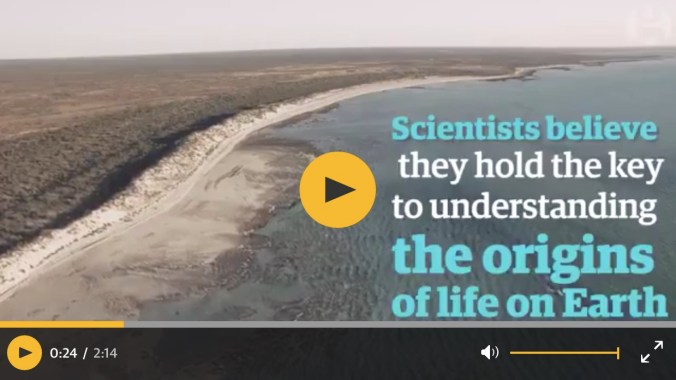
The natural wonder that holds the key to the origins of life – and warns of its destruction

Stromatolite-building bacteria once ruled the Earth, then changed its climate so much they nearly became extinct. Michael Slezak visits the world’s largest surviving colony in Hamelin pool, Western Australia

Just shy of the westernmost tip of the Australian continent lies a pool that provides an unparalleled window into the origins of life on Earth. In its warm, briny waters a biological process takes place that began just as the continents were starting to form.

It is this very process that made the abundance of life on the planet possible and studying it today promises insights into how life began as well as what the Earth was like 3.7bn years ago. Continue reading

Kite Power

5911

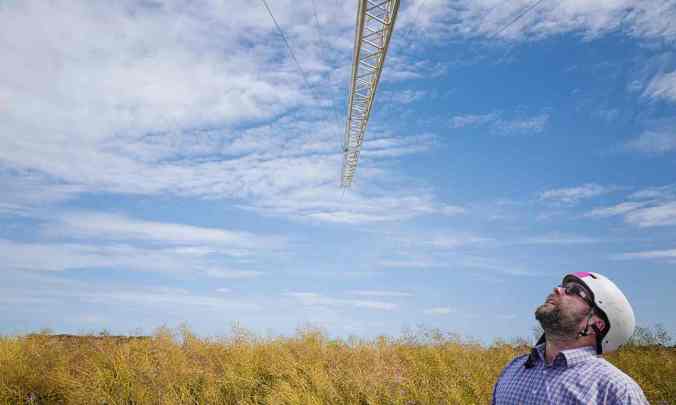
Bill Hampton, chief executive of Kite Power Solutions. Photograph: Sarah Lee for the Guardian


Kite power to take flight in Scotland next year

Kite Power Solutions plans to open UK’s first kite power plant and predicts the technology could global ease energy costs

Continue reading