Mislabeling Fish Products

07fraud-master768

Source: New York Times

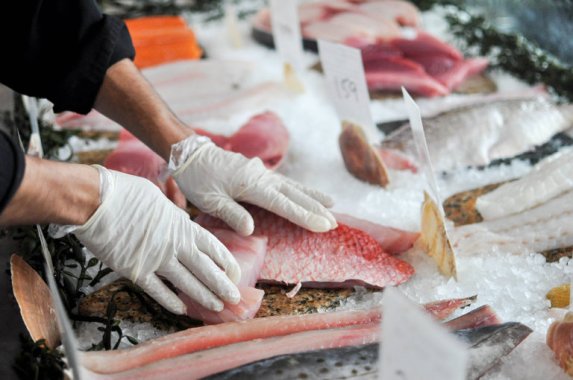
Mislabeling fish products, as well as others food products, is a global issue that researchers have struggled to accurately gauge the severity of. It has also been tough to ascertain if efforts to control the fraudulent practice are making progress. According to a report on seafood fraud released on Wednesday, 1 in 5 seafood samples tested worldwide turn out to be completely different from what the menu or packaging says. The ocean conservation group that created the report, Oceana, tested 25,000 seafood samples, and of those, 20 percent were incorrectly labeled.

“It is likely that the average consumer has eaten mislabeled fish for sure,” said Beth Lowell, the senior campaign director for Oceana and an author of the paper. “You’re getting ripped off, while you enjoyed your meal you’re paying a high price for a low fish.”
Continue reading

Yosemite, Bigger & Better

ap_16251730452359_custom-c087184ae5c62fc4faaf27c7f89712aed7b80839-s1400-c85

A photo provided by The Trust for Public Land shows Ackerson Meadow in Yosemite National Park, Calif. Visitors to the park now have more room to explore nature with the announcement on Wednesday that the park’s western boundary has expanded to include Ackerson Meadow, 400 acres of tree-covered Sierra Nevada foothills, grassland and a creek that flows into the Tuolumne River. Robb Hirsch/AP

The full story here. All we can say is a three-letter word (no spoiler, so after the jump):

Yosemite National Park is growing by 400 acres — the largest expansion to the park since 1949.

NPR’s Nathan Rott reports that the new addition to the park, a stretch of land along the western boundary of Yosemite, has historically been used for logging and cattle grazing.

The Trust for Public Land, a conservation group, bought the land from private owners for $2.3 million and donated it to expand the park. The purchase was supported by the Yosemite Conservancy, National Park Trust and American Rivers, as well as private donors.

“The area includes a sprawling grassy meadow, wetlands and rolling hills dotted with tall pine trees, and is known to be home to at least two endangered species,” Nathan reports. Continue reading

From A Favorite Trouble-Maker

591.jpg

‘We see the effects of warming on land: the floods, the droughts, the refugees headed towards temporary safety.’ Photograph: Malcolm Francis/NIWA

Please click here so that credit goes to the source for this editorial by one of the thinkers we regularly turn to, one of our favorite sources of reminder to take action:

So, just as a refresher, it’s always good to remember that we live on an ocean planet. Most of the Earth’s surface is salt water, studded with the large islands we call continents.

It’s worth recalling this small fact – which can slip our minds, since we humans congregate on the patches of dry ground – because new data shows just how profoundly we’re messing with those seven seas. The International Union for the Conservation of Nature has published an extensive study concluding that the runaway heating of the oceans is “the greatest hidden challenge of our generation”. Continue reading

Case for Human Settlement Enhancing Ecosystems

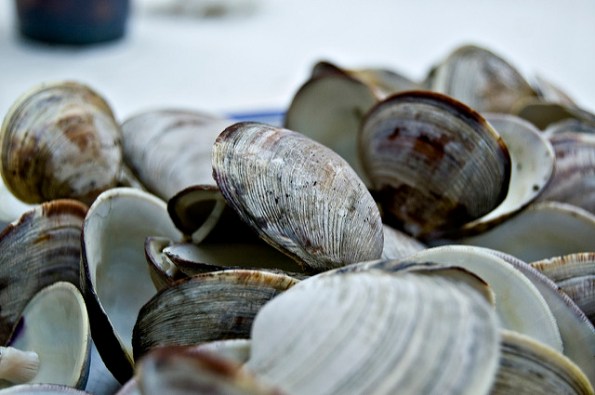
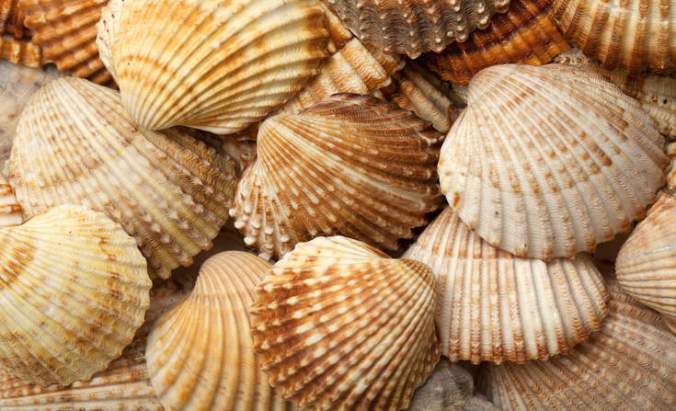
clamshells

Source: conservationmagazine.org

A recent scientific publication in Nature Communications enlightens us to the possibility that human settlement does not always equate to land degradation, and in some cases, improves the local ecology. Here’s the results of the study as shared in Conservation Magazine:

Researchers studied temperate rainforest on Calvert and Hecate islands, off the central coast of British Columbia, Canada. This forest is very wet, receiving an average of 4 meters of rainfall a year, and has acidic, nutrient-poor soils. The dominant tree species is western redcedar (Thuja plicata).

The coastline is also dotted with semi-permanent settlements where First Nations groups, as indigenous people are known in Canada, lived seasonally or year-round. Especially over the past 6,000 years, people intensively harvested shellfish from intertidal areas and built up large shell middens—some up to 5 meters deep—near their settlements.

Continue reading

British Wildlife Photography Awards

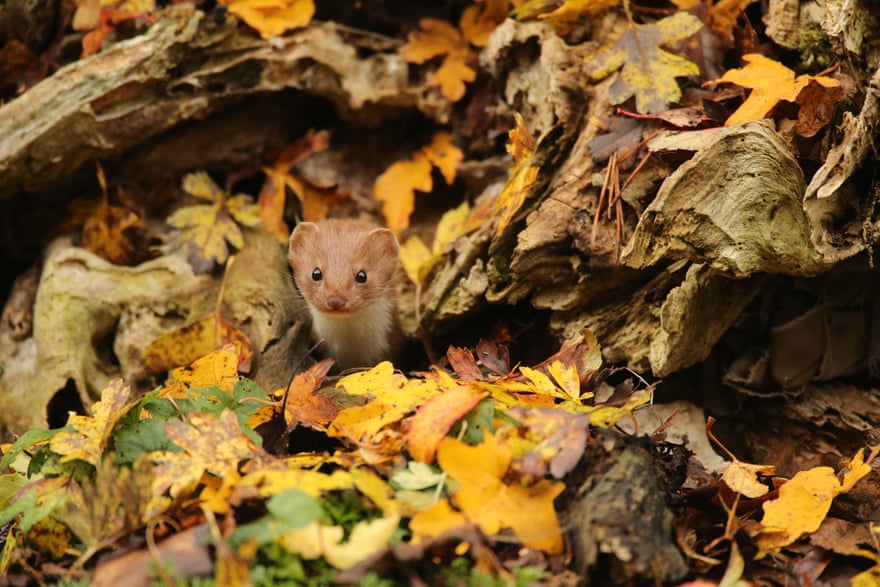
British autumn season winner: Robert E Fuller, ‘Common weasel’, North Yorkshire, England. Photograph: Robert E Fuller/British Wildlife Photography Awards 2016

British autumn season winner: Robert E Fuller, ‘Common weasel’, North Yorkshire, England. Photograph: Robert E Fuller/British Wildlife Photography Awards 2016

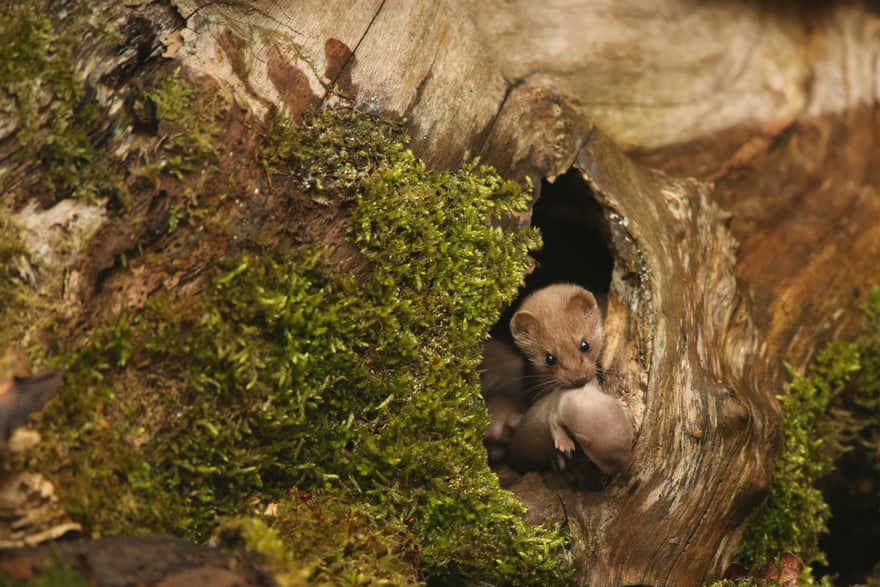
We like to feature different nature photography competition winners here, because the audience always wins, as we put it two years ago. This week, The Guardian is featuring a competition that we hadn’t heard of yet: the British Wildlife Photography Awards. This contest has interesting categories, including photos of Britain in its four seasons of spring, summer, autumn, and winter – all of which were won by a photograph of a family of common weasels:

British summer season winner: Robert E Fuller, ‘Common weasel’, North Yorkshire, England. Photograph: Robert E Fuller/British Wildlife Photography Awards 2016

British summer season winner: Robert E Fuller, ‘Common weasel’, North Yorkshire, England. Photograph: Robert E Fuller/British Wildlife Photography Awards 2016

Continue reading

Doing More for Protected Lands and Oceans

3500

Photograph: Owen Humphrey’s/PA

Almost fifteen percent of the Earth’s land is enclosed in national parks or other protected areas, which accounts for approximately 20 million sq km. This figure is close to an internationally agreed goal to protect 17 percent of the land surface by 2020. Comparatively, ocean conservation only accounts for 4 percent of total surface of the ocean, covering 15 million sq km. In spite of these statistics – which reflect a positive outcome of the increased attention and importance given to land and ocean conservation – there are concerns over how well these areas are managed and whether they effectively protect endangered species, as Seth wrote a few days ago.

progress report by the UN Environment and the International Union for Conservation of Nature (IUCN) warns that some of the most biodiverse ecosystems are not being protected and that the management of many protected areas is deficient.

Less than 20% of areas considered crucial hubs for species are fully protected, the report states, with countries routinely failing to assess the effectiveness of their national parks nor provide wildlife corridors that allow animals to roam between protected areas.

Continue reading

Measuring Natural Gas Emissions

7686687614_9cb11eafc2_z

A natural gas well in Hamilton, Pennsylvania. Source: triplepundit.com

Last spring the U.S. Energy Information Agency (EIA) predicted that natural gas would generate more power in 2016 than coal, and now that natural gas has taken that lead, it is under close scrutiny as a “cleaner” alternative to coal. From the EIA’s latest Short-Term Energy Outlook, natural gas also beat out coal for carbon dioxide emissions from power generation.

“Energy-associated carbon dioxide (CO2) emissions from natural gas are expected to surpass those from coal for the first time since 1972. Even though natural gas is less carbon-intensive than coal, increases in natural gas consumption and decreases in coal consumption in the past decade have resulted in natural gas-related CO2 emissions surpassing those from coal.”

And the agency isn’t talking in fractions of a percentage point, either. EIA puts the emissions figure for natural gas at 10 percent greater than coal for 2016.

Continue reading

Ghost Snake Discovered in Madagascar

Iconic limestone Tsingy rocks in Ankarana National Park in northern Madagascar where the ghost snake was discovered. Photo by Sarah Ruane, LSU

Last month it was Mexico, and this time it’s Madagascar – once again, a new snake species with a presumably localized distribution has been discovered in a little-explored area. The elusive and pale gray snake has likely evolved to camouflage against the rocks of the region, and was named Madagascarophis lolo (lolo meaning ghost in Malagasy) by researchers from the LSU Museum of Natural Science, the American Museum of Natural History and the Université de Mahajunga in Madagascar.

The ghost snake is part of a common group of snakes called Madagascarophis, or cat-eyed snakes, named for their vertical pupils, which is often found among snakes that are active in the evening or night. Many of the cat-eyed snakes are found in developed areas or degraded forests. However, the researchers found the ghost snake on the national park’s iconic pale grey limestone Tsingy rocks.

Continue reading

Lionfish Trap Tests in Pensacola Show Promise

Lionfish traps are currently being tested in the waters off of Pensacola.
Photo by Dr. Steve Gittings

There is no shortage of lionfish posts here, as a quick search of the site will show. Off the coast of Pensacola, Florida, we’re encouraged to hear that there is good news from the trapping scene – rather than speargun hunting, which has certain limits. Although we aren’t told how the tested traps avoid catching other fish than the target, it sounds like progress is being made. Jeremy Morrison reports:

Eighteen miles out into the Gulf of Mexico, lying in wait about a hundred feet deep, are a collection of contraptions that have Steve Gittings “pretty encouraged” and “really kinda jazzed.”

“I’m kinda pleasantly surprised about what we found in Pensacola,” said Gittings, science coordinator for the the National Oceanic and Atmospheric Administration National Marine Sanctuary.

Since July, Gittings and a his collaborators have been conducting tests on some prototypes of a lionfish trap he designed. In late August, the scientist wrote a report detailing what he considers to be the initial successes revealed during this summer’s testing.

Continue reading

Using Drones in Ag Optimization

Precision agriculture: there’s a drone for that.
Image: ©Mauricio Lima/Flickr via conservationmagazine.org

Earlier today we referenced the changing assumptions in how plants retain water during high carbon dioxide conditions. Luckily for farmers with a little tech-savviness, they may have a new tool available to quantify water stress in plants: drones fitted with infrared thermometers. Catherine Elton reports:

In the quest to maximize the efficiency of agriculture for a growing planet, farmers have recently turned to drones. They are using them to detect pests and to map weeds. More recently, researchers have demonstrated that they can aid farmers in making smarter, more efficient use of irrigation water. This helps farmers not only increase yield, but also conserve a valuable resource in high demand.

Researchers’ early forays into employing drones for this end involved mounting them with thermal cameras to take measurements of canopy-air temperature above the crops. Canopy-air temperature is the basis of a widely used index for water stress in plants. The problem with this system is that thermal cameras are expensive, putting them out of reach of many farmers.

Continue reading

More CO2 Means Less Water for Plants

160829163305_1_540x360

Credit: © yommy / Fotolia

A new study on plant water retention from the University of California, Irvine and the University of Washington might rescind some of our assumptions of climate change impacts on agriculture, water resources, wildfire risk, and plant growth. Their findings reveal that water conserved by plants under high CO2 conditions compensates for much of the effect of warmer temperatures, which means more water is retained on land than predicted in commonly used drought assessments. ScienceDaily reports:

The study compares current drought indices with ones that take into account changes in plant water use. Reduced precipitation will increase droughts across southern North America, southern Europe and northeastern South America. But the results show that in Central Africa and temperate Asia — including China, the Middle East, East Asia and most of Russia — water conservation by plants will largely counteract the parching due to climate change.

Continue reading

Joining the Sustainable Fishing Soupbowl

ap_150457879317

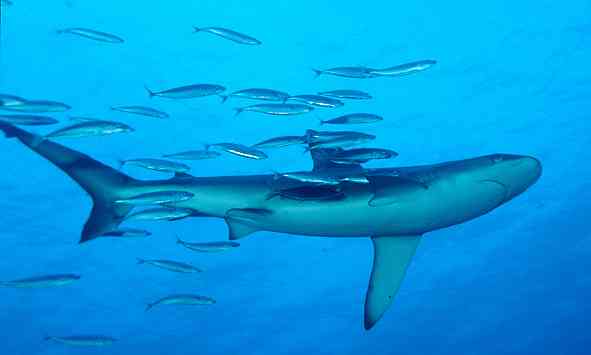
Illegally harvested shark fins. Source: shareamerica.com

Given the critical decline of fish populations worldwide, it’s reassuring to hear that high-profile U.S. corporations, and ones in the hotel industry at that, are taking a stand against unsustainable fishing practices. Here’s the story as told on Share America:

Rogue vessels use banned equipment, damage breeding grounds and destroy tons and tons of by-catch, marine life that is caught in nets but not desirable in the markets.

Thirty percent of world fisheries are tapped beyond their limits, while another 60 percent are being fished at maximum capacity.

Major U.S. hotel chains, restaurants and supermarkets have responded by requiring that fish they serve be harvested sustainably.

Continue reading

Bluestem Ranch Returns to Osage Nation

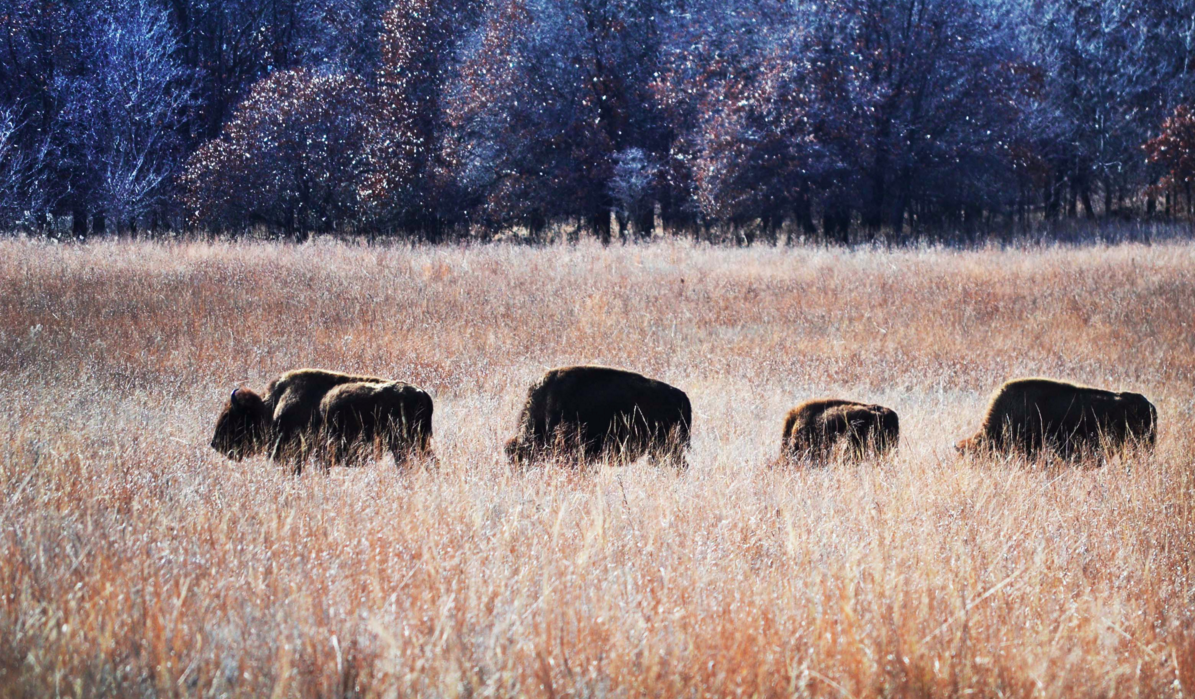
Bison on the Bluestem Ranch

Bison on the Bluestem Ranch

Osage Nation Takes Ownership of Ted Turner’s 43,000-Acre Ranch

Ted Turner is the second largest individual landowner in North America, with approximately two million acres of personal and ranch land. His lands are more than conservation, as he’s managed to unite economic viability with ecological sustainability and environmental projects including water resource and timber management, and the reintroduction of native species to the land.

Although the recent news of the sale of Bluestem Ranch back to the Osage Nation might impact his land holdings, it certainly adds to his legacy of positive land management.

The Osage Nation is filing applications for federal trust status to protect the land from future sale…. Continue reading

Pope Francis says Destroying Environment is a Sin

Photograph: Galazka/Sipa/Rex Shutterstock via The Guardian

We don’t have any religious affiliation here on the site, but understand that the Roman Catholic Pope has a tremendous influence in the world given his position. Any stance that he takes to protect the environment through denouncing pollution and agents of climate change is a good one in our book regardless of the church or theological basis. Josephine McKenna reports:

Pope Francis has called for urgent action to stop climate change and proposed that caring for the environment be added to traditional Christian works of mercy such as feeding the hungry and visiting the sick.

In a message to mark the Catholic church’s World Day of Prayer for the Care of Creation that he launched last year, Francis said the worst impact of global warming was being felt by those who were least responsible for it – refugees and the poor.

Continue reading

Understanding Biomaterials

shutterstock_90501193

Source: Greenbiz.com

Bio-based materials are becoming more mainstream and according to Duke University’s Center for Sustainability & Commerce, over $400 billion worth of conventional manufacturing products are produced each year using biomass, which in many cases are more sustainable than older alternatives. Nonetheless, bio-based alternatives have yet to reach scale due to traditional industry adhering to classic chemistry.

This is beginning to change, as breakthroughs in bio-based materials engineering reach a tipping point. Collective understanding of how microbes work is, for the first time, allowing us to make chemicals in a safer and more environmentally friendly way. It is possible for us to engineer microbes to have specific functions, including a variety of sustainability applications.

Continue reading

Kiwis Were Diversified by Glaciers in NZ

Tasman Lake, which is fed by melt water from the retreating Tasman Glacier. Photo by Trevor Chinn

The kiwis referred to here are cute, small, fluffy, brown birds, not to be confused with small fuzzy brown fruit nor with the people who live in New Zealand. These flightless and nocturnal birds used to be divided in three to five species, but new DNA evidence from extensive blood sampling conducted over the last couple decades in their island home is indicating that there is in fact much more genetic diversity – which is often separated geographically – than previously thought, perhaps even enough to declare new species, or at the very least certainly new subspecies. And this might affect conservation strategies for these birds, which are all either endangered or vulnerable to endangerment. Ed Yong reports:

Several million years ago, a small bird flew to New Zealand. Arriving there, it found few threats and plenty of opportunities. In the absence of mammals, its descendants gradually lost the ability to fly, as island birds are wont to do. They also evolved to fill those niches that mammals typically occupy, rootling around the leaf litter in search of worms and grubs. They transformed into that icon of New Zealand—the adorable, bumbling kiwi.

Or rather, they transformed into the kiwis.

Continue reading

Can Environmental Regulations Increase Corporate Profits?

Image credit: Royal Olive via Flickr

A thought-provoking question, the economic and political debate over regulation and efficiency is one that has plagued governments long before the US Environmental Protection Agency was created. But with the EPA’s role in regulating pollution (among other things, of course) has come the question of whether corporations can actually benefit in the long run as a result of more stringent requirements that prevent wanton waste, for instance, being put in public waters. Sarah DeWeerdt reports:

According to conventional economic wisdom, the cost of complying with environmental regulations represents a burden that eats into companies’ profits. But another view, known as the Porter hypothesis, holds that environmental regulations can spur innovation and increased efficiency, ultimately increasing profitability.

Economists have debated these ideas for the past two decades but have had little direct empirical evidence to help settle the matter. Now, researchers Dietrich Earnhart of the University of Kansas and Dylan Rassier of the U.S. Department of Commerce have provided such a real-world test with a look at the U.S. chemical manufacturing industry between 1995 and 2001.

Continue reading

Water Bottles into Fleece


plastic-bottles-from-gm-plants-are-turned-into-insulation-for-these-jackets-650x433

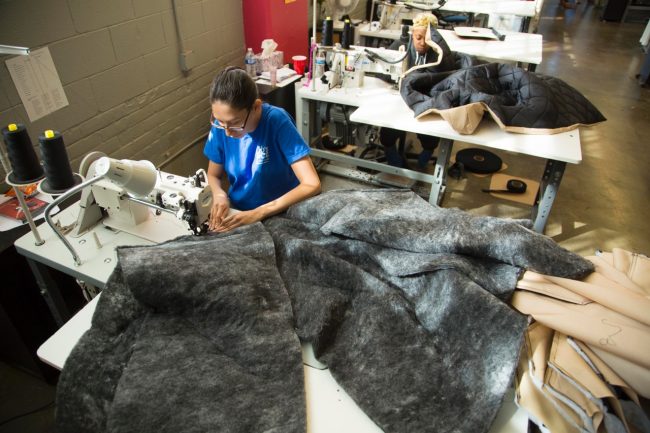
Plastic bottles from GM plants are turned into insulation for jackets. Source: General Motors

Converting to a Closed-loop business model from an Open-loop model presents its challenges, but General Motors (GM) is a good case study of a corporation that is making progress in the closed-loop direction. GM has a zero-waste agenda which encompasses a variety of recycling programs that uphold their claim:

In recent years, the company added used water bottles to its kit of raw materials. Two million water bottles, many of which are from Flint, have been recycled into three products, which include engine covers for the V-6 Chevrolet Equinox, air filters for 10 GM plants, and coats for the homeless through a partnership the company has with a Detroit nonprofit. Through this recycling program, GM says it works with a total of 11 organizations while boosting its waste diversion efforts.

[The] challenge the automakers face in using recycled products for parts is whether they can maintain the same quality and strength of conventionally made materials.

Continue reading