Aviation & Renewable Resource Milestone

ap_16175288680698_custom-0c6b67df90bdb4e2069afde43ff22e60a5cc62cd-s1400-c85

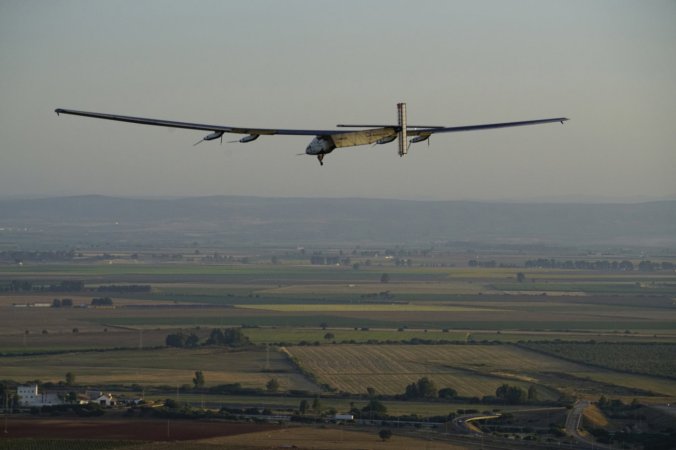
Solar Impulse 2, piloted by Swiss pilot Bertrand Piccard, prepares to land in Seville, Spain, on Thursday. Jean Revillard/AP

In case you missed it, this is awesome, and worth a quick read (thanks to NPR, USA):

‘Beautiful Flight’ Across The Atlantic Is Major Milestone For Solar Plane

After 71 hours and 8 minutes of flight time crossing the Atlantic, Solar Impulse 2 has touched down in Seville, Spain. It’s a major step toward the team’s goal of circumnavigating the globe using only the sun’s power.

The end of this leg means they’ve now completed 90 percent of that journey.

As The Two-Way has reported, the single-seater plane took off from New York’s John F. Kennedy International Airport early Monday with pilot Bertrand Piccard at the controls. Continue reading
Nature Photography, Gudzowaty’s Way

20130829_RS 008

20130829_RS 008

Thanks to the New Yorker’s website for this brief review of the work of one of our favorite photographers:

Tomasz Gudzowaty’s Wildlife Sublime

By Carolyn Korman

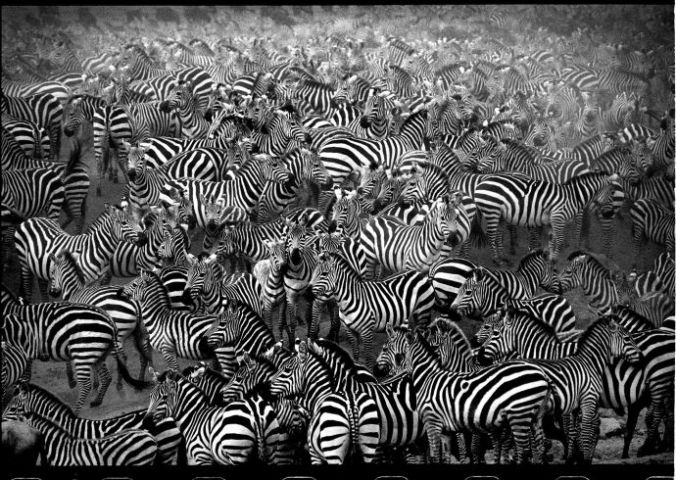
Does wildlife photography make us feel closer to other animals or more distant? In Tomasz Gudzowaty’s remarkable new book, aptly named “Closer,” the answer seems, at first, to be the latter. His planet is unpeopled, savage, elemental. His wide-angle shots depict lands inhabited by vast congregations of beasts and birds.  Continue reading

Strawberry Moon

04a

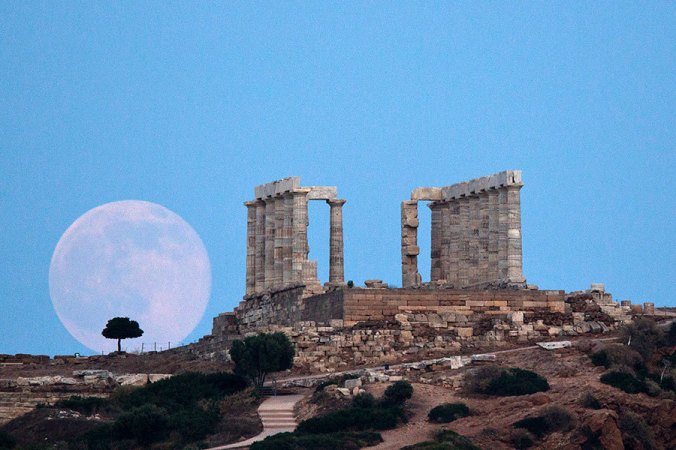
The full moon rises behind a tree next to the ancient marble Temple of Poseidon at Cape Sounion, southeast of Athens, on the eve of the summer solstice on Monday. The temple, built in 444 BC, was dedicated to Poseidon, god of the sea. Petros Giannakouris/AP

Thanks to the CS Monitor for bringing this image to our attention in their “Photos of the day” series, which are always worth a visit.  The moon, we have been reading in the Monitor and various other news outlets, is a variety that occurs every 46 years. Wishing we might have seen it where Mr. Giannakouris saw it, but by the time we learned about this phenomenon it was already time for morning coffee in Kerala.

If You Happen To Be In Atlanta

A rendering of the Atlanta Food & Wine Festival Vineyard in the City in Midtown. Credit: AF&WF.

A rendering of the Atlanta Food & Wine Festival Vineyard in the City in Midtown. Credit: AF&WF.

From newly minted bike lanes and bike sharing, to the Rails to Trails  Atlanta Beltline conservation project, each year Atlanta seems to be refining its “livability quotients”.  The Atlanta Food & Wine Festival just made it that much better. As pop ups go, a vineyard is a novel idea!

Each year the Atlanta Food & Wine Festival team and Advisory Council challenge themselves to create educational, engaging and entertaining programming and events for Festival guests. Continue reading

Potential New Food for Farmed Fish

Photo of microalgae by CSIRO ScienceImage via WikiMedia Commons

We’ve known for some time that lots of fish food used in pisciculture is actually just wild fish, whether processed or not. Conservation Magazine is reporting that microalgae may provide the solution for sustainably feeding fish in farms:

Aquaculture could play a key role in sustainably feeding our growing planet. The problem is that when it comes to feeding the fish, it seems hard to hit the mark on sustainability. Fish oil and fishmeal are draining the oceans of ecologically important forage fish. But when the aquaculture industry substitutes these marine-based foods with vegetable oils and grains, they are driving an enormous amount of additional farming, with all its attendant impacts on the environment. What’s more, this vegetarian diet produces fish that are lacking in the marine omegas that are so important for human health.

Continue reading

If You Happen To Be In ’s-Hertogenbosch, the Netherlands


Literally, “The Duke’s Forest”, ‘s-Hertogenbosch is a fortified historic city in the North Brabant Province of the Netherlands. Aside from being a lovely area with a beautiful church, the city is best known for it’s most famous Medieval citizen, the religious artist Hieronymus Bosch, known for his bizarre paintings of demons and human-animal-machine hybrids meant to invoke the “evil of mankind”.

While his apocalyptic,  fantastical work may have rather dour origins, it’s gone on to inspire the amazing exuberance of the the Bosch Parade since 2010.

A wondrous armada of vessels and objects inspired by the work and ideas of Medieval painter Jheronimus Bosch. Artists from all disciplines (art, theatre, dance, music, architecture) collaborate with groups of enthusiastic amateurs and volunteers to create this artistic, water-borne parade. This spawns not only a creative floating parade by and for the city, but also an extensive creativity network throughout the city. Continue reading

Methane from Livestock Has Yet to Decrease

via GreenBiz

A few weeks ago we posted bad news about the higher release of methane gas from cows treated with antibiotics. Data published relatively recently by the U.N. is showing that greenhouse gases produced by livestock and crops are still increasing, unfortunately. John Upton reports for GreenBiz:

As signs emerge that the global energy sector is beginning to rein in what once had been unbridled levels of climate-changing pollution, new United Nations figures show pollution from farming is continuing to get worse.

Greenhouse gases released from the growing of crops and livestock directly increased by a little more than 1 percent in 2014, compared with a year prior, the newly updated data shows.

Continue reading

New York Times Editorial On USA National Parks

18sat1-master768

If you have been reading our posts for the last five years, you will find we have much in common with the editorial board at one of our favored news sources:

Monuments for Future Generations

President Obama’s visits this weekend to Carlsbad Caverns and Yosemite national parks give him a timely opportunity to think about how, in the twilight of his presidency, he can add to what has already been an admirable record of protecting America’s public lands and marine reserves. The parks themselves are in a celebratory moment, the 100th anniversary of the founding of the National Park Service. But given Congress’s preference for partisan infighting over environmental stewardship, it is unlikely to approve any additions to the park system. Still, there is much that Mr. Obama can do on his own using the 1906 Antiquities Act, which allows a president to unilaterally protect areas of great natural or historical value as monuments when Congress is unlikely to act. Continue reading

If You Happen To Be In London

p03xgwg5

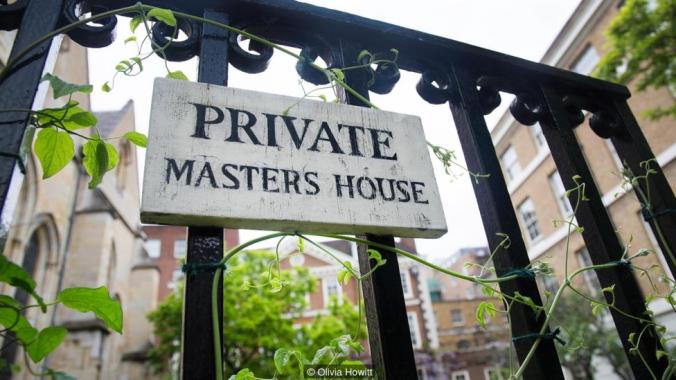
Behind closed doors The 2016 Open Gardens Weekend marks the first time the Master’s Garden is accessible to the public. For gardeners, one of the interesting aspects of the space is the difficulty of the soil – which, being situated on a raised plateau, is so free-draining that it is very dry. But, said gardener Bob McMeekin, the garden also comes with plus points: “Central London has its own micro-climate, and the garden is protected from pollution by the surrounding buildings.” (Credit: Olivia Howitt)

Generosity, Alive & Well In The USA

Giving-USA-Cover-with-IU-Logo-Final-A-3D-e1465868838236

Generosity of Americans will help ensure, among other things, that the challenges facing the US National Parks Service will be met:

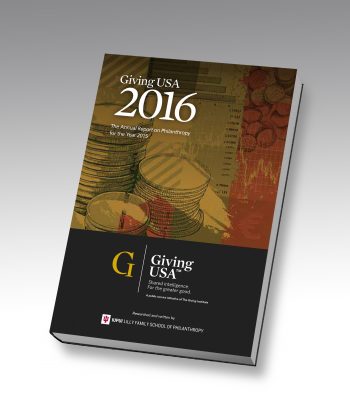
Donations from America’s individuals, estates, foundations and corporations reached an estimated $373.25 billion in 2015, setting a record for the second year in a row, reports Giving USA 2016: The Annual Report on Philanthropy for the Year 2015, released today. Continue reading

USA Celebrates 100 Years Of National Parks

Sahale-Arm-Trail-Hikers_1.jpg

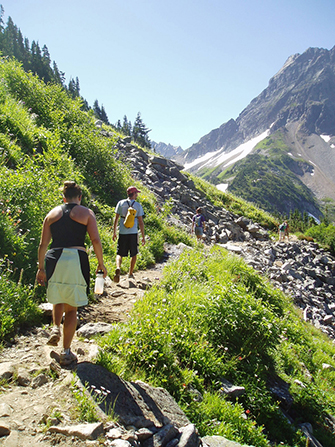
Hikers enjoy the Sahale Arm Trail in North Cascades National Park; repair and revegetation of the trail will be completed in partnership with Washington’s National Park Fund. NPS/Liang

On August 25, 1916 the National Parks Service was created. Please support it:

In 2015 and 2016, the National Park Service selected more than 150 projects to leverage $25 million in congressional appropriations with more than $45 million matching funds from partner organizations across the country.

These projects will improve visitor services, support outreach to new audiences, and strengthen partnerships to reinvigorate national parks and forge connections to new communities.

A list of the 2016 projects is here.

A list of the 2015 projects is here.

Climate Change And Its Discontents

4493

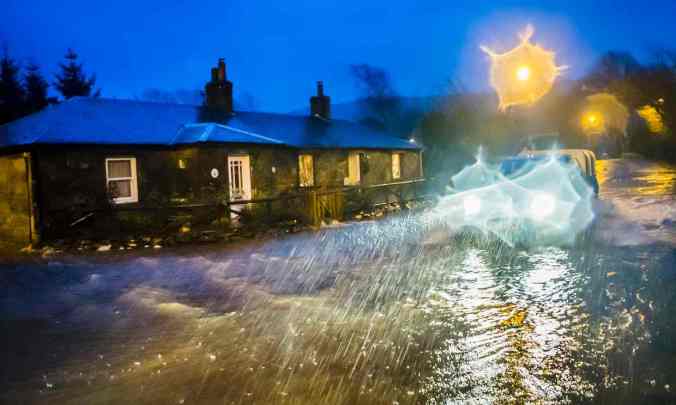
Flooding in Straiton, Scotland, in December. Scientists say it will increase in future. Photograph: Danny Lawson/PA

We have precedent, sufficiently clear by now, to figure out we need to take action:

Shattered records show climate change is an emergency today, scientists warn

Unprecedented temperature levels mean more heatwaves, flooding, wildfires and hurricanes as experts say global warming is here and affecting us now

by Damian Carrington

May was the 13th month in a row to break temperature records according to figures published this week that are the latest in 2016’s string of incredible climate records which scientists have described as a bombshell and an emergency.

Continue reading

Coral Reef Bright Spots

lead_960 (3).jpg

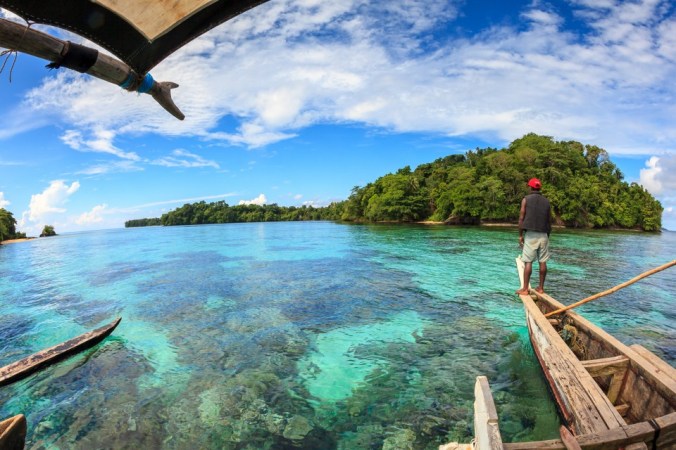
Tane Sinclair-Taylor

Thanks, as always, to Mr. Yong and his team at Atlantic Monthly:

Why Some Coral Reefs Are Thriving

Not all of the world’s reefs are in bad shape—and a few of the healthiest are managed by humans.

by Ed Yong

In 1990, Jerry Sternin from the global charity Save the Children traveled to Vietnam to fight malnutrition. His strategy was simple. He looked for ‘bright spots’—mothers whose children were bigger and healthier than average, even though they were just as poor and disadvantaged as their neighbors. And he asked: what were they doing differently? Continue reading

An Important Question From E.O. Wilson

4202

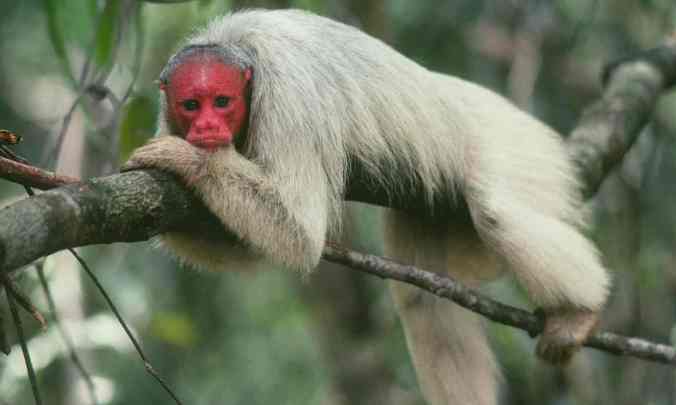
A bald uakari monkey (Cacajao calvus) in the flooded forest of the Amazon in Brazil. The IUCN Red List categorizes this species as vulnerable. Photograph: Alamy

Thanks to the Guardian for continuing to give a platform where it is most needed with respect to the natural environment:

Could we set aside half the Earth for nature?

Renowned biologist E.O. Wilson wants to set aside half of the planet as protected areas for nature. But is this possible? And, if so, how would it work?

by Jeremy Hance

As of today, the only place in the universe where we are certain life exists is on our little home, the third planet from the sun. But also as of today, species on Earth are winking out at rates likely not seen since the demise of the dinosaurs. If we don’t change our ways, we will witness a mass extinction event that will not only leave our world a far more boring and lonely place, but will undercut the very survival of our species.

So, what do we do?

E.O. Wilson, one of the world’s most respected biologists, has proposed a radical, wild and challenging idea to our species: set aside half of the planet as nature preserves.

Continue reading

If You Happen To Be On Long Island (NY, USA)

WetLandforWeb.jpg

Photo © Jacques-Jean Tiziou / http://www.jjtiziou.net

From the website of Parrish Art Museum:

About WetLand

WetLand is a modified houseboat made by the ecological artist Mary Mattingly to demonstrate easy-to-do sustainability projects (solar power, rain water collection and purification, vegetable gardening, upcycling, etc.). WetLand describes the impact each individual can have on the environment. The vessel is being brought to the East End in conjunction with the exhibition, Radical Seafaring, and will be located on Long Wharf in Sag Harbor. Continue reading

Heavenly Apricots

apricotbotanicalprint1_wide-a63e26cd892d8827bb5ef848d5ee69f1298599ee-s1400-c85

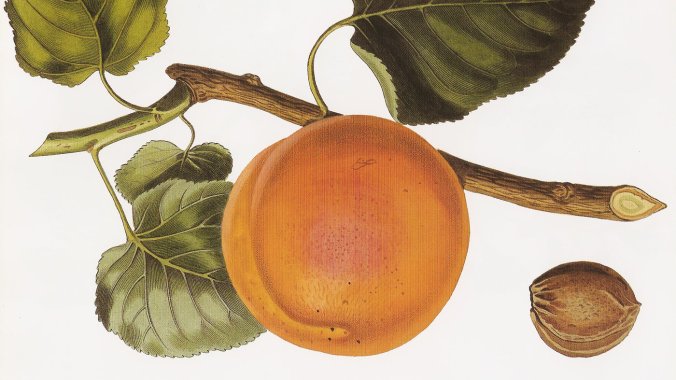
The ‘Turkey’ apricot, a hand-coloured engraving after a drawing by Augusta Innes Withers (1792-1869), from the first volume of John Lindley’s Pomological Magazine (1827-1828). The Romans dubbed the apricot the “precious one.” Poets praised its beauty. The conquering Arabs took it to the Mideast, where the luxurious fruit was exploited in sugary confections. The Royal Horticultural Society Diary/Wikimedia Commons

Thanks to National Public Radio (USA) and the Salt folks:

‘Moon Of The Faith:’ A History Of The Apricot And Its Many Pleasures

The Romans dubbed it the “precious one.” Poets praised its beauty. The conquering Arabs took it to the Mideast, where the luxurious fruit was exploited in sugary confections.

Continue reading

Heroic Decisions, John Racanelli Edition

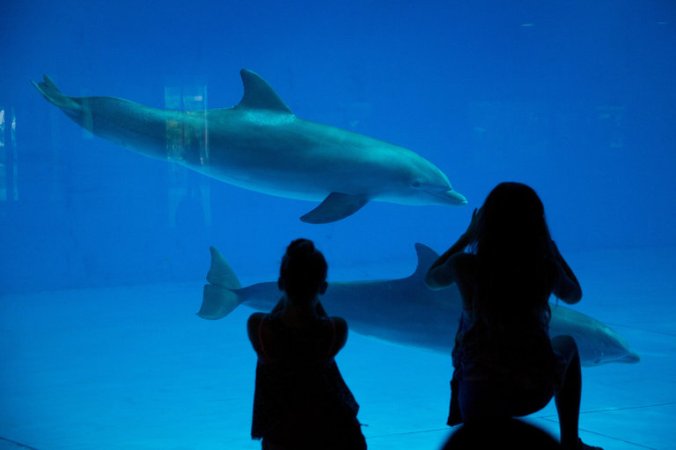
15dolphins-web-master768

The dolphin exhibit at the National Aquarium in Baltimore last summer. Credit Andrew Harrer/Bloomberg

Four members of La Paz Group remember the day in May, 2014 when they had the good fortune to share a breakfast table with John Racanelli. The conversation was about conservation, what we call entrepreneurial conservation and what he seemed to be practicing in the world of mega-aquaria. We knew from that moment that this was someone to watch, and news from this week’s Science section of the New York Times is just one of many examples why:

Questions We Never Thought To Ask, But Should Have

celery_custom-f77a18ccad839316bdd9e4df3fd35f4d43fa662d-s1400-c85.jpg

Why did humans start cultivating celery? It’s low-calorie and, one might argue, low flavor. We asked some experts at the intersection of botany and anthropology to share their best guesses. Cora Niele/Getty Images

Thanks to good old Salt, the special feature at National Public Radio (USA):

FOOD FOR THOUGHT

Celery: Why?

by NATALIE JACEWICZ

Celery, the mild-mannered straight man of the vegetable world, packs a puny six calories per stalk and — in my opinion — about as much flavor as a desk lamp. Yet despite its limitations, the fibrous plant has featured in Mediterranean and East Asian civilizations for thousands of years. Continue reading

CO2 + Brine = Baking Soda and More

Map showing the largely artificial salinity of the Persian Gulf.

Desalination is clearly going to be a very important technology for the future, as our drinking water supply dwindles. Carbon capture/storage is also an imperative process to be working on in an effort to slow down global warming in any way possible. So the fact that a scientist at Qatar University is working on a process that takes pure CO2 waste from natural gas plants, waste brine from desalination plants, and ammonia, which all react chemically to create sodium bicarbonate (baking soda), calcium chloride (used as a preservative or tanning chemical), and ammonia (which can be recycled to continue the process). Erica Gies reports for Scientific American:

Farid Benyahia wants to solve two environmental problems at once: excess carbon dioxide in the atmosphere and excess salt in the Persian Gulf (aka the Arabian Gulf). Oil and natural gas drive the region’s booming economies—hence the excess CO2—and desalination supplies the vast majority of drinking water, a process that creates concentrated brine waste that is usually dumped back into the gulf.

Continue reading