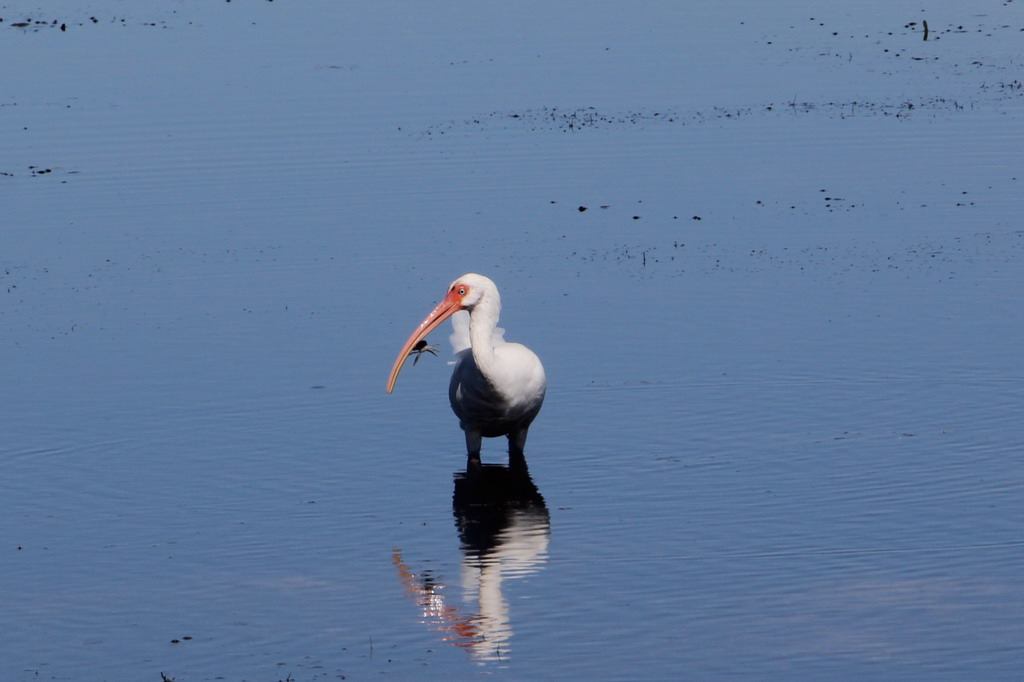
photo credit: Stephen Crafts
J.N. Ding Darling National Wildlife Refuge, Sanibel Island, Florida
photo credit: Stephen Crafts
J.N. Ding Darling National Wildlife Refuge, Sanibel Island, Florida
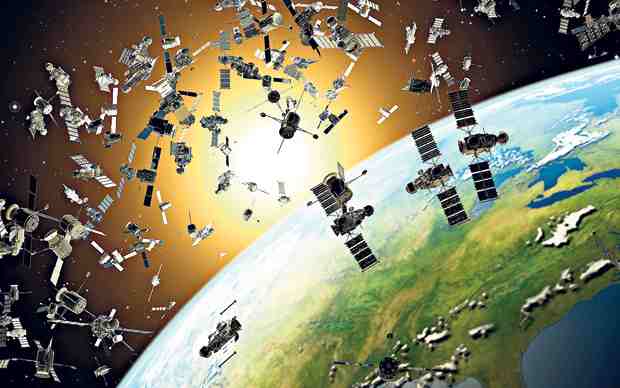
It’s not just here on earth that litter is a problem. In the last 40 years, there have been more than 5,000 launches into space, and they’ve ended up leaving a mark, and now scientists are worried about the litter they’ve left behind. ‘Space junk‘ are the small objects that we’ve left behind in space.They include things like old satellites, gloves, and toolkits accidentally dropped by astronauts. In 2014, the International Space Station had to move three times to avoid lethal chunks of space debris. The problem also threatens crucial and costly satellites in orbit. So what is the scale of the space junk problem, and what can we do about it?
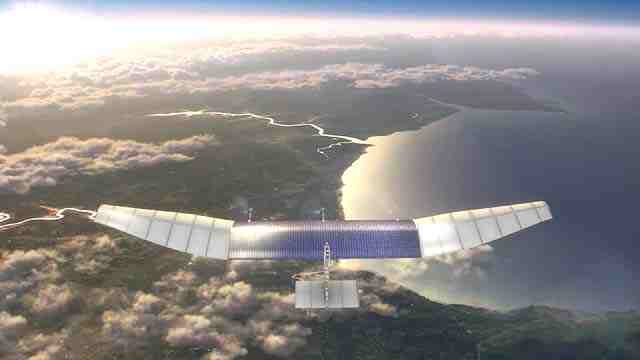
Facebook’s ‘Aquila’, the first solar powered internet drone, parallels Google’s Project Loon PHOTO: Jewish Business News
Facebook has unveiled its ambitious project with its first comprehensive solar powered drone. With the help of its first drone code named Aquila, the social networking giant aims to provide internet connection to 4 billion users across the secluded parts of the globe. In fact, Aquila joins Google’s Project Loon in the space of connecting people and places.

An image of a lion projected on to New York’s Empire State Building in memory of Cecil, the lion hunted down in Zimbabwe recently. PHOTO: BBC
The hue and cry over Cecil the lion’s killing is yet to die down. Zimbabwe’s most popular lion’s death did stir up outrage in the quarters of animals rights crusaders and much indignation at how a ‘man who restores lives’ could take the life of another. While the need for a better conservation-hunting model has risen yet again and efforts are on to chalk out more effective regulation on hunting, the focus returns to how man-habitat-animal conflicts abet loss of lives. More interesting are the isolated voices that call animals in the wild just what they are – “killers”.
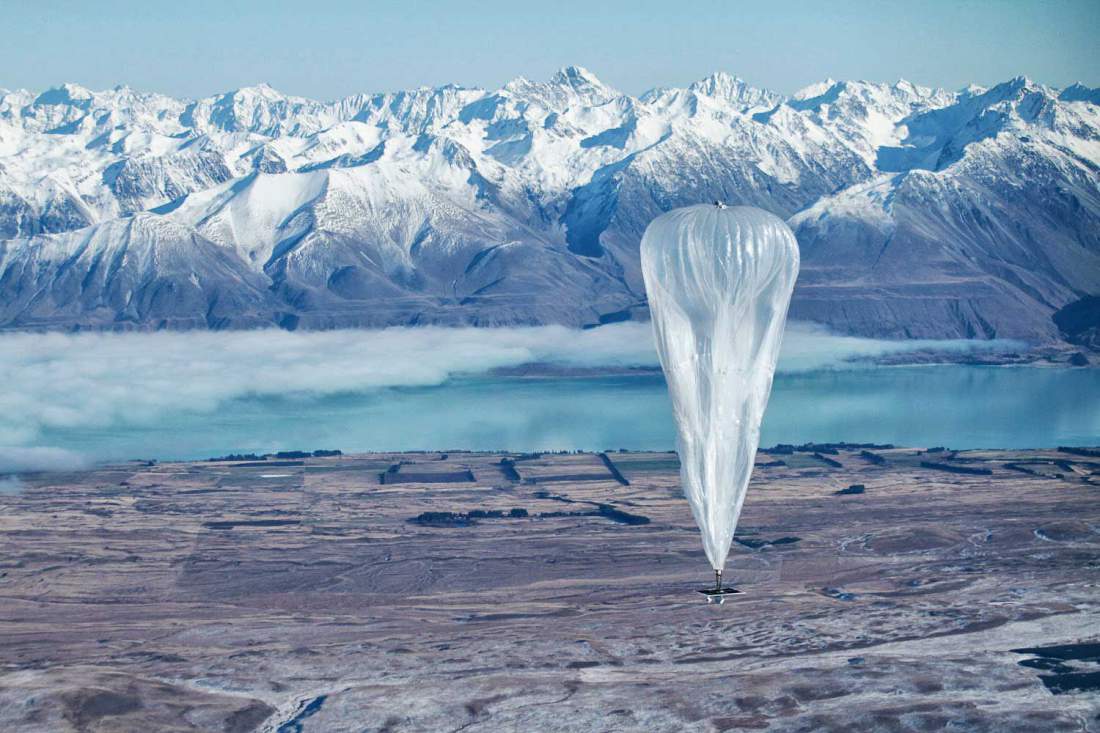
In this June 10, 2013 photo released by Jon Shenk, a Google balloon sails through the air with the Southern Alps mountains in the background, in Tekapo, New Zealand (AP Photo/Jon Shenk)
Technology juggernaut Google changed the way we search with its proprietary algorithims. But the company is constantly working on technologically impressive, forward-leaning projects that have the promise to push broadscale change for billions of people around the world. Project Fi, self-driven vehicles, the delivery system named Project Wing and the three-dimensional mapping system named Project Tango later, Project Loon is here.

According to a UN report, there are around 57 million children who don’t have a school to go to.The UN’s Educational, Scientific and Cultural Organisation (Unesco) says in some areas it could take 70 years before there are enough primary school places for every child. There has been some progress though; there are now half as many children unable to go to school as there were in the year 2000. That means in the past 13 years around 60 million more children now have access to an education. And initiatives like Aleutia’s definitely play a big role in bringing down the number of children who lack access to education.

Kiruna is Sweden’s northernmost city, and soon, it’s about to pick up and move two miles to the east, thanks to a mine. PHOTO: Co Exist
Kiruna is home to the world’s largest underground iron ore mine, LKAB, supplying iron ore pellets to the steel industry in Europe. In most places, ore is extracted in opencast mines but not in Kiruna. The ore body in Kiruna is four kilometers long and 80 meters wide and stretches for at least two kilometers in the ground. For the moment, they mine at 1 km deep in Kiruna but they plan to mine until at least 2030 because they don’t know the extent of the ore body. But the city is sinking.
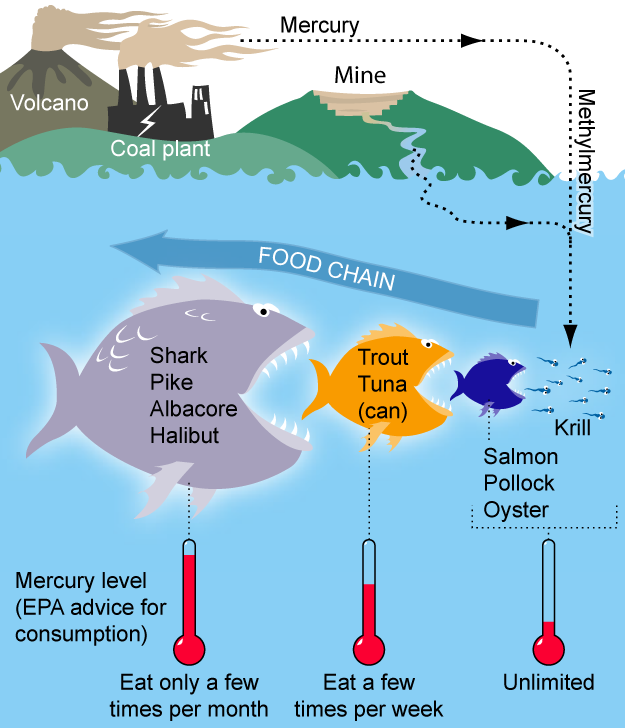
It’s important that mercury pollution be contained, especially in oceans, to prevent the chemical from travelling through the food chain. PHOTO: Wikipedia
Mercury is a potent toxin that can accumulate to high concentrations in fish, posing a health risk to people who eat large, predatory marine fish such as swordfish and tuna. In the open ocean, the principal source of mercury is atmospheric deposition from human activities, especially emissions from coal-fired power plants and artisanal gold mining. Mercury concentrations in Hawaiian yellowfin tuna are increasing at a rate of 3.8 percent or more per year, according to a new University of Michigan-led study that suggests rising atmospheric levels of the toxin are to blame. And there’s a ‘fake’ solution at hand.

Madrid’s car-free zone is just under 500 acres. Only people who live in the zone are allowed to take their cars inside. PHOTO: Pictures Dot News
After over a hundred years of living with cars, some cities are slowly starting to realize that the automobile doesn’t make a lot of sense in the urban context. It isn’t just the smog or the traffic deaths; in some cities, cars aren’t even a convenient way to get around. Commuters in L.A. spend 90 hours a year stuck in traffic. A UK study found that drivers spend 106 days of their lives looking for parking spots. A growing number of cities are getting rid of cars in certain neighborhoods through fines, better design, new apps, and, in the case of Milan, even paying commuters to leave their car parked at home and take the train instead.

photo credit: Pallavi Kaiwar
Bhitarkanika National Park, Orissa

Forget the blender and all of the bottled mixes, the best Daiquiri is made from scratch and it is an unbelievably easy mix of three main ingredients.
“Shaken, not stirred” is a catchphrase of Ian Fleming‘s fictional British Secret Service agent James Bond and describes his preference for the preparation of his martini cocktails. The phrase first appears in the novel Diamonds Are Forever (1956), though Bond himself does not actually say it until Dr. No (1958), where his exact words are “shaken and not stirred”. Going by it, there clearly seems to be a preference and an art to topping up a glass. And The Salt‘s trackback to when Americans learned to love mixed drinks shows just that.
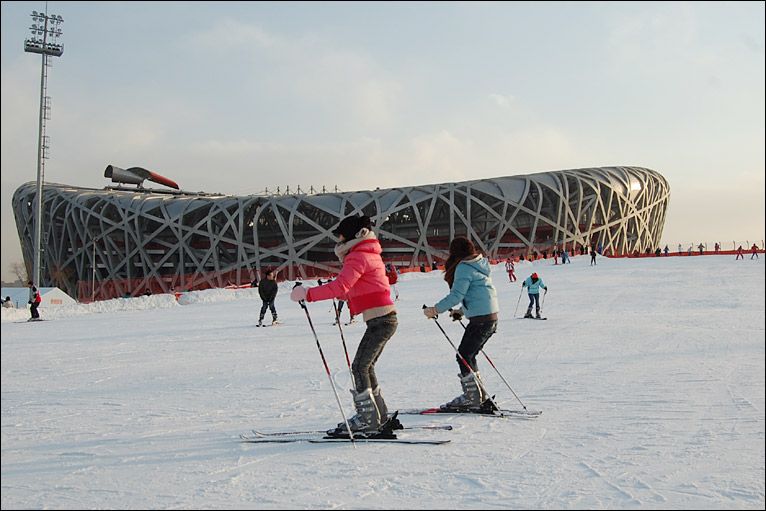
While Beijing has won the bid to host the 2022 Winter Olympics, questions are being raised about the environmental impact of creating artificial snow. PHOTO: BBC
Beijing is still celebrating its chance to host the 2022 Winter Olympics. The International Olympic Committee’s (IOC) decision means China’s capital will become the first city to host the summer and winter events. The candidate cities were down to just Beijing and Almaty, Kazakhstan, after a number of other cities including Krakow, Poland, and Oslo, Norway, dropped out of the bidding, many citing public opposition to the expense of hosting the games. Despite Kazakhstan’s recent oil and gas-driven economic boom, Beijing was considered the safer choice, given that China proved during the 2008 Summer Games that it can put on quite a show. So, think Winter Games, think snow. And where is that going to come from?
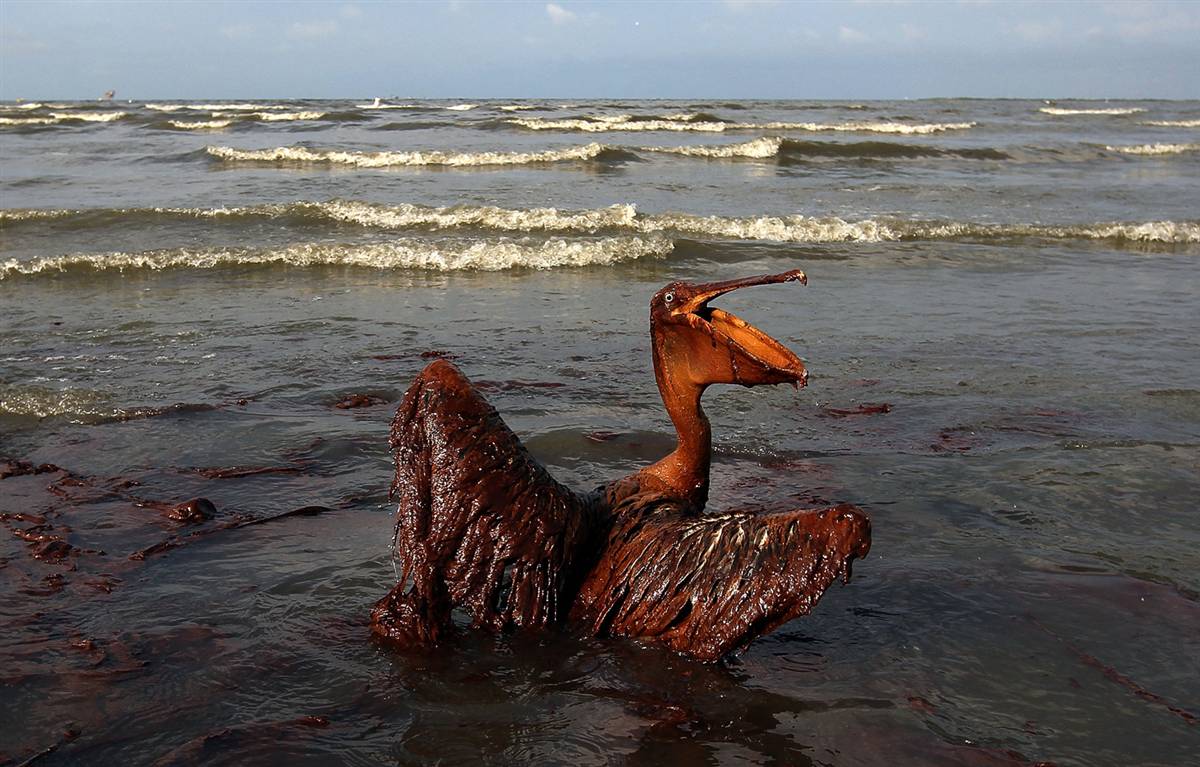
Waste like human hair, sawdust and bird feathers can clean oil spills from water. PHOTO: Nation of Change
Biosorption is a property of certain types of inactive, dead, microbial biomass to bind and concentrate heavy metals from even very dilute aqueous solutions. And Nikhilesh Das discovered just this, at the age of 13, demonstrating reuse and effective waste management. Scalable models of these and we may just have a potent option to deal with oil spills that destroy marine ecosystems for years together.
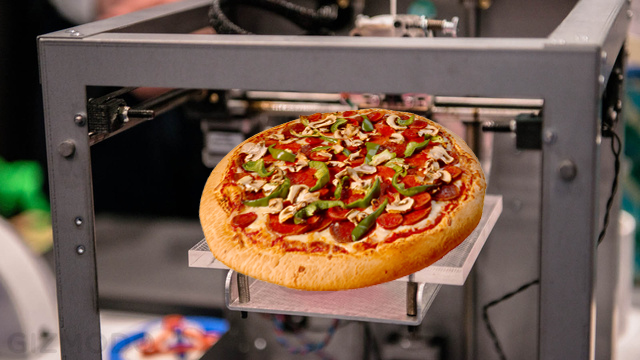
What is 3D printing’s effect on fine dining? PHOTO: Shiftgig
What connects information and software to cooking? 3D printers. Though still finding a fan base among top chefs, the technology is poised to redefine the fine world of fine dining. For now the mechanism is nascent, it takes multiple materials to ‘print’ one dish and its newness is a put-off but it’s also stirring up some interesting innovations in the culinary world. No, not a la carte.

This Swedish house was designed by two million people. PHOTO: Hemnet
Technology and democracy – two great forces to reckon with in today’s world. And when these two come together, it exemplifies what community of thought and the powers and possibilities of science can do. Take the Hemnet House. Designed collaboratively by 2 million people (the population size of Jamaica, Latvia, Slovenia and more), the house stands for the greatest tenet of democracy – for the people, by the people.
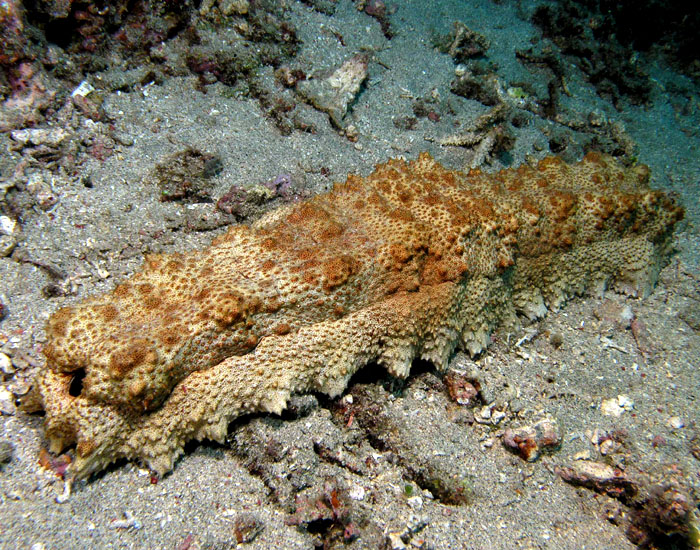
The potential opening of sea cucumber fishing in Galápagos has scientists and conservationists surprised and concerned after news leaked of a July 10 agreement that would allow the collection of 500,000 of the creatures, considered vital to the marine environment. PHOTO: Wikimedia Commons
Sea cucumbers are in the news – again. The marine creature has been talked about as an adjunct treatment for those undergoing chemotherapy. They have also been tipped as a “wonder ingredient” in cosmetics. Not to forget the sea cucumber capsule industry, Asian cuisines that consider it a delicacy, and its place in the underground market of aphrodisiac market. This time around, the news isn’t good.
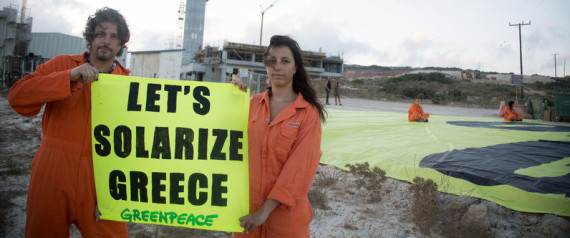
Greenpeace activists spread a banner pointing at a Greek oil-fired power plant under construction in Rhodes, to reveal one of the most unacknowledged causes of the Greek crisis; the country’s dependence on imported fossil fuels.
Yes, the Greek people are going through difficult times. There are scenes of pensioners queuing at cash machines to withdraw part of their monthly pensions. And there is also a significant need for reform. Even the International Monetary Fund is going back on its word, prompting the country to look at what best it can do. The space of energy would be a good place to start with, given that the country has under-utilized its natural and most abundant asset.
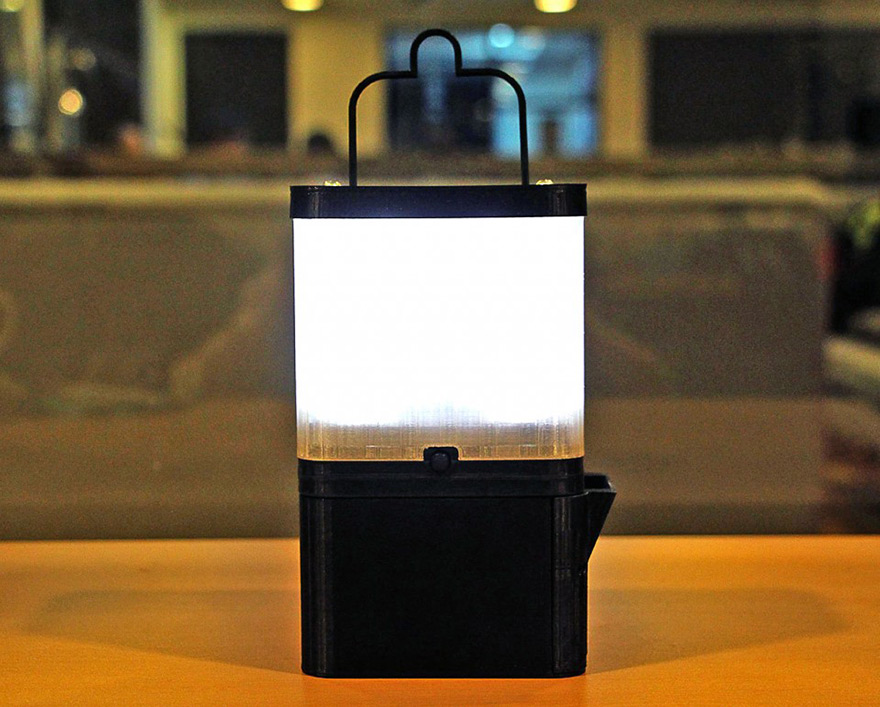
This eco-friendly lamp runs on just 2 tbsp of salt and a single glass of water. PHOTO: SALt
When you discuss abundance of resources, it’s inevitable that shortage creeps into the conversation. So when one looks at how many of the 7,000 islands that make Philippines lack electricity, it’s also difficult to miss the natural and abundant seawater. Engineer Lipa Aisa Mijena and team put both in the same equation and the result is a a lamp that’s capable emitting light for 8 hours on just 1 cup of saltwater.
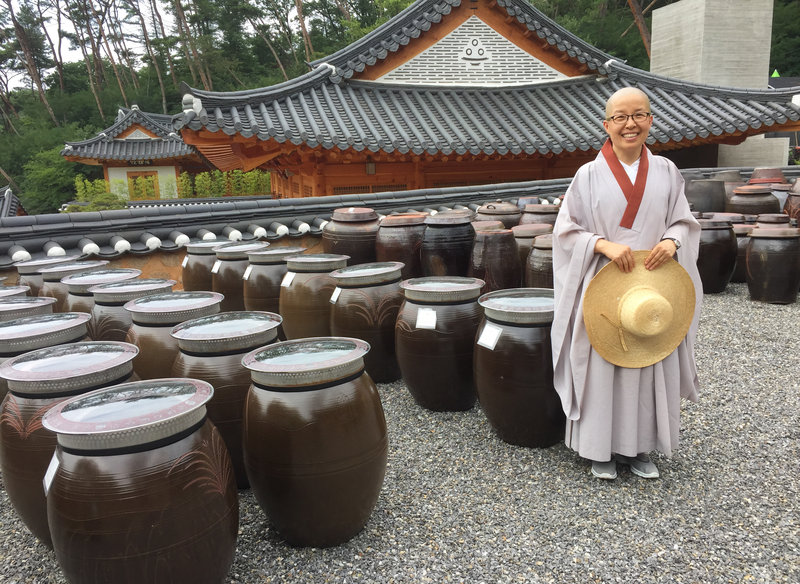
Sun Woo directs the visitor program at Jinkwansa, a Buddhist temple outside Seoul famous for preserving the art of Korean temple food. Behind her are giant jars filled with fermented soybeans. PHOTO: Ari Shapiro/NPR
When it comes to faith matters, it’s interesting to see how matters of divinity are linked to food. One interpretation of it could be the need to connect the intangible with the tangible. And no better universal language than food as a medium to impart lessons for the soul. While most Hindu temples distribute prasad, churches have the Eucharist, Jewish rituals revolve around the seder meal and so on. The Buddhist temple at Jinkwansa too has a food tradition, one that goes back 1,600 years and is renowned for its detoxification power.
 Organikos