Entrepreneurial Conservation And Language Apps

This recent post about a language app was thought to be a one off on a funny subject. Then the topic was no longer one off, and not particularly funny. Even less funny, but technologically amazing, and certainly an example of one of our favorite topics, is this one (click the image to the left to go to the source):

…Last June, FirstVoices launched an iPhone app that allows indigenous-language speakers to text, e-mail, and chat on Facebook and Google Talk in their own languages. Users can select from a hundred and forty keyboards not recognized by iOS; the app supports every indigenous language in North America and Australia. (By default, iOS supports just two: Cherokee and Hawaiian.) The app accomplishes this through mimicry. When a text box is selected, a keyboard identical in form and function to iOS’s appears. The keyboard includes the characters necessary to write in, say, Cree, and follows a layout unique to the chosen language.  Continue reading
Birders, Language Apps, And Protected Area Rules

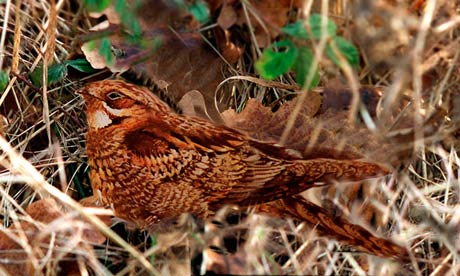
Several visitors to Brownsea Island, Poole Harbour, were found to be using apps that imitate the unusual 'churring' call of the nightjar to coax out the bird. Photograph: Don Mcphee for the Guardian

Several visitors to Brownsea Island, Poole Harbour, were found to be using apps that imitate the unusual ‘churring’ call of the nightjar to coax out the bird. Photograph: Don Mcphee for the Guardian

Where is Ben, apart from being on the road to 2,000 birds, when you need him? We are curious how widespread the use of such apps might be among serious birders. Read this Guardian story to the end and you may agree with us that this language app is more likely to do harm than good:

To the long list of nature reserve do’s and dont’s can be added a thoroughly 21st-century injunction: don’t use your apps to pap the feathered denizens. Continue reading

Food, Waste, Change

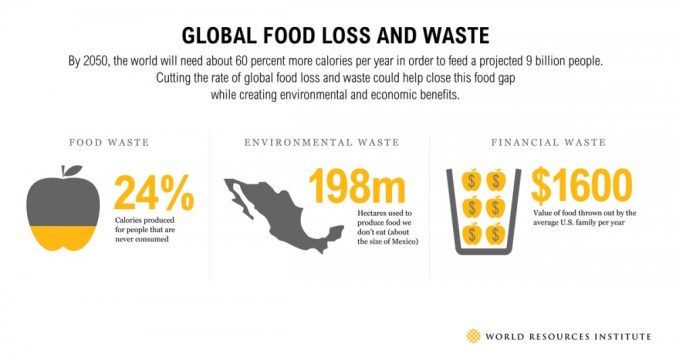
While we are on the subject of looking at food differently, as well as depending on others for new perspective, we can wrap all that around last week’s emphasis on food waste.  We will not let that topic go until we see the dial turning. We will keep a spotlight on the need for change, and share whatever we find from our good neighbors on this topic. WRI shares a thorough examination that is worth a click and read:

The Food and Agriculture Organization of the United Nations (FAO) estimates that 32 percent of all food produced in the world was lost or wasted in 2009. This estimate is based on weight. When converted into calories, global food loss and waste amounts to approximately 24 percent of all food produced. Essentially, one out of every four food calories intended for people is not ultimately consumed by them. Continue reading

Photogenic Food

foodlens7

We mentioned recently that we are crowd-sourcing a new way of looking at decor for Cardamom County. National Public Radio (one of the great investments made by the tax-payers of the USA, in collaboration with loyal listeners who donate funds to their local stations) has a food-focused blog that has introduced us to a photographer of Indian heritage who grew up in the USA and has traveled around the world doing what photographers do: seeing the world through the lens, differently than we might otherwise see it. Here he is concerned, curious and creative in his exploration of what is in the food we eat:

These intriguingly abstract images are part of a photo series called Naturally Modified — the brainchild of photographer Ajay Malghan. To create them, he shines colored lights through thin slices of fruits and vegetables onto light-sensitive paper. So what you end up seeing isn’t a picture of the food itself, but an ethereal image of its shadow. Continue reading

Really, Bechstein?


Beauty is in the eye of the beholder.  Disgust seems to us the only appropriate response to this seemingly beautiful, ultimate craft luxury.  We appreciate craft, but not when ivory is part of it.  It does not matter how the ivory was sourced: at this moment in time there is no justification for supporting the notion that ivory is still an acceptable definition of luxury. Shame on Bechstein, and more so to anyone who purchases their musical instrument made with elephant body parts. We try to keep it positive on this site, but with stories like this who can possibly contain the outrage? Continue reading

Brothers In Craft

What do we love most about this?  The evidence that two brothers can work together effectively, pursuing a common dream; check. The commitment of two brothers to a craft, elevating it to a new level; check. The artisanal beards; enough already. It is about the brothers as much as anything else, and worth a few minutes of your time.

If you want to learn about the Masts, their approach to chocolate, and about their company, click the video above or here for the About page of their website, which includes more vimeos (note to Raxa Collective: are we using too many words and not enough video?).  But do yourself a favor and click here for the ever-superb Jessica Harris’s conversation with these two brothers on her entrepreneurship-focused podcast called From Scratch: Continue reading

Community At The Heart Of Our World Environment Day 2013

This slideshow requires JavaScript.

Sharing a meal is the best way to make good use of food. The UNEP initiative Think.Eat.Save encouraged us to become more aware of the environmental impact of the food choices we make and empowered us to make informed decisions. It also gave us extra energy to continue the donations to Kumily Sneshashram that have been part of our routine for over a decade.

WED 2013: Happy World Environment Day

WED 2013 - Raxa Collective

On June 5, we’ll celebrate World Environment Day. This year UNEP focuses on the theme Food waste/Food Loss. At Raxa Collective we’ll be carrying out actions and sharing experience and ideas. Come and join us with your ideas and tips to preserve foods, preserve resources and preserve our planet.

Here is a video which explains how we save the food we produce at our restaurant All Spice at Cardamom County from wastage. Our process includes a dedicated team, talented suppliers, our farm animals and organic garden and a local pig farm. It also explains how we give back.

Vineyards – Cumbum, Tamil Nadu

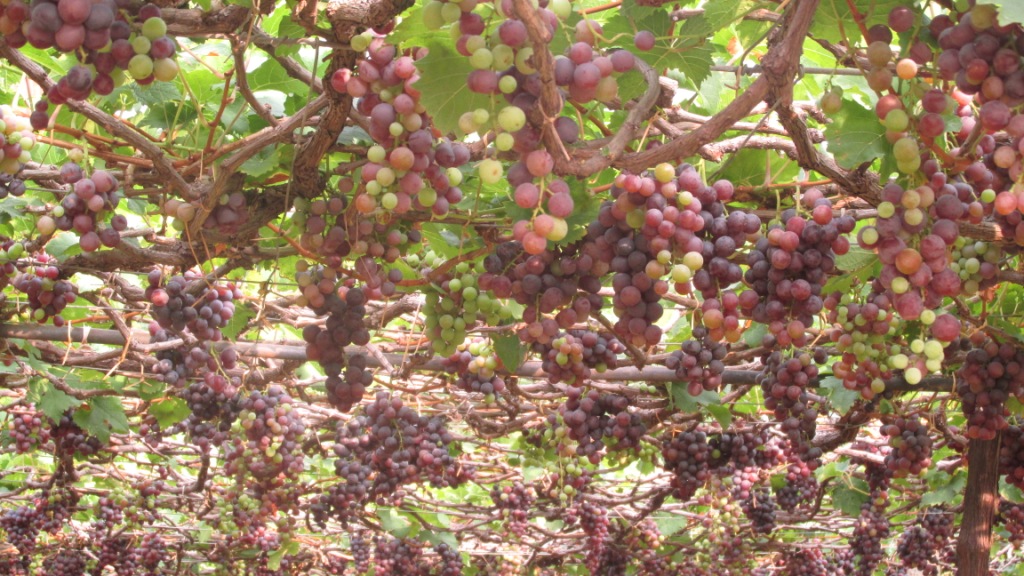
Cumbum Valley is situated about 15 km from Thekkady across the border into Tamil Nadu. Now famous for growing grapes, there are a 1000 acres of vineyards covering the lowland plains. The grapes are mainly used for making wine, juice and jam as well as eaten raw. Continue reading

Doolittle App

There's so much these guys want to tell you. (Shutterstock/Jaren Jai Wicklund)

There’s so much these guys want to tell you. (Shutterstock/Jaren Jai Wicklund)

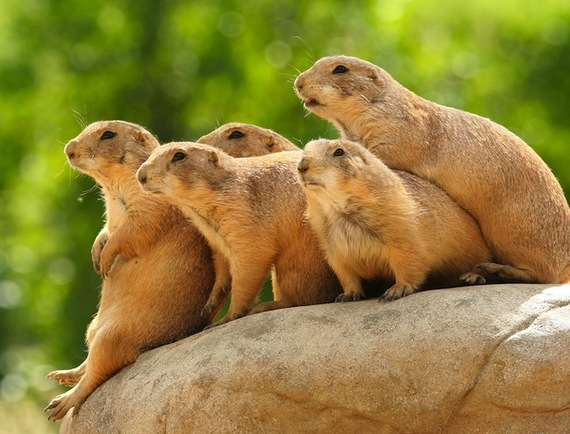
When we can talk to the animals, what will we say? How will we say it? We picture an app for it:

We all try to talk with animals, but very few of us do so professionally.

And even fewer are trying to build devices that could allow us to communicate with our pets and farm animals.  Continue reading

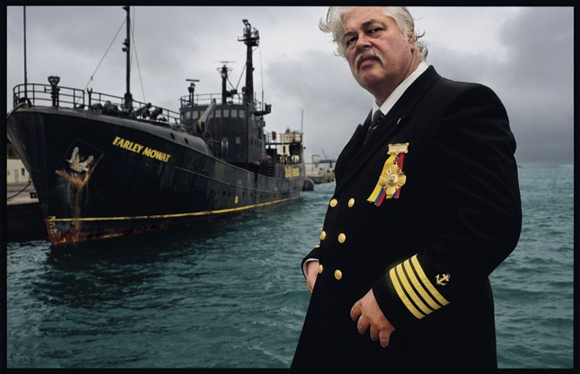
Paul Watson, Back Out There

nachtwey-580

Photograph, from 2007, by James Nachtwey/VII.

We have followed his story and linked to it on several occasions during the past year. Why? Like others, we find his mission important and his means worthy of discussion. We are most gratified by Raffi Khatchadourian’s persistence in keeping up with the life and times of this man who is not so easy to track down:

Fans of Animal Planet’s “Whale Wars,” a reality show that documents members of the Sea Shepherd Conservation Society battling Japanese whalers every winter in the Southern Ocean, will have to wait several months longer than usual for the show’s new season to première. The airdate for “Whale Wars,” usually slated for June, has been pushed back, possibly to the fall, or even to 2014. In the past year, Sea Shepherd has become mired in litigation, diplomatic pressure, I.R.S. audits, and Interpol notices, and Animal Planet decided that, instead of placing its own crew on Sea Shepherd ships, it would stitch together episodes from footage that the activists shot of themselves. This may be a first for a reality show—certainly one this popular—but if Animal Planet is able to pull together a season that has integrity, the sixth installment of “Whale Wars” promises to be the show’s most entertaining and provocative. Continue reading

WED 2013 : Avoiding waste. Outsider art. Donation meals… World Environment Day is on its way!

WED 2013 - Raxa Collective

On June 5, we’ll celebrate World Environment Day. This year UNEP focuses on the theme Food waste/Food Loss. At Raxa Collective we’ll be carrying out actions and sharing experience and ideas. Come and join us with your ideas and tips to preserve foods, preserve resources and preserve our planet.

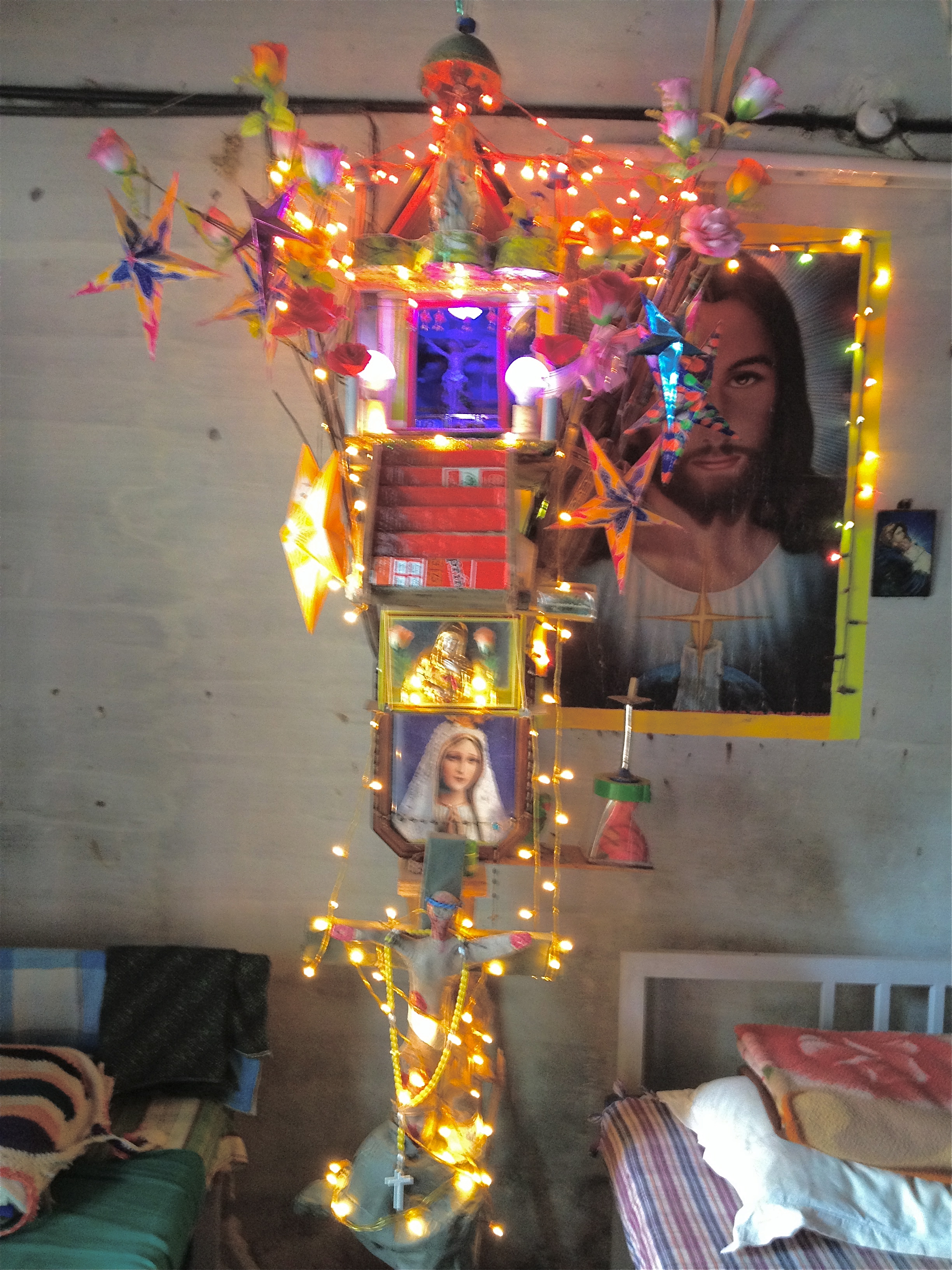
Installation by Chandran at the Kumily Akasha Parava credit Ea Marzarte - Raxa Collective

Tomorrow we’ll be celebrating World Environment Day at the Kumily Sneshashram, a long-term shelter for homeless, disabled and elderly people. Locals call this place run by Franciscan sisters, “Akasha parava”: birds in the sky. We’ll be bringing a special meal and one of the people we will be working with is Chandran, the artist behind this brilliant installation made of coffee tins, religious artefacts, procession lights and flowers. Meet Chandran… Continue reading

Healthcare in the Tibetan Exile Community

Guest Author: Hannah Miller

Last January I arrived in Dharamsala, a small city in India’s northwest state of Himachal Pradesh. Along with fifteen other American students I was there to study Tibetan culture, history, language and Buddhism. We spent the semester studying these subjects at two Tibetan colleges in Dharamsala, while living with Tibetan roommates and host families. At the end of the semester, we were given three weeks to conduct an independent research project of our choice. At my college in the United States I am majoring in Global Health, so I wanted to pursue a project related to public health in the Tibetan exile community in India.

Prior to 2012, there was almost no use of health insurance in the Tibetan exile community. The Tibetan government in exile provided reimbursement for healthcare costs on a case-by-case basis to Tibetans living in India, but could not afford to provide coverage for all who needed it.

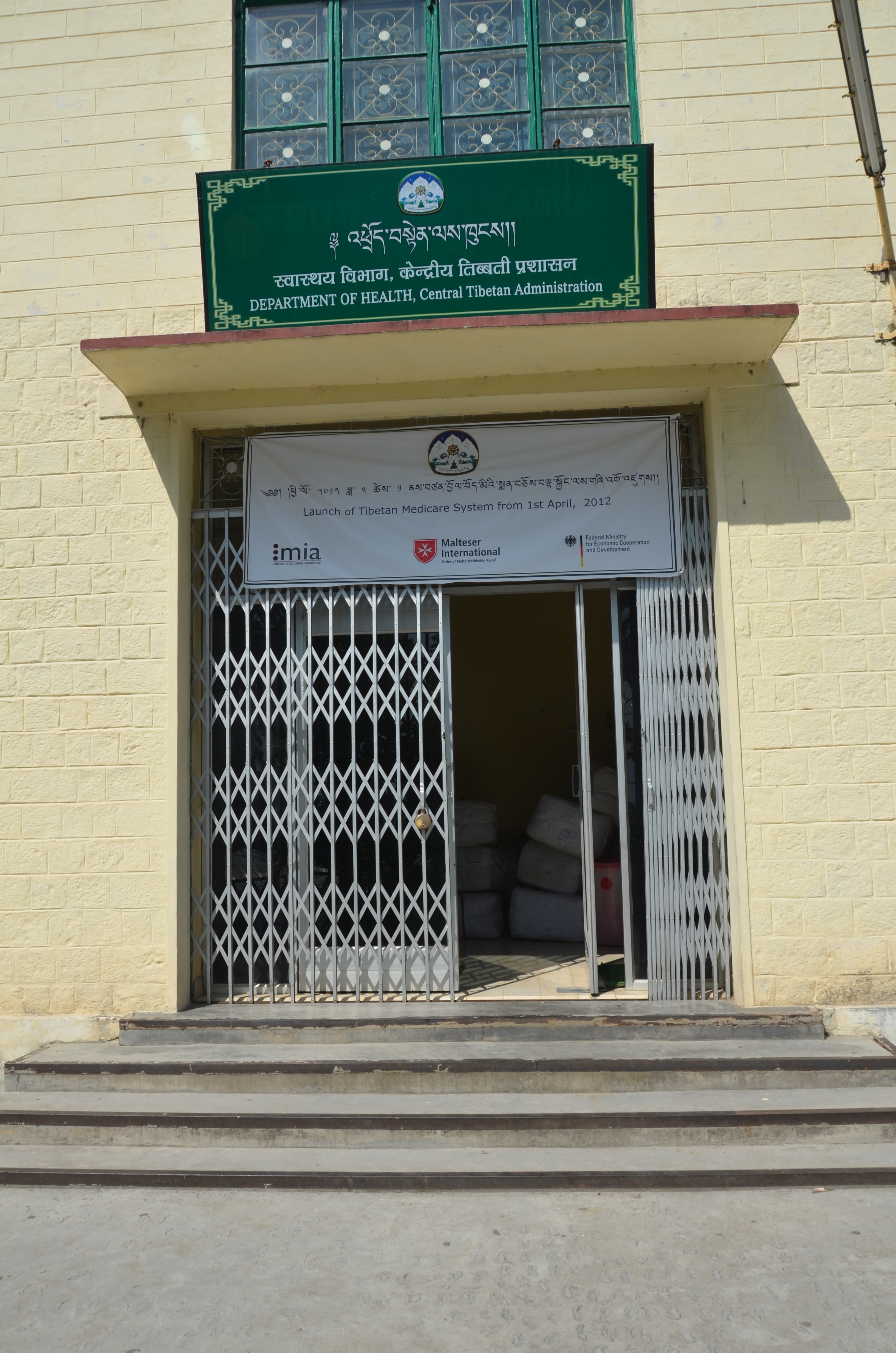
The Department of Health in Dharamsala, India

The Department of Health in Dharamsala, India

In 2012, the Tibetan exile government introduced the Tibetan Medicare System (TMS), which began providing coverage for inpatient expenses to Tibetan families and individuals. The system was developed through a partnership between the Central Tibetan Administration’s Department of Health and the Micro Insurance Academy (MIA), an NGO based in New Delhi, India. The program is open to any Tibetan individuals and families living in India. For an individual, it costs 950 INR per year to enroll, and 3565 INR per year for a family of two to five people. The insurance can be used at an extensive list of hospitals to cover inpatient expenses up to 50,000 INR or 100,000 INR per year for individuals and families, respectively. Continue reading

WED 2013: Get A Grip

WED 2013 - Raxa Collective

On June 5, we’ll celebrate World Environment Day. This year UNEP focuses on the theme Food waste/Food Loss. At Raxa Collective we’ll be carrying out actions and sharing experience and ideas. Come and join us with your ideas and tips to preserve foods, preserve resources and preserve our planet.

‘According to the WWF as many as 90% of all large fish have been fished out.’ Photograph: allOver photography/Alamy

We puzzle daily over how to source sustainable, high quality food. Establishing an aquaculture program in Kerala’s backwaters to supply our resorts, we find the environmental/economic tradeoffs require the wisdom of Solomon.  The Guardian‘s  Matthew Herbert has a clever turn of phrase in the opening line of an article covering this very topic (click the image on the right to go to the article):

We are living through a delicious disaster. Continue reading

Nature, Culture And The Challenges Of History

Tupilaq figures, Tuktoyaktuk, Northwest Territories, Canada. Photo by Lowell Georgia/Corbis

Tupilaq figures, Tuktoyaktuk, Northwest Territories, Canada. Photo by Lowell Georgia/Corbis

We have found another keeper in this magazine which we have linked to several times in the past, this time with a conservation theme at the intersection of natural and cultural heritage (click the image above to go to the source):

I’ve been nursing a gentle obsession with a quartet of bone-white, thumb-sized figurines. I first saw them, lined up in a row, on the cover of Miguel Tamen’s book Friends of Interpretable Objects (2001). They rested in a pair of open hands, looking toothy, and vital, exuding a cool glimmer, while evoking the long Arctic night and the estranging cold. And yet they’re also tiny and personable, these figurines. Their smooth features beckon you to enfold them in the palm of your hand. Their heads are cocked at mad angles, and their leering eyes and rabid smiles bespeak a secret, conspiratorial sociability. Continue reading

Communities’ Cycling Commitments

New York this week became the latest major city to launch a bike-share program. Craig Ruttle/AP

New York this week became the latest major city to launch a bike-share program. Craig Ruttle/AP

Cyclists in the USA have much to cheer in this week’s community-centric news (thanks, NPR) about several new bike-sharing programs which all use check-in, check-out systems:

…with automated stations spread throughout a city, designed for point-to-point trips. “We try to encourage people to use it … almost like a taxi,” says Gabe Klein, commissioner of the Chicago Department of Transportation.

Continue reading

Cicadas In Love

First Cicadas Arrive As U.S. East Coast Braces For Billions MoreOur attention to entomological wonders dropped off, sadly, when Milo (whose interests and talents happily extend beyond bugs) left India last year.  To keep bug love alive, we posted recently about a current entomophenomenon linking to a blog post on the New Yorker’s website; now note that another of their writers has treated it, crafting words so we might have thought of it this way ourselves (if only):

It is the nature of youth to make a racket. This happens reliably in New York City every weekday between two and three in the afternoon, when school lets out. Teen-agers spill onto the sidewalks and descend below ground into the subway, where, having loosened their uniforms and shed decorum, they occupy the airwaves—shouting, flirting, arguing, cajoling, checking in, checking out. They sing the song of themselves, loudly, jubilantly, to a rhythm that only they can hear. Continue reading

Story Of Stuff, Now Including A Cornell Degree

Lindsay France/University Photography. Annie Leonard visits campus in April.

Lindsay France/University Photography.
Annie Leonard visits campus in April.

Allegra was recently asking several Raxa Collective veterans (with the vast experience of two years maintaining this site), in advance of posting this, whether we had posted any “stories of stuff,” or heard of Annie Leonard before. The answers she got, incorrectly, were no and yes. Apparently it was forgotten that we have mentioned her “stuff” once previously in one of our earliest posts (note to WordPress: please improve your search function), but she most certainly had an influence on our interest in bringing more information from the field into the public domain using online distribution. So this news item caught our attention:

Annie Leonard, environmental activist and creator of the 2007 viral hit video “The Story of Stuff,” spent nearly 25 years traveling the world investigating environmental health issues and ecological sustainability.

This spring, she finished a long-overdue project she had put on hold during that time: completing her Cornell master’s degree. Continue reading

Ueli Steck, Collaboration And Culture


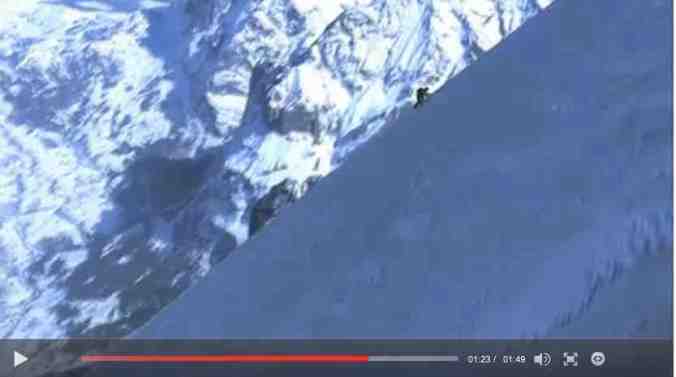
The article is worth the time, and the subscription, for reasons we pointed to herehere and here.  Click above to go to this brief video for another enticement to read it and you will also see this additional wording from the author:

Many Americans got their first glimpse of Ueli Steck in the 2010 short film “The Swiss Machine,” which depicts Steck speed-climbing the North Face of the Eiger, as well as the Nose on El Capitan, in Yosemite. This short video consists of excerpts from that film. I approached Steck almost a year ago, in the hope he’d allow me to write a Profile of him, but he was hard to pin down. Continue reading

Auroville, Gourds And Innovation

Courtesy of Deepika Kundaji. Bottle gourds growing in the Pebble Garden in Auroville, Tamil Nadu.

Courtesy of Deepika Kundaji. Bottle gourds growing in the Pebble Garden in Auroville, Tamil Nadu.

Our friends on the east coast (to be specific, in the vicinity of the town where the early scenes of the book and movie, Life of Pi, took place) are at it again with out of this world innovations:

Now that June is right around the corner, farmers and economists in India are anxiously awaiting the arrival of monsoon season, which will bring up to 80 percent of the country’s annual rainfall. Continue reading