His comments about technique, tools and time taken to put these three minutes on film are interesting. He seems to go a bit nuts at the end, but all in good fun.
Author: Organikos
Slow, Steady, Go

The January 23 issue of The New Yorker has an article on one wealthy man’s approach to conservation. Click the image to the left to go to the article and if you are a subscriber to the magazine, and follow conservation trends, this will get your day off to an interesting start, provide a good respite from work in the middle of the day, or send you to bed dreaming.
It is paywalled, but as always available for purchase, and as always providing a tempting reason to subscribe to the magazine. In case you do not have time to read it, or spare funds for a subscription, take a look at this short video based on some of the material covered in the article.
USA Refresher
Before there was social media as we know it today, there was social media. Social reformers and thinkers of all varieties have centuries of experience not just using the tools of social media, but utilizing them. Leveraging them. August 28, 1963 in Washington, D.C. was one of the days when the USA experienced a moment of truth, and when social media included word of mouth, television/radio simulcast and later replay.
This is the day when the man who spoke longest on that day is remembered officially. One minute into the above video he begins speaking, but the memory is affected, no matter how many times one has seen, heard or read these words, most when that man talks about his hopes for the future of a country that had a history of injustice, but also a history of reform, change, improvement. Continue reading
Georgia O’Keeffe, 1932
 This photograph, taken by Alfred Stieglitz 15 (or 16 or 17, see the endnote in the article from which it is taken) years after they first met, is not one commonly seen of the artist. First, she is smiling. Second, she is younger than the most commonly known photographs of her. The great statement from the beginning of the article from which this comes is:
O’Keeffe achieved a strong personal presence as well through the proliferation of photographs of her hard-bitten, heroic face, which seemed to evoke the early pioneers.
Family, Food & Happiness
 Click the image to the left for a half-hour conversation with the author of this book, one of the most agile writers at The New Yorker.
Agility is a word that comes to mind considering the diversity of topics in his magazine writing (the Spanish Inquisition; dog ownership; drawing; the way the Internet has changed how we read, think, and interact; etc.) but it is also a function of his ability to write so fluidly and knowingly about topics so different from one another.
This book follows the lead of a previous book in his loving explanation of France’s lasting, meaningful contributions to the world.
We have made reference to his writing in the magazine here and here, but this book touches on a topic completely different from those two references.
“They Aren’t Teaching These Issues At Business Schools”
Guest Author: Robert Frisch
Tomorrow I begin a weeklong course that precedes my second semester at the Johnson School at Cornell University called the “Sustainability Boot Camp”. As a result, I have spent the last few days reading up on what some of the world’s greatest thinkers have to say about sustainability, development, energy, and poverty. I came across this eye opening and inspiring speech by economist Chandran Nair online, and I’d like to highlight two quotes from the video.
Wordsmithing: Greenhew
This noun, now rarely used, is a word that might have been used in one of Seth’s historical notations on Pilgrims in the New World, who came to understand how the indigenous communities made productive, careful use of the land:
1. Green vegetation growing in a wood or forest and serving as a cover for game.
Pachyderm Surprises

Click the image above to go to the source. As one of our favored magazines writes about one of our favorite topics (but the species from another continent), we share some surprises:
1) African and Asian elephants are sometimes thought to differ only by the location of the animals, but, evolutionarily speaking, they are species as separate as Asian elephants and woolly mammoths.
2) The elephant’s closest living relative is the rock hyrax, a small furry mammal that lives in rocky landscapes across sub-Saharan Africa and along the coast of the Arabian peninsula.
MOMA Celebrates Bollywood

Click the image above to see the schedule of MOMA’s programming. The image is from Shree 420 (1955), directed by Raj Kapoor and the image belongs to the Indian International Film Academy. Continue reading
Social Media: So Three Centuries Ago
If you have an interest in Voltaire, as we do, spend two minutes listening to the science of social media applied to the science of ideas. Continue reading
Backwaters Home: Pampa Villa

- Pampa Villa On The Pamba River
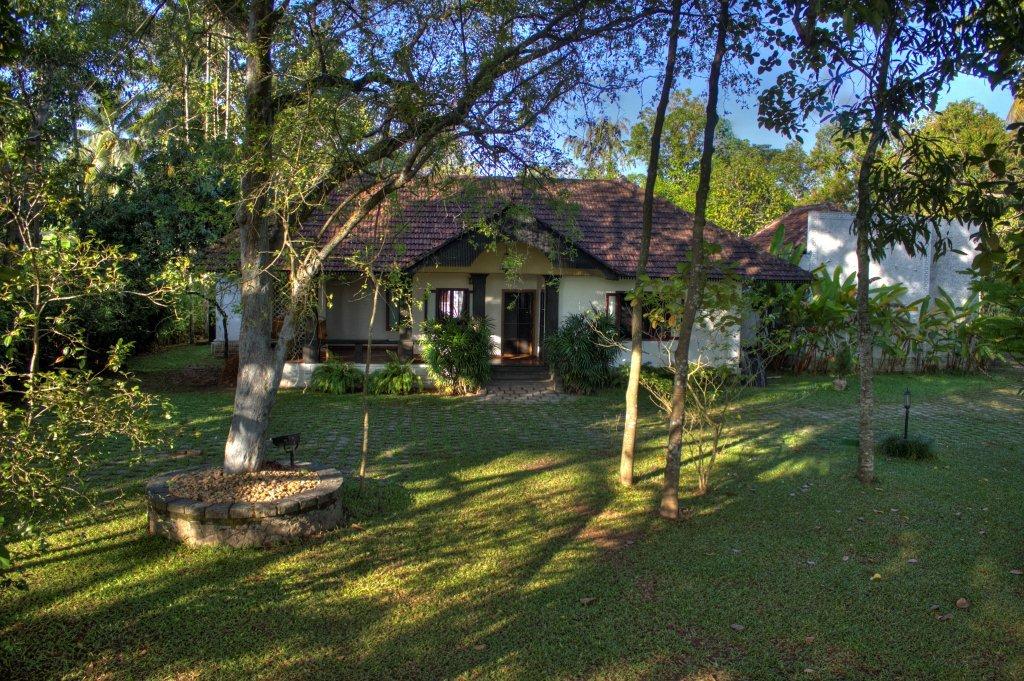
We have mostly shown images of life on Kerala’s backwaters from the perspective of boats, as in looking at and looking from. As Milo’s recent post showed (at the tail end, so to speak), there is much more life on these waters than first meets the eye of the occasional visitor. The view above is from the river, looking at a home that Raxa Collective recently took responsibility for.
This responsibility included modifications to the interiors in order to make it more welcoming to travelers. It had served as the home of a prosperous resident of the backwaters, but now is open to receive visitors whose preferences in terms of privacy, decor and food (at least spice levels) often differ from those of locals, at least a bit.
Wordsmithing: Walkabout
For anyone who has seen the Nicholas Roeg film, from 1971, that takes this word as its title, the definition is visual. You could watch that film with no sound and understand this word. Try it.
Or you might start with the OED definition and etymology which notes that this noun is of Australian origin but begins with a generic, modern catchall meaning and gives specifics on the origin second (after the jump; of particular value, see the last sentence of the 1979 reference):
1. A person who travels on foot, esp. for an extended period of time; a swagman or traveller.
Bird of the Day: Night Heron (Kumarakom Bird Sanctuary, India)

Photo: Taken by Ravi Raj at Kumarakom Bird Sanctuary
Thank You, Wisconsin

When times are tough economically, all state-funded institutions have a tougher time convincing politicians and tax-payers of the value they deliver. Educational institutions seem to bear the first brunt of many legislative and executive chopping block reflexes. This graph (click the image above to go to the source.) demonstrates the short time horizons they are seeing the world through. Continue reading
Bird of the Day: Purple Heron (Kumarakom Bird Sanctuary, India)

Photo: Ravi Raj taken at Kumarakom Bird Sanctuary
Bird of the Day: Darter (Kumarakom Bird Sanctuary, India)
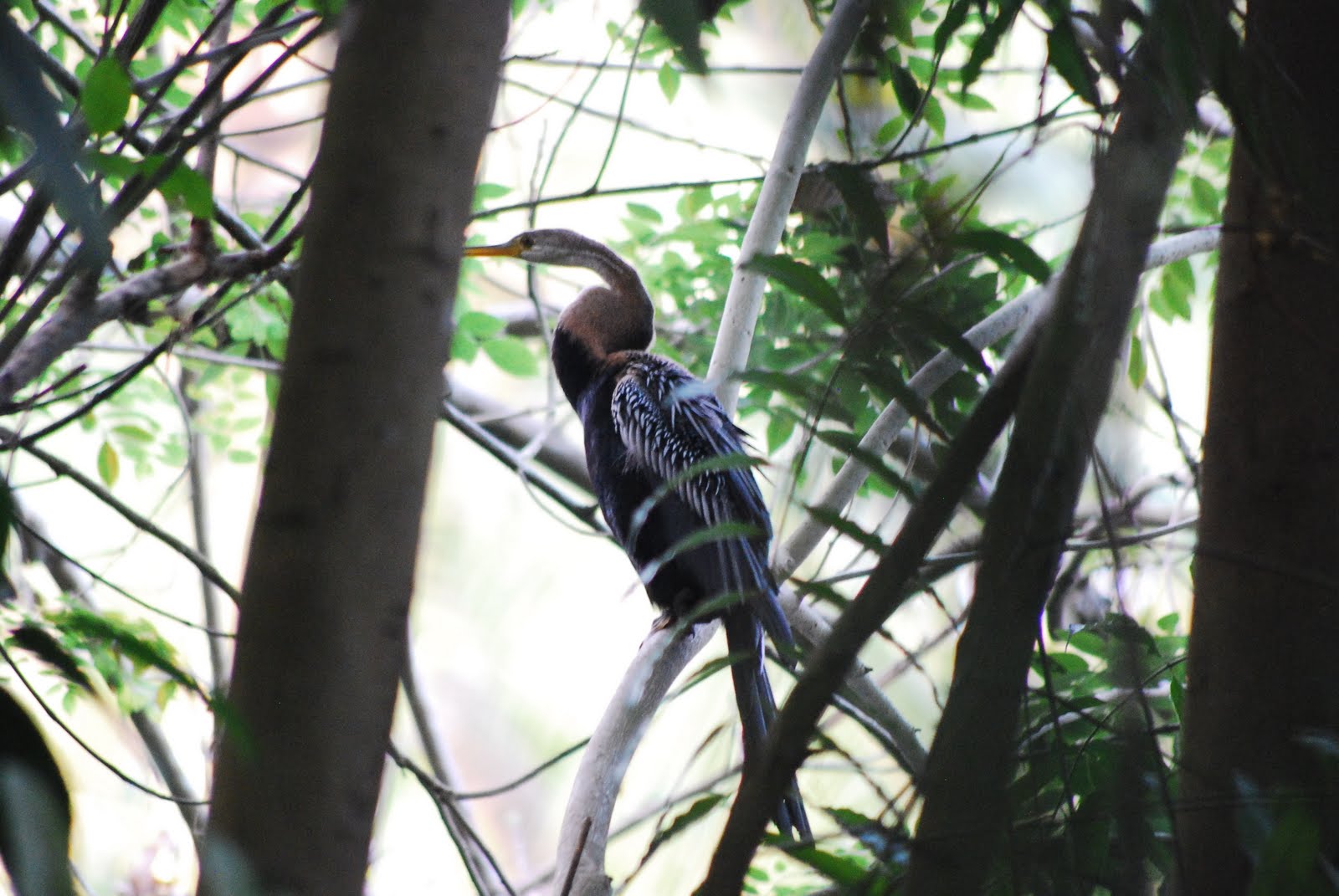
Photo: Taken by Ravi Raj at Kumarakom Bird Sanctuary
Bird of the Day: White-Throated Kingfisher
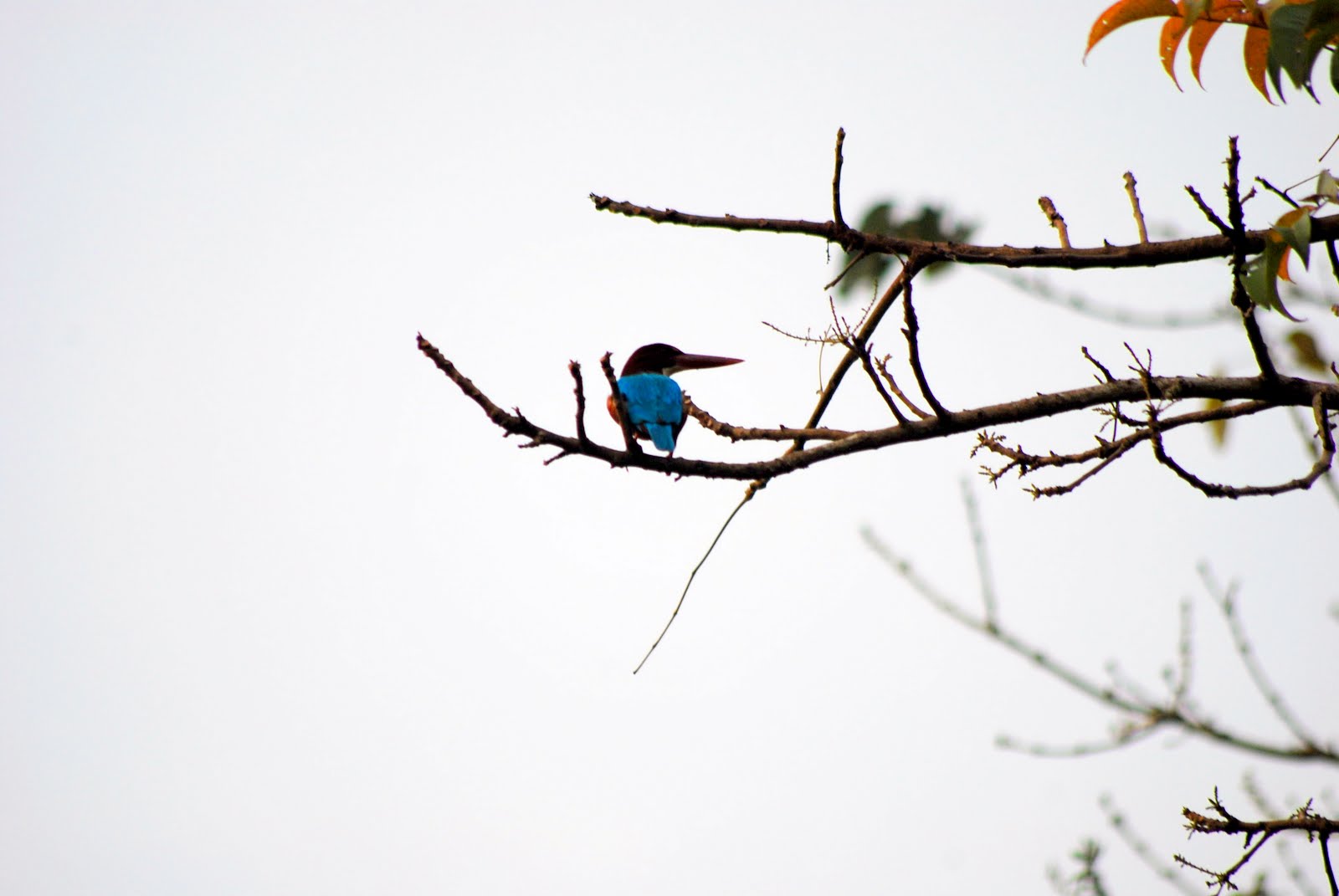
Photo: Ravi Raj, taken during a stay on a River Escapes houseboat
Kerala Backwaters, India
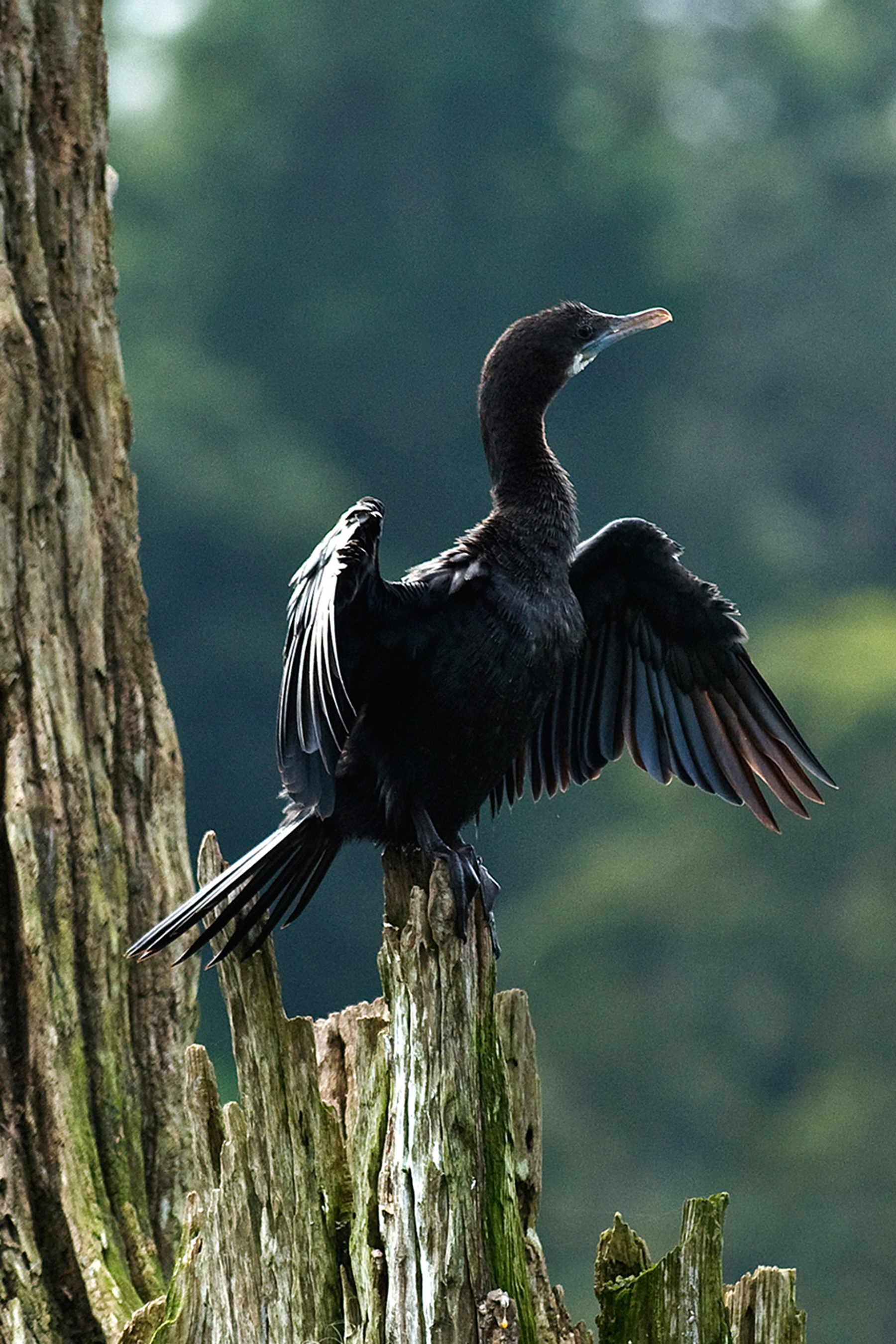
Bird of the Day: Great Cormorant (Thekkady, India)
Tanzania: an enlightening experience
Guest Author: Lindsay Wilner
I recently returned from working as a Volunteer Consultant for TechnoServe in Tanzania. Coming in with limited agricultural knowledge, I left with what feels like an additional Master’s degree…which is to say, I learned a ton during my 3.5 months there. It’s difficult to imagine that I could have gone through two years of development-oriented studies during my MA in International Relations and very rarely touched the topic of Agriculture. I was even an Energy, Resources, and Environment concentrator! Why is this so surprising? Well, if not for anything else but that the economy of many African nations is primarily agrarian based. In Tanzania, agriculture provides jobs for 80% of the population.
My role as a Volunteer Consultant was to conduct an Industry Strategic Plan for the mango and potato industries. Continue reading
Shark-Free Shark Fin Soup
 The hot hand remains hot. One of the horrible culinary traditions that persists around the world, even though it is repugnant from an environmental perspective, is the harvesting of fins from sharks to make soup. Click the image to the left for but one small data point in the effort to end the illegal harvesting and sale of shark fins.
Better yet, don’t click that. Continue reading
 Organikos