Our Gang, Thevara (#6)

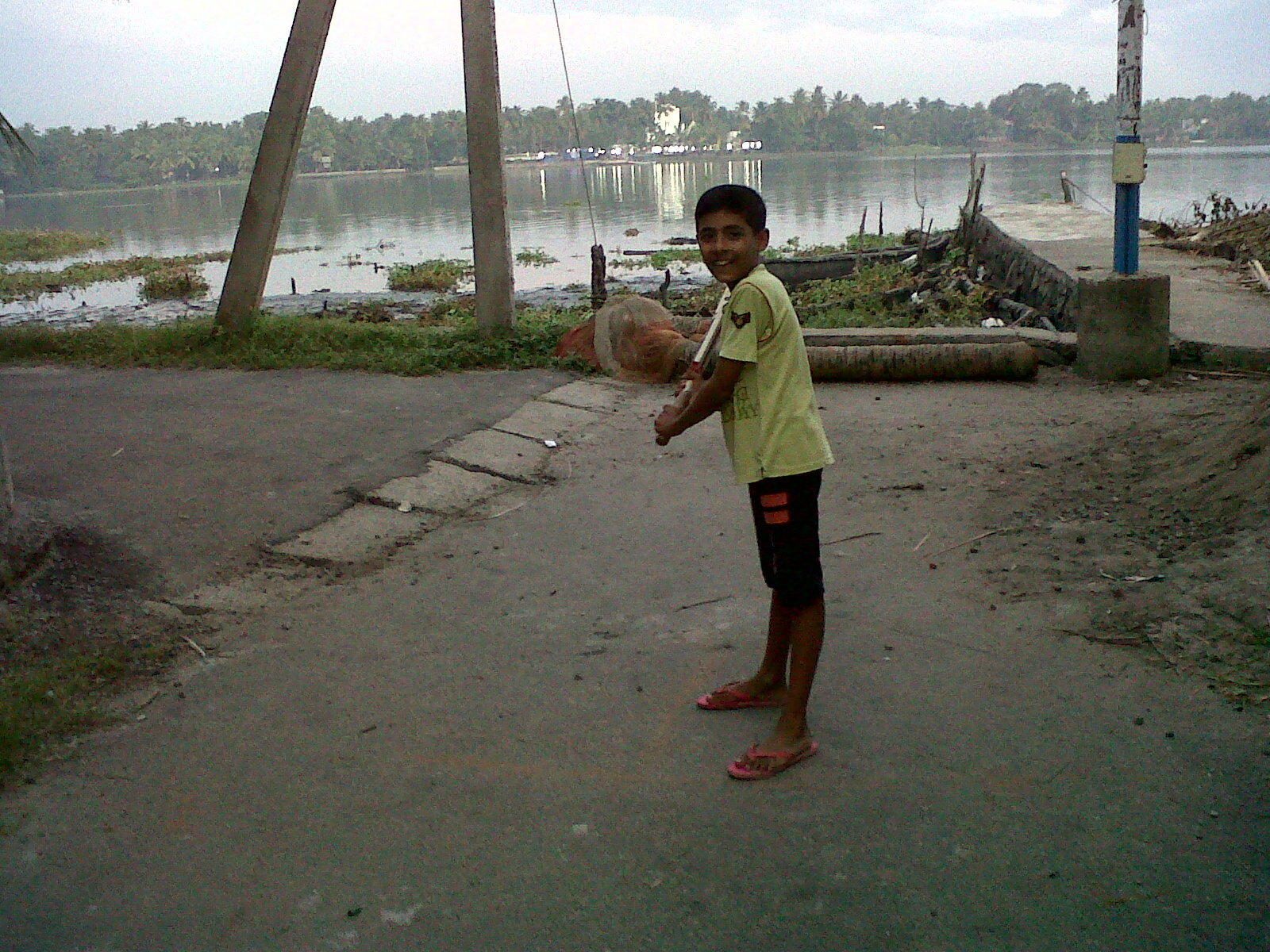
The stance is familiar to anyone of North American, Cuban, Central American or Venezuelan heritage.  But it is not what it first might seem to anyone from those places.  An anglophile, indophile, or carribophile will immediately recognize the bat our neighborhood friend is gripping.  On any given day, on any given street in the country that currently holds the trophy as world champions in cricket, you are likely to see something like this. Continue reading
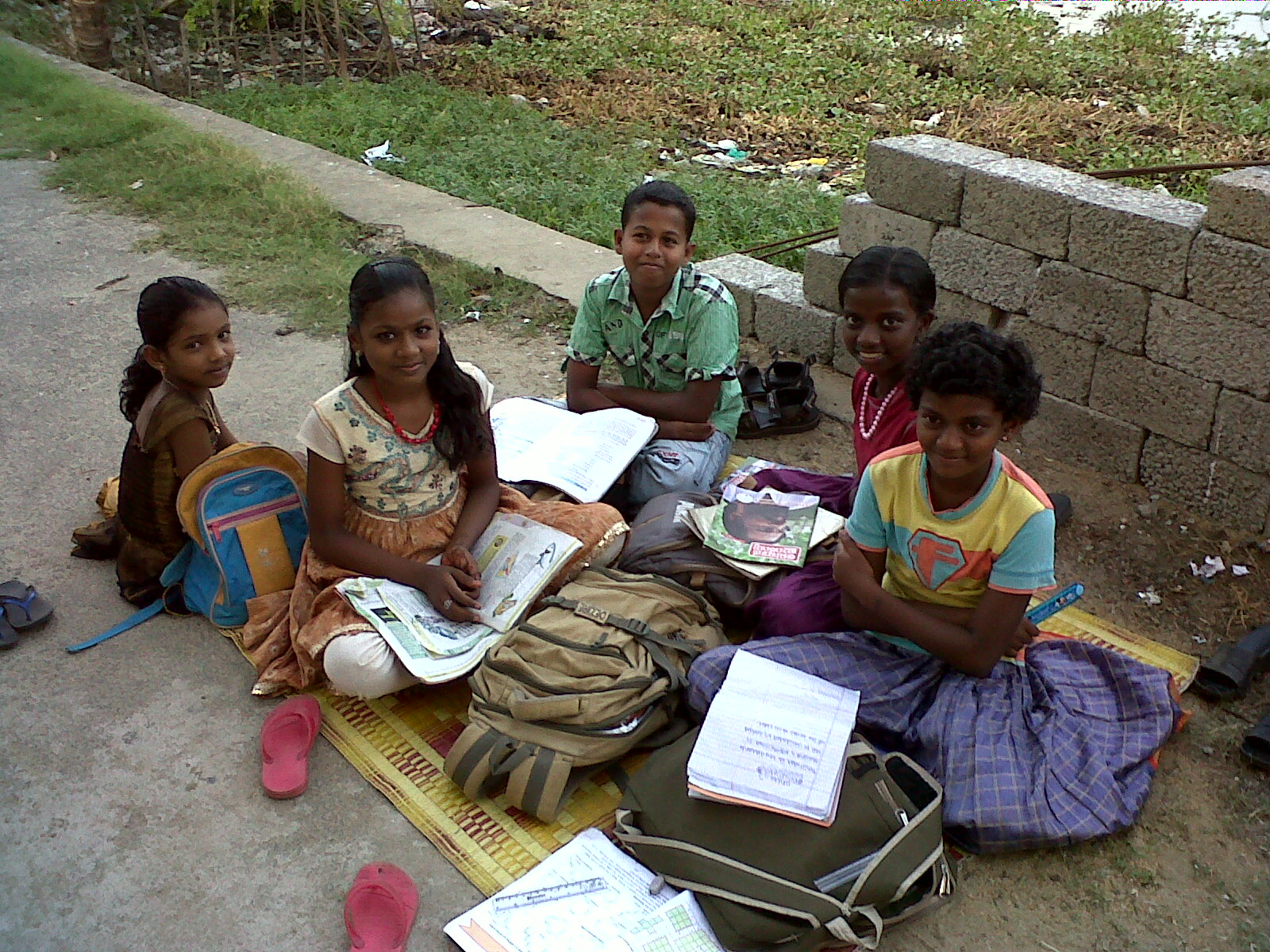
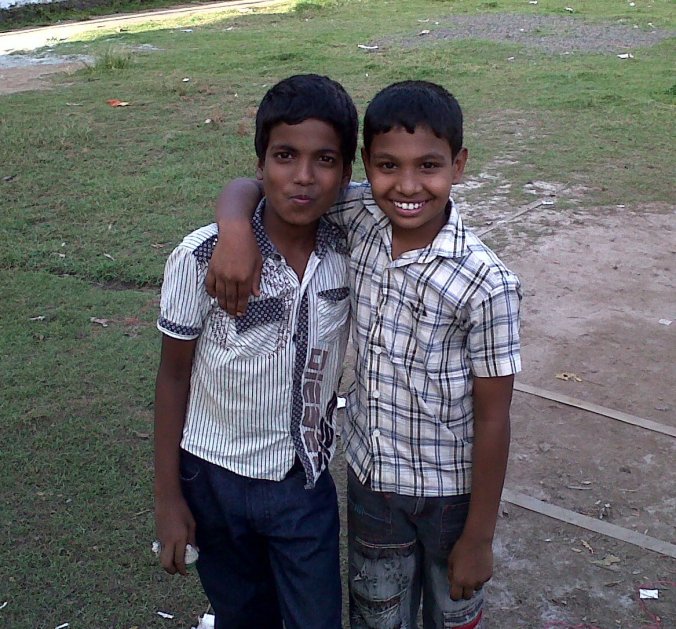
Our Gang, Thevara (#5)

Those not roaming or sifting, waiting for school or playing cricket, are often sitting right here in the late afternoon.  Their instructor is nearby, always happy to have a passerby speak English to her tutorial group.  And they are always eager to showcase their favorite phrases. Continue reading

Bidding For Good. Really?

One of our favored publications for learning more about our favored writers, The Paris Review is conducting an auction for a good purpose.  But while very few things in the world can make us blush at this point, the first item for bid is not what we would have expected.

Really, fellows?

Continue reading

A Complex Region Through A Thoughtful Lens

The newspaper, back in its paper days (1908-2008), was always excellent.  As a web resource, we are glad it has found firmer footing.  And some stories and contributors make its Latin America coverage particularly worth watching. Continue reading

We Are Not The Only Ones


Normally we are watching for them in Thekkady or at the orphanage.  But they are elsewhere also.  In Munnar, where there are both tea estates and plenty of forest, elephants are always lingering.

Continue reading

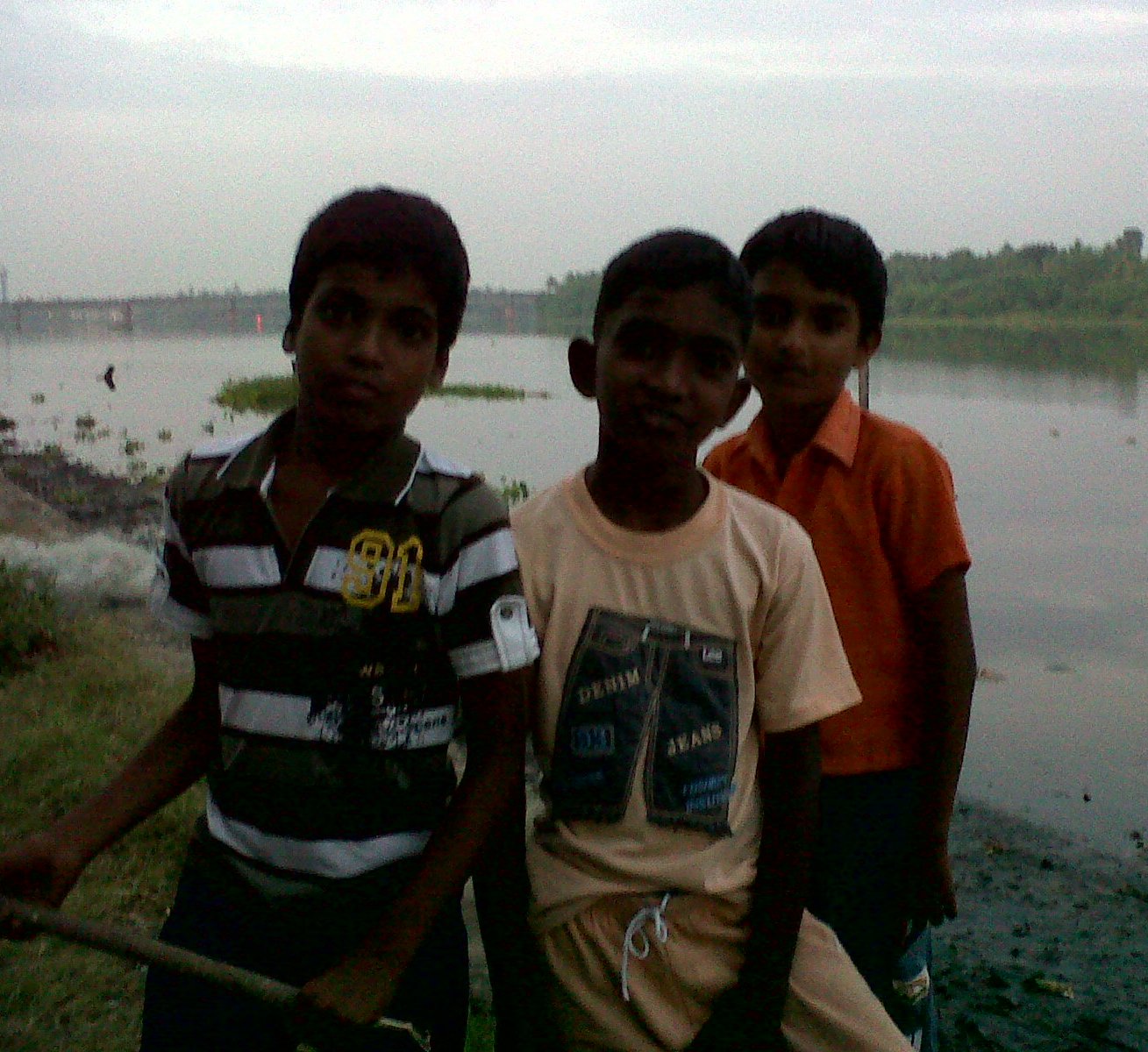
Our Gang, Thevara (#3)

In more than one earlier post, we might have given the impression that every young person in our neighborhood seems to smile all the time.  Not necessarily so, though most do.  But for certain when they see someone they do not recognize, they will definitely say hello.

Continue reading

Water Resources

We are in constant search mode for methods to reduce the use of plastics in India.  Plastic water bottles are the big frontier to conquer for resorts–no matter how “green” they may otherwise be–in particular.  Travelers are educated from so many sources–guidebooks, travel agents, government advisories, etc.–to demand sealed plastic water bottles (or else not drink from any other source). Continue reading

Peter Donnelly, Come To India!

New Brighton Pier, in Christchurch New Zealand, is fortunate in many ways.  Beautiful beach, wind for kites, friendly people.  But most of all, that fellow with the rake and the spring in his step.

And, as far as one can tell from the 10 minutes below (after the jump), that fellow has something to say.  As we did with another artist, we extend an invitation.  Could someone let Peter know?

Continue reading

Water, Success, India

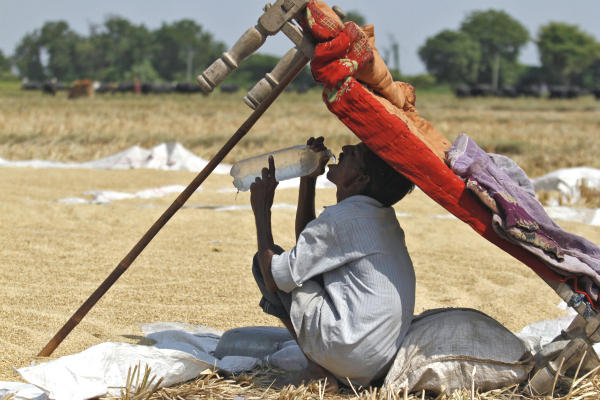
Those are three words that have a certain ring together.  But as per their tradition of seeking out news with a purpose, we appreciate this story in the Monitor, not least because it has to do with our neighbors to the north.  Click the image below to read the story at its source.

A laborer drinks water while taking a break from spreading paddy crop in a field on the outskirts of the western Indian city of Ahmedabad. In the tiny village of Wankute, water-management practices have eliminated the need to haul water to the village by truck, raised the water table, and widened the variety of crops that can be grown. Amit Dave/Reuters/File

Wankute, a tiny village located high in the Sahyadri mountain range of the Maharashtra state of India, was dry and near-barren in the 1990s. Agriculture was limited to crops that could withstand hot temperatures and little water, such as millet and certain legumes.

Continue reading

What Is India?

For any new resident of India, let alone its own citizens, the question is always interesting.

The following is the text of a speech delivered by Justice Markandey Katju, chairman of the Press Council of India, at Jawaharlal Nehru University on November 14, 2011.

Friends,

I am deeply honoured to be invited to speak before all of you. My time is limited, as I was told I should speak for 30 minutes and after that there will be a question answer session. As my main speech will be restricted to 30 minutes, I may come to the topic of discussion immediately, that is, What is India? …

…The difference between North America and India is that North America is a country of new immigrants, where people came mainly from Europe over the last four to five hundred years, India is a country of old immigrants where people have been coming in for 10 thousand years or so.

Continue reading

Wordsmithing: Zoo

It is one of the words that most children associate with wildlife. Does it qualify as a word?  OED shows the etymology of these three letters as:
c1847    Macaulay in Life & Lett. (1878) II. 216   We treated the Clifton Zoo much too contemptuously.
1886    C. E. Pascoe London of To-day (ed. 3) iv. 65   The ‘Zoo’ in time past was as favourite a fashionable resort as Rotten Row.

Bumbling Back From The Brink

Cockerell's Bumblebee. (Credit: G. Ballmer, UC Riverside)

While news related to species loss seems almost always seem to be coming in at us like floodlights, occasionally there is a glimmer of hope shining outward in the headlines:

ScienceDaily (Dec. 5, 2011) — A team of scientists from the University of California, Riverside recently rediscovered the rarest species of bumblebee in the United States, last seen in 1956, living in the White Mountains of south-central New Mexico. Continue reading

Thinking, Fast And Slow

Speaking of awesome intelligence it was intended to make a small point (pop culture is not as kind to intelligence as it is to glossy, gossipy stuff) and later highlight that intelligence itself.  While the accolades of scholars–those whose own work has been influenced by Kahneman–are interesting to read, so are those published by reviewers advising lay readers to read his most recent book.  For example, last month in FT:

There have been many good books on human rationality and irrationality, but only one masterpiece. That masterpiece is Daniel Kahneman’s Thinking, Fast and Slow. Continue reading

What More About Picasso?

We had mentioned in an earlier post encountering this source of interesting observations, and now another from the same (click on the image for the full thought and information about the exhibition):

The idea of Picasso always precedes the experience of seeing Picasso’s art. Looking at drawings from the artist’s early years in the Frick Collection’s cramped basement, I wondered what we can say about Picasso that hasn’t already been said. I’ve previously encountered this question with artists whose reputations (and market value) are in such high esteem that it is almost impossible to see the work as separate from the artist’s image. Even in this small show, with works that look decidedly un-Picasso, I found it difficult to view the drawings as anything other than work of this great artist.

Continue reading

World Development and South America

Guest Author: Denzel Johnson

The world is a big place, but each location is different and separated in such ways that can’t be explained merely by distance. What I mean by that is how people in the world are separated and so different yet so important to how each other person lives.

Let me introduce myself; I’ve lived in England for most of my life and have grown up in London. Life there has always increased my interest in travel, especially with my background in Geography. Continue reading

Popular Culture Celebrating Awesome Intelligence

Michael Lewis, a great journalist working for a glossy publication, popularized a smart baseball manager in a book and more recently a film adaptation of that book.  A great 2003 interview with him can be found in podcast form here.  Unique intelligence, it seems, is not as celebrated in popular culture as it should be (and is not, usually, in Vanity Fair or other glossy publications).  But credit where due: Lewis recently followed up his success with that book and film giving credit where he saw it due.  And celebrating an even grander unique intelligence in that very same glossy:

It didn’t take me long to figure out that, in a not so roundabout way, Kahneman and Tversky had made my baseball story possible. In a collaboration that lasted 15 years and involved an extraordinary number of strange and inventive experiments, they had demonstrated how essentially irrational human beings can be.

Continue reading

Arctic Circle, Stop Motion

Imagine being talented enough to make that short, brilliant piece.  Now imagine being that talented and having the opportunity to share the stage with the master:

I recently took part in a presentation at Toronto’s TIFF Bell Lightbox and had the opportunity to screen The Arctic Circle for Tim Burton. After the screening, I had a few minutes on stage to get his reaction and ask a few questions.

The art is the thing, but watching the young artist on stage with the master is fun too…

Continue reading