Elizabeth Gould, Illustrator Of Note

Gouldian Finches, named for Elizabeth Gould, from The Birds of Australia. Illustration: Elizabeth Gould/Public Domain

When we think of birds and illustrations, most frequently the work of John James Audubon comes to mind. But there were others:

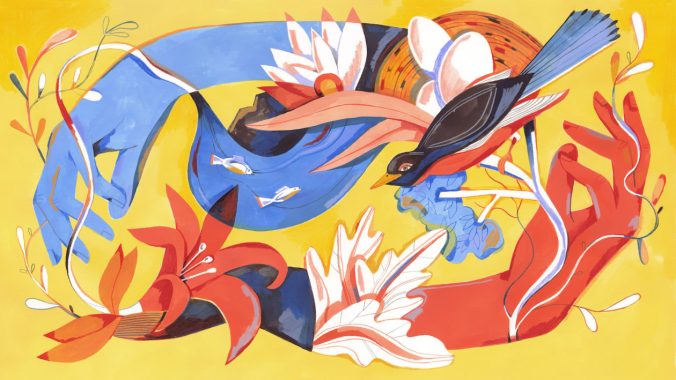
Meet Elizabeth Gould, the Gifted Artist Behind Her Husband’s Famous Bird Books

John Gould’s ornithology books were hugely popular and cemented his name in history. But his wife’s illustrations were a big reason why.

In 1830, when English taxidermist John Gould was keen to publish his first volume of bird species, his wife Elizabeth asked him who would create the illustrations. She knew her unartistic husband wouldn’t be up to the task. Continue reading
Climate Change, Personal Responsibility & Collective Responsibility

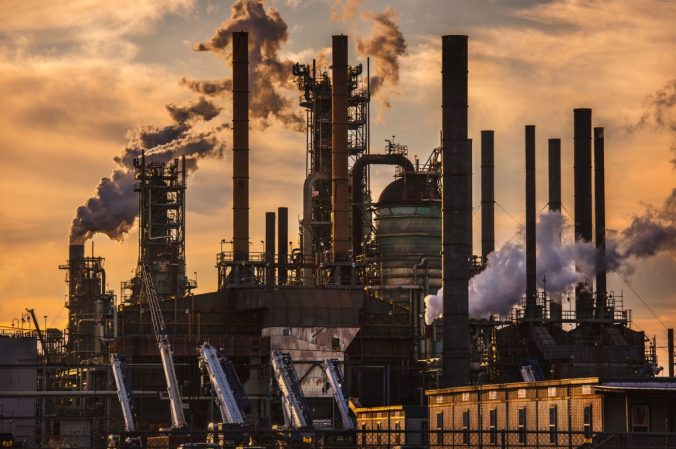
ExxonMobil, the owner of this Louisiana oil refinery, has adopted a tobacco-industry strategy to protect its business model. Photograph by Barry Lewis / Getty

This is a question we ask, rhetorically, all the time. But we normally neither seek the actual answer nor come across the answer; but today is different, thanks to Bill McKibben’s weekly newsletter:

The Particular Psychology of Destroying a Planet

What kind of thinking goes into engaging in planetary sabotage?

Two weeks ago, I looked at the question of the anxiety that the climate crisis is causing our psyches. But, if you think about it, there’s an equally interesting question regarding the human mind: How is it that some people, or corporations, can knowingly perpetuate the damage? Or, as people routinely ask me, “Don’t they have grandchildren?” Continue reading

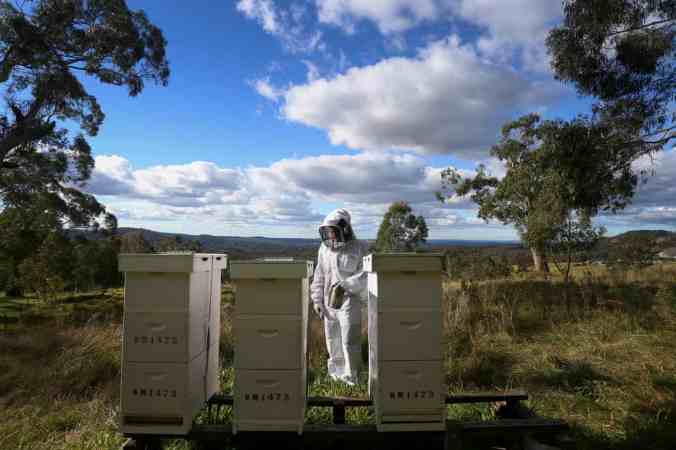
New Methods For Bee Species Protection In Photos

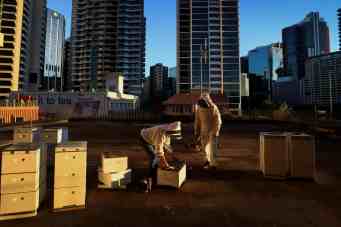
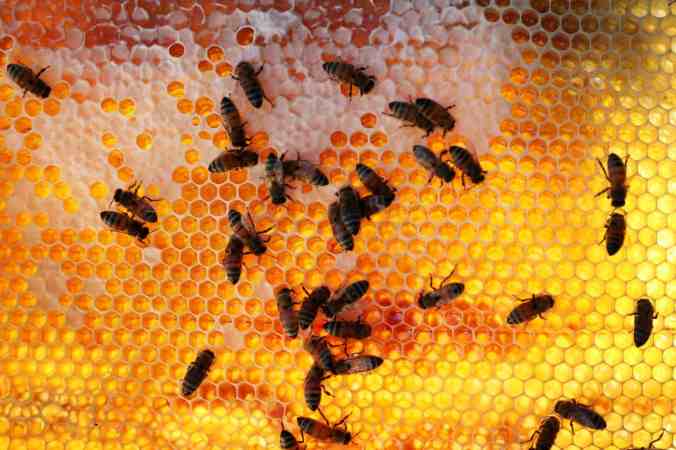
Apiarist Darryn McKay of Bowral Bees inspects hives in Bowral. McKay is a ‘farm to gate’ beekeeper with a number of hives hosted in the southern highlands. He also provides bee swarm collection and runs workshops.

Thanks to the Guardian:

Moving Species To Protect Their Viability

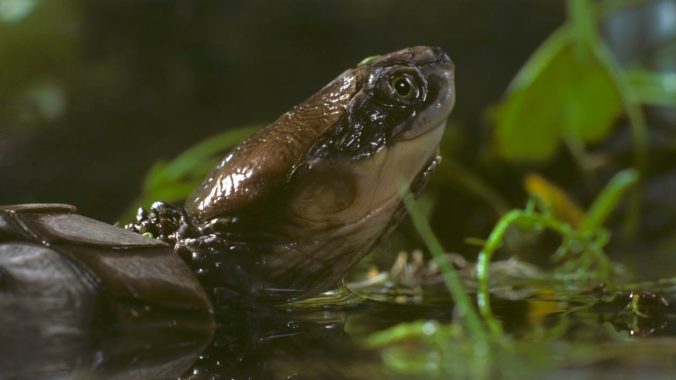
The endangered western swamp turtle, which scientists have reintroduced into its native habitat in Australia. AUSCAPE/UNIVERSAL IMAGES GROUP VIA GETTY IMAGES

Thanks to Yale e360 for this:

Amid Climate Pressures, a Call for a Plan to Move Endangered Species

The conservation community has fiercely debated whether to help species move as climate change and habitat loss threaten more extinctions. Now, scientists are calling on an upcoming international conference to set guidelines for this complex – and potentially risky – challenge. Continue reading

More Charging Stations, Please

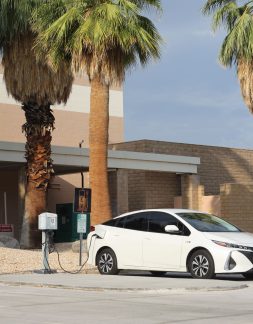
If we’re going to deal with the climate crisis, electric cars are a crucial part of the task. Photograph by Rebekah Zemansky / Shutterstock

In his weekly newsletter Bill McKibben shares an illuminating anecdote, titled Your Electric Vehicle Can’t Get There from Here—At Least, Not Without a Charge, about driving his electric car in New England that explains

Why we need to build a national network of charging stations fast.

I pulled into a Whole Foods parking lot in Bedford, New Hampshire, hoping against hope—but no, someone was already there, their Chevy Bolt plugged into the fast charger. Continue reading

Michelle Nijhuis On Species Solidarity

LUISA RIVERA

Michelle Nijhuis is one of several science writers who have made our pages better in the 10 years since we started this platform. This essay is in good company:

Species Solidarity: Rediscovering Our Connection to the Web of Life

As climate change intensifies and human activity impacts every corner of the planet, repairing our world increasingly means realizing that our fate is intertwined with that of other animal and plant species — not separate from theirs — and that we must think and act accordingly. Continue reading

Brazil’s Middle Earth

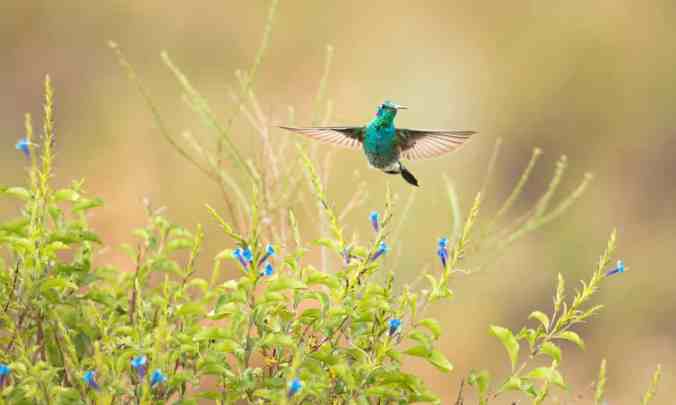
A white-vented violetear hummingbird feeds on the nectar of the flowers of a Stachytarpheta glabra

Thanks to Augusto Gomes for bringing this region, unknown to us, to our attention:

Life on the rocks in Brazil’s campo rupestre

In a little-known region that calls to mind Tolkien’s Middle-earth, photojournalist Augusto Gomes marvels at one of the oldest, harshest, most biodiverse – and most threatened – ecosystems on the planet

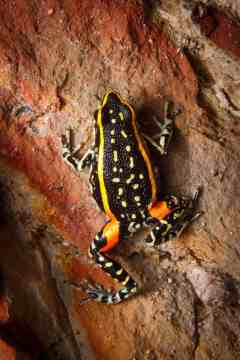
Lutz’s poison frog, which feeds primarily on ants

When I was a child, my family would drive three hours from our home in Belo Horizonte to visit my grandfather’s ranch near the town of Santana dos Montes. On the way, we would cross the Espinhaço mountain range, which runs north to south in the central-eastern portion of Brazil.

Espinhaço means “spine” in Portuguese, and the name could not be more apt. The range spans 1,200km (750 miles), its bony peaks reach as high as 2km, and the thriving, humid Atlantic Forest drops away to the east, foggy and dense with evergreens, ferns, mosses and bromeliads, the air bursting with the strange songs of birds you never see. On the west side of the mountains, the arid, savannah-like Cerrado stretches flat and exposed, with golden grasslands and small, twisted trees. Continue reading

Congratulations, West Virginia

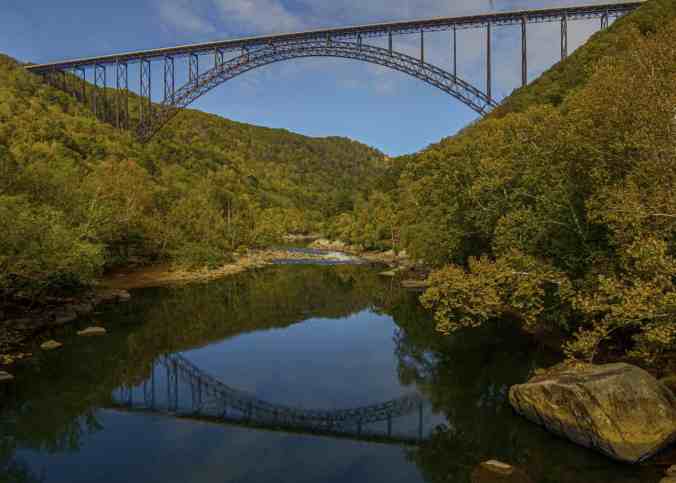
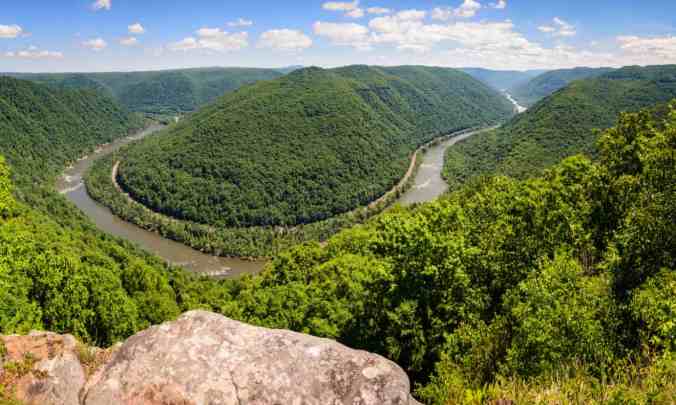
The New River Gorge Bridge, seen from Fayette Station, was once the world’s longest single-span arch bridge. Photograph: F Brian Ferguson/AP

A park is born. Challenges, yes, but opportunity too:

The New River Gorge in West Virginia: millions of years in the making; now a national park. Photograph: Alamy Stock Photo

America has a new national park but not all the locals are happy about it

The New River Gorge in West Virginia offers stunning views, rock climbing and rafting but some worry it is unprepared for an influx of visitors

The New River has spent millions of years carving a bucolic gorge in West Virginia. It is now home to one of the most biodiverse forests on the continent. And while humans have tracked prey along its jagged cliffs for thousands of years, now most people come to the gorge to find adventure. Continue reading

Maya Lin’s Ghost Forest

Maya Lin’s Ghost Forest: ‘I didn’t just want to talk about ‘hey, this is happening,’ without offering solutions.’ Photograph: Courtesy the artist and Madison Square Park Conservancy

First reading about this in another publication (one that rarely features photographs), the concept was clear, especially if you are familiar with “What Is Missing,” a long-running project about ecological loss. Picturing the result for this new installation was not easy from that first review. The artist’s website offered the photo above, which is also featured in this Guardian review, and Madison Square Park’s website offers an audio tour of the exhibition along with the image below.

On her own website the artist’s description is worth reading:

Ghost Forest, 2021
Madison Square Park, New York, NY
Commissioned by Madison Square park Conservancy
May 10 – November 14, 2021
49 Atlantic Cedar trees (36 – 46 feet)

Photography: Maya Lin Studio / Andy Romer, courtesy MSPC

Maya Lin’s Ghost Forest, brings a towering stand of forty-nine Atlantic white cedar trees, victims of salt water inundation due to climate change to downtown manhattan’s Madison Square Park. Continue reading
The Human Touch

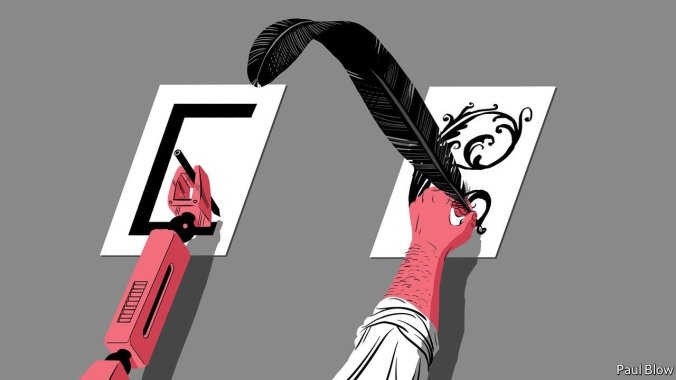
The Economist offers this brief thinkpiece on what to make of the recent uptick in interest in craft-made products (unless you are a subscriber to the magazine you will need to sign up for free limited access to the magazine’s website):

Can human creativity prevent mass unemployment?

The market for artisan goods is likely to grow. But organised craft could lose its charm

In “THE REPAIR SHOP”, a British television series, carpenters, textile workers and mechanics mend family heirlooms that viewers have brought to their workshop. The fascination comes from watching them apply their craft to restore these keepsakes and the emotional appeal from the tears that follow when the owner is presented with the beautifully rendered result. Continue reading
Really, Wyoming?

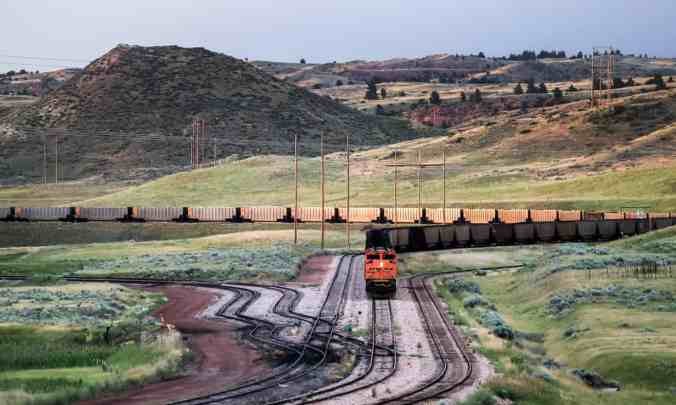
A train loaded with newly mined coal near Gillette, Wyoming. Photograph: Tannen Maury/EPA

It’s been too long since we last asked this question that had been a mainstay in these pages, but today we have to ask it of Wyoming, based on this story:

Wyoming stands up for coal with threat to sue states that refuse to buy it

Republican governor says measure sends message that Wyoming is ‘prepared to bring litigation to protect her interests’

Wyoming is faced by a transition to renewable energy that’s gathering pace across America, but it has now come up with a novel and controversial plan to protect its mining industry – sue other states that refuse to take its coal. Continue reading

Choices For Mining Lithium

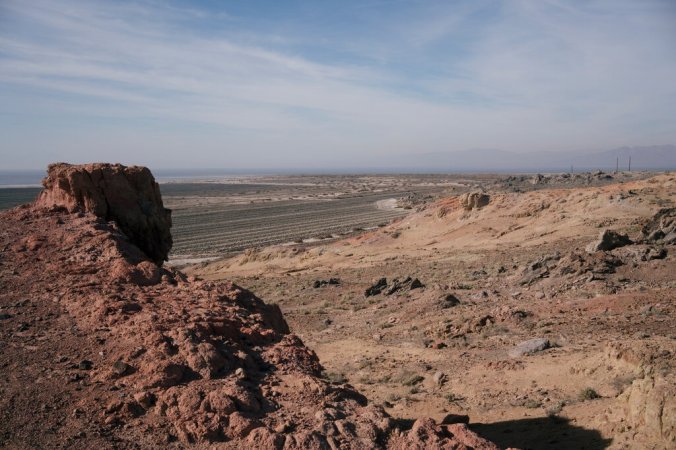
The Salton Sea is one of numerous new mining proposals in a global gold rush to find new sources of metals and minerals needed for electric cars and renewable energy.

Thanks to the New York Times for this coverage of the choices surrounding how and where to mine a key ingredient of more efficient batteries–a consequential environmental question:

The Lithium Gold Rush: Inside the Race to Power Electric Vehicles

A race is on to produce lithium in the United States, but competing projects are taking very different approaches to extracting the vital raw material. Some might not be very green.

“This is the most sustainable lithium in the world, made in America,” Rod Colwell, the chief executive of Controlled Thermal Resources, said. “Who would have thought it? We’ve got this massive opportunity.”

Atop a long-dormant volcano in northern Nevada, workers are preparing to start blasting and digging out a giant pit that will serve as the first new large-scale lithium mine in the United States in more than a decade — a new domestic supply of an essential ingredient in electric car batteries and renewable energy.

The mine, constructed on leased federal lands, could help address the near total reliance by the United States on foreign sources of lithium.

But the project, known as Lithium Americas, has drawn protests from members of a Native American tribe, ranchers and environmental groups because it is expected to use billions of gallons of precious ground water, potentially contaminating some of it for 300 years, while leaving behind a giant mound of waste. Continue reading
Colombia’s Blue Carbon Initiatives

Thanks to YaleE360 for this brief explanatory note on Blue Carbon Projects from a Colombian perspective:

New Approach to Blue Carbon Projects Underway in Colombia

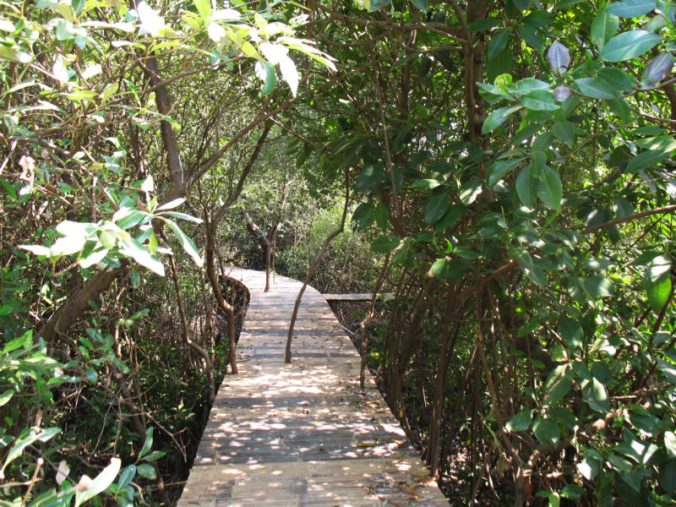
A mangrove preservation project along Colombia’s Caribbean coast is using a more comprehensive method to calculate how much carbon is stored in coastal and marine ecosystems, potentially boosting global efforts to conserve so-called blue carbon. Continue reading
Stewarding Species & Ecosystems

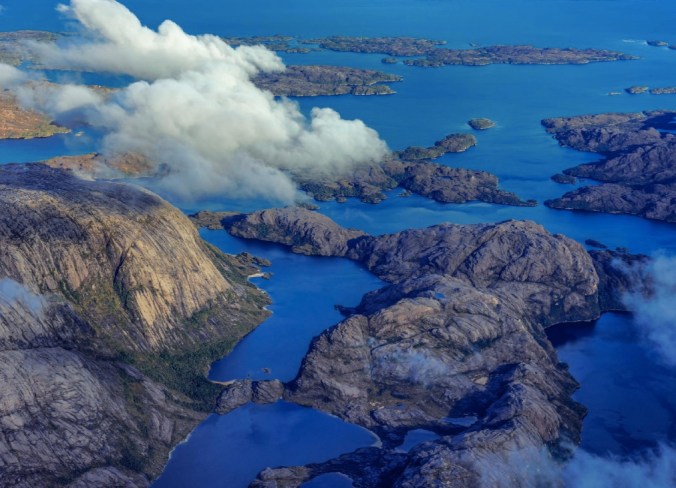
Kawesqar National Park in Patagonia, Chile, is regarded as one of the world’s few remaining intact wild lands. ANTONIO VIZCAÍNO / WWW.PARQUESNACIONALES.CL

Yesterday’s news from Brazil was dismal, providing a how-not-to stewardship example. Today we link to Fred Pearce’s article in Yale e360 about alternative, and more positive examples of stewardship, with a question at the center of the story:

Species or Ecosystems: How Best to Restore the Natural World?

What’s the best way to protect nature and restore what has been lost? A series of new scientific papers offer conflicting views on whether efforts should focus on individual species or ecosystems and point to the role human inhabitants can play in conserving landscapes.

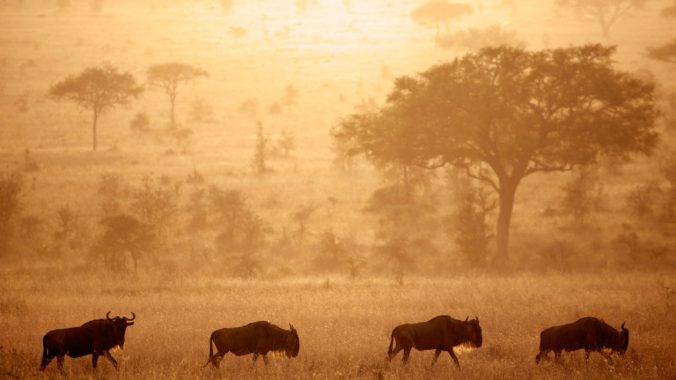
Wildebeest on the Serengeti plain during their annual migration. ALEX BRAMWELL / ALAMY STOCK PHOTO

The Serengeti plain of East Africa is one of the world’s great wild lands — teeming with lions, leopards and migrating wildebeest. But is it ecologically intact, a rare fragment of the earth unaltered by the hand of humanity? Or is it, as many researchers argue, a human-created landscape, nurtured by generations of Maasai cattle herders? Continue reading
Brazil Is The Amazon’s Steward

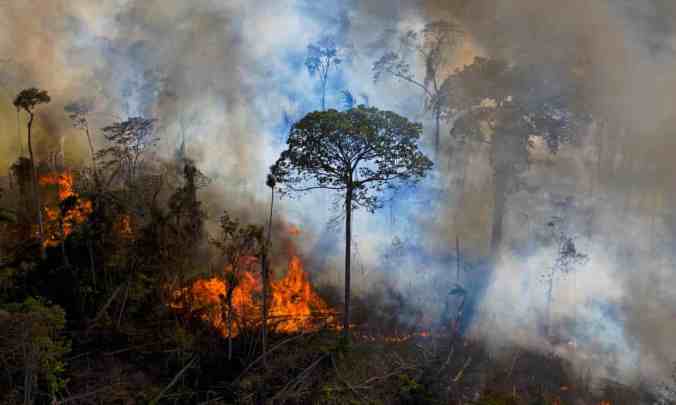
Smoke rises from an illegally lit fire in Amazon rainforest reserve, south of Novo Progresso in Para state, Brazil. Photograph: Carl de Souza/AFP/Getty Images

Stewardship has rights and responsibilities, and we expect better both from and for Brazil in their stewardship of the Amazon region. For our part, among other things, we can all avoid purchasing products that result from this deforestation:

Brazilian Amazon released more carbon than it absorbed over past 10 years

International team of researchers also found that deforestation rose nearly four-fold in 2019

A fallen tree lies in an area of the Amazon jungle that was cleared by loggers and farmers near Porto Velho, Rondonia State. Photograph: Ueslei Marcelino/Reuters

The Brazilian Amazon released nearly 20% more carbon dioxide into the atmosphere over the past decade than it absorbed, according to a startling report that shows humanity can no longer depend on the world’s largest tropical forest to help absorb manmade carbon pollution.

From 2010 through 2019, Brazil’s Amazon basin gave off 16.6bn tonnes of CO2, while drawing down only 13.9bn tonnes, researchers reported Thursday in the journal Nature Climate Change. Continue reading
The Sinking Cost Of Renewable Energy

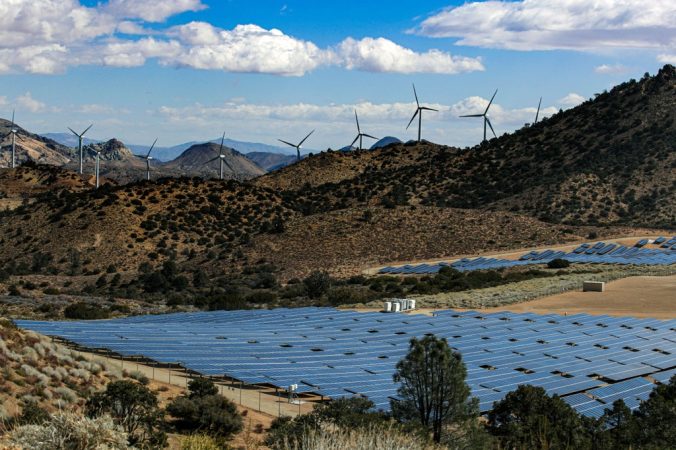
Because its costs continue to slide with every quarter, solar energy will be cheaper than fossil fuels almost everywhere on the planet by the decade’s end. Photograph by Irfan Khan / Los Angeles Times / Getty

Thanks to Bill McKibben, as always, for at least one bit of good news in his weekly newsletter:

Renewable Energy Is Suddenly Startlingly Cheap

Now the biggest barrier to change is the will of our politicians to take serious climate action.

Earth Week has come and gone, leaving behind an ankle-deep and green-tinted drift of reports, press releases, and earnest promises from C.E.O.s and premiers alike that they are planning to become part of the solution. There were contingent signs of real possibility—if some of the heads of state whom John Kerry called on to make Zoom speeches appeared a little strained, at least they appeared. (Scott Morrison, the Prime Minister of Australia, the most carbon-emitting developed nation per capita, struggled to make his technology work.) But, if you want real hope, the best place to look may be a little noted report from the London-based think tank Carbon Tracker Initiative. Continue reading

What Makes The Frogmouth So Appealing?

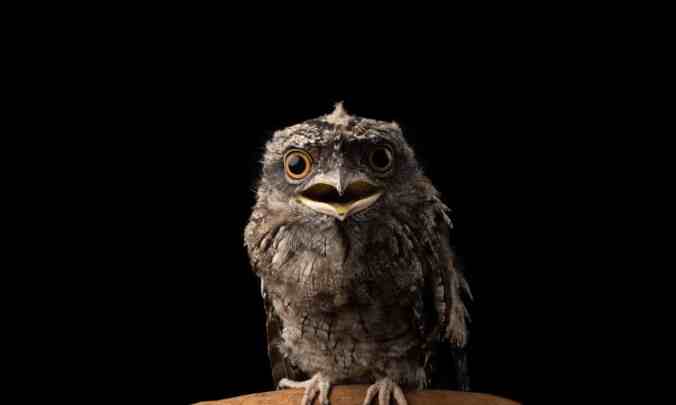
Tawny frogmouth – found to be ‘most Instagrammable’ after an algorithm recorded which photos attracted the most ‘likes’. Photograph: ImagePatch/Getty Images

Nearly a decade ago I first saw a photo of a Sri Lankan frogmouth bird. As more and more photos of this species were offered to us for our daily bird feature they seemed to become more impressive images. Or at least, we never tired of them. And this story may explain why:

Researchers find frogmouth is world’s most Instagrammable bird

A study of likes on the photo-sharing app has (perhaps surprisingly) deemed the Australian and south-east Asian native ‘most aesthetically appealing’

If someone were to ask what the most “Instagrammable” bird in the world would be, it’s unlikely that the frogmouth – whose main aesthetic goal is to look like a jagged tree branch – would be front of mind. Continue reading
Bee Survey, Bee Hotels & Other Bee News From The Netherlands

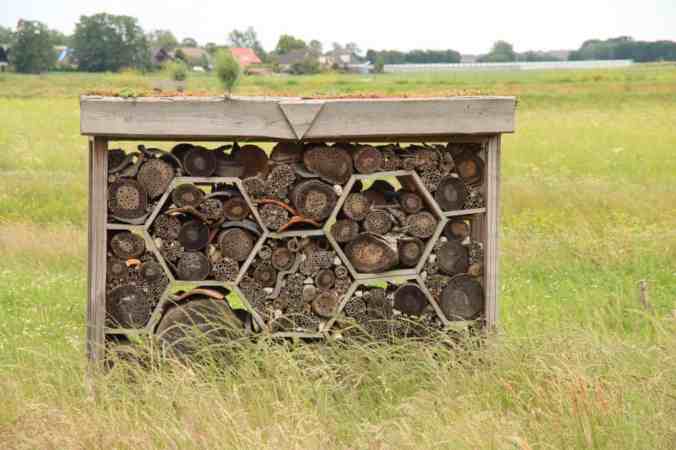
A ‘bee hotel’ in Hennipgaarde in the Netherlands. Photograph: Andre Muller/Alamy

Any time we see news on new bee hotels, we are inclined to share. Seeing this news from the Netherlands about a bee survey is also particularly smile-producing. Our thanks to Anne Pinto-Rodrigues and the Guardian’s Environment section for this article:

Bee population steady in Dutch cities thanks to pollinator strategy

Scheme involving ‘ bee hotels’ and ‘bee stops’ reaps rewards as census shows no strong decline in urban population

More than 11,000 people took part in the national bee survey. Photograph: Martijn Beekman/Hollandse Hoogte

Bee hotels, bee stops and a honey highway are some of the techniques the Dutch are crediting with keeping their urban bee population steady in recent years, after a period of worrying decline.

Last week, more than 11,000 people from across the Netherlands participated in a bee-counting exercise as part of the fourth edition of the national bee census. Continue reading

Stenophylla May Be One Of Coffee’s Answers

Climate change is only one of the challenges facing coffee. Thanks to the Economist for keeping us up to date on prospective solutions:

How to save coffee from global warming

Look at research done two centuries ago

Coffee is a multi-billion dollar industry that supports the economies of several tropical countries. Roughly 100m farmers depend on it for their livelihoods. Continue reading

Seed-Saving & Science

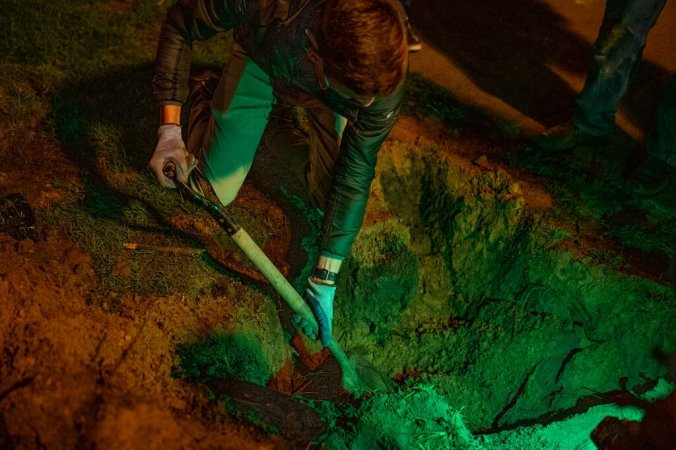
The experiment is a multicentury attempt to figure out how long seeds can lie dormant in the soil without losing their ability to germinate. Derrick L. Turner/Michigan State University

Cara Giaimo has a talent linking science and history, and this article demonstrates it as well as any we have linked to from her. Saving seeds is favorite topic in our pages, so this is in good company:

One of the World’s Oldest Science Experiments Comes Up From the Dirt

Every 20 years under the cover of darkness, scientists dig up seeds that were stashed 142 years ago beneath a college campus. Continue reading