Food & Identity

photograph: alamy

We do not live by fruit alone, so:

How moussaka made it into the pantheon of Greek gastronomy

Patriotism revolutionised a classic dish

In 1821 greek revolutionaries rose up against the Ottomans, setting off years of bloodshed that culminated in the creation of a free state in 1829. Continue reading

Breadfruit More Fully Appreciated

Wolfgang Kaehler / LightRocket / Getty

Our thanks to Zoë Schlanger for this corrective. Breadfruit has appeared more than once in our pages, but never with appreciation like this:

Too Few Americans Are Eating a Remarkable Fruit

Breadfruit is a staple in tropical places—and climate change is pushing its range north.

Someplace in the lush backroads of San Sebastián, in western Puerto Rico, my friend Carina pulled the car over. At a crest in the road stood a breadfruit tree, full of basketball-size, lime-green fruits, knobbled and prehistoric, like a dinosaur egg covered in ostrich leather. Continue reading

Ants & Us

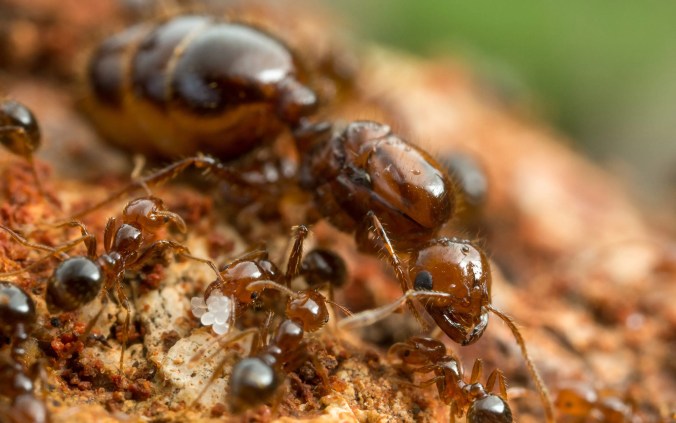
A queen Solenopsis invicta, an invasive fire ant. Photo by Alex Wild

John Whitfield, author of this article in Aeon, is a science journalist whose writing has appeared in Nature, among publications:

A polygyne population of red imported fire ants at Brackenridge Field. Austin, Texas, USA. Photo by Alexander Wild

Ant geopolitics

Over the past four centuries quadrillions of ants have created a strange and turbulent global society that shadows our own

It is a familiar story: a small group of animals living in a wooded grassland begin, against all odds, to populate Earth. At first, they occupy a specific ecological place in the landscape, kept in check by other species. Then something changes. The animals find a way to travel to new places. They learn to cope with unpredictability. They adapt to new kinds of food and shelter. They are clever. And they are aggressive. Continue reading

Children, Phones & Futures

Photographs by Maggie Shannon

It has been our belief since starting that getting outdoors is a very good preventative medicine, but maybe that was too simple a focus. Phones have disrupted life, especially for our young ones, more than we appreciated. Our thanks to Jonathan Haidt and The Atlantic for this (podcast discussion of the research here):

The environment in which kids grow up today is hostile to human development.

Something went suddenly and horribly wrong for adolescents in the early 2010s. Continue reading

Addiction To Longevity

Like many Italian aging researchers, Dr. Longo thinks Italy doesn’t invest enough in research. “Italy’s got such incredible history and a wealth of information about aging,” he said. “But spends virtually nothing.” Alessandro Grassani for The New York Times

Faux fasting is new to us, but thinking about diet is not. Our thanks to Jason Horowitz for another story from Italy:

To Live Past 100, Mangia a Lot Less: Italian Expert’s Ideas on Aging

Valter Longo, who wants to live to a healthy 120 or 130, sees the key to longevity in diet — legumes and fish — and faux fasting.

Most members of the band subscribed to a live-fast-die-young lifestyle. But as they partook in the drinking and drugging endemic to the 1990s grunge scene after shows at the Whisky a Go Go, Roxy and other West Coast clubs, the band’s guitarist, Valter Longo, a nutrition-obsessed Italian Ph.D. student, wrestled with a lifelong addiction to longevity. Continue reading

Where Does Captured Carbon Go?

The Heirloom Carbon direct air capture plant in Tracy, California, which opened last November. HEIRLOOM CARBON

For keeping an eye on the captured carbon trail, thanks to Nicola Jones:

As Carbon Air Capture Ramps Up, Major Hurdles Remain

Aided by tax breaks and carbon credits, scores of plants are being developed or are now operating that remove CO2 from the air. Such facilities are considered necessary to limit global warming, but critics have questions about the high costs and where the captured carbon will go.

Texas is by far the top emitter of greenhouse gases in the United States: The oil-rich state releases twice as much carbon dioxide as the runner-up state, California, and as much as the entire country of Germany. Continue reading

Forest Adaptation Via Scientific Methodology

Scientists in northern Minnesota are exploring how to adapt forests for climate change, transitioning them to a warmer future by planting new mixes of southern seedlings. In this “transition test” in the Cutfoot Experimental Forest, forest ecologists thinned trees and planted seedlings of eight species, grown from seeds collected up to hundreds of miles to the south. CREDIT: BRIAN PALIK / USDA FOREST SERVICE

Thanks to John Tibbets and Knowable Magazine

This 8-year-old bitternut hickory, native to a milder climate to the south, is flourishing in northern Minnesota, notorious for long, intensely cold winters. CREDIT: BRIAN PALIK / USDA FOREST SERVICE

On a brisk September morning, Brian Palik’s footfalls land quietly on a path in flickering light, beneath a red pine canopy in Minnesota’s iconic Northwoods. A mature red pine, also called Norway pine, is a tall, straight overstory tree that thrives in cold winters and cool summers. It’s the official Minnesota state tree and a valued target of its timber industry.

But red pine’s days of dominance here could fade. In coming decades, climate change will make red pine and other Northwoods trees increasingly vulnerable to destructive combinations of longer, warmer summers and less extremely cold winters, as well as droughts, windstorms, wildfires and insect infestations. Climate change is altering ecological conditions in cold regions faster than trees can adapt or migrate. Continue reading

Responding To A Red Alert

Another reason to subscribe to Bill McKibben’s newsletter:

How Not to Act in an Emergency

Forget AI–we need some human intelligence

We’re getting right to the nub now.

Yesterday the World Meteorological Organization officially certified 2023 as the hottest year in human history. Just to put on the record here what should have been the lead story in every journal and website on our home planet:

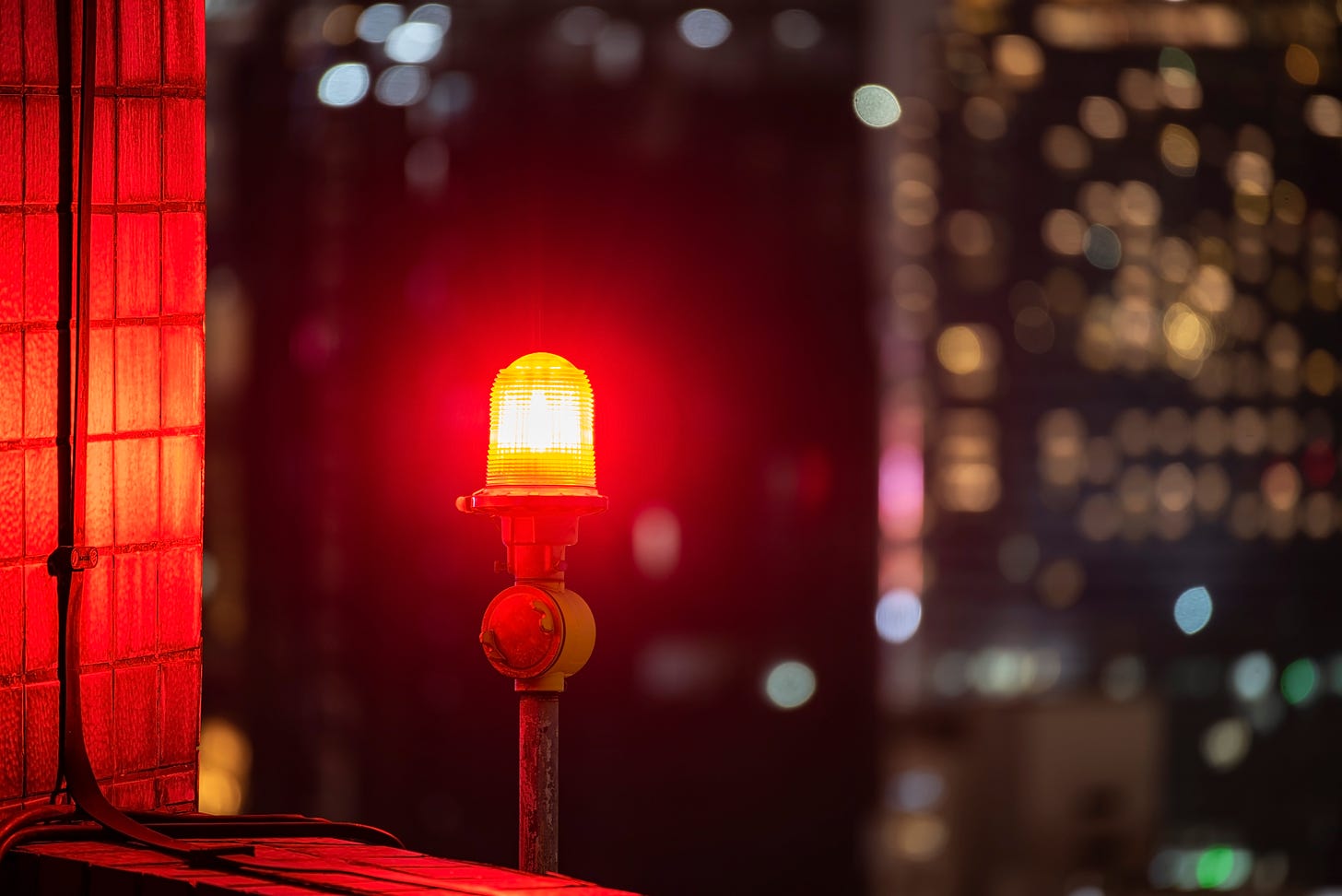
Andrea Celeste Saulo, secretary general of the WMO, said the organisation was now “sounding the red alert to the world”.

The report found temperatures near the surface of the earth were 1.45C higher last year than they were in the late 1800s, when people began to destroy nature at an industrial scale and burn large amounts of coal, oil and gas.

Last year’s spike was so scary that NASA’s Gavin Schmidt—Jim Hansen’s heir as keeper of NASA’s climate record—wrote in Nature this week that it raised the most profound possible implications. Please read his words slowly and carefully: Continue reading

Grazing More Lightly To Lock Away 63 Billion Tons Of Carbon

PEXELS

Thanks to Yale e360 Digest:

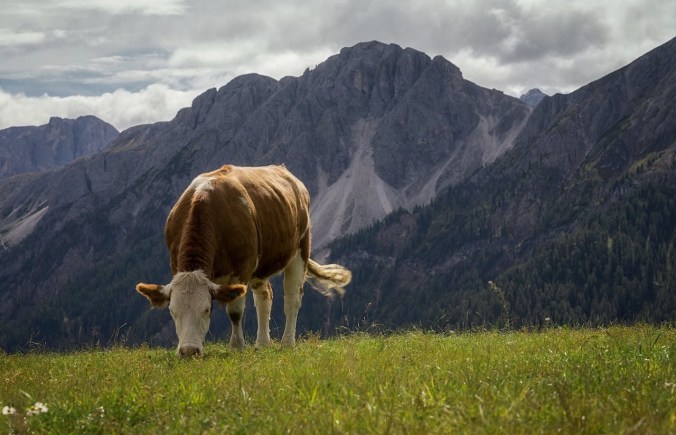
How Lightly Grazed Lands Can Lock Away Carbon

A new study finds that scaling back grazing on most pastureland worldwide would dramatically increase the amount of carbon stored in soils. Continue reading

Climate Capitalism Conversation

We are in need of realism more than anything else, but according to David Gelles it still makes sense to hear what an optimist has to say:

Making the Case for Capitalism

A new book argues that short-term profit incentives can deliver long-term changes to benefit the climate.

Combating the climate crisis is the ultimate long-term challenge. Can society rapidly overhaul energy production, transportation, heavy industry, agriculture and more in order to prevent truly catastrophic global warming? Continue reading

Seal Spit Surprise

An eagle flies over seal with its mouth open in water along a shoreline.

A white-tailed eagle swoops toward the water’s surface with an adult grey seal directly beneath. Clare Jacobs

We had not heard of this branch of science before, so we thank Douglas Main and the New York Times for this:

A Seal’s Spray Adds a Chapter to the Science of Spitting

The observation suggests that seals join cobras, archerfish and other animals known to spit, although researchers can only speculate about the reason for the mammal’s expectoration.

On Jan. 3, 2022, Clare Jacobs, a bird-watcher, was delighted to spot a rare white-tailed eagle, or Haliaeetus albicilla, at a nature reserve on the Isle of Wight in southern England. These birds, also known as sea eagles or ernes, vanished from the region some 250 years ago, but more than two dozen birds have been released on the island since 2019. Continue reading

Tree Species Moving, To Adapt & Survive

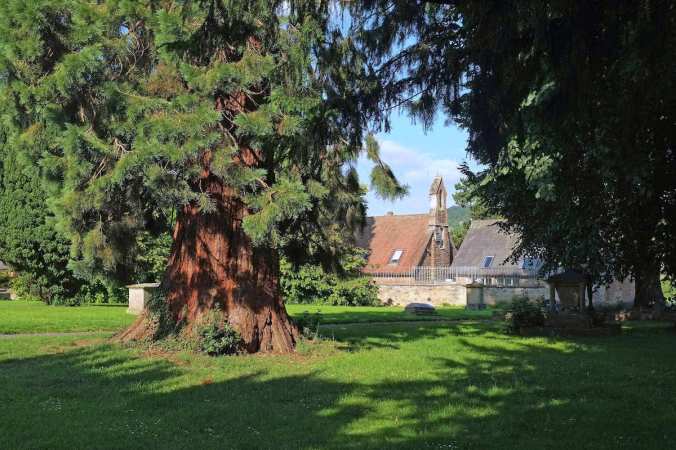
A giant sequoia in Bromyard, England. DEREK HARPER VIA GEOGRAPH

Thanks to Yale e360:

Under Threat in Their Native California, Giant Sequoias Are Thriving in Britain

Worsening drought and wildfires in California are pushing giant sequoias, the biggest trees on Earth, into decline. But sequoias that have been planted in Britain are flourishing, new research finds. Continue reading

2024 Winners, British Wildlife Photography Awards

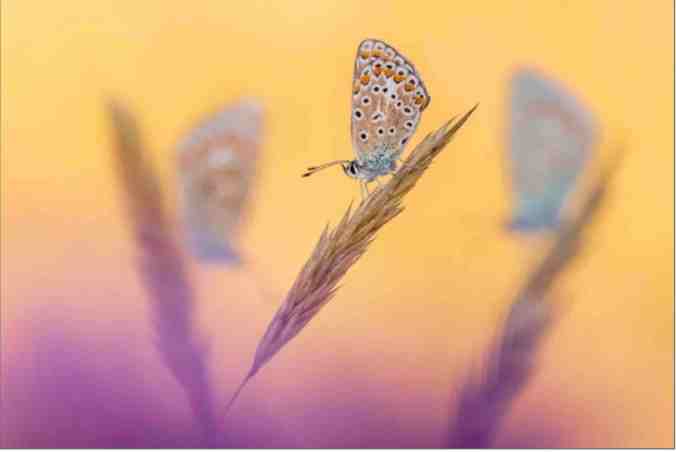
Three’s a Crowd. Hidden Britain, Winner. “I think I have a slight addiction to photographing blue butterflies—I just love them! They are such beautiful little insects, and they enhance any wildflower meadow or garden they inhabit. Blues are quite social insects, and they can often be found roosting quite close together—or even on the same grass or flower. I found a dozen or so blues all resting close together one evening last summer.” 
© Ross Hoddinott / British Wildlife Photography Awards

Our annual thanks to Alan Taylor for these selections:

Organizers of the 2024 British Wildlife Photography Awards just announced their collection of winners and runners-up. More than 14,000 images were submitted in 11 different categories, celebrating the wildlife and wild spaces found across the United Kingdom. Competition organizers were kind enough to share some of this year’s amazing images below. Captions were provided by the photographers.

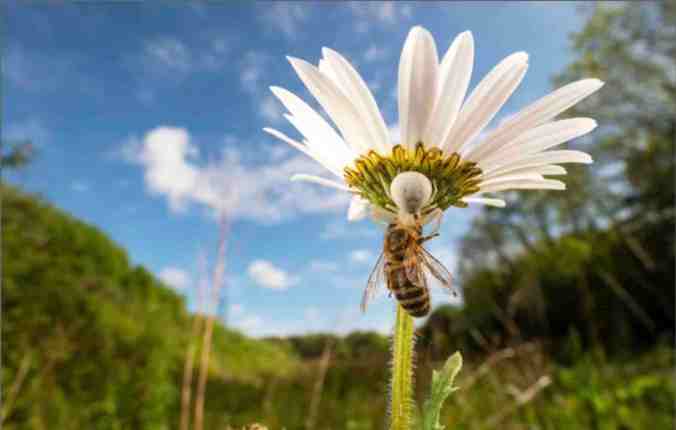
Daisy Danger. Hidden Britain, Runner-up. “This photo was taken in a patch of land along the A30 in Devon that has been left untouched for a long time, making it a haven for wildflowers and the wildlife that inhabits it. Using the Laowa wide-angle macro lens, I aimed to capture this scene. While walking, I came across a flower crab spider wrestling with a bee on an ox-eye daisy.” # © Lucien Harris / British Wildlife Photography Awards


McKibben On Responsibility & Accountability

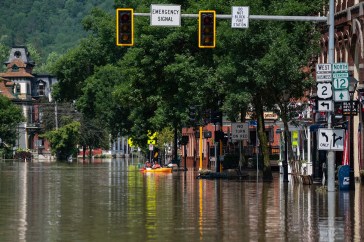
Vermont’s capitol city, underwater in epic July flooding that wrecked most of Montpelier’s retail district

Holding the responsible accountable is part of Bill McKibben’s objective; he also provides sunshine. Subscribe to this newsletter if you can:

You flood it, you pay for it.

States are considering ‘climate superfund’ laws to hold Big Oil accountable

One prong of the climate fight involves installing so much renewable energy that fossil fuel use actually declines dramatically—a few places are finally showing that’s possible, like sunny Germany which last week said emissions in 2023 dropped more than ten percent. Continue reading

Solar’s Impressive Portion Of USA Energy Supply Increase

Robert Nickelsberg/Getty Images

Thanks to Tik Root, Senior Staff Writer at Grist:

Solar hits a renewable energy milestone not seen since WWII

With supply chains finally open, solar provided most of the nation’s new electricity capacity last year.

Solar accounted for most of the capacity the nation added to its electric grids last year. That feat marks the first time since World War II, when hydropower was booming, that a renewable power source has comprised more than half of the nation’s energy additions.  Continue reading

The Vertical Forest In Milan

The Vertical Forest, a residential complex in Milan. Marta Carenzi/Archivio Marta Carenzi/Mondadori Portfolio, via Getty Images

Italy has not figured in our climate change solutions coverage, until now. Our thanks to Stephen Wallis and the New York Times for this:

A Growth Spurt in Green Architecture

Buildings made shaggy with vegetation or fragrant with wood are no longer novelties.

In the lineup of climate villains, architecture towers above many. The building and construction industries account for some 37 percent of worldwide carbon dioxide emissions, according to the United Nations Environment Program. Three of the most commonly used building materials — concrete, steel and aluminum — generate nearly a quarter of all carbon output. Continue reading

A Tiny Forest For Roosevelt Island

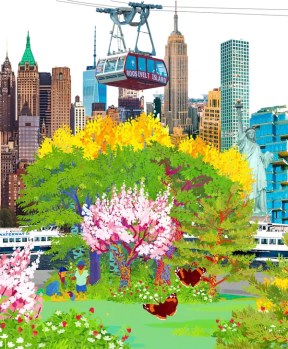
An artist’s rendering of the Manhattan Healing Forest. Courtesy of SUGi

Thanks to Cara Buckley for another in her long line of tree stories:

Coming Soon to Manhattan, a Brand-New Tiny Forest

Pocket-size forests filled with native plants have been embraced worldwide for their environmental benefits. Now one is planned for New York City.

A trend that’s gaining momentum around the world is set to finally arrive in Manhattan. It’s a tiny forest, to be planted on the southern end of Roosevelt Island, in the East River, this spring. According to its creators, it would be the first of its kind in the city and would consist of 1,000 native plants, trees and shrubs, covering just 2,700 square feet. Continue reading

Hacienda La Amistad, 2024

Amistad label circa 2019

Amistad label 2020-2023

We have been offering this Hacienda La Amistad coffee since 2019. The original label, seen in the photo above, was one we thought perfect for its simplicity.

During the pandemic, with time on our hands, we redesigned all of our labels and came up with this label to the left.  It served us well over the last few years,  as we expanded from selling only in the Authentica shops in Costa Rica to also roasting and selling in the USA.

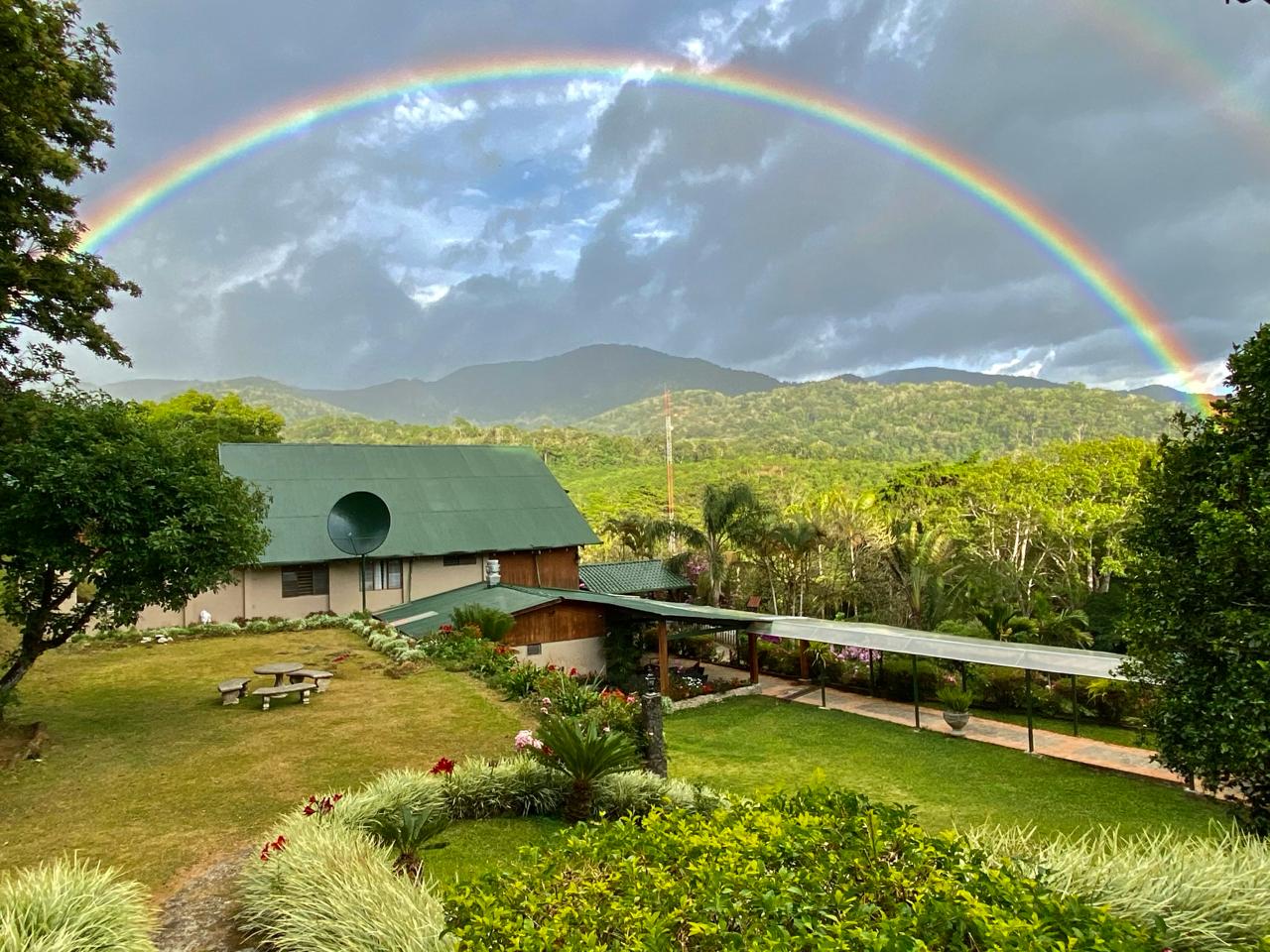
Starting in early 2024 we began rethinking all of our coffee labels. We approached the task region by region, with the blends and the single estates following a common design style. We saved this coffee for last, for no particular reason, but yesterday the rainbow over the farm was our signal that it was time to release the new label:

Hacienda La Amistad March 10, 2024

Thank you to the farm for the inspiration:

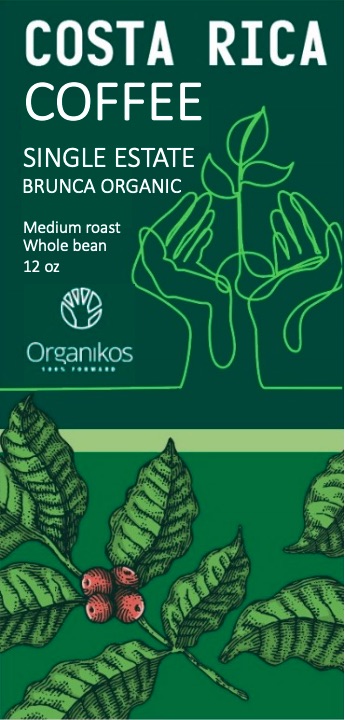
Amistad label, 2024

Walking, 1862

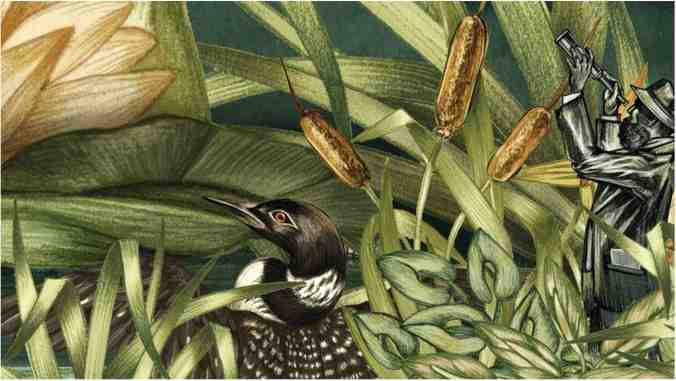
Lisel Ashlock

Thanks to The Atlantic for sharing its archival treasures, specifically this essay  by one of the writers we turn back to from time to time. Here is Henry David Thoreau in his own words from the June, 1862 issue of that magazine:

Walking

The writer extols the virtues of immersing oneself in nature and laments the inevitable encroachment of private ownership upon the wilderness.

Editor’s Note: Henry David Thoreau, the naturalist, philosopher, and author of such classics as Walden and “Civil Disobedience,” contributed a number of writings to The Atlantic in its early years. Continue reading

First Nations’ Food Sovereignty

Delphine Lee

Thanks to Mother Jones for this:

Tribal Nations Are Taking Back Their Food Systems

A new farm bill program aims to undo centuries of federal mismanagement.

The farm bill is one of the most important but least understood pieces of US legislation, and it’s overdue for renewal. Continue reading