Nature Needs More Good Ideas

5000d.jpg

There is no known vaccine against temptation to harness nature. There is not enough nature left on the planet to allow this temptation to spread. But bad ideas are infectious:

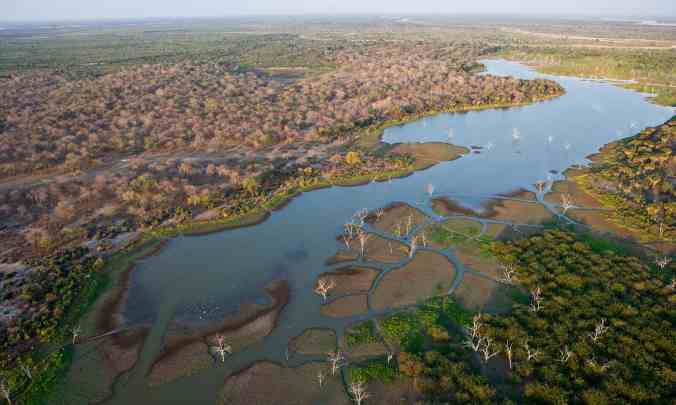
Tanzania presses on with hydroelectric dam on vast game reserve

Stiegler Gorge dam on the Selous park, a world heritage site listed as ‘in danger’, will cause irreversible damage, say conservationists Continue reading

The Greatest Idea, Dumbed Down

1800

The Majestic Yosemite Hotel in Yosemite National Park. The facility had to be rebranded after a private concessionaire trademarked the previous name and common phrases like “Yosemite National Park.” Photograph: Handout

We have seen this movie before. It does not end well:

As Trump moves to privatize America’s national parks, visitor costs may rise

Some are concerned that the proposed privatization of some public park services would drive up costs for visitors and fail to raise enough for repairs Continue reading

Mangrove Mathematics

Mangroves play an essential role in maintaining healthy life on earth, and we’ve been privileged to work in many locations where we’ve seen their impact on biodiversity levels first-hand, including India.

Frequently these ecosystems are under threat of habitat loss, whether for agricultural or land development. Thanks again to Anthropocene for adding up the facts in such clear terms.

Intact mangroves worth twice as much as rice paddies

Conservationists frequently say that ecosystems are worth more when they’re left untouched. But to whom? Local communities who could potentially farm the land might wonder, what’s the real benefit of leaving wild areas intact?

In the Bhitarkanika mangrove in Odisha, India, a group of Indian researchers grappling with this question have arrived at a surprising answer. By leaving the mangrove intact, they say, Bhitarkanika’s surrounding communities can in fact reap almost double the economic benefits they’d get from simply converting the mangrove to crops. Continue reading

Egg Evolution

lead_960 (9).jpg

Egg-scuse me?

Thanks as always to Ed Yong:

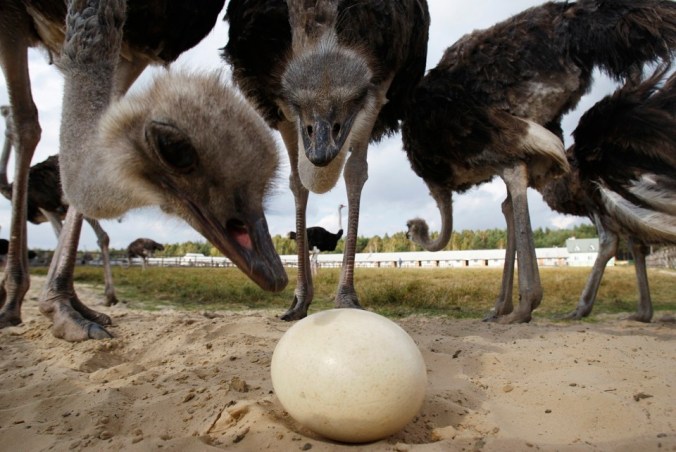
Why Are Bird Eggs Egg-Shaped? An Eggsplainer

A new study points to a surprising reason for the varied shape of bird eggs—and shows that most eggs aren’t actually egg-shaped. Continue reading

Moths, Inspiring Innovation

gettyimages-548205455_custom-1db34a79eea572396473d1ee197099398efc1c89-s1300-c85

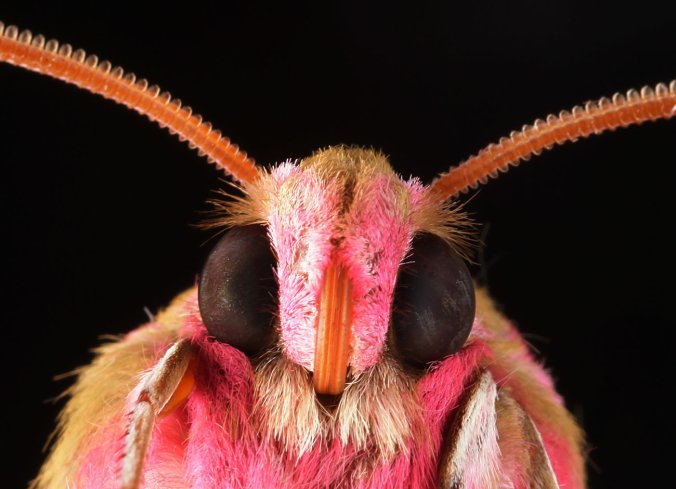
Deilephila elpenor, commonly called the elephant hawk-moth, has specialized eyes that don’t reflect light. Such moths inspired scientists to invent an anti-glare coating for smart screens. Ullstein Bild/Getty Images

We have lots of reasons to believe in biodiversity, and here is one more important case in point. Thanks to Madeline K. Sofia at National Public Radio (USA) for this:

If you’re standing in the blazing sun struggling to read this on your cellphone, there may be some relief in sight.

And you’ll have a moth to thank. Continue reading

Understand Amazon Before The Next Train Leaves The Station

21khan-master768

Oliver Munday

Mark Twain called it the Gilded Age. In his period there was plenty of reason to be concerned about monopoly powers, especially those of railroads. Echoes in the present day, of reasons to be concerned about the same, seem to be getting louder and clearer. We have shared concerns about Amazon in the past. Those were mostly little creepy concerns. But little creepy things sometimes grow big. Sometimes Amazon big. Thanks to Lina M. Khan, a legal fellow with the Open Markets Program at New America and the author of “Amazon’s Antitrust Paradox,” recently published by the Yale Law Journal. She has made clear, in a concise essay, exactly what we need to be concerned about with Amazon.

…For consumers, so far, Amazon has delivered many benefits. Its Prime program enables users to receive, through a click, almost any item within two days. But for producers — those who make and create things — Amazon’s dominance poses immense risks. Continue reading

The Sun Over Africa Is Powerful

170626_r30168_rd.jpg

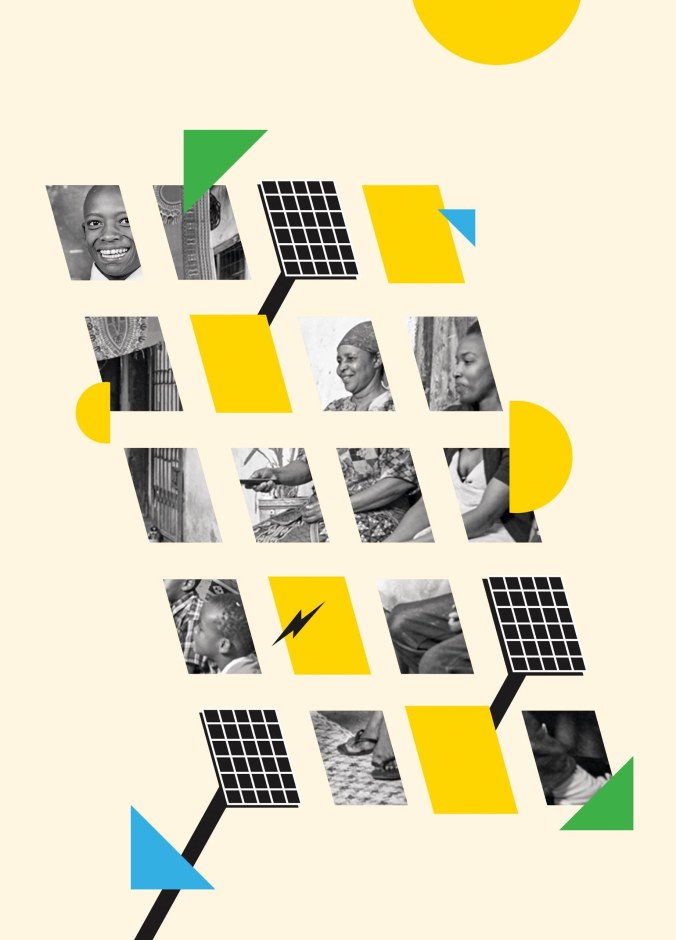
In eighteen months, entrepreneurs brought electricity to hundreds of thousands of people in places that the grid failed to reach. Illustration by Oliver Munday / Photographs courtesy Mathieu Young / Off-Grid Electric

The author has been featured in our pages mainly as an activist, but it is good to see he has returned to the New Yorker as a reporter, writer, and keen observer:

The Race to Solar-Power Africa

American startups are competing to bring electricity to communities that remain off the grid.

By Bill McKibben

The cacao-farming community of Daban, in Ghana, is seven degrees north of the equator, and it’s always hot. In May, I met with several elders there to talk about the electricity that had come to the town a few months earlier, when an American startup installed a solar microgrid nearby. Continue reading

Investigator Of The Abyss

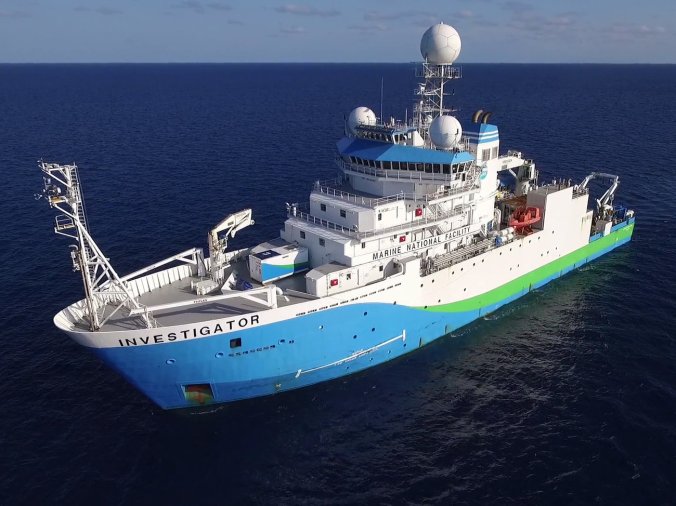
csiro-blue-water-research-vessel-investigator_image-csiro-marine-national-facility-84122ca6688b9466b61bb23f977447c7262cdf3d-s1300-c85.jpg

Courtesy of Museums Victoria / CSIRO

Thanks to National Public Radio (USA) and Kat Lonsdorf for a brief look into the deep work of Tim O’Hara:

Explorers Probing Deep Sea Abyss Off Australia’s Coast Find Living Wonders

Far below the surface of the ocean, off the coast of eastern Australia is an area simply known as “the abyss.” The largest and deepest habitat on the planet, the abyssal zone stretches well beyond Australia’s waters and spans half the world’s oceans — but it remains largely unexplored. Continue reading

Ring of Fire

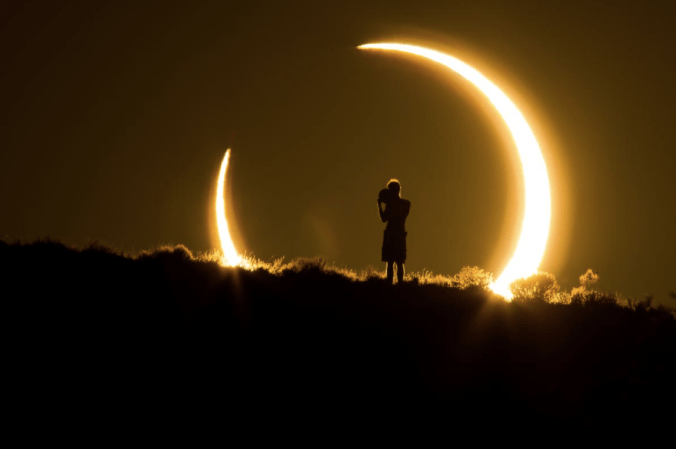
An onlooker watches an annular solar eclipse from New Mexico.

For the past few years it seems that August is the month to amaze and astonish on the astronomical front. Although the Perseid Meteor Shower happens annually, last year there were an unusually high number of meteor “outbursts” because Jupiter’s gravity has tugged some streams of comet material closer to Earth.

While solar eclipses aren’t technically rare, an annular solar eclipse is more so, when the moon is too far from Earth to obscure the sun completely, leaving the sun’s edges exposed and producing the ‘ring of fire’ effect. What’s particularly special about the upcoming August 21st eclipse is the path from which it can be viewed.

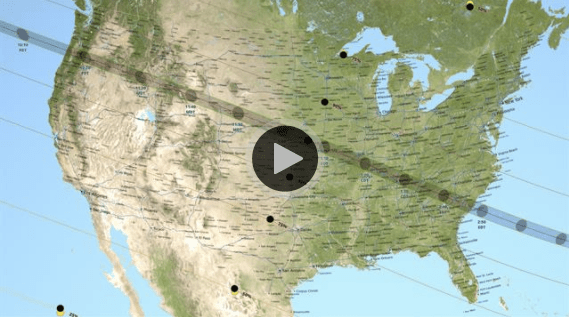
The August eclipse will be the first to go coast to coast across the U.S. since 1918, offering viewing opportunities for millions of people.

Sky-watchers across the United States are gearing up for the best cosmic spectacle in nearly a century, when a total solar eclipse will race over the entire country for the first time since 1918. On August 21, tens of millions of lucky people will be able to watch the moon completely cover the sun and turn day into night for a few fleeting minutes.

The main event will be visible from a relatively narrow path, starting in Oregon and ending in South Carolina. In between, the total eclipse will cross multiple cities in 12 states, prompting plans for countless watch parties, cosmic-themed tours, and scientific observations. (Also see “100 Years of Eclipse-Chasing Revealed in Quirky Pictures.”)

Click on the image above to FOLLOW THE ECLIPSE ON ITS COAST-TO-COAST TOUR

Continue reading

Model Mad, Masterpiece

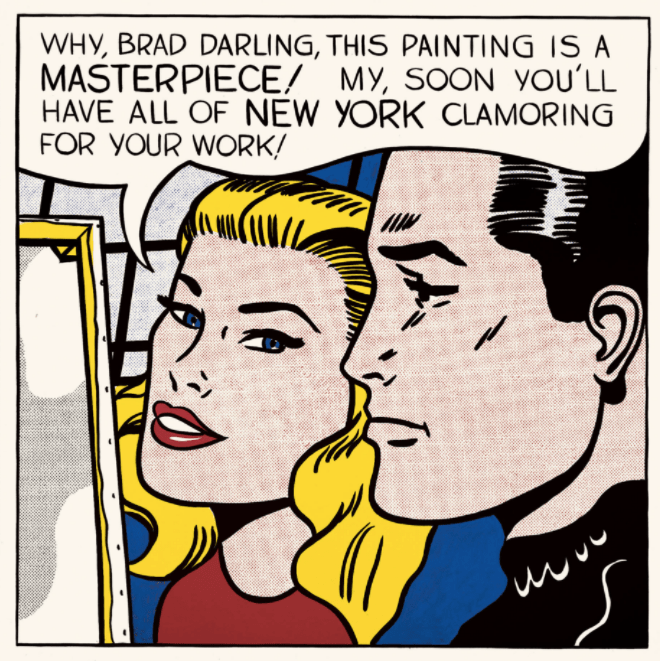
Roy Lichtenstein’s “Masterpiece” (1962). Credit Estate of Roy Lichtenstein.

This isn’t the first time our Model Mad series has intersected with the Art World, but it may be the first for leveraging Art into action for social justice.  Channeling Pop Art speech bubbles we have to say, “You Go, Girl!”

Agnes Gund Sells a Lichtenstein to Start Criminal Justice Fund

In January, rumors swirled that the art collector and patron Agnes Gund had sold her prized 1962 Roy Lichtenstein “Masterpiece” for a whopping $150 million, placing it among the 15 highest known prices ever paid for an artwork.

Ms. Gund is confirming that sale now, revealing that she parted with the painting (for what was actually $165 million, including fees) for a specific purpose: to create a fund that supports criminal justice reform and seeks to reduce mass incarceration in the United States.

This new Art for Justice Fund — to be announced Monday at the Museum of Modern Art, where Ms. Gund is president emerita — will start with $100 million of the proceeds from the Lichtenstein (which was sold to the collector Steven A. Cohen through Acquavella Gallery).

“This is one thing I can do before I die,” Ms. Gund, 78, said in an interview at her Upper East Side apartment, where the Lichtenstein used to hang over the mantel, along with works by Jasper Johns and Mark Rothko. “This is what I need to do.” Continue reading

A Food Writer & The Shock Of The New

13-apple.w512.h600.2x.jpg

Food has recently returned to the center of our attention, and in the outback of Belize we have had some lovely surprises. An unexpected essay, from one of the food world’s most prominent writers, gives another view altogether from the USA:

The New Foodieism

To care about food now is to care about the future of this country.

By Mark Bittman

Like many of us, I spent the winter muddling through a mental miasma, pondering the meaning of life and democracy. I did, of course, think about “food” — how it’s produced, marketed, discussed, consumed, and so on — during my self-imposed hiatus from near-constant writing, which began more than 18 months ago. Continue reading

Nature Photographers Make Our Lives Richer

Canby-A-Wild-Life-6.jpg

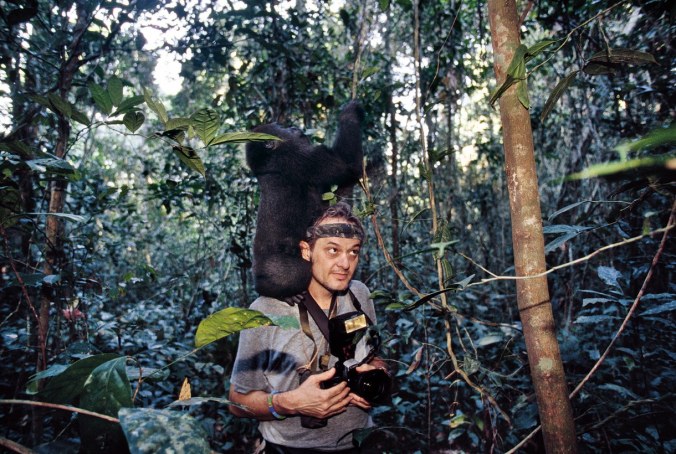
Michael Nichols with an orphaned gorilla, Gabon, 1999. PHOTOGRAPH BY STEVE GULLICK

 Thanks to the New Yorker for this review, reminding us of what lengths photographers go to in order for us to have a closer look at wildlife than we ever would otherwise:

Nick Nichols’s Arresting Intimacy with the Wild World

By Peter Canby

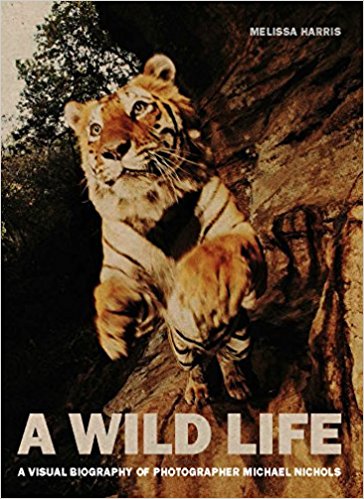
71VOnwn5vML.jpgThe work of the wildlife photographer Michael (Nick) Nichols is widely admired for the intimacy he achieves with his animal subjects—an intimacy that allows the subjects to become wild individuals rather than generic wildlife. As Melissa Harris, the author of “A Wild Life: A Visual Biography of Photographer Michael Nichols,” puts it in her book, “Nichols intently focuses on specific characters and always there’s a sense of parity with himself.” Continue reading

Italian Curiosities In Lovely Cabinets

18LIBRARIESA-jumbo-v2.jpg

The Biblioteca Angelica in Rome holds the first volume of Cicero’s “De Oratore” that was printed in Italy, in 1465, and a precious early edition of Dante’s “Divine Comedy.” Credit Susan Wright for The New York Times

Collaborating In Nepal For Wildlife

Thanks to EcoWatch for bringing this to our attention:

This fall, rangers protecting rhinos, tigers and other endangered wildlife in Nepal’s famous Chitwan National Park will get a solar system that powers one of their isolated stations deep in the jungle. At the same time, local women will get the training and tools they need to sell low-cost clean energy technologies to people living in the buffer zone that surrounds the park. Continue reading

Thanks Again, China

Canby-China-Closing-Ivory-Trade-1-1-800

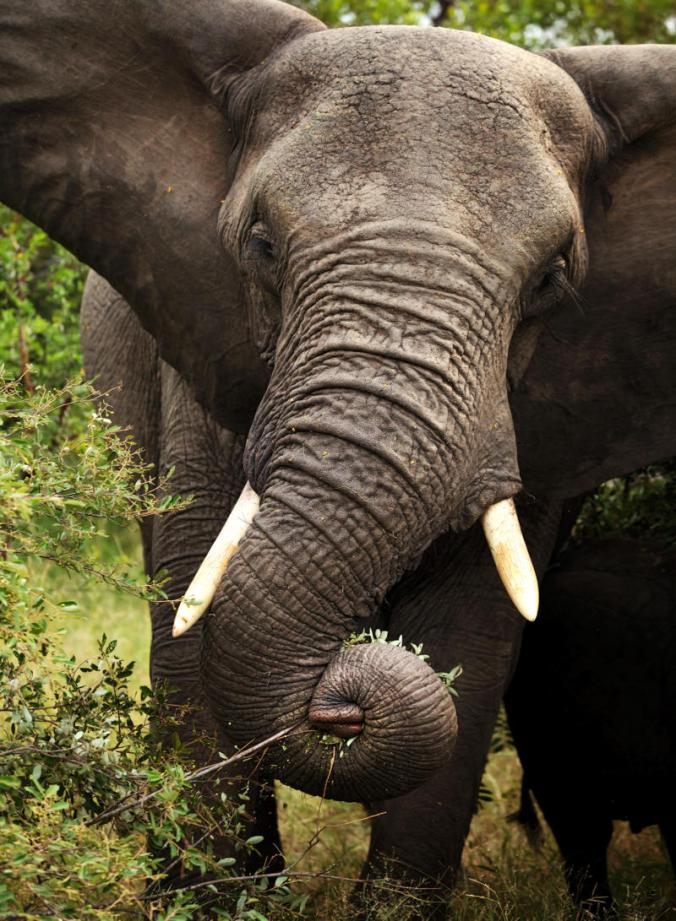
It is always worth celebrating when China takes action against elephant poaching. Let’s hope one or more of these numerous actions has an impact. We are happy to read this news, and the hope trudges on:

On the last day of March, the State Forestry Administration, the Chinese agency that monitors the trade in elephant ivory, closed sixty-seven ivory factories and retail outlets across the country. Continue reading

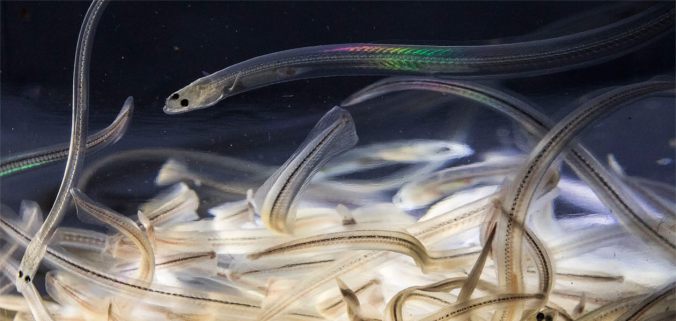
Illicit Eel

01.-Slider-Eel.jpg

The movement of wild animals, a topic we have covered in these pages dozens of times already, never stops providing surprises; thanks to the FERN for the story on this one:

Inside the multimillion-dollar world of eel trafficking

Agents with the U.S. government’s ‘Operation Broken Glass’ have nabbed more than a dozen men for smuggling valuable baby eels to Asia Continue reading

Rabbit Returning

Released_NEC_TomBarnes_USFWS1-1260x708.jpg

Zoo-bred New England cottontail being released. Photo © Tom Barnes / USFWS

Thanks to Ted Williams at Cool Green Science for this story:

Recovery: Second Chance for Yankee Cottontails

Stunned but delighted is how Dr. Robert McDowell, Director of Wildlife at the University of Connecticut, sounded when I arrived at his office to learn about New England cottontail rabbits.

Finally someone other than himself was interested in these vanishing natives. We pored over skulls and skins and vainly patrolled early successional woods for live specimens. McDowell seethed about the mindset of state fish and game bureaucrats: we can’t waste time on a few native rabbits when we have so many look-a-like non-natives and when license buyers want more pheasants, ducks and deer. Continue reading

An Alternate Model For Books

Piazza-A-CSA-For-Books-1-1200.jpg

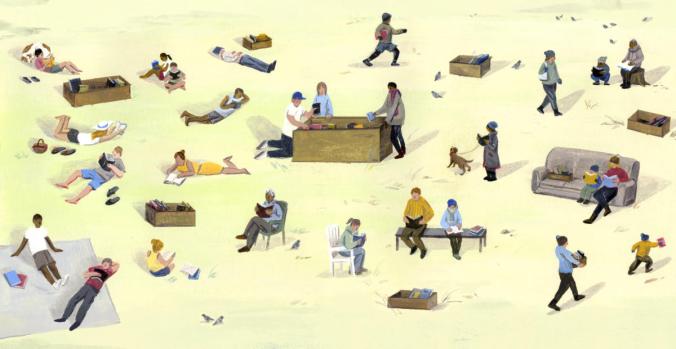
When Samantha Haskell took over a bookstore in Maine, she looked to local farms, and “community-supported agriculture,” for commercial inspiration.ILLUSTRATION BY SALLY DENG

Combining some of our favorite topics, including agriculture and books and transferable models of agriculture, our thanks to Adrea Piazza for A C.S.A. FOR BOOKS:

Mariah Hughs and her husband, Nick Sichterman, founded Blue Hill Books in 1986. It sits on Pleasant Street, in Blue Hill, Maine, a coastal town with a population that swells during the warmer months and thins out again each winter, reduced to its cast of fewer than three thousand year-round residents. This past winter, in the midst of that slow season, Hughs and Sichterman retired, leaving the bookstore in the hands of Samantha Haskell, who had been their full-time employee since 2010. Haskell had working capital to survive the first year, but, in order to maintain the breadth of the store’s inventory, she needed to raise additional funds. Rather than compromise the shelves, she looked to local farms for inspiration, devising a plan modelled after “community-supported agriculture,” commonly referred to by its initials, C.S.A. Blue Hill Books would become a community-supported bookseller: a C.S.B. Continue reading

Smith Island’s Odd, Earned Confidence

170522_Smith Island selects-018.jpg

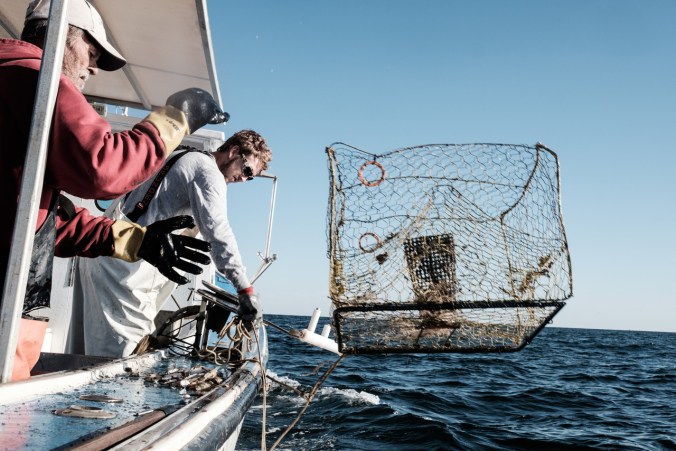
Tyler G. Tyler, right, pulls crab pots at the start of blue crab season. ALL PHOTOS AND VIDEO: ROB KUNZIG

Not worried about the future that climate change has in store for us? Does not sound too cool, or smart. But then, hmmm. Maybe these folks are on to something. Thanks to Atlas Obscura:

Maryland’s Smith Island, Home to a Vanishing Dialect and Rising Sea Levels

Despite climate scientists’ predictions, the laid-back inhabitants aren’t too concerned. Continue reading

Diversifying & Betting The Farm

060617_COSTCO_Corn_2.jpg

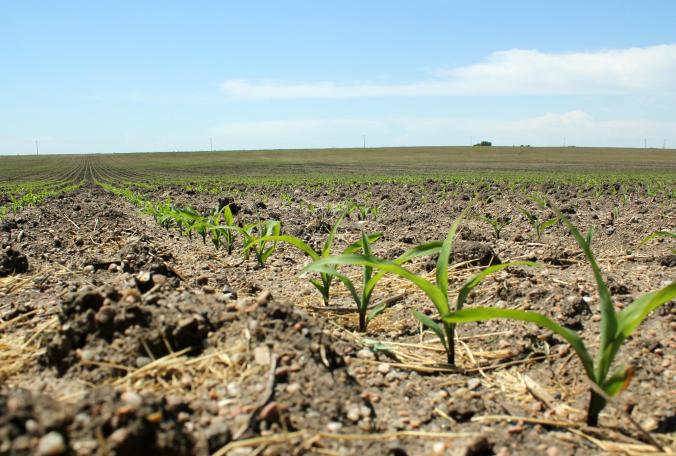
Mueller plans to build his chicken barns in the corner of this corn field just south of his home. His barns would house “breeders,” the hens that lay the eggs that will hatch to be raised for meat. Credit Grant Gerlock / Harvest Public Media

Thanks to Harvest Public Media for this story on diversification that some farms take on in order to take advantage of growing demand, and open space:

The Gamble Of The Farmers That Raise Our Chicken

Tim Mueller has raised corn and soybeans on 530 acres near the city of Columbus, Nebraska, for decades, but today he is planning to take a big gamble.

The big box retailer Costco is building a new chicken processing plant in Fremont, about an hour from Mueller’s farm. The company plans for the plant to slaughter 2 million birds per week. To raise all those chickens, the company is recruiting about 120 farmers to sign on as contract poultry farmers.

Mueller wants in. But to do that, he plans to take out a massive $2 million loan to finance the construction of four chicken barns. Continue reading