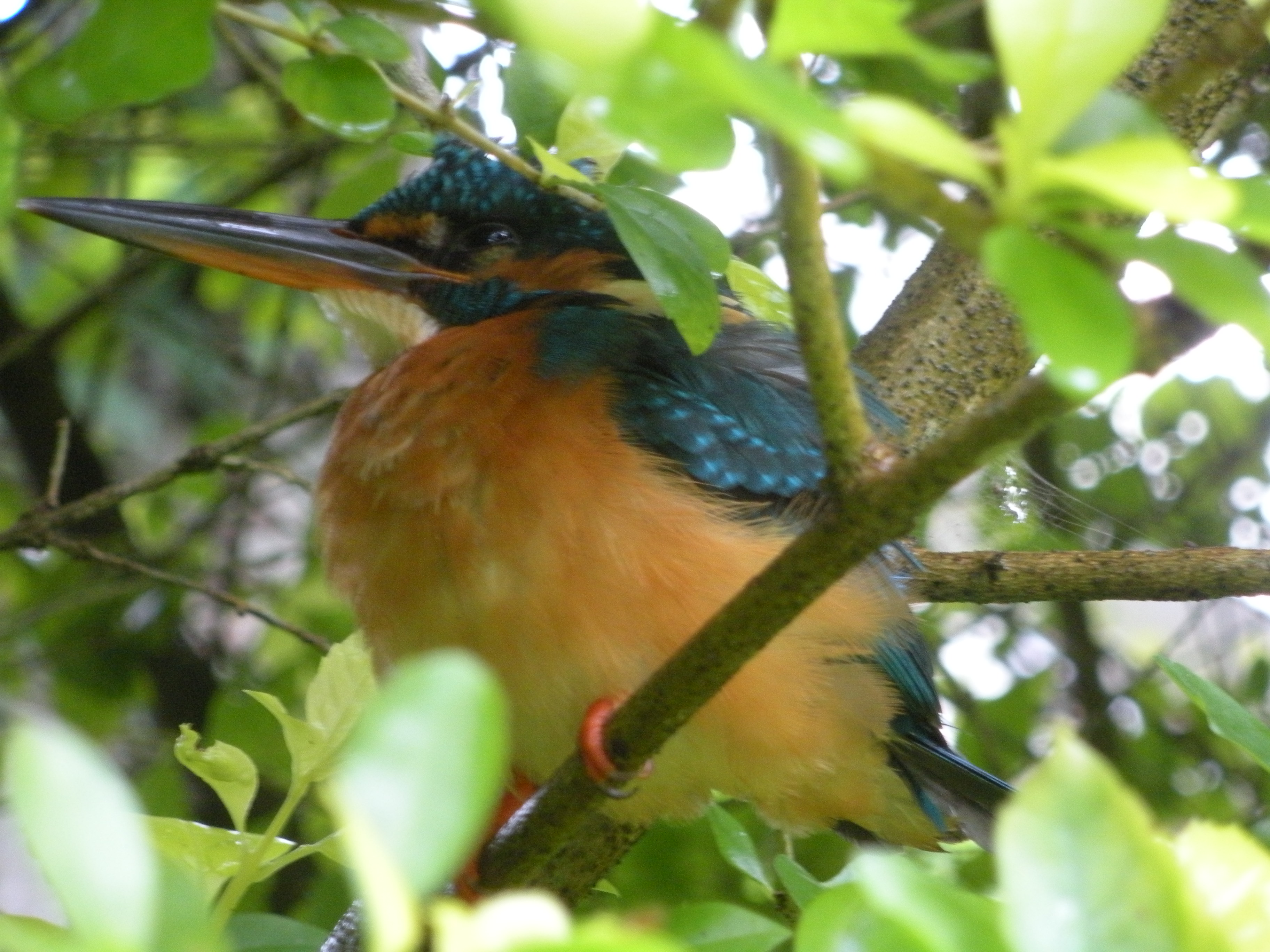
Bird of the Day: Black Phoebe (Rancho Mirage, CA)


Here in the desert, where rainfall is relatively low and where people take great pride in the aesthetic of their surroundings, landscaping is an issue with a great environmental impact. From water use and runoff to soil quality and wildlife interaction, landscaping decisions can turn a piece of property into a detriment to the environment, or they can turn it into a sustained celebration of its environment.

Crown of Thorns plant is a drought tolerant plant, great for landscaping in the desert of the Coachella Valley
Very recently, I attended a sustainable landscaping design workshop in San Diego held by Southwest Boulder and Stone and conducted by Morgan Vondrak of Argia Designs. These companies specialize in the landscaping needs of Southern California and are mindful of the environmental needs involved in such a specialty. Ms. Vondrak shared ten useful and beneficial tips with the attendees, all of whom had a personal interest in sustainable gardening. Here are some of the important things I learned… Continue reading

I went birding yesterday. For a rookie like me, that means taking a walk somewhere scenic with my camera, aiming and shooting (the lens) at birds, hoping my amateur work churns out something recognizable, then researching and identifying the species.
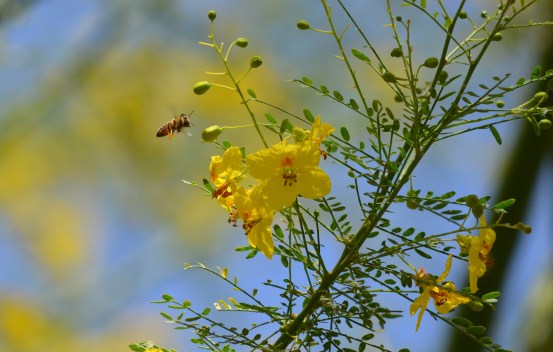
Bee in action on Palo Verde tree
As I moved along from tree to tree and bush to bush, detecting movements and sounds, I felt myself identifying a couple of birds by their calls, and hunting them out in that way. Suddenly it felt as if the volume was turned up – I tuned into the busy conversation that was going on above my head. Continue reading


Man is a complicated creature. We learn this in our liberal arts education programs. We learn it in our days of being ourselves and of imaging what it’s like to be someone else. He has seasons like his mother Earth. Some are restful, others treacherous, and some are fruitful as the spring.
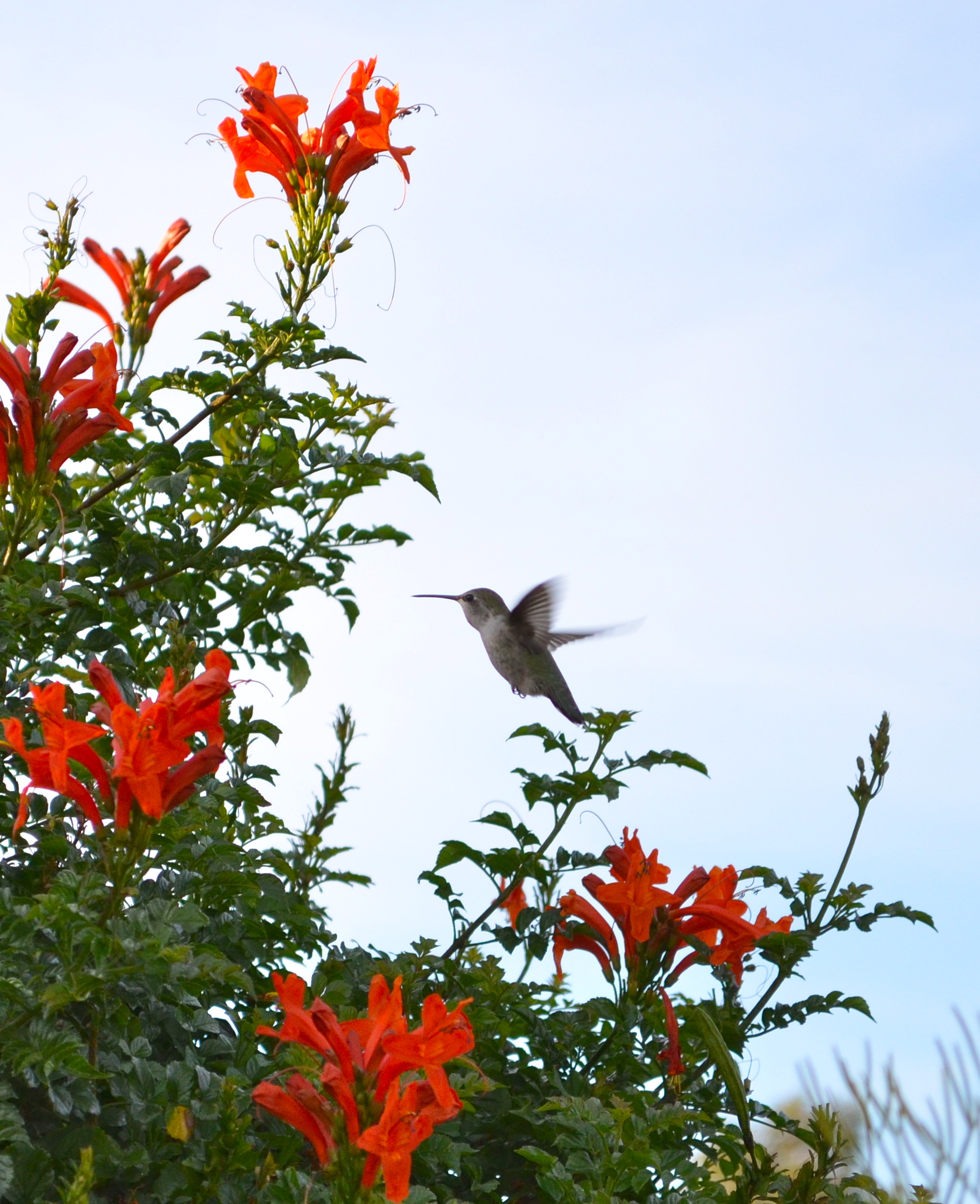
Cape Honeysuckle provides nectar for the hummingbirds
We have yet to “re-understand” how sensitive we are to the winds of change, how linked we are to the ground we stand upon.
Having posted an item or two in the past about food, I am newly inspired to indulge my interest; inspired by a recent visit to Portland, Oregon. It was my first time to this city, a city that seemed to care more about its food than any other city I’d been to. (A bold statement I qualify with the varied ways in which a people can “care” about its food.)
 Good food is a social backbone of many a metropolis.
They cultivate their gardens of superstar restaurants, or food trucks, whatever the case may be. The big and advanced cities have their bevies of bloggers and critics, evaluating the experience that comes with each bite. Each person I’ve met in each town I’ve been to, no doubt, cares to a certain extent about their food, but only in Portland did I feel the caring resemble something like the way a person cares about family. Like a pet-owner, plant-keeper, or passionate professional, the people of Portland appeared to feel invested in their food as an essential way of being good not only to themselves, but to some “other.” Continue reading
There’s the Myers-Briggs test, the Jungian archetypes, the Japanese with their blood types and the astrologically inclined with their zodiac signs. These are all ways of putting people into classifications of one kind or another, to see which boxes they check and use this as a means of understanding their personalities. These taxonomies are useful for some in their attempts to easily judge books by their covers (or perhaps by their tables of contents). But I’ve got a new one: the buffet approach – comparably empirical but a lot more fun!
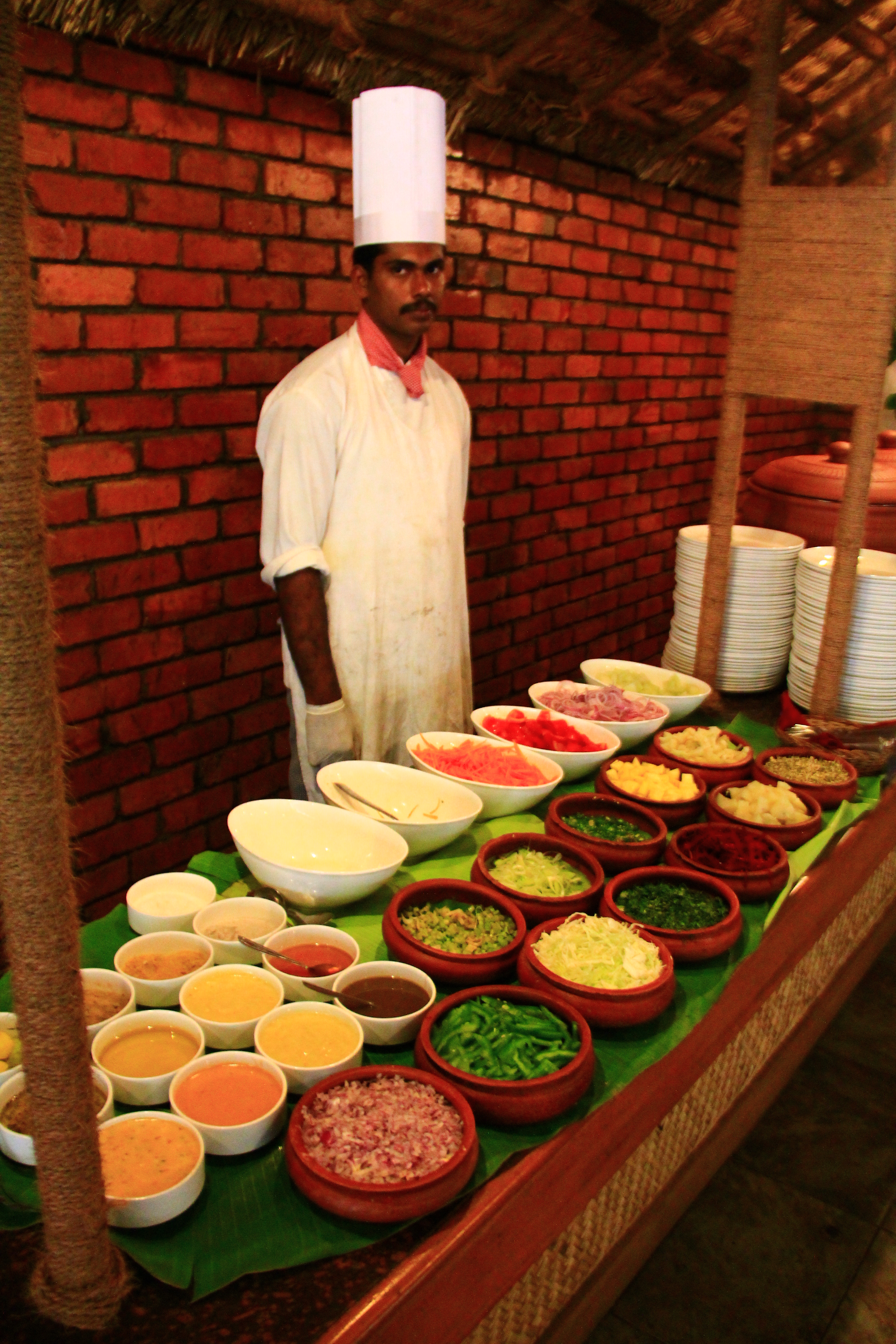 When you’re at a buffet, do you take a little of everything for the first round, then go back for bigger helpings of the dishes you liked best? Or do you browse at first, automatically writing off the red stuff for its overt similarity to a vegan rump roast and skipping the crunchy stuff for its unrecognizable position on the food chain? Or do you phase through it, bit by bit, going back for the things you’ve not yet tried? In my highly rudimentary and anthropologically unqualified analysis, I’d be willing to take your “buffet approach” as a proxy for your “approach to life.”
There are the grazers, particular and self assured. Then there are the nibblers, shy, disciplined and unimposing. And at the other extreme you have the all-out face-stuffers, decadent adventurists for whom a plate’s inadequacy of surface area is just another reminder of the fact that there aren’t enough hours in a day. Of course there would be the combo personalities, like the high-piling sharers, ambitious enough to stack up the sweets yet self-restrained and manipulative enough to make their partner eat the rest. Or the serial nibblers, philosophically conservative yet constitutionally indulgent. I’m telling you, this could be the new Rorschach test. Continue reading
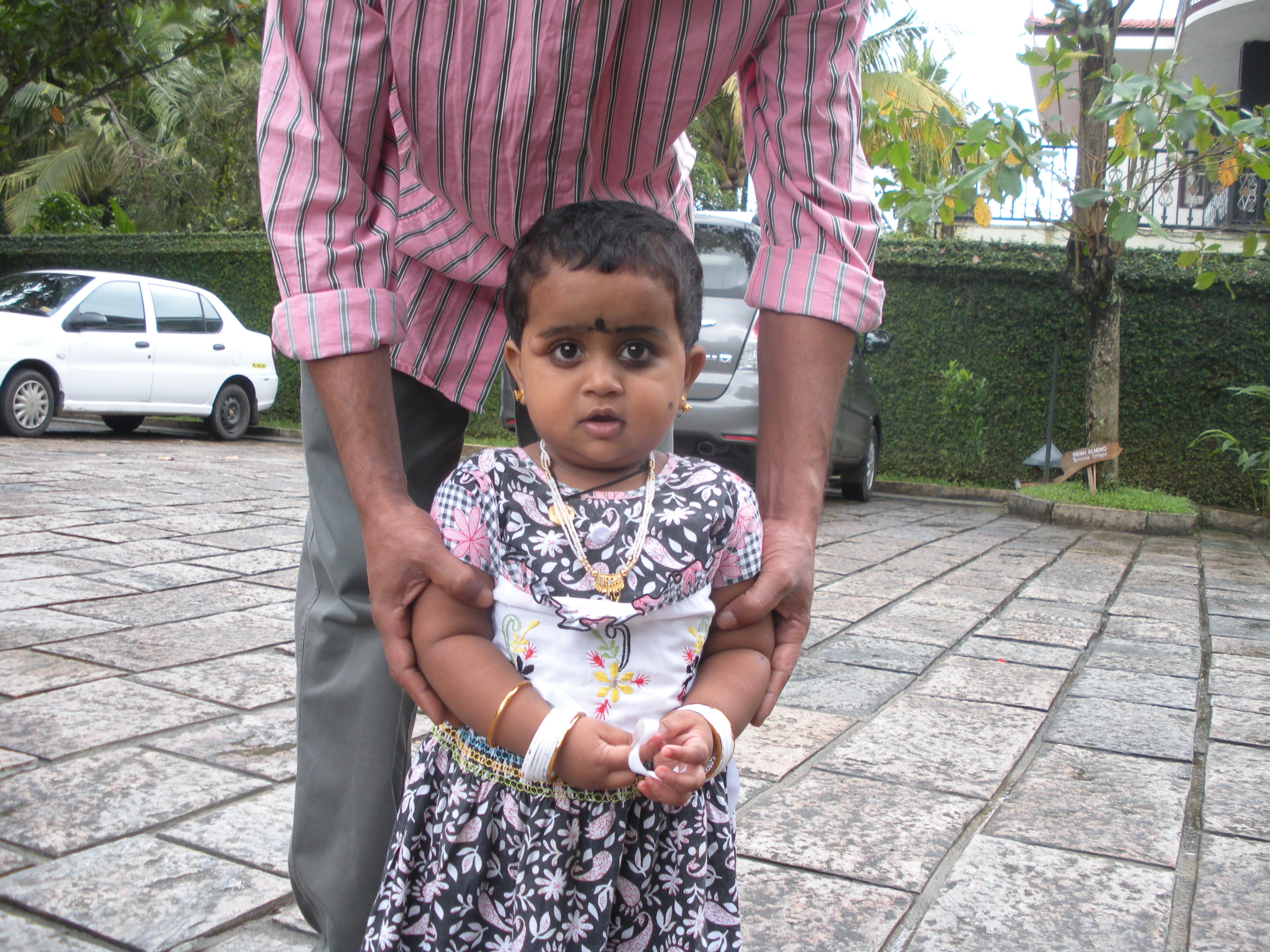
The energy was different at Cardamom County today. The delighted squeals of children replaced the semi-usual morning chatter of monkeys outside my room. Infants, toddlers and their pre-teen brothers and sisters outnumbered the adults at the buffet line at least 2:1. The splashes in the pool were made not by raindrops but by curious children, the plasticky click of ping-pong balls filled the recreation area, and each unexplored nook of the property made a perfect hiding place for games of hide-and-seek. It’s a virtual summer camp around here! Parents followed their young ones, not even feigning a chase, patiently flicking their billowing saris over their shoulders. I felt like I was reliving family field day at my primary school all over again, but in an alternate cultural and physical context. Continue reading
BAM! The usual silence of the internet café at Cardamom County is suddenly and startlingly broken as one of its large windows deflects a wayward bird. The bird, a kingfisher with feathers as vibrantly colorful as nature allows, lay still in the bush, ostensibly lifeless.
This is how my morning started, but thankfully, not how it ended. I quickly ran next door to the gift shop seeking help from Manoj, guest relations executive, thinking that he might know what to do. We approached the bush to find the bird still breathing. Manoj tugged at it gently, expecting to extract a paralyzed, fading animal. Then, with the same unexpected abruptness that it collided with the windowpane, it fluttered and flew away, as if all it needed was to be untangled from the branches it landed in. The kingfisher, disoriented, had another less than graceful clash, this time with the bushes that line the pool. Fearing again the worst, I approached, and it took flight again, finally landing as intended, perched on the branch of another of the poolside shrubs. It was stunned. As it took its time recollecting itself, I ran and got my camera to snap these photos.
As promised in yesterday’s post, here are some photos and video of the lion-tailed macaque. (Thanks to Sung).
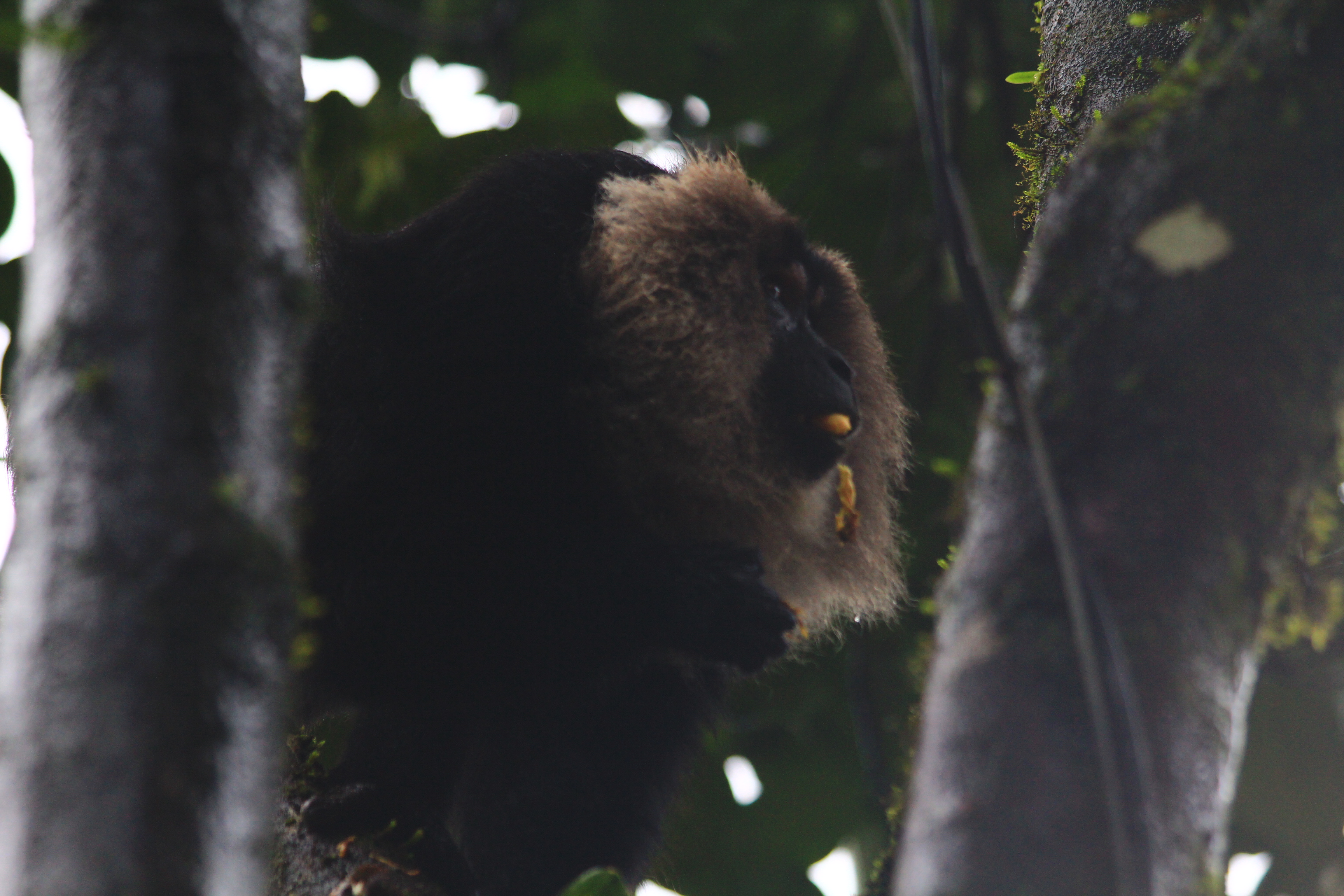
Around Cardamom County, we’re used to seeing bonnet macaques, those overly friendly little grayish-brown rascals that scurry about causing the cute kinds of mischief that might be typical of a cartoon character. More recently, we’ve been visited almost daily by small troops of nilgiri langurs, endangered primates with a little less personality and a bit more intimidation factor. Having grown relatively familiar with these two species, I’d thought I’d seen all the monkeys that the Periyar had to offer. How naïve of me…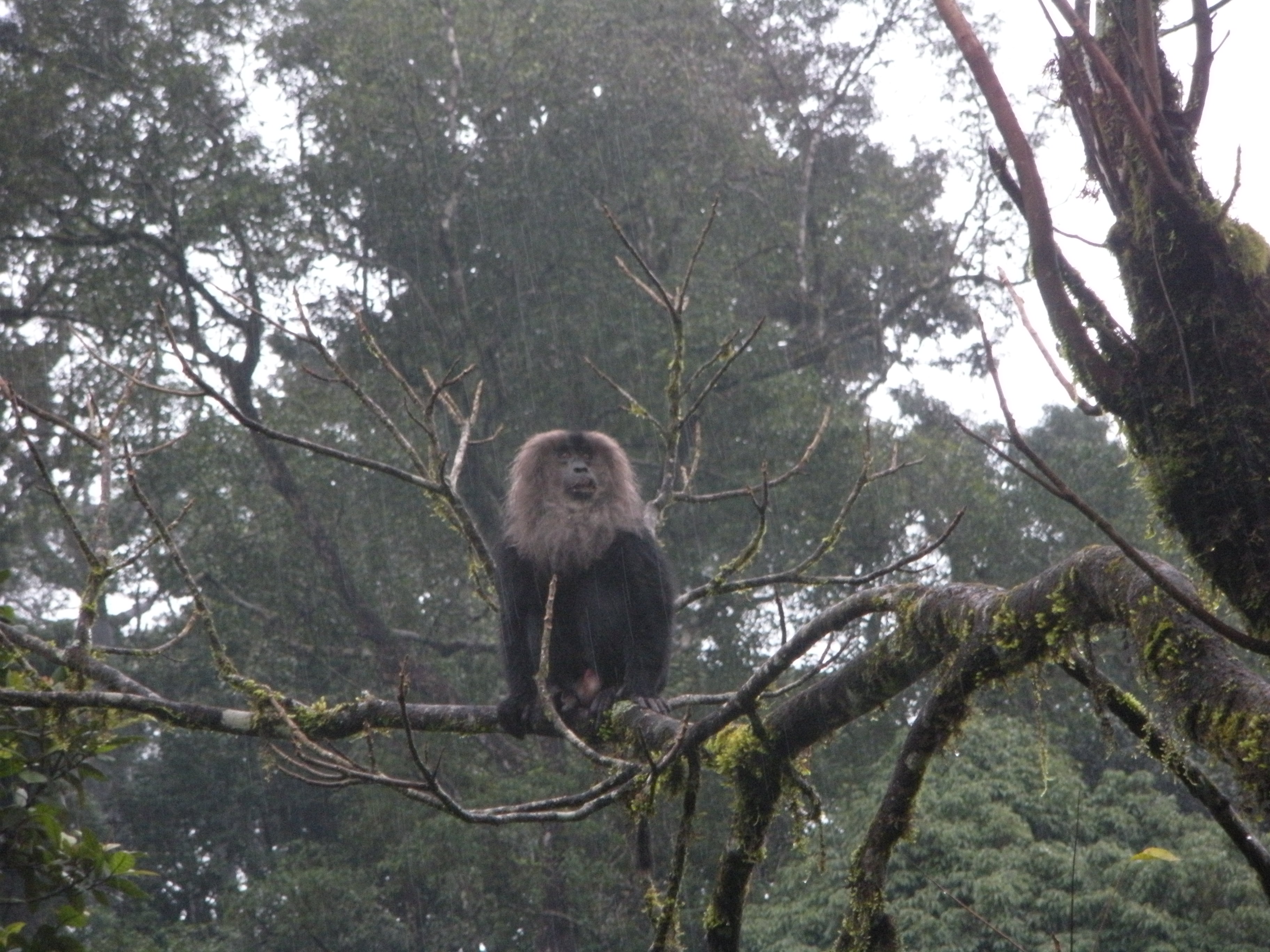
Allow me to introduce to you, the lion-tailed macaque.

Many major hotel firms with an international presence put a heavy emphasis on global standards of service, operations, amenities and rooms. Combined with product branding, what often results is a relatively indistinguishable hotel experience, instigating a sort of déjà vu effect in anyone who has seen enough of them. Globe-trotting business people find themselves waking up in a hotel room in London that is identical to last week’s hotel room in New York and eerily similar to last month’s hotel room in Buenos Aires. For those with enough experience in these big-box hotels, they all start to blend together, and even the feng shui starts to flow in the same rhombic way. My tone here might sound like one of aversion to this homogeneity, but it’s only out of preference for a different approach. The emphasis on standards is of course reasonable and has its benefits: guests are not thrown by inconsistencies; their comforts and preferences are reliably tended to; hospitality organizations can streamline project development and design. But an alternative approach, favored by travelers who seek to connect authentically with their destinations, is a tip of the hat to the immediate surroundings; a fusion of the salient hospitality experience with the more ethereal cultural and environmental elements of the host locale. Continue reading
Today we had a visit from a very important contributor, Mr. Vijaykumar Thondaman, the generous gentleman whose remarkable photography skills and passion for wildlife have furnished us with the ever-popular “Bird of the Day” series.
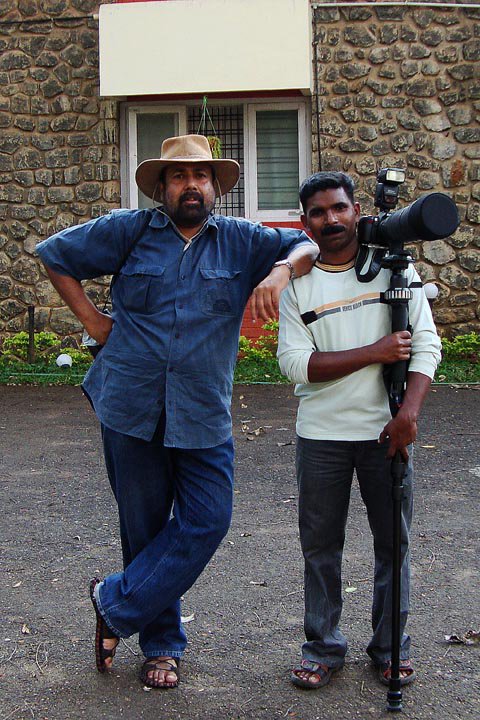
We forgot to snap a photo so we stole this one of Mr. Thondaman (left) with assistant Jayan
Sipping tea and chatting with Vijaykumar was not only an honor (in addition to being an accomplished wildlife photographer and naturalist, he is the nephew of the Late His Highness Raja Rajagopala Thondaman, the ninth and last ruler of the erstwhile Pudukottai State), but it was also an educational exploration of the feathered fauna of southern India. With a palpable passion for the subject, his ornithological knowledge is the consequence of a unique upbringing, as his father, Maharajkumar Radhakrishna Thondaman, maintained a mini zoo with blackbuck, sambar, chital, barking deer, four-horned antelope, foxes, crocodiles, pythons and wild and imported birds. More specific than his father’s captive collection was his small ornithological museum where Vijaykumar learned taxidermy at a young age. Vijaykumar grew up in the 100-acre campus of the New-Palace (the present Collectorate), which had a collection of rare trees and shrubs and wildly roaming peacocks, rabbits, partridges, quails, blackbucks and chitals, none of which exist there anymore. His love affair with wild-life, however, has been an indelible part of his life ever since. Continue reading
 It’s said that about 70% of communication is nonverbal. However in the case of Kathakali, which has its own stylized language of dramatic movements, stories – epic classics even – can be 100% told without uttering a single word. Next door to the Kalari Centre where Sung and I witnessed the impressive show of Kalari Payattu, is the Mudra Centre for Kathakali: yet another cultural spectacle that originated in the southern Indian state of Kerala. Continue reading
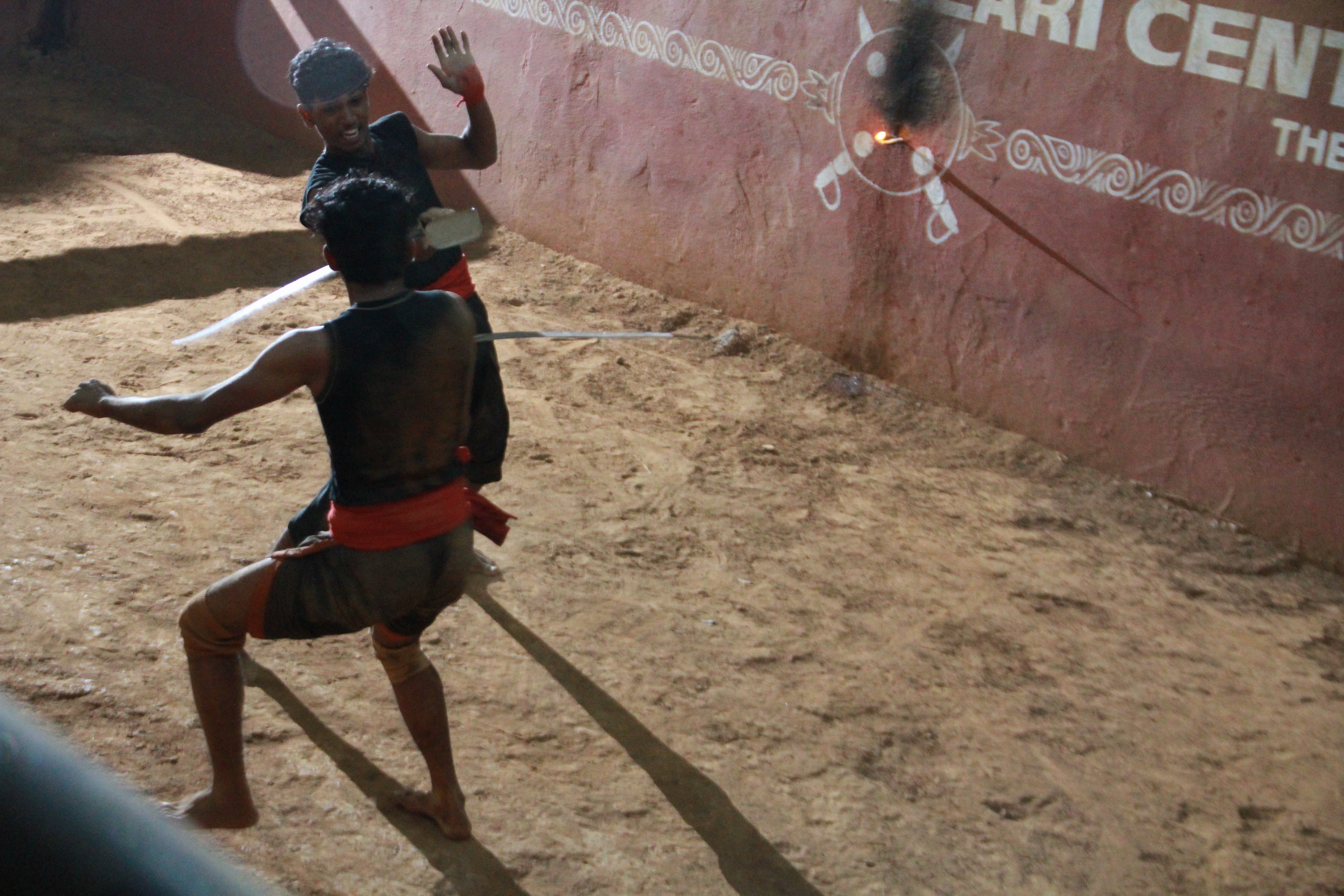 You may have heard the common expressions, ‘jumping through hoops’ or ‘bending over backwards’ to describe an act, done for someone else, which is in some way a difficult challenge. I’m now willing to venture a guess that these phrases originated from the practitioners of kalari payattu – an ancient martial art native to Kerala – who literally do both of these things as devotional acts and for the love of their art. Continue reading
I only went out for a walk and finally concluded to stay out till sundown, for going out, I found, was really going in. -John Muir, 1913
A trek into a tiger reserve might most readily evoke ideas of adventure and intrepid exploration. Bamboo rafting suggests a similar air of gallant expedition in an untamed wilderness. But when asked about my experience on the bamboo rafting and trekking tour through the Periyar Tiger Reserve, ‘peaceful’ was the word that came to mind. While all those notions of rough and rugged adventure are accurate, ‘peaceful’ is the expression that best describes that day, as well as the feeling I get when reflecting upon it.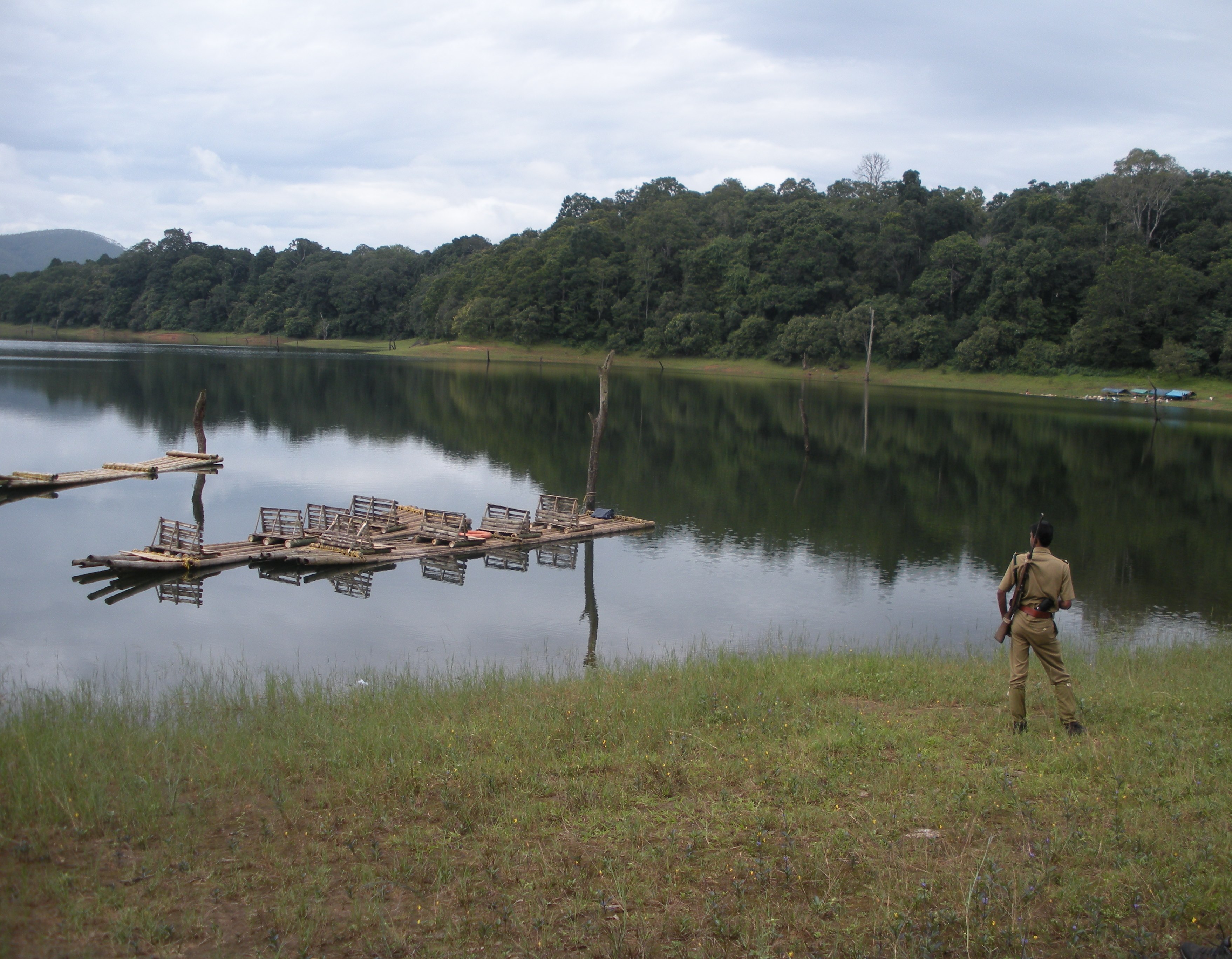

 Organikos