Capturing Falling Waters

During my recent trip to Chikmagalur, I visited this small waterfall in Jerry estate which offered a good opportunity to try out various compositions. Unfortunately I wasn’t carrying my vario ND filter so couldn’t get a slower shutter speed than this, but since I’ll be going back there in December I’ll know to be better prepared.

In many circumstances people say that “location is everything”, and that definitely was the case with this waterfall. The maximum depth of the pool at it’s base was probably 2 ft, so we could walk around and check various angles to shoot from with very little risk. The fact that there was no heavy current allowed us to easily stand in the flowing water to get low-level shots. Continue reading

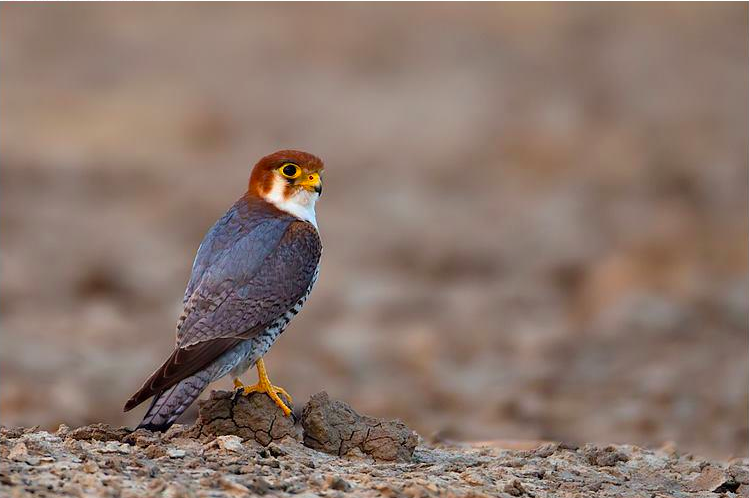
The Golden Light of Kutch

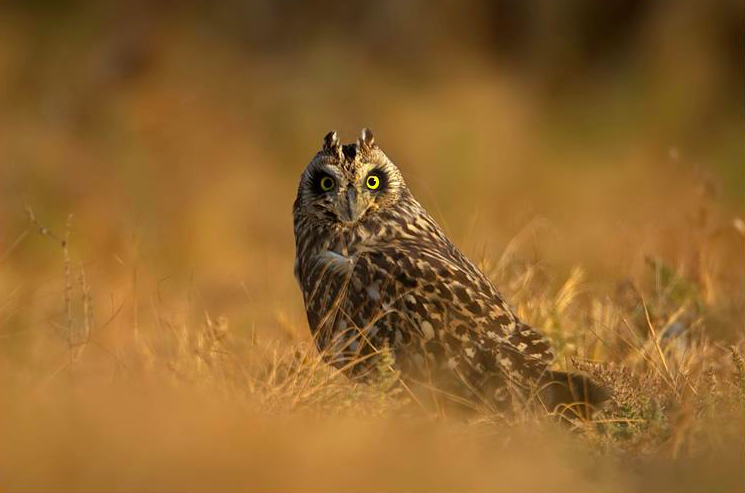
The Short-Eared Owl is another amazing bird found in the deserts of Kutch. The bird is generally very shy, but can be cooperative depending on how you approach it. Understanding the natural history of your subjects is a major factor for making good wildlife images. If you are on your own it’s very difficult to find these birds. Like a lot of birds and animals, these owls are also territorial and the local guide/expert knows their roosting places and can guide you to them. Continue reading

Imagine Before You Click

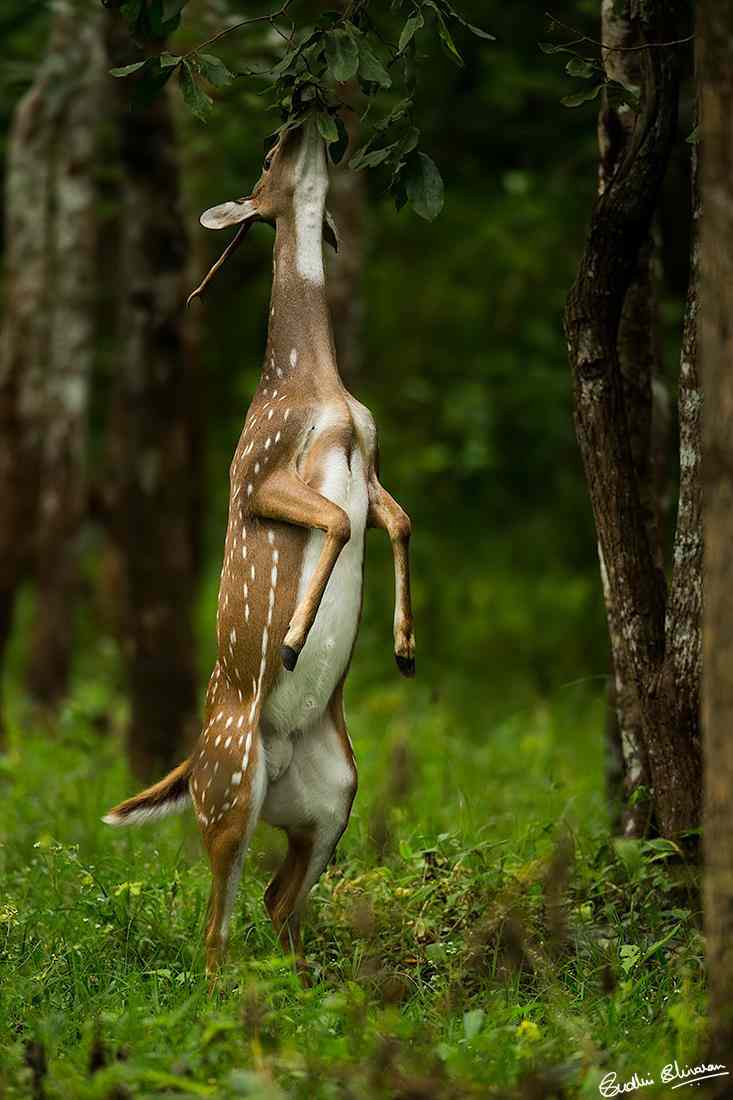
In wildlife photography good images are made by combining “previsualization” with a clear understanding of your subject’s behaviour.

Consider this Spotted Deer image as a simple example. It is a well-known behaviour of the spotted deer to go up on two legs to feed on the fresh leaves of the trees; when you see them approach the short trees, you can expect them to “stand up”. You need to be ready with the right kind of setting and composition to make the image. Continue reading

Little Rann of Kutch

Some places in the world are known for lush greenery, others for steep cliffs and snowy glaciers and others still for refreshing water lapping against hot beaches. But of all the landscapes in the world, harsh deserts are perhaps the one that fewest people have experienced. Believing it to be not as pleasant as other landscapes, many people miss out on the tremendous beauty found in deserts. Precisely because there are very few people, visiting deserts like the Little Rann of Kutch gives a traveler the chance to ponder a world before there were so many of us around.

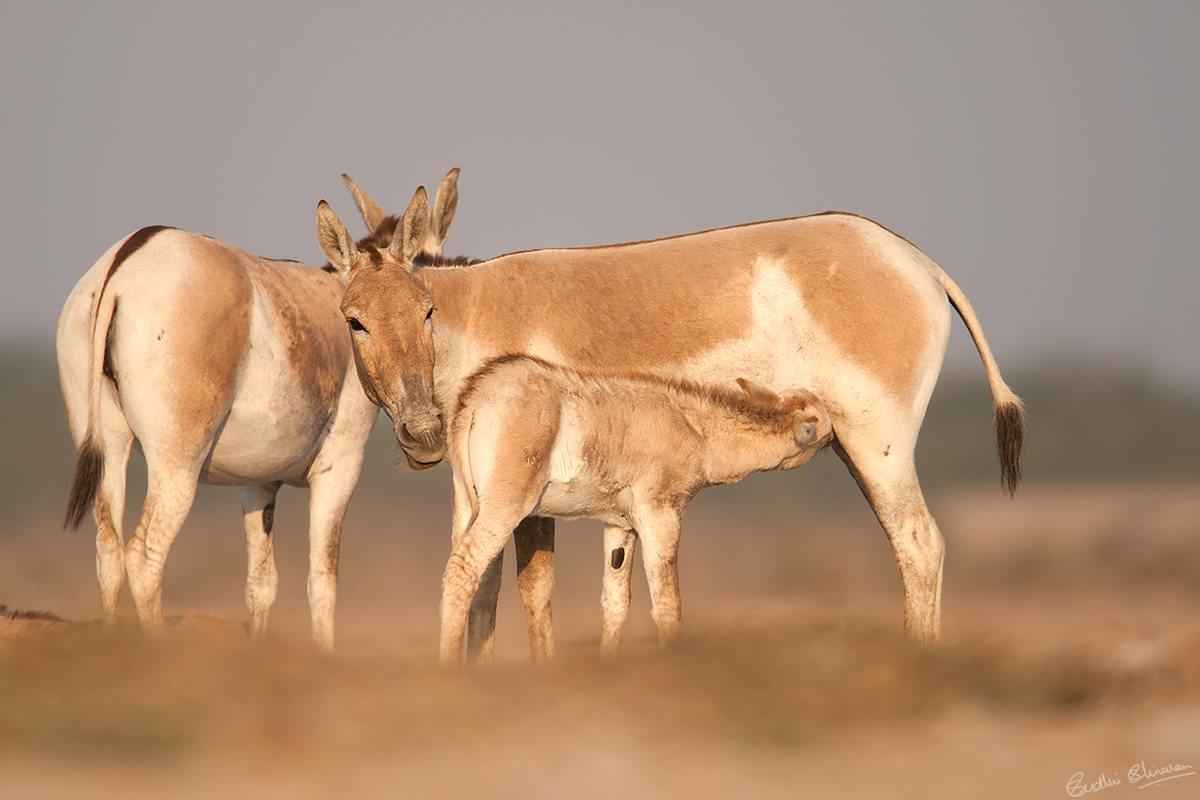
The Wild Ass Sanctuary of the Little Rann of Kutch, spreading across nearly 5000 square kilometers of the Little Rann, is the only place on earth where the endangered Indian Wild Ass, Equus hemionus khur, known locally as the ghudkhar, still lives.

Because of the Sanctuary’s proximity to the Gulf of Kutch and its location on the migration routes of many bird species, it is a very important site for birds to feed and breed in. Continue reading

Photography Tips: Posers

Although luck is always a factor, Kabini is well-known for leopards lounging in trees almost seeming to pose for the camera.

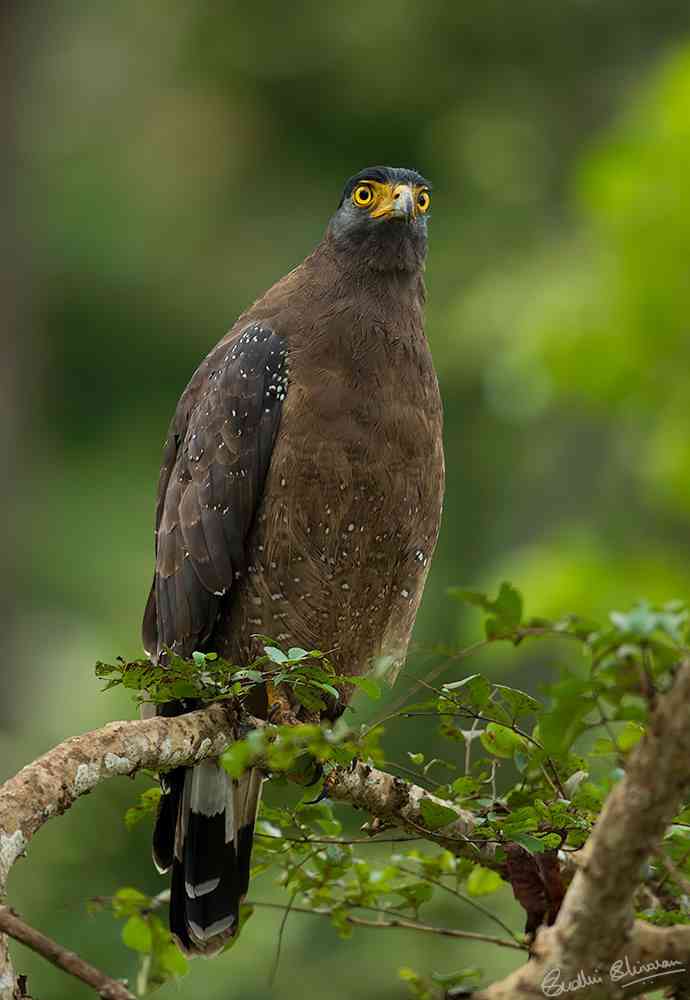
The Crested Serpent Eagle is another photographer friendly species to be found there. You see so many of them that you can pick and choose which one to photograph and which to leave. The best part is that since Kabini Forest Reserve only allows vehicle safaris, the Mahindra Jeeps put you at eye level, making it easy to compose good images. The greens of the forest provide an excellent complementary background as well. Continue reading

Photography Tips: Wait for it!

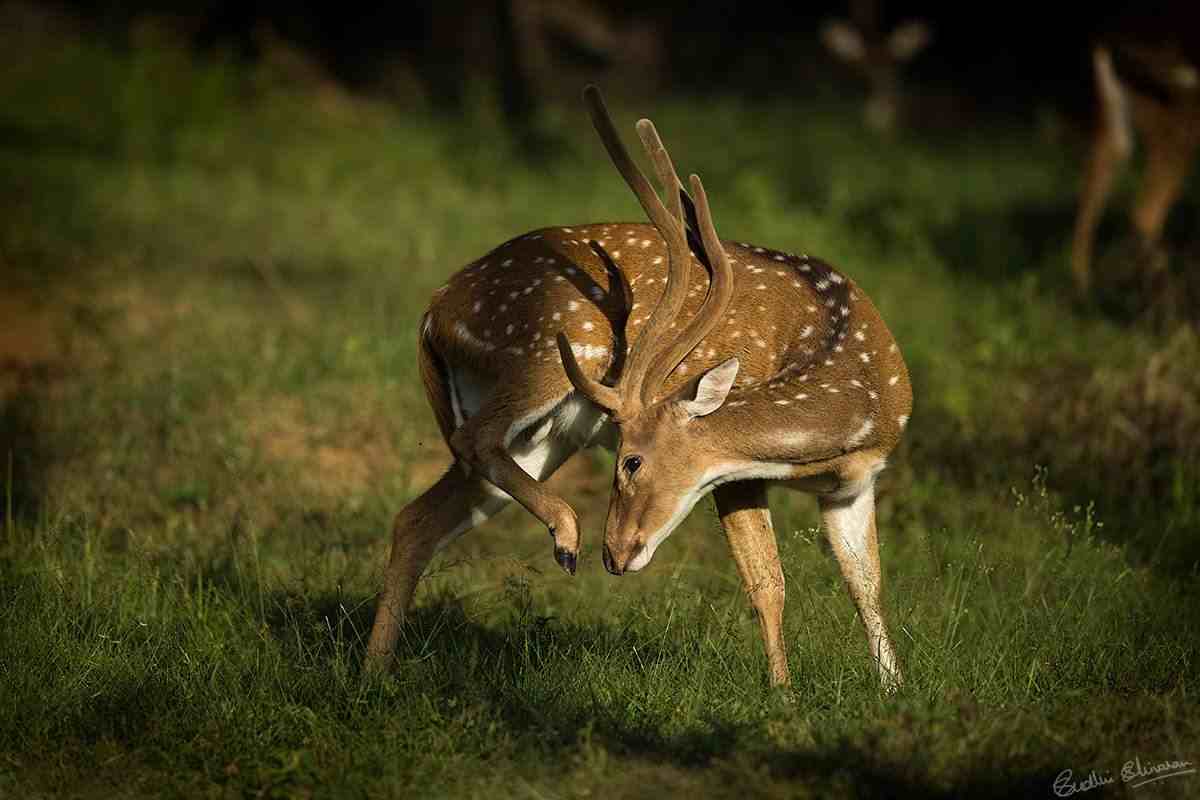
I often say that wildlife photography is not just about Tigers or Leopards. Spend time with common subjects and you will be rewarded with photo worthy lighting and action.

Understanding animal behaviour and previsualizing your images is the key to making good images. In the case above we waited patiently with the herd of spotted deer since the lighting was good. We aimed at this spotted deer with velvet antlers and hoped to get images of it in isolation…we waited for the right moment and this one posed for us. Continue reading

Focus: From Near to Infinity

The concept of hyperfocal distance is well-know to landscape photographers where they use this technique to get amazing images due to the increased depth of field.

The hyperfocal distance is the closest distance at which a lens can be focused on while maintaining objects at “infinity” acceptably sharp. When the lens is focused on the foreground, all objects at distances from half of the hyperfocal distance out to infinity will be well-defined.

Here is the steps I followed to get the results as shown: Continue reading

Photography Tips: Exposure and Light

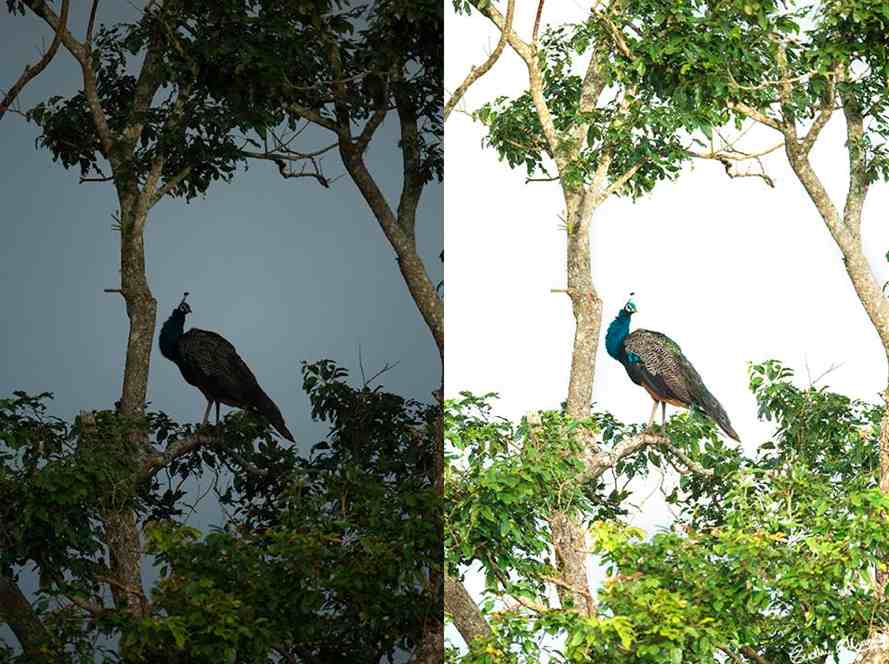
Above is an example of one of the most common issues photographers face when they shoot against the overcast sky. As you can see in the left side image, the camera tries to expose to the background which is very bright and evens it out to a medium tone (core concept of exposure) when you are shooting in evaluative or matrix metering mode.

In this situation you need to understand how the camera exposes and override the camera settings and do an exposure compensation of +2 to +3 stops. When you over expose the image by that many stops, you get the result as shown in the right side image.

Continue reading

Understanding Animal Behaviour

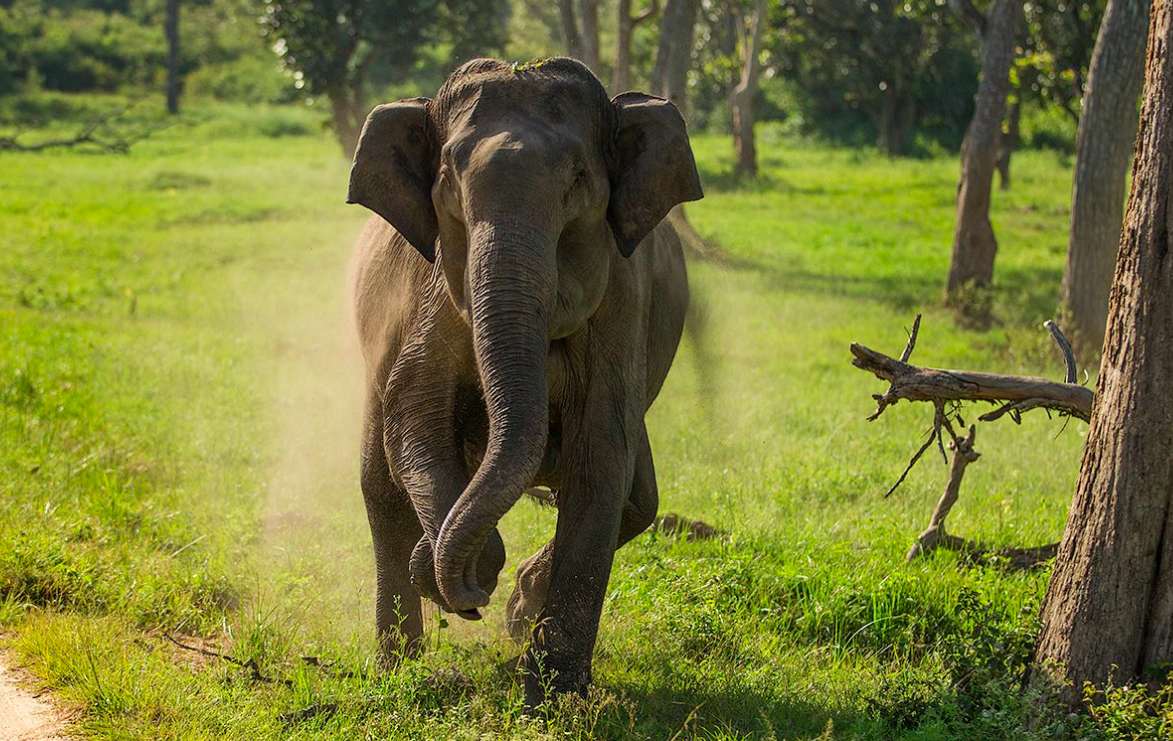
Elephant in mock charge at Bandipur Tiger Reserve; photo credit: Sudhir Shivaram

If you want to be a good wildlife photographer, you need to be a good naturalist first. Understanding your subject’s behaviour and knowing the natural history is even more important than good equipment to make good images.

Elephants commonly make a mock charge when they have calves in their group. During a photographic safari in India’s national parks the drivers and guides are knowledgable about this behaviour and know how to react. When a jeep enters the vicinity with elephants they understand that a mock charge is likely.

After the mock charge the elephant relaxes and moves within the family group naturally. This is the opportunity for good behaviour shots. Continue reading

Capturing Behavior

elephants
One of the important points to keep in mind during wildlife photography is to observe the behavioral aspects of your subjects and capture it.

When you spend time with your subject and when they get used to you, they continue their normal behavior and that’s when you need to be alert and keep your eyes open to capture any of the behavior they exhibit.

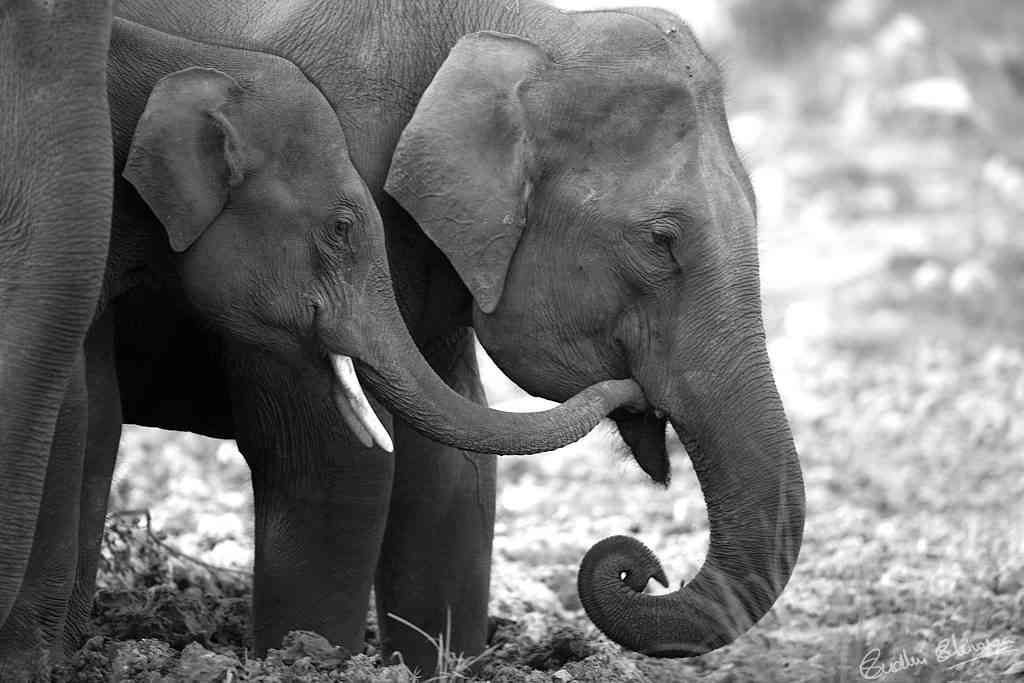
In this image what I have captured is one of the most common means of communication between elephants: Continue reading

Action Capture, Part 2


I captured this leaping Bonnet Macaque was photographed at Daroji Sloth Bear Sanctuary near Hampi, Karnataka. Although the photograph represents a split second of activity on the animal’s part, it represents a great deal of thought and patience on mine.

One of the important aspects in wildlife photography is to study the behaviour of your subjects, which will help you in your planning and image making. In this case I noticed the monkeys had a pattern of climbing the left rock and jumping to the right rock to get onto the trees on that side. Continue reading

Action Capture

Keoladeo Ghana National Park, Bharatpur in Rajasthan

Each time I head into the field to photograph wildlife I watch their movements within the habitat patiently and then think about how best to tell that individual’s story. Frequently action is a dramatic part of it.

Shutter Speed is an important parameter of the “exposure triangle”. When photographing action you can freeze the image using a high shutter speed or can create motion blurr with slow shutter speed.

As a photographer you need to decide in advance how you want to capture the image, whether it’s a silky flow of water, panning shot, long exposure star trials, long exposure vehicle tail light trails etc. There is no one correct answer. Continue reading

Winter Arrivals

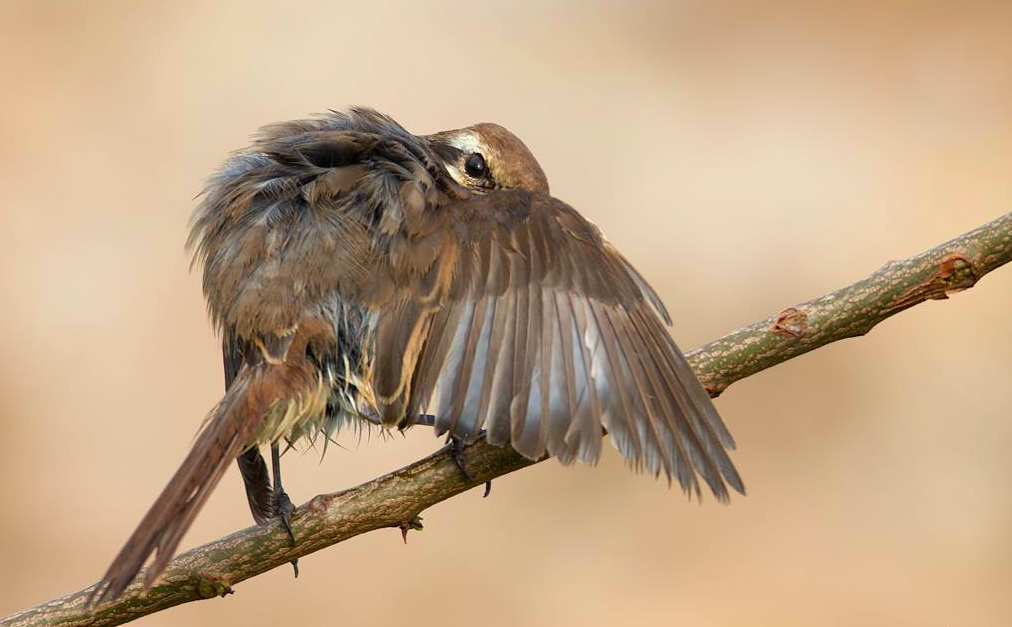
An exhausted winter arrival

Yesterday I encountered the first Brown Shrike for the season at Daroji Bear Sanctuary, near the town of Hampi, Karnataka.

For me, the appearance of the Brown Shrike is an indication of the winter migrants arrival. In previous years my first sightings have been in October, but they’ve arrived earlier this year.

I saw and photographed 2 individuals. One was totally worn out, probably because of the long, tiring migration from as far north as Siberia. Continue reading