Foraged Wild Foods

Thanks to National Public Radio (USA) for this brief story by Maia Stern, which expands our knowledge of foraged wild foods:

The first insect that Pascal Baudar ever tried eating was an ant he found in his kitchen. The verdict? “It tasted like some kind of chemical,” says Baudar.

Most people would have probably given up on the bug-eating experiments right there. But Baudar? He’s made it part of his life’s calling. Continue reading

The Only Virtual Reality A Surfer Might Enjoy

181217_r33425.jpg

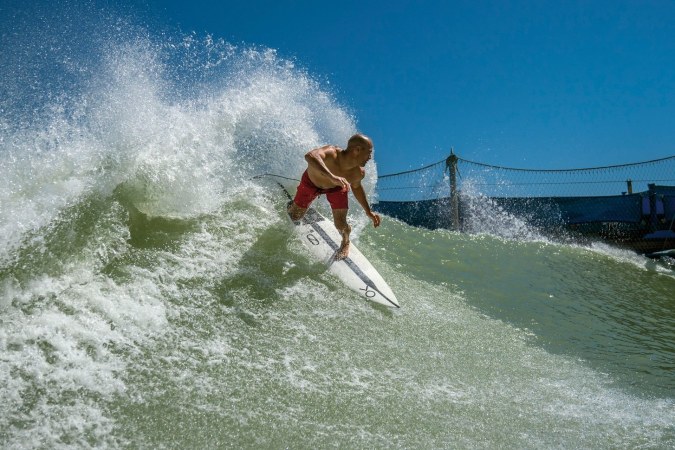
Slater has spent a career searching the world for waves, adapting to tricky conditions with unparalleled intuition. Now his Surf Ranch, in California farm country, can produce a perfect wave on demand. Photograph by Ben Lowy for The New Yorker

I have surfed, but I am not a surfer. I have surfer friends, including some who have travelled the world searching out the waves described in the story below, and family friends of ours have an adult child ranked in the top ten in the world. I do not care about surfing as much as any of them, but because of them I care deeply about surfing. Evidence of that is the fact that surfing is the #1 metaphor I use within my own family to describe the pivots we make from time to time, explaining a move to France, Croatia or India or back to Costa Rica is due to a new wave of opportunity that we might catch. Below is a story I appreciate for other reasons as well, because it is about a man-made replica of the ultimate pleasures of a real-life experience. This is kind of what we do for a living. But it is really about surfing. And even non-surfers can enjoy this. William Finnegan’s story is complemented by two interactive features, the first with the author himself and the second a remarkably clear explanation of the technology.

Kelly Slater’s Shock Wave

The best surfer in history made a machine that creates perfect conditions on demand. Will his invention democratize surfing or despoil it?

The first few hours I spent at the W.S.L. Surf Ranch, a wave pool built for surfing in the farmlands south of Fresno, California, were for me a blur. I was fine on arrival, hiking through a little forest of scaffolding, eucalyptus, and white tents with a publicist from the Kelly Slater Wave Company, which built and runs the place. The valley heat was fierce but dry. House music rode on a light northwest breeze. We passed a bright-red antique row-crop tractor parked on wood chips. Then I looked to my right and felt my mind yaw. The wave was probably six hundred yards away, a sparkling emerald wall, with a tiny surfer snapping rhythmic turns off the top. I had come expecting to see this wave, out here in cotton fields a hundred-plus miles from the coast. Still, my reaction to it was involuntary. Kelly’s Wave, as it’s known, seems designed to make someone who surfs, which I do, feel this way: stunned, turned on, needy. Surfers spend much of their lives looking for high-quality waves. Now a machine has been invented that churns out virtually flawless ones on command. “We call it the smile machine,” someone, possibly the publicist, said. I had trouble paying attention. Every four minutes, I had to turn and crane to watch a wave make its way the length of the pool. Continue reading

Stacked Stones Had Nothing To Do With It

SamariaC&A3.jpeg

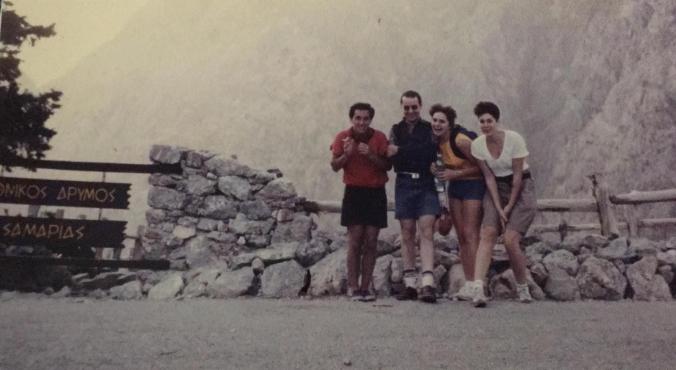
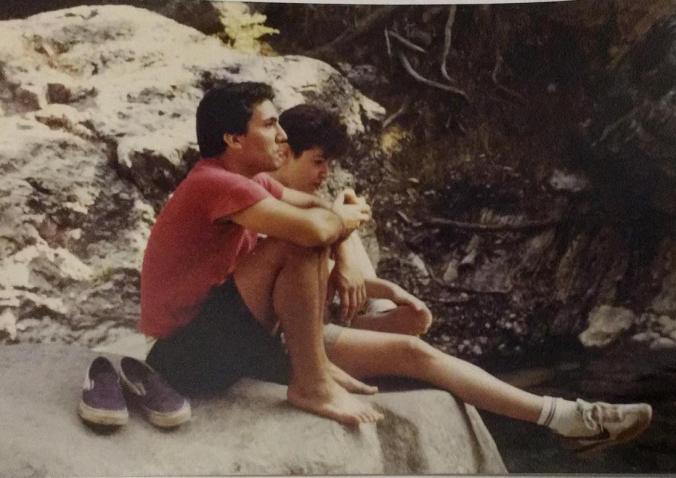
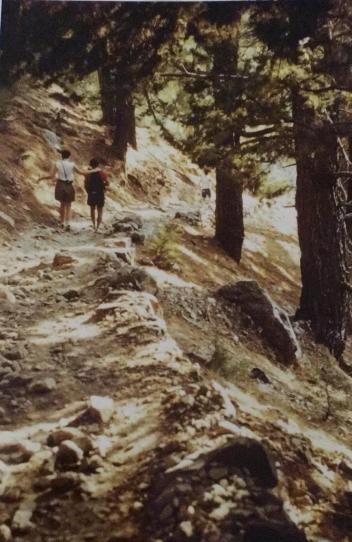
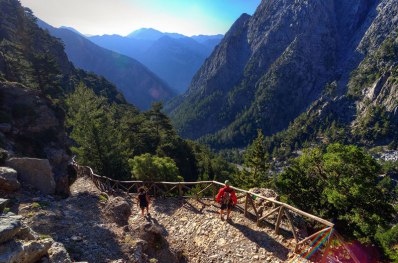
After writing yesterday’s post I got a message from the “new friend.” She is the one on the right in the photo above. I am the one on the left. My two childhood friends are in the middle. The new friend’s name, Amie, will be familiar to regular readers on this platform. After reading my post yesterday she sent me these three old photos. Above is at the top of the gorge, just as the sun is coming over the mountain. Dawn’s rosy tipped finger, someone among us surely said. By late morning, time for a fruit break, below is the place where I might have started thinking of stacking stones, in the figurative sense of wishing something of the future. But I did not then, nor do I now, believe in totemic powers of objects, or good luck.

SamariaC&A1.jpeg

I believed that a new friendship was sufficient good fortune, and being in that natural setting was the closest I got to worshiping things.

SamariaC&A2.jpegNo need to stack stones. As we made our way down to the bottom of the gorge, to where those sky-high rock walls allowed single file passage to the black stone beach, conversation was the thing.

The black stones were a surprise because they seemed to bear no relationship with the geology of the gorge. And I do remember now, playing with the stones, and surely stacking them while we sat there looking out to the sea, continuing the conversation. But I was not stacking stones in the way Sophie Haigney’s story refers to.

Really. I can say that with confidence because Amie reminds me that the oblong oval-shaped stones were not stackable. So I tried my best, but could not get one to rest upon another. That said, I am also confident that while not superstitious I was still able to make wishes, and then take actions to fulfill them.

Stop Stacking Stones

Samaria1.jpg

The steep downhill path starting from Xyloskalo

If I have done it, it would have been once. And hopefully less of an issue than the examples given in this story below. It was a day in September, 1983 and I had traveled to Greece with two childhood friends, all of us now in early adulthood.

With us was one new friend, who we had met in JFK airport just prior to departure.
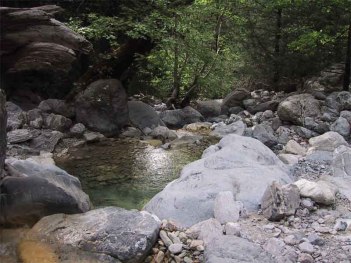
The-river-crossing-Samaria-Gorge.jpg

The peaceful river crossing Samaria Gorge

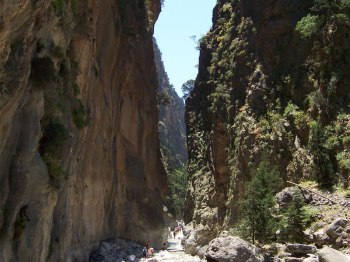
On the island of Crete, we left Xania well before sunrise to hike from the top to the bottom of Samaria Gorge, as far south in Greece as you can get and still be on land. With every switchback of our descent, I was getting more and more lost in conversation with our new friend, so that by the time we reached the bottom of the gorge I wondered where the day had gone. After a full day of hiking, lost in conversation or otherwise, the stones of the gorge play on your mind.

The-impressive-Portes-in-Samaria-Gorge.jpg

The impressive Portes in Samaria Gorge

At this point you pass through one last formation that is so stunning that if you had not been thinking of playing with stones until now, you had not been paying enough attention. And that was my case. I remember walking silently through this last section and not talking again until the very end, when you spill onto a beach formed by smooth black stones, facing south, nothing but water until you reach Africa. There, in Agia Roumeli, you can get a cool drink before a boat takes you back to Xania. And while you wait for the boat, if you have something to wish for, you may find yourself stacking those smooth black stones.

My photographs from that day, somewhere in storage, would show the beginning, long middle sections, and end of that day. If I did stack stones the evidence will be in those photos, and I will find them. For now I have linked to photos from the blog of a Cretan travel consortium to give a hint of what the place looks like, and as a recommendation to others to visit. Sophie Haigney, writing on the New Yorker website, gave me reason just now to think about my own culpability in what can now be described as a dangerous, destructive form of travel footprint, and I thank her for bringing this to our attention:
Haigney-Stone-stacking

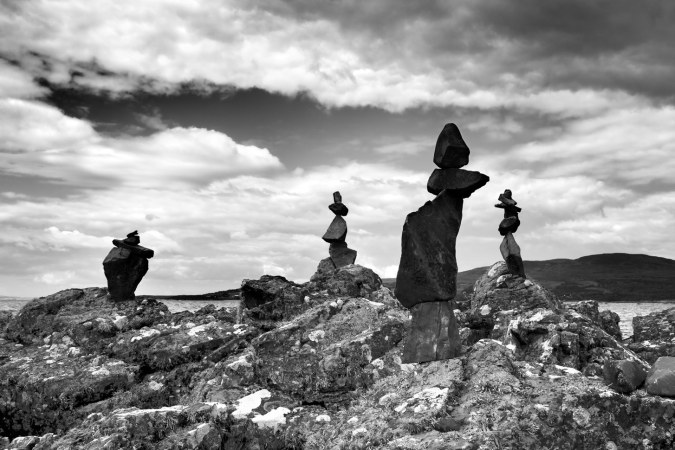
An Instagram trend that’s littering national parks with towers of carefully balanced stones, #StoneStacking can cause erosion and damage ecosystems. Photograph by Sam Oakes / Alamy

People Are Stacking Too Many Stones

The photograph in the Facebook post is pretty: piles of red rocks balanced at the edge of a cliff, suggesting a miniature mirror of the jagged rock face opposite. The stacks look like small shrines to mountain solitude, carefully balanced at the edge of a precipice. But when Zion National Park posted the photo, in September, the social-media coördinators for the park included a plea: “Please, enjoy the park but leave rocks and all natural objects in place.” The post noted the “curious but destructive practice” of building small stone towers, and said, “stacking up stones is simply vandalism.” Continue reading

A Visual Requiem, And A Call For Quiet Grace At The Grand Canyon

Paumgarten-Grandy-Canyon_01.jpg

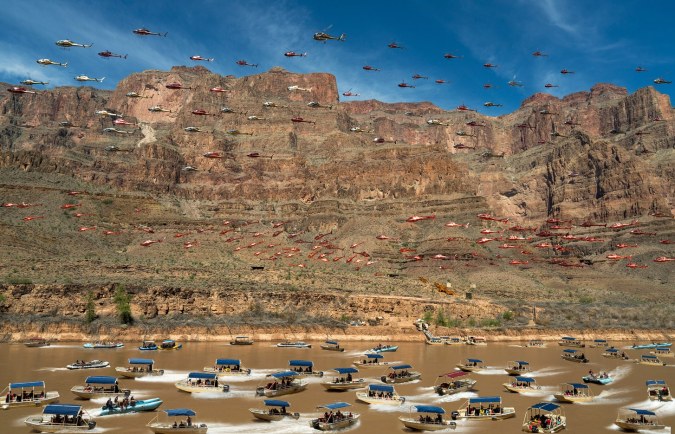
In a merged image, the photographer Peter McBride captured a vision of the Grand Canyon choked by noise and exhaust. Photograph by Pete McBride

Noise pollution was the topic of several of the first posts on this platform when we started it in 2011, and has been a persistent theme ever since then. We especially appreciate those related to noise in wilderness areas, so thanks to Nick Paumgarten for this story:

The Grand Canyon Needs to Be Saved By Every Generation

Paumgarten-Grandy-Canyon_03.jpg

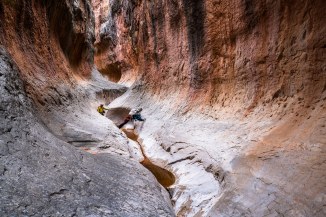
Hiking in the Grand Canyon can be a perilous pursuit. Photograph by Pete McBride

Three years ago, in the course of thirteen months, the photographer Peter McBride and the writer Kevin Fedarko hiked from one end of the Grand Canyon to the other. They did it in eight sections, mainly so that McBride could shoot in different seasons. In all, it took them seventy-one days to cover two hundred and seventy-seven river miles and some eight hundred shoe-leather miles, through some of the continent’s roughest hiking terrain—“a whole lot of scratching around the rock puzzles in that giant abyss,” as McBride put it recently.

Before they set off, the Grand Canyon had been hiked nose to tail only nine times in recorded history. There is also a handful of obsessives who have chipped away at it, piece by piece, in the course of decades. “Maybe some crazy ancestral Puebloan did the whole thing, but that wouldn’t make logical sense—they wouldn’t have had any reason to,” McBride said.

Paumgarten-Grandy-Canyon_02.jpg

 panoramic view of the confluence of the Colorado and the Little Colorado. Photograph by Pete McBride

McBride, a native Coloradan who shoots for National Geographic, has been documenting the Colorado River for a decade, sometimes from a perch in an ultralight aircraft. Fedarko, who lives in Flagstaff, Arizona, has guided on the river and is the author of “The Emerald Mile,” an account (with many historical tributaries) of a harrowing speed run of the Grand in a dory during the biggest flood in generations. (As it happens, Kenton Grua, the boatman in the book, was also the first person to walk the canyon, in 1976.) McBride and Fedarko have both become persistent, ardent advocates for preserving the place, in all its spellbinding, inhospitable glory, in abidance with Teddy Roosevelt’s famous dictum, issued during his one visit, in 1903: “Leave it as it is. Man cannot improve on it; not a bit.” Still, this was the first time, and surely the last, that either of them had tried to walk it. Continue reading

Protecting Nature & Defying The Odds

23akagera2-jumbo-v2.jpg

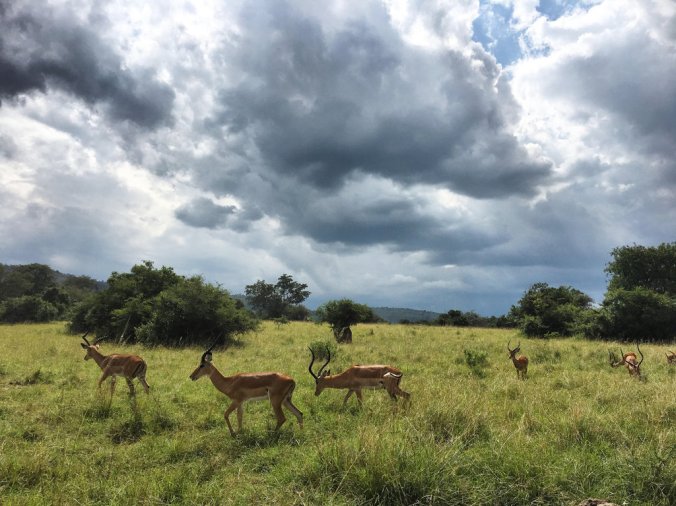
On a game drive in Akagera. Shannon Sims

Thanks to Shannon Sims for this story of a refuge defying the odds:

A Rwandan Game Park Defying the Odds

Despite modest tourism numbers, Akagera National Park is a success story in the making, particularly considering that, like its host country, it survived catastrophe.

23akagera-jumbo-v2

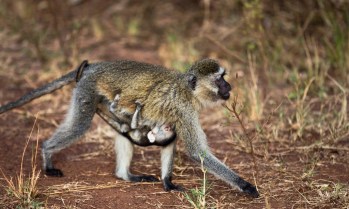
A velvet monkey and her baby in Akagera National Park. The Rwandan park is a success story, despite modest tourism numbers. Credit Ben Curtis/Associated Press

The road through Akagera National Park in eastern Rwanda was blocked. Two giraffes had positioned themselves smack in the middle of the dirt road and were rubbing their necks together. In the car, with a driver and a guide, my cell service was long gone; there was nothing to do but sit back, relax and enjoy the show.

Right around this time of year, to the east of Rwanda’s borders, in Tanzania and Kenya, big packs of tourists are stumbling over each other to get the perfect photo of a scene like this. They’re driving through protected areas like Serengeti National Park and the Maasai Mara National Reserve in caravans of Land Rovers, each packed so tightly that peoples’ binocular straps get tangled up. It makes sense: the animal migrations that occur in this part of the world these months are rightly considered by many to be the greatest natural show on earth. Continue reading

Virtual Immersion In Wilderness Via Live Feeds

Thanks to Rachel Riederer for this:

Bear Cam’s Captivating, Unedited Zen

Riederer-Bear-Cam.jpg

It’s innately satisfying to see a bear grab ahold of a salmon with its mouth and trundle off into the shallows with the fish still flapping in its jaws. Photograph by Jennifer Leigh Warner / Barcroft / Getty

One recent afternoon, I found myself spellbound by the brown bears of Alaska’s Katmai National Park, and spent longer than I care to admit watching them fishing and feasting on the sockeye salmon of Brooks Falls. Several bears stood in the water, facing the falls. They didn’t interact with each other much—at least not in a way that was legible to me—but quietly went about the business of fattening up for winter. I watched these Internet stars through a live stream popularly known as the bear cam, which provides a counterpoint to the hyper-produced prestige nature documentaries that use music, high-definition videography, and delicately placed cameras to turn wildlife activities into dramatic cinema. If “Planet Earth” is a Michael Bay production, the bear cam is not even a home movie—it’s CCTV. Continue reading

Moving Slowly & Avoiding Breakage

Preston-Ecological-expedition-Honduras-8

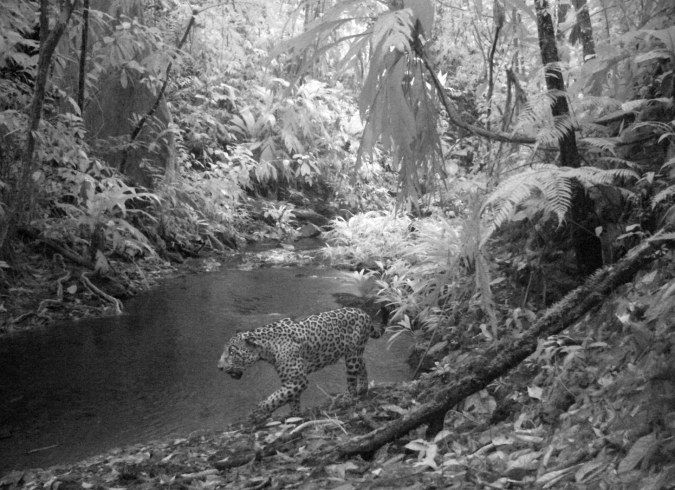
Panthera onca. The jaguar is the king of neotropical forests, where it is the largest of the cats. Its presence at the White City indicates an extensive, thriving ecosystem. © Washington State University, Panthera, Wildlife Conservation Society, Zamorano University, Honduran Forest Conservation Institute, Travis King, John Polisar, Manfredo Turcios

When the journalist Douglas Preston shared this story, I was in the process of closing up shop in India, where we had been in residence since 2010. Kipling-induced daydreaming notwithstanding, Amie and Milo (whose photos may be the most tangible representations of the dreaminess of those years) and I never had the illusion that there were lost civilizations or any such thing in India.

movefast (1)We did have the nonstop motivation of feline-fueled conservation initiatives, and some close encounters. Those provided us a perfect counterpoint to the seemingly irresistible catchphrase that described progress in the form of disruptive technology. Haste really does make waste when it comes to ecology, anthropology, and realms of life other than economic forward-marching.

When I read Mr. Preston’s story on the first day of last year I realized that our relocation to Central America, oddly enough since it is in the hemisphere called the New World, was full of potential for all kinds of discovery of “lost” things. And my own discoveries further sensitized me to the importance of moving slowly and avoiding breakage. My posts on this platform from February through July, 2017 are evidence of the richest ecological and anthropological observations of my lifetime (so far), and that makes Mr. Preston’s update post yesterday all the more wonderful to read:

Deep in the Honduran Rain Forest, an Ecological SWAT Team Explores a Lost World

Preston-Ecological-expedition-Honduras-1

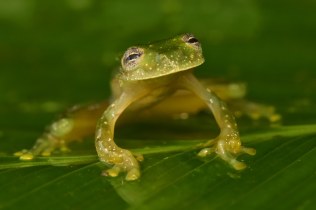
Sachatamia albomaculata. The inner organs of glass frogs are visible through their translucent bodies. Photograph by Trond Larsen / Conservation International

A little more than three years ago, I joined a team of archeologists on an expedition to La Mosquitia, a remote mountain wilderness in eastern Honduras. For centuries, the region had been rumored to contain a lost city, known as the City of the Monkey God or the White City, and now, thanks to a combination of luck and modern technology, an ancient settlement had been found. Although it was probably not the lost city of legend, it was a very real place, built by a mysterious civilization that flourished long before Columbus arrived in the Americas. Hidden in a densely forested valley, it had never been explored. Continue reading

Henry Worsley & The Importance Of Making Dreams Come True

r31463.jpg

Before Henry Worsley set off alone, his family painted messages on his skis. “Come back to me safely, my darling,” his wife wrote.
Photograph by Sebastian Copeland

If you have not read it yet, go straight to it. If you have read it already, next you will want to listen to the author, the subject (via field recordings) and the subject’s wife.

r31492.jpg

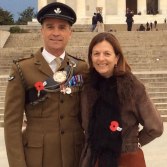
Henry and Joanna Worsley at the Korean War Veterans Memorial, in Washington, D.C., in 2015. Worsley served in the British Army for thirty-six years.
Photograph courtesy Joanna Worsley

We have linked to stories about explorers, though none specifically about Shackleton, in the past. The subject of this story has something important to say about his hero, and it is worth hearing his voice as well as his wife’s (click here).

The author, who we have linked to more than once, gave two excellent interviews about his process as a long-form story-teller, and if this is your thing, then you will want to listen to both, first here and more recently here.

The White Darkness: A Journey Across Antarctica

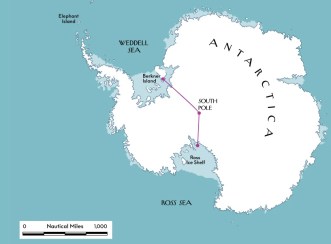
A solitary journey across Antarctica.

By David Grann

I. Mortal Danger

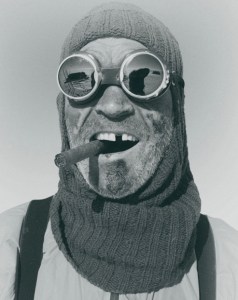
Worsley.jpgThe man felt like a speck in the frozen nothingness. Every direction he turned, he could see ice stretching to the edge of the Earth: white ice and blue ice, glacial-ice tongues and ice wedges. There were no living creatures in sight. Not a bear or even a bird. Nothing but him.

It was hard to breathe, and each time he exhaled the moisture froze on his face: a chandelier of crystals hung from his beard; his eyebrows were encased like preserved specimens; his eyelashes cracked when he blinked. Get wet and you die, he often reminded himself. The temperature was nearly minus forty degrees Fahrenheit, and it felt far colder because of the wind, which sometimes whipped icy particles into a blinding cloud, making him so disoriented that he toppled over, his bones rattling against the ground. Continue reading

Rules Of Experiencing Nature, Reconsidered

tnc_76472733_preview_cropped

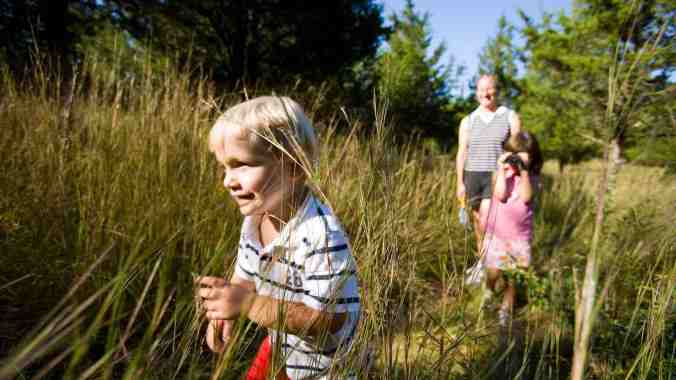
A woman and her young children hike through a grassy field in Pleasant Valley Preserve near the Eightmile River in Lyme, Connecticut. Photo © Jerry Monkman

Just when we thought we knew what we were doing out in nature, this:

Why Staying on the Trail Is Bad for Nature

Stay on the trail. Look, don’t touch. Take only photographs, leave only footprints.

These and similar rules have become a standard component of a refined environmental ethic; any reasonable outdoor education class is going to emphasize them.

I have a confession to make: As a kid I violated every one of those rules, frequently and without guilt. It made me a conservationist. Continue reading

Life List Birding

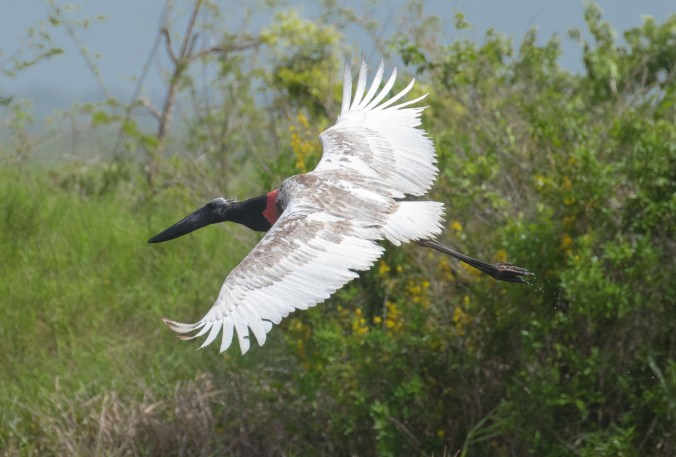
Jabiru Stork by Richard Kostocke - La Paz Group

Jabiru stork taking flight from the Blue Creek rice fields, Orange Walk District, Belize

The name “Jabiru” is derived from the Tupi–Guarani family of languages from South America and means “swollen neck”; an apt description. This is the tallest flying bird in South and Central America and is second in wingspan (excluding pelagic flyers like albatross) only to the Andean Condor.  This denizen of wetland habitats is a voracious, opportunistic forager on a wide variety of animal matter, living or dead.  Needless to say, an impressive bird and I was ecstatic to see it!

It was past the mid-point of our Belize vacation, and as good and enjoyable as the birding had been, life birds (new species that I had never seen before) were fewer and farther between than I had anticipated/hoped.  I guess that was to be expected given that I have visited the Neotropics several times previously.  I had already seen many of the common, easy, widespread species (e.g., many if not most of the hummingbirds, parrots, motmots, etc.) that make birders new to the Neotropics giddy.  After talking to the local guides, apparently most of my desired life birds were the tough ones (hard to find, rare, skulky, etc.).  As I went through my list of target birds, they just kind of smiled and shook their heads. Continue reading

That Thing About Uber

IMG_7783

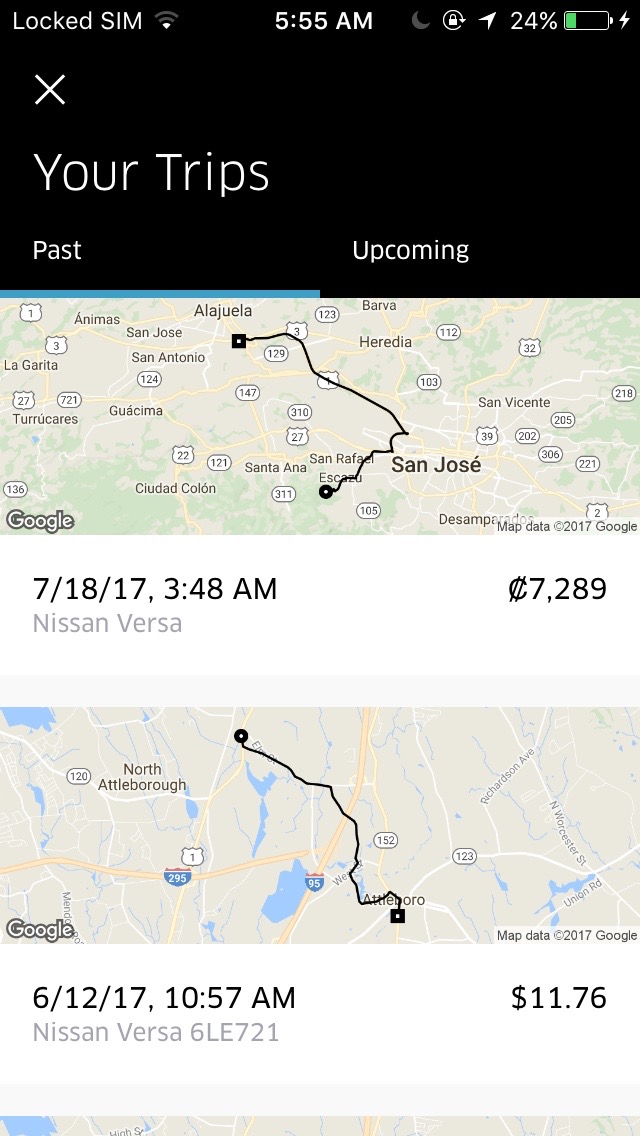
For what it is worth, a confession. I deleted this app with the intent to never use it again, and then I switched to this one. That felt good. Then last week I was up in the mountains of Escazu, in Costa Rica, and I had to change my mind. At 3:30 a.m. a local taxi driver who was supposed to pick me up to take me to the airport did not show up. After a few minutes I finally relented and downloaded the app I had deleted. And something unexpected, something very good happened. Continue reading

Maps, Walking & Health

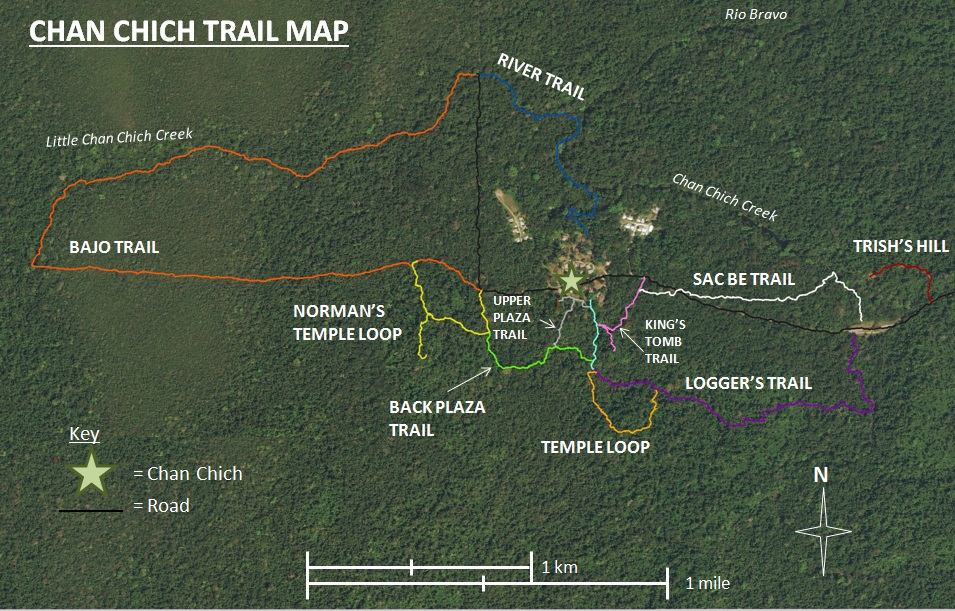
Emily has been reworking the maps for nine miles of walking trails surrounding Chan Chich Lodge. On a typical day I walk 45 minutes at dawn, and 45 minutes at dusk and I have tended to stay on the same trail for the last year. Now I am looking forward to the various loops I had not yet wandered onto, and checking the maps. I tend to believe in the link between nature and health, and especially when walking is involved the benefits are a broader form of wellbeing. Gretchen Reynolds, writing the Phys Ed column for the New York Times has this to say:

For Exercise, Nothing Like the Great Outdoors

Long walks can improve moods and reduce anxiety, but the benefits may be greatest if the walks take place outdoors rather than in a gym, according to a new study by researchers in Austria. And while the Alps may be a particularly fine place to hike, a vigorous walk in the woods or paths near home may provide the mental boost we need to keep us moving.

We all know, by now, that for optimal health, we need to move. Continue reading

El Capitan Never Disappoints

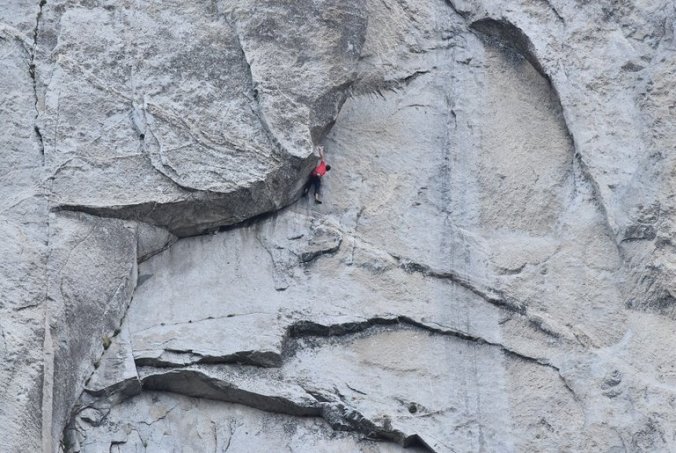
Mackinnon-Alex-Honnold-Perfect-Climb-Featured-1200

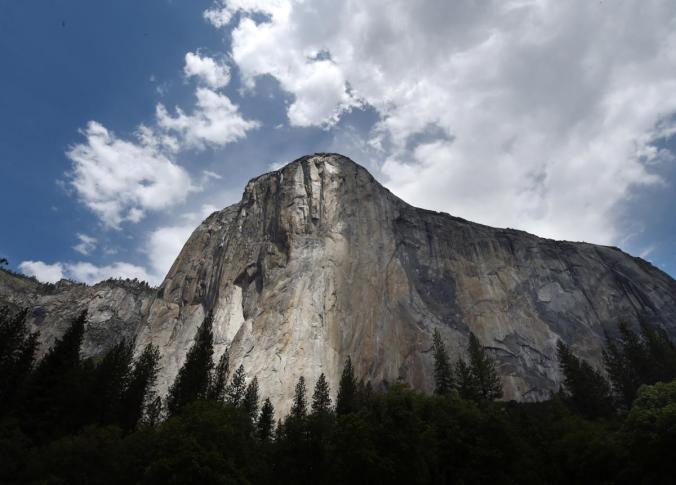
El Capitan, the towering stone heart of Yosemite National Park and a sweep of golden granite reaching twenty-seven hundred feet into the sky. PHOTOGRAPH BY MARK RALSTON / AFP / GETTY

I am not a climber and I do not generally favor extreme sports where someone else has to come in and clean up after an adventurer’s misfortune. I am in awe in this case, and so make an exception. It never bores me to look again at the image above. But it electrifies me more than usual when it accompanies a story like this one:

…Four hours later, that lone figure, the thirty-one-year-old professional climber Alex Honnold, had completed the first ascent of El Cap in the free-solo style. In other words, he had climbed the cliff alone and without a rope or protective equipment of any kind. Had he fallen, he would have died.

The achievement had long been predicted but never quite accepted as possible. The iconic face of El Capitan—photographed by Ansel Adams, praised by John Muir as “the most sublime feature of the Valley”—has long been the proving ground for American rock climbing. It has been climbed at incredible speeds and via routes of extraordinary difficulty; a ropeless ascent was the last “big psychological breakthrough” that remained, as Peter Croft, who completed groundbreaking free solos in the nineteen-eighties and nineties, put it. There was no real competition to be the first to meet the challenge. Either Honnold would do it, or he would leave it to future generations. Or he would try, fail, and fall…

A sports writer for the New York Times titles it perfectly:

10duaneWeb-master768.jpg

Alex Honnold at the 1,000-foot level of his free-solo climb of El Capitan. CreditTom Evans

El Capitan, My El Capitan

Alex Honnold woke up in his Dodge van last Saturday morning, drove into Yosemite Valley ahead of the soul-destroying traffic and walked up to the sheer, smooth and stupendously massive 3,000-foot golden escarpment known as El Capitan, the most important cliff on earth for rock climbers…

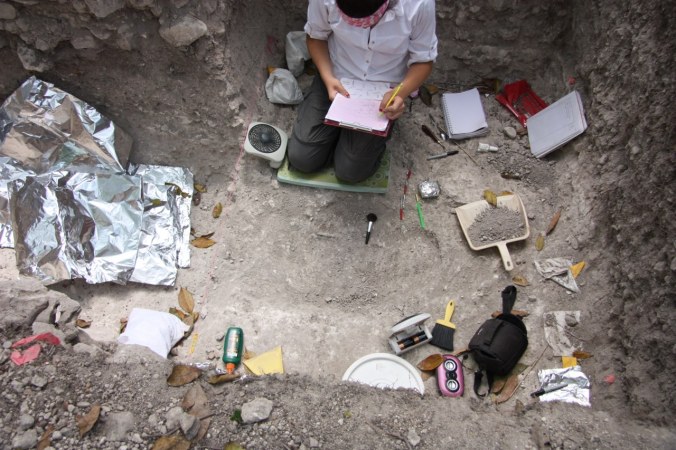
Learning Archeology In Situ At Chan Chich Lodge

2013 Burial 10.jpg

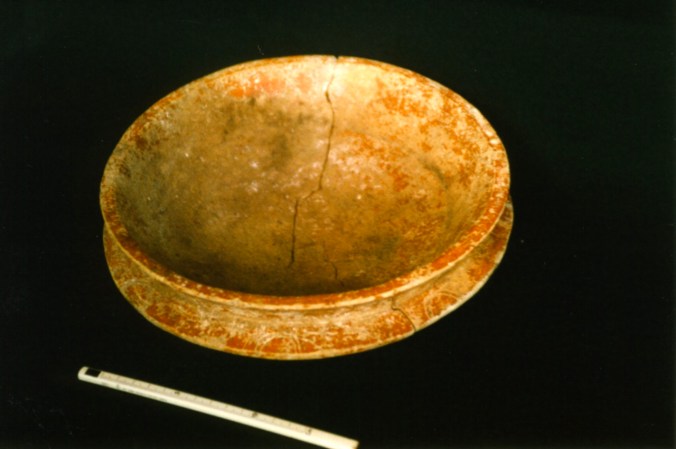
We recently posted a brief description of this program in the events section on the Chan Chich Lodge website, and here we provide a longer description written by the program organizers. The photos are from recent years of the program. I am looking forward to welcoming Professor Houk and his team of archeology students to Chan Chich Lodge few weeks from now, and especially looking forward to the opportunity guests of the lodge will have to join the evening lecture series, discussing the history of the location and particular discoveries from the site:

1997 Tomb 2 Plate.jpg

Guests of Chan Chich Lodge are the most recent inhabitants of the ancient Maya city of Chan Chich. Abandoned around AD 900, the once proud buildings, plazas, courtyards, reservoirs, gardens, and fields were gradually reclaimed by the jungle for over 1,100 years… Continue reading

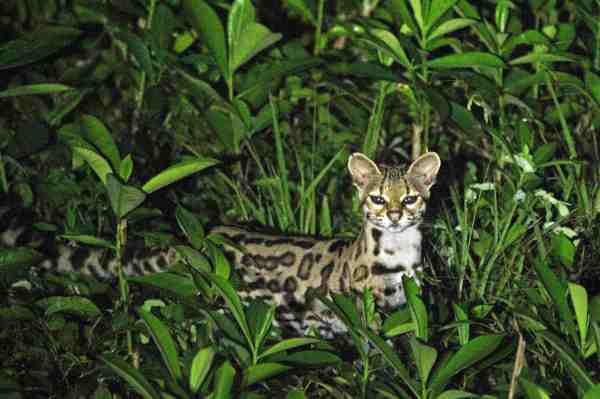
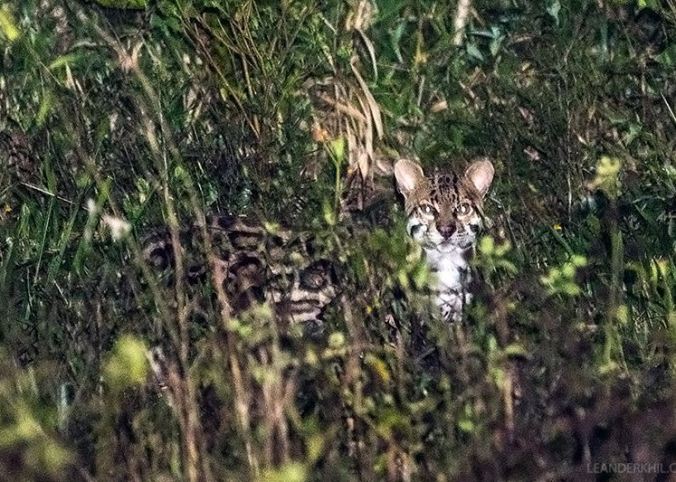
Does The Margay Purr?

MargayC1

Thanks for this photo go to a mom and daughter team who were out every day recently from pre-dawn until late evening, absorbing all on display at Chan Chich Lodge and its surrounding forests. Their last night, sharing the night safari with the family who contributed here, was a golden opportunity, so to speak. This margay looks so content, and intent, in a feline way, that I cannot help but wonder whether these wild cats purr.

Feline Trifecta

LeanderOcelot

When Leander caught this cat in his camera some weeks ago, there was no telling if and when, or where, we might see it again. Last night, a family from Los Angeles who just the night before had seen two other species of cat during the night safari at Chan Chich Lodge, decided on a guided trek through the forest starting at 8pm. Continue reading

Margay Sighting @ Chan Chich Lodge

IMG_7014

Persistence does not always pay off. But, it is often a great trait for its own sake. We all admire people who set out to do something, and stick with it long after there is reason to continue hoping for that something. And, if you are like me, you cheer the underdog, hoping they will at the very last minute get that something. Continue reading

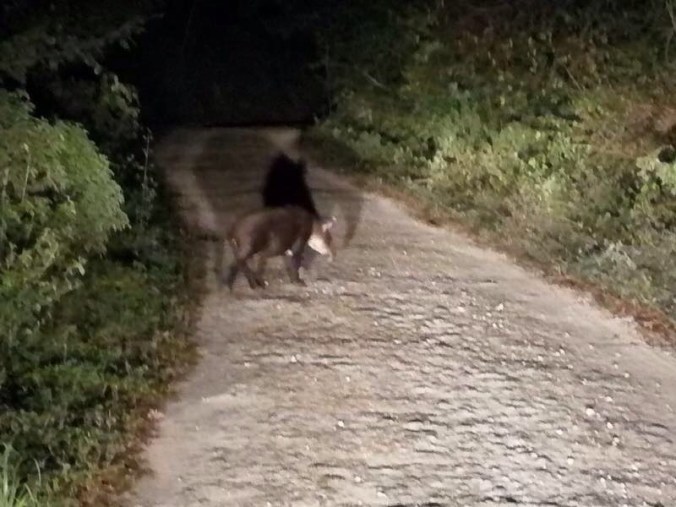
Tapir Encounter @ Chan Chich Lodge

IMG_7001

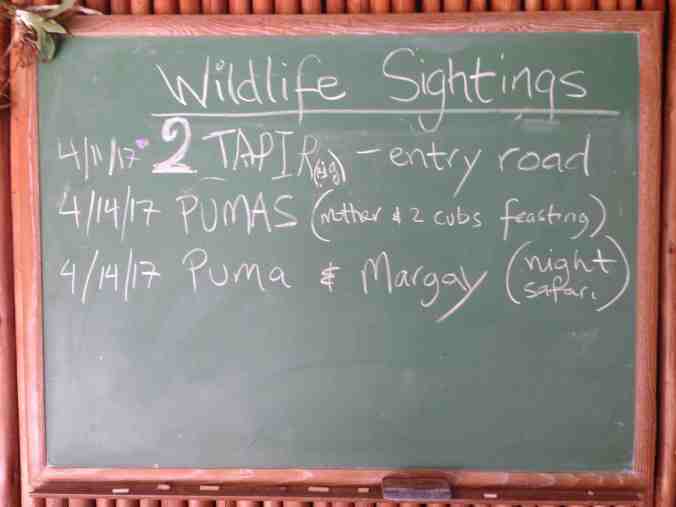
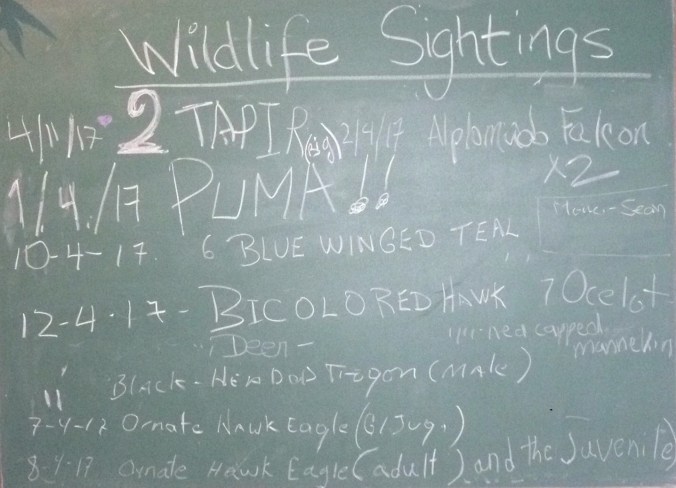
Over the last couple weeks we have had a pretty full range of the animals guests most hope to see. Although the jaguars have been elusive, puma and ocelot have been wandering the nearby forests allowing occasional sightings. But we can guess the jaguar are there because of this:

IMG_6994 Continue reading

Gaps, Meaning & More

09GAP-superJumbo-v2.jpg

Kyle DeNuccio, right, on Lake Batur in Bali, a gap year stop. CreditKyle DeNuccio

I am currently interviewing candidates to join us for summer internships, and possible university gap year projects at Chan Chich Lodge. Most importantly the projects will focus on various food-related initiatives, some longstanding goals and others more in the spirit of random variation. We have had plenty of awesome interns, as well as wondrous wanderers and sometimes sabbaticalists join us here and there for more than two decades, and we feel qualified to claim that this fellow (who reminds me a bit of this fellow) speaks truth:

Independence Days: My Perfect Imperfect Gap Year

By

Midway through a lackluster freshman year at the University of San Diego, I called my parents and told them I planned to leave school after the spring semester. Continue reading