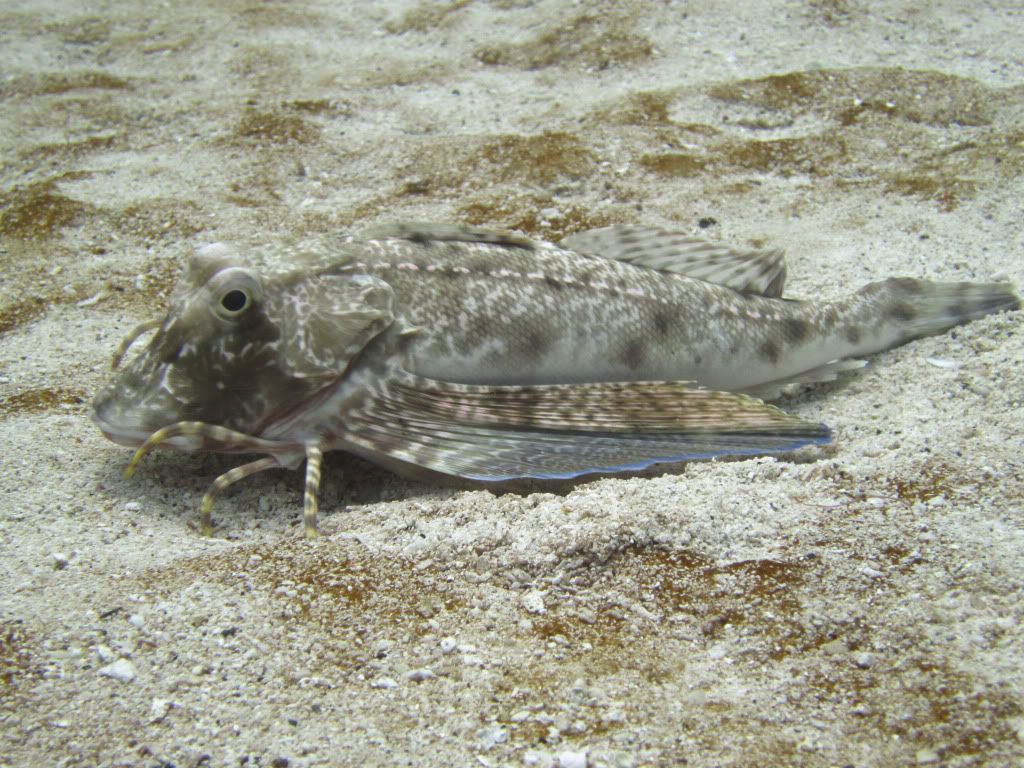
My last post shared a video of some of my scuba trips and a few images of two absolutely bizarre ocean species: the Red-lipped Batfish and the Galápagos Searobin. I had no clue that any such creatures existed in nature, or at least not under the light of the sun no more than 15 meters below surface level. Once again, Quike Morán of Scuba Iguana took the pictures and video with a point-and-shoot digital camera in a plastic waterproof case, and the two dives featured here were at Seymour Island and Mosquera Island, north of Santa Cruz.
Animals
A Perfect Sendoff and a Nostalgic Farewell
It is amazing how fast ten weeks can go by. I remember sitting in the library at Cardamom County writing about my first day of birding here; I remember how excited I was to see barbets, minivets, and leafbirds from the parking lot. Now, ten weeks later with about a dozen activities completed and many birding expeditions into the Periyar Tiger Reserve under my belt, I’m suddenly looking back on fond memories. My first excursion into Periyar was a Bamboo Rafting trip along Periyar Lake. To be honest, I was a little overwhelmed in this strange new place with its checklist of over 300 unfamiliar birds. As is always the case with Periyar, the excursion was a blast, and that trend continued with the Border Hike, the Nature Walk, the Tiger Trail, the Green Walk, and indeed with every trip into the Reserve.
Wayanad Wildlife Sanctuary

Located on the southern tip of the Deccan plateau, Wayanad is packed with scenic beauty. The region includes sub-tropical savannahs, thickly wooded hills, evergreen forests, rolling paddy fields in the valleys and verdant spice plantations in the heights. Blasted by wind and lashed by rain, Wayanad spreads across 2,132 square kms of the lofty Western Ghats and is recognised for its biodiversity. Continue reading
A Different Protected Status

Holstein cows that graze on the tidal flats of the Wadden Sea provide beef with a distinctive flavour, say farmers. Photograph: Angus Taylor/Alamy
Picking up on the thread that Tim started most recently, then Crist responded to and Martin further commented on, and placing all that within the larger context of our interest in conservation, here is a novel twist on protected status for an animal from today’s Guardian (click the image above to go to the story):
The meat from wading sea cows that graze on Denmark‘s west coast has been given protected geographical food name status by the EU – the same status enjoyed by champagne and parmesan cheese.
The protection covers the meat from the Holstein cattle raised in the marshes of the Wadden (wading) sea in southwestern Jutland.
“It gives us a good stamp on a good product that we have,” said Andreas Andreasen, who represents an association of local farmers.
“We sought this approval so that it could be known more widely.”
The beef is said to gain a distinct flavour from the tidal flats’ salt content, in a grazing tradition that goes back 1,000 years.
“Chefs have told us there is a distinct difference in the meat’s taste from other cows – a more powerful taste,” said Andreasen.
According to the Danish ministry of food, blind taste tests of the Wadden Sea beef proved the meat was juicier, more tender and more fragrant than conventional beef.