
Gotta Love It
 I am known among friends, colleagues and family for being a slave to hyperbole. I like to think I am master, but it always gets the better of me. When I love something you will have no doubt about it; and the inverse is true. I will use the strongest words to convey my admiration or displeasure, or whatever. Guilty as charged. Here goes: in just under 40 minutes of listening to the author of this book speak in an interview, I am compelled to say that I have never heard a better interview in my life. It is not merely the superb vocabulary he uses to describe how he became a chef; it is not merely the amazing story line; it is the man’s values, which drip from every word he utters. Click the image to the left to go to the podcast of that interview:
“Being born in Ethiopia, where there was a lack of food, and then really cooking with my grandmother Helga in Sweden. And my grandmother Helga was a cook’s cook.”
Helga’s roasted chicken, pan-fried herring and black bread captivated Samuelsson, who spent many afternoons watching and helping his grandmother cook.
“We were jarring, pickling, there was always a bowl of chicken soup ready to be served, there was always sausage ready to be made,” he says. “She was incessant all year round with cooking. … It was really in those rituals that my love for food was built.”
Hey guys,
All of us photobugs and travel-junkies have struggled with the age-old question: which lens should I bring on my River Escapes backwaters adventure or my Roman holiday or my trip to the moon?
As a casual photographer, I’m not crazy about specs. I don’t get the numbers and technical terms! JUST TELL IT TO ME STRAIGHT! I know there are people out there who are like me, so Ben, Milo, and I will make it as easy as possible to understand which lens YOU need to bring on your next vacation! We’d also love to know what YOU brought on your last vacation!
See which of description fits you best:
ALRIGHT, I’M READY!! NOW SHOW ME THE 5 LENSES I SHOULD BRING ON MY NEXT VACATION!!!
When art meets sustainable development, watch out. Rather, watch. Olafur Eliasson’s new work, a solar-powered lamp that he and Frederik Ottesen designed and developed, will be distributed throughout the developing world:
Explaining why he had developed a social project, the Berlin-based Danish artist said: “Art is always interested in society in all kinds of abstract ways, though this has a very explicit social component. The art world sometimes lives in a closed-off world of art institutions, but I still think there’s a lot of work to show that art can deal with social issues very directly.”
Five hours away from Thekkady is a colorful land of ornate architectures and a hometown of many fishermen that represent the historical harbor city, Fort Cochin, Kerala. The narrow and winding streets are filled with houses and churches that clearly showe their Dutch, Portuguese, or British influence from the colonial time. As I carelessly stroll down the streets only with my camera and some rupees (Indian currency) in my purse, I didn’t mind the stares from the local village people, nor the heat and humidity that made me drench in my own sweat; but, my mind got carried away seeking the remains of what time had left us.

Blue door and window with a wagon

Mudiyattu is an drama associated with the worship of the Mother Goddess, Bhadrakali. It is performed with minor variations in almost all parts of the state. The dance form depicts the taking over of the mudi, or crown, from the demon Darikan by Bhadrakali. Continue reading
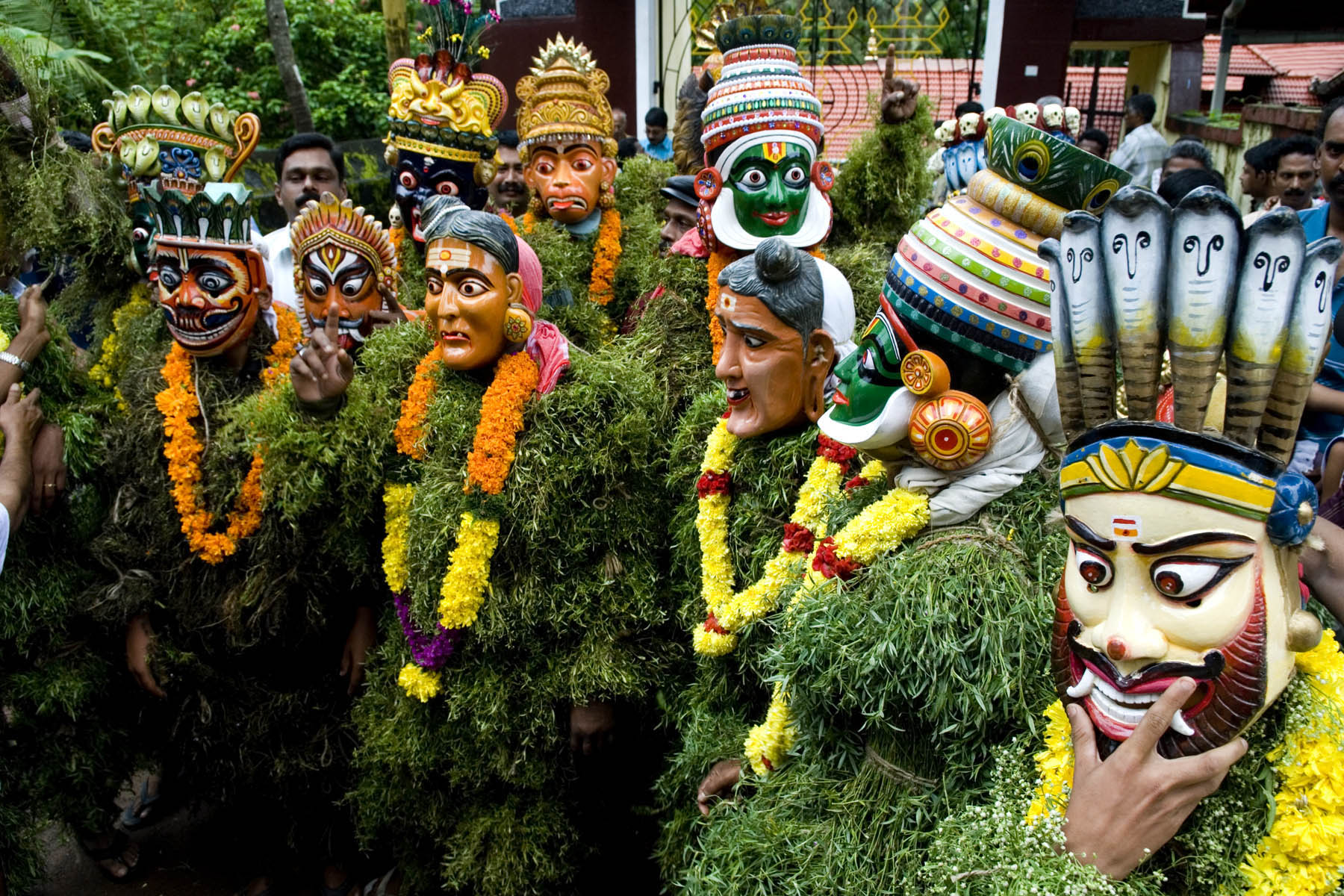
Kummatikali is a folk dance celebrating the arrival of the legendary King Mahabali to visit his subjects during the festival of Onam. It is believed that the presiding deity of Vadakukumnathan Temple in Thrissur asked the attending spirits to perform for him. The dance they presented came to be known as Kummatikali. Continue reading

Nangiar Koothu is an offshoot of the Koodiyattam theater which combines dance and drama. The dance is performed by women of the Nambiar clan (scholars in Sanskrit) called Nangiars and hence the name Nangiar Koothu. The theme of Nangiar Koothu is the story of Lord Krishna as described in his historical texts called Sree Krishna Charitam. It commences with a ritual dance called Purrapad. Continue reading

The elegance of the classical dances of Kerala are a result of the various cultural influences that took place in the state. These classical forms are a delicate fusion of ancient classical texts and folk traditions, making them distinctive and unique. The Koothu is a solo narrative act. As the performers of the Koothu are from Chakyars- a Brahmin community, it bears the name Chakyarkoothu. Continue reading
I’ve written about numerous artists who have just the right “tinker’s eye” to see the aesthetic potential in what many would call trash. But as far as I know, Chicago based artist and educator Nick Cave (not to be confused with the deep voiced musician of the same name) is the only one to take the next step to turn sculpture into a kinetic, interactive celebration. Continue reading
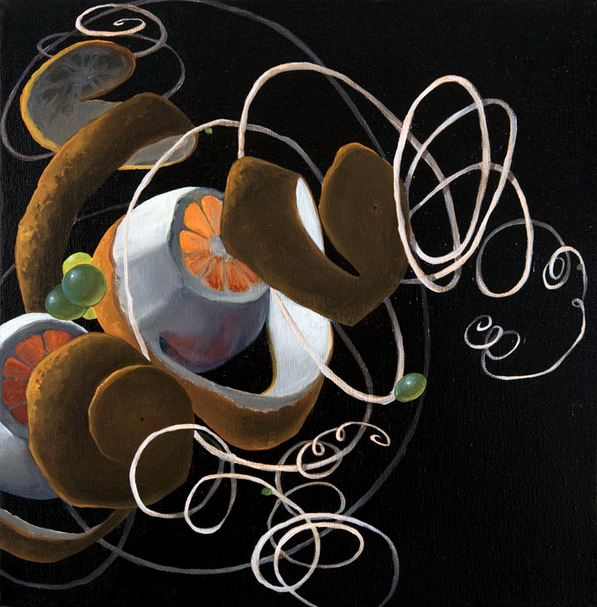
Still Life with Peeler II, 2011; Mia Brownell; Akus Gallery
Anyone who has spent time at our site can vouch for our commitment to community and the power of the liberal arts to sustain and develop each of us both individually and collectively.
The Akus Gallery at Eastern Connecticut State University is bound by their own mission statement to provide a fertile environment for interchange among the diverse disciplinary perspectives of the university’s liberal arts community. Continue reading
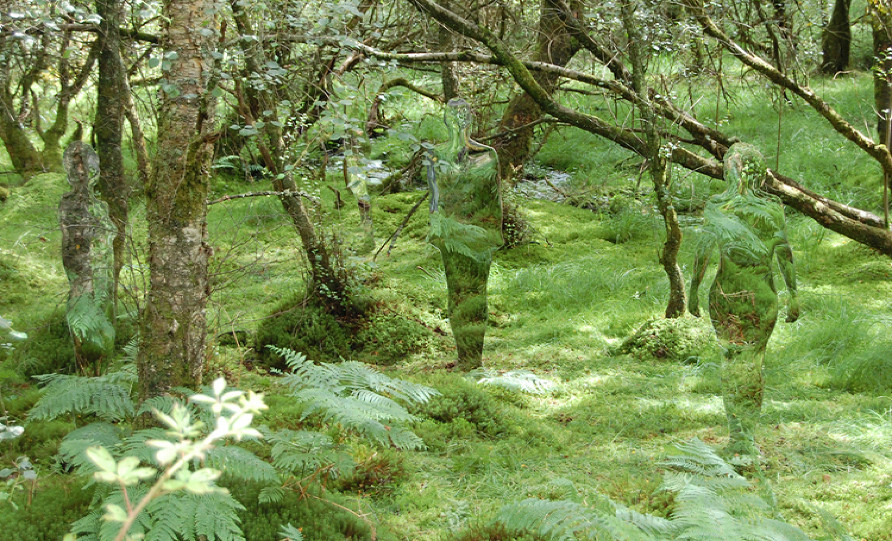
Vestiges, David Marshall Lodge, 2012
Scottish artist Rob Mulholland‘s work touches on Man’s relationship with Nature in many ways, but for me the most essential is the most literal. At our very best we reflect the beauty of our environment, in the same way that we are said to reflect the divine.
A few minutes ago every tree was excited, bowing to the roaring storm, waving, swirling, tossing their branches in glorious enthusiasm like worship. But though to the outer ear these trees are now silent, their songs never cease. Every hidden cell is throbbing with music and life, every fiber thrilling like harp strings, while incense is ever flowing from the balsam bells and leaves. No wonder the hills and groves were God’s first temples…
-John Muir Continue reading
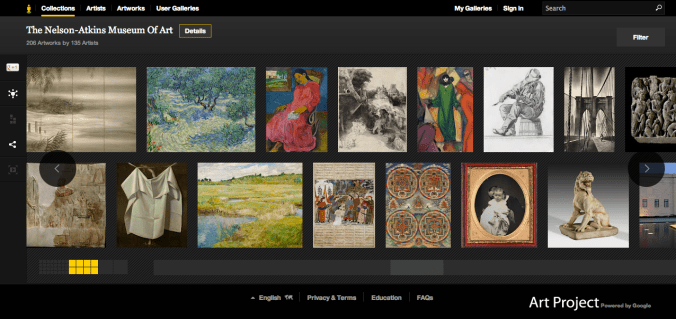
For art lovers nothing quite tops the experience of standing before a favorite painting, sculpture or tapestry, far from the madding crowds, soaking in the aura of history. But few of us have the luxury of being able to visit the “Hermitage” in the morning and the Musée d’Orsay in the afternoon, not to mention the connections that would enable a personalize tour with the curator.
Over the past year Google has put its technological powerhouse behind a project that brings over 30,000 pieces of art from 151 museums in 40 countries into the home of anyone with a computer and an internet connection. Continue reading

I recently read the fascinating story of Inakadate, a small village in northern Japan struggling against a global economic downturn. The rural community with a population of fewer than 10,000 people had none of the charismatic landscapes that typically drive tourism. Twenty years ago a clerk in the Town Hall was asked to figure out how to bring that very thing to the bucolic village surrounded by rice paddies and apple orchards.
The story goes that Mr. Koichi Hanada saw school children planting purple and bright green rice as a class project when it occurred to him that the varied hues could be used like a natural artist’s palette. Continue reading
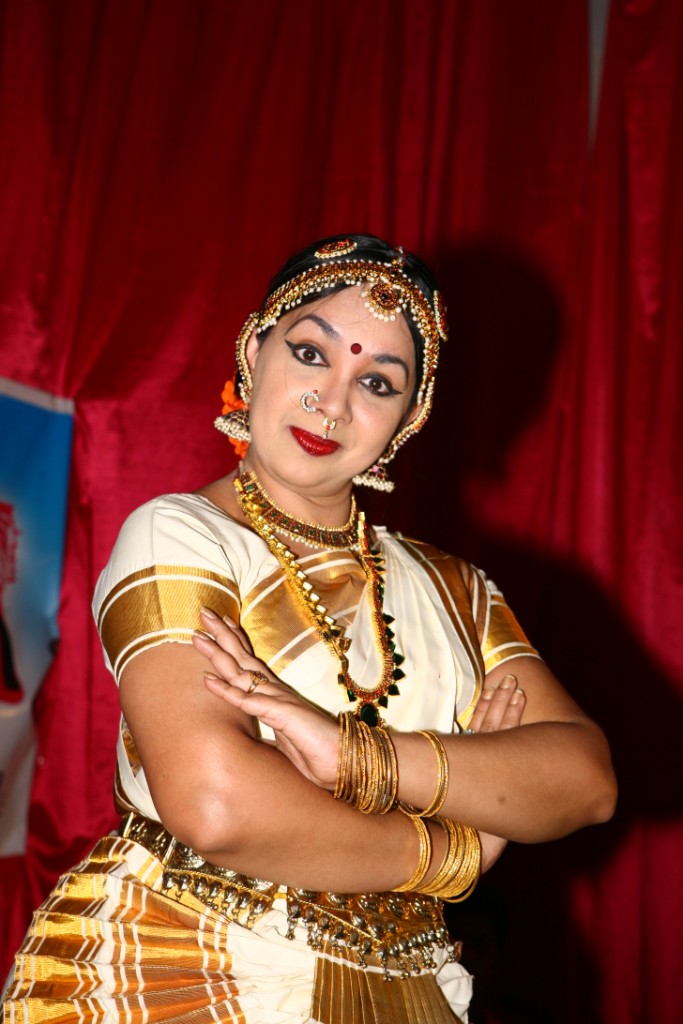
Mohiniyattam is a classical dance form which is believed to have originated in Kerala. Mohiniyattam is a fusion of Bharthanatyam with the dynamism and vigour of Kathakali. This dance performed solely by women was once only seen in Temples and Royal Courts.
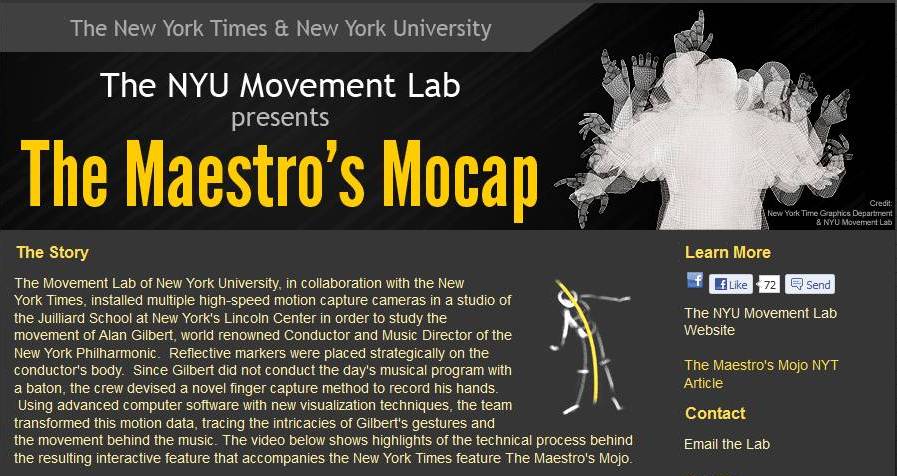
Since we began here last year, we have had some interns, volunteers and employees who graduated from some great programs at some great universities. But NYU’s Mocap program is unlike any of those programs at any of those universities. And we do not have anyone on our team who can do this.

Aranmula, an ancient village in the district of Pathanamthitta on the banks of the famous Pamba River, has a special history of Kerala’s traditional arts. For centuries Indians have been experts in Metallurgy; Delhi’s ancient Mayuran Iron Pillar, and forged Damascus steel are part of an artisanal culture in South India that stretches back more than 2000 years. The Aranmula Kannadi (metal mirror) technology is part of this history.
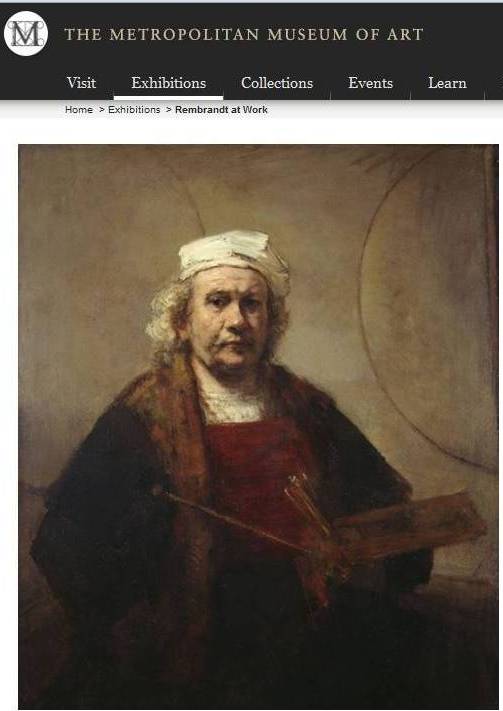
Click the image above to go to the Museum’s listing for a brief opportunity to view Rembrandt’s Portrait of the Artist (ca. 1663–65) Continue reading
Last year I wrote about the maize mazes carved from growing corn fields that reminded me of the mysterious Nazca Lines in the Peruvian desert. I just discovered Polish artist Jarolslaw Koziara, whose work falls more into the category of land art installation, with carefully crafted plantings to create geoglyphic imagery. Continue reading
 Organikos