A Taste Of The Place

NYRH-aleppo-sandwich.jpg

llustration by Rebecca Mock

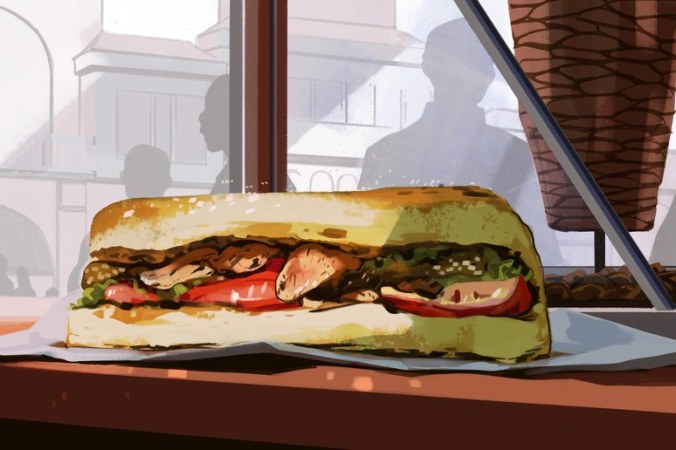
Adam Davidson recounts the best sandwich he ever ate—a local specialty of the ancient city of Aleppo, Syria—and Dan Pashman sets out to re-create it.

Funk.jpg

Uptown Funk

In the last couple of months, Amie and I have focused on how to more effectively evoke the taste of a place. We have specifically been thinking about the future of a family dairy farm in Costa Rica. Click the image above to hear, in just under one hour, a story told by a few people we admire about how important taste can be to our experience of a place.

In addition to dairy, which is a shorter term initiative, we have been working with coffee for some years. All those years have been beta, which has worked well as a complement to our hospitality projects. Now we are preparing to go from beta to live. And that description of a sandwich in Aleppo, and the obsessional hunt to ensure that its very particular culinary heritage is not lost, is a motivational tipping point to get that coffee to your kitchen sooner.

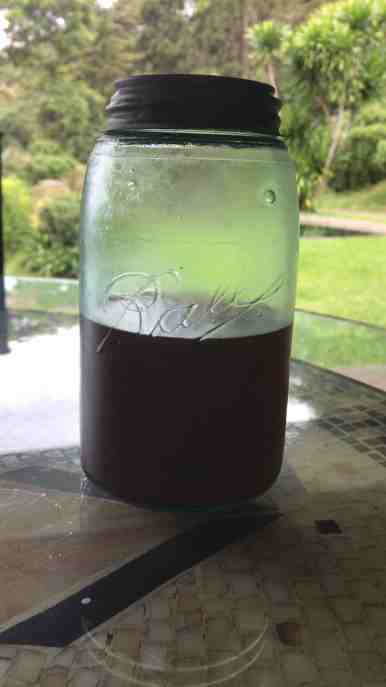
We have tasted coffee from one of the regions of Costa Rica that gets less attention than others. And we have tasted the “natural” form of this coffee, which has very little in common with the monsooning accidental innovation in India but gives us a new way to enjoy coffee. And we have tried chilling it. Wow. We’re calling it Uptown Funk. Hopefully you can try it soon.

Dairy, Feed & Food

BrealeyFarm.jpg

Yesterday, in our continued quest to consider the future of a family dairy farm, we visited what must be the largest such farm in central Costa Rica. At 7,545 feet above sea level overlooking the valley from the northern slope, it may also be the highest.
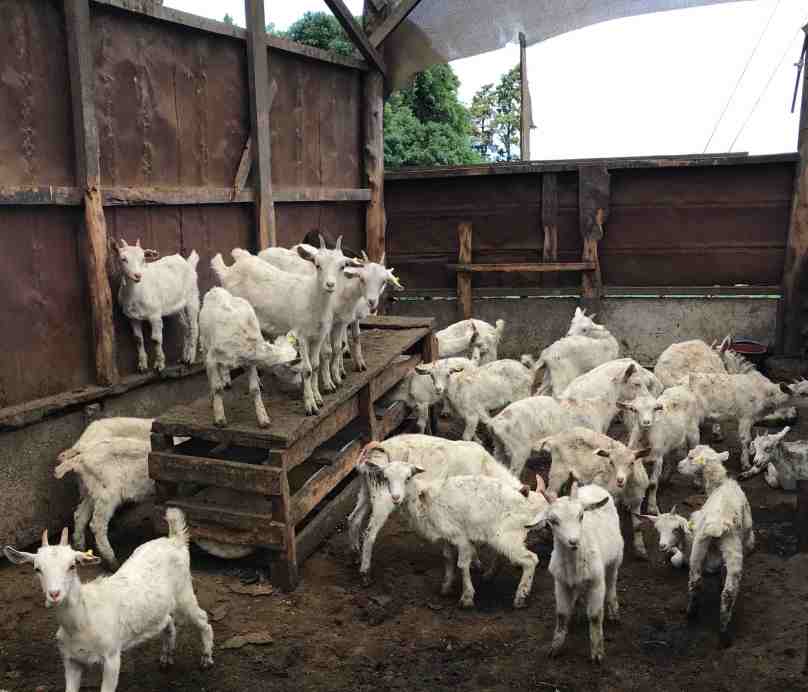
BrealeyGoats.jpgIt has eight times the land and double the cows compared to where we are based, 10 miles north and about 1,000 feet lower in altitude. That farm also has dairy goats. More on other implications of the visit later. Here, a quick note on feed. We had noticed on the dairy where we live that pineapple is part of the diet of the cows.
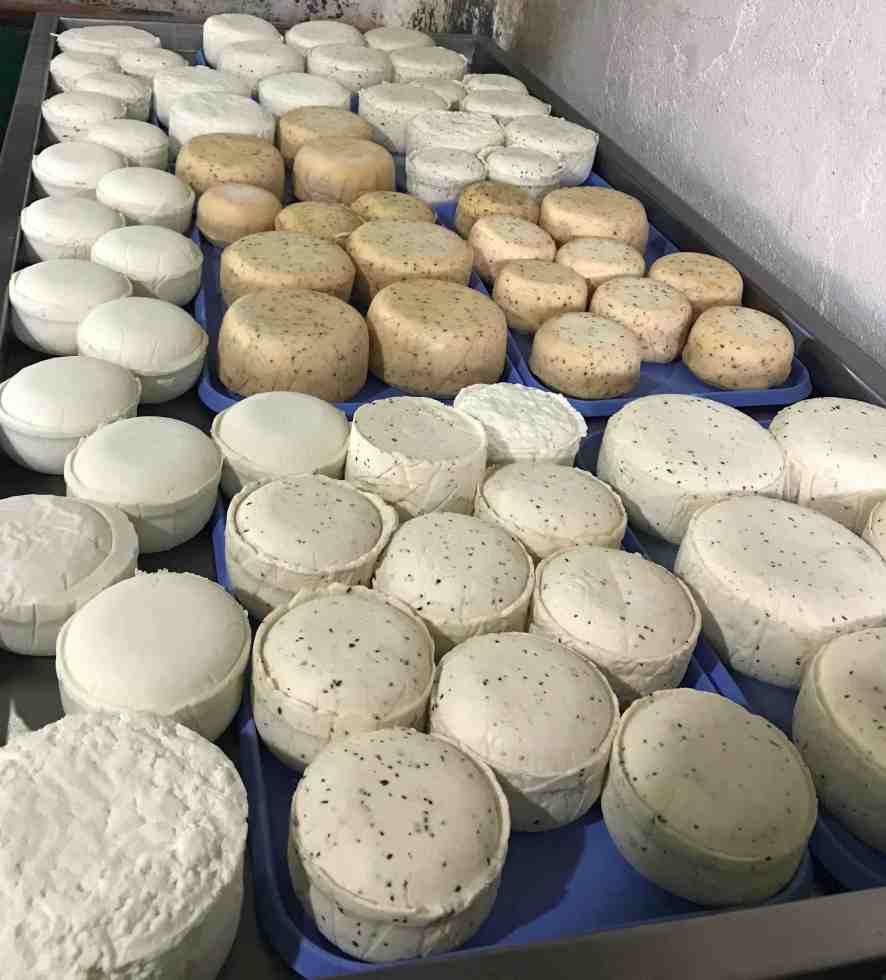
BrealeyCheese.jpgThe dairy manager had explained that this is an important part of the nutritional mix. Despite our surprise we had not asked more about it. Yesterday we did, and the answer was another surprise. Milk production rises 10% or more with the pineapple added to the feed. The animals are healthier because of the fiber content of the fruit, compared to cows eating grains such as corn or soy. Plus, the methane bi-product is significantly decreased. Food produced in a dairy making this dietary change represents one small step toward reducing greenhouse gas emissions.

In the type of coincidence I never expect, but always enjoy, this article was near the top of my news feed today. Thanks to Judith Lewis Mernit and colleagues at the Yale School of Forestry & Environmental Studies for take my yesterday’s lesson and adding some important detail:

How Eating Seaweed Can Help Cows to Belch Less Methane

Emissions from the nearly 1.5 billion cattle on earth are a major source of methane, a powerful greenhouse gas. Now, researchers in California and elsewhere are experimenting with seaweed as a dietary additive for cows that can dramatically cut their methane production.

HolsteinCowsMercedCalifornia_MarmadukeStJohnAlamy_web

Holstein cows feeding at a dairy farm in Merced, California. MARMADUKE ST. JOHN / ALAMY

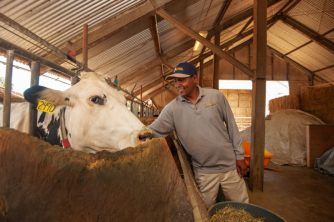
The spring morning temperature in landlocked northern California warns of an incipient scorcher, but the small herd of piebald dairy cows that live here are too curious to care. Upon the approach of an unfamiliar human, they canter out of their barn into the already punishing sun, nosing each other aside to angle their heads over the fence. Some are black-and-white, others brown; all sport a pair of numbered yellow ear tags. Some are more assertive than others. One manages to stretch her long neck out far enough to lick the entire length of my forearm.
UCDavis_20180508-seaweed-cow-8157_web

Scientist Ermias Kebreab has studied how to reduce cow methane emissions for more than a decade. GREGORY URQUIAGA/UC DAVIS

“That’s Ginger,” explains their keeper, 27-year-old Breanna Roque. A graduate student in animal science at the University of California, Davis, Roque monitors everything from the animals’ food rations to the somatic cells in their milk — indicators of inflammation or stress. “The interns named her. She’s our superstar.” Continue reading

Agroecology, A Guiding Principle For Food Entrepreneurship

Ryan Donnell for The New York Times

Our attention has been on food entrepreneurship recently, and here we continue the thread. With agroecology, a new word and robust concept, we have new food for thought. And for that we thank one of our favorite food writers, who we have relied since the first year of this platform. Many of the food stories we have linked to over the years have been authored by him. A year ago we linked to this story, which marked the first time we noted him as an activist. We expect, after reading Bringing Farming Back to Nature, which he co-authored with Daniel Moss, that he has found his new calling:

Workers in a paddy field in the state of Andhra Pradesh, India. Credit Noah Seelam/Agence France-Presse — Getty Images

Farming the land as if nature doesn’t matter has been the model for much of the Western world’s food production system for at least the past 75 years. The results haven’t been pretty: depleted soil, chemically fouled waters, true family farms all but eliminated, a worsening of public health and more. But an approach that combines innovation and tradition has emerged, one that could transform the way we grow food. It’s called agroecology, and it places ecological science at the center of agriculture. It’s a scrappy movement that’s taking off globally. Continue reading

Progress Envisioned, Clabbered Cottage Cheese Looks Promising

27cottage-1-superJumbo.jpg

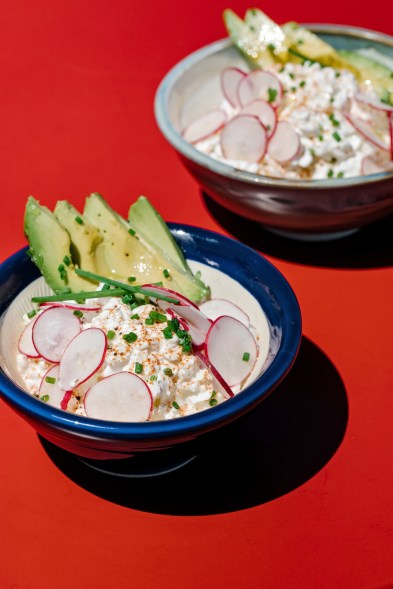
Clabbered cottage cheese at Cowgirl Creamery’s Sidekick Cafe at the Ferry Building in San Francisco. Credit Jason Henry for The New York Times

Rise Products Reduce Waste


merlin_136683216_717972aa-9b50-4c20-a0e1-7823ac25f3e8-jumbo.jpg

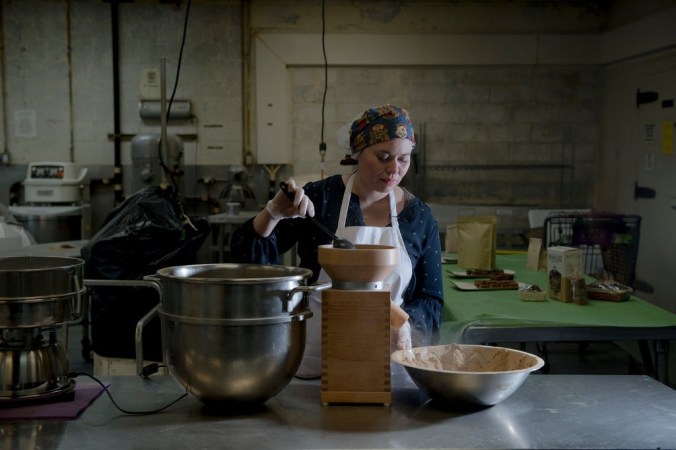
Bertha Jimenez milling flour at Rise Products’ temporary kitchen in Long Island City, Queens.
Ms. Jimenez, an Ecuadorean immigrant with a doctorate in engineering, helped develop a method for making flour from the grain left over after brewing beer. 
George Etheredge for The New York Times

Thanks to Larissa Zimberoff for this:

From Brewery to Bakery: A Flour That Fights Waste

merlin_136683021_001d3c91-70a2-4942-bbef-c40181c31510-jumbo.jpg

In a temporary commercial kitchen in Long Island City, Queens, Rise Products dries spent beer grains in an oven before they are ground, milled and sifted into a fine flour. George Etheredge for The New York Times

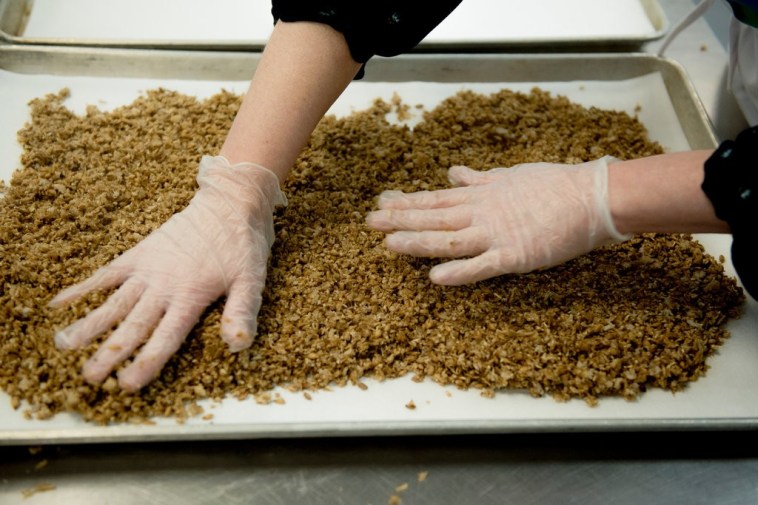
For some people, beer is the perfect end to a workday. For Bertha Jimenez, it’s the start of a new way to eliminate food waste.

Breweries throw out millions of pounds of used grain every day that could have other uses. While some is repurposed as animal feed, compostable products or heating fuel, little has been exploited for its value as food.

20flour-new2-jumbo.jpg

Because of the growing interest in reducing waste, many chefs and bakers are already eager to work with the flour. George Etheredge for The New York Times

But Ms. Jimenez, 35, has created a small start-up, Rise Products, that converts the grain into a flour that is finding its way into sustainable bakeries and kitchens in New York and as far away as Italy.

The potential for recycling beer waste first came into the cross hairs of Ms. Jimenez, an immigrant from Ecuador, while she was working toward her doctorate in 2015 at the Tandon School of Engineering at New York University. Intent on finding ways to reduce industrial waste, she started a side project with like-minded friends — most of them also immigrants — and craft beer provided an easy target: Everyone loved it, but it had issues.

Ms. Jimenez lives in Brooklyn, which at last count had 20 craft breweries that are tossing out grain. Ms. Jimenez and Ashwin Gopi, a classmate and a founder of Rise, began asking around for samples so they could figure out how best to reuse them. Continue reading

Rewilding The Farm, An English Experiment In Entrepreneurial Conservation

7360.jpg

Starting in May, Amie and I have been living on a dairy farm in the mountains on the northern side of Costa Rica’s Central Valley. We will be here until at least the end of July, brainstorming about the dairy’s future. There is already much to say about that, but we will share that soon enough. For today, just a shout out to fellow brainstormers across the Atlantic. When we first learned of Paul Lister’s initiative, it sounded like a far-fetched experiment. Now we see another experiment further south on the same island:

The magical wilderness farm: raising cows among the weeds at Knepp

You can’t make money from letting cows run wild, right? When Patrick Barkham got access to the sums at a pioneering Sussex farm, he was in for a surprise.

7360 (1)

Wild ponies at dusk. Photograph: Anthony Cullen for the Guardian

Orange tip butterflies jink over grassland and a buzzard mews high on a thermal. Blackthorns burst with bridal white blossom and sallow leaves of peppermint green unfurl. The exhilaration in this corner of West Sussex is not, however, simply the thrilling explosion of spring. The land is bursting with an unusual abundance of life; rampant weeds and wild flowers, insects, birdsong, ancient trees and enormous hedgerows, billowing into fields of hawthorn. And some of the conventional words from three millennia of farming – ‘hedgerow’, ‘field’ and ‘weed’ – no longer seem to apply in a landscape which is utterly alien to anyone raised in an intensively farmed environment. Continue reading

Food For Thought & Thought For Food

27stager-jumbo

Enzo Pérès-Labourdette

The food for thought is by way of Curt Stager, a professor of natural sciences, who celebrates citizen science in a powerful ominously-titled op-ed:

Why care about this new silence of the bugs? An across-the-board decline in flying insects, if true, means that an entire sector of the animal kingdom is in trouble, representing an immense diversity of life-forms, from butterflies and beetles to hoverflies and damselflies. The eminent biologist Edward O. Wilson, who has spent much of his life studying ants, has warned: “If all mankind were to disappear, the world would regenerate back to the rich state of equilibrium that existed ten thousand years ago. If insects were to vanish, the environment would collapse into chaos.”

And the thought for food is also from an op-ed:

Why You Should Be Drinking Weird Wines

By Jason Wilson

merlin_138630777_bd5bc3fe-d84f-4de8-a999-7c0568353414-superJumbo

Alicia Adamerovich

…For years, the global wine industry had been devolving toward a monoculture, with local grape varieties ripped out in favor of more immediately profitable, mass-market types. There are 1,368 known wine grape varieties, but nearly 80 percent of the world’s wine is made from just 20 kinds of grapes. Many of the rest face extinction. Continue reading

Bob Moore And His Red Mill

ep78-bobsredmill_wide-3ed9dbf82bd572d256b86956e1e9823a74cd536b-s1400-c85

Marcus Marritt for NPR

47 minutes well spent with one of our heroes, who we realize now is not featured enough in our pages relative to how much he has inspired our work. Here is a quick start at repairing that oversight (click the image above to go to the podcast):

In the 1960s, Bob Moore read a book about an old grain mill and was inspired to start his own.

Using giant quartz stones from the 19th century, he ground and packaged dozens of different cereals and flours, quickly positioning his company at the forefront of the health food boom.

Despite a devastating fire in the 1980s, Bob’s Red Mill grew into a $100 million business – and although Bob is nearly 90, he goes to work at the mill every day.

Entrepreneurial Conservation & Armenian Foodways

04_preview_wide-17fa88f30bcf886db25337ed12b9accfbc084db0-s1400-c85

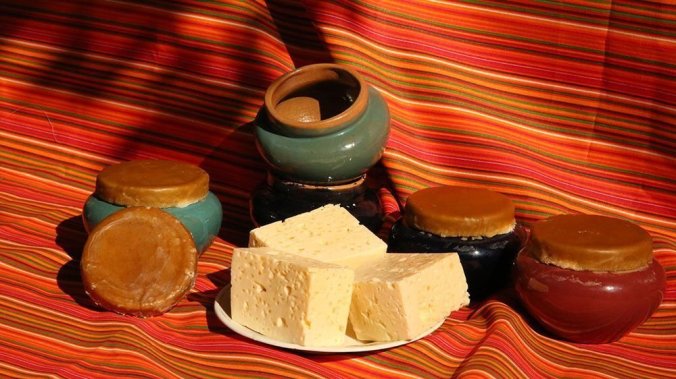
Motal cheese is a fresh goat’s milk cheese made primarily in remote mountain areas in Armenia. Cross of Armenian Unity/Ruslan Torosyan

We are on the lookout for stories that combine our interest in topics such as conservation, and entrepreneurship, and traditional foodways, and innovation (among other things) and this story touches on several of our favorite themes. Thanks to the salt team at National Public Radio (USA):

Armenia’s Ancient Motal Cheese Makes Its Way Into The Modern Age

In the mountains of eastern Armenia, about 75 miles north of the capital Yerevan, motal means change.

Motal cheese is like a business card for our region,” says Arpine Gyuluman, who owns Getik Bed and Breakfast in Gegharkunik. “[Because of it], we’re seeing more and more visitors annually.”

Motal is a white goat cheese flavored with wild herbs that is similar to homestyle country cheeses in Iran and Azerbaijan. Motal is prepared in locally made terra cotta pots sealed with beeswax ― a method that dates back at least 5,000 years. A little more than a decade ago, it was in danger of disappearing. That is, until a local university student named Ruslan Torosyan embarked on a personal crusade to save motal. Continue reading

Coffee, Journeys & Yemen

24bookeggers4-superJumbo-v2

CreditPatricia Wall/The New York Times

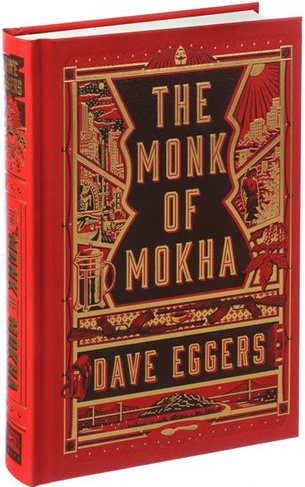
This review, thanks to Ghaith Abdul-Ahad, has my attention on The Coffee-Flavored American Dream of a young man with about as improbable a mission as I can imagine.  Returning to the coffee fields of Costa Rica’s Tarrazu region in a few days, I also plan to cross the Central Valley to see the latest mission accomplished of another coffee dreamer, the choice of Dave Eggers for his latest book topic is much appreciated.

A few years ago I traveled with a group of friends from the southern Yemeni port city of Aden to the capital of Sanaa in the north, taking the long coastal road that twists and curves around the bulge of Yemen’s southernmost tip. After passing the Bab el Mandeb strait, the road stretches along the seashore. Under a clear bright sky, the waters of the Red Sea shimmered and the sand glowed a warm ocher, the monotony interrupted only by an occasional fisherman’s shack, a small nomadic settlement or a bleached one-room mosque. Flat-topped trees looming in the distance suggested an African landscape.

merlin_135539598_25a28bf1-c1ea-4f91-864b-e5d08b63264d-master768

CreditLorenzo Gritti

Ahead of us lay the port of Mokha, or Al-Mukha in Arabic, where from the 15th century onward ships set sail with precious Yemeni coffee bound for Istanbul, London, Amsterdam and eventually New York — so much coffee that the word “mocha” became synonymous with it. Continue reading

MA’O’s Marvelous Mission

MaoFarm

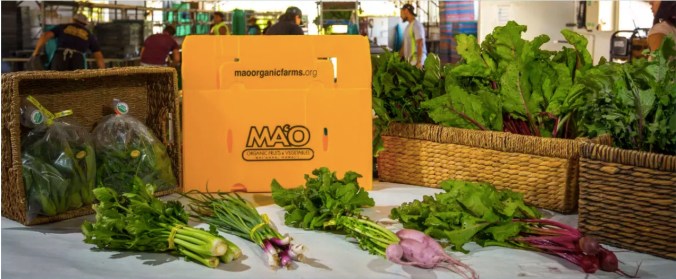
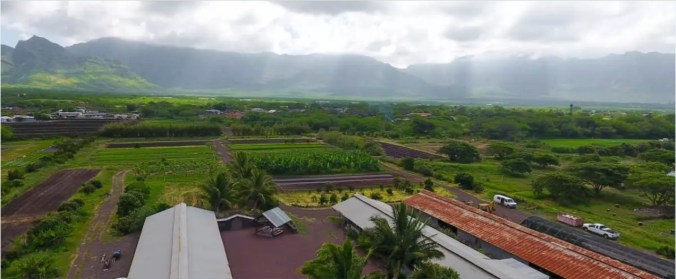
If we had come upon the website with no introduction maybe it would have looked like just another pretty organic farm in a tropical paradise.

MaoFarm2

But there are people involved, and it is a pleasant surprise to learn from Dakota Kim’s story Youth Farm In Hawaii Is Growing Food And Leaders how those people bring that place further to life. There is a mission worth reading about:

farm-3_vert-1ca699e699afb15a6803f2ffef41df115fa49f22-s500-c85

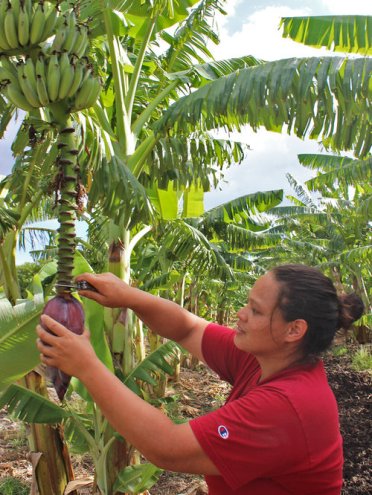
Cheryse Sana, farm co-manager, cuts a banana blossom off a tree at MA’O Organic Farms. Dakota Kim

A tight circle of teenagers is deep in conversation — not about movies or apps, but about … vegetables.

It’s 7 a.m. at MA’O Organic Farms, part of 24 acres nestled in an emerald mountain-ringed valley just two miles from Oahu’s west shore. Under a hot sun that bathes this idyllic breadbasket, college-aged farmers harvest tons of mangoes, bananas, mizuna (mustard greens) and taro every month for the island of Oahu.

The farm’s atmosphere bubbles with enthusiastic lightheartedness, its college interns quipping across the rows that they can beat their neighbors’ harvesting speed. But a calm falls over the group as they move from joking around to talking more seriously. A circle forms under an open pavilion, and a young woman speaks. Continue reading

Crafting History With Wood

merlin_135052758_3da0e0c4-0d11-4265-9719-2503b4e68d7d-blog427

The elaborately detailed Bingham secretary enjoyed pride of place at the Wadsworth Atheneum in Hartford until it was determined to be a forgery. Credit John Banks

The principle of the matter, depending on how you look at it, makes this story interesting. The idea that a person can craft new wood into historical storylines so compellingly that experts cannot detect the recency of the crafting? Wow. Fooling a buyer into paying a premium for the historical significance? Uh, no. Thanks to John Banks for this sleuth story:

The Civil War memorial secretary was widely embraced as a folk art treasure. Fashioned from walnut, maple and oak, it was said to have been created circa 1876 to honor John Bingham, a Union infantryman who had fallen at Antietam.

merlin_135052761_3c9565a7-df1d-4773-ade7-6794ef8b279f-master675.jpg

A detail of the secretary, with the barnyard-bone lettering. CreditJohn Banks

Profusely adorned, it featured a music box that played “Yankee Doodle” and it was accompanied by a letter from a Bingham descendant, describing the significance of the piece to the family.“I was astonished by it,” said Wes Cowan, an auctioneer and dealer who examined the secretary at the Winter Antiques Show in New York in 2015.

The owner, Allan Katz, had bought it months earlier from a Massachusetts dealer for an undisclosed price, and was now trying to sell it for $375,000.

merlin_135244140_6fe1dd00-dc24-404e-a024-c2b695bf6284-master675.jpg

John Bingham, left, and his brother Wells, Union soldiers from East Haddam, Conn. Credit via, Military and Historical Image Bank

“Clearly,” Mr. Katz, a Connecticut antiques dealer, said in a video filmed at the show, “we are hoping that it might go to an institution, because it really would be wonderful to share this with the public on a day-to-day basis.”

So it was gratifying, Mr. Katz said in an interview, when the Wadsworth Atheneum in Hartford purchased the work and gave it prominent display. Continue reading

Taste The Place, Yemen & Coffee In Michigan

img-8850_wide-96d9a5de4dcfc1e98058e4be37f9940b92363736-s1300-c85.jpg

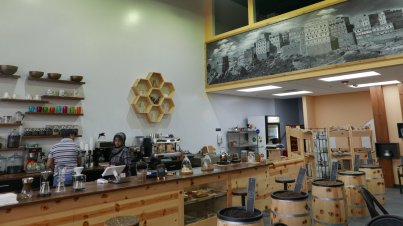
A traditional pot of Yemeni coffee, mixed with cardamom and ginger, is served with a Yemeni sweet honey bread at a new Yemeni coffee shop in Dearborn, Mich. Owner Ibrahim Alhasbani sees himself as part entrepreneur, part cultural ambassador for his home country. Zahir Janmohamed

The salt, at National Public Radio (USA) has a story today about coffee, entrepreneurship and cultural illumination that is about tasting the place, a once and future key theme of our pages:

The 35-year-old owner of a new Yemeni coffee shop in Dearborn, Mich., never imagined he would enter the coffee business. Ibrahim Alhasbani was born in Yemen and grew up on a coffee farm outside the country’s capital city of Sana.

p1040537_wide-61e96f7114c07339e46dbc8eb78417f3c6facfd4-s1300-c85

A view inside Qahwah House, a Yemeni coffee house in Dearborn, Mich. The city has a high concentration of Arabs and Arab Americans (qahwah means coffee in Arabic). Zahir Janmohamed

“I had enough coffee in my life,” Alhasbani says. “But when I moved to America and the problems started back home, I told myself I have a chance to show that Yemeni coffee is really good and that Yemen is more than just violence and war.”

A couple of months ago, he opened Qahwah House in Dearborn, a city with a high concentration of Arabs and Arab Americans (qahwah means coffee in Arabic). Continue reading

Chocolate’s Future Is Ours To Write, Within Limits


Slowmelt

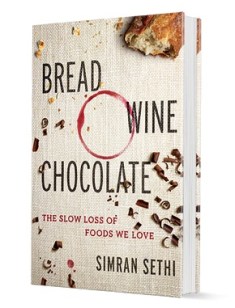
sethi_breadwinechocolate_3dWe are among those hoping that the future of chocolate is tastier, but we thankfully missed the mistaken headlines highlighted in this story below (thanks to the salt at National Public Radio, USA). So no false hopes dashed, but we pass this along in the interest of science. And to highlight an author who has recently come to our attention. A couple of us who contribute here have a copy of Simran Sethi’s book Bread, Wine, Chocolate: The Slow Loss of Foods We Love (click to the right to go to there) on our nightstand currently; she also podcasts on the topic of chocolate over at The Slow Melt (click above to go there).

Sorry Folks, Climate Change Won’t Make Chocolate Taste Better

gettyimages-626378342_wide-4e7d50db9ab7b5dcd9578cdca115148a070224e7-s1300-c85

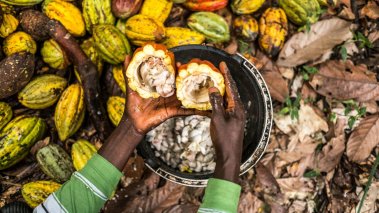
A cocoa farmer opens cacao pods with a stick to collect cocoa beans at his farm in Beni in the Democratic Republic of Congo. Eduardo Soteras/AFP/Getty Images

Two years ago, news headlines blared, “Cheese really is crack,” citing research that was widely misinterpreted as asserting cheese was addictive. Now, it’s chocolate’s turn.

Last week, several publications celebrated a new study that highlights the impacts of climate change on cocoa, stating global warming might make chocolate taste better. “Good news, chocolate-lovers,” wrote one outlet, “climate change may have a silver lining.”

Sadly, it’s not true. Continue reading

The Craftwork Of Small Organisms

merlin_105802288_f62a8530-6c2d-46ae-ad3f-588b413aec3c-master768 (1)

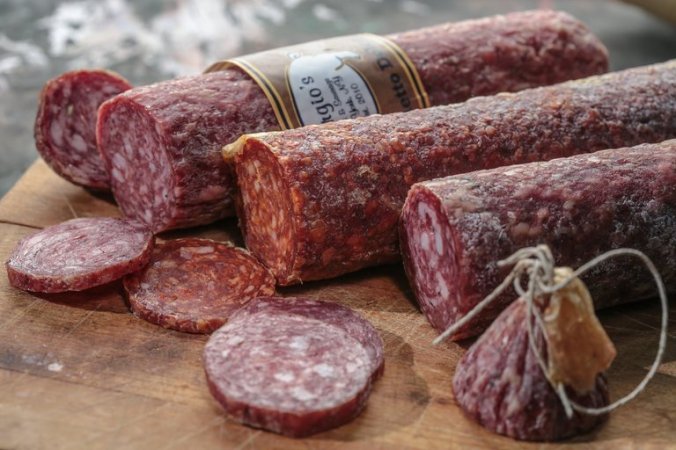
Bacteria are responsible for the delicious taste of salami, although industrial microbes do not yield as tasty dried sausages as wild microbes. Credit Tony Cenicola/The New York Times

Fermented meat does not have the sound of mmmm to it, but we learn something new each day:

Actually, You Do Want to Know How This Sausage Gets Made

When you slice into a salami, you are enjoying the fruits of some very small organisms’ labor.

Like other dried sausages, salami is a fermented food. Its production involves a period where manufacturers allow microbes to work on the ground meat filling to create a bouquet of pungent, savory molecules. Traditionally, the bugs find their way to the sausage from the surrounding environment. But these days, industrial manufacturers add a starter culture of bacteria to the meat instead, much the way a bread baker adds a packet of yeast to her dough. Continue reading

Big Time Culinary Hydroponics

10farm1-jumbo (1)

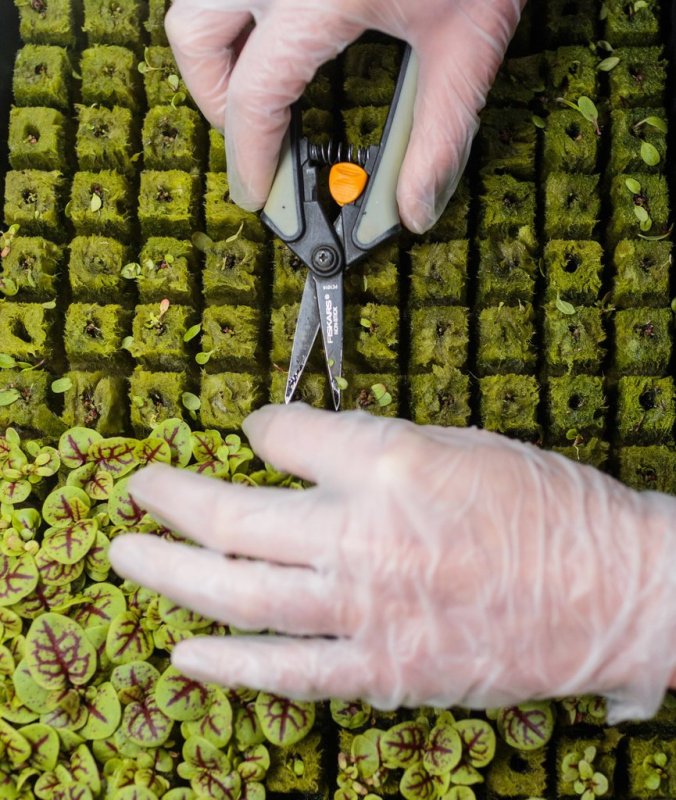
At Farm.One, a hydroponic garden in TriBeCa, red-veined sorrel is prepared for a delivery. Credit Sarah Blesener for The New York Times

We have posted on urban farming and related topics numerous times since 2011, and hydroponics as its own topic of interest plenty of times as well. Culinary and/or gastronomic topics as related to agriculture are a magnitude of order more represented in these pages. Finally, they are combined for us in one amazing article, thanks to Alyson Krueger. If you only have time to look at the photos, those alone are worth the click:

Herbs From the Underground

Farm.One just opened an indoor rare herb and flower garden in a TriBeCa basement, and many prominent chefs are flocking to it.

10farm2-superJumbo

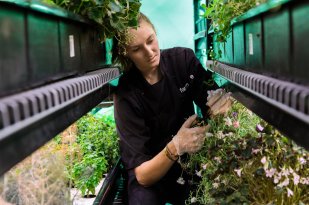
Katherine Chester, a farm hand at Farm.One, harvests for a morning delivery. Credit Sarah Blesener for The New York Times

In the basement of a loft-style building in TriBeCa that houses a vet, a dog swimming pool, an eye-and-ear infirmary, and a two-Michelin-starred restaurant, there is a working farm.

Farm.One is a hydroponic facility, which means that the plants do not grow in soil. Many of these farms are located indoors, in controlled environments, with artificial lighting.

merlin_130952510_55f499d3-d3da-473e-9c9b-329337b217c5-master675

Amazon neon cherry dianthus and neon rose magic dianthus. Credit Sarah Blesener for The New York Times

The new two-room space, which opened in November in a former cycling studio for high-altitude training and an old storage area, is only 1200 square feet. There is no fresh air or natural light; there is not even a window. Yet the venue can grow around 580 varieties of rare herbs and flowers (200 at a time) that supply New York’s top restaurants. Le TurtleLe CoucouMission Chinese Food, and The Pool get regular deliveries from Farm.One, sometimes several times a week. Continue reading

Cacao, Spices & Imagination

chocolate_dyptch_wide-b516bb95a47d1e00652f58b3dc29f210dc8f324d-s1300-c85

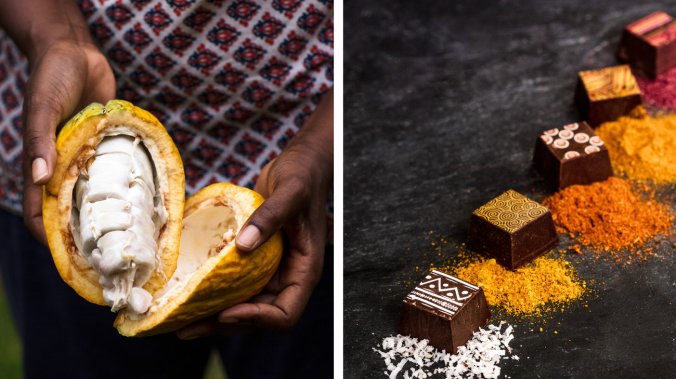
Left, a ripe cacao pod. Right, truffles from Midunu chocolates contain spices and flavors from all over Africa. Midunu Chocolates

Thanks to Amy E. Robertson and National Public Radio (USA) for telling the story of Midunu, a brief excerpt of which is sampled below:

One Woman’s Quest To Tell ‘The African Story Through Chocolate’

…While working in Senegal, Atadika joined forces with two more food-loving friends, and created a pop-up restaurant that was wildly popular. After dipping her toes in the culinary world for a couple of years, she finally took the plunge. In 2014, Atadika resigned from the UN, moved back to her native Ghana and began cooking full time.

Atadika started with catering and pop-up dinners. “It wasn’t my plan to do chocolates,” she says. “But whatever I do in food I look at in terms of adding value, and chocolate just kind of popped in, because we have this cocoa but we weren’t really processing it at the level we should be.” Midunu Chocolates was born. Continue reading

Identity-Driven Dairy Artisans

23FEMCHEESE-5-master675

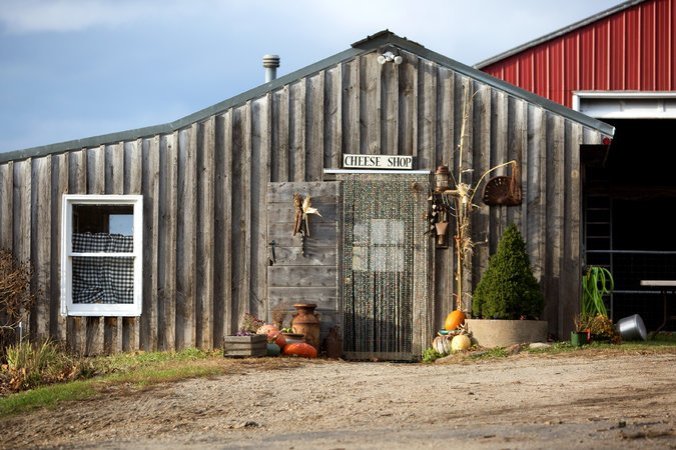
The Cheese Shop at Cato Corner Farm. Credit Sherry Peters for The New York Times

A brief history of the cheese-making craft in North America reveals a little-known fact about a domain where women rule:

merlin_130384553_f8f9a526-077a-43c3-861b-b3ef728638d5-master675

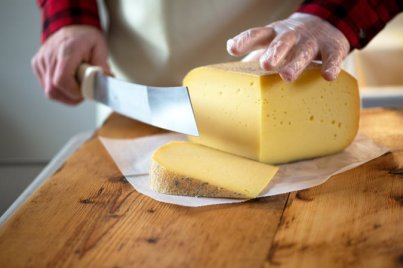
The cheese maker Mark Gillman, of Cato Corner Farm, slices a wedge of Womanchego in the farm store. Credit Sherry Peters for The New York Times

…Second-wave pioneers taking back the land in the 1970s, 1980s and 1990s included Judy Schad of Capriole Inc. in Greenville, Ind.; Laini Fondiller of Lazy Lady Farm in Westfield, Vt.; and Sue Conley and Peggy Smith of Cowgirl Creamery in Point Reyes Station, Calif.

23FEMCHEESE-4-superJumbo.jpg

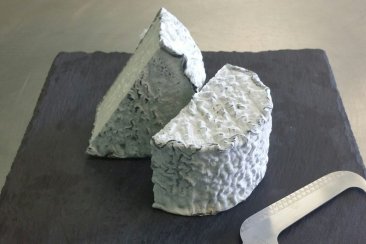
Bearded Lady cheese from Prodigal Farm in Rougemont, N.C.

Last year Ms. Schad, 75, introduced Flora, named for her grandmother, who made cheese under less than ideal conditions on her back porch. It joined Piper’s Pyramide, inspired by Ms. Schad’s own first, redheaded granddaughter (“bright and spicy — just like her namesake!”); Sofia, for a longtime friend (“a queen at any age!”); and Julianna, after a Hungarian intern. “Beneath her wrinkly exterior lies a complexity not often found in such a young cheese,” reads Capriole’s description of the Wabash Cannonball, a popular, prizewinning cheese named for the folk song about a fictional train sung by Johnny Cash. Continue reading

Bread Is Gold

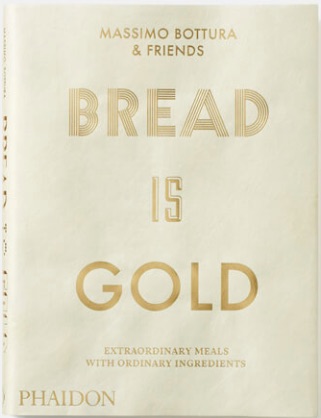
Bread1cThe publisher’s blurb starts with an annoying claim, as if there is one chef better than all others in the world, that illustrates why foodie-ism is less and less linked to on this platform. Nonetheless, the book sounds worthy of attention:

Massimo Bottura, the world’s best chef, prepares extraordinary meals from ordinary and sometimes ‘wasted’ ingredients inspiring home chefs to eat well while living well.

‘These dishes could change the way we feed the world, because they can be cooked by anyone, anywhere, on any budget. To feed the planet, first you have to fight the waste’, Massimo Bottura

Bread is Gold is the first book to take a holistic look at the subject of food waste, presenting recipes for three-course meals from 45 of the world’s top chefs, including Daniel Humm, Mario Batali, René Redzepi, Alain Ducasse, Joan Roca, Enrique Olvera, Ferran & Albert Adrià and Virgilio Martínez. These recipes, which number more than 150, turn everyday ingredients into inspiring dishes that are delicious, economical, and easy to make.

We remember the genesis of this from a story by Adam Robb a couple of years ago:

26bottura-robb-1-master1050

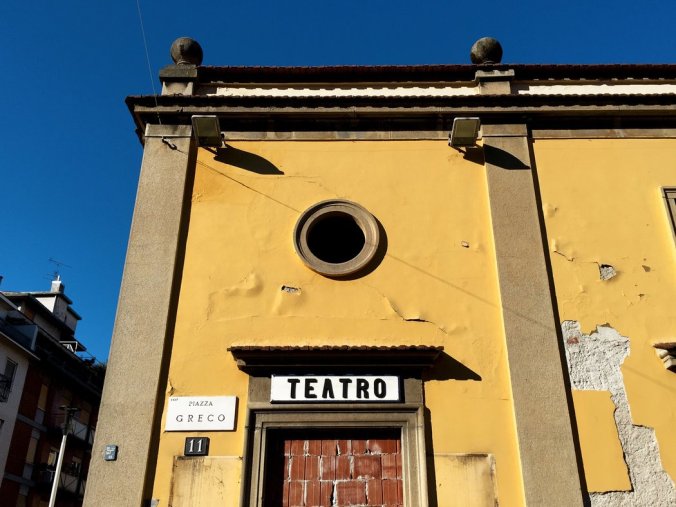
The renovated Refettorio Ambrosiano in Milan’s Greco neighborhood will house a charity event organized by chef Massimo Bottura during Expo Milano 2015. Credit Adam Robb

Massimo Bottura’s Pope Francis-Approved Refectory, and Recipe to Turn Stale Bread Into Gold

Italy’s most progressive exhibition of sustainable cooking commences this Thursday, when the Michelin-starred chef Massimo Bottura throws open the doors of Refettorio Ambrosiano, the once-derelict theater repurposed to educate and feed the refugees and working poor who reside far across town from the multinational pavilions welcoming culinary tourists to this summer’s Expo Milano 2015. Continue reading

Immigrant Mobile Food Vendor Heritage

roasted-pumpkin-taco_wide-989cb44a90437f6cf9228861c0178518fde7dde2-s1300-c85.jpg

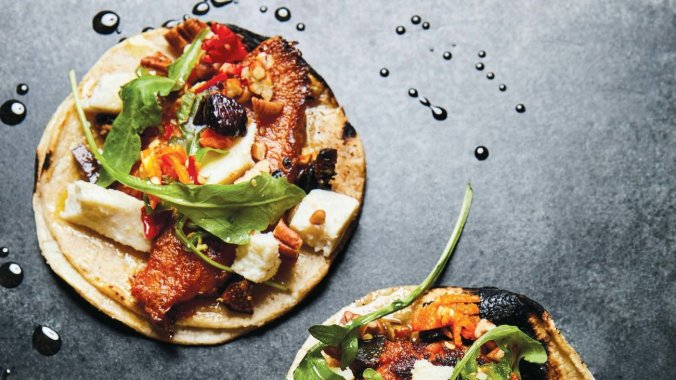
Roasted pumpkin tacos from chef Wes Avila’s cookbook, Guerrilla TacosDylan James Ho and Jeni Afuso/Courtesy of Ten Speed Press

Thanks to Mandalit del Barco and the National Public Radio (USA) folks at the salt for this book review that has special resonance to those of us with immigrant street vendor heritage:

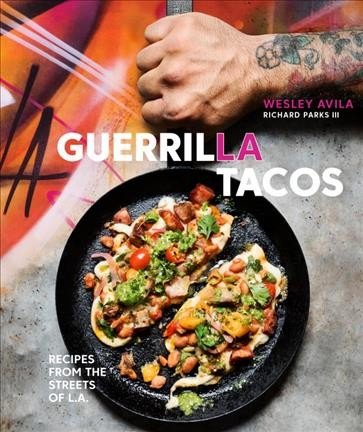
‘Guerrilla Tacos’: Street Food With A High-End Pedigree

How many taco trucks do you know that not only have a cookbook but a theme song? Wes Avila’s Guerrilla Tacos truck does – and has once again made food critic Jonathan Gold’s influential list of favorite Los Angeles eateries.

9780399578632_custom-1290954c4c68f10d38993aede65645a3c56a1961-s400-c85.jpgFive years ago, Avila was working as a sous chef at a pop up restaurant called Le Comptoir. It was only open four days a week, and Avila says he wasn’t making enough money to cover his rent. So he bought a simple food cart. He used his last $167 on ingredients. Then he and a friend began selling tacos in the arts district in downtown Los Angeles without the required health department permits.

“We were kind of bending the law, not necessarily breaking the law. We had to move around so we wouldn’t get caught — you know, like guerrilla warfare,” Avila says. “That’s why we had that name, because we’d be in random alleys, random streets, being kind of renegade like that.” Continue reading