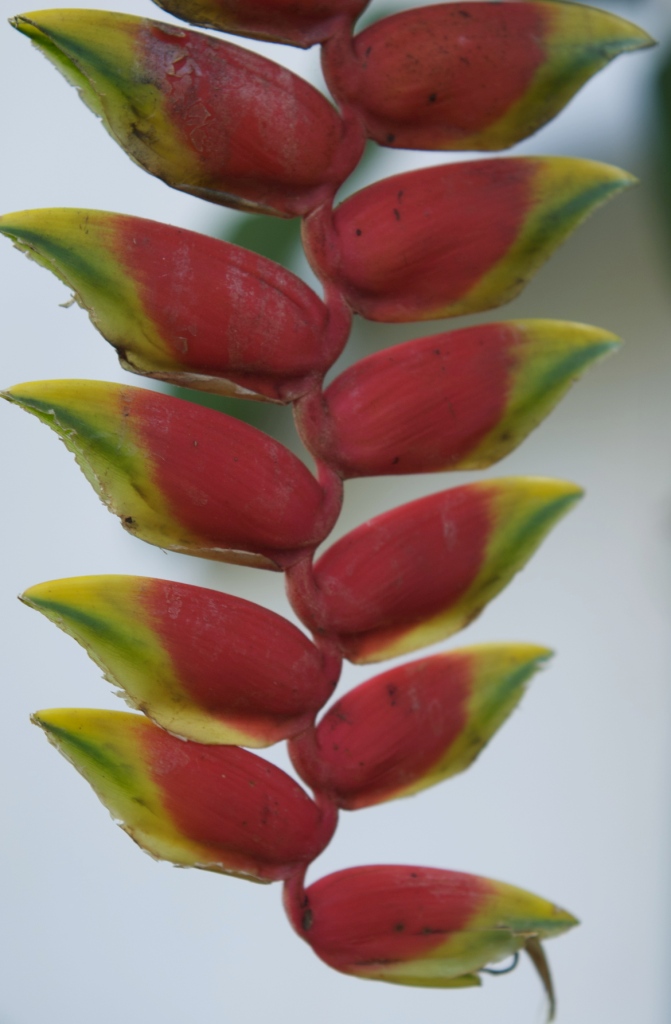
Heliconia pendula

Heliconia pendula are the herbaceous plants that grows up to the height of 0.5 to 4.5 meters. Heliconia are native to Central America and the Caribbean islands. An “exotic” in India, these are mostly found growing in the Western Ghats above 900m. The long leaves of this flower are nearly 15-300cm and grow opposite to one another on a non-woody stalk. Continue reading

Cherry Blossoms in Spring

Cherry Blossoms in Macon

One-hundred years ago, the First Lady of the United States of America, Helen Taft,
and the Japanese ambassador’s wife, Viscountess Chinda, planted two Japanese cherry trees in Washington, D.C. The annual commemoration of this act of good will would come to be known as the “National Cherry Blossom Festival.” In this festival, droves of Americans flock to see the riotously beautiful pink and white blossoms of the Yoshino and Kwanzan cherry trees. Officially, the National Cherry Blossom Festival in Washington, D.C. serves to reaffirm the commitment to enduring friendship between United States and Japan: Continue reading

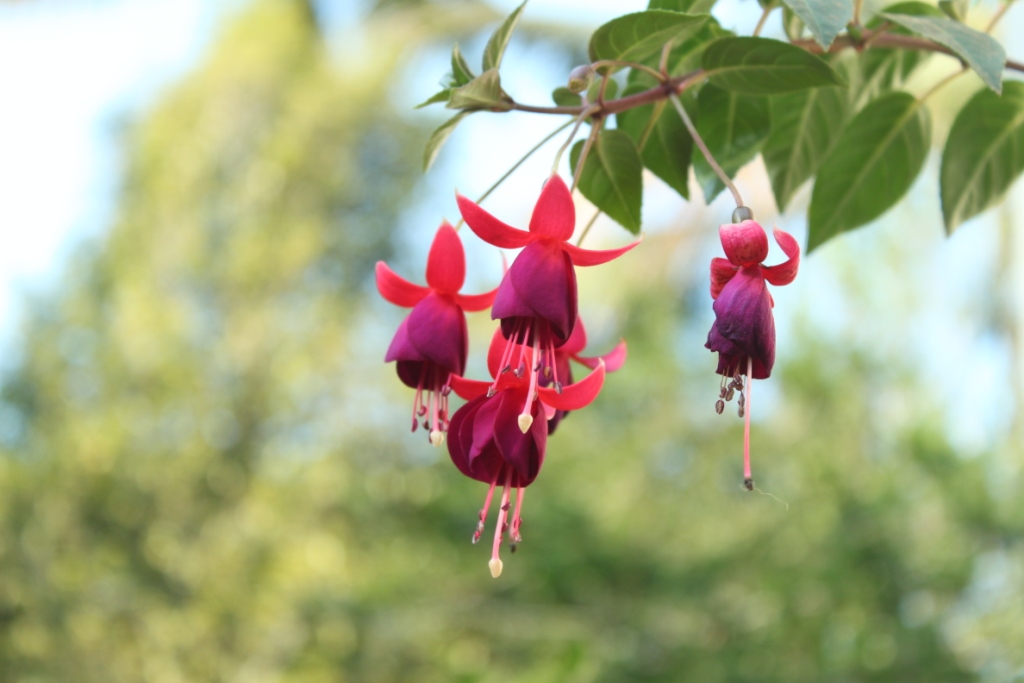
Fuchsia – An Ornamental Plant

The fuchsia flower is a beautiful ornamental exotic flower with striking colors which is widely grown in the Western Ghats. The majority of fuchsia species are native to Central and South America. There are almost 110 varieties of this species.

Continue reading

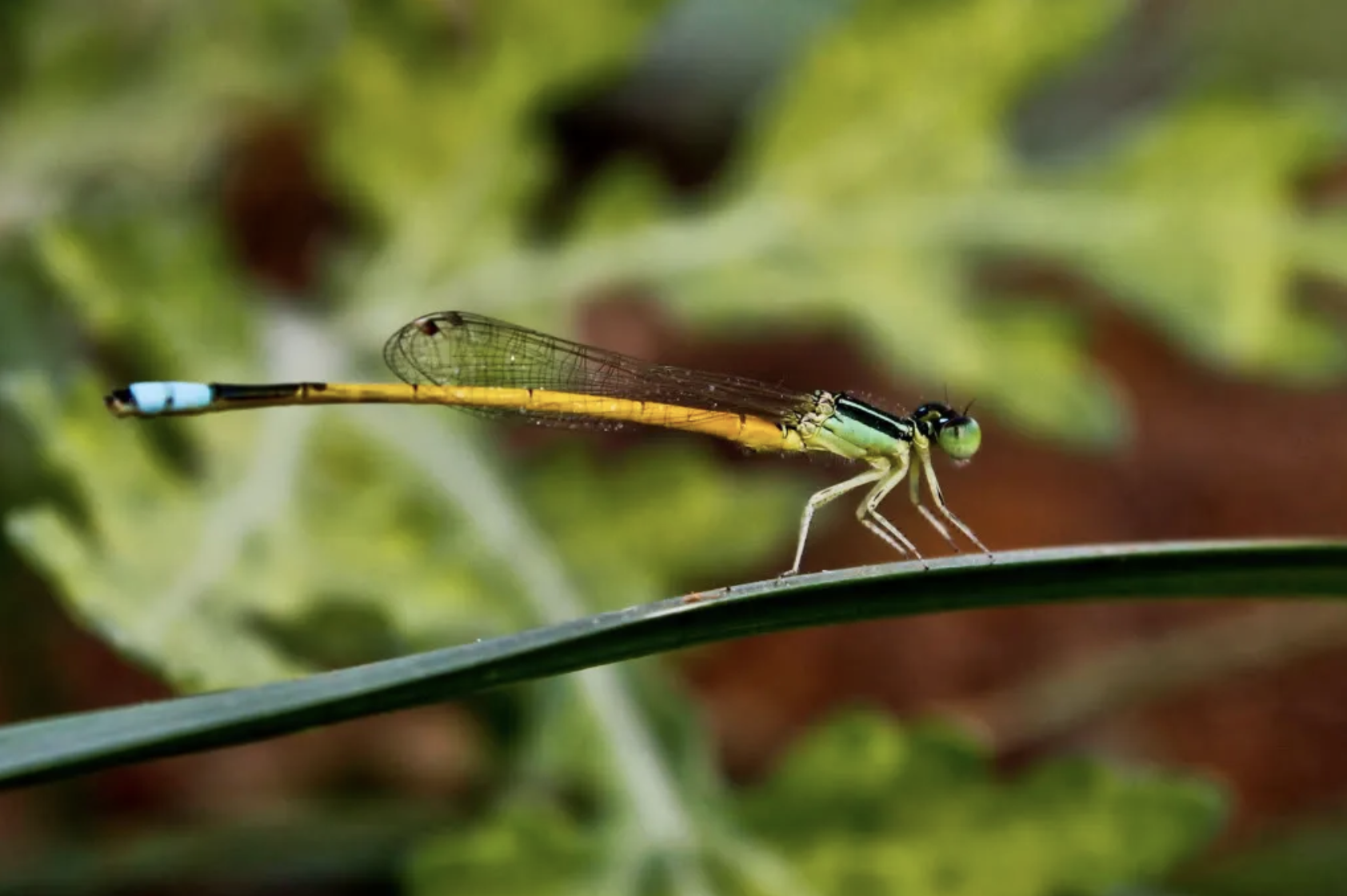
The Truly Golden Dartlet

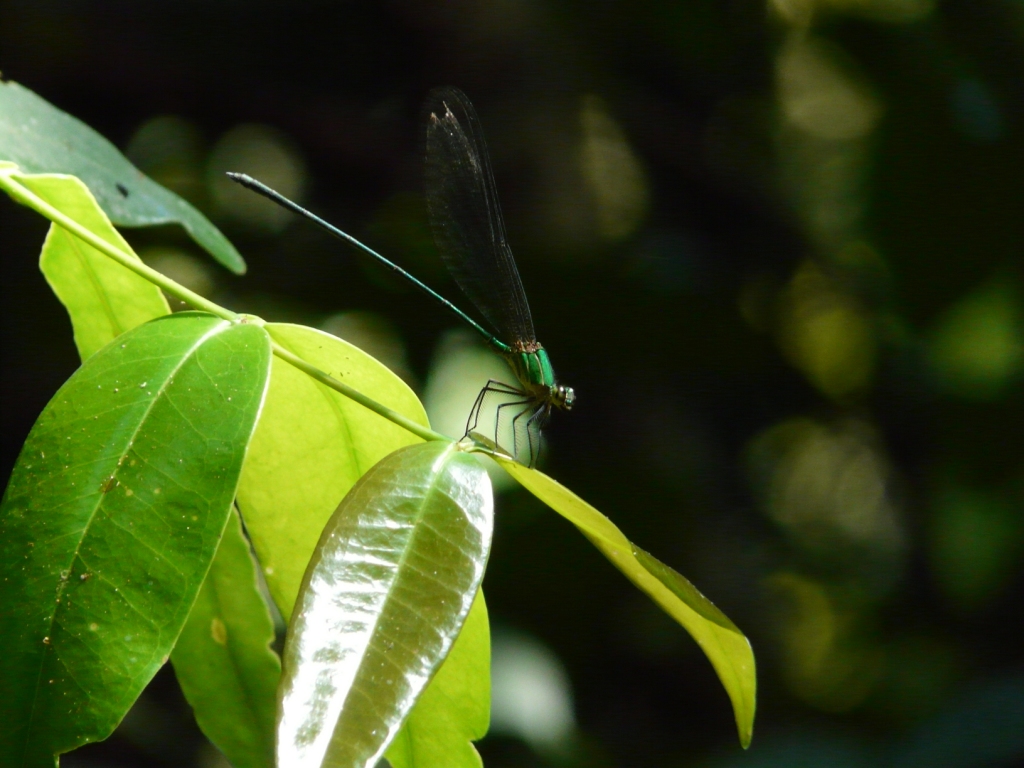
The Golden Dartlet, or Iscnura aurora, is a small species of damselfly that resides in the general vicinity of small streams and ponds. The above photograph was taken several hundred meters from any sizable body of water – a testament to the creature’s rugged and functional, yet beautiful design.  Continue reading

Nature Walk: March 09, 2012

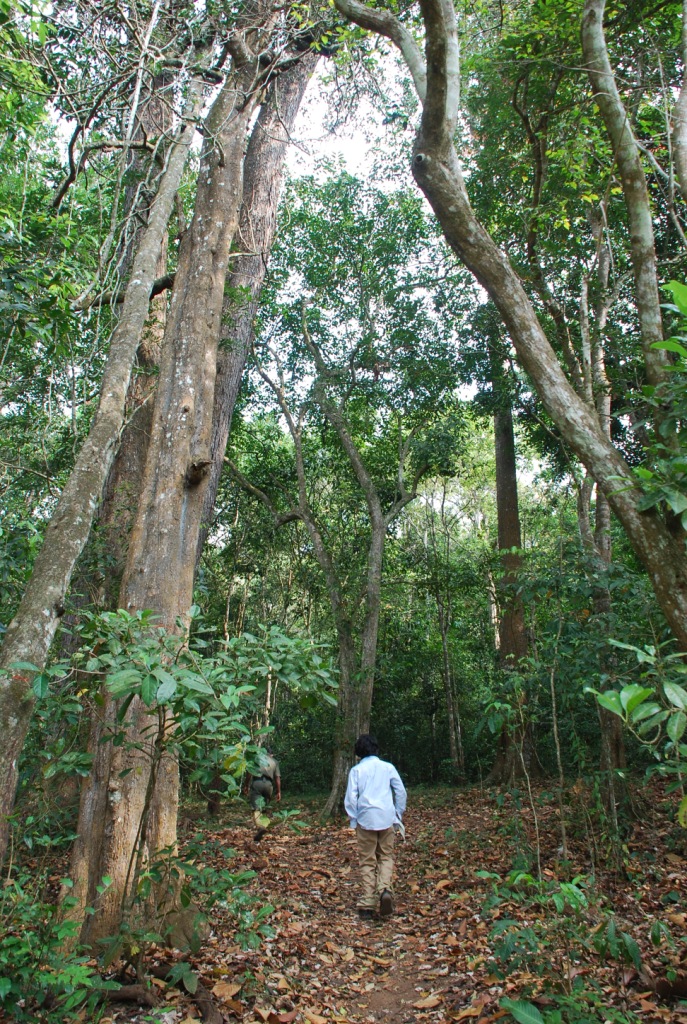
Mr. Roshan & family from the U.S.A were staying with us at Cardamom County and shared their Sightings at Periyar yesterday from their Nature Walk.

As they avid hikers, today they trekked on another route in our Periyar Tiger Reserve.

Continue reading

Crepuscular Forest

Elusive, elemental, and extremely beautiful – this natural phenomenon is breathtaking and actually quite simple to explain. Commonly known as light beams, crepuscular rays are caused by an effect similar to Rayleigh scattering, and are rare to see in a natural environment save near the twilight peripheries – hence the name. Steam, smoke, and dust during the rest of the day makes these beams visible to us from all angles, but short of these mediums, angle and hour are the most significant factors for seeing them.

Continue reading

Guardians

This slideshow requires JavaScript.

A trusted source of information, ideas, news, and more — the website of The Guardian is always worth a visit.  Today is no exception, but above (click here to go to the original) is an exceptional example of its visual contribution to our sense of wonder about India’s diverse communities and how they worship.

Continue reading

A Photographer’s Photographer

Another interesting word or two on this exhibition (click the image to the left to go to the source) to add a different critical perspective:

Last Tuesday, The New Yorker commissioned Jessica Craig-Martin to photograph the opening of Cindy Sherman’s MOMA retrospective.
Continue reading

Connecting The Madeleines

The young man working his way through the kitchen brought to mind a young man of about the same age, three decades earlier. I had the good fortune, in my early adulthood, to work in a restaurant owned and operated by a man who is one of the great chefs of his generation.  I did not work in the kitchen, but in the dining room, from 1983-1985. It provided the most important education of my life, which is saying a lot because I eventually earned a Ph.D. and even that did not top the learning earned in Guy Savoy’s restaurant.

Continue reading

A Dry Periyar

Kerala is dry. The places I’m used to seeing so green and vibrant that they practically drip are now dry, brown and crackly. What are normally torrential waterfalls are reduced to sunbaked rock faces. Clouds occasionally float through the sky, mostly in early morning, but they haven’t shed tears throughout the season. The native plants are geared to survive this climate, as the year seesaws between dryness and enormous moisture. In the forest, untold thousands of dead leaves cover the ground, crackling with glee as trekkers pass under the trees.  Continue reading

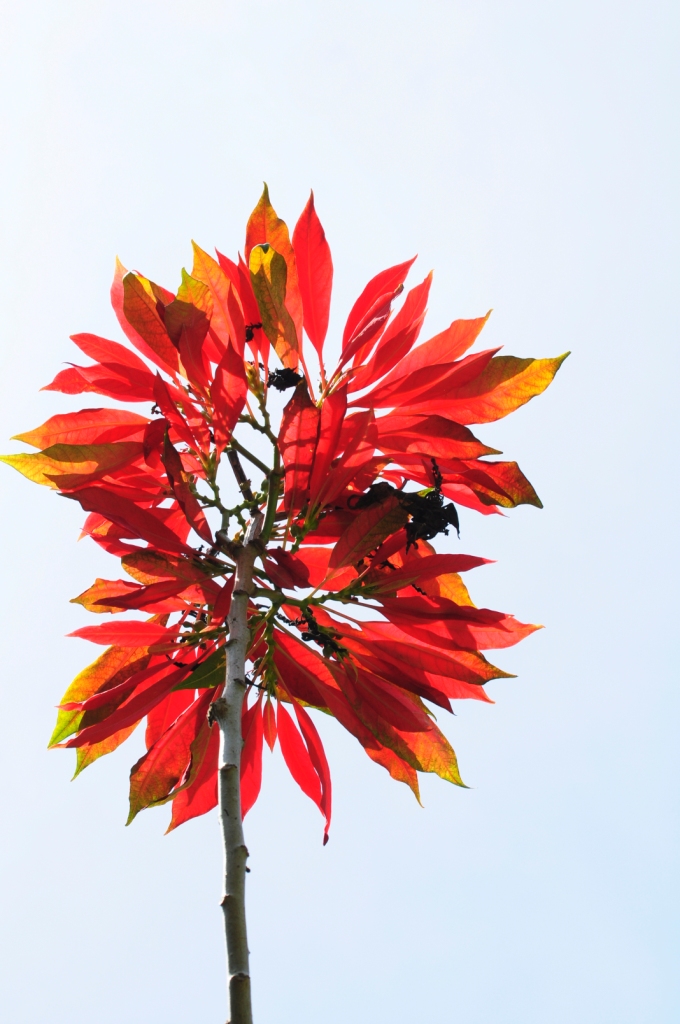
Poinsettia (Euphorbia pulcherrima)

Poinsettia (Euphorbia pulcherrima) is an ornamental shrub which grows up to heights of 10 to 16 ft. The plant’s attractive red colouring is actually the leaf shaped bracts. The flowers themselves are the tiny yellow bunches at the base of leaf structures. Continue reading

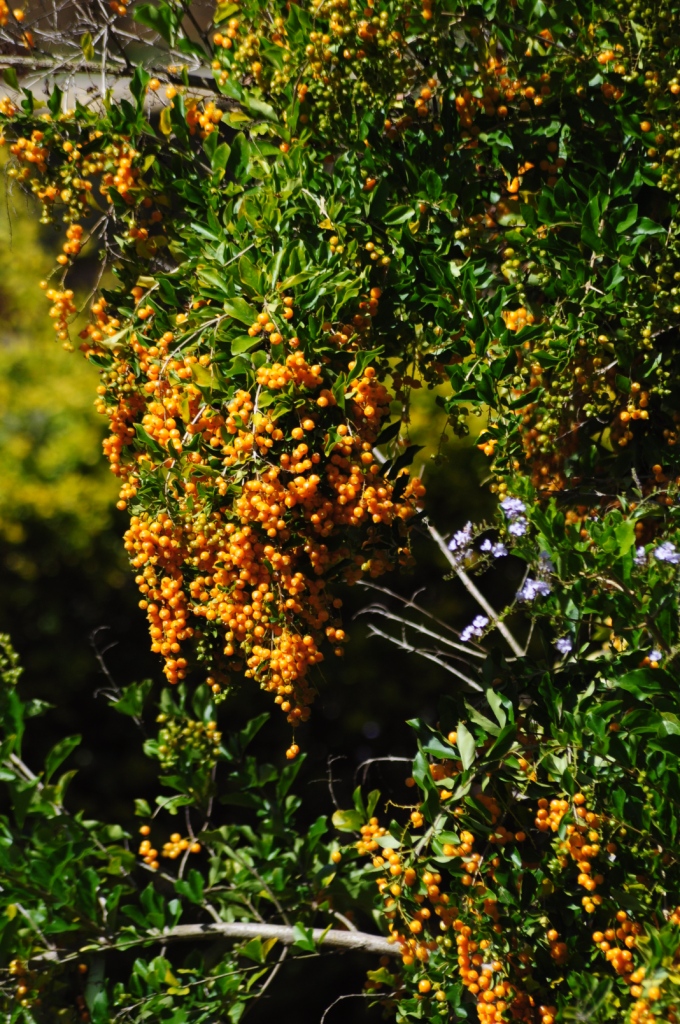
Golden Dewdrop (Duranta erecta)

Golden Dew Drop is an ornamental plant which is a fast growing shrub that can easily reach 5-10ft tall. The clustered flowers are light blue or lavender in color grows and bloom almost all year long. The fruit are like golden balls that hang off the branches. Continue reading

Photographing New Frontiers

At first glance, we want to go there.  Is it somewhere in the southwest of the United States, or maybe those amazing mountains in Jordan where the dwellings of Petra might be just around the corner? Continue reading

Blood Flower (Asclepias curassavica)

The Blood Flower (Asclepias curassavica) is one of the food plants for the many butterflies which can be seen in and around the Western Ghats. In our butterfly garden it attracts the Plain Tiger butterfly and bees, among other nectar feeding insects. Continue reading

Indian Coral Tree ( Erythrina Indica)

Two days ago, when I went for a morning walk in the Periyar Tiger Reserve, the spectacular show of bright crimson flowers attracted my eyes and forced me to stop and take photos. Due to the change of seasons, the trees are shedding their leaves and putting their energy into blooming flowers–and the results are fabulously picturesque.

Continue reading

Wild Things Lurk In Tranquil Places

Two of Milo’s recent posts–one about appetites and the other about maternal instincts–provide reminders that as beautiful as nature is, there are situational downsides. In an earlier post we mentioned Walton Ford, and it is interesting to consider Milo’s photographic observations in light of Ford’s work.  And since Milo was writing from India, perhaps even in conjunction with the musical encounter below.

This slideshow requires JavaScript.

Do not let Milo’s fearsome photography, nor Walton Ford’s phantasmagorical extrapolations, lead you astray. Continue reading

Periyar Sightings: February 2, 2012

This slideshow requires JavaScript.

We are sharing some of the snapshots taken by Mr.Whiteley, who is staying at Cardamom County from 2nd of Feb-2012 onwards, from Periyar Tiger Reserve.

Continue reading

While The Sun Shines

The festival has the kind of illustrious history that makes it interesting enough on its home turf in Wales; its more recent evolution is a sign of creativity in motion.  Take a look at this story from the most recent iteration of the festival in Kerala, and then after the jump see more on one of the festival’s participants in Colombia last week. Continue reading

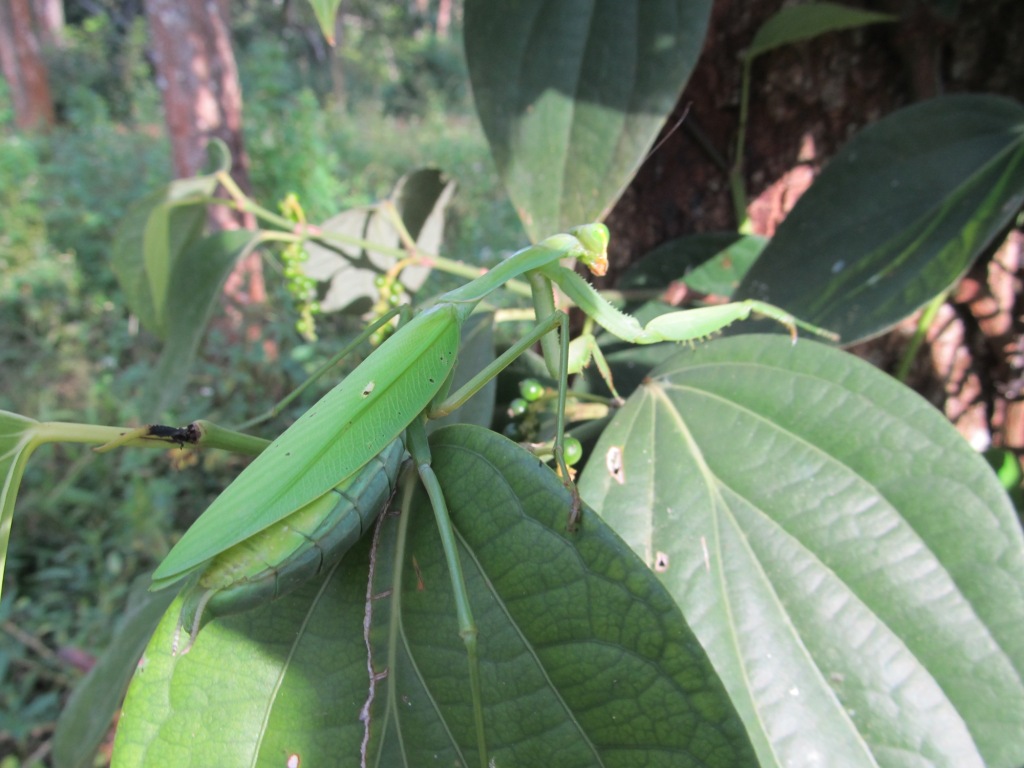
Praying Mantis

This photo has been taken near the tribal village (Mannakudi), Periyar tiger reserve December 2011

The praying mantis is the common name used for this insect due to their typical ‘Prayer-like’ stance. The word ‘mantis’ is actually derived from the Greek word ‘mantis’, which means fortune teller, or prophet. Continue reading