Chenille Plant (Acalypha hispida)

The chenille plant is a tropical flowering shrub naturalized in plenty in the Western Ghats of India. This tender perennials grows to a height of 8-10 ft and the soft hanging flowers resemble both the fabric chenille and the tail of a cat; hence it is also known as red hot cat’s tail. This ornamental flower is found in high range homes and spice gardens, made popular by its feathery long flower.

Continue reading

Jasmine flower

Being native to tropical and subtropical regions, the many species of jasmine are either deciduous, evergreen, erect or climbing shrubs commonly found in India’s Western Ghats. It is widely cultivated throughout the world for its fragrant character.  Continue reading

Whale Wonders

Click the UCP banner above to see more on this new book:

“Preternaturally hardened whale dung” is not the first image that comes to mind when we think of perfume, otherwise a symbol of glamour and allure. But the key ingredient that makes the sophisticated scent linger on the skin is precisely this bizarre digestive by-product—ambergris. Despite being one of the world’s most expensive substances (its value is nearly that of gold and has at times in history been triple it), ambergris is also one of the world’s least known. But with this unusual and highly alluring book, Christopher Kemp promises to change that by uncovering the unique history of ambergris. Continue reading

Yellow Allamanda (Golden Trumpet)

Yellow Allamanda is an evergreen, tropical shrub naturalized in the Western Ghats of India growing vigorously to a height of 2m and above. The plant’s main attraction are its yellow, trumpet shaped flowers, Continue reading

Black Lily

The Black lily is an ornamental species of flowering plant found in the Western Ghats of India. It grows a cluster of beautiful blossoms from a taller, leafless flower stalk and are surrounded by broad bracts. The underground stem tubers of the plant are rich in starch. Continue reading

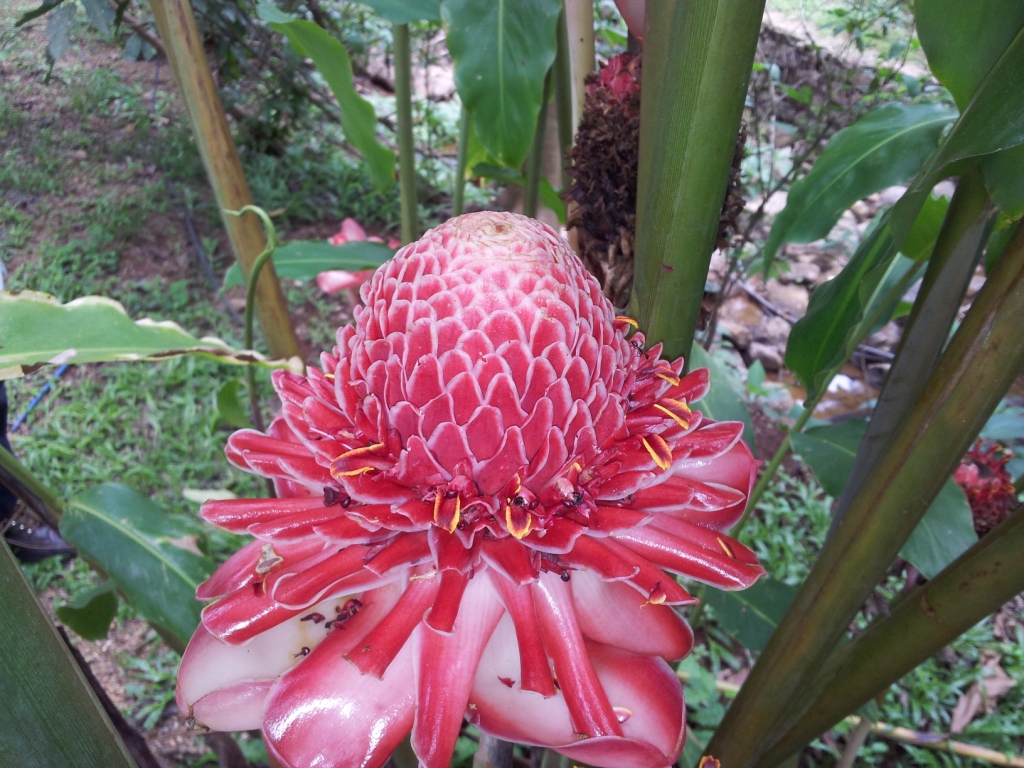
Red Torch Ginger (Pyramidosphaera)

Red torch ginger is a perennial tropical plant native to Malaysia and Indonesia but naturalized in the Western Ghats of India. The plant grows from rhizomes, bulbous root structures similar to culinary part of the ginger family. The main attraction of the plant is its sturdy cluster of bracts that vary from light pink to deep rose color and resemble a flaming torch, hence the name Red Torch Ginger. Continue reading

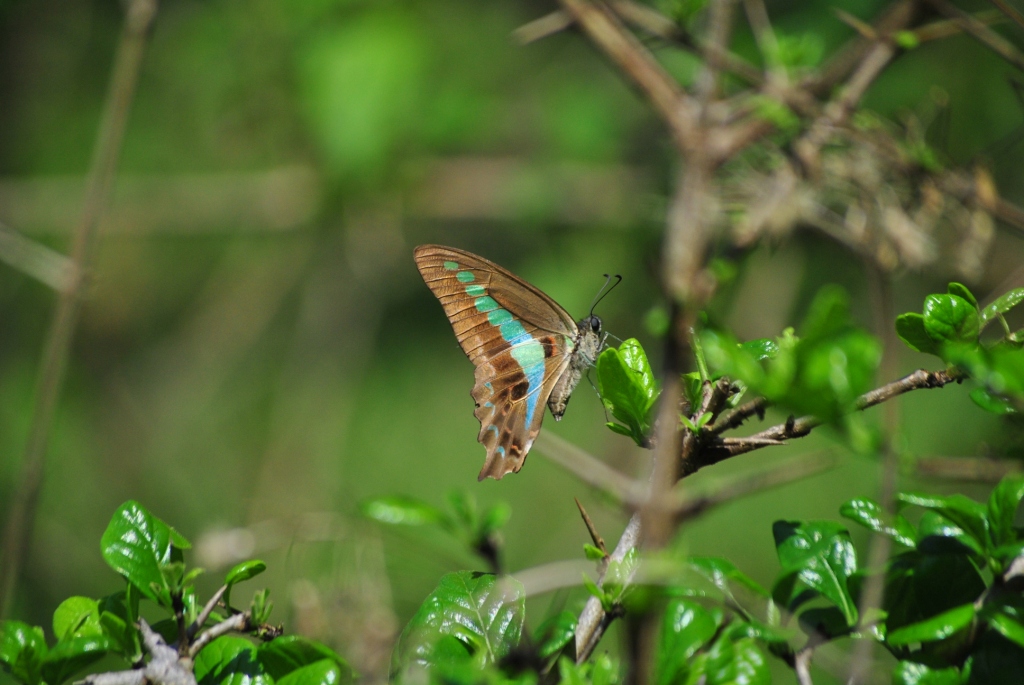
Common Bluebottle Butterfly (Graphium Sarpedon)

Common Bluebottle butterflies are frequently found in and around the wooded regions of the Western Ghats, especially in the Periyar Tiger Reserve. This handsome butterfly has a pale blue or greenish band running across the middle of its brown wings on the both sides. Continue reading

Weather Puzzles

The Guardian‘s Environment section covers the odd spring weather’s effect on one of the rich varied beauties of the animal kingdom (click the image to the left to go to the story).  Whether this is just an oddball season or another sampling of climate change impacts, it is disheartening to think of the depletion of color that might result: Continue reading

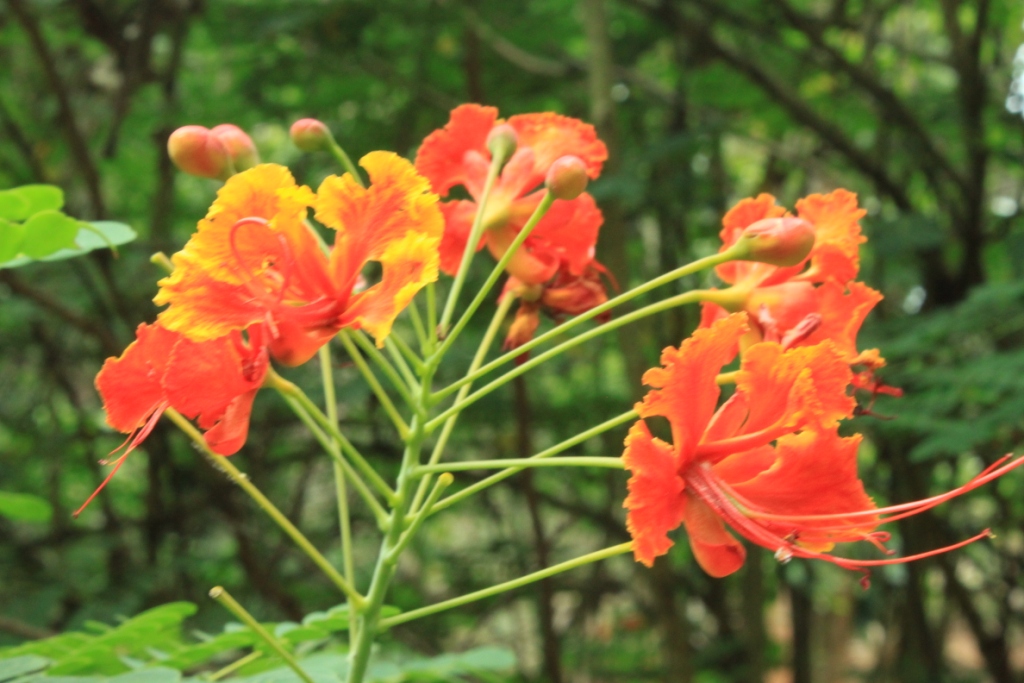
Peacock Flower (Caesalpinia Pulcherrima)

The Peacock flower is a tropical to sub-tropical plant found commonly in the Western Ghats of India. It has a lot of similarities with the Gulmohar tree and hence one can often mistakenly identify one for the other.  Continue reading

Football Lily (Haemanthus Multiflorus)

Football Lily (also known as Blood Lily) is a beautiful flowering bulb naturalized in the Western Ghats of India. This exceptional flower starts to bloom in the spring and summer, coming out of the ground with no leaves. The plant is a popular ornamental due to its exuberant blossom. Local people also call this May flower as it blooms in plenty during the month of May. Continue reading

Common Map Butterfly (Cyrestis thyodamas)

I have found this butterfly inside the core area of Periyar near Thannikudi-  a wireless station situated to the northern side of the reserve.  This butterfly is confined to the cool moist forests of the Western Ghats. It visits flowers as well as damp patches.  Continue reading

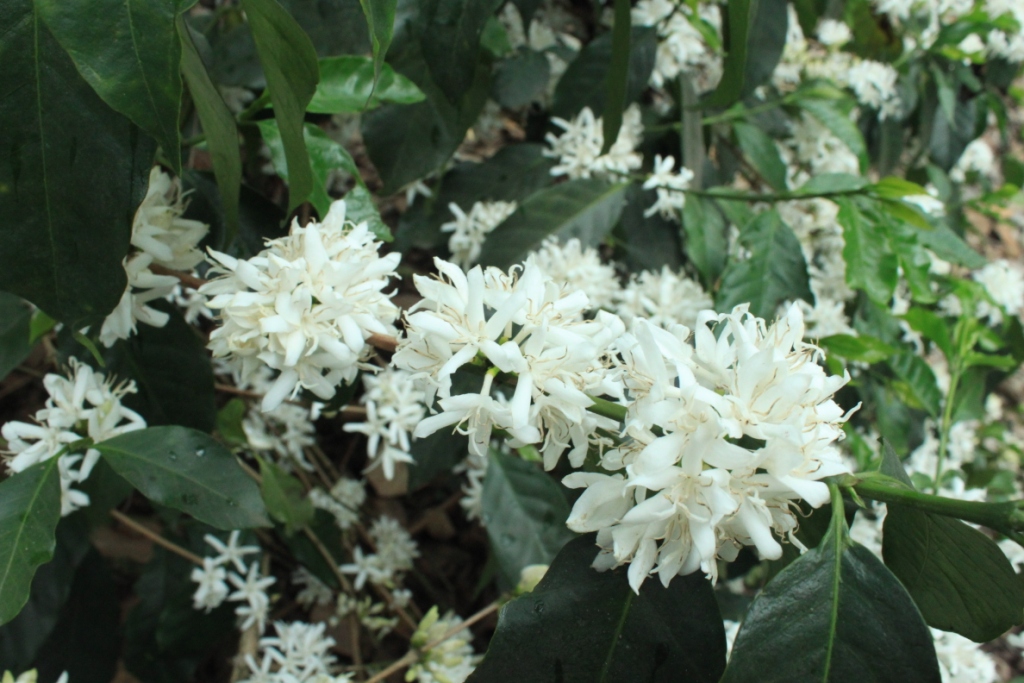
Coffee Flowers

Coffee plantations are found in the Western Ghats of Southern India on hills and misty mountains ranging from an elevation of 800m – 1500m above sea level. The coffee flowering season is a spectacle to be experienced. It looks like a pale jewel glittering in the crown of the coffee plant. The white blossoms have a beautiful scent which attracts honeybees, butterflies and other pollinators.

Continue reading

Salvia scarlet sage (Salvia splendens)

Salvia scarlet sage is a shrubby, ornamental plant with scarlet red flowers and symmetrical leaves growing commonly in India’s Western Ghats. It is widely cultivated as a bedding plant in many countries. Continue reading

Flower Show – Thekkady

This slideshow requires JavaScript.

Thousands of people in and around Thekkady including locals, foreign tourists, students and nature lovers enjoyed the decorated show which included nearly 150 varieties of flowering plants such as Marigold, Dalia, Rose, Hibiscus, and Portulaca. The Agri-horticultural Society of Thekkady has been organizing the Flower Show for the past 5 years. This is the sixth edition of the 10 day event, which ended yesterday.

Continue reading

Common Sunflower (Helianthus annuus)

Native to North and South America from the genus of Helianthus, the Sunflower is an annual herbaceous plant which grows 1- 4.5 meters high. The immensely popular flat, platelike flower can grow up to 6 inches wide and is actually made up of a tight series of compound flowers that will mature into edible seeds. The Sunflower is named for both its obvious sun shape and for the way the buds and leaves exhibit heliotropism,  following the sun from east to west throughout the day. (The mature flowers remain facing east.)

Continue reading

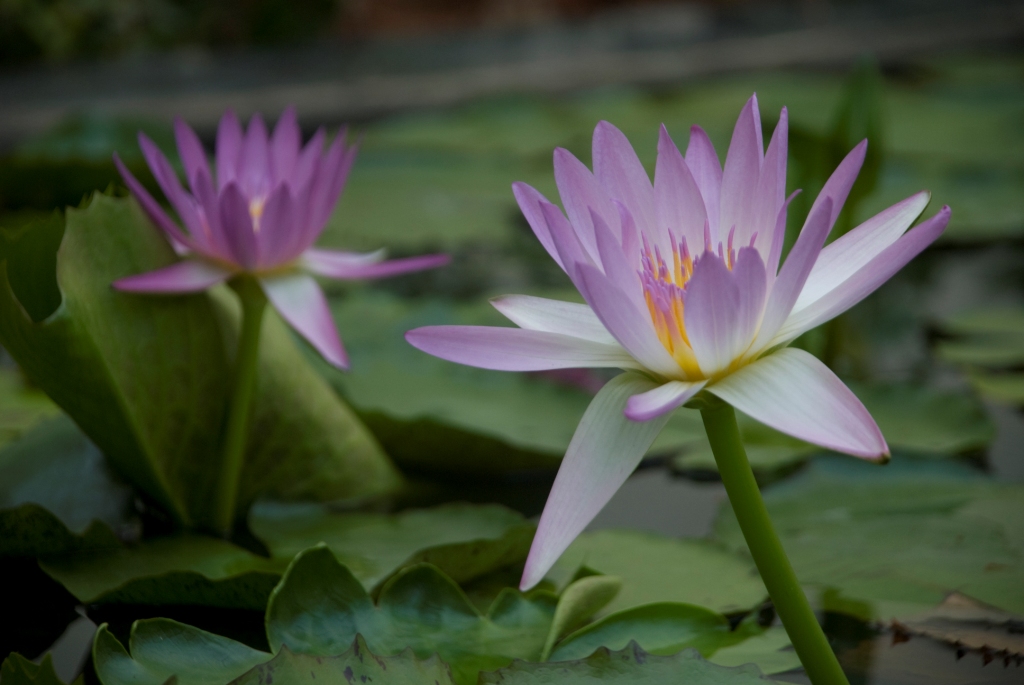
Blue Water Lily (Nymphaea nouchali)

The Blue water lily is an iconic fresh water plant which is also known as Blue Lotus of India. It is widely seen in Kerala mostly growing in the fresh water ponds and brackish backwaters. The leaves of the water lily are oval shaped with a notch in the leaf stem. The solitary flower blooms in the dawn and withers in the dusk.

Continue reading

If You Happen To Be In New York City

In New York, of all places, you can see and learn about one of our favorite phenomena.  If we have not written about it yet, we will post on this topic from the perspective of some of our own contributors who have seen this in southern Chile, and as recently as last summer Seth took photos while at Morgan’s Rock in Nicaragua.  Here is what the New York Times has to say about the exhibition at the Museum of Natural History in New York:

A thoroughly engrossing exhibition at the American Museum of Natural History that opens on Saturday — “Creatures of Light: Nature’s Bioluminescence” — teaches us quite a bit about the phenomenon. Yet it still manages to preserve that otherworldly mystery, even cherishing it — treating it as if it were one of those ecologically vulnerable bioluminescent bays of glowing plankton in the Caribbean by whose shimmer visitors could once read in the middle of the night. Continue reading