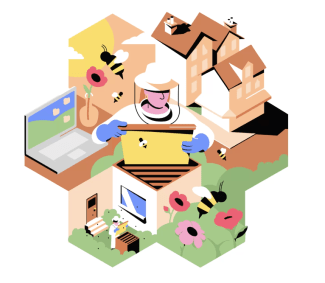
Credit: Jimmy Simpson
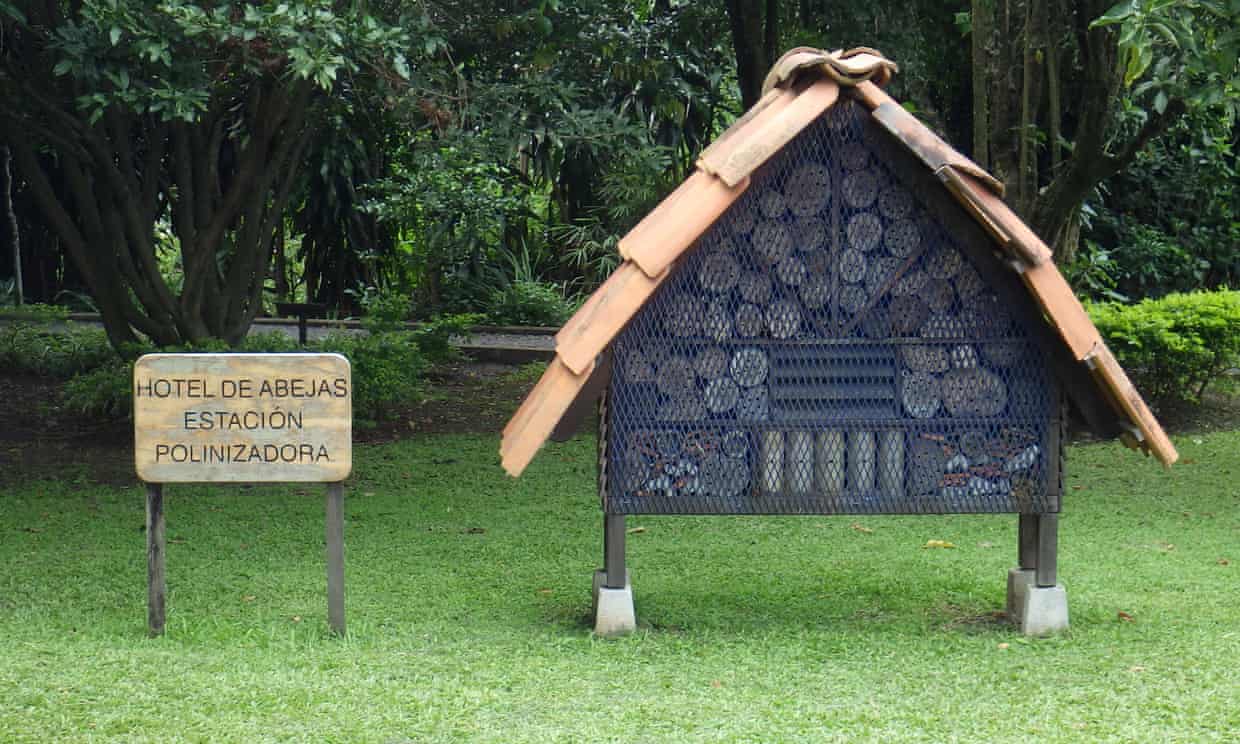
We tend to be bird and bee centric on this site, but somehow we missed this lovely opinion piece–What the Honeybees Showed Me–by Helen Jukes in the NYTimes.
While many people look back to the basics of gardening and baking during the current crisis, beekeeping may be next on some wish lists.
When I first became keeper of a colony of honeybees, I was thinking more than anything of escape. I’d just turned 30 and had recently moved from Brighton to Oxford, having taken a job on a whim, again, moving out of one rented house in one city and into another as I had done throughout my 20s. But the new job was stressful. I spent long hours at the office in front of a screen. I was under pressure from company targets and deadlines, thrown into frenetic communications with colleagues who sounded as stretched as I felt, and disconnected from the world — the world! — I glimpsed as I cycled to and from work each day.
Our garden was little more than a slim patch of weeds within spitting distance of a busy road, but it was secluded enough that I could go there and remain hidden, and so I began imagining a hive out there; imagined myself finding some respite among the bees, away from the hecticness of the city.
Of course, things rarely turn out as we imagine them, and when later that year I was given a honeybee colony as a gift by a group of friends, it was not respite, and not quiet that I found at first. Quite suddenly I was made accountable to another creature, many of them, really — responsible for ensuring the bees were healthy, free from predators and disease. If all went well, I might take a little honey at the end of the season; but for the first few weeks, eyeing the hive at the end of the garden, I was more concerned that they’d either die or fly away.
The thing is that honeybees are so strange.


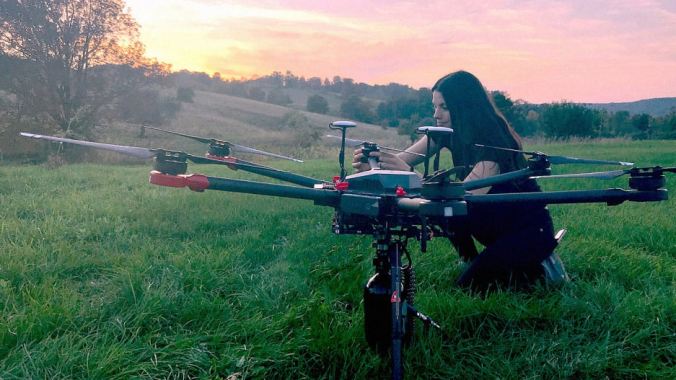
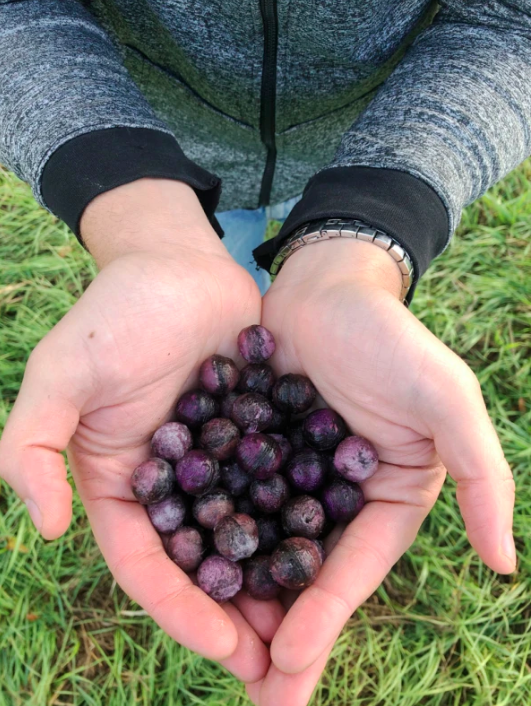

 During those months–the shops fully opened in late November and until early March were nonstop full of guests–I had hundreds of conversations with travelers.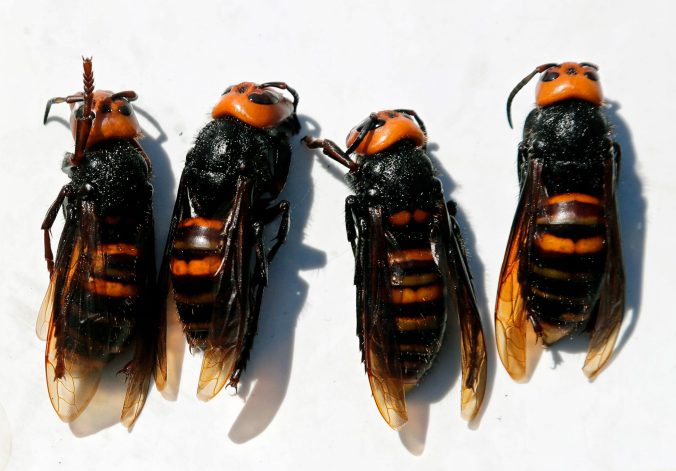
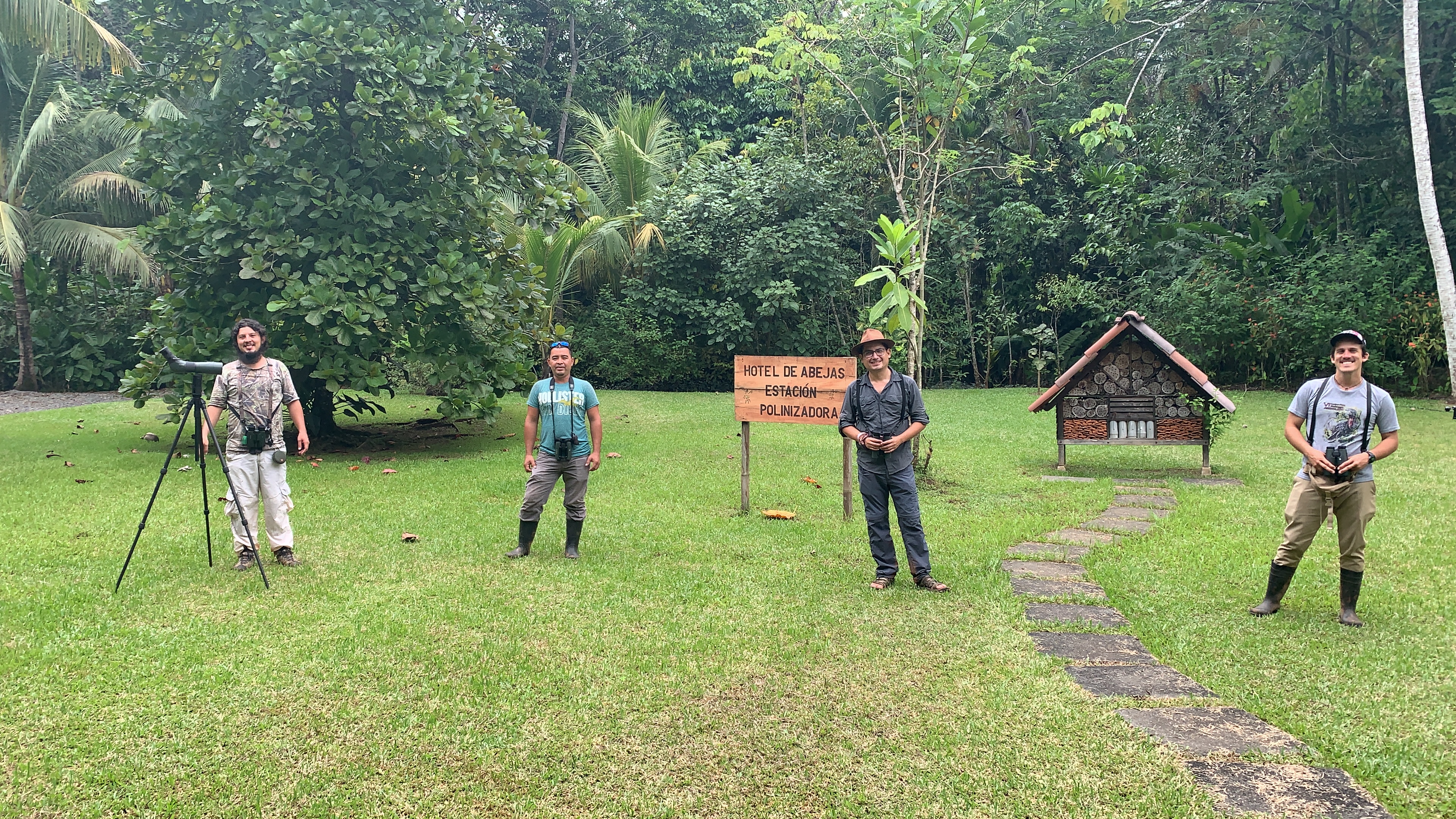
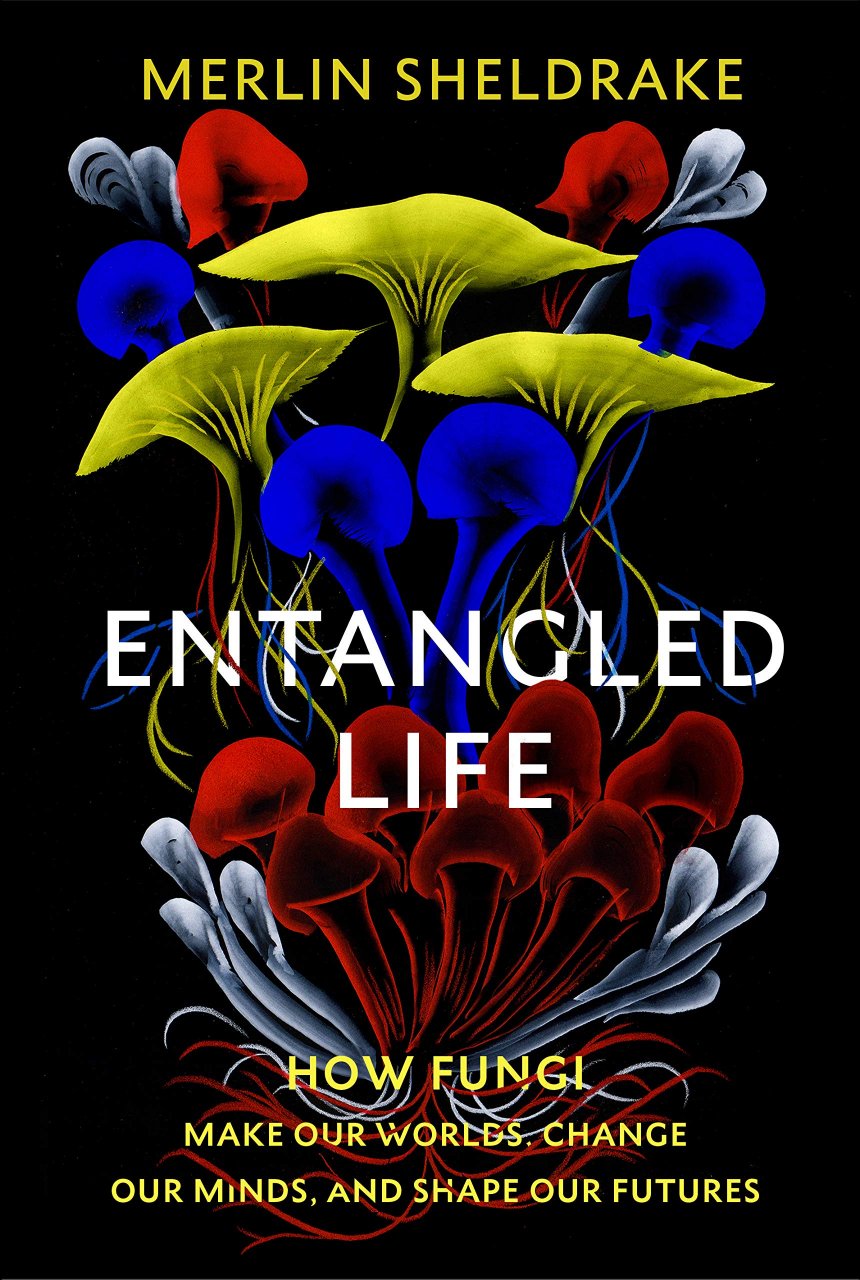


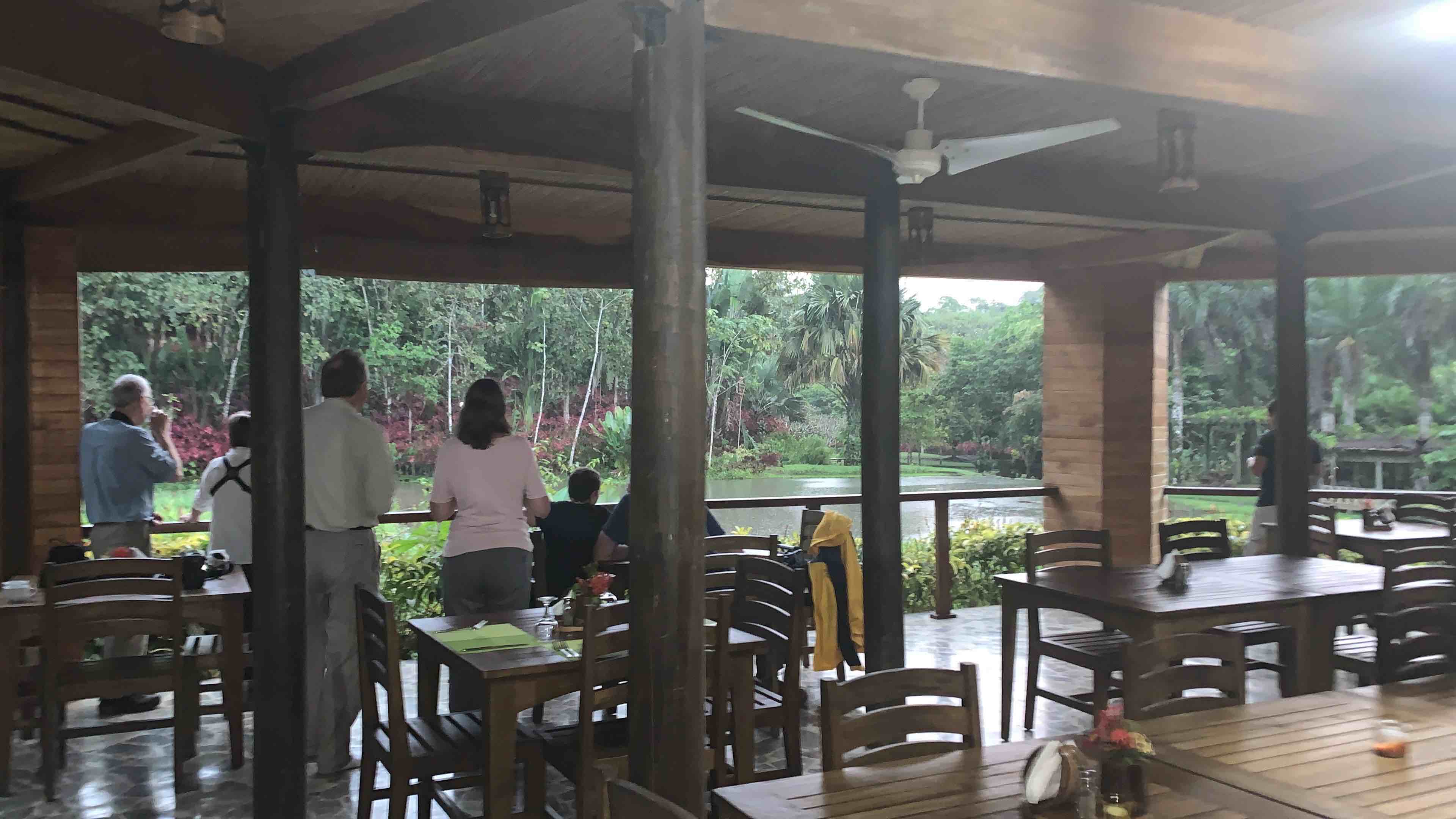
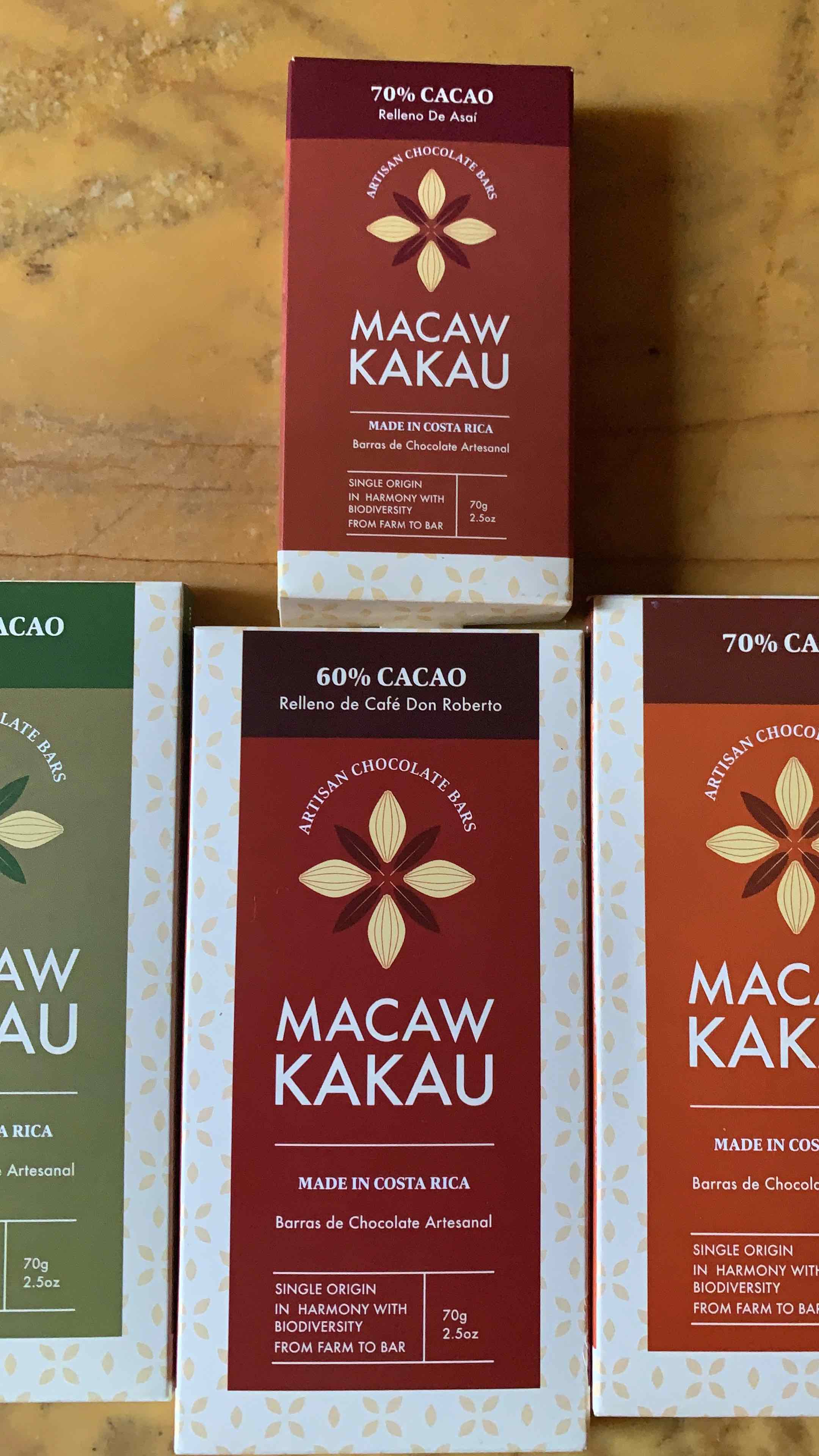 This team’s dream is spread across multiple geographies and results will be shared later. I will share what I know from Costa Rica. A few months ago, in a world that now seems far, far away Amie and I visited the farm where the cacao is grown for the farm-to-bar chocolate we offer in our shops.
 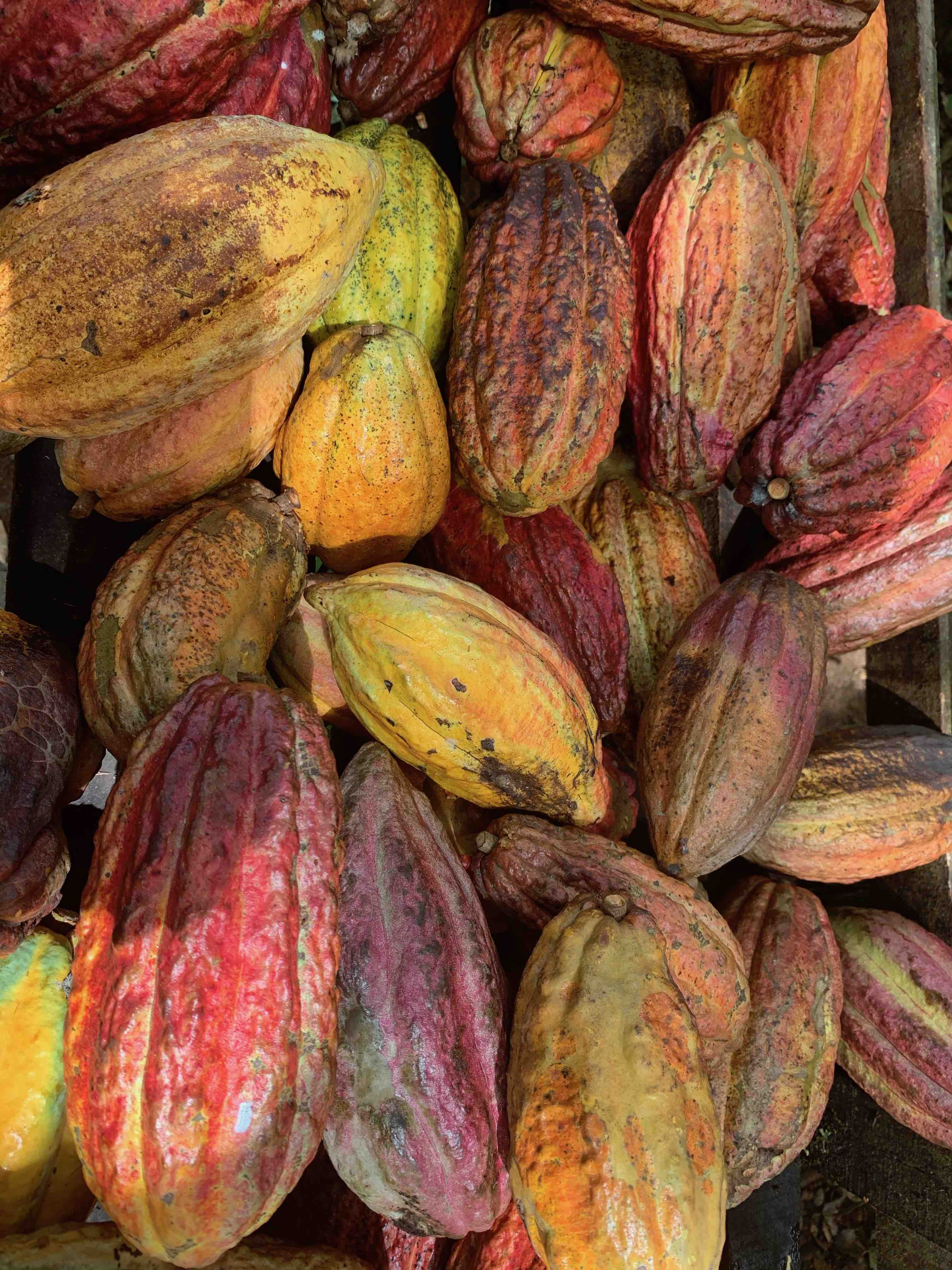 More on the cacao-growing and the chocolate-making later. Plus, this is where I first saw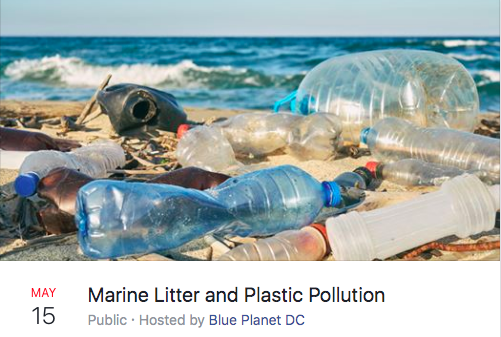

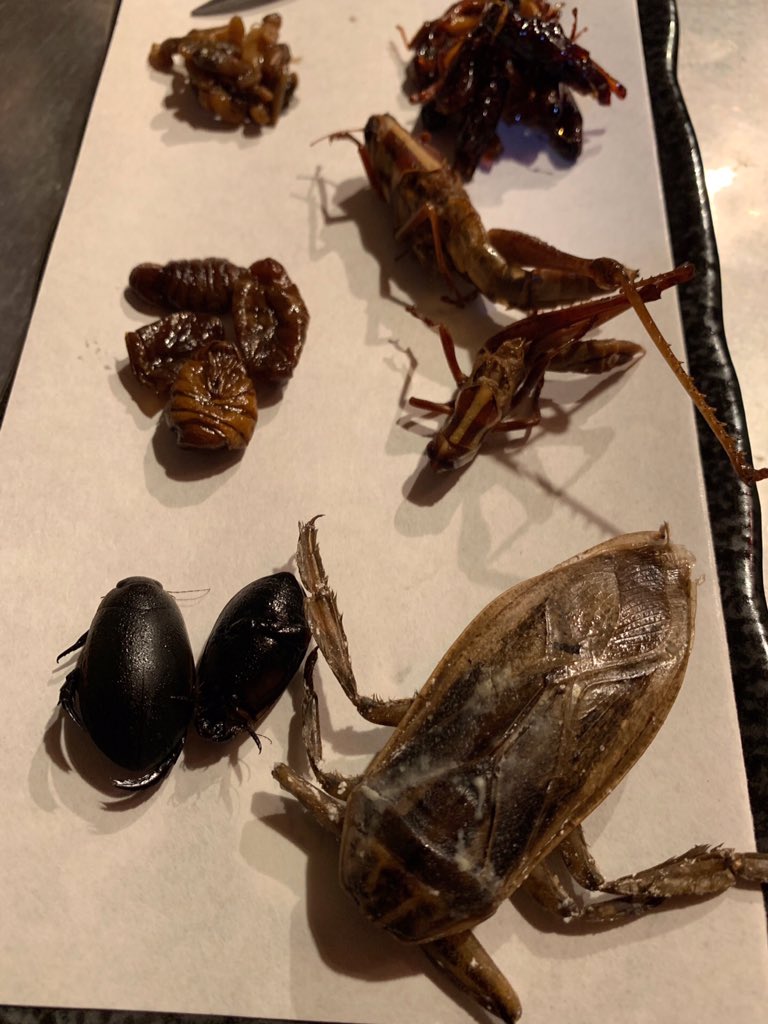
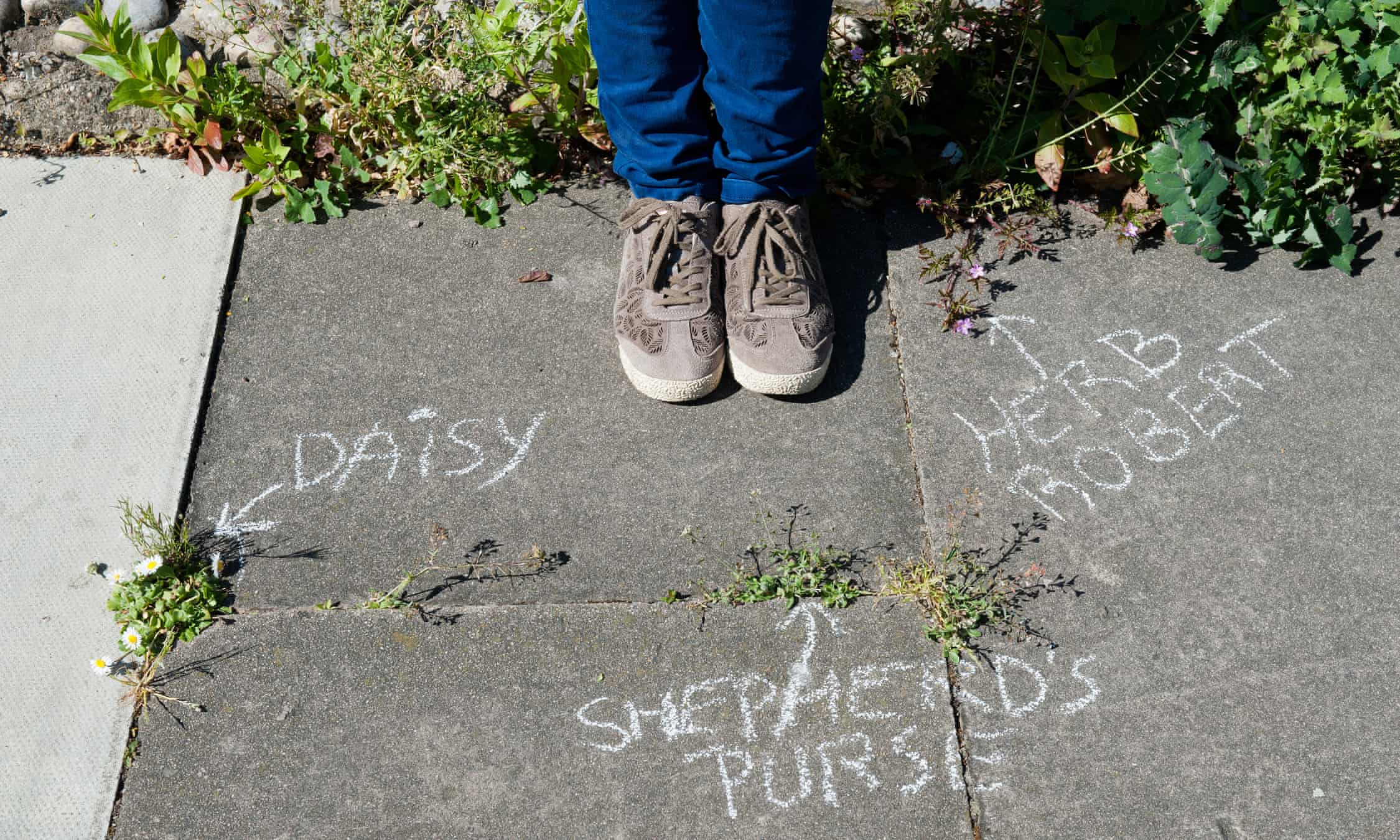



 Amie and I are following local rules in place over the Semana Santa holiday week, which ends today. Starting tomorrow there will be more freedom of movement. Most of our friends in Costa Rica feel confident in their country’s leadership during this time, and we have respected the rules and appreciated the clarity of their communication.
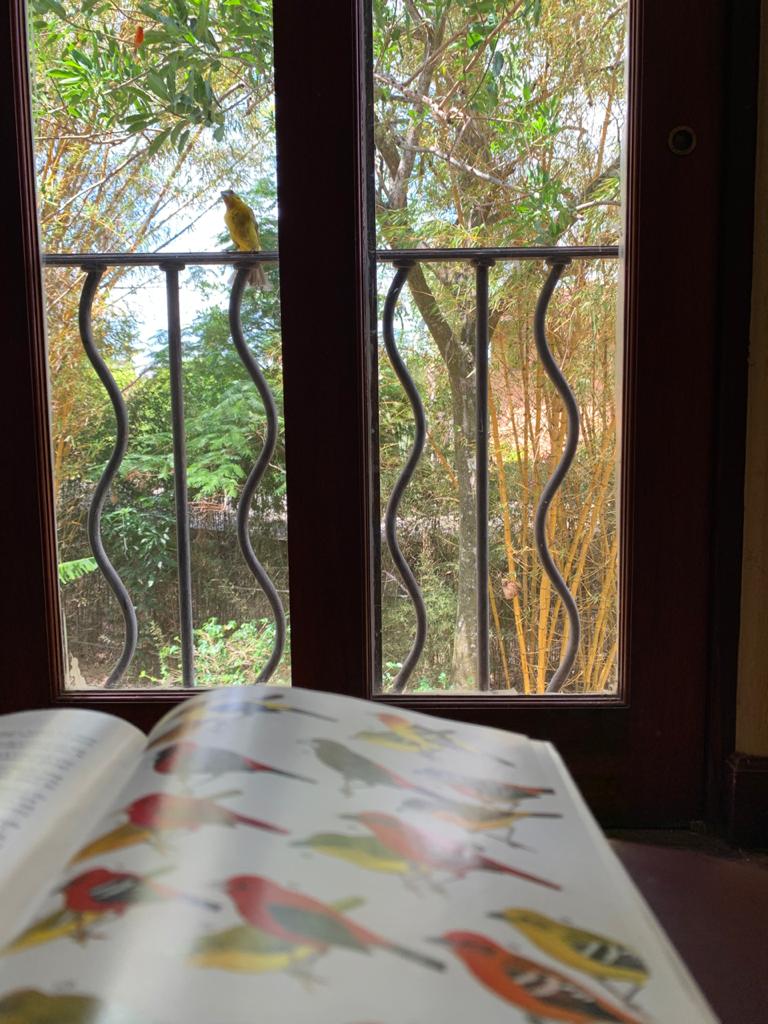
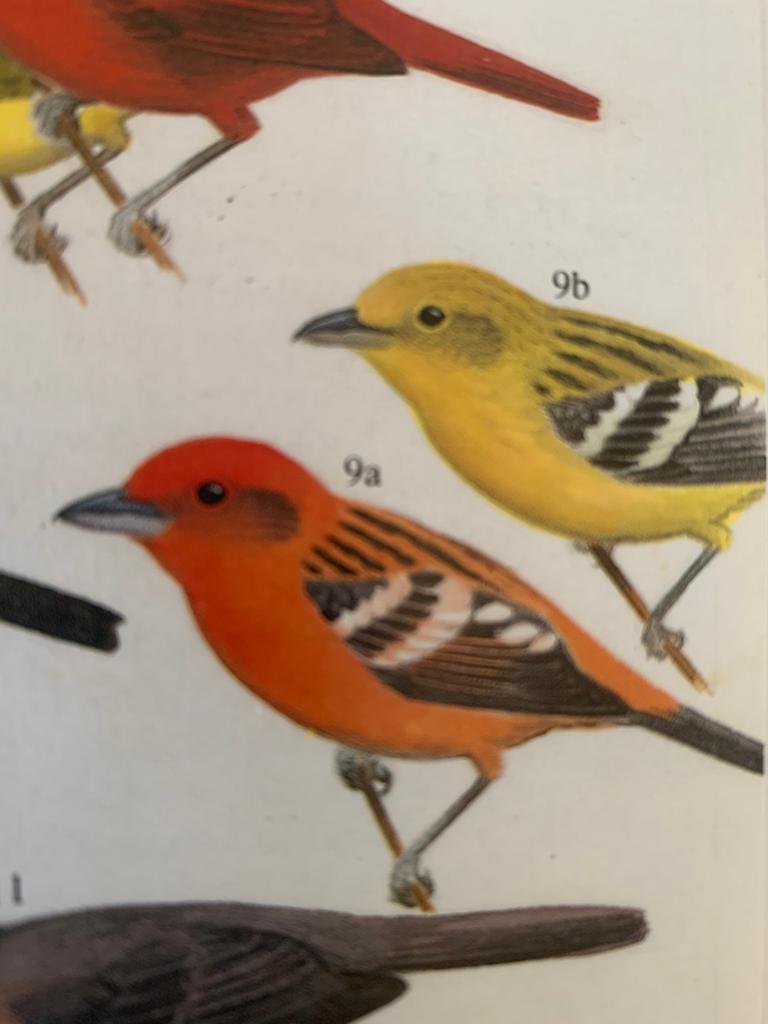 We are at home, and I took the photo at the top yesterday with a book we keep next to the binoculars. We have been seeing two different species of bird coming to that window, and I did my best to capture the more colorful pair. I was hoping to get the male and female at the same time on the rail, with their entry in the book clearly in view in the lower right of the frame. I took what I could get. The entry for this pair is on a page with the header Plate 47: Larger Red or Yellow Tanagers which then specifies:
 Positive id. During the setup for that shot, looking out our family room window Amie noticed that one of our coffee trees still has blossoms on it. The white flowers to the right, slightly droopy, signal the beginning of the fruit production cycle that will culminate in December with the ripe red cherries we have been harvesting for 20 years now. Just a few days ago the beans from the most recent harvest were ready, and I placed them in a sack after they had been sundried and the husks removed. We call them beans but they are really seeds, and unlike the previous 20 years when this coffee has been roasted and consumed, this year I will germinate them to
 Organikos