Rewilding The Farm, An English Experiment In Entrepreneurial Conservation

7360.jpg

Starting in May, Amie and I have been living on a dairy farm in the mountains on the northern side of Costa Rica’s Central Valley. We will be here until at least the end of July, brainstorming about the dairy’s future. There is already much to say about that, but we will share that soon enough. For today, just a shout out to fellow brainstormers across the Atlantic. When we first learned of Paul Lister’s initiative, it sounded like a far-fetched experiment. Now we see another experiment further south on the same island:

The magical wilderness farm: raising cows among the weeds at Knepp

You can’t make money from letting cows run wild, right? When Patrick Barkham got access to the sums at a pioneering Sussex farm, he was in for a surprise.

7360 (1)

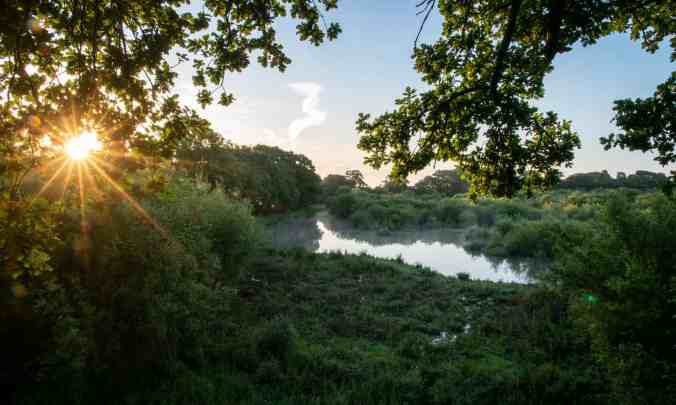
Wild ponies at dusk. Photograph: Anthony Cullen for the Guardian

Orange tip butterflies jink over grassland and a buzzard mews high on a thermal. Blackthorns burst with bridal white blossom and sallow leaves of peppermint green unfurl. The exhilaration in this corner of West Sussex is not, however, simply the thrilling explosion of spring. The land is bursting with an unusual abundance of life; rampant weeds and wild flowers, insects, birdsong, ancient trees and enormous hedgerows, billowing into fields of hawthorn. And some of the conventional words from three millennia of farming – ‘hedgerow’, ‘field’ and ‘weed’ – no longer seem to apply in a landscape which is utterly alien to anyone raised in an intensively farmed environment. Continue reading

Elephants Can Smell

ElephantNose.jpg

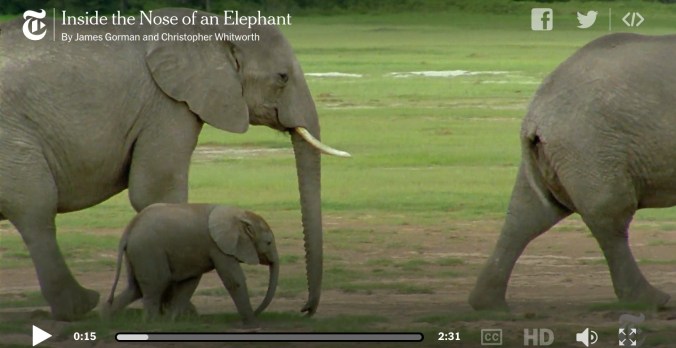
Elephants have a keen nose. They have more smell receptors than any mammal – including dogs – and can sniff out food that is several miles away. A new study tests their ability to distinguish between similar smelling plants. Image by akrp, via Getty Images

It is true that elephants can smell. As in, be smelly. But they can also smell well, better than I knew. Yesterday’s elephant mention was the first in a long time, reminding us how frequently we posted about them from India. When we were in the land of elephants, and other charismatic megafauna, we ran stories frequently about their mega-wondrousness. Now, a welcome reminder about how amazing these big creatures are in smaller ways too. Click above to go to the video accompanying this story below by James Gorman:

The Elephant’s Superb Nose

In the world of noses, the elephant’s trunk clearly stands out for its size, flexibility, strength and slightly creepy gripping ability.

Go ahead, try to pluck a leaf with your nostrils and see how you fare. So perhaps it should come as no surprise that the elephant’s sense of smell is also outstanding. Continue reading
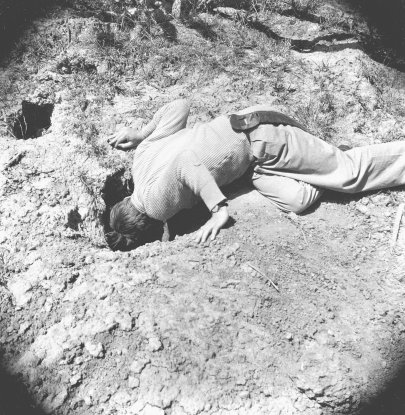
A Familiar Pleasure That May Save Species

Sage_Down-from-Stairs-overview-180-dpi_web.jpg

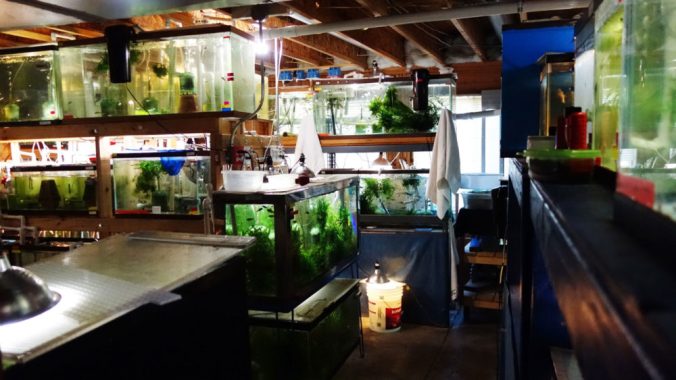
Fish tanks in the basement of a home in Erie, Colorado containing dozens of threatened species, including some that are extinct in the wild. COURTESY OF GREG SAGE

Thanks to Adan Welz and colleagues at Yale e360:

Basement Preservationists: Can Hobbyists Save Rare Fish from Extinction?

Freshwater fish are the most endangered group of vertebrates on earth. Now, networks of home-based aquarists are trying to save some of the most threatened species, keeping them alive in basement aquariums in the hope they might someday be reintroduced into the wild.

Koeck_Bild7_web

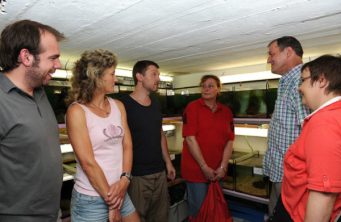
Michael Koeck [center left] gives a tour of the 90 tanks he manages in the basement of the Haus des Meeres aquarium in Vienna. CREDIT: JUTTA KIRCHNER

In August 1940, just after the first-ever British bombing raid on Berlin in World War II, Hitler decided to construct colossal Flakturme — fortified anti-aircraft towers, supporting gun batteries and radar dishes — in important cities of the Reich. Their walls were up to 3.5 meters thick, which is why Flakturm V-L in Vienna proved impossible to demolish after the war, and why we now know that the basement of a Nazi blockhouse is the perfect place to keep 90 glass tanks full of obscure Mexican fish. Continue reading
Ornithology, Methods & Mystery

17Johnson-jumbo

Ping Zhu

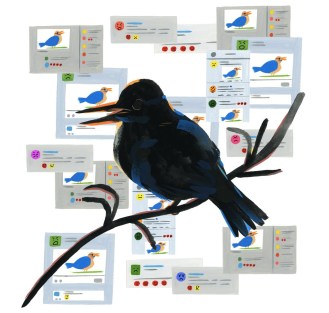
Some contributors to our pages here would likely have much more clear views on this story than I do. I am certain that I favor scientific method, and this scientist followed protocol. And yet, the fallout from his scientific methods was intense. And it was not as simple as trolls gonna troll. I understand the fallout but instead of outrage I am full of questions about this story about The Ornithologist the Internet Called a Murderer by Kirk Wallace Johnson:

merlin_139634919_bab85c0d-98d8-41e1-a5ad-d910a49a3232-jumbo.jpg

The mustached kingfisher. Robert Moyle

For some time, I’d been searching for Christopher Filardi, a biologist with decades of field experience in the Solomon Islands. I wanted to interview him for a book I was writing, but the email system at the American Museum of Natural History, which once listed him as the director of Pacific programs at its Center for Biodiversity and Conservation, bounced back my message.

The auto-reply said that he’d moved to another organization, Conservation International. When I wrote him there, another auto-reply informed me that he had moved on. I couldn’t find him on Facebook or Twitter. The man seemed to have vanished.

When I finally found a working number for him, he was reluctant to talk. Three years ago, his life was overturned by an online mob that accused him of murder. The fact that the mob’s outrage was driven by ignorance didn’t make it any less frightening. Continue reading

Extreme Measures, No Good Outcomes

5616 (3).jpg

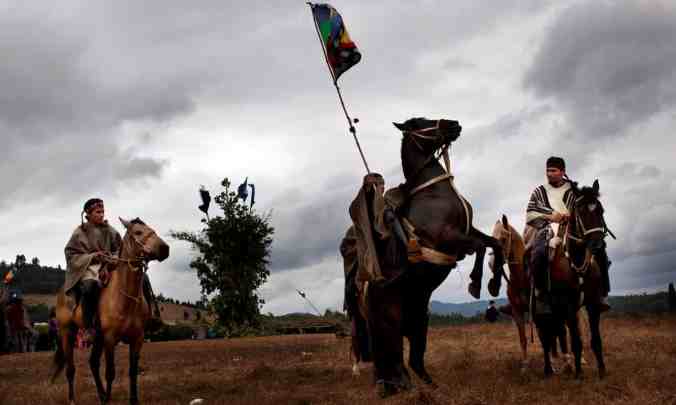
A Mapuche gathering in Ercilla, Chile. The Mapuche are protesting the presence of agricultural firms on their land. Photograph: Rodrigo Abd/AP

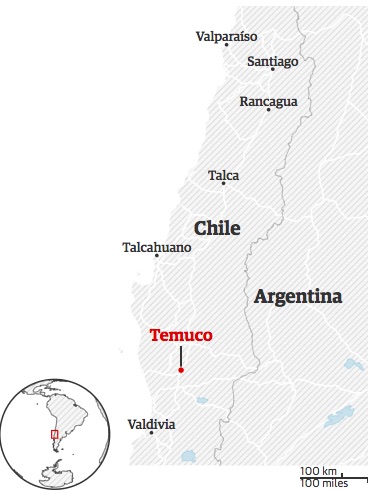
During the two years I worked in southern Chile, 2008-2010, I had the opportunity to listen to the concerns of members of the Mapuche community, and heard a deep frustration bordering on despair. Their forests were being extracted, wholesale and rapaciously and there was little to nothing they could do about it. The news here, even with the exposure I had to the situation, still shocks me. It is not good news:

‘We burned the forest’: the indigenous Chileans fighting loggers with arson

Chile’s Mapuche people are resorting to increasingly radical tactics to reclaim their ancestral land from exploitive industries

Screen Shot 2018-06-14 at 6.00.13 PM.jpgIt is late autumn in southern Chile, and in the region of Araucanía, the leaves have turned copper and gold. But on the road to the mist-shrouded town of Lumaco, the hills are covered with rows of charred pines.

“We burned these forests as an act of legitimate resistance against the extractive industries that have oppressed the Mapuche people,” says Hector Llaitul. “If we make their business unprofitable they move on, allowing us to recover our devastated lands and rebuild our world.” Continue reading

Audubon’s Reasonable Request

apa_2016-a1_2147_4_northern-harrier_diana_whiting_kk.jpg

Northern Harrier. Photo: Diana Whiting/Audubon Photography Awards

A message from friends:

NEW YORK — “Audubon is committed to protecting birds and the places they need — and the greatest threat to birds and people is climate change,” said David Yarnold (@david_yarnold), president and CEO of National Audubon Society.

“While some may be holding out for a perfect solution to climate change, we know that it will take an array of approaches to reduce planet-warming pollution.

“The Carbon Capture Coalition is pursuing many avenues—including a market-driven approach that has deep bipartisan support. Audubon is excited to be at the table with a range of voices exploring policy options that accelerate a reduction in carbon pollution,” Yarnold added.

The Carbon Capture Coalition is led by the Center for Climate and Energy Solutions and the Great Plains Institute. With over 50 members ranging from the energy industry, agriculture, labor unions and conservation leaders, the coalition is non-partisan and solutions-oriented. Recently, the coalition successfully advocated for improving and extending the carbon capture tax credit, known as the 45Q tax credit, led by Senators Heidi Heitkamp (D-ND), John Barrasso (R-WY), Sheldon Whitehouse (D-RI) and Shelley Moore Capito (R-WV). Continue reading

Food Items Not On Our Radar Until Now

180618_r32262.jpg

The razorbill Wellington at Koks, a Michelin-starred restaurant in the Faroe Islands. Chefs wrap the seabird in a pancake and serve it with a sauce made from beet, elderberry, and rose hip.
Photograph by Anne Golaz for The New Yorker

The dish above is not one we would likely think to offer in our hospitality operations, which may explain why we have not (yet) developed any entrepreneurial conservation initiatives in the Faroe Islands. Nonetheless, this is the type of reading that makes a Monday morning full of thoughts of where to travel next:

Koks, the World’s Most Remote Foodie Destination

People are flocking to a Nordic archipelago to sample cuisine—like fermented lamb tallow—that challenges even the most adventurous palate.

By 

180618_r32263.jpg

The Faroe Islands, a mountainous archipelago two hundred miles north of Scotland, has a landmass of only five hundred and forty square miles, and is sparsely populated with fifty thousand people and seventy thousand sheep.Photograph by Anne Golaz for The New Yorker

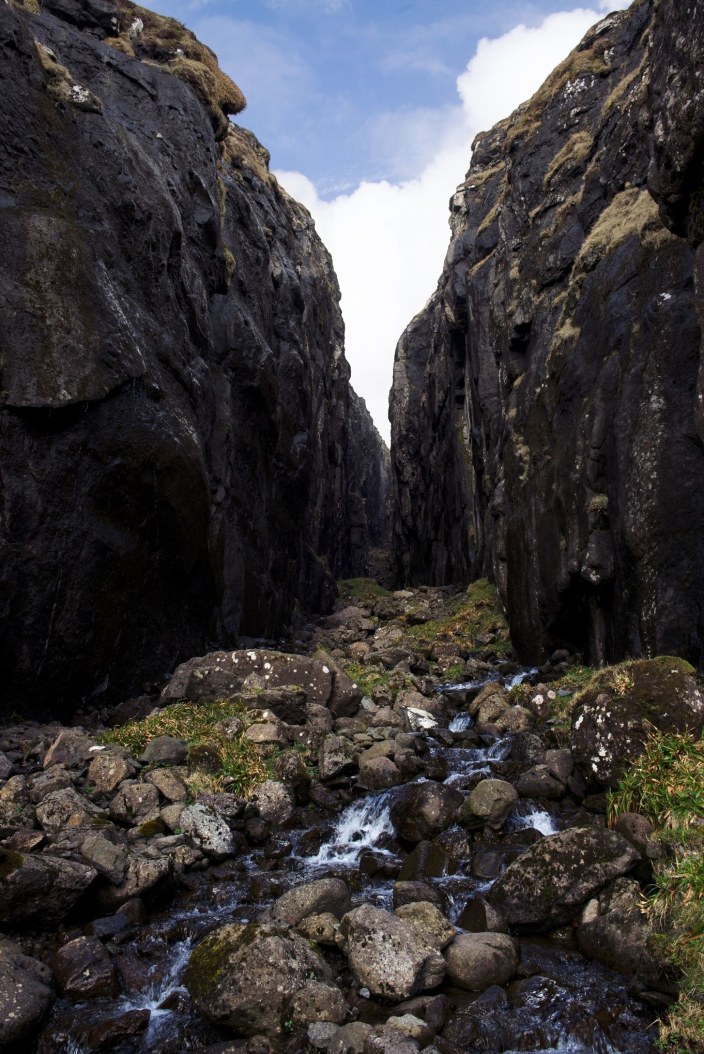
The Faroe Islands, an austere, mountainous archipelago marooned in the North Atlantic two hundred miles north of Scotland, has a landmass of only five hundred and forty square miles, and is sparsely populated with fifty thousand people and seventy thousand sheep. But, looked at another way, the country, an autonomous outpost of the Kingdom of Denmark, is much larger: its territorial waters extend for more than a hundred thousand square miles around nearly seven hundred miles of coastline. Only one village, Vatnsoyrar, isn’t on the coast, and wherever you are on any of the Faroes’ eighteen islands you’re never more than three miles from the crashing, frigid ocean. Like the human body, the Faroes are mostly water.

180618_r32264.jpg

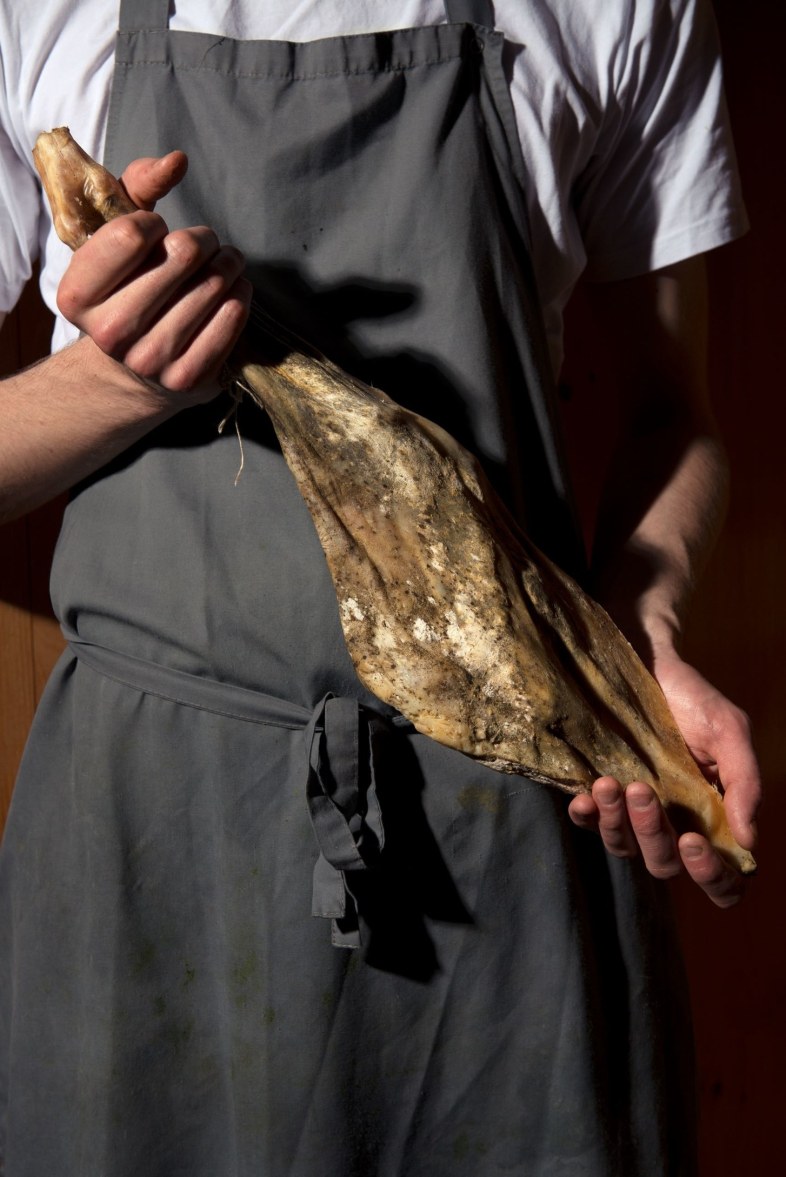
Fermented lamb, a Faroese specialty. “Fermented food is maybe the most important cultural heritage we’ve got,” Johannes Jensen, the entrepreneur behind Koks, said. Photograph by Anne Golaz for The New Yorker

The inhabitants of the islands, which were settled by Vikings in the ninth and tenth centuries, have always depended on sustenance from the ocean. But the local diet is surprisingly selective. The waters of the Faroes teem with edible creatures that the Faroese do not eat. They don’t gorge on the mahogany clams, buried in underwater sand, that can live for centuries. They ignore the abundant mussels that cling to coastal rocks, and consider langoustines and sea urchins to be revolting. It’s a favorite game among Faroese children to pick up sea urchins and hurl them at one another, because they make a satisfying splat on impact.

The Faroese do eat cod and haddock—masses of it, typically prepared in one of two ways. When eaten fresh, the fish is subjected to prolonged boiling (or “killed twice,” as some locals put it). Continue reading
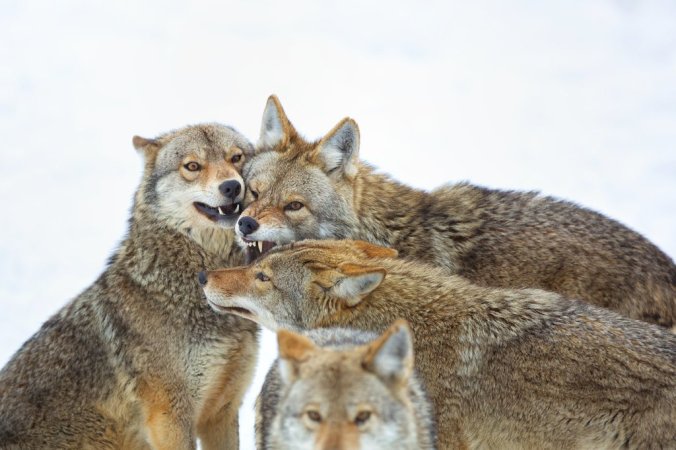
Technology To Battle High Seas Ecological Crimes

3129.jpg

China, Taiwan, Japan and South Korea account for well over two-thirds of high seas fishing. Photograph: Laura Lezza/Getty Images

If you are trying to watch what you eat for sustainability and impact, Justin McCurry, in Tokyo writing for the Guardian, has this story to keep in mind:

The ‘dark fleet’: Global Fishing Watch shines a light on illegal catches

Low light imaging data being used to expose unregulated and unreported fishing on the high seas

VIIRS-detection-1030x597.png

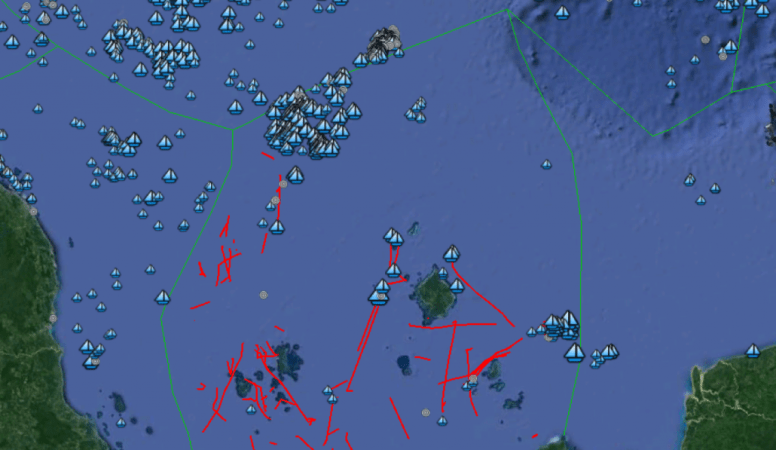
These vessels (indicated with blue boat icons) in the Natuna Sea off Indonesia were detected by VIIRS, and are suspected to not be using VMS. The red lines indicate VMS tracks from the same day.

New data is being used to expose fleets of previously unmonitored fishing vessels on the high seas, in what campaigners hope will lead to the eradication of illegal, unregulated and unreported fishing.

Global Fishing Watch (GFW) has turned low light imaging data collected by the US National Oceanic and Atmospheric Administration (NOAA) into the first publicly available real-time map showing the location and identity of thousands of vessels operating at night in waters that lie beyond national jurisdiction. Continue reading
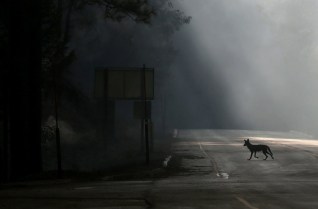
Bess, Honey & Nothing

merlin_139147827_59aa1ad7-2e69-4dd7-8bc2-8ee31aa76222-jumbo.jpg

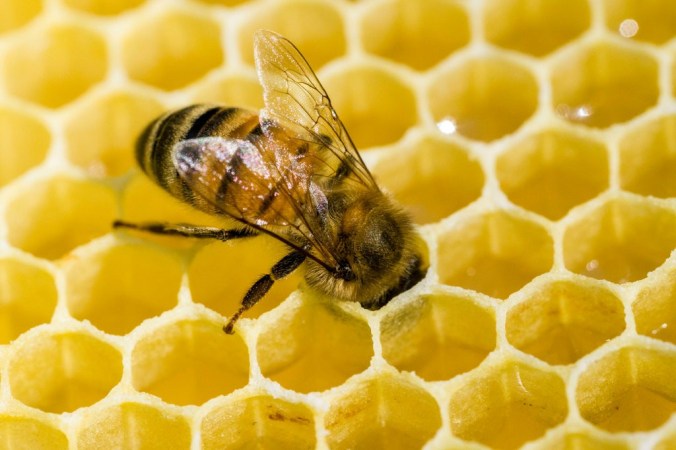
Not only can a honey bee count, it understands the concept of zero, according to researchers. CreditFrank Bienewald/LightRocket, via Getty Images

Thanks as always to James Gorman, one of the best illuminators of any variety of natural mysteries who we never tire of citing in these pages. He tells funny stories sometimes, about beautiful as well as awesome phenomena that we want to know. And he knows how to tell it:

Do Bees Know Nothing?

Researchers say bees understand the concept of nothing, or zero. But do we understand what that means?

What would it mean if bees could understand the concept of nothing?

That would be really something.

merlin_139147956_3b91262b-cb30-4eb9-9279-465935577f13-jumbo.jpg

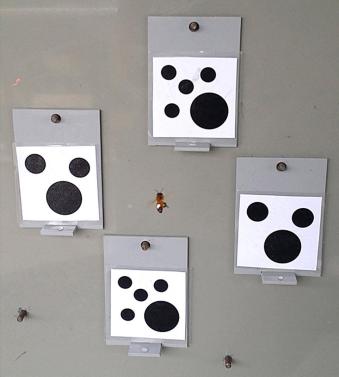
Bees were rewarded when they landed on cards with more shapes.CreditScarlett R. Howard et al.

Yet that is what scientists reported Thursday in the journal Science. Bees had already demonstrated they could count. Now, the researchers wrote, bees have shown that they understand the absence of things — shapes on a display in this experiment — as a numerical quantity: none or zero.

This is a big leap. Some past civilizations had trouble with the idea of zero. And the only nonhuman animals so far to pass the kind of test bees did are primates and one bird. Not one species, one bird, the famed African gray parrot, Alex, who knew not only words, but numbers. Continue reading

Compassion, Conservation & Charisma

PRINT-yalee360-luisa-rivera_web

ILLUSTRATION BY LUISA RIVERA/YALE E360

Charismatic megafauna are impossible to resist caring about. Charismatic microfauna, or flora, less so. Yet more than two decades of experience in Costa Rica have taught us to appreciate the latter more than we did before. That is a function of science leading the way in conservation efforts in this small country, followed by a new form of tourism that we have been working in since the mid-1990s. That new form leveraged the skills of biologists as guides who provide interpretive experiences in the rainforest and other ecosystems, making a walk in the woods that much more interesting. So this story below catches my attention. It focuses on another small pioneering country that I have long studied from afar, admired, but not yet visited. Thanks to Brandon Keim and his colleagues at Yale Environment 360, for this story that motivates me to make that visit:

Do Conservation Strategies Need to Be More Compassionate?

Some scientists and ethicists are criticizing traditional conservation strategies, which they say focus on saving valued species while discounting the lives of less charismatic animals. Will these advocates of “compassionate conservation” point the way to new approaches, or are they simply being naïve?

NZDOC_Volunteers_menz-shed-pf2050-thumb_web.jpg

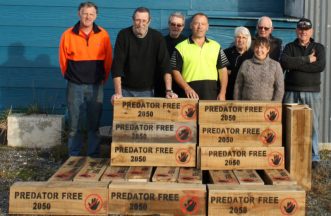
Volunteers for New Zealand’s Predator Free by 2050 campaign in front of predator traps, which are available for the public to borrow. NEW ZEALAND DEPARTMENT OF CONSERVATION

At a moment of best-selling animal intelligence books and headlines about songbird language and grieving elephants, it’s easy to forget that nonhuman minds were until recently considered — by most serious-minded scientists, anyway — to be quite simple.

Well into this millennium, animal consciousness was regularly dismissed as either nonexistent or profoundly dissimilar to our own. Animals were considered “conscious in the sense of being under stimulus control,” as the famed psychologist B.F. Skinner opined so neatly in 1974, expressing a conventional wisdom that dated to the zoological musings of Aristotle. The notion of animals as thinking, feeling beings was relegated to the edges of serious discourse.

DOC_1080-Protest-Signs_EliDukeFlickr_web.jpg

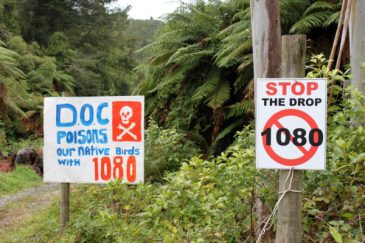
Signs opposing New Zealand’s use of landscape-scale poisoning campaigns to eradicate non-native predators, such as rats and weasels. ELI DUKE/FLICKR

Those days are past, buried by an avalanche of scientific findings and history-of-science critiques. More people than ever worry about the welfare of farmed animals; pets are practically citizens; and wild animals too are increasingly regarded as beings with whom people share fundamental aspects of inner life. Yet in some places, that mind-denying legacy survives — including, say a small but vocal number of scientists, ethicists, and animal welfare activists, in conservation. In their eyes, the discipline devoted to protecting Earth’s life has a certain blind spot to the animals themselves. Continue reading
Not Pretty, But Pretty Amazing

Burdick-Stick-Insects.jpg

A surprising reproductive strategy could help to explain how stick insects—which are eaten by birds and don’t lay a lot of eggs—have managed to persist from generation to generation. Photograph by Education Images / UIG via Getty

Another day, another short-form wonder, thanks to Alan Burdick. His pieces are short, but to the point on topics we care about on this platform:

Why Stick Insects Might Be Into Birds Eating Their Kids

Stick insects make a certain amount of sense, evolutionarily speaking. They look like sticks, or twigs, or leaves; thus camouflaged, they presumably have a better chance of avoiding predators, reproducing, and passing on their stick-resemblance genes to their offspring. Except that birds still eat them, a lot. Stick insects don’t run fast, most don’t fly, and the females typically don’t lay eggs in large numbers. So there’s a mystery: How do they manage to persist from generation to generation? Why, having managed to exist, do they continue to do so? Continue reading
David Attenborough Memoir Has A Captive Audience Here

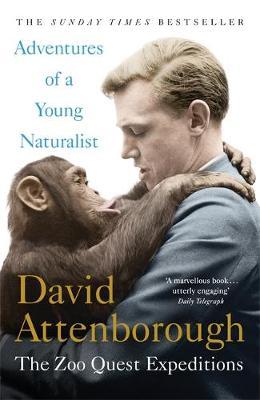
9781473665958There is a reason why David Attenborough is the name that appears most frequently in these pages over the last seven years. So how did I miss this publication date nine months ago? Now there are several reviews and I am just late to the table. Nevermind that. Just read some of what Frans de Waal, the most recent reviewer, has to say:

The soothing, authoritative voice of David Attenborough has become such a widely recognized feature of nature documentaries that there are now all sorts of spinoffs. Funny animations show gorillas munching on leaves while gossiping about their encounter with the pith-helmeted explorer. Spoof documentaries of our species’ mating rituals show young men drinking beer in a Canadian bar while Attenborough’s voice-over notes that “the air is heavy with the scent of females.” In my classes at Emory University, I show so many snippets of BBC documentaries that I need to warn students that not all of our knowledge about animal behavior comes from this omnipresent talking gentleman. He is just the narrator.

03De-Waal-superJumbo

David Attenborough searching for armadillos. Photograph from David Attenborough

But “just” doesn’t do justice to his role, because Attenborough co-wrote the programs and the insertion of his persona into almost every scene is deliberate. It is the key to the success of “Life on Earth,” “The Blue Planet,” “Planet Earth” and all those other BBC nature series we love. It all started with a 1950s television program featuring animals from the London Zoo. The animals were brought into a studio, where the famous biologist Julian Huxley handled them while explaining their anatomy, habits and special skills. The occasional escapes and other mishaps on this live program greatly contributed to its entertainment value. Continue reading
Paddlefish, Pioneers Of Sustainability

merlin_138254148_5493a279-d7d5-4f52-a071-0bbed4dab490-jumbo

Janie Osborne for The New York Times

Thanks to Jim Robbins, whose work we have appreciated not least for its culinary intrigue, but especially for the sustainability angles:

Food For Thought & Thought For Food

27stager-jumbo

Enzo Pérès-Labourdette

The food for thought is by way of Curt Stager, a professor of natural sciences, who celebrates citizen science in a powerful ominously-titled op-ed:

Why care about this new silence of the bugs? An across-the-board decline in flying insects, if true, means that an entire sector of the animal kingdom is in trouble, representing an immense diversity of life-forms, from butterflies and beetles to hoverflies and damselflies. The eminent biologist Edward O. Wilson, who has spent much of his life studying ants, has warned: “If all mankind were to disappear, the world would regenerate back to the rich state of equilibrium that existed ten thousand years ago. If insects were to vanish, the environment would collapse into chaos.”

And the thought for food is also from an op-ed:

Why You Should Be Drinking Weird Wines

By Jason Wilson

merlin_138630777_bd5bc3fe-d84f-4de8-a999-7c0568353414-superJumbo

Alicia Adamerovich

…For years, the global wine industry had been devolving toward a monoculture, with local grape varieties ripped out in favor of more immediately profitable, mass-market types. There are 1,368 known wine grape varieties, but nearly 80 percent of the world’s wine is made from just 20 kinds of grapes. Many of the rest face extinction. Continue reading
Adaptation’s Appetite

merlin_138614541_c4902893-8458-4d2d-ab11-fa10c796102c-jumbo

“They have to be one of the most adaptable animals on the planet,” said one ecologist who studies coyotes. Credit Perry McKenna/Getty Images

On this platform we have been in favor of celebrating conservation rather than doomsday. Science is key, but we also think entrepreneurship can be harnessed in the right direction, publicly and privately. There is not much to celebrate in the following story. The animals in the photo above, without any further details, could be granted wild beauty status. But context is everything. So we celebrate the writers who illuminate important scientific ideas, and their stories. Thanks to JoAnna Klein, who we have linked to many times (but missed this related recent story) for providing those details:

Coyotes Conquered North America. Now They’re Heading South.

New maps seek to update the historical range of our continent’s toughest canids, which have thrived as other predators experienced decline.

merlin_138614523_660b4fa1-90b1-49ed-8678-6322959a59e1-jumbo

A coyote crossing U.S. Highway 120 near Groveland, Calif. Credit Justin Sullivan/Getty Images

Coyotes are excellent colonizers.

They breed fast, eat almost anything and live just about anywhere. You can find them in fields, forests, backyardsparks and even parking decks. They’re living in cities like Los AngelesNew York and Chicago. They’ve even made it to the Florida Keys and Long Island. In 2010, they crossed the Panama Canal. Now, the only thing keeping them from entering Colombia is a dense patch of forest called the Darien Gap. And camera traps have caught them heading that way. Continue reading
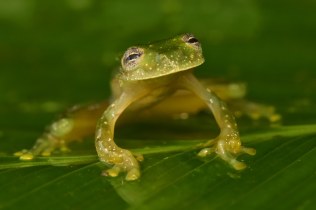
Bee-Saving In Costa Rica
Thanks to Rainforest Alliance, who sent its polite email asking whether we wanted to stay on their mailing list. Of course we do (but thanks for asking) because we believe in their work. And we have believed for a long time. Too long since our last post referencing them, but see this:

liz.png

Liz Paniagua, Co-founder Api-Agricultura

Introducing Costa Rican pro surfer Carlos Cortes and his partner Liz Paniagua. The husband-wife-apiarist-activist team is part of a growing movement working to save bees from the global crisis of colony collapse.

Their bee rescue organization, Api-Agricultura, works with a model Rainforest Alliance Certified banana farm in Costa Rica to save bee colonies from destruction and educate local communities about the importance of bees. By encouraging others to live in harmony with nature, Carlos and Liz exemplify the Costa Rican ethos of “pura vida.”  Continue reading

Bolivia’s Boggling Biodiversity

00MADIDI-andes-jumbo

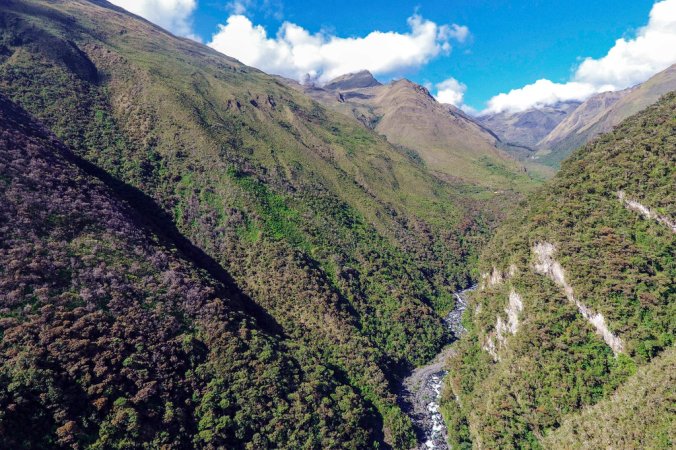
Keara valley Credit Omar Torrico/Wildlife Conservation Society

Whether or not the title is a rhetorical question does not matter; what does matter is our thanks to James Gorman, a science writer at large for The New York Times for this story about the work of Rob Wallace and colleagues at the Wildlife Conservation Society:

Is This the World’s Most Diverse National Park?

Bringing the numbers to life for the jewel in Bolivia’s conservation crown.

merlin_135918486_4d9c8f39-bf06-4931-b1d1-f35e5aa3c9eb-jumbo

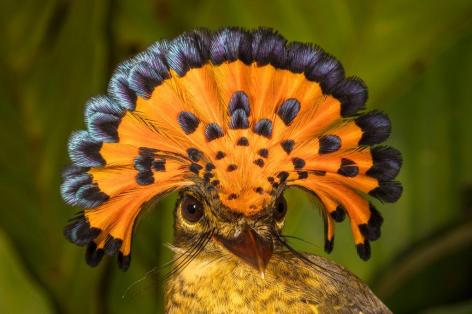
Royal flycatcher Credit Rob Wallace/Wildlife Conservation Society

The credit to Mr. Wallace and colleagues for these photos alone would be worthy of a post, but the creation of such a park in Bolivia is no small wonder:

Madidi National Park in Bolivia goes from lowland to mountaintop, from 600 feet to almost 20,000 feet above sea level. It covers more than 7,000 square miles of wildly different habitats. It is, says Rob Wallace, an ecologist with the Wildlife Conservation Society in Bolivia, “a place where the Amazon meets the Andes.”

merlin_135918168_ad69e304-0870-4e92-a1c9-02449dac0e78-jumbo

Rob Wallace/Wildlife Conservation Society

“Madidi was put together on the hypothesis that it could be the world’s most biologically diverse protected area,” Dr. Wallace said. And, he said, it is — for mammals, birds, plants and butterflies. Continue reading

Moving Slowly & Avoiding Breakage

Preston-Ecological-expedition-Honduras-8

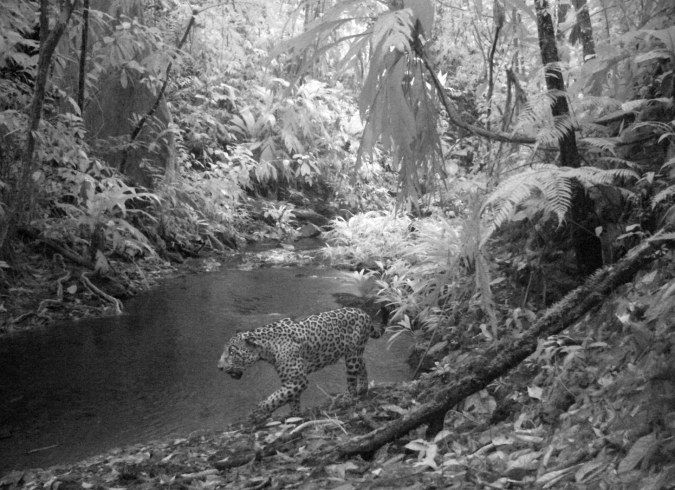
Panthera onca. The jaguar is the king of neotropical forests, where it is the largest of the cats. Its presence at the White City indicates an extensive, thriving ecosystem. © Washington State University, Panthera, Wildlife Conservation Society, Zamorano University, Honduran Forest Conservation Institute, Travis King, John Polisar, Manfredo Turcios

When the journalist Douglas Preston shared this story, I was in the process of closing up shop in India, where we had been in residence since 2010. Kipling-induced daydreaming notwithstanding, Amie and Milo (whose photos may be the most tangible representations of the dreaminess of those years) and I never had the illusion that there were lost civilizations or any such thing in India.

movefast (1)We did have the nonstop motivation of feline-fueled conservation initiatives, and some close encounters. Those provided us a perfect counterpoint to the seemingly irresistible catchphrase that described progress in the form of disruptive technology. Haste really does make waste when it comes to ecology, anthropology, and realms of life other than economic forward-marching.

When I read Mr. Preston’s story on the first day of last year I realized that our relocation to Central America, oddly enough since it is in the hemisphere called the New World, was full of potential for all kinds of discovery of “lost” things. And my own discoveries further sensitized me to the importance of moving slowly and avoiding breakage. My posts on this platform from February through July, 2017 are evidence of the richest ecological and anthropological observations of my lifetime (so far), and that makes Mr. Preston’s update post yesterday all the more wonderful to read:

Deep in the Honduran Rain Forest, an Ecological SWAT Team Explores a Lost World

Preston-Ecological-expedition-Honduras-1

Sachatamia albomaculata. The inner organs of glass frogs are visible through their translucent bodies. Photograph by Trond Larsen / Conservation International

A little more than three years ago, I joined a team of archeologists on an expedition to La Mosquitia, a remote mountain wilderness in eastern Honduras. For centuries, the region had been rumored to contain a lost city, known as the City of the Monkey God or the White City, and now, thanks to a combination of luck and modern technology, an ancient settlement had been found. Although it was probably not the lost city of legend, it was a very real place, built by a mysterious civilization that flourished long before Columbus arrived in the Americas. Hidden in a densely forested valley, it had never been explored. Continue reading

Butterflies Bear Bucolic Benefits

merlin_138359769_63074afa-6c7c-4550-acd6-302cfc29161d-jumbo

Milkweed was first mentioned in these pages  so long ago I had forgotten their importance to Monarch butterflies, a seemingly perennial topic for our contributors. So thanks to Margaret Renkl for keeping that tradition going in her Monday op-ed, and reminding us in the process that while it is not all good news out there, it is also not all bad news:

Monarchs in My Garden, at Last

NASHVILLE — I was pretty proud of myself the spring I planted my first organic garden. It was the mid-1980s, and I was a first-year graduate student in creative writing, a program entirely unrelated to horticultural mastery. But I had taken a college course in environmental biology, and I knew the basics: The more chemicals you use in a garden, the more chemicals you’ll need in the garden. It’s a self-perpetuating cycle, more reliable than the seasons.

At my house, companion planting — marigolds in between the broccoli, tomato vines encircling the spinach — would repel bugs the natural way. Any lingering pests would be dispatched by beneficial insects like ladybugs and praying mantises. One evening I watched happily as cabbage white butterflies flitted over silvery broccoli leaves. Those little white butterflies pausing in the gloaming on the water-beaded broccoli made for a tableau of bucolic harmony. Continue reading

Water, Power & Discontent

Early last year an article in the Guardian reminded me of work I had done in Montenegro in an earlier decade. The work was among the most impactful in my life, both professionally and personally, but the reminder was more a warning than a celebration. Something similar just happened with work I carried out in the region Rachel Dixon, a travel writer for the Guardian, brought to my attention with the film above, mentioned in this article:

Adventure in Albania: kayaking in one of Europe’s final frontiers

With wild rivers, mountains and Unesco sites aplenty, Albania is emerging as an exciting Mediterranean destination – but its wilderness could be devastated by huge dam-building projects

5188‘Go, go, go!” The white-water rafting guide shouted orders from the back of the boat and our five-strong crew paddled hard to stay on course. We were tackling a stretch of the Vjosa, a 270km river that begins in Greece (where it is called the Aoös) and flows through Albania and into the Adriatic just north of the city of Vlora. I was on a recce trip for a new southern Albanian break with Much Better Adventures, which specialises in long weekends to wild places in Europe and North Africa. But this trip was not just a fun adventure – rather just part of a campaign to save the river, which is under threat from proposed dams. A documentary film, Blue Heart, out this month, will highlight the fight to protect Europe’s last wild rivers, with help from ecotourism…

The film, and the article, have to do with the power of water. And the power of humans in deciding what to do with water. Not all reminders can be pleasant. This one is bittersweet. One sweet part is the call to action.

CallAct1

Step 1: Register your interest in hosting a screening

We are aiming to host hundreds of screenings of Blue Heart globally in 2018 to raise awareness of the plight of the people affected in the Balkan region. If you are interested in hosting a screening, please complete the form below and a member of our team will get back to you ASAP.  Please note the film is 40 mins long and we recommend that you allow at least 20 mins for a post screening discussion. Continue reading