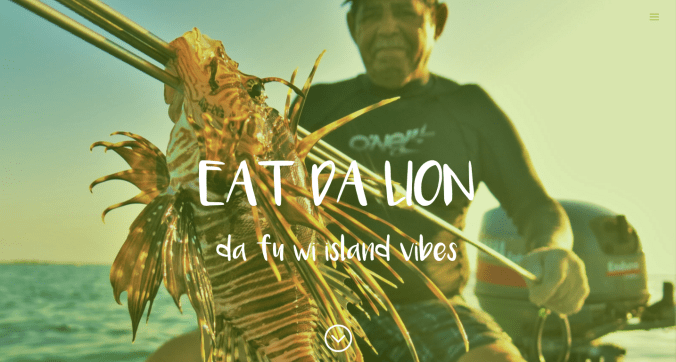
Catch Da Lion

Our contributors have posted frequently about the implications of lionfish as invasive species on this site, but we’re always happy to support new programs and initiatives, especially in Belize.

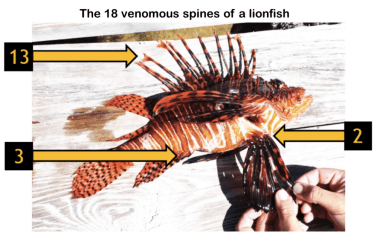
This one is particularly fun and informative, explaining exactly how to manage the spines, how to catch them, how to eat them and how to wear them!

Multiple programs are popping up to help reduce the impact of this invasive species…

Get involved!

  1. Ask your local dive shop, tour operator or tour guide about going out to catch lionfish! Many businesses around Belize offer guests the chance to go out and remove lionfish from our beautiful reefs!
  2. Find that friend who has a boat and head out to the reef to go catch lionfish yourself! See the FAQ below for more information on the tools you will need!
  3. Organize or participate in a Lionfish tournament! Lionfish tournaments have been organized in San Pedro, Caye Caulker, Dangriga and Placencia. Anybody can form a team and enter to catch the most, biggest & smallest lionfish for prizes and good fun!Interested in organizing one, contact us here for support regarding best practices, tournament rules and the materials you will need to get started!
  4. OR, join one of Blue Ventures’ Lionfish expeditions, to get involved in research & culling efforts in Bacalar Chico Marine Reserve!
  5. OR join ReefCI’s lionfish programme

Now you try!

Continue reading

Montenegro, 2017

5565

Wild and wet … Lake Skadar national park, Montenegro. Photograph: Alamy

It is now ancient history, but it may as well be yesterday, since I can look at the photo above and it has no less of an impact on me. When Montenegro was still part of what remained of ex-Yugoslavia, La Paz Group worked in partnership with UNDP on a project for the Prime Minister of this soon-to-be independent nation. He was visionary, and wanted to replicate what Costa Rica had accomplished as a small ecologically diverse country–harnessing sustainable development to ensure his country would not become the victim of the forces of mass tourism.

Skadar Lake was the crown jewel in the country’s potential attraction of ecologically-oriented travelers, and the perfect complement to the wild beauty of the coast line and the spectacular mountains. Montenegro has done a very good job in the decades since my first visit to Skadar Lake (standing exactly where the photographer above stood, looking at my own photos from that visit), communicating its commitment to those principles. Nonetheless, the challenges never go away, so we wish them continued success in fighting the dark forces:

Montenegro’s pristine Lake Skadar threatened by new resort

Tourism in Montenegro is booming, but the approval of plans for a new ‘eco-resort’ has led to protests from conservationists who fear it will threaten a stunning national park Continue reading

Economic Models Adapting To Evolving Challenges

tnc_61185884_preview_cropped.jpg

Aerial view of flooded rice fields participating in California’s BirdReturns program. White areas are dense gatherings of birds. Photo © Drew Kelly for The Nature Conservancy

The Moneyball approach to thinking about how to make the next big breakthroughs in conservation–not surprising that we are hearing this from The Nature Conservancy’s best and brightest:

Economics: The Next Frontier in Conservation Science

BY ERIC HALLSTEIN, SARAH HEARD

Engaging in markets is not new for The Nature Conservancy. But with our roots as a land trust, we thought about markets in a very specific way. We bought property to protect biodiversity using donor and public funding. We were in the market for “externalities.” Continue reading

Ruby Sea Dragon, First Live Portrait


13Tb-seadragon2-superJumbo.jpg

A ruby sea dragon that washed up on the Point Culver cliffs in Western Australia. Credit Zoe Della Vedova

Click the image above, a Ruby Sea Dragon washed ashore, to go to a moving image of another member of this creature’s species, alive and well in the wild waters off Australia:

For the First Time, a Ruby Sea Dragon Flaunts in Front of the Camera

By

Famous for their flamboyant, leaflike appendages and mesmerizing movements, sea dragons are aquatic works of art. Since the 19th century, marine biologists had thought that only two types of these enchanting fish existed — the leafy and weedy — until they discovered a third among museum specimens in 2015: the ruby sea dragon. Continue reading

Bioluminescence Better Understood

14505155544_2d3fa95c7c_k-1260x708 (1).jpg

Thanks to Cool Green Science for shedding more light on a topic we have commented on from time to time since starting this platform:

Living Light

What makes some living things glow?

by JENNY ROGERS

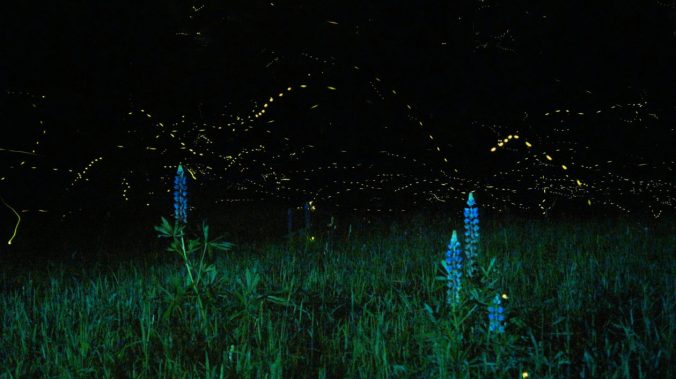
For two weeks each year at the beginning of summer, fireflies light up a portion of Great Smoky Mountains National Park. They glow in unison or in waves as males communicate with females in an elaborate mating dance that no one fully understands. There are at least 19 firefly species in the park, but Photinus carolinus is one of the only fireflies in America known to light in unison. Tourists arrive by the thousands to watch. Continue reading

Jane Alexander, Come Back To Belize

janealexander

Jane Alexander describes, about half way through the conversation above, being in Belize with Alan Rabinowitz several decades ago for birdwatching, and how it changed her life. 41imiogqjal-_sx336_bo1204203200_She has been a committed conservationist ever since, as she also describes in this 2012 interview in Audubon Magazine. Anyone who uses an extra 15 minutes of fame – – after a lifetime endowed with plenty of it, well earned for her professional accomplishments — for this purpose is a class act in our book. She has a book that looks worthy of her, according to the publisher’s description:

A moving, inspiring, personal look at the vastly changing world of wildlife on planet earth as a result of human incursion, and the crucial work of animal and bird preservation across the globe being done by scientists, field biologists, zoologists, environmentalists, and conservationists. From a longtime, much-admired activist, impassioned wildlife proponent and conservationist, former chairperson of the National Endowment for the Arts, four time Academy Award nominee, and Tony Award and two-time Emmy Award-winning actress. Continue reading

Coffee, Birds & How They Matter

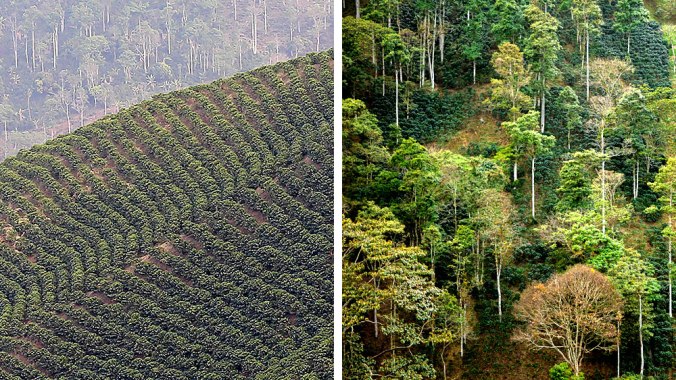
Sun-grown coffee (left) is a monoculture of coffee bushes. Shade-grown coffee (right) offers more habitat for forest species. Photos: Chris Foito/Cornell Lab Multimedia; Guillermo Santos).

Sun-grown coffee (left) is a monoculture of coffee bushes. Shade-grown coffee (right) offers more habitat for forest species. Photos: Chris Foito/Cornell Lab Multimedia; Guillermo Santos).

Our lives in the New World Tropics has allowed a frequent convergence between birds and coffee, even in the most simple terms of enjoying birdsong in our garden over the first morning cup. That very garden of our home in Costa Rica sits in what was historically cafetal (a coffee finca), with large trees shading the coffee that still grows along the little stream that runs along the property line. Blue-crowned motmots (the Central American cousin to the Andean Motmot mentioned below, have been frequent residents.

The coffee plantings at our home are insignificant compared to the 100+ acres of Gallon Jug Estate shade-grown coffee at Chan Chich. Of the nearly 350 bird species recorded in the Chan Chich Reserve’s 30,000 acres, a large percentage are migratory, making their home in the coffee as well as the healthy forest habitats that make up the reserve.

Sustainable agriculture is rarely a “get rich quick scheme”, but taken within the context of the “seventh generation stewardship”, the benefits will continue to outweigh the costs.

In Colombia, Shade-Grown Coffee Sustains Songbirds and People Alike

By Gustave Axelson

Early one morning last January, I drank Colombian coffee the Colombian way—tinto, or straight dark.

I sipped my tinto while sitting on a Spanish colonial veranda at Finca Los Arrayanes, a fourth-generation coffee farm and hotel deep in northwestern Colombia’s Antioquia region. The sun had not yet risen above the high ridges of the northern Andes. In the ambient gray predawn light, the whirring nocturnal forest insects were just beginning to quiet down.

My senses of taste and smell were consumed by the coffee, which was strong and bold in a pure way, the flavor flowing directly from the beans, not a burnt layer of roast. But my eyes were trained on a small wooden platform that held a couple of banana halves. The first bird to visit was an Andean Motmot, one of Colombia’s many Alice in Wonderland–type fantastical birds. It sported a green-and-turquoise coat and black eye mask, and it was huge—longer than my forearm, with a long tail with two circles at the end that swung rhythmically from side to side like the pendulum of a clock.

The motmot flew away and I took another sip of coffee to be sure I didn’t dream it. Another bird soon landed on the platform to pick at the bananas. This one was yellow, though Colombians call it tangara roja, because males of this species are completely red. In its breeding range, birders from the Carolinas to Texas know it as the Summer Tanager.

For more than 5 million years, a rainbow of Neotropical migrant birds (tanagers, warblers, and orioles) has been embarking on epic annual migrations from breeding grounds in North America to the New World tropics. In Colombia, these wintering areas are a lot different now than they were just 50 years ago. From the 1970s to the 1990s, more than 60 percent of Colombian coffee lands were cleared of forest as new varieties of sun-grown coffee were planted. During that same period, populations for many Neotropical migrant species plummeted—a drop many scientists say is related to deforestation of the birds’ wintering areas across Central and South America.

And yet, coffee doesn’t require deforestation. Continue reading

Bumble Bees & Conservation

06About-blog427-v2.jpg

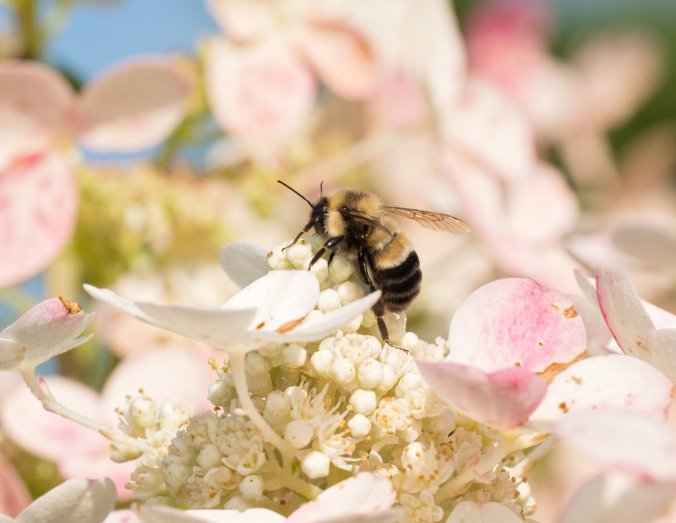
The rusty-patched bumblebee, once common across the continental United States, has been designated an endangered species. Credit Clay Bolt

One more gift of protection:

A Bumblebee Gets New Protection on Obama’s Way Out

By and

The Obama administration, rushing to secure its environmental legacy, has increased protection for a humble bumblebee. Continue reading

Birding By Season

Violet-crowned, blue-throated and magnificent hummingbirds, along with a dozen other bird species, have been recorded at the the Conservancy’s 380-acre Ramsey Canyon Preserve. © Teagan White

Violet-crowned, blue-throated and magnificent hummingbirds, along with a dozen other bird species, have been recorded at the the Conservancy’s 380-acre Ramsey Canyon Preserve. © Teagan White

Thanks once again to the Nature Conservancy’s Cool Green Science blog for simultaneously highlighting conservation history as well as inspiration to spend time outdoors. We stand with the TNC and all organizations in support of the legendary legislation that illustrates the core principles of wildlife and land stewardship.

The Audubon Society states it simply, the Migratory Bird Treaty Act protects birds from depredatory human activities. And the more we involve ourselves in birding activities, the more appreciation and awareness we have for the fragility of our ecosystems and the biodiversity they sustain.

 A Birding List for the New Year

In 2016, birders celebrated the centennial of the signing of the United States’ Migratory Bird Treaty. In 1918, the resulting legislation became one of the country’s first major pieces of environmental law. Today birders reap the benefits of the act, which barred, among other things, the hunting of migratory birds during nesting and mating seasons.

Continue reading

2016 Christmas Bird Count at Chan Chich

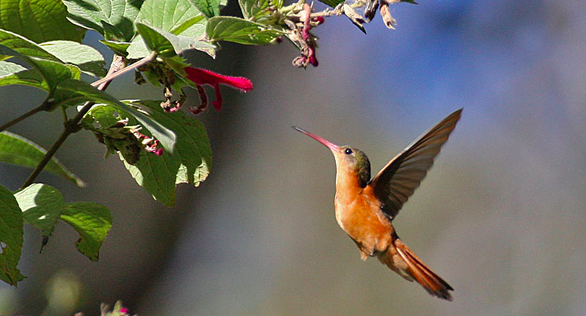
Cinnamon Hummingbird (Amazilia rutila) Sierra El Tuito, Jalisco, Mexico 21/01/2008 © Glen Tepke

The Chan Chich team was recently host to Christmas Bird Count participants from the Belize Audubon Society. Assisted by the Chan Chich guides, the team of ten birders tallied a total of 185 species over a 2-day period.  Among the most notable species, was the addition of the Cinnamon Hummingbird, which is the furthest inland record in the country.  This tiny coastal hummingbird has been steadily expanding its range inland, but this time it reached Laguna Verde, the natural, spring-fed lake within the Chan Chich conservation area. Continue reading

New Rules, Fishing & Conservation

seal-caught_custom-88cc31db868f28dc5d59726aed04e66499e21c83-s1400-c85.jpg

Divers release a seal from fishing gear. Getting entangled in active or abandoned fishing gear often leads to injury or death in marine mammals. NOAA Marine Debris Program/Flickr

Thanks to the salt folks at National Public Radio (USA) for this news on a rule change that could do for all marine mammals what has already been done for dolphins:

The vaquita is a small porpoise found only in the northern Gulf of California, in Mexico. Today, the species is critically endangered, with less than 60 animals left in the wild, thanks to fishing nets to catch fish and shrimp for sale in Mexico and America. The animal is an accidental victim of the fishing industry, as are many other marine mammals. Continue reading

Urban Tracking And Other Soft Local Adventures

raccoontrack-1260x708

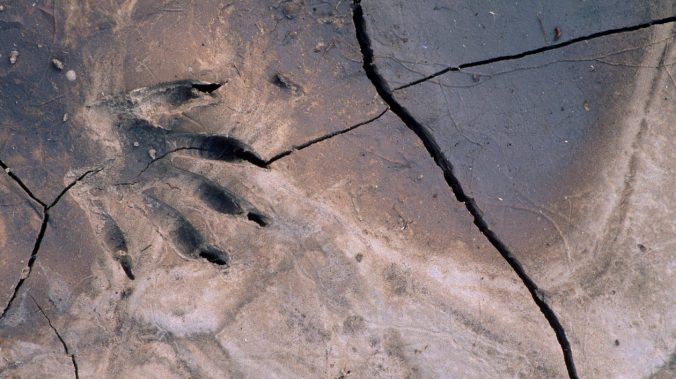
Raccoon track in mud along stream. Sarpy County, Nebraska. October 1996. Central Tallgrass Prairie Ecoregion. Photo © The Nature Conservancy (Chris Helzer)

It seems to go hand in hand with today’s other post, so thanks to The Nature Conservancy as always for this one:

A Field Guide to Tracking in Your Neighborhood

By Matt Miller

Tracking is one of the most family-friendly wildlife activities; you can enjoy it anywhere there is a patch of open ground. As I’ve written previously, kids love deciphering the mysteries of animal tracks. Even my two-year-old son loves checking out the tracks in our yard.

Continue reading

Camera Trap, Australia Edition

Thanks to the Nature Conservancy’s blog for this addition to our growing file of stories about non-intrusive filming of wild animals in remote places:

Camera Trapping in the Australian Desert

BY JUSTINE E. HAUSHEER

When trying to drink out of a tiny waterhole, camels hit approximately a 9.5 on a scale from 1 to Exceptionally Awkward. Continue reading

2017, Year Of Wilderness Conservation, Farming & Food

CCL Board.jpg

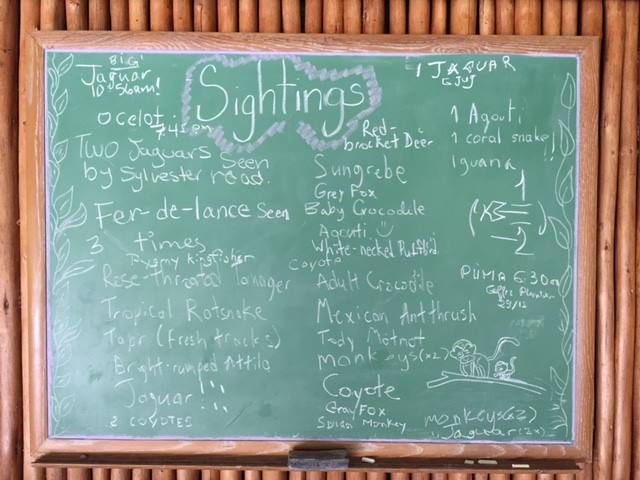
A few days ago Arnay, the General Manager of Chan Chich Lodge, posted a snapshot of the sightings board just outside the reception area, where guests share what they have seen on any given day while trekking with guides, or trekking solo. 2016 was not exceptional for Chan Chich, but it was another year of exceptional opportunity to witness the abundance that comes with committed conservation.

The big cats made their presence known day after day after day. The entire food chain on which they depend was right there with them, well balanced in the 30,000 acres of forest that Chan Chich protects, surrounded by an additional nearly half million acres that other private conservation-minded land-owners protect in northwest Belize. Continue reading

Support Sea Shepherd

2016-12-15-lightbox-donation-appeal-01

Of all the posts we could possibly share on the last day of the year, the jolly roger gets our nod this year more than most. Heavy weather ahead, and these folks know how to sail through and get done what no one else is willing or able to do when it comes to protecting marine ecosystems.

logo-jolly-roger-white-on-black-thick-140x

We have shared as many news stories as we could follow since starting this platform, and always hope to see more. Their story is not as well known as it should be, nor do they have as much financial support as they need to continue to carry out their mission, so we urge support:

WE ARE SEA SHEPHERD

Sea Shepherd Conservation Society (SSCS) is an international non-profit, marine wildlife conservation organization.

Established in 1977, our mission is to end the destruction of habitat and slaughter of wildlife in the world’s oceans in order to conserve and protect ecosystems and species. We use innovative direct-action tactics to investigate, document, and take action when necessary to expose and confront illegal activities on the high seas. By safeguarding the biodiversity of our delicately balanced ocean ecosystems, Sea Shepherd works to ensure their survival for future generations.

Thank You, China, For Pandolin Protection

gettyimages-630598630_wide-7e4e677e0cd500d7c0e39f09b54a995411618f81-s1100-c85

An undated photo, released Wednesday, shows Shanghai customs officers checking pangolin scales at a port in Shanghai. Chinese customs seized over three tonnes of pangolin scales, state media said, in the country’s biggest-ever smuggling case involving the animal parts. STR/AFP/Getty Images

Thanks to National Public Radio (USA) for reporting the news related to this remarkable animal:

China Announces Its Largest-Ever Seizure Of Trafficked Pangolin Scales

Camila Domonoske

Chinese officials have seized 3.1 tonnes (more than 3.4 tons) of illegally trafficked pangolin scales from a port in Shanghai, according to state media. Continue reading

Droning Over Wetlands

Thanks to The Nature Conservancy’s Cool Green Science team for helping us realize we almost missed this story:

Flight Over the Bas-Ogooué: Using Drones to Map Gabon’s Wetlands

BY JUSTINE E. HAUSHEER

How do you map a nearly inaccessible 9,000-square-kilometer African wetland that is home to hippos, forest elephants, crocodiles, and the notorious Gaboon viper?

Enter the drones.

Nature Conservancy scientists are using unmanned aerial vehicles to create the first-ever detailed wetlands habitat map of coastal Gabon, in collaboration with scientists from NASA, and other conservation groups working in Gabon. Continue reading

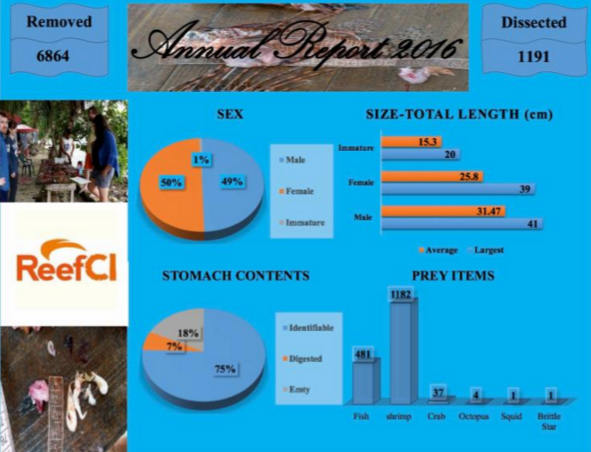
ReefCl Annual Report 2016

The citizen science activities we’ve discussed during this past year go beyond bird counts and uploading data. In the case of the invasive lionfish, participants have to really get their feet wet, so to speak.

In addition to creating a viable income in local fishing communities affected by the lionfish invasion by the developing the market for the meat and the spines, numerous organizations invite volunteers to assist in the eradication process itself. Continue reading

For the Birds: a Message to North American Policymakers


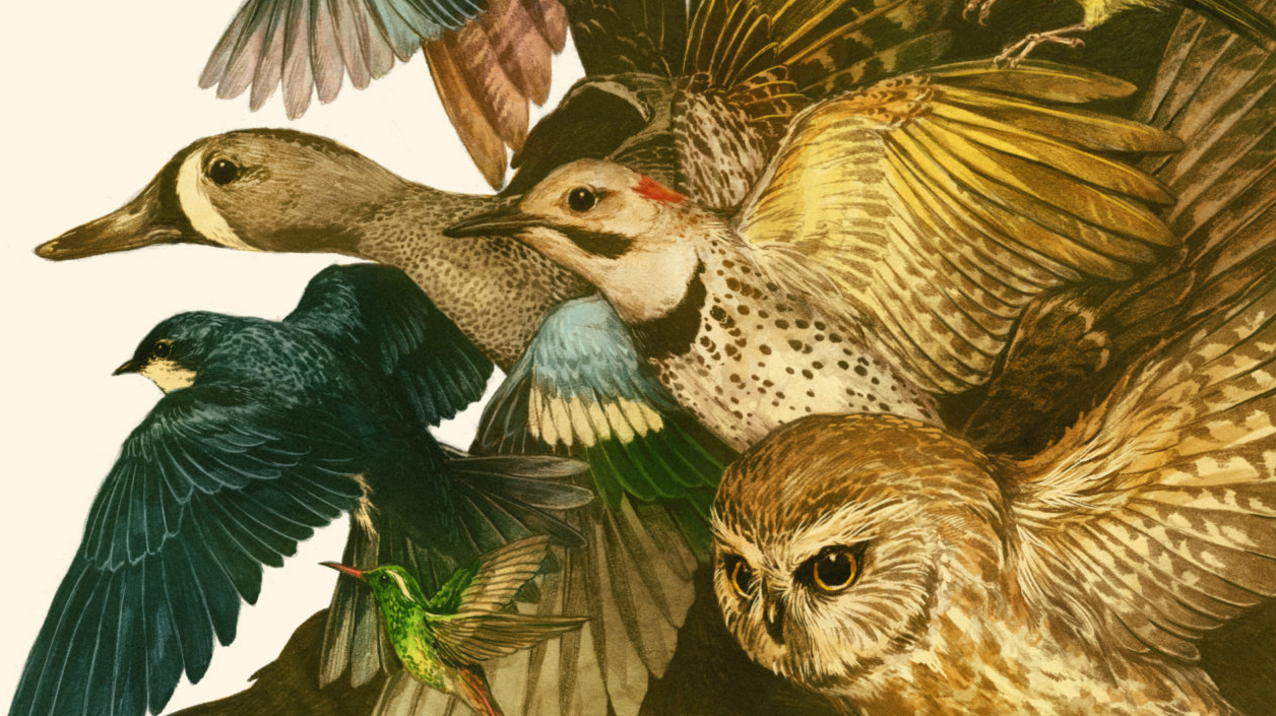
The State of North America’s Birds 2016

The State of North America’s Birds 2016

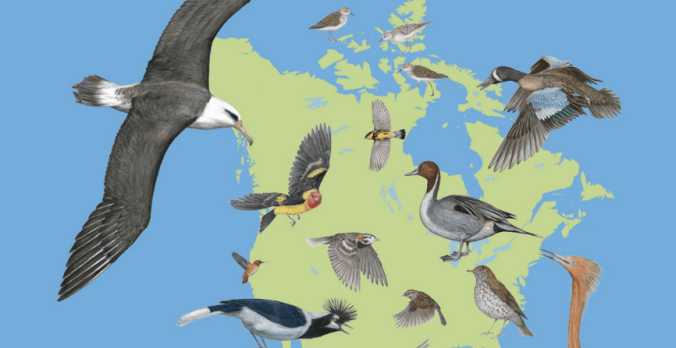
We continue to laud the importance of eBird on this site, gaining special importance as it becomes more and more clear that wildlife doesn’t acknowledge political borders. The data gleaned from tens of thousands of Canadian, Mexican and U.S. citizen scientists who contribute to eBird indicate that more than 350 species in North America migrate up and down Canada, the U.S.A, and Mexico over the course of a calendar year.

And according to the recently released State of North America’s Birds 2016 report, those three countries—their governments, and their societies—need to step up and do more to preserve our continent’s spectacular and shared natural heritage of birdlife. This report is the first-ever scientific conservation assessment of all 1,154 bird species in North America, and it was only possible because of the tremendous scale and big-data capabilities of citizen-science….

Among the many takeaways from eBird maps and models includes one of relevance to our property, Chan Chich Lodge, located on 30,000 acres of Belizean forest in the Yucatan peninsula.

The Yucatan Peninsula is one of North America’s most vital bird habitat regions

The Yucatan Peninsula is one of North America’s most vital bird habitat regions

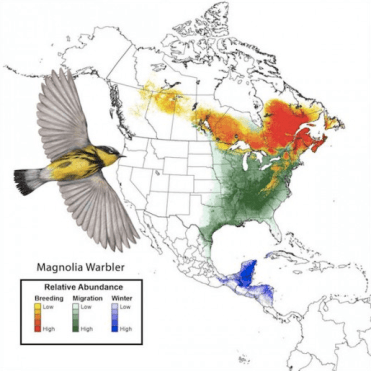
Not only is the Yucatan rich with endemic birdlife, it’s a critical wintering area for more than 120 birds species that migrate from Canada and the U.S.A. In winter, the entire population of Magnolia Warblers relies on an area of tropical forest in Mexico only 1/10 the size of its boreal forest breeding range, with the Yucatan as the bull’s-eye of their wintering range.

Continue reading