Fast Cats’ Feast

The cheetah is the fastest animal on land—a fact that is often repeated, but seldom truly appreciated. When documentary-makers film cheetas, they typically go for low-angle close-ups that capture the creature’s majesty, but that underplay its speed. The BBC’s The Hunt bucked the trend last year with aerial shots that reveal just how fast the cheetah is.

Ed Yong, writing on the Atlantic’s website, refers to the video clip above with his opening paragraph of Cheetahs Never Prosper. The cat lays the table for its feast, in full speed, and then Mr. Yong shares some plain truths: Continue reading

Redeeming Schemes Punctuated With Question Marks

5687

An impression of the town square at the Babcock Ranch development in Florida. Photograph: Babcock Ranch

For every redemption story there seems to be at least one more redemption puzzle. Conundrums. This is one of those. We want to love the scheme for some of its nobler aspects, but then realize it is impossible to do so unconditionally. And finally, simply, impossible:

The solar-powered town: a dream for the environment – or a wildlife nightmare?

Babcock Ranch, the brainchild of ex-NFL player Syd Kitson, aims to be a model of sustainability but campaigners fear it will be tragic for endangered panther

Edward Helmore in New York

Florida real estate has a bad habit of reflecting the boom-and-bust cycles of the US economy but Babcock Ranch, a new development opening early next year and designed to be the world’s first solar-powered town, is hoping it can provide the Sunshine state with a model for sustainable living. Continue reading

The Gift Of The Camera Trap

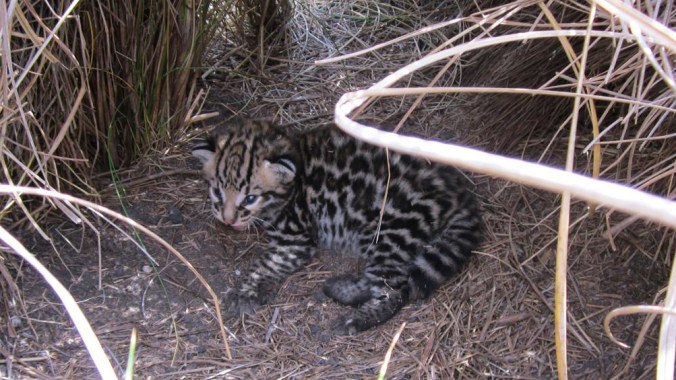
3-week-old-male-kitten-at-den-site-Laguna-Atscosa-NWR.jpg

Three week old male ocelot kitten. Photo courtesy of US Fish and Wildlife Service

Thanks to Matt Miller and TNC’s Cool Green Science:

Camera Trap Captures Images of Texas Ocelot Kittens

Great news for ocelots: This year, several females with kittens were documented in South Texas using remote cameras.

The U.S. Fish and Wildlife Service (USFWS) issued a public service announcement brimming with good news, including the first ocelot den documented in 20 years on Laguna Atascosa National Wildlife Refuge, and ocelots with kittens on the Yturria Ranch, a private ranch protected by conservation easements held by The Nature Conservancy and USFWS. Continue reading

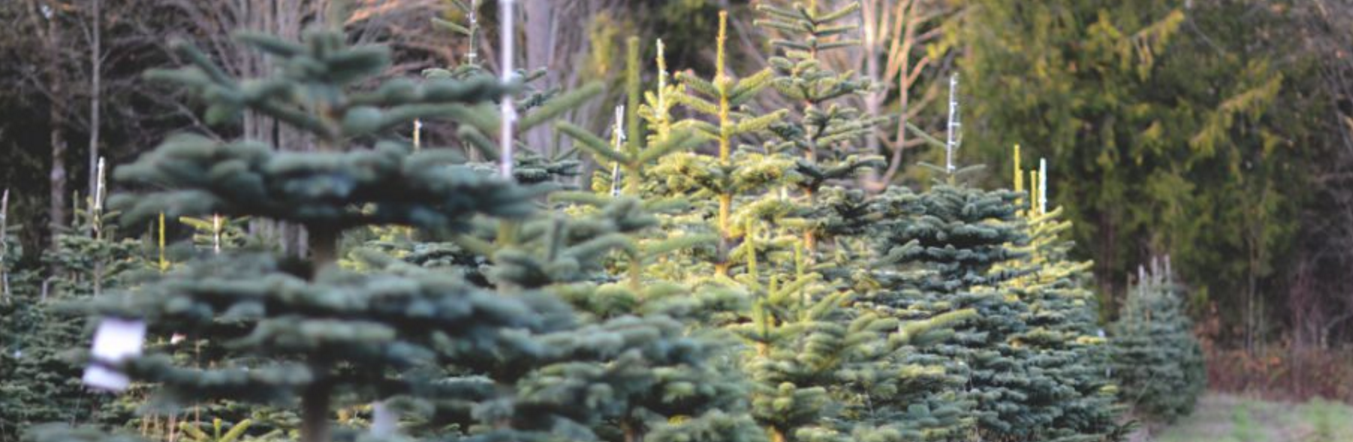
‘Tis the Season for Creative Arborescent Decision-Making

photo credit: Carol Fernandez

photo credit: Carol Fernandez

Real Vs. Fake Trees – Which is Better for the Environment?

Tis the season for an age-old question: Which kind of Christmas tree – real or fake – is better for the environment?

We love this question, because it’s an example of a simple choice that anyone and everyone can make that can reduce our impacts on the environment.

We also love this question because, like many environmental issues, the answer isn’t as simple as you might think. Our #1 recommendation? Buy a real tree. Read on for more details on the impacts of both real and fake Christmas trees, and then make the choice that’s right for you. And check out our 12 Tree Tips for other earth-friendly holiday decoration tips.

REAL CHRISTMAS TREES

In 2015, 26.9 million trees were purchased from live Christmas tree farms – more than twice the number of fake trees purchased (12 million).   Continue reading

Walking on the Wildside

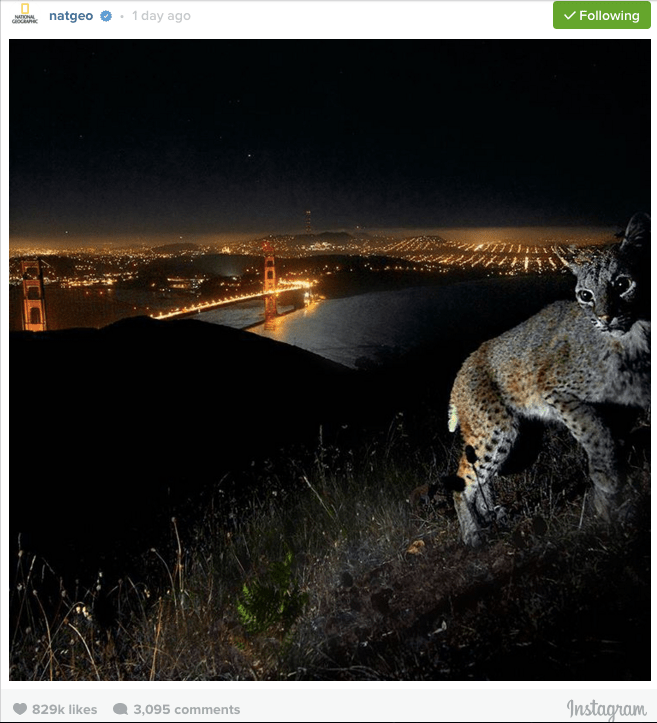
Camera Trap photo: Natgeo Instagram

Camera Trap photo: Natgeo Instagram

The photo above is a reminder that amazing camera trap captures of wildlife needn’t be limited to remote areas, or even exotic locations.

Bobcat takes a ‘selfie’ above Golden Gate Bridge

Seldom seen, bobcats rarely will stand still for a photo.

But every once in a while the shy, nocturnal feline will take a selfie — although not intentionally, of course.

This one triggered a remote camera hidden on a ridge in the Marin Headlands overlooking San Francisco and the Golden Gate Bridge. The camera was set up by National Geographic photographer Steve Winter.

The photo was posted today on the National Geographic’s Instagram account, but it’s apparently several years old. Continue reading

Cabo Pulmo & Octavio Aburto’s Masterful Storytelling

David and Goliath

The more we look around, the more we find that Mr. Aburto is telling the Cabo Pulmo story as well as anyone:

The People (Past and Present)

What make Cabo Pulmo a success story is its people: when faced with the dilemma to either continue fishing or to turn towards conservative goals, the community decided they needed to change. Continue reading

Christmas Bird Count, 2016

Seth’s work at the Cornell Lab of Ornithology, with the Celebrate Urban Birds initiative helped us all get a close look at citizen science in action. Past Christmas counts since then have been an annual tradition in these pages. Thanks to Lisa Feldcamp for a note on this topic with her post Give Kids the Gift of Birding on The Nature Conservancy’s website Cool Green Science:

The annual Christmas Bird Count is one of birding’s most cherished traditions. This year, consider introducing the count to a child. There’s no better time to get a youngster started in birding.

“When I was a kid in a large family of eight kids in Upstate New York, my parents told us we could do anything that cost less than $5; baseball, boy scouts, or birding,” says Tom Rusert of Sonoma Birding. “I joined Junior Audubon with my brothers, not realizing it would be a life sport to enjoy forever. It really is no different than any other sport.” Continue reading

Cabo Pulmo, Community & Conservation

Octavio Aburto keeps coming to our attention, as we read more about Cabo Pulmo, and today we discovered that he has provided several excellent short videos on Vimeo:

A thriving undersea wildlife park tucked away near the southern tip of Mexico’s Baja peninsula has proven to be the world’s most robust marine reserve in the world, according to a new study led by researchers at Scripps Institution of Oceanography at UC San Diego. Results of a 10-year analysis of Cabo Pulmo National Park (CPNP), published in the Public Library of Science (PLoS) ONE journal, revealed that the total amount of fish in the reserve ecosystem (the “biomass”) boomed more than 460 percent from 1999 to 2009. Citizens living around Cabo Pulmo, previously depleted by fishing, established the park in 1995 and have strictly enforced its “no take” restrictions.

Big Weather & Big Cats At Chan Chich Lodge

Cockscomb Basin Wildlife Sanctuary is of interest because it is a pioneer in conservation in Belize–as Chan Chich Lodge is in its own way. But in writing about it Vicky Croke, for The Wild Life at WBUR (National Public Radio, Boston, USA), reminds a few of us of our time in Belize during Earl, and the aftermath during which jaguar sitings have been, and continue to be, inexplicably spectacular:

Jaguars Interrupted: Counting Big Cats After A Hurricane

Two months after Earl hit Belize, researchers at the world’s first jaguar reserve are still taking stock.

By Vicki Croke

This past summer, within days of gathering spectacular camera-trap footage of a female jaguar and her two tiny cubs sauntering through the Cockscomb Basin Wildlife Sanctuary in Belize, field scientists with Panthera, the global wild cat conservation organization, got the news that a tropical storm was forming and might just come their way. Continue reading

Sardine Disco Balls, Or Cabo Pulmo

15tb-sardines-superjumbo

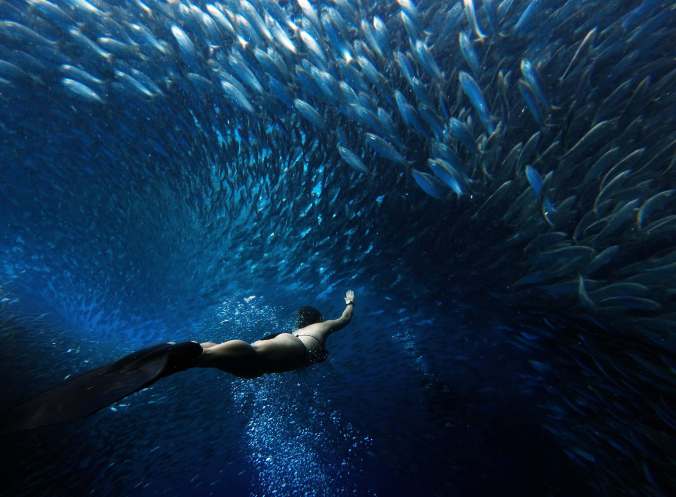
A free diver swooping into a sardine ball. Credit Keith Sepe

Joanna Klein’s story in the Science section of the New York Times this week, titled Swimming With the Mysterious Sardine Disco Balls of the Philippines, has had me thinking in recent days about the Gulf of California, and specifically about Villa del Faro. If you have reason to be in the Philippines, click the image above to get a quick view of what may be in store for a diver in certain waters.

But otherwise, I will riff off that photo in the direction of Baja California Sur. The intensity of those sardine schools are comparable to the biodiversity in the waters of Cabo Pulmo. Continue reading

Better Nets, Better Fishing

ulotrawlproject_2016_069-55_wide-588bf1471991f6a62169e87318536f0a627efb4f-s1100-c85

Portland’s Gulf of Maine Research Institute has designed a trawl net that aims to target species that can still be profitable while avoiding cod. Courtesy of Gulf of Maine Research Institute

Thanks to the salt folks at National Public Radio (USA):

Fishermen Team Up With Scientists To Make A More Selective Net

FRED BEVER

Some New England fishermen are pinning their hopes on a new kind of trawl net being used in the Gulf of Maine, one that scoops up abundant flatfish such as flounder and sole while avoiding species such as cod, which are in severe decline.

For centuries, cod were plentiful and a prime target for the Gulf of Maine fleet. But in recent years, catch quotas have been drastically reduced as the number of cod of reproductive age have dropped perilously low. Continue reading

Bees In Need Get Boost

3000b

Honeybees alone are responsible for boosting the production of fruits, nuts and vegetables. But bee and other pollinator populations in the US have been in decline in recent years. Photograph: Klas Stolpe/AP

Thanks to the Guardian:

Bee’s knees: a new $4m effort aims to stop the death spiral of honeybees

General Mills is co-funding a project with the federal government to restore the habitat of pollinators such as bees and butterflies on North American farms Continue reading

Rewilding, South Atlantic Edition

rainforest-animals

Galetti et al. “Reversing defaunation by trophic rewilding in empty forests.” Biotropica. 2016.

Thanks to Anthropocene:

A recipe for rewilding the Atlantic forest

Banks, Rainforests, We The People

04DEFORESTATION-superJumbo.jpg

Young orphaned orangutans on a climbing expedition with their keeper at International Animal Rescue’s orangutan school in West Kalimantan, Indonesia. Credit Kemal Jufri for The New York Times

We first started paying close attention to the plight of the ecosystem in the image above when we saw the talk given by Willie Smits, who has taken action, to say the least, in the interest of protecting that rainforest and its inhabitants. It is not because of the orangutans (though see the photo below and try to resist reading on) that we find this article compelling; it is because there is a clear and compelling call to action on holding our institutions accountable:

How Big Banks Are Putting Rain Forests in Peril

By

In early 2015, scientists monitoring satellite images at Global Forest Watch raised the alarm about the destruction of rain forests in Indonesia.

Environmental groups raced to the scene in West Kalimantan province, on the island of Borneo, to find a charred wasteland: smoldering fires, orangutans driven from their nests, and signs of an extensive release of carbon dioxide into the atmosphere. Continue reading

Planet Earth II

4344

Planet Earth II has attracted audiences of up to 10.6 million. Photograph: David Willis/BBC

Thanks to the Guardian for this:

Planet Earth II a form of therapy for viewers, says Attenborough

Veteran broadcaster says blockbuster BBC nature show offers audiences respite from their concerns about the world

by Esther Addley

Millions of people are tuning into the BBC’s nature series Planet Earth II because they crave a respite from their concerns about the future of the planet, Sir David Attenborough has said. Continue reading

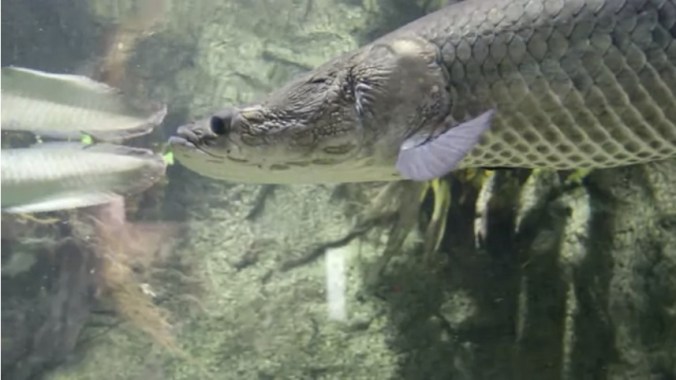
Amazing Amazonian Arapaima

Araipama.jpg

Thanks to Wired, this minute+ video (click image above) introduces an oddball:

Meet the Arapaima, the Swimming Tank of the Amazon

What’s 10 feet long, 440 pounds, and armored like a tank? The arapaima, perhaps the most peculiar fish in the Amazon.

Lessons From Ningaloo Reef

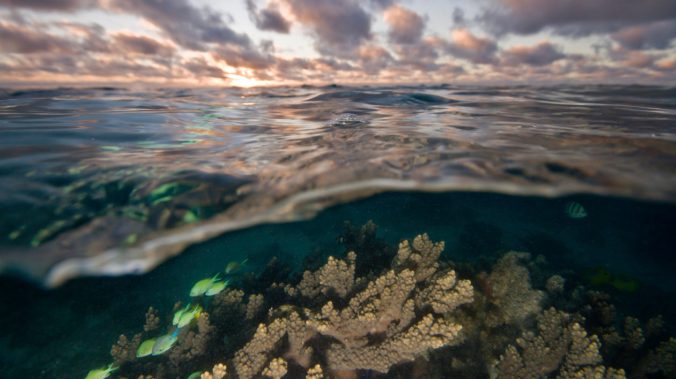
WOPA100627_D105

Acropora coral and blue green chomis on Ningaloo Reef in Western Australia. Photo © Steve Lindfield

Thanks to James Fitzsimons and The Nature Conservancy’s Australia program for this one:

Big, Bold & Blue: Lessons from Australia’s Marine Protected Areas

BY JUSTINE E. HAUSHEER

Australia has one the largest systems of marine protected areas in the world, from the coral-covered Great Barrier Reef to the sub-Antarctic Macquarie Island. Now, a new book details the lessons learned by Australian scientists, policymakers, and communities during more than 130 years of marine conservation.

The book — Big, Bold & Blue: Lessons from Australia’s Marine Protected Areas — gathers lessons learned from academia, government, NGOs, indigenous communities, and the fishing sector. Continue reading

The Science Of Marine Conservation

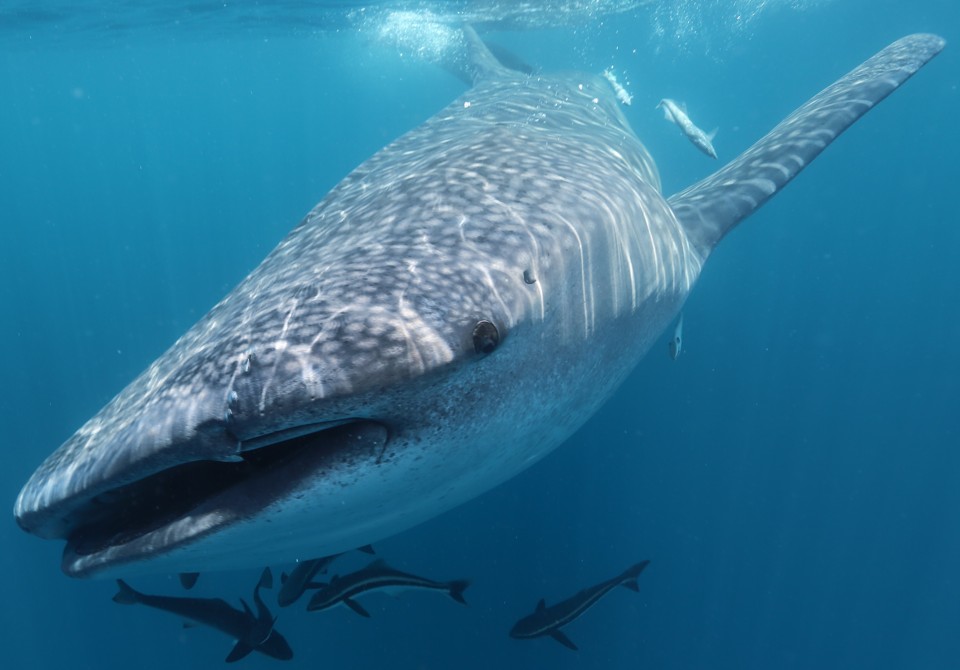
A whale shark in the Persian Gulf. Steffen Sanvig Bach

This is the future of marine ecosystem science (thanks as always to Ed Yong and the Atlantic’s ongoing  commitment to compelling coverage of environmental issues):

The World’s Biggest Fish in a Bucket of Water

Scientists used DNA floating in just 30 liters of seawater to count the endangered whale shark across two oceans.

ED YONG

If you lean over the side of a boat and scoop up some water with a jug, you have just taken a census of the ocean. That water contains traces of the animals that swim below your boat—flecks of skin and scales, fragments of mucus and waste, tiny cells released from their bodies. All of these specks contain DNA. And by sequencing that DNA gathered from the environment—which is known as environmental DNA, or eDNA—scientists can work out exactly what’s living in a patch of water, without ever having to find, spot, or identify a single creature.

And that helps, even when the creature in question is 18 meters long. Continue reading

Freshwater Fish, Forgotten Food

lake-victoria-fish

WorldFish/Flickr

Anthropocene has a good summary of this recent scientific study on freshwater fish as a potentially robust, sustainable food supply that has been neglected:

We’re overlooking a giant piece in the global food security puzzle

When we think of sustainable fisheries, we tend to focus on oceans and even aquaculture. But there’s an important source of fish protein that’s often overlooked: freshwater fish. An expansive new study finds that fishing pressure and other threats to freshwater fish is greatest precisely where biodiversity is greatest. It also reveals that a very high proportion of the world’s population—particularly the poor and malnourished—depend heavily on this resource for food security. Continue reading

Imposter Fish

mystery-fish

We are curious to know more:

Imposter fish may be more sustainable

In a first of its kind study, researchers tackled the environmental and financial impacts of consumers purchasing mislabeled fish. And—as upsetting as the mislabeling of any food is—they found a surprising silver lining. Continue reading