Audubon’s Annual Bird Count

Green Blog loaded that video with a reminder of the value of this annual tradition.  While not quite as exotic-heavenly as work coming out of the Cornell Lab of Ornithology that we have pointed out here and here, nor even work that our own interns have been carrying out, this more prosaic activity is the essential contribution of the modern bird-lover:

Binoculars at the ready, a small group of birders fanned out through the field, searching for a brown-and-gray bird that was stubbornly refusing to show itself. Continue reading
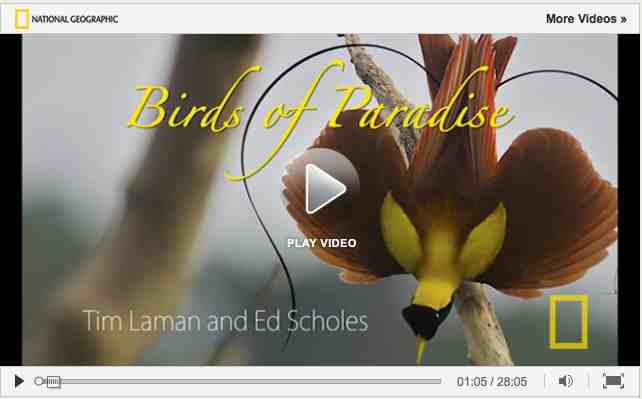
They Flew In From The Garden Of Eden

These earlier video and book posts about birds of paradise, as documented by the research and photography team from the Cornell Lab of Ornithology and National Geographic, were poignant partly because we have several contributors who work at the Lab.  But mainly because those birds are unbelievable.  So we of course cannot deny Mr. Attenborough his own spotlight with the same.

Folks Fight Feral Felines For Frigatebirds

A male frigatebird with the distinctive red sac on its chest that is inflated during courtship. Photograph: Derren Fox

Thanks to the Guardian‘s coverage of scientific and environmental issues for this story of success involving collective action on the part of British folk who decided to fix a problem they had inadvertently created starting back in the day when Darwin was voyaging on the Beagle:

…In the early 19th century, Ascension Island was home to more than 20 million seabirds, mainly masked boobies, black noddies, brown noddies and Ascension frigatebirds. The frigatebird was considered to be the most important because it was unique to the island. Continue reading

Sometimes Science Says Otherwise

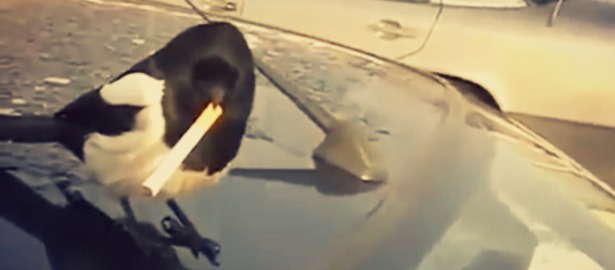
Among family, friends and colleagues everyone knows someone who has tried to kick the habit.  Many succeed. Once the habit is kicked, where does it go?  And for those who have not kicked the habit, and are still flicking the remainders about, where do those go?   Apparently, both end up in bird land, and for reasons we might find acceptable:

We never actually established why birds suddenly appear every time you are near. It might just be because you are one of the terrible, horrible people who throws cigarette butts on the ground everywhere. When a little bird waddles out and picks one up and uses it to build a nest, though, you are sort of redeemed, in that the world becomes a better place for its bird family.

Research published today in the journal Biology Letters followed urban birds and measured the amount of cellulose acetate (from cigarette filters) in their nests. The nests with more butts had fewer parasites. Continue reading

A Parliament Of Owls

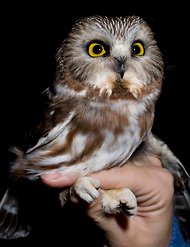
Photo: Scott Weidensaul. Little larger than a robin, northern saw-whet owls were long considered rare in the East.

Our thanks to Green Blog for this wonderful item:

Each autumn, thousands of miniature owls fill the night skies in the Northeast, gliding over forests and fields, suburbs and cities. They cast minuscule shadows as they breeze by the Empire State Building. Where they are headed, no one knows exactly. But researchers are certain of one point: there are many, many more of these little raptors, known as northern saw-whet owls, than they had suspected.

“This is a little bit of the Canadian wilderness passing through,” said Scott Weidensaul, a natural history writer who has coordinated volunteer research on saw-whet owls for 16 years. “Pretty much wherever you live in the Northeast or even in other parts of North America, there are tiny owls weighing no more than robins flying over your house.” Continue reading

More On Birds In Storms

We have learned plenty of new things about birds in the wake of recent storm news, and today yet more from one of our favorite science writers.  Click the image to go to her story in the New York Times:

…biologists studying the hurricane’s aftermath say there is remarkably little evidence that birds, or any other countable, charismatic fauna for that matter, have suffered the sort of mass casualties seen in environmental disasters like the BP oil spill of 2010, when thousands of oil-slicked seabirds washed ashore, unable to fly, feed or stay warm. “With an oil spill, the mortality is way more direct and evident,” said Andrew Farnsworth, a scientist at the Cornell Lab of Ornithology. Continue reading

Birds, Birders & Megastorms

Watch also for our 2PM eBird story with final predictions and strategy recommendations for birding Sandy.

If there is a silver lining to every cloud–even the most unwanted clouds–birders will always find them. We appreciate the “safety first” approach as much as the sense of dedication to the craft. Click the image above to go to the story:

…this is a going to be a wet, messy, and dangerous storm that affects a wide swath of the Eastern Seaboard! Occurring on a full moon, the storm surge is likely to be huge–very damaging and very dangerous. Given that, we implore exuberant birders to think about safety first, and don’t take risks!  Continue reading

Mysterious Bird, Carefully Studied

This slideshow requires JavaScript.

From Smithsonian‘s website a story about the most mysterious bird in North America:

Black swifts, Cypseloides niger, are among the most enigmatic birds in North America. Continue reading

Cases Illustrating The Value Of Ecosystem Services

This website is on nominally and practically about bird life, but is also more broadly about the health of the planet where birds live.  This is a great resource on how to value the services that ecosystems provide.  Click the banner above to go to the source:

Ecosystem services are the benefits we receive from nature, such as provision of crops or medicinal plants, the control of pests (Birds control insect pests in farmlands and forests), the regulation of climate, the reduction of flood risk (BirdLife Partners are restoring forests that will help buffer communities against climate change), and opportunities for cultural, spiritual and recreational experiences. Continue reading

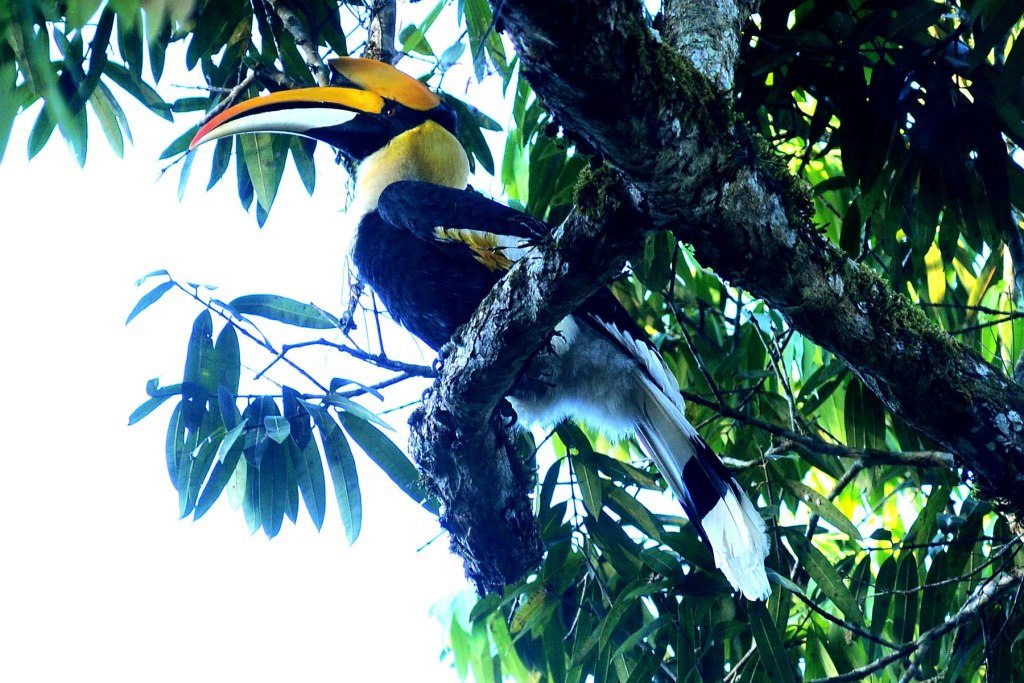
The Great Pied Hornbill (Buceros bicornis)

The heaviest of the 54 species in the family, the Great Pied Hornbill (Buceros bicornis) is one of the main attractions in Periyar, among  the most fascinating birding destinations in the entire Western Ghats. Towering old-growth forests are a must for their breeding. Ficus fruits are the main diet for the growing chicks. Continue reading

Really, Cyprus?

100726_r19825_p646.jpgA couple of years ago a powerful essay by Jonathan Franzen in the New Yorker made us aware of and horrified about this practice.

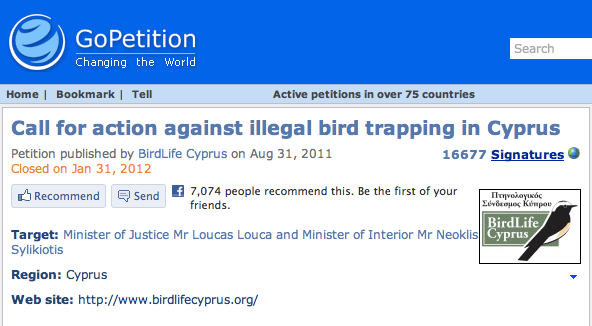
It is so full of disgusting detail related to this practice that, should you survive the nausea you will want to click the banner below and sign the petition.

Better late than never. Exactly six weeks after this petition was started, we have stumbled onto it.  Now, nothing to do but act:

What Makes the Baya Weaver’s Nest a Baya Weaver’s Nest?

“Pick a nest.”

It was the first day of my architectural design studio class and we were told to pick a nest, any nest. I knew this was going to be a great semester: the first assignment was seemingly random, kooky, and just a little ‘out there.’ I was excited! As an architecture student, I love when things are approached in such a non-traditional way.

I know what you must be thinking: aren’t architects supposed to be designing buildings for people? Why are you looking at bird nests?!

I, too, was confused, but I didn’t question it because I had a really cool nest in mind. Because I spent the summer in India with bird-lover and birder extraordinaire, Ben Barkley, the Baya Weaver Bird, who builds its iconic hanging nests around the backwaters of Kerala, was an obvious choice.

Here are my “comprehensive drawings” of the Baya Weaver Bird that attempt to explain the complex relationships the bird maintains with its surroundings.

2nd Draft of Baya Weaver Nest Comprehensive Drawing (By Karen Chi-Chi Lin)

My 2nd draft of Baya Weaver nest comprehensive drawing (Photograph and drawing by Karen Chi-Chi Lin)

Continue reading

Splendid Sri Lanka: Part 1

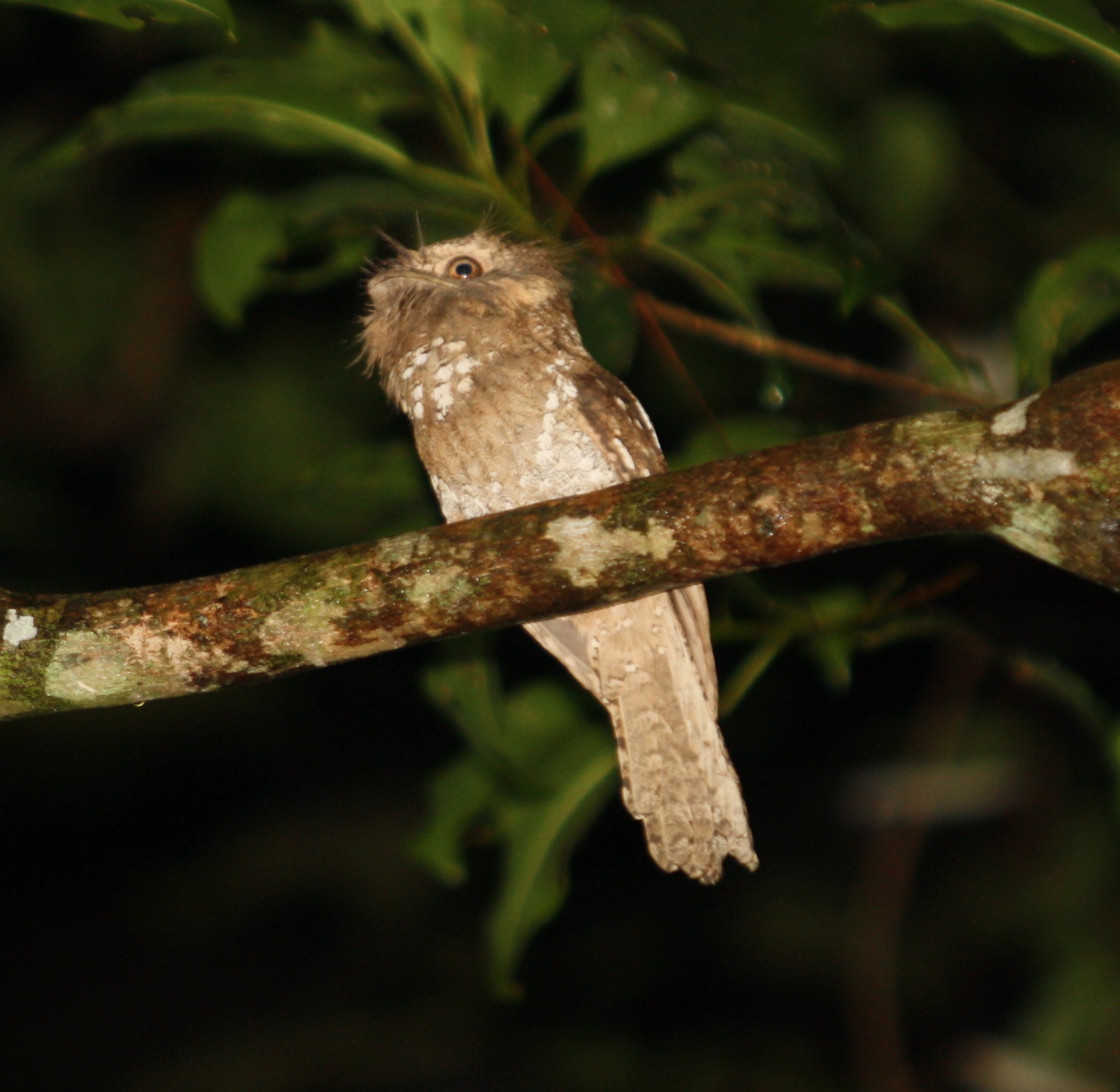
Sri Lanka Frogmouth

After I learned that I would be spending the summer in India, my first move was to buy a guidebook for the birds of the Indian subcontinent. Upon looking through this fantastic book, I noticed that there were quite a few birds that could only be found in Sri Lanka, and I knew right then and there that I had to find a way to see these birds. After talking extensively with my dad about travel arrangements, we decided that at the end of my time in India he would come join me for four days of birding in Sri Lanka with an experienced bird guide. So in early August, my dad met me in the Kerala backwaters, and soon we were off to Sri Lanka.

Continue reading

Of Birds and Beans: Part 1 (Birds)

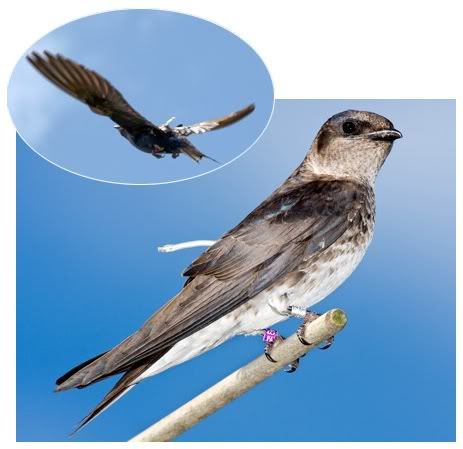
A banded adult purple martin wearing a light logger geolocator. Source: Patrick Kramer and Tim Morton, ScienceMag.

In the time it takes each of us to drink a cup of coffee, acres of tropical forest are cut down. Over the past thirty years, more than half the traditional coffee farms in Latin America have been converted to a newer growing method for higher production. Since the 1960s dozens of migratory bird species from northeastern United States have experienced long-term chronic declines in population size, with few signs of leveling off.

All these events are connected. Deforestation is occurring around the world faster than ever for plenty of reasons, but one of the most widespread and impactful ones is agriculture, and sun coffee (that is, coffee not grown under shade but in huge fields with pesticide, herbicide, and fertilizer assistance) is becoming more common to increase yields in the very same countries where North American migratory birds stay for their winters. But more about sun coffee and its negative ecological impacts later.

Continue reading

Wild Periyar- Darter (Snake Bird)

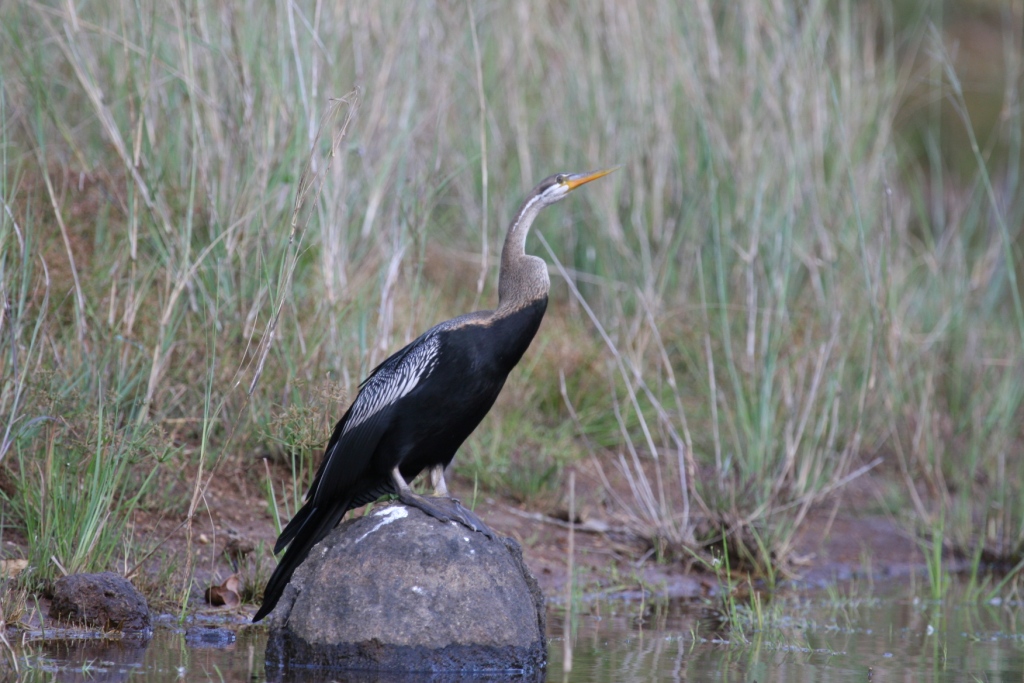
Darter, Snake Bird (Anhinga melanogaster)

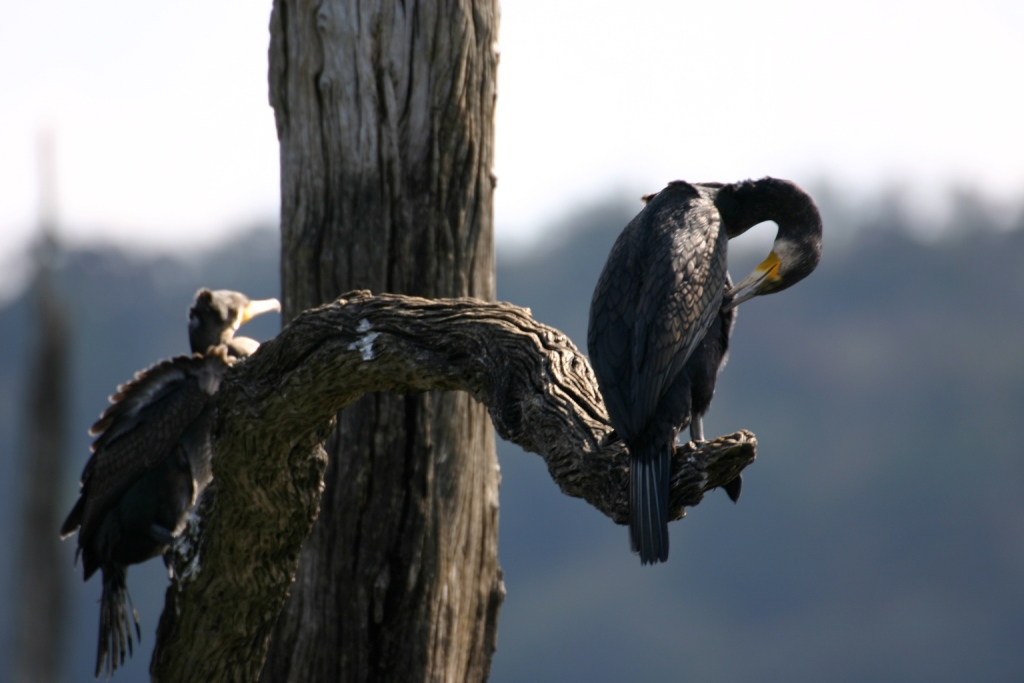
The Periyar Tiger Reserve is an avifaunal hot spot and one of the popular birding destinations in the Western Ghats. The landscape is made up rolling hills, evergreen and semi-evergreen forest and the reservoir nestled in its valley folds.

Peacock (Pavo cristatus)

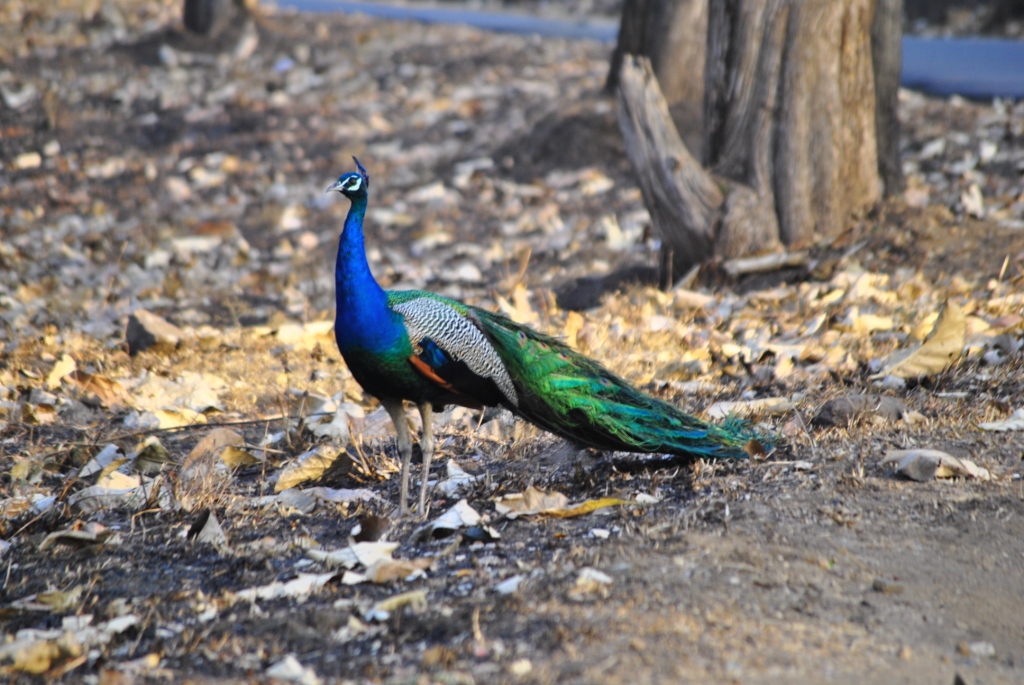
Peacock at Chinnar wild life sanctuary, near Munnar

A symbol of beauty, grace and pride, the Peacock is the national bird of India. It is a large brightly colored bird native to South Asia, but widely found in India. They are mainly found in open forest and farm lands where they feed on berries, grains and also pray on snakes, lizards and small insects. Continue reading

Feathers, Evolution’s Pride And Joy

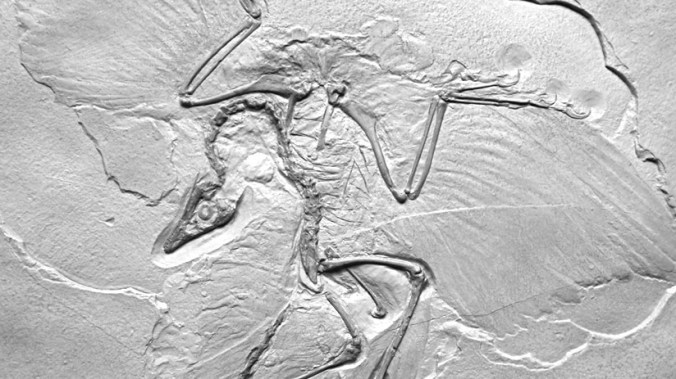
Thor Hanson/Basic Books. Thor Hanson’s own cast of Archaeopteryx lithographica presents what he calls the “ancient wing written in stone.”

Click the image above to go to a podcasted interview with Thor Hanson, author of Feathers:

“To this day, they are the most efficient insulation known. We haven’t been able to match them with synthetics, and I think it boils down to that growth process and the fact that you can make these fine, fine branching structures. The key to insulation is what they call loft — how much air can you hold in a small space? And because feathers are so beautifully and finely branched, they can hold a great deal of tiny, tiny air pockets in that branched structure. And that’s what people try to mimic with synthetics, but haven’t been able to match feathers for that yet, because it’s difficult to manufacture finely branched structures.” Continue reading