 I have been drinking hot coffee every morning for four decades, plus the occasional espresso, and on rare occasions on a hot summer day I have had iced coffee. Maybe ten times in my life have I been interested in drinking a coffee that was not hot. My morning coffee ritual is easily the most consistent feature of my adult life. So, I was not expecting what happened this week. I am now on the fourth day of testing my response to slow brew, which is four days longer than I have gone without drinking hot coffee first thing in the morning since 1980.
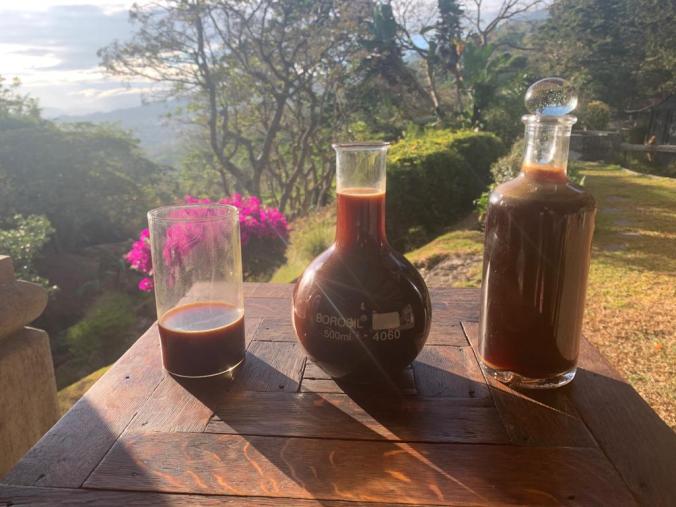
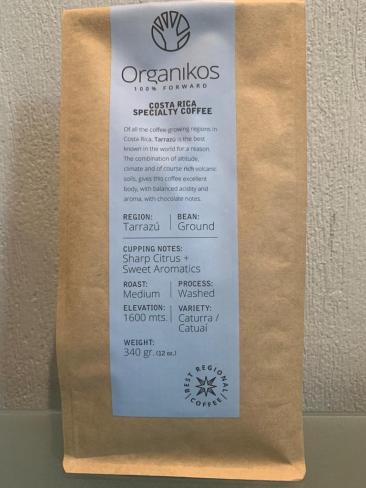
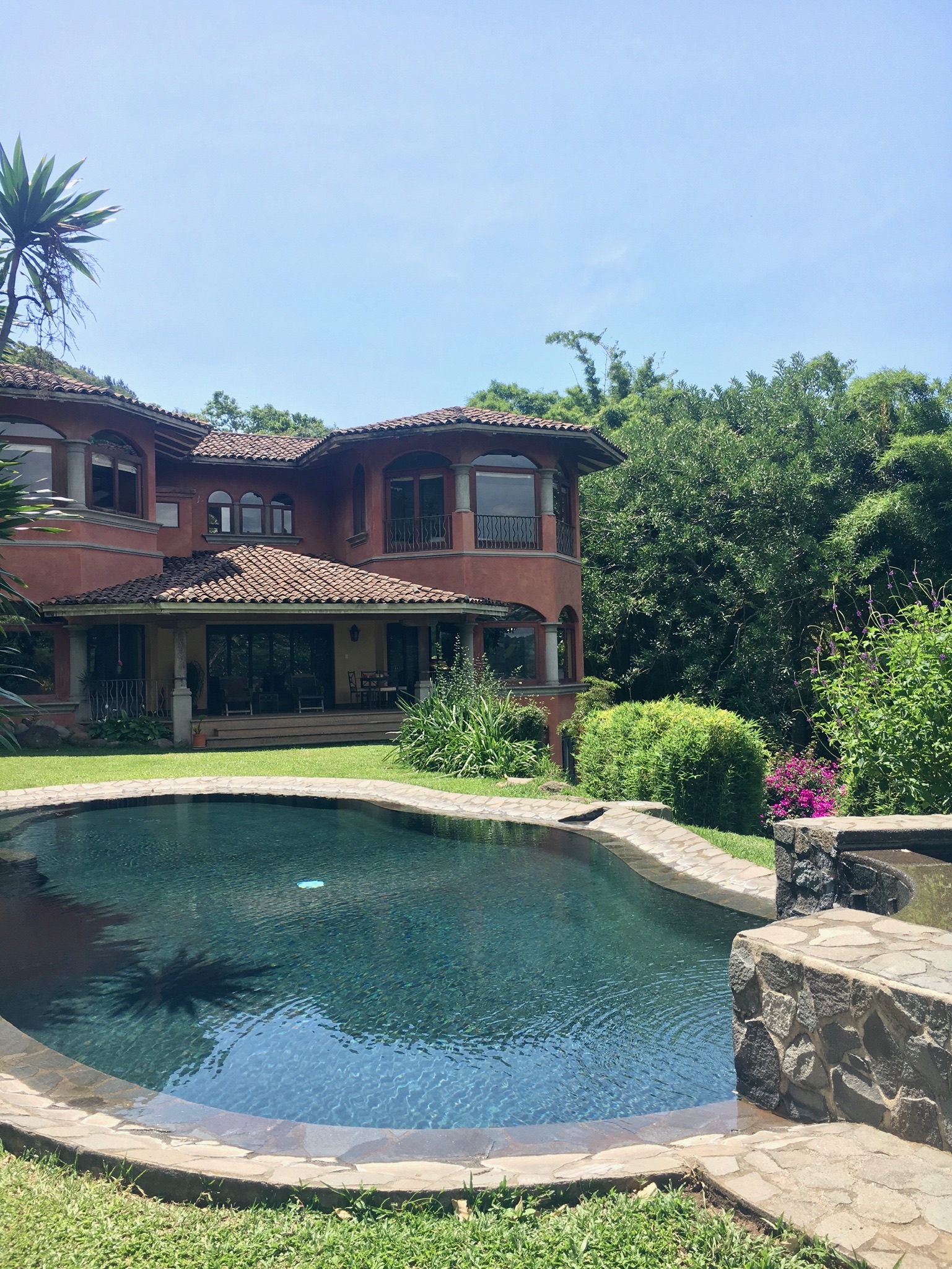
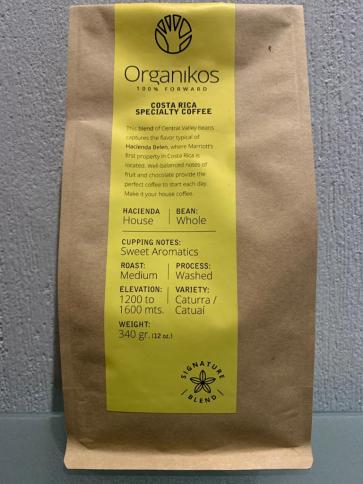 For the first stage of this experiment I brewed our Tarrazu regional blend, packaged in the photo just above. In the photo above that it is in the small bottle on the right. You can see that a residue has formed at the top of the vessel after a few days of sitting, which resembles the spuma on the head of a good espresso. Today I am drinking a slow brew of Hacienda House, our tribute to the coffee estate on which Marriott’s Hacienda Belen is situated in Costa Rica’s Central Valley. This can be seen in the round beaker and the glass in the photo above.
It is darker, and in other ways different. I brewed the Tarrazu for 12 hours and the House for 18 hours. As I drink it now, one flavor pops in a way that it never has for me when I drink it hot: cinnamon!
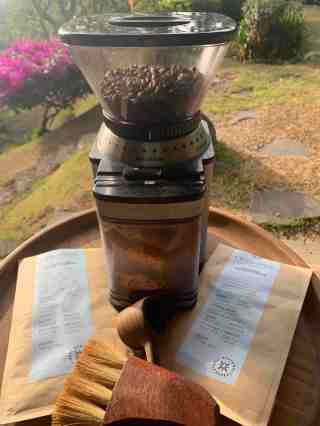 I have been wondering in recent months whether there is something we can do to further reduce the carbon footprint of the coffee we sell? Is there a way to do that and simultaneously improve the taste of
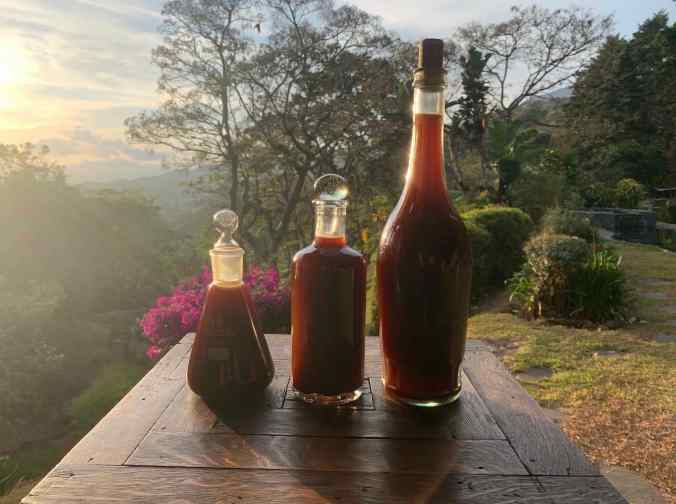
  Instead of cold brew, a better name is slow brew, bypassing the carbon footprint of refrigeration. It is as simple as this: grind a pound of coffee at medium and place it in a stainless steel pot. Add two cups of room temperature water (I run tap water through a Britta filter) and gently stir the grounds.
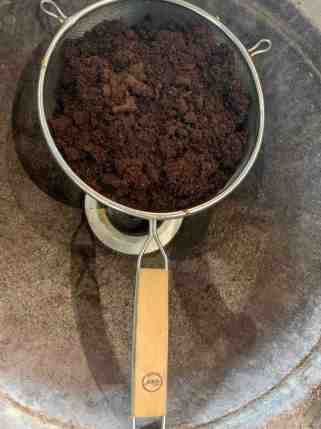 Add eight more cups of water and cover, letting the coffee brew for at least 12 hours. Strain through a medium sieve–1/16 mesh is perfect for coffee ground at medium–into another stainless steel pot, letting it drip until the grounds look dry as in the picture to the right. Next use a fine sieve to strain the brew again. You will have about eight cups of coffee that is much stronger than I normally enjoy, but it is worth tasting for the intensity and complexity. After experimenting I found that combining one portion of slow brew with an equal portion of water created the perfect flavor profile.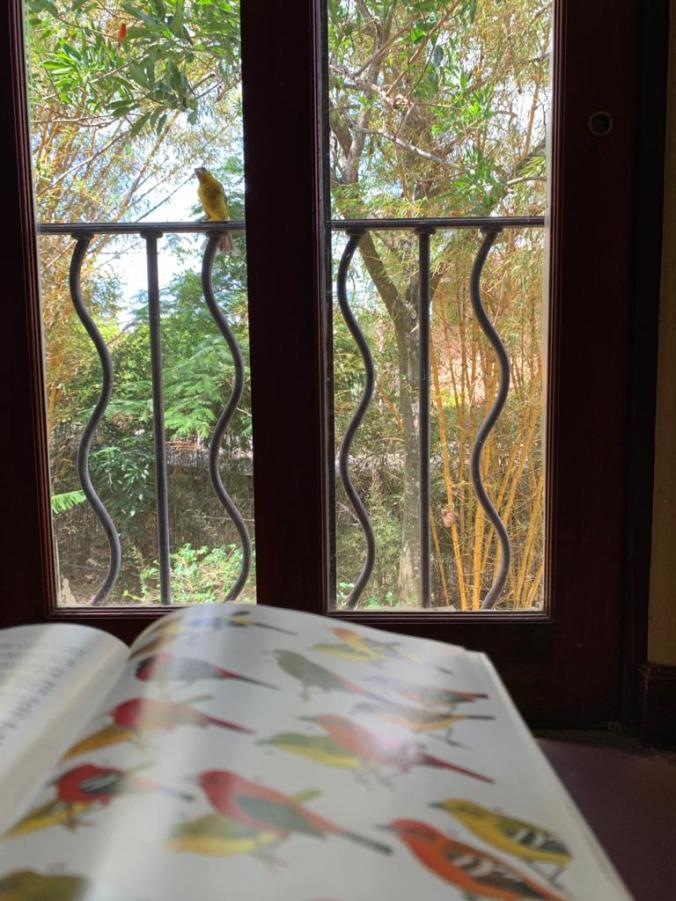
 Amie and I are following local rules in place over the Semana Santa holiday week, which ends today. Starting tomorrow there will be more freedom of movement. Most of our friends in Costa Rica feel confident in their country’s leadership during this time, and we have respected the rules and appreciated the clarity of their communication.
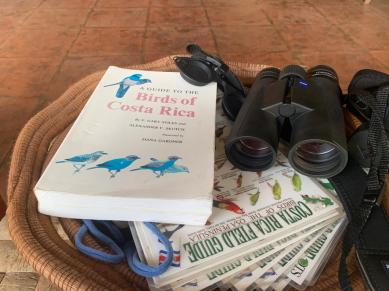
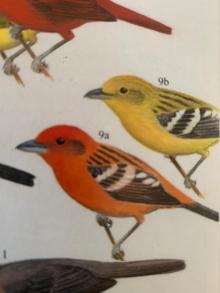 We are at home, and I took the photo at the top yesterday with a book we keep next to the binoculars. We have been seeing two different species of bird coming to that window, and I did my best to capture the more colorful pair. I was hoping to get the male and female at the same time on the rail, with their entry in the book clearly in view in the lower right of the frame. I took what I could get. The entry for this pair is on a page with the header Plate 47: Larger Red or Yellow Tanagers which then specifies:
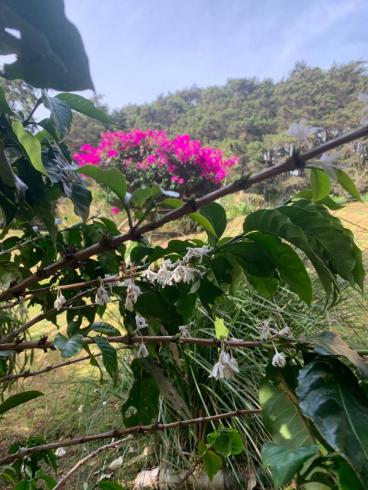 Positive id. During the setup for that shot, looking out our family room window Amie noticed that one of our coffee trees still has blossoms on it. The white flowers to the right, slightly droopy, signal the beginning of the fruit production cycle that will culminate in December with the ripe red cherries we have been harvesting for 20 years now. Just a few days ago the beans from the most recent harvest were ready, and I placed them in a sack after they had been sundried and the husks removed. We call them beans but they are really seeds, and unlike the previous 20 years when this coffee has been roasted and consumed, this year I will germinate them to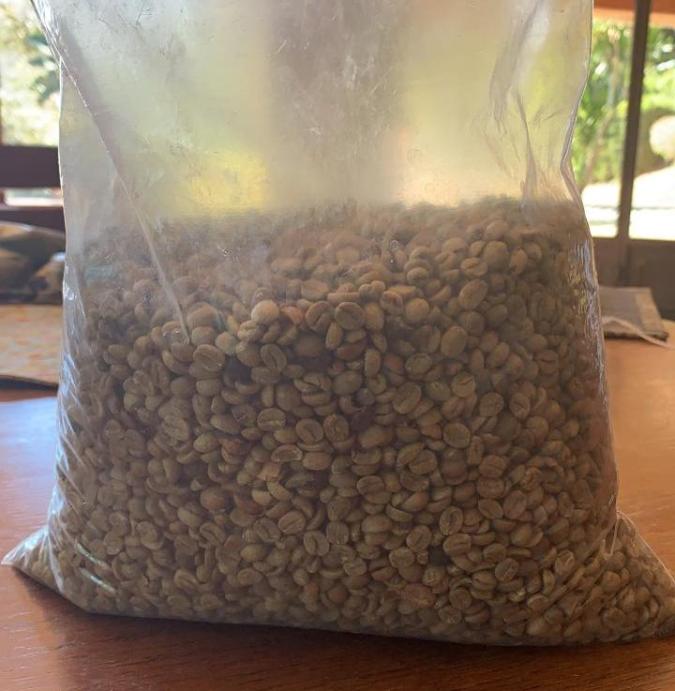


 It is equally rewarding to introduce new friends here as it is to talk

 I mentioned his coffee
  venture


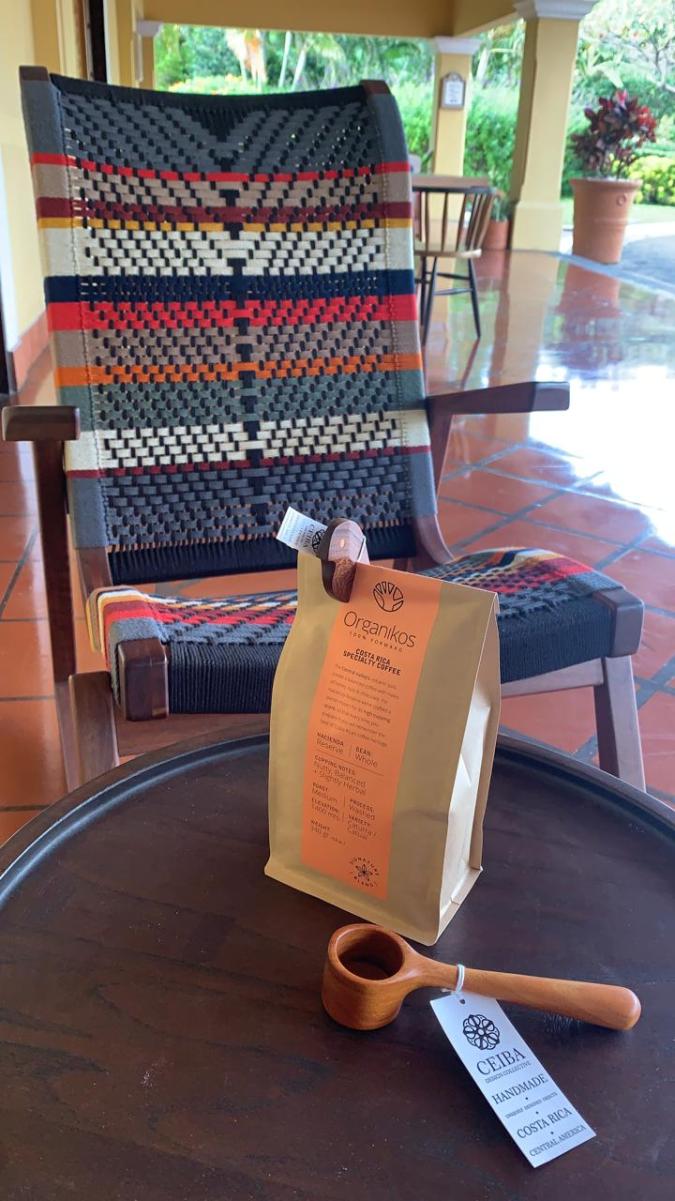
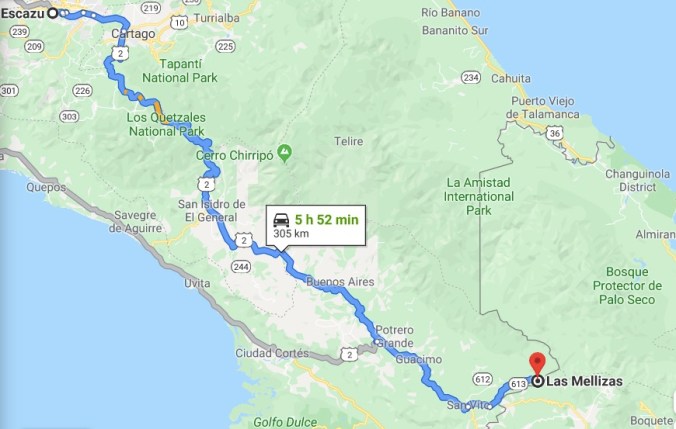
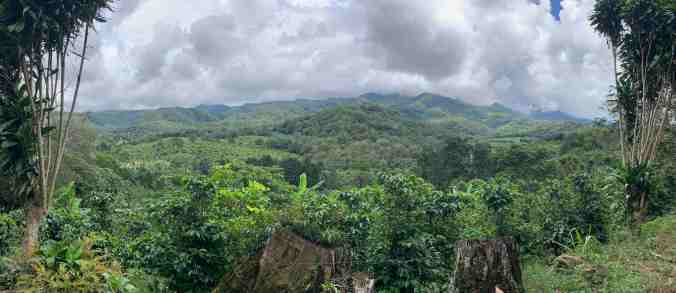
 Cupping notes on all these later. For now, a puzzle. The name of the coffee company, Organikos, harkens to an older and broader set of meanings related to the word organic. Not strictly the certification for all-natural food production, but a wider selection of good outcomes. We chose only one certified-organic coffee among our twelve coffee offerings. It happens to be from one of the less well known regions, Brunca, in the south bordering Panama. To our surprise, this has been our top-selling coffee so far. We promoted it only as organic, but it is also a single estate (
 It is not surprising that organic coffee sells well, but it is puzzling to me that it outsells by such a large margin a certified fair trade coffee from Costa Rica’s most recognizable region of origin. Not to mention that this fair trade coffee is produced by one of the country’s most respected cooperatives.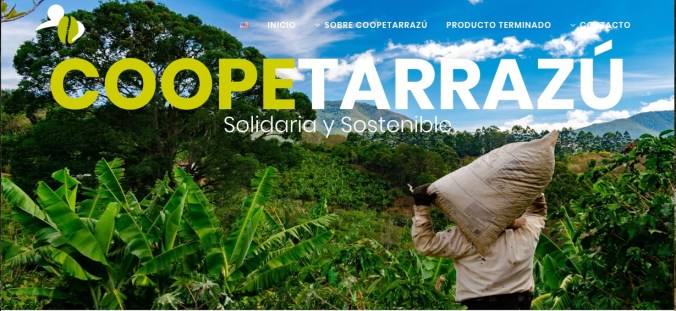


 That was then, this is now. Coffee is more valuable than grass. And the value of coffee that is as
  Organikos