Alladale’s Entrepreneurial Conservation Accomplishments

Alladale first came to my attention in 2017, several years after I had started reading about rewilding. It came to my attention because of an introduction, through a mutual friend, to the founder of Alladale. I recall finding his description of what he was doing as identical to our own work in entrepreneurial conservation. I cannot recall why we have only two prior links to Alladale in our pages, but here is one more, in the form of a 30 minute podcast and its descriptor page:

How to bring back a forest, and a Scotland of the past, one tree at a time

Listen to the latest episode of THE WILD with Chris Morgan!

7ad379620abc8aceddf0b11e06e91ce4

Scottish cow at the Alladale Wilderness Reserve.

The wind is really ripping through this valley in the remote Scottish Highlands as I’m zipping along in an ATV. I’m with highlander Innes MacNeil. He’s showing me a few remaining big old trees in the area.

The trees appear like something from a Tolkien novel — remnants of a forgotten time, like a magical connection to the past. There used to be a lot more trees like these across the Highlands. These are anywhere from 250-400 years old — and many are too old to reproduce.

“So these, we would describe them as granny pines,” MacNeil says. “The ones down here in front of us are about 250 to 300 years old, just sat in the bottom of the glen.” Continue reading

Looking Again At Tegucigalpa, Seeing Why Place Matters

Starting in 1997 I got to know the entire country of Honduras over two years while working on a sustainable tourism development project for the government. I spent more time in Tegucigalpa than anywhere else because my monthly meetings with the Ministry of Tourism were held there. While poverty was visible, the city had a charm, unique in Central America, based on its particular history. At the time I also had many students from Honduras, most from Tegucigalpa, so it was more than a workplace for me. When hurricane Mitch descended on Central America in 1998, nowhere was more devastated than Tegucigalpa; by the time my project ended in 1999 I could not picture how or if the city would recover. I have not been back since, but continued to wonder. Nando Castillo has given me part of the answer, and I thank him for the clarity of his presentation on Medium, which I recommend taking five minutes to read:

Why Place Matters, Part I.

Can our cities evolve into the places we truly need?

1_U-iCEsQyUwFwdbL0H7CgfQ

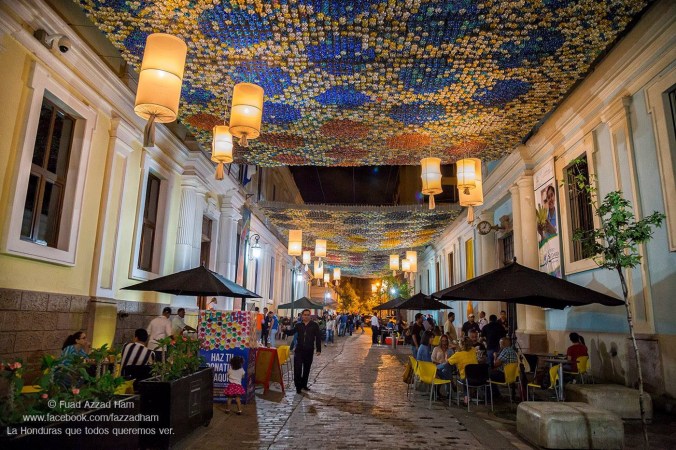
Image: Fuad Azzad Ham

At Raíz Capital our mission is sustainable urban revitalization. Our vision is for Tegucigalpa, a community with a neglected urban core, to become the creative capital of Central America and regain its glory as a prosperous city. We are still a ways from realizing it, but this is the story of how we found that vision and began to make it come true. Continue reading

From Brooklyn to Beyond

The Brooklyn Film Society has been organizing the Brooklyn Film Festival for decades, providing a public forum for the local community to view an extraordinarily wide range of national and international films. Scheduled from May 29 – June 7th, the 23rd edition of the festival features 6 categories of films: Narrative Feature, Narrative Short, Documentary Feature, Documentary Short, Animation, and Experimental.

The primary difference from past editions is the venue… all the films will be available on line, free of charge. So sign up following this link – and enjoy!

THEME: Turning Point

Just a few months ago, nobody, not even the most daring sci-fi screenwriter, could have predicted the current situation and/or the extent of the COVID-19 takeover. Besides the fact that we are all still dealing with the basics and a resolutive approach feels still far away, one thing seems certain: we won’t be able to go back to the pre-virus thinking and lifestyle anytime soon. The fear of the “invisible danger” that threatens our life is radically modifying our own life routine and the way we deal with our neighbors. It is a “Turning Point” in history. It is a moment that will ultimately reveal who we are as human beings. The Brooklyn Film Festival, with its 2020 event, plans to highlight and dissect people’s character and problem solving attitude as it shifts from one time zone to the next. The international role BFF has always played on the world’s stage, will now come truly handy while with our film lineup we travel from one corner of the planet to another. “Turning Point” is about refreshing our own point of view. It’s about rethinking our old assumptions and learning from the people who share our screen whether they live in a different continent or across the street. “Turning Point” is about reinventing our planet and our life.


Tech for Trees

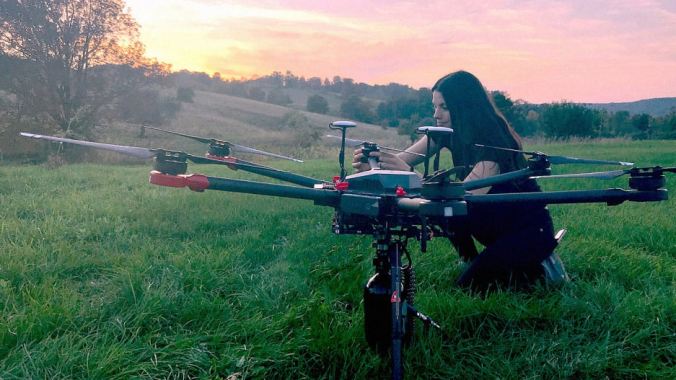
[Photo: courtesy Flash Forest] One of Flash Forest’s prototype drones

And speaking of trees, here’s an example of small tech stepping in when political leadership wavers. The good news is there is ample room for both, and we hope that both systems receive the support they need.

Here’s to a billion trees!

These drones will plant 40,000 trees in a month. By 2028, they’ll have planted 1 billion

We need to massively reforest the planet, in a very short period of time. Flash Forest’s drones can plant trees a lot faster than humans.

This week, on land north of Toronto that previously burned in a wildfire, drones are hovering over fields and firing seed pods into the ground, planting native pine and spruce trees to help restore habitat for birds. Flash Forest, the Canadian startup behind the project, plans to use its technology to plant 40,000 trees in the area this month. By the end of the year, as it expands to other regions, it will plant hundreds of thousands of trees. By 2028, the startup aims to have planted a full 1 billion trees.

[Photo: courtesy Flash Forest]

The company, like a handful of other startups that are also using tree-planting drones, believes that technology can help the world reach ambitious goals to restore forests to stem biodiversity loss and fight climate change. The Intergovernmental Panel on Climate Change says that it’s necessary to plant 1 billion hectares of trees—a forest roughly the size of the entire United States—to limit global warming to 1.5 degrees Celsius. Existing forests need to be protected while new trees are planted; right now, that isn’t working well. “There are a lot of different attempts to tackle reforestation,” says Flash Forest cofounder and chief strategy officer Angelique Ahlstrom. “But despite all of them, they’re still failing, with a net loss of 7 billion trees every year.”

Drones don’t address deforestation, which is arguably an even more critical issue than planting trees, since older trees can store much more carbon. But to restore forests that have already been lost, the drones can work more quickly and cheaply than humans planting with shovels. Flash Forest’s tech can currently plant 10,000 to 20,000 seed pods a day; as the technology advances, a pair of pilots will be able to plant 100,000 trees in a day (by hand, someone might typically be able to plant around 1,500 trees in a day, Ahlstrom says.) The company aims to bring the cost down to 50 cents per tree, or around a fourth of the cost of some other tree restoration efforts.

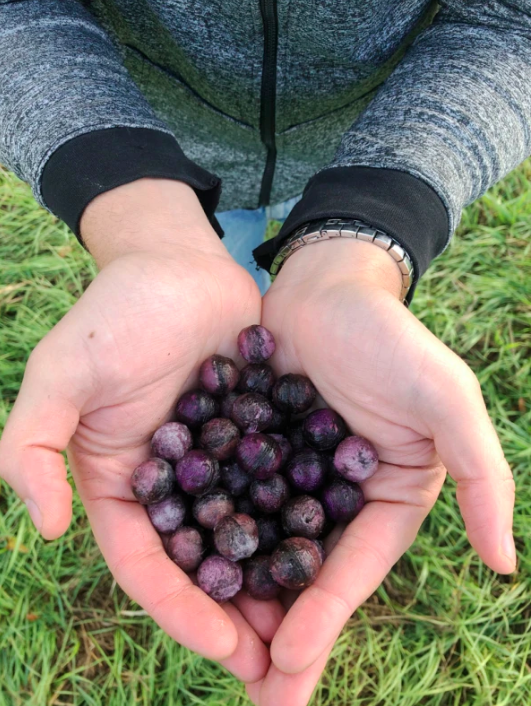
When it begins work at a site, the startup first sends mapping drones to survey the area, using software to identify the best places to plant based on the soil and existing plants. Next, a swarm of drones begins precisely dropping seed pods, packed in a proprietary mix that the company says encourages the seeds to germinate weeks before they otherwise would have. The seed pods are also designed to store moisture, so the seedlings can survive even with months of drought. In some areas, such as hilly terrain or in mangrove forests, the drones use a pneumatic firing device that shoots seed pods deeper into the soil. “It allows you to get into trickier areas that human planters can’t,” Ahlstrom says. Continue reading

Planting Trees, A Two-For-One Deal

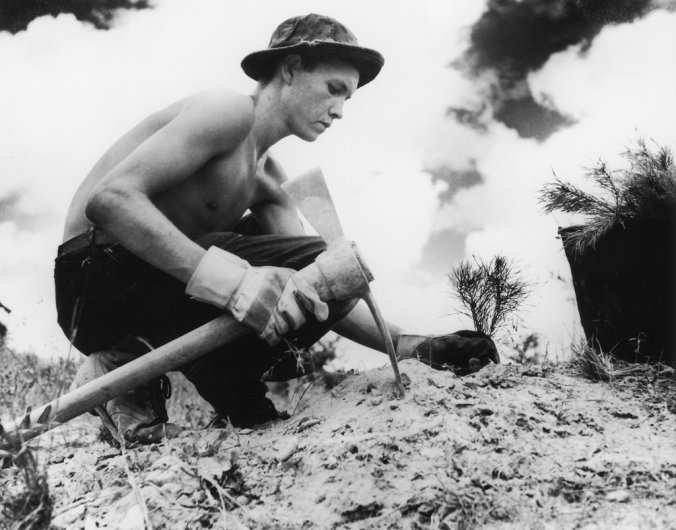
A Civilian Conservation Corps enrollee planting a tree circa 1938. Fotosearch/Getty Images

Thanks to Collin O’Mararough, president and C.E.O. of the National Wildlife Federation, for his idea about how to employ some of the unemployed. Deploy them. Planting trees is not sufficient to solve the looming crisis of climate change, but it is a start:

7.7 Million Young People Are Unemployed. We Need a New ‘Tree Army.’

The Depression-era Civilian Conservation Corps helped build America at a time of national crisis. Let’s do it again.

Nearly 7.7 million American workers younger than 30 are now unemployed and three million dropped out of the labor force in the past month. Combined that’s nearly one in three young workers, by far the highest rate since the country started tracking unemployment by age in 1948.

Nearly 40 percent worked in the devastated retail and food service sectors. And as the most recently hired, young workers are typically the first let go and often the last rehired, especially those of color.

As our country’s leaders consider a range of solutions to address this crisis, there’s one fix that will put millions of young Americans directly to work: a 21st-century version of the Civilian Conservation Corps.

In 1933, when President Franklin Roosevelt created the C.C.C., he was facing, as we are today, the possibility of a lost generation of young people. The conservation-minded president’s idea was to hire young unemployed men for projects in forestry, soil conservation and recreation. By 1942, the 3.4 million participants in “Roosevelt’s Tree Army” had planted more than three billion trees, built hundreds of parks and wildlife refuges and completed thousands of miles of trails and roads.

Continue reading

Glowing & Growing

CoffeeClean1

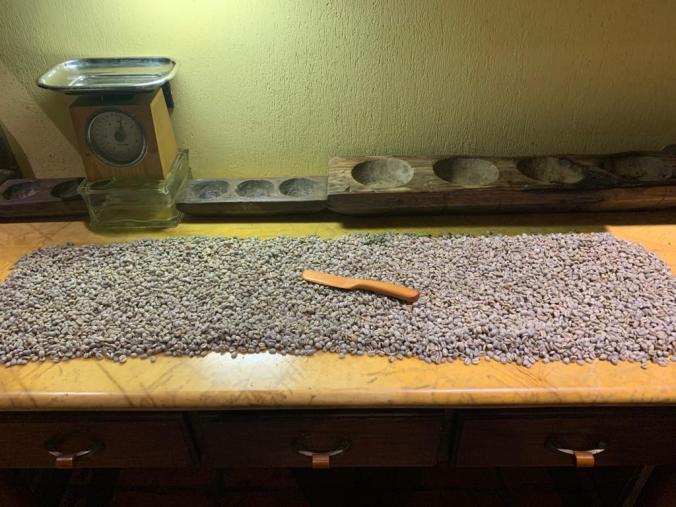
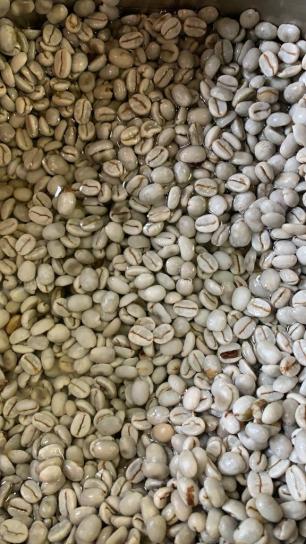
CoffeeClean2As we prepare to plant coffee Amie and I yesterday completed washing 14,000 beans, give or take, from the most recent harvest of coffee from this land where we live. As big as that number sounds, it is just a few pounds of green beans, picked from several trees that have held on over the years.

CoffeeClean3

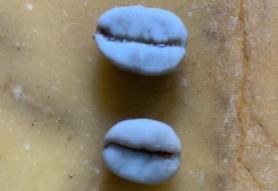
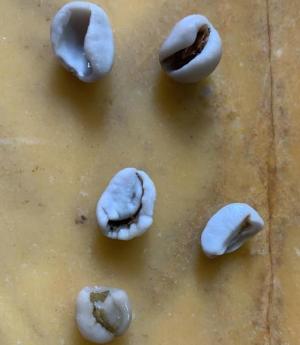
In previous years this would provide a month’s drinkable coffee, but this year we will germinate the beans instead. We selected the fully formed, unbroken beans like those above, separating out the small percentage of broken or misshapen beans like those to the right. After germination, by August we expect to have between 3,000 and 4,000 viable seedlings we will keep in a nursery. One year from now those will be saplings ready to plant in the ground.  We are approaching this task traditionally, by hand, sight of eye, and a few simple analog tools.

CoffeeClean4This morning we will dig holes for the first of the shade trees going onto that land where the coffee will be planted. But first, the news. The best I could find, for motivation, involves a man temporarily in New York City, working in a museum. His work, and the exhibition he is tending to, provides me context for the countryside as it still is for many coffee farmers here, and the technology transforming the countryside for future generations. Already plenty of coffee farmers are using technology as advanced as that of the tomato man in the story below. Without romanticizing the hard labor of traditional coffee farming, the work we are doing makes me more appreciative of the coffee farmers we source from. Thanks to Elizabeth A. Harris for this story:

The Museum Is Closed, but Its Tomato Man Soldiers On

Although the Guggenheim’s “Countryside” show was shuttered by the pandemic, its crop of cherry tomatoes is still growing, and feeding New Yorkers.

merlin_172484226_e841d84e-bb0a-47af-8329-6efdd50ef85c-jumbo

Jeenah Moon for The New York Times

17tomatoes8-superJumbo-v2

Jeenah Moon for The New York Times

The halls of the Guggenheim Museum are pretty quiet these days, with mostly just its ghosts and some security guards as company for the art.

Oh, and there’s the guy who takes care of the tomatoes.

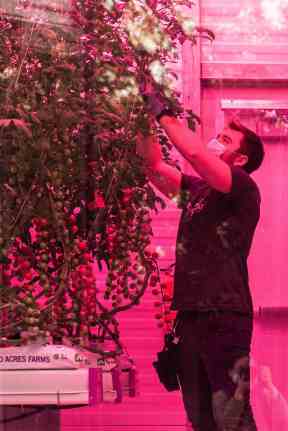
David Litvin, an indoor crop specialist, tends the plants in a temporarily shuttered exhibition, “Countryside, The Future.” He moved to New York from Tel Aviv in February, along with his wife, Stefanie, and their Dutch shepherd, Ester, with a plan to stay six months harvesting the Guggenheim tomatoes. He was going to see the city, too.

“I went out once to a comedy bar, but that’s it,” he said.

The museum has been closed since March 13, but Mr. Litvin still walks across Central Park every day around noon from his rental on the Upper West Side to tend to his flock. “When you grow tomatoes on Fifth Avenue, you want to have the perfect tomatoes, there’s no room to mess up,” he said. “If I have ugly plants, I’ll hear it from the neighbors.” Continue reading

Birds Caribbean Global Big Day Results

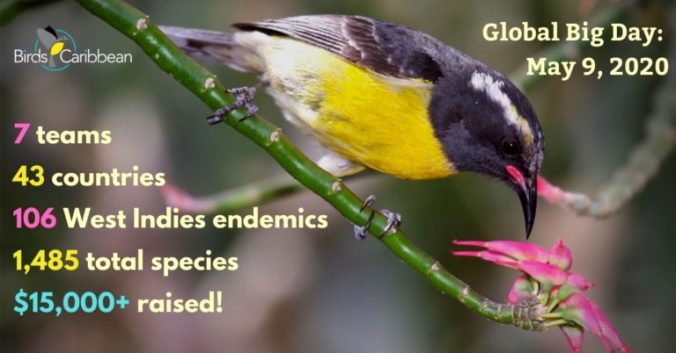
Happy to see the results and first post from Birds Caribbean about the various teams’ contributions to the 2020 Global Big Day. Looking forward to reading the highlights of all the teams.

BirdsCaribbean Takes Global Big Day by Storm, Despite COVID-19

The biggest birding day of the year — Global Big Day —took place on Saturday May 9, 2020. More than 50,000 people from around the world joined in to record their sightings. Close to 300 participants from throughout the West Indies recorded 345 different species of birds! Cuba had the most species by country (135) followed closely by the Bahamas (126) and Puerto Rico (125). Regionally1,051 checklists were submitted, 205 more than last year. That’s an incredible achievement — way to go birders!

Birders from Cuba looking great with their BirdsCaribbean buffs in Zapata Swamp on Global Big Day. We will share more about the birding experiences on the different teams in a second blog post

This year was quite a different experience as much of the world remains under stay at home orders or is following social distancing guidelines. Certainly many of the great open spaces that are go-to spots for birders were not open to the public for safety reasons. Nevertheless, eBird recorded a 32% participation increase from Global Big Day 2019 and more than 120,000 eBird checklists were submitted.   Continue reading

If You Drink Organic Coffee, Consider 100% Forward

B48D6CF4-8DC4-4222-B550-6BA976D449B6

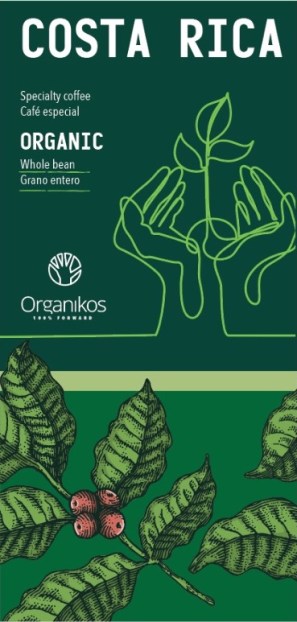
The 12 selections of Organikos specialty coffees had enough time on display at the Authentica shops, prior to current circumstances in Costa Rica and everywhere else, to establish the organic selection as a top seller.

AmistadNewDuring those months–the shops fully opened in late November and until early March were nonstop full of guests–I had hundreds of conversations with travelers.

I got excellent feedback on our original coffee packaging. Briefly stated, the recurring message was that people wanted to “see more Costa Rica” on the package. They also wanted to know more about what our 100% Forward commitment meant. We have used the time since travel halted to work with our graphic designer to begin addressing that feedback.

We also have used this time to prepare a virtual approach to the business, focused on coffee at the outset. We will start with the organic, due to its performance during the shops’ peak operations. We will offer this for home delivery in the USA soon…

Captivity, Creativity, Penguins & Art

I visited the Nelson-Atkins many times in recent decades when visiting family in Kansas City. I never visited the Kansas City Zoo because, while I am grateful for the essential services zoos can provide, animals in captivity generally depress me. Our son Milo and his 3-year old daughter were in Kansas City just after Amie and I visited in late February. With grand/great grand-parents they visited both the Nelson-Atkins and the Kansas City Zoo. The zoo was a huge hit with our grand-daughter, and I am grateful to that zoo for her exposure to live animals she might never otherwise get to see.

I did not know before just now what exceptions might exist to my general rule of avoiding even images of wild animals in captivity. I have discovered one. I suppose on reflection I will probably change my mind, but for now I stand by the idea that the directors of these two institutions are doing their best in tough times to find creative solutions for everyone:

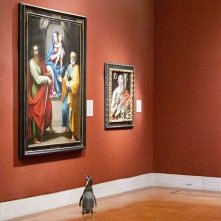
49895121561_cc28ef6c73_o-7b2482f9f0b178b3c48ac4384bb1a549e303e274-s1300-c85

Kansas City Zoo executive director Randy Wisthoff says their Humboldt penguins have missed their regular interactions with zoo visitors, so a field trip was in order.
Gabe Hopkins/The Nelson-Atkins Museum of Art.

WATCH: Missouri Penguins Enjoy ‘Morning Of Fine Art’ At Local Museum

49895121231_823f6b7fa0_c_sq-451cd0e2ce592d45a64580f911c58e6113df91cd-s500-c85

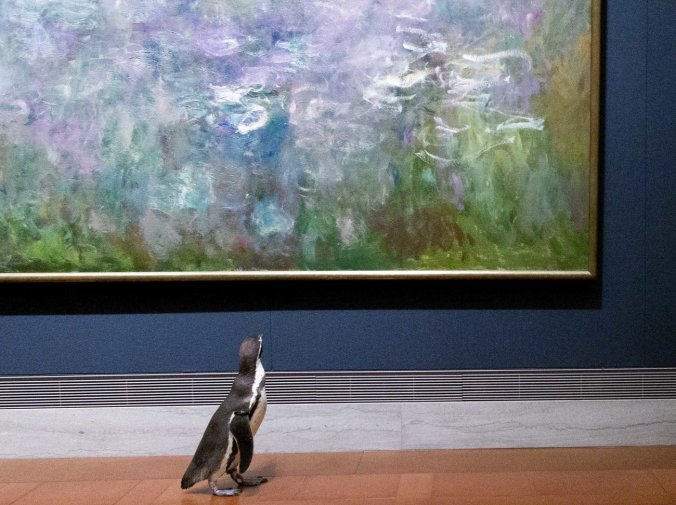
Penguins were allowed to waddle through the galleries of Kansas City’s Nelson-Atkins Museum of Art. Both the museum and the Kansas City Zoo — home to the penguins — have been closed because of the pandemic.
The Nelson-Atkins Museum of Art.

What a time to be a penguin.

First, a group of the flightless birds were recently allowed to roam the halls of Chicago’s Shedd Aquarium — a through-the-looking-glass moment if there ever was one.

Now, penguins visited a museum for a “morning of fine art and culture.”

The outing was arranged by The Nelson-Atkins Museum of Art in Kansas City, Mo., and the Kansas City Zoo. Both institutions are closed to the public because the pandemic.

“Quarantine has caused everyone to go a little stir-crazy, even the residents of the Kansas City Zoo. So several of the penguins decided to go on a field trip to the Nelson-Atkins, which is still closed, to get a little culture,” said a caption accompanying the video. Continue reading

Global Big Day at Macaw Lodge – May 9, 2020

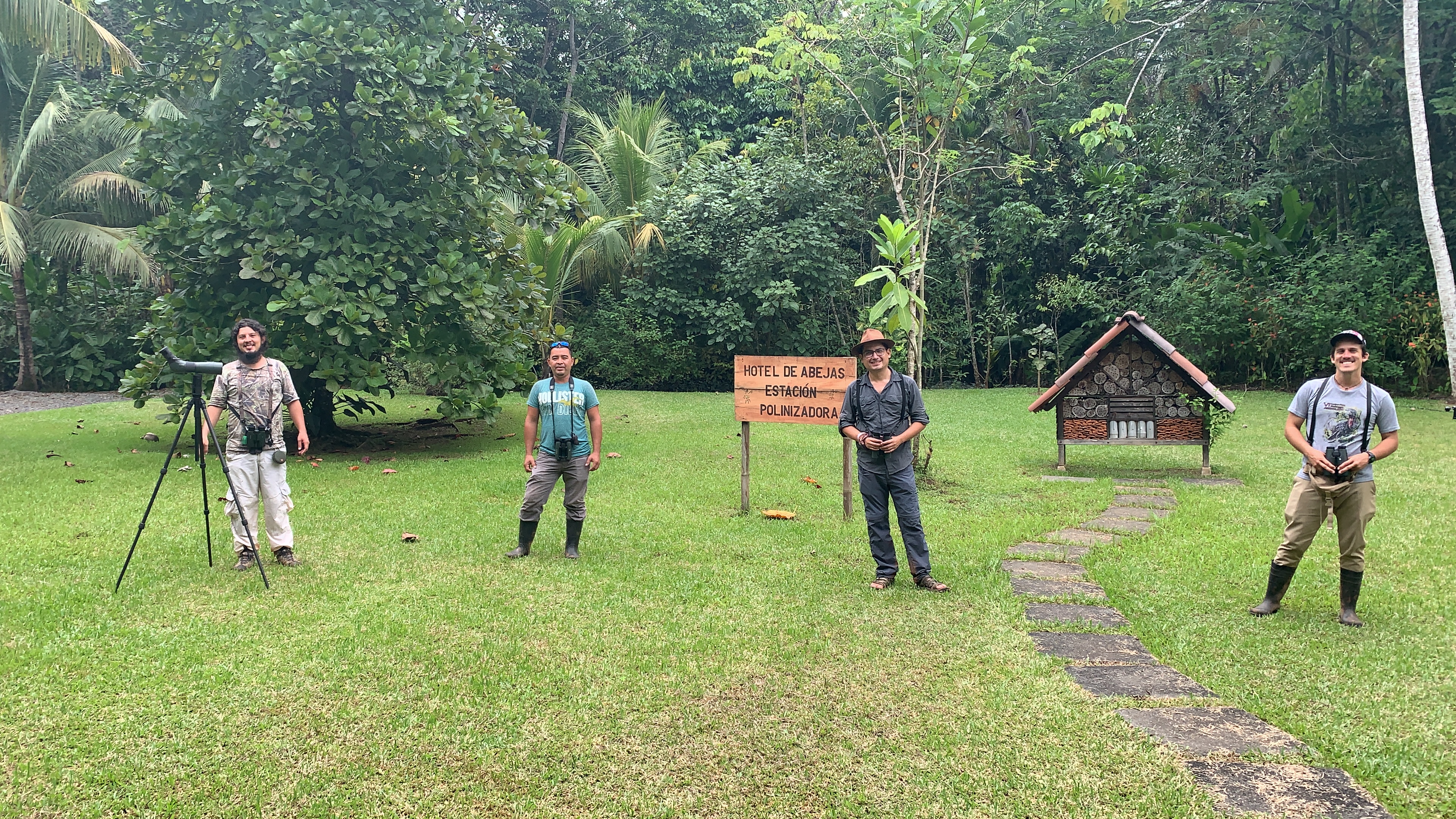
Marco Umaña, Santiago Adaniz, Hugo Santa Cruz and Beto Guido (from left to right) / Birding Guides in Costa Rica

My name is Hugo Santa Cruz and I’m excited to write about the Macaw Lodge Global Big Day outcomes. As I’m new to the La Paz Group site, let me introduce myself. I’m a birdwatching and neotropical ecology guide in the Central Pacific of Costa Rica and Bolivia. I’m also a nature photographer and consultant for ecotourism projects and management of protected areas. 

The Global Big Day is an initiative of the Cornell Lab of Ornithology that has been held since 2015, to raise awareness about the conservation of birds and their habitats. Birdwatchers and photographers from around the world contribute to the census of birds through the eBird platform; an increasingly popular citizen science management tool among birders.

Birders across the globe persisted with the Global Big Day despite the crisis caused by COVID-19, surveying birds either in literal “backyard birding“, or carefully enjoying the fresh air of parks and natural areas within access.  This year’s event had record-breaking participation with more than 48,500 registrars and more than 15,000 submitted lists.

In this edition of the Global Big Day, Costa Rica registered 676 species, obtaining the seventh place worldwide among 172 participating countries.  The Macaw Lodge Private Forest Reserve stood out among the best hotspots in the country, achieving the eighth place with 137 species of birds registered in a single day, inside our Ecological Sanctuary.

Our team of expert guides and birdwatchers began our Big Day census at 00:00 hrs., starting the first records with species of nocturnal birds. We then continued the count at dawn, moving through the different micro-ecosystems of Macaw Lodge. Continue reading

Support Chefs Who Support Immigrant Workers

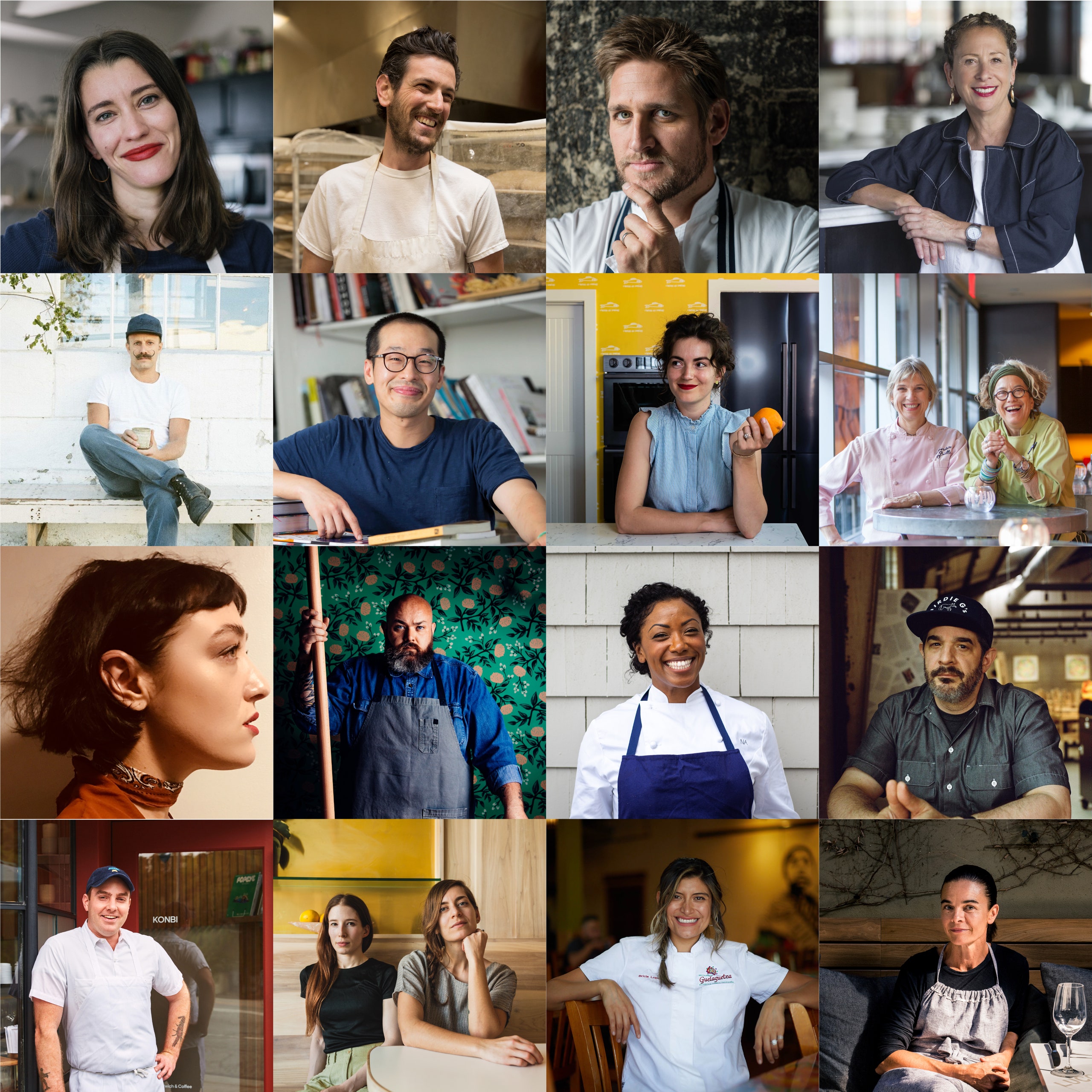
p&f_askchefsanything_LA_bigsquare_collage1-04-04

Los Angeles’s participating chefs Photo: Courtesy of Ask Chefs Anything

Devorah Lev-Tov, a writer who covers food, among other things, surprisingly has not shown up in our pages before. I am happy to link to this particular story as a first. Food and agriculture have been central to this platform since we started it in 2011. Also, immigrants-r-us, so I appreciate the effort on their behalf as much as I appreciate the visibility it is receiving in a location surprising to me. Vogue is an unlikely publication for me to source from, but credit where due, a great story:

Ask Chefs Anything: Famous Foodies Are Auctioning Their Time in Support of Immigrant Workers

As the COVID-19 pandemic continues to ravage the country and force businesses to shut down, among the hardest hit are immigrant workers—many of whom worked in the restaurant or other service industries. Now, they are left with no jobs and no unemployment benefits, struggling to put food on their plates and send money home to their families, while fearing getting sick without any support from the government.

In an effort to help them, dozens of famous chefs—including Alison Roman, Nancy Silverton, Tom Colicchio, Eric Ripert, Suzanne Goin, and Dominique Ansel—are auctioning off 30-minute virtual discussions where they will share recipes and cooking tips via a new initiative called Ask Chefs AnythingNew York City’s ended last week, Los Angeles’s auction is going on now through May 11, and Philadelphia’s takes place May 13 to 17, with more cities to follow. Continue reading

If You Happen To Be On Line

There are themes we’ve returned to frequently since the beginning of this site, in the different ways we’ve posted about collective action conservation or cultural events. The titles of those posts began with the words, “If You Happen to be in…” – followed by the location of our conservation public service announcement.

The internet has obviously played an enormous role in people’s lives for decades now, but even more so in the time of Covid-19, when so many of life’s gatherings, from education to business meetings and conferences, has shifted to the virtual realm.

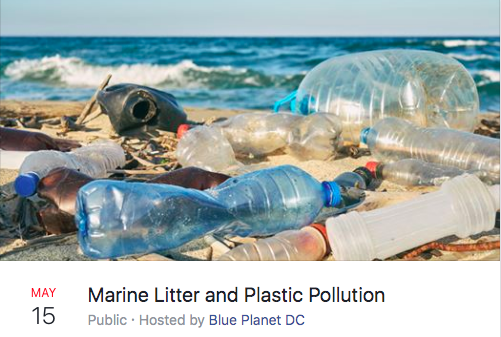
So, here’s a PSA for the Oceans. Hosted by Blue Planet, DC, with guest speaker Phil Karp (a frequent contributor to this site on themes of citizen science and marine conservation) this virtual seminar will discuss both the serious problem of marine pollution, but also some emerging solutions.

If you have an hour to spare on May 15th, join the conversation!

Details

Did you know that between 8 million and 13.5 million metric tons of plastic enter the ocean every year, equivalent to a garbage truck full of plastic EVERY MINUTE?!

Plastic entering the ocean can cause harm to marine organisms and ecosystems, coastal economies and human health. This virtual seminar by guest speaker Phil Karp will examine the magnitude and dynamics of marine litter and ocean plastic along with emerging solutions. In addition, it will discuss what governments and consumers can do to address the problem.Phil Karp recently retired from the World Bank where he was Lead Knowledge Management Specialist in the Urban Development Global Practice. He is longtime diver, citizen scientist and ocean advocate focusing on the interface between marine ecosystem conservation and livelihoods of coastal communities.

Sign up today! Join below on May 15.
https://us02web.zoom.us/j/89825590123


Actions Speak Louder With Words

4256bc

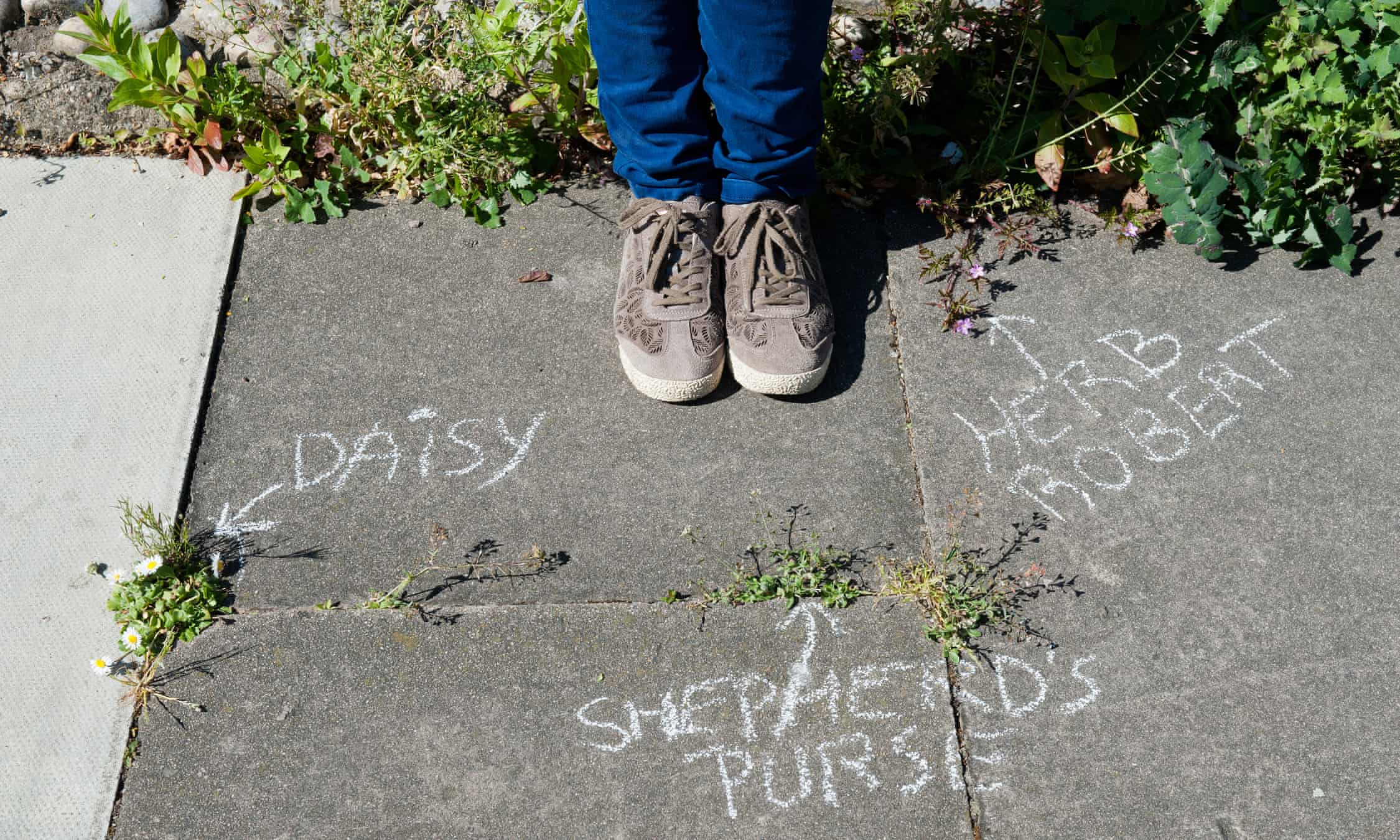
Sophie Leguil, founder of More Than Weeds, stands over chalk names of plants on the pavement.
Photograph: Jill Mead/The Guardian

Thanks to Alex Morss for this story in the Guardian about actions in the interest of botanical awareness:

‘Not just weeds’: how rebel botanists are using graffiti to name forgotten flora

Pavement chalking to draw attention to wild flowers and plants in urban areas has gone viral across Europe – but UK chalkers could face legal action

A rising international force of rebel botanists armed with chalk has taken up street graffiti to highlight the names and importance of the diverse but downtrodden flora growing in the cracks of paths and walls in towns and cities across Europe.

4592

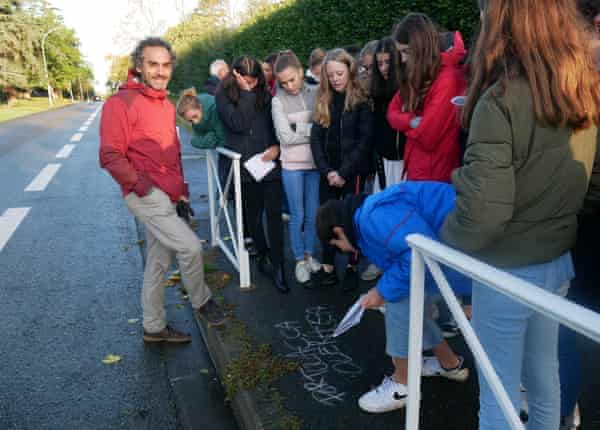
Boris Presseq and fellow botanists write chalk plant names on the pavement in Toulouse, France. Photograph: Claire Van Beek/Handout

The idea of naming wild plants wherever they go – which began in France – has gone viral, with people chalking and sharing their images on social media. More than 127,000 people have liked a photo of chalked-up tree names in a London suburb, while a video of botanist Boris Presseq of Toulouse Museum of Natural History chalking up names to highlight street flowers in the French city has had 7m views.

4040

Chalkers say their work encourages connection with the natural world around us. Photograph: Jill Mead/The Guardian and Handout

Presseq told the Guardian: “I wanted to raise awareness of the presence, knowledge and respect of these wild plants on sidewalks. People who had never taken the time to observe these plants now tell me their view has changed. Schools have contacted me since to work with students on nature in the city.” Continue reading

How Sweet Is Your City?

2437

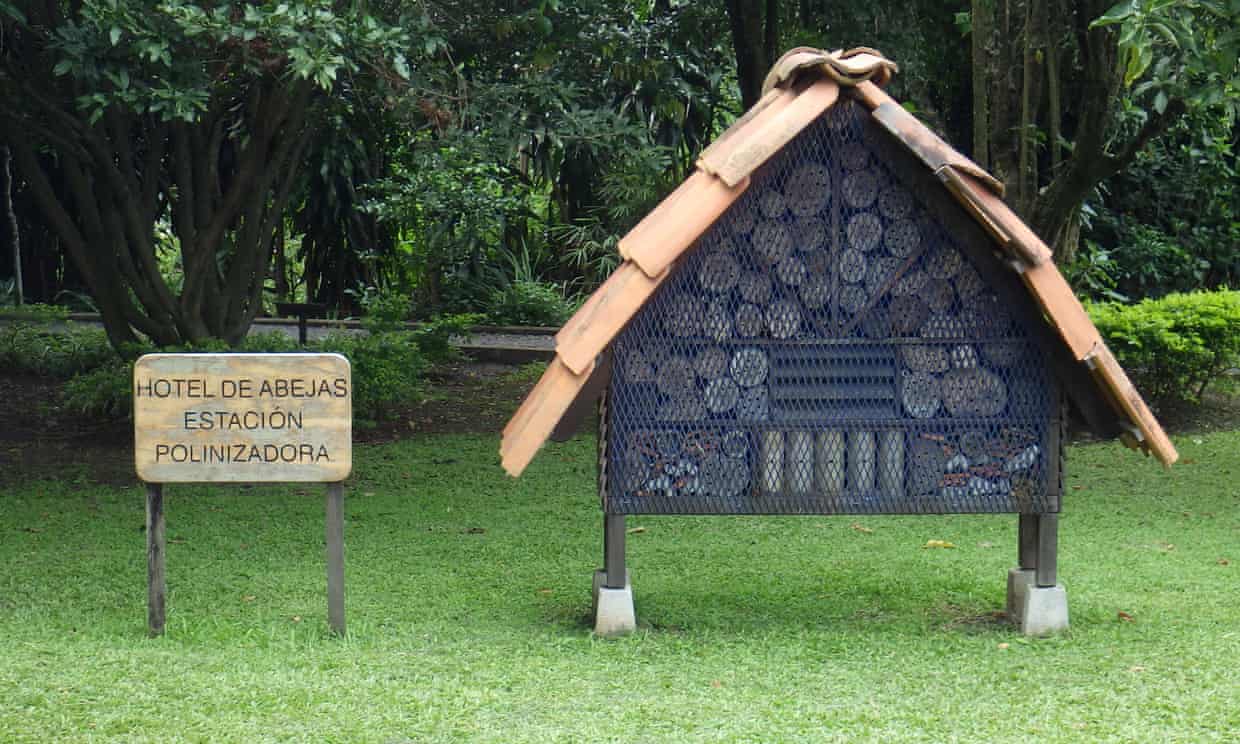
A bee hotel, part of Curridabat’s drive to welcome and protect pollinators. Photograph: Courtesy of Curridabat Municipality

Costa Rica is full of inspirational stories, some big picture and some more granular. Bee hotels are an example of the latter, and first came to my attention only this year. On a farm north of San Jose growing edible flowers, and then again on a cacao plantation in the Central Pacific zone where we source our line of Macaw Kakau chocolates–in both cases the “hotels” were specifically for melipona bees.  Thanks to the Guardian for putting some due attention on this forward-thinking municipality across the city from where I live and work, and especially for the reminder that I have not posted yet on the apicultural wonders I learned about at those two melipona bee hotels:

‘Sweet City’: the Costa Rica suburb that gave citizenship to bees, plants and trees

A suburb of the country’s capital is showing how urban planning can be harnessed to benefit both humans and wildlife

960 (1)

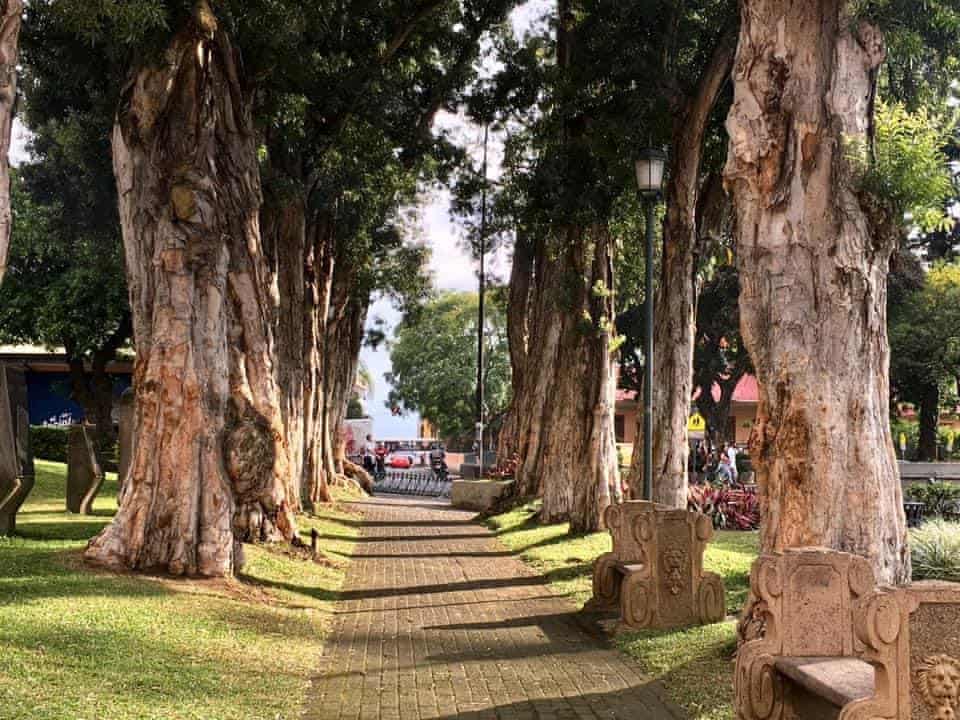
 ‘Biocorridors improve air quality, water quality and give people spaces to relax, have fun and improve their health,’ says Magalli Castro Álvarez. Photograph: Melissa Alvarez/Courtesy of GIZ/Biodiver_City Project

“Pollinators were the key,” says Edgar Mora, reflecting on the decision to recognise every bee, bat, hummingbird and butterfly as a citizen of Curridabat during his 12-year spell as mayor.

“Pollinators are the consultants of the natural world, supreme reproducers and they don’t charge for it. The plan to convert every street into a biocorridor and every neighbourhood into an ecosystem required a relationship with them.”

The move to extend citizenship to pollinators, trees and native plants in Curridabat has been crucial to the municipality’s transformation from an unremarkable suburb of the Costa Rican capital, San José, into a pioneering haven for urban wildlife. Continue reading

Birdcam Sunday

1314

‘Sleek, powerful and yellow-eyed’: an osprey has an irresistible screen presence. Photograph: Cornell Lab Bird Cams

Thanks to Emma Beddington and the Guardian for this story to help put today into a different perspective:

2622

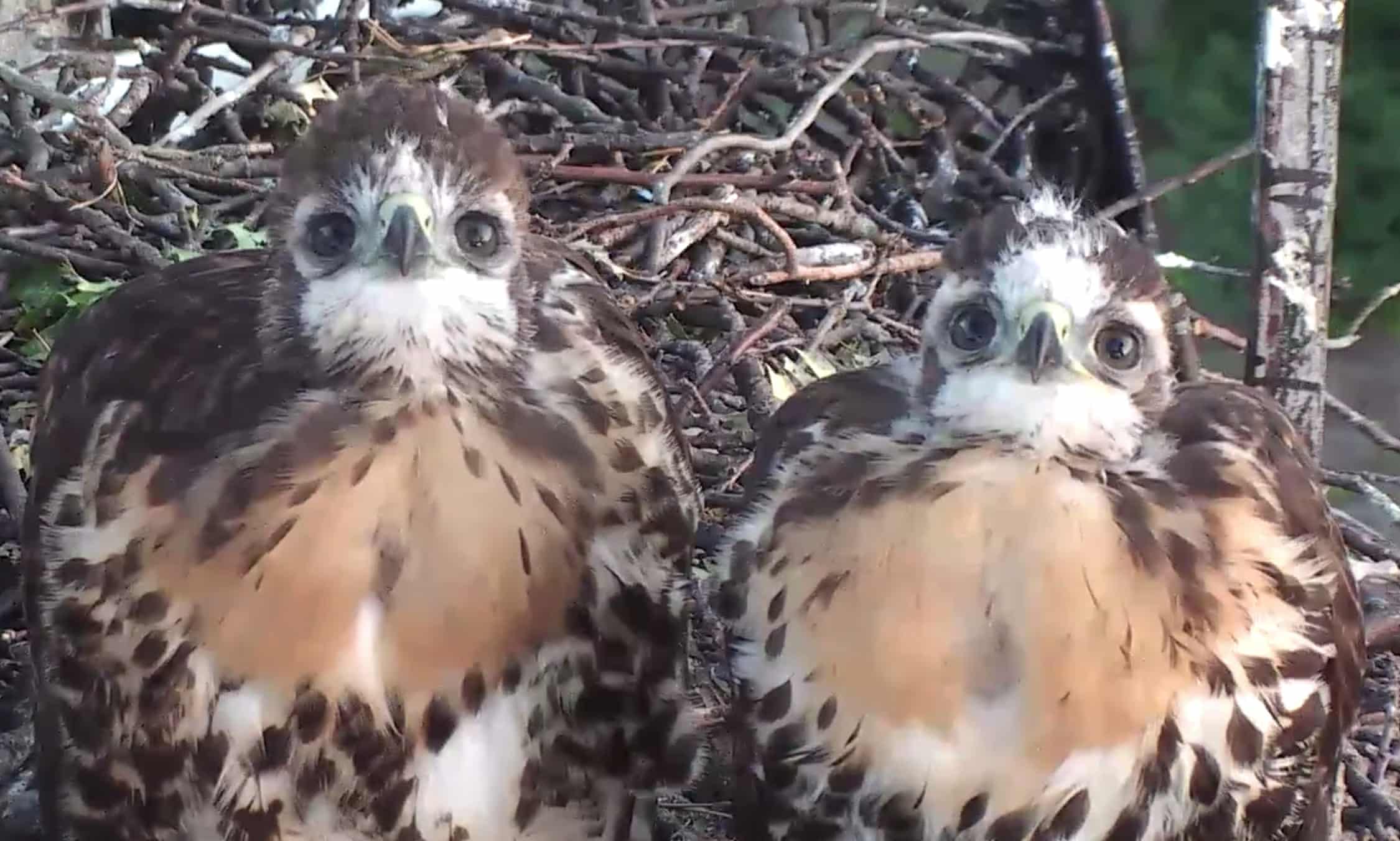
Anyone for Nestflix?: a pair of red-tailed hawks in their nest. Viewing figures for online nestcams are now sky high. Photograph: Cornell Lab Bird Cams

On the webcam it is clear that Telyn is back. Sleek, powerful and yellow-eyed, the osprey has successfully raised a dynasty high above the wind-buffeted grass near the west Wales coast. Last year came Berthyn, Peris and Hesgyn – they sound like Game of Thrones characters. The watchers are waiting for Telyn’s mate, local hero Monty. A magnificent fisherman, heroic provider and model father, he’s been a fixture at the Dyfi Osprey Project since 2008. But where is he?

1600 (3)

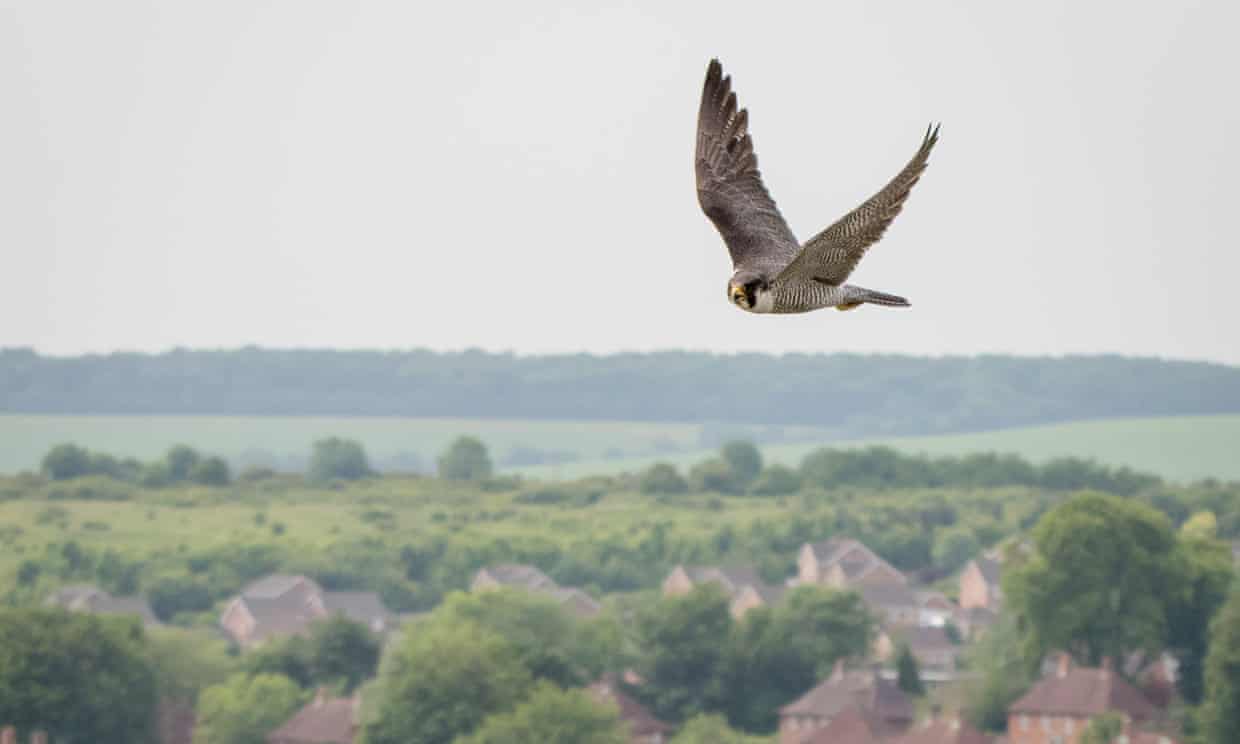
Flying over the spire: one of the peregrines that has made itself at home in Salisbury Cathedral. Photograph: James Fisher

“Is Monty back?” says every third post on the webcam’s chatboard. He isn’t – instead, there’s a new pretender on the nest, upstart Idris. He’s doing everything right, ingratiating himself with Telyn, bringing offerings of sea trout and twigs, chasing off intruders and yes, mating. Is this the end for the Burton and Taylor of ospreys? Unswayed by Idris’s can-do attitude and beady-eyed charm, Team Monty is inconsolable. “Still waiting for Monty… His usual slot is mid-afternoon,” says one hopeful post. “Hope Monty is home tomorrow, he is all I have known since 2011, love you, amber eyes,” says another. Still they wait. Continue reading

Crisis Inspired Pivots

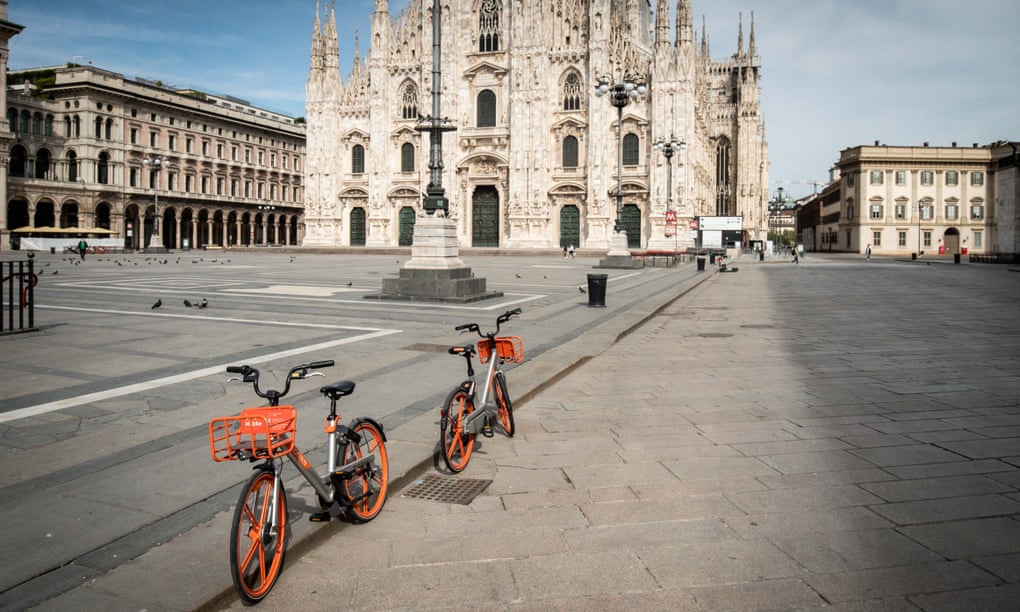
The Strade Aperte plan includes temporary cycle lanes and 30kph speed limits. Photograph: Stefano De Grandis/REX/Shutterstock

Looking for silver linings during the current times isn’t always easy, but reviewing how cities strategize over plans to open economies while keeping the public safe is a possible place to start. (It can also be a source of discouragement, so we’re glad to highlight the enlightened…)

In Milan the concept of pivoting toward carbon-free commuting within the city was a far-reaching goal for a future decade. The current crisis has helped to create a thought shift toward action now.

Seriously working on solutions to both the health crisis and climate crisis together could be a silver lining, indeed.

Milan announces ambitious scheme to reduce car use after lockdown

Milan is to introduce one of Europe’s most ambitious schemes reallocating street space from cars to cycling and walking, in response to the coronavirus crisis.

The northern Italian city and surrounding Lombardy region are among Europe’s most polluted, and have also been especially hard hit by the Covid-19 outbreak.

Under the nationwide lockdown, motor traffic congestion has dropped by 30-75%, and air pollution with it. City officials hope to fend off a resurgence in car use as residents return to work looking to avoid busy public transport.

The city has announced that 35km (22 miles) of streets will be transformed over the summer, with a rapid, experimental citywide expansion of cycling and walking space to protect residents as Covid-19 restrictions are lifted.

The Strade Aperte plan, announced on Tuesday, includes low-cost temporary cycle lanes, new and widened pavements, 30kph (20mph) speed limits, and pedestrian and cyclist priority streets. The locations include a low traffic neighbourhood on the site of the former Lazzaretto, a refuge for victims of plague epidemics in the 15th and 16th centuries. Continue reading

Earth Day @ 50

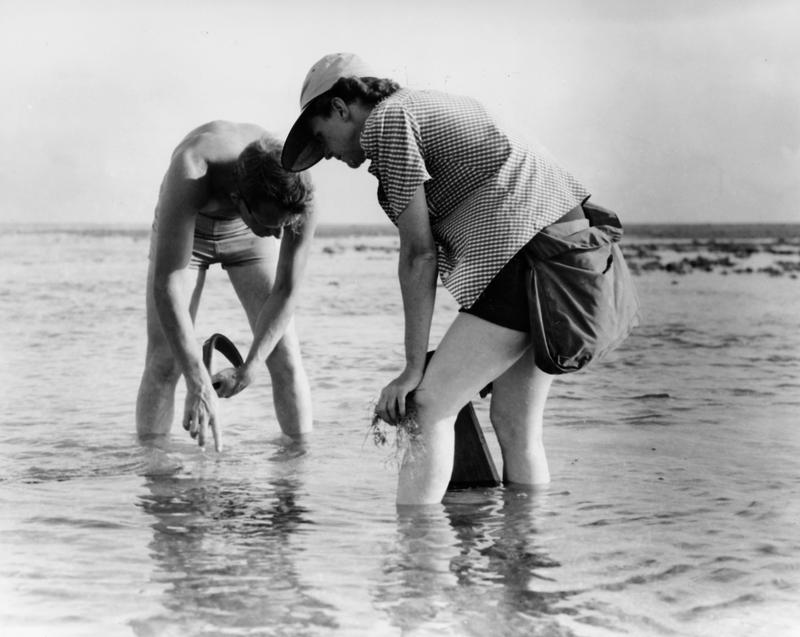
Rachel_Carson_Conducts_Marine_Biology_Research_with_Bob_Hines

( wikipedia/commons/4/48 )

CarsonDreamSeaThis week’s podcast rebroadcasts an episode we first heard a couple years ago, but Rachel Carson Dreams of the Sea is as good a tribute to Earth Day’s 50th anniversary as you will find:

Before she published “Silent Spring,” one of the most influential books of the last century, Rachel Carson was a young aspiring poet and then a graduate student in marine biology. Although she couldn’t swim and disliked boats, Carson fell in love with the ocean. Her early books—including “The Sea Around Us,” “The Edge of the Sea” and “Under the Sea Wind”—were like no other nature writing of their time, Jill Lepore says: Carson made you feel you were right there with her, gazing into the depths of a tide pool or lying in a cave lined with sea sponges. Lepore notes that Carson was wondering about a warming trend in the ocean as early as the 1940s, and was planning to explore it after the publication of “Silent Spring.” If she had not died early, of cancer, could Carson have brought climate change to national attention well before it was too late?

Excerpts from Carson’s work were read by Charlayne Woodard, and used with permission of Carson’s estate.

The Youthful Insights Behind ‘Black Histories, Black Futures’

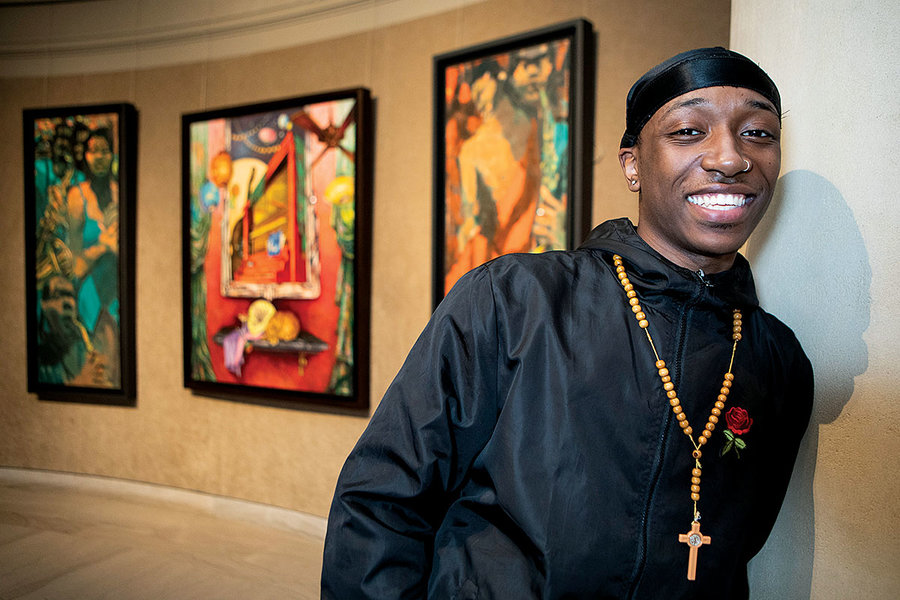
Jadon Smith is one of six teen curators for “Black Histories, Black Futures,” the first exhibition at the Museum of Fine Arts, Boston, curated entirely by high school students. photo credit: Melanie Stetson Freeman/Staff

Although the exhibit highlighted here began in January (notably directly following the holiday honoring MLK), we have the CS Monitor to thank for bringing it to our attention.  The museum is currently closed due to the coronavirus outbreaks, but the making of video on the MFA website shows some highlights, and we can only hope that there will be opportunity to visit it in person before the end date of June 20th.

“The teen curators—fellows from youth empowerment organizations Becoming a Man (BAM), The BASE, and the Bloomberg Arts Internship Boston program managed by EdVestors—used skills they developed as paid interns in a pilot internship program at the MFA to research, interpret, and design the exhibition. Their work highlights areas of excellence within the Museum’s collection and lays foundations for the future.”

What if curators were teens? Museums try it.

Jadon Smith steps closer to his favorite painting by Archibald Motley, carefully examining the details he’s looked at many times before, a smile from ear to ear. At the center of the piece, five elegant women dressed in their Sunday best sit in a restaurant. One woman, hidden in the background, catches his attention.

The John Axelrod Collection/Frank B. Bemis Fund, Charles H. Bayley Fund, and the Heritage Fund for a Diverse Collection/Courtesy of The MFA “Cocktails” by Archibald Motley is an oil on canvas painting from about 1926. Motley was known for depicting the blossoming of black social life.

“Women are the centerpiece of the whole entire painting,” says Jadon, a junior at John D. O’Bryant School of Mathematics and Science, during a visit to Boston’s Museum of Fine Arts in early March. “They’re supposed to be there to be seen. Don’t ignore them. Notice that they’re there, appreciate the fact that they’re there.”

Jadon is one of six local teens selected to craft “Black Histories, Black Futures” – the museum’s first exhibition curated entirely by high school students. The MFA’s exhibition, the culmination of a partnership with local youth empowerment organizations, reflects a growing trend, one that has museums working to engage and represent a more diverse population within the field of fine art. Including young people in the curation process not only trains the next generation of curators, say museum staffers, but it also helps aging institutions display refreshing and inclusive exhibitions inspired by the young curators’ own experiences.

“This institution is 150 years old. And so what does that mean for young people? Where do young people belong in such an old institution?” says Layla Bermeo, an associate curator at the MFA. “This project really tried to argue that young people belong in the center.”.. Continue reading

Mutation as a Positive

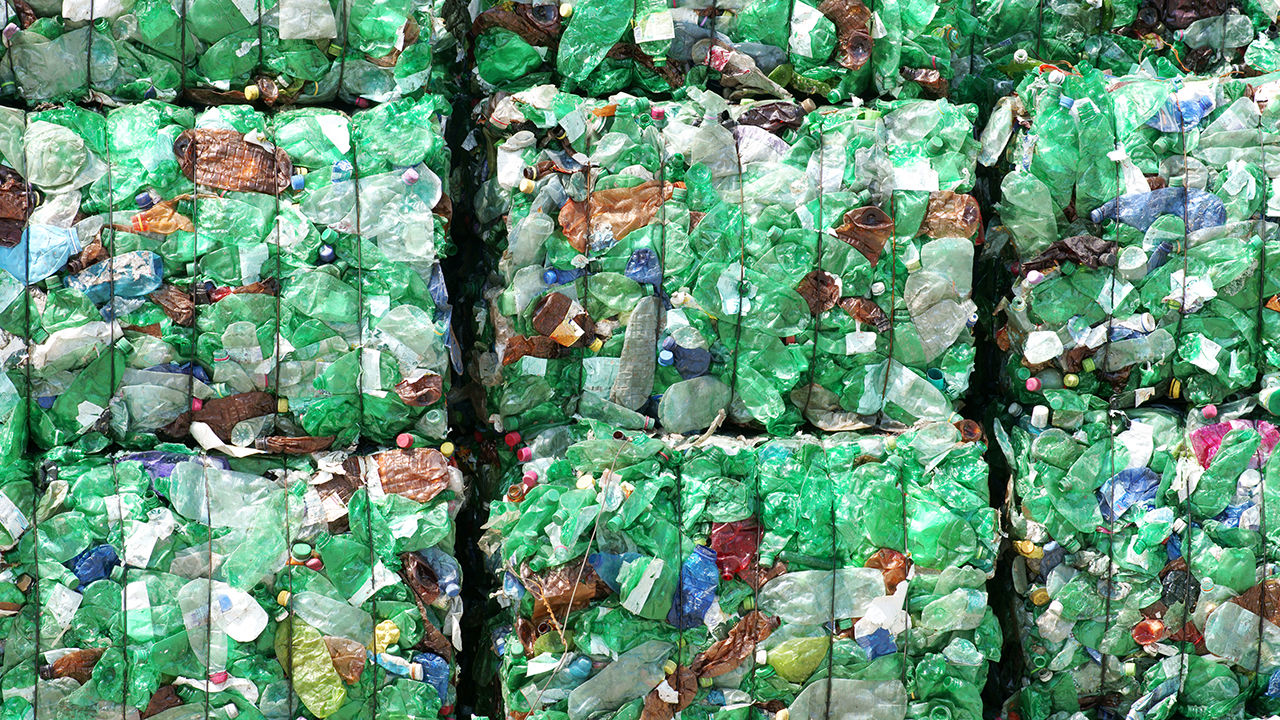
Green plastic bottles ready for recycling

In addition to all the creative ways that people recycle and upcycle plastics, we appreciate when scientific collaboration is brought to the forefront, as in the example here. We thank Science Magazine for highlighting the story.

‘A huge step forward.’ Mutant enzyme could vastly improve recycling of plastic bottles

Recycling isn’t as guilt-free as it seems. Only about 30% of the plastic that goes into soda bottles gets turned into new plastic, and it often ends up as a lower strength version. Now, researchers report they’ve engineered an enzyme that can convert 90% of that same plastic back to its pristine starting materials. Work is underway to scale up the technology and open a demonstration plant next year.

“This is a huge step forward,” says John McGeehan, who directs the center for enzyme innovation at the University of Portsmouth and who was not involved with the work.

Polyethylene terephthalate (PET) is one of the world’s most commonly used plastics, with some 70 million tons produced annually. PET bottles are already recycled in many places. But the current approach has problems. For starters, recycling companies typically end up with a broad mix of different colors of the plastic. They then use high temperatures to melt those down, producing a gray or black plastic starting material that few companies want to use to package their products.

Instead, the material is typically turned into carpets or other low-grade plastic fibers that eventually end up in a landfill or get incinerated. “It’s not really recycling at all,” McGeehan says.

To get around this concern, scientists have searched for enzymes in microbes that break down PET and other plastics. In 2012, researchers at Osaka University found one such enzyme in a compost heap. Continue reading

Librarians Of Bread

00SCI-SOURDOUGH1-jumbo

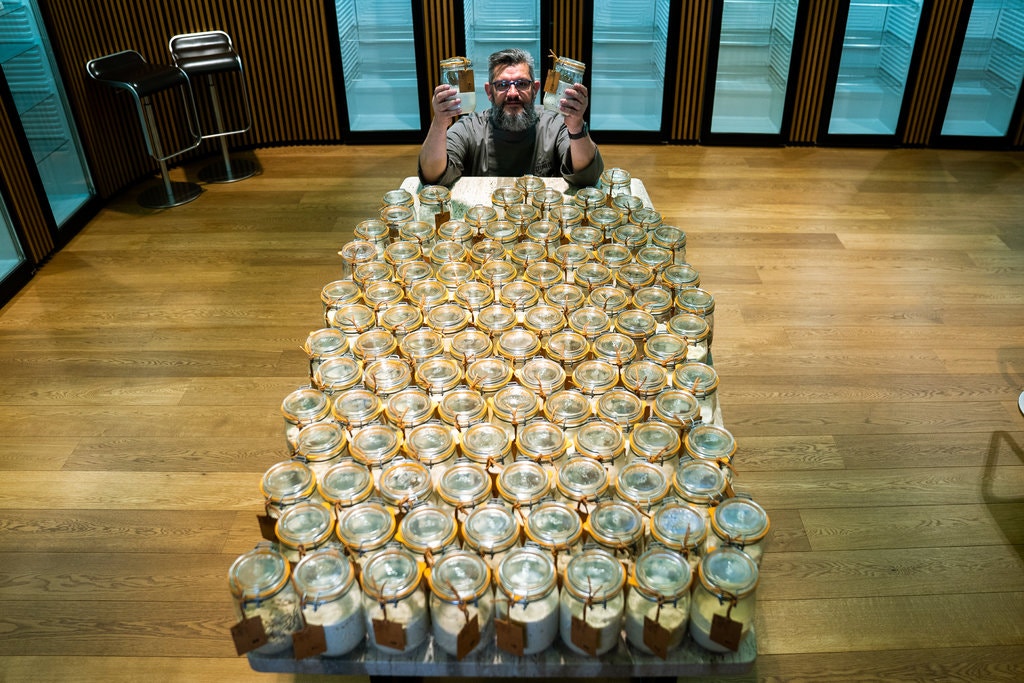
Karl De Smedt in the Puratos Center for Bread Flavor, the world’s most extensive collection of sourdough starters, in St. Vith, Belgium. Puratos Center for Bread Flavor

Bread is a frequent flier of a topic on this platform, including sourdough specifically. Ditto for libraries and their librarians and the creative things they do. Franz Lidz is not a writer we have featured in our pages before, but with a story like this one we will be watching for more.

At the Sourdough Library, With Some Very Old Mothers

Some starters never die, they just get filed away here.

In these housebound times, Americans have gone stark baking mad. Shut-ins are channeling their anxieties into pandemic pastries and quarantine cookies, some with icing piped in the shape of surgical masks, others frosted with the face of Dr. Anthony Fauci. Baking essentials such as yeast and flour are in short supply, and Google searches for bread recipes are on the rise, so to speak.

00SCI-SOURDOUGH2-jumbo

Puratos Center for Bread Flavour

Curiously, during this apocalyptic spring, the best thing since sliced bread turns out not to be sliced bread. The most coveted isolation loaves seem to be sourdough, a knobbly, rugged variety that requires patience, handmade fermentations and something like affection. “Working with sourdough is part art, part science,” said Karl De Smedt. “You don’t tell the dough when it’s time to be shaped. The dough tells you.”

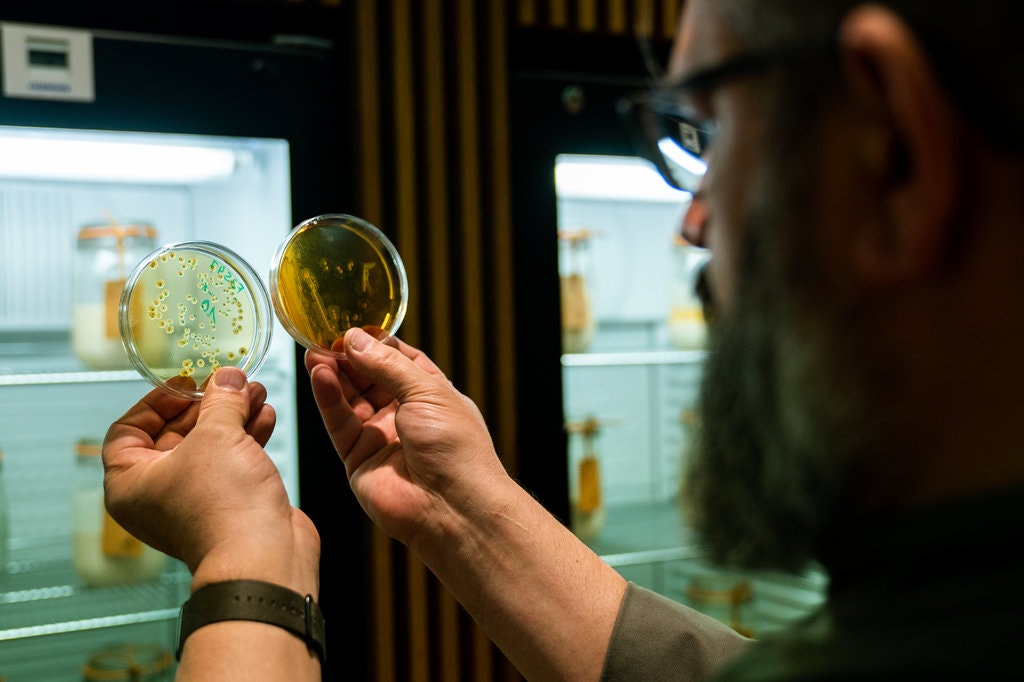
Mr. De Smedt is the curator of the world’s only sourdough library. Located in the flyspeck village of St. Vith, 87 miles southeast of Brussels, the library houses the world’s most extensive collection of sourdough starters, those bubbling beige globs of bacteria and wild yeast — known as “mothers” — that bakers mix into dough to produce flavorful loaves with interestingly shaped holes. If a mother isn’t regularly divided and kneaded and fed with flour and water, she will eventually go dormant or die. “A starter has its own heart, almost its own will,” Mr. De Smedt said. “Treat a starter nice and it will reward you tremendously, like a good friend.” Continue reading