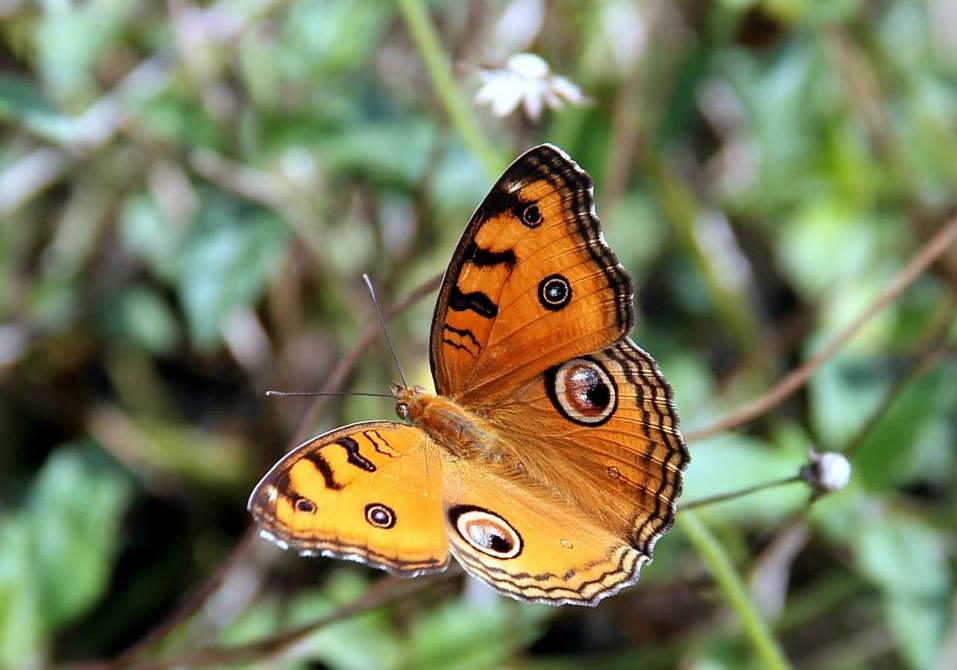
Peacock Pansy Butterflies are found across India up to 2000 meters throughout the year, prefering forest edges, waterside vegetation and gardens. These orangish butterfly with prominent peacock eye spots, to smaller eye spots on the upper forewing and larger on the hindwing are very common in the Periyar Tiger Reserve. Continue reading
Color
Common Grass Yellow Butterfly
The Common Grass Yellow Butterfly lives up to its name. Found throughout all of India, this lepidopteran flies low and close to the ground in fields, and its wings are a pretty yellow with some subtle patterning. Their larvae feed on several different plants, but generally in the families of the spurges and legumes. Continue reading
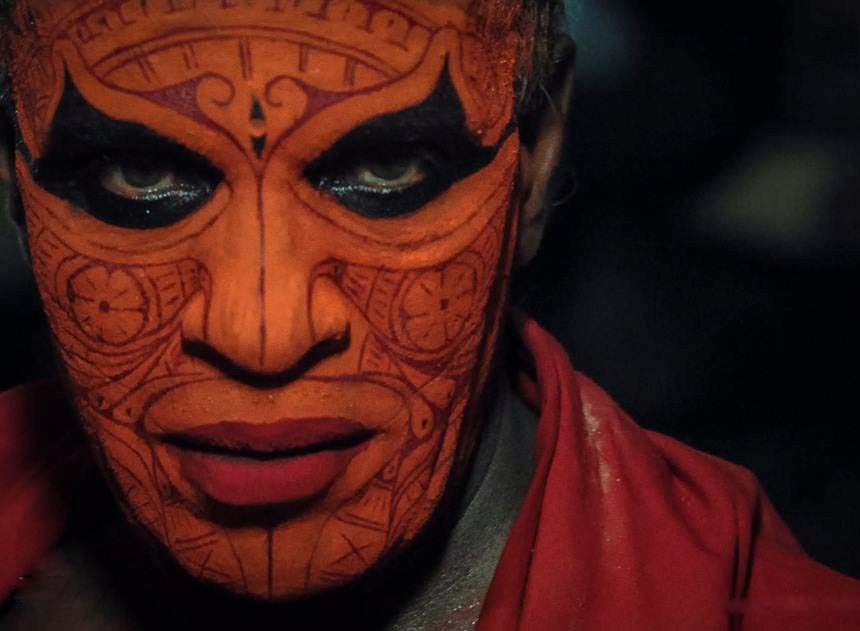
Theyyam Face Make-up
Face painting is one of the most important parts of Theyyam, an ancient form of worship in certain parts of Kerala. Theyyam dance make-up should be made from as many natural materials as possible. Coconut leaves are used as brushes, and the make-up artist should have perfect knowledge of how to combine colours. Continue reading
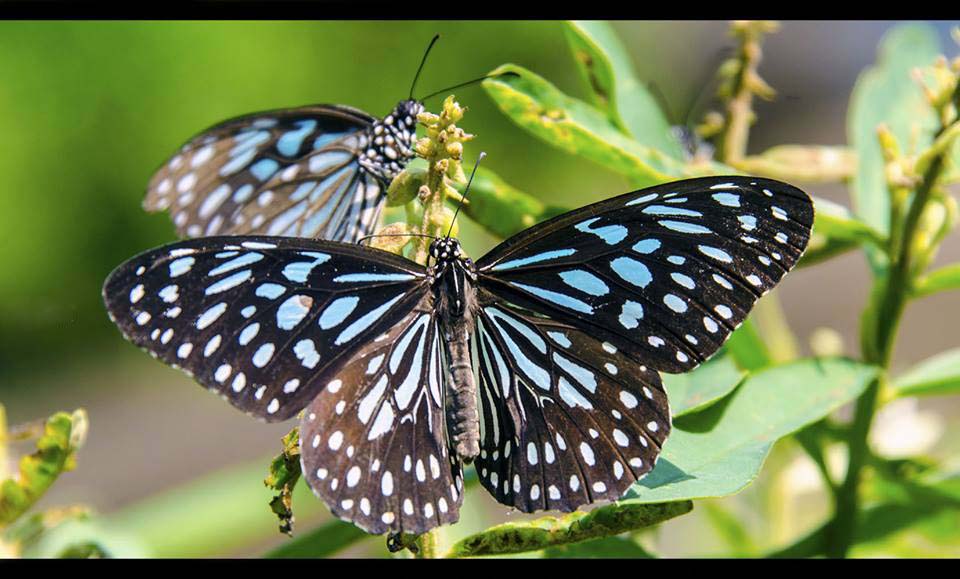
The Dark Blue Tiger
The Dark Blue Tiger (Tirumala septentrionis) is a butterfly that can be found across peninsular India at elevations up to 2000 meters. This butterfly prefers forested tracts, where they can be seen congregating in large numbers around pools of water and flowering trees. Continue reading
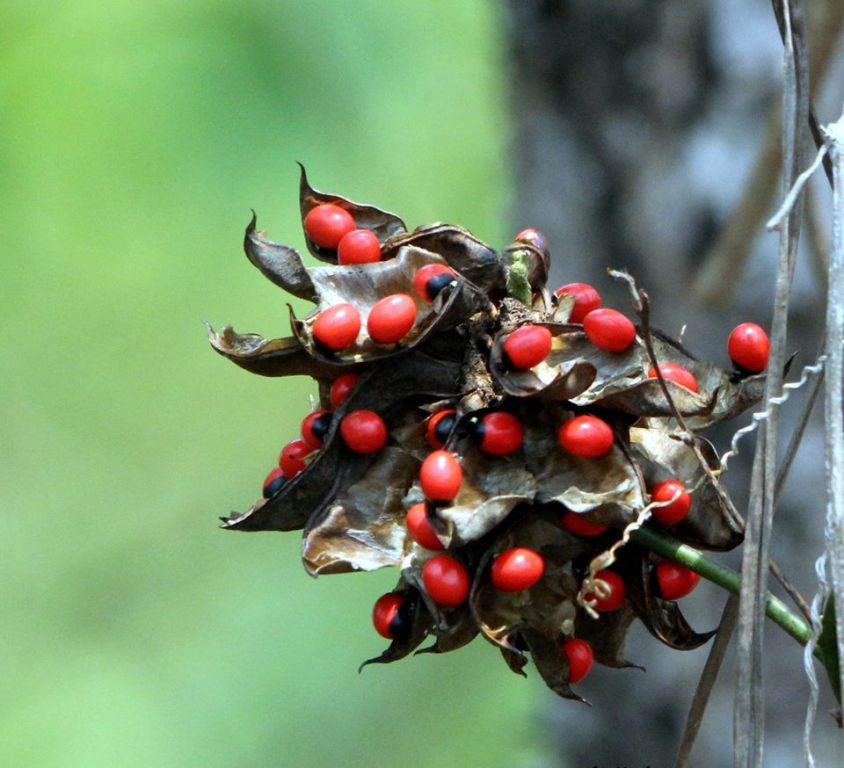
Indian Licorice – Abrus precatorius
Indian Licorice (Abrus precatorius) is a native of India and the tropical and sub-tropical areas of the Western Ghats. Despite its name, Indian Licorice is not closely related to the licorice (Glycyrrhiza glabra) that lends its flavor to candies, beverages, and other foods. The seeds are bright red and black in color and highly poisonous. Continue reading
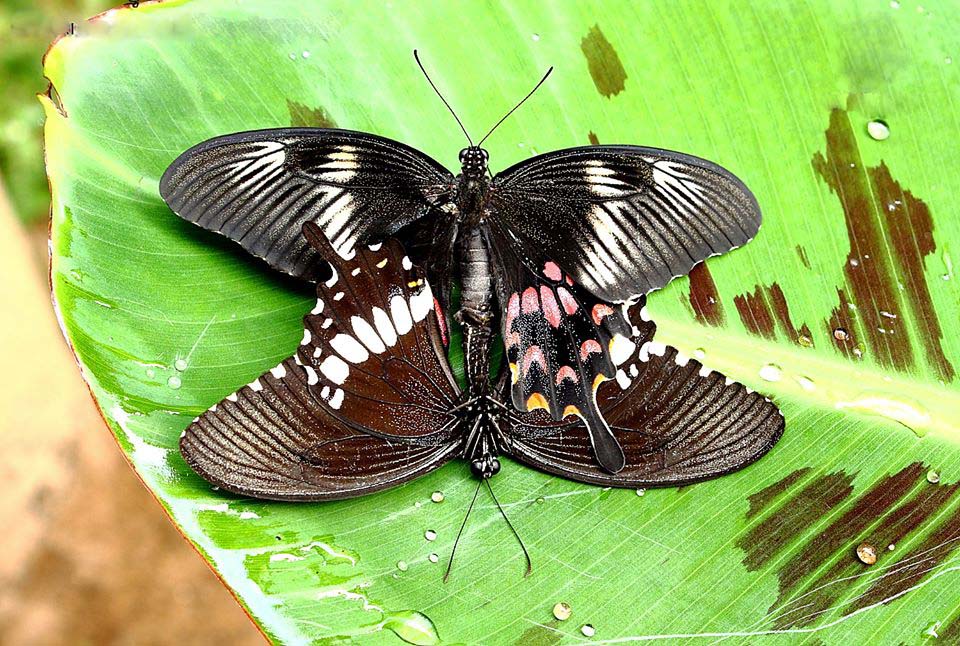
Common Mormon Butterfly
The Common Mormon Butterfly is seen throughout the year in Kerala. The male butterfly is black with a band of large whitish yellow spots running across the lower portion of the wing. The female may have a rose color, but always has an entirely black abdomen. The male butterfly is frequently spotted near patches of standing water or mud puddles.
The Importance of Flowers
Flowers are quite important in Indian culture. They are needed in the temples to adorn the gods, as well as for other decorations, be it for a wedding or for any other function.
If you walk through a street which is close to a temple, you will see lots of flower vendors. Since it’s said that there are up to thirty-three million gods in Hinduism (isn’t that amazing?!), India clearly needs lots of flowers. Of course, many people don’t actually know all the millions of gods (including me), but luckily there aren’t many restrictions on what flowers can be used to adorn any given god!
Holi, 2014 Edition
Each year, we in the south of India wish to be in the north of India for this celebration that marks the end of winter. We have linked to some great photo spreads in other publications, and this year choose the Reuters photojournalists’ snapshots to mark this year’s Holi.
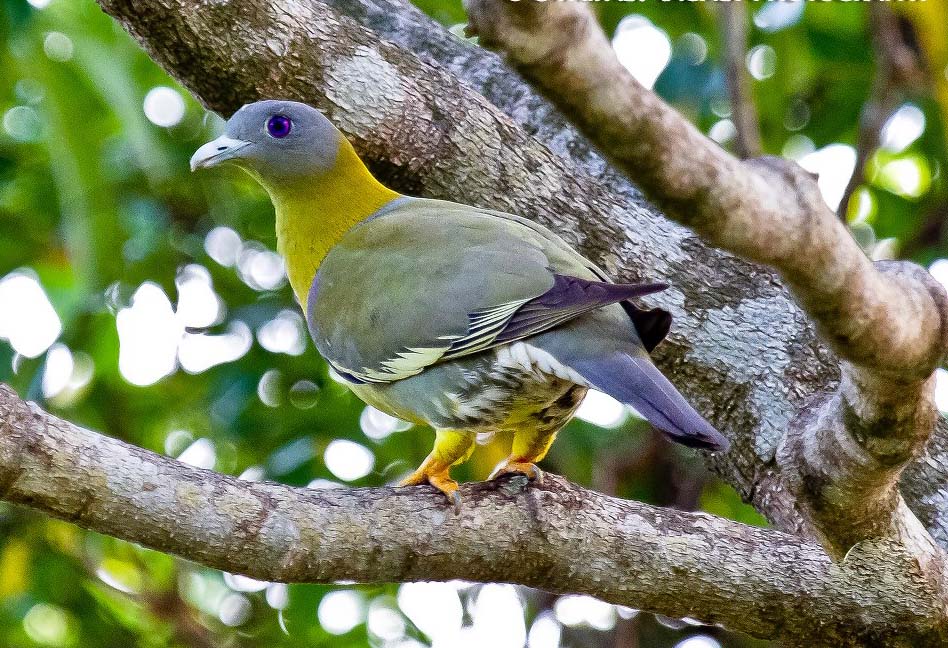
Yellow-footed Green Pigeon
The Yellow-footed Green Pigeon is the Maharashtra state bird, called Hariyal in Marathi, the language of the state. It is a resident of most of India and neighboring countries. Continue reading
Kerala Butterflies: Great Eggfly
Great Eggfly butterflies are very common and found all over India, flying throughout the year and preferring forest openings and edges, as well as bushes and gardens. The male has black wings with white patches surrounded by blue iridescence (not pictured here), and also has a row of white spots and crescents along the edge of the entire wing. Continue reading
Spicing Things Up
We normally don’t post advertisements on this blog, but the video above by the folks at Machine Shop, in collaboration with MJ Cole for the spice flavoring company Schwartz, is too cool and creative to ignore when we have such a deep connection to spices in Kerala, both historically and for visitors today. Continue reading
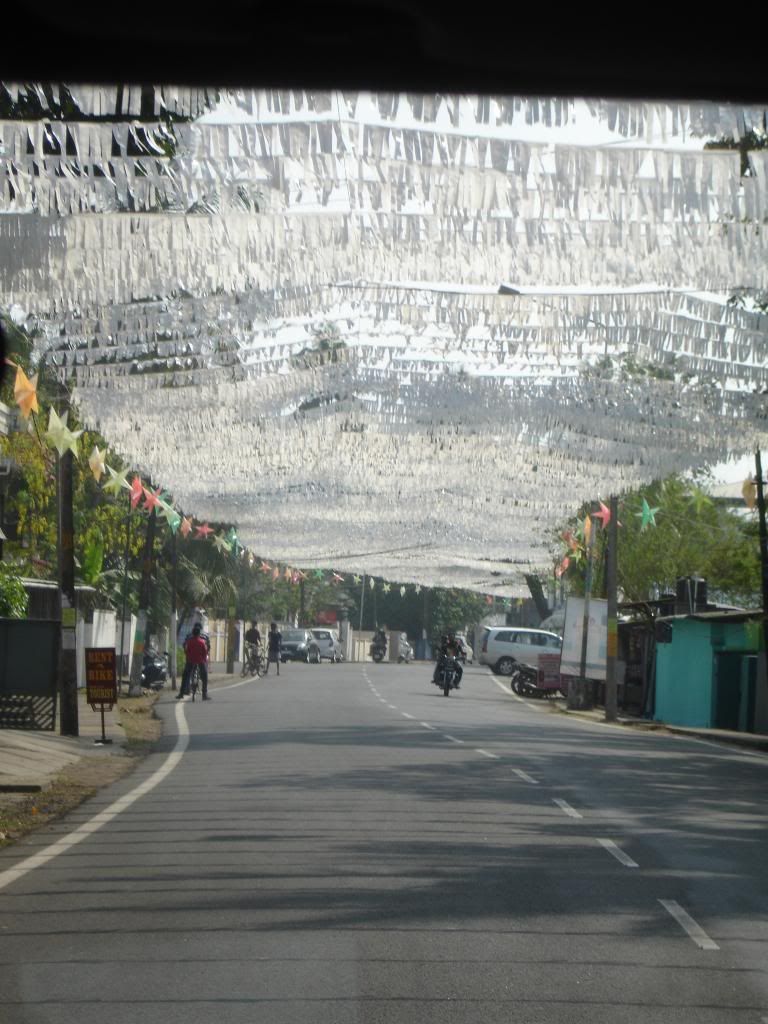
The Story Behind Our New Banner’s Banners
If you visit this blog several times a day, or happen to chance upon any of our pages when the randomized top banner is just right, you may have noticed that for the past 48 hours a new picture has been thrown into the mix of our banner images, which have been growing steadily — and stealthily, given that the last time we addressed them explicitly was in 2011 — over the past few years.
The number of banner images has since doubled, with more dragonflies, some great-looking tree bark, picturesque tea plantations, and other scenes that we think make a pleasant and interesting (and hopefully not too distracting) backdrop to our written content on any given page. But the banner in question is about sharing and celebration, so I’m sharing a little bit about the image this time around. Continue reading
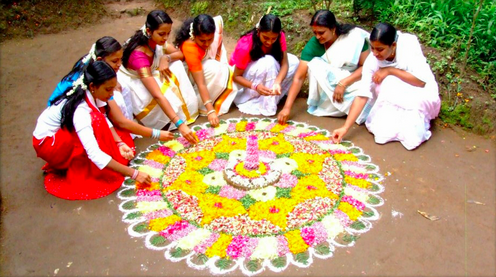
Athapookalam
The first day of the Onam celebrations starts on Atham day during the Malayalam month of Chingam, which this year falls today, 7th September 2013. The date is ten days before Thiruvonam. The creation of Athapookalam is an important part of every Onam festival. This special, circular arrangement of flowers is one of the most iconic Onam traditions. Continue reading
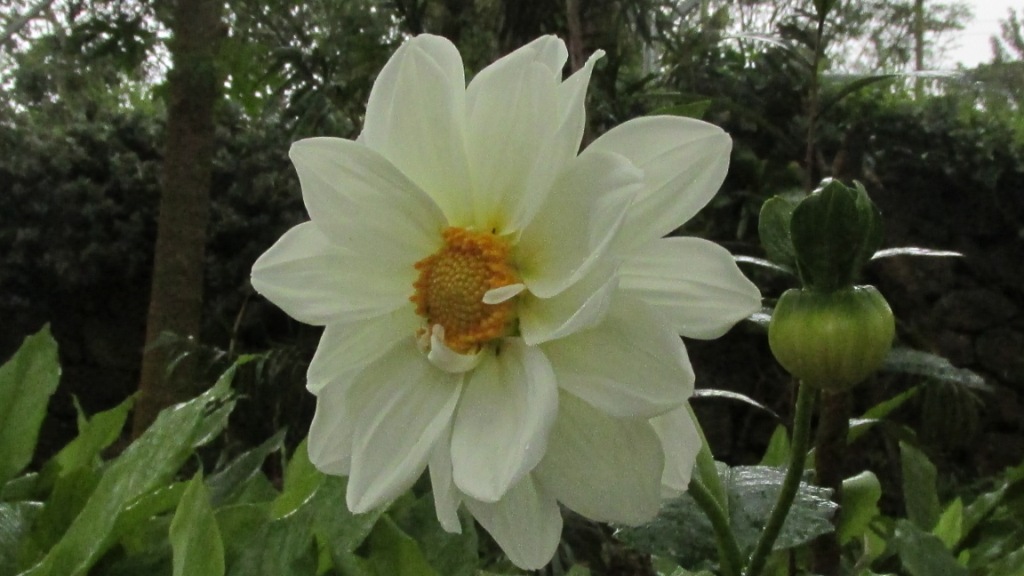
Dahlia – Bridesbouquet
Dahlias are the most common garden flower found in the High Ranges of Kerala. In Thekkady they bloom with colorful and dense flowers year round, but in places where frost occurs or in climates with four distinct seasons they bloom from high summer to the frosts of the fall. Continue reading
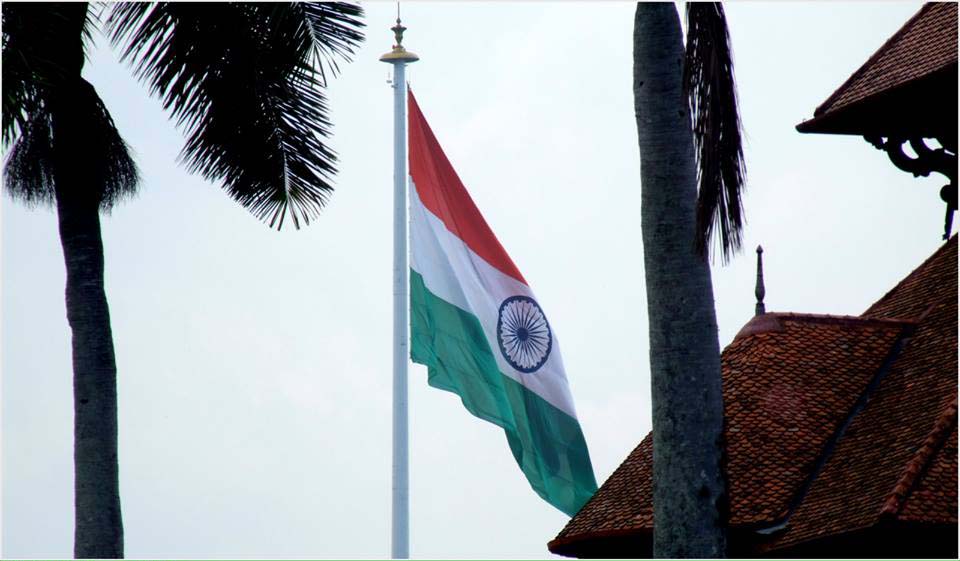
67th Independence Day Celebration – India
India became an Independent nation on August 15, 1947 and celebrates Independence Day on that same date annually. Flag hoisting ceremonies and cultural programmes take place in governmental and and non- governmental institutions throughout the country. Continue reading
Kalamezhuthu (Floor drawings)
Kalamezhuthu is the art of creating very large pictures on the floor, and is a unique form of art found only in Kerala. Typically, Kalamezhuthu is conducted as part of the general festivals in temples. The patterns that are drawn and the colors that are used are traditionally stipulated. Additionally, the colored powders used for the Kalams (drawings) are prepared solely from natural products. Kalams are drawn in connection with the worship of Gods and Goddesses, and are drawn directly with the hands. No tools are ever used. Continue reading
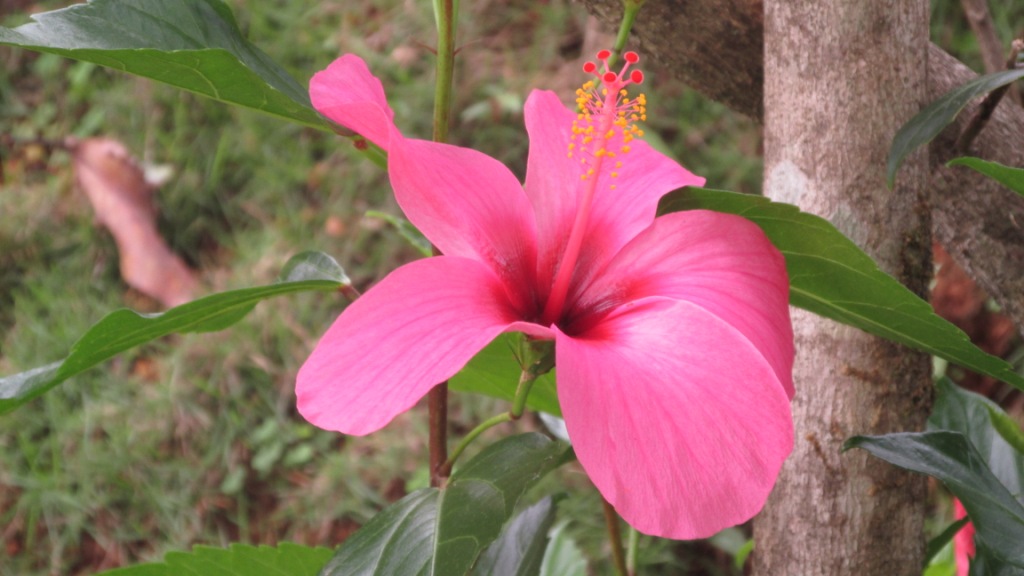
Hibiscus Flower
Hibiscus flowers are very common in the Hill Ranges of Kerala. There are multiple hybrids in a wide range of colors such as white, red, orange and pink. Hibiscus plants are also used in Ayurveda medicines. Continue reading
Holi, Incredibly Colorful India
For those of us non-Indians living in this colorful place, thanks to the Atlantic Monthly‘s decision to publish these photographs on its website. That way, when we write home to family and friends, they will not have to just take our word for it. The will see: India is incredible.
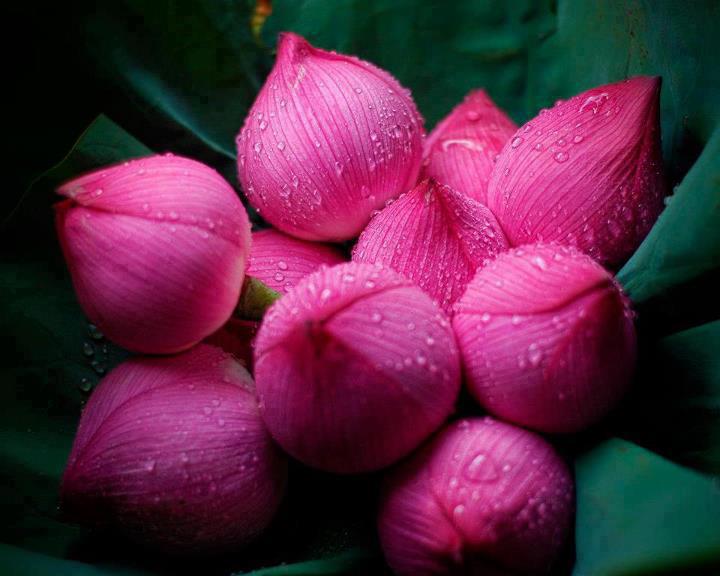
Indian Lotus Flower
Lotus, the national flower of India, symbolizes beauty, majesty, spirituality, purity, wealth, serenity and knowledge. It is an aquatic plant that belongs to the Nelumbonaceae species with broad floating leaves and bright aromatic flowers that grows in shallow waters. Its seeds, leaves, flowers and roots are all edible and used in a variety of medicines. Lotus is also a sacred flower for Hindus and Buddhists. Continue reading
Pansy Flowers
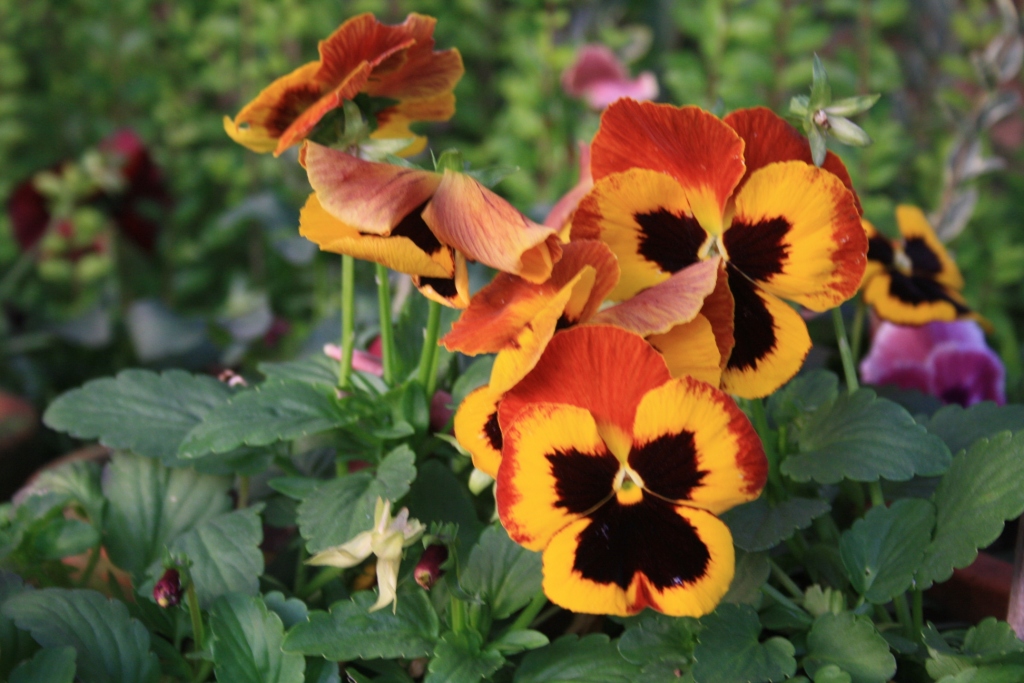
Pansy flowers belong to the Viola species, a group of hybrid flowers found in gardens worldwide. With their enchanting wildflower charm and numerous color combinations these flowers are probably the most popularly grown and most recognizable cool season plant growing above 1500 meters in the Western Ghats of India. Continue reading