The Beat of the Drum

Group of volunteers for the community clean-up on September 20th.

In spite of the daily downpours that mark the true beginning of the rainy season (and might discourage certain outdoor activities), September has been an eventful month to say the least. Costa Rica celebrated its 194th anniversary of national independence on the the 15th and the preparations at Xandari and around the country leading up to the date were very visible and audible. At the beginning of the month a few of us decorated the lobby and restaurant areas with red, white and blue streamers and ribbons, national flags, and historic photographs. Given the variety of colorful paintings and ornaments that already adorn the lobby and restaurant areas, we were cautious not to be unnecessarily generous with the patriotic decorations – so as not to over-excite the sensibility of the guests of course! Continue reading
The Internet of Philosophy

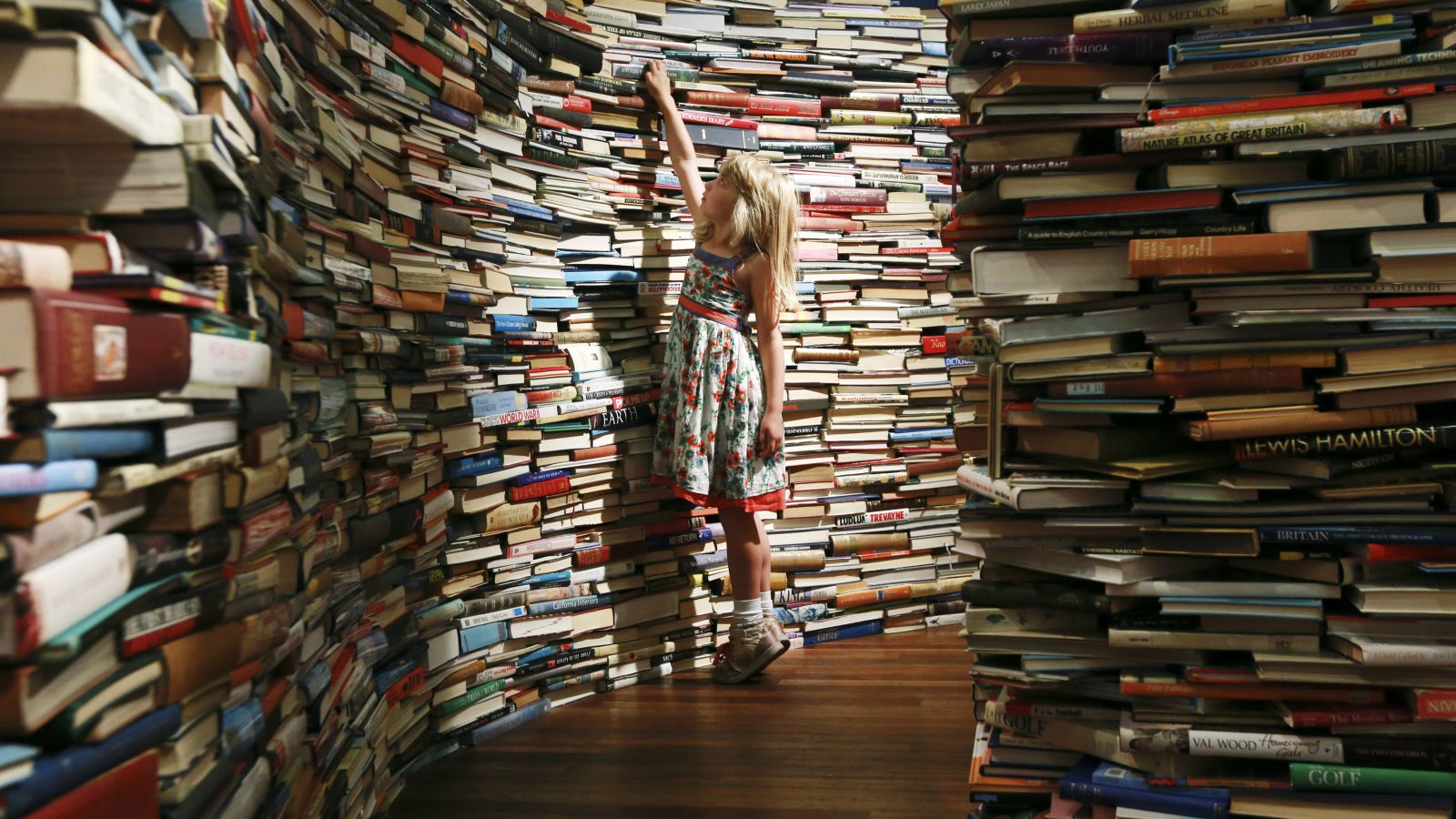
The Stanford Encyclopedia of Philosophy now contains nearly 1,500 entries, and changes are made daily. (Installation by Marcos Saboya and Gualter Pupo. Photo by Reuters/Olivia Harris)

The Stanford Encyclopedia of Philosophy now contains nearly 1,500 entries, and changes are made daily. (Installation by Marcos Saboya and Gualter Pupo. Photo by Reuters/Olivia Harris)

The Internet is a goldmine of information, yes. In a parallel dimension, it lags in providing authoritative, rigorously accurate knowledge, at no cost to readers. The Stanford Encyclopedia of Philosophy has changed all that, beginning two decades ago.

The story of how the SEP is run, and how it came to be, shows that it is possible to create a less trashy internet—or at least a less trashy corner of it. A place where actual knowledge is sorted into a neat, separate pile instead of being thrown into the landfill. Where the world can go to learn everything that we know to be true. Something that would make humans a lot smarter than the internet we have today.

Continue reading

The BIG Backwater Conservation Story

A fish sanctuary in the making on Lake Vembanad, Kerala, India. PHOTO: Scroll

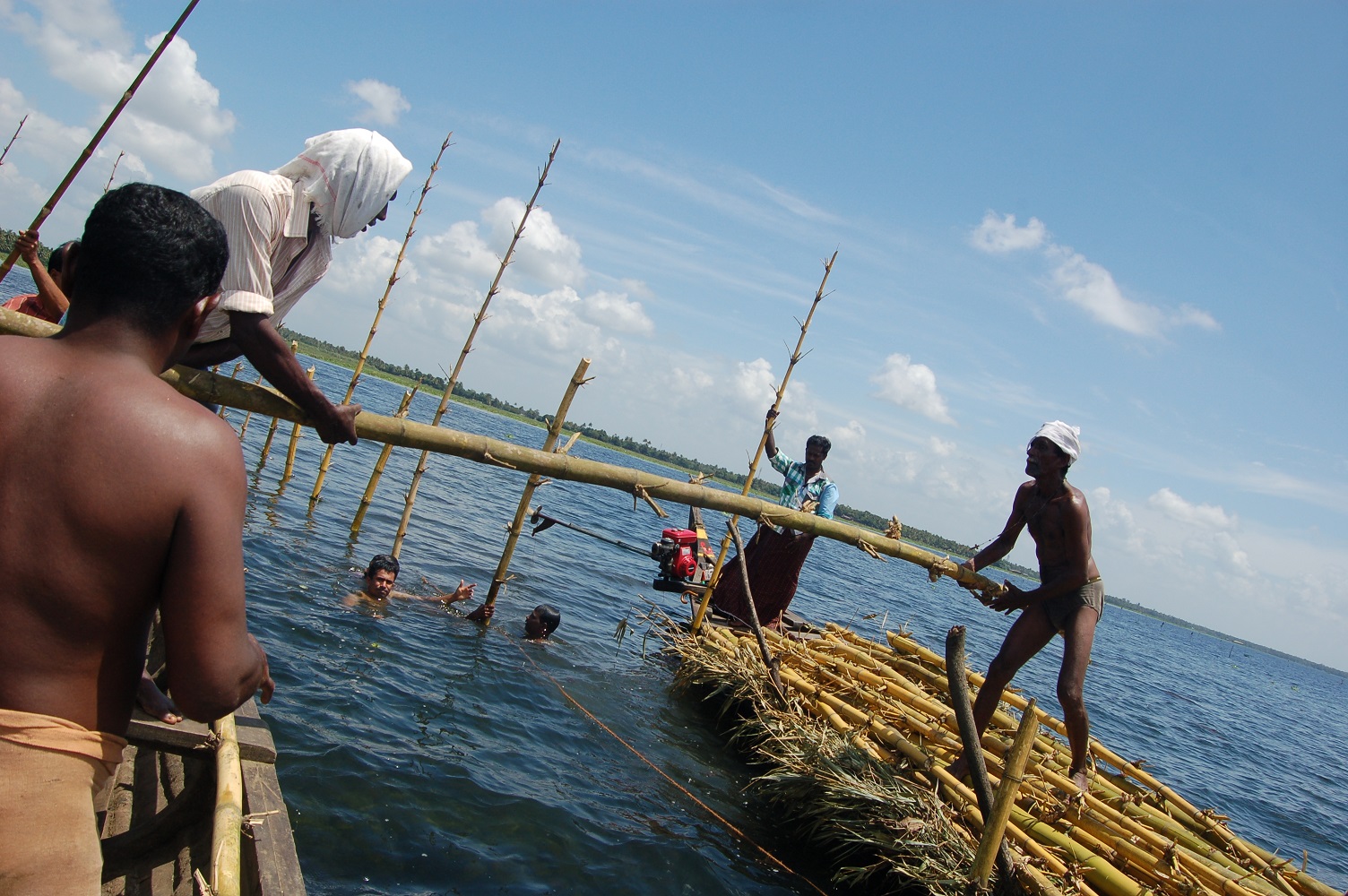
A fish sanctuary in the making on Lake Vembanad, Kerala, India. PHOTO: Scroll

We love the backwaters. Period. Every single time one of our Xandari Riverscapes houseboats puts out into these deep waters, our hearts swell with pride. Responsible showcasing the charm, the timelessness of these waters and its people brings us much joy. And when we come across conservation efforts to maintain the quintessence and soul of this stretch of paradise, we can’t help but let you know.

Spread over 36,000 hectares and three districts in Kerala, this is the kind of landscape that gives conservation ecologists a blinding headache – a resource-rich, highly-productive area that is pulled apart in several directions (waste-dumping, tourism, livelihoods, water security) and depended upon by conflicting communities who have no other alternatives. Lakes have been straddling this intersection all across India – from Chilika in Odisha, to the Bengaluru urban lakes, to Loktak in Manipur, to Vembanad.

Such heavy-use landscapes outside protected areas, however, also might hold answers to the future of conservation. Whether it is a large lake system, or forest fragments that serve as the refuge of a few species or a corridor for wild animals, or a forest fringe, or large agricultural swathes that also host biodiversity, a section of conservationists believes that the future lies in teamwork between nature and mankind.

Continue reading

Taking Classrooms to Children

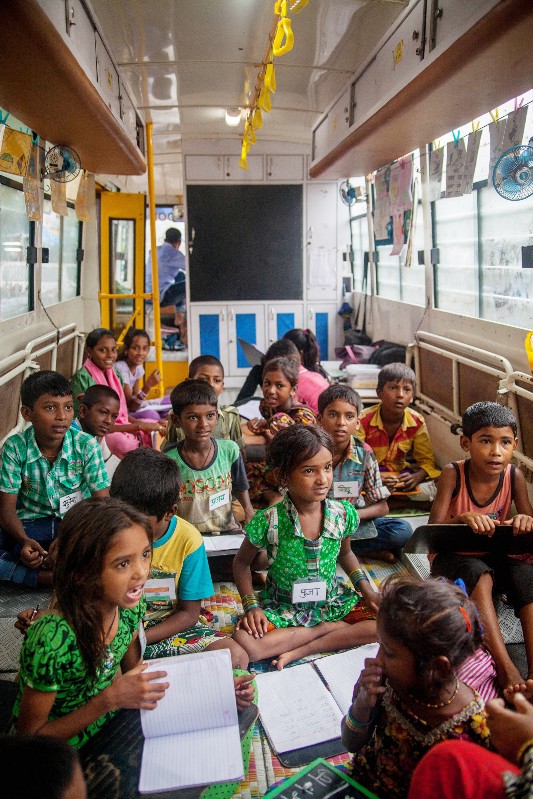
 The buses can only hold 20 students, without much space to wiggle around or store books. But they have unique benefits — like their ability to reach many of Mumbai’s poorest migrants who live on illegal plots of land where schools can’t be built. PHOTO: Karen Dias

The buses can only hold 20 students, without much space to wiggle around or store books. But they have unique benefits — like their ability to reach many of Mumbai’s poorest migrants who live on illegal plots of land where schools can’t be built. PHOTO: Karen Dias

Mumbai’s education system has fallen gravely short of absorbing its children. Only 400,000 children were enrolled in municipal schools in 2014, according to a report by Praja, a non-partisan research and advocacy organization. That number actually dropped 11 percent since 2009, despite increased government spending on education.That leaves more than half of the children in Mumbai either out of school or learning in private institutions. At least 37,000 kids in Mumbai live on the streets and work with their parents to earn a few cents a day, according to advocacy organization Action Aid.

Medium brings you more on how a collaborative system of volunteers, activists and NGOs is transforming the darkness of ignorance in one of India’s largest cities.

Continue reading
The Post Office and World War

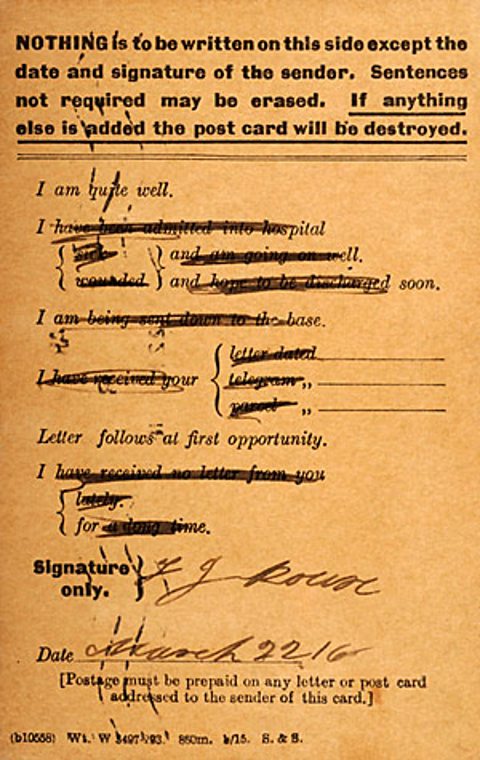
A completed field postcard, posted on 22 March 1916. PHOTO: BBC

A completed field postcard, posted on 22 March 1916. PHOTO: BBC

When was the last time you put paper to pen and saw your writing come to life? The last time you held a piece of card so small but held news and feelings from across seven seas? Writing and receiving mail is quite the experience, all the more now in the age of keypads and instant messages. It was important, too. Like in the time of the World War. When the mail was recognized as the biggest tool of maintaining morale.

BBC brings some interesting facets:

The most effective weapon used during World War One wasn’t the shell or the tank, it was morale. The British Army believed that it was crucial to an allied victory, and it looked to the Post Office for help.

The delivery of post was vital for two reasons. Firstly, receiving well wishes and gifts from home was one of the few comforts a soldier had on the Western Front. The majority of them spent more time fighting boredom than they did the enemy, and writing was one of the few hobbies available to them. For some, it was a welcome distraction from the horrors of the trenches.

Secondly, letters served a propaganda purpose as everything that soldiers sent back was subject to censorship. The British Army claimed this was to prevent the enemy finding out secret information, but really it was to prevent bad news from reaching the home front. Letters from serving soldiers had a powerful role, not just in keeping families informed of the well-being of their loved ones; they also helped to sustain popular support for the war across the home front. Nothing could be allowed to jeopardise that.

Continue reading

Jerusalem’s 800-year-old Indian Connect

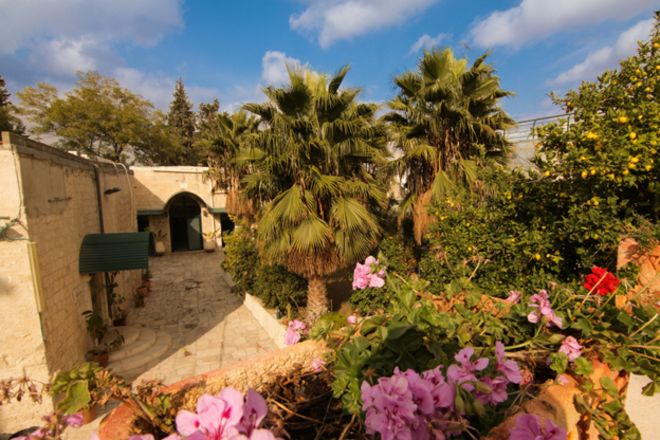
There is a little corner of Jerusalem that is forever India. At least, it has been for more than 800 years and its current custodian has plans for his family to keep the Indian flag flying for generations to come. PHOTO: BBC

There is a little corner of Jerusalem that is forever India. At least, it has been for more than 800 years and its current custodian has plans for his family to keep the Indian flag flying for generations to come. PHOTO: BBC

For close to a century, many generations of an Indian family have been looking after the Indian Hospice, a symbol of India’s heritage, in the old city of Jerusalem.The Indian Hospice was born in 1924, with Sheikh Nazir Ansari, a police inspector’s son from Saharanpur in Uttar Pradesh, becoming the first Indian to look after the hospice, situated opposite Herod’s Gate in the old city. Since then generations of the Ansari family have kept the Indian flag flying in a situation which is “politically fraught where every inch of territory is claimed or counter-claimed”.

From the roof he flies an Indian flag, its saffron and green visible over a city that remains as volatile as ever. Sheikh Munir, though, is not easily intimidated. “I am not afraid. I am satisfied for the future, that we, the Ansari family, are serving. After me, my elder son, Nazer, should replace me as Sheikh of the zawiyya [lodge].”

I ask if Nazer, who works overseas, is interested in taking over. Sheikh Munir hesitates. From a frame on the wall, his father looks down silently. The old man raises his hands, palms up.

“It’s not a question of interested.”

Continue reading

Did Scrabble Almost Fail to Take Off?

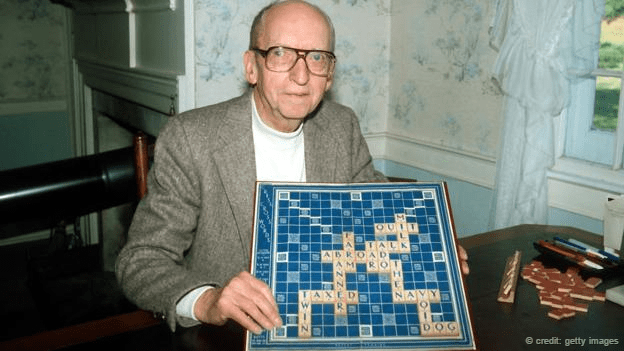
The game also formerly known as It and Criss-Cross Words acquired its lasting moniker in 1948, but its story begins 15 years earlier, when a 32-year-old architect named Alfred Mosher Butts joined the millions who’d already lost their jobs in the Great Depression. PHOTO: Getty

The game also formerly known as It and Criss-Cross Words acquired its lasting moniker in 1948, but its story begins 15 years earlier, when a 32-year-old architect named Alfred Mosher Butts joined the millions who’d already lost their jobs in the Great Depression. PHOTO: Getty

A game played avidly by amateurs and pros alike. In jails and by the British Royal Family, and has fans even at The White House. No other game brings wordsmiths together like Scrabble. And to think it may not have seen the light of living rooms:

Though words are its currency, it’s really a game about anything but. It’s a spatial game, a game of patterns and of memory. No wonder many top players have a mathematical rather than a linguistic background. You certainly don’t need to know what an obscure two-letter filler like ‘ee’ or ‘da’ means in order to play it, only that it appears on the endorsed word lists.

Continue reading

When Food Unites

Vigorón served at El Gordito in Granada, Nicaragua. The combination of soft, starchy yucca; salty, rough pork cracklings; and tangy, cool slaw made with cabbage, onions, tomato, mimbre fruit (also known as mimbro), chile and vinegar offers a distinct interplay of textures and flavors. PHOTO: Julie Schwietert Collazo for NPR

Vigorón served at El Gordito in Granada, Nicaragua. The combination of soft, starchy yucca; salty, rough pork cracklings; and tangy, cool slaw made with cabbage, onions, tomato, mimbre fruit, chile and vinegar. PHOTO: Julie Schwietert Collazo for NPR

No matter how different our ethnic backgrounds, beliefs, views and values are, we can all sit around a dinner table and unite in sharing a meal that includes different tastes and types of food from all over the globe – the palate knows no boundaries and no limitations. In a divided country like Nicaragua, all differences melt when it comes to vigoron. The national dish that cuts across political ideologies, economic status, and strong preferences.

Continue reading

The Food Museum Is Here

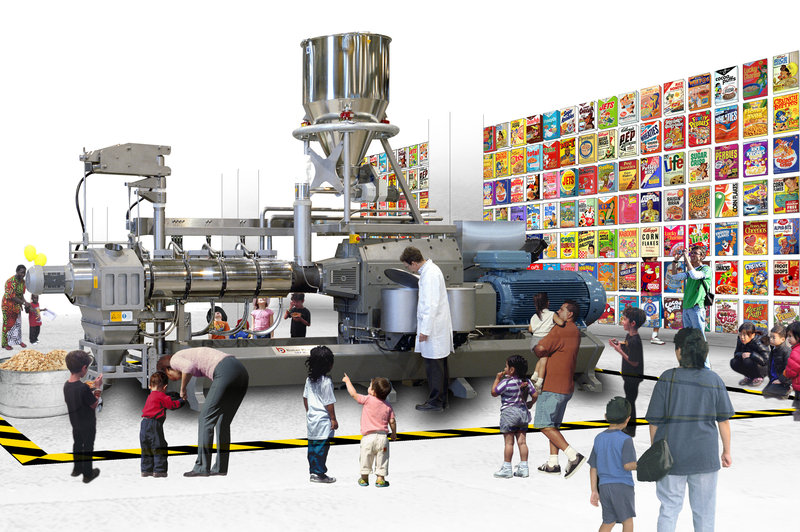
The Food and Drink Museum will open in its first permanent home – a mini-museum in Brooklyn — in October.  Above, an artist's rendering shows one potential exhibit – on ready-to-eat cereal — in MOFAD's final space. In the foreground is an extruder, a giant machine used to cook and shape cereal.

The Food and Drink Museum will open in its first permanent home – a mini-museum in Brooklyn — in October. Above, an artist’s rendering shows one potential exhibit – on ready-to-eat cereal — in MOFAD’s final space. In the foreground is an extruder, a giant machine used to cook and shape cereal. PHOTO: MOAFD

Everyone eats. People of all ages and backgrounds, from picky and apathetic eaters to gastronomes and food lovers, should care about food. Informed eaters are better eaters. They make better choices for their taste buds, health, community, and environment.Food is culture. It is more than simply what is on our plates: it is a common denominator of human relationships.Food is personal. People should be approached with a non-judgmental attitude about their diet.Food is participatory. To best learn about food, you must taste, smell, and think.Food is fun. A positive, non-fear-based outlook is the best way to approach food education.

The Museum of Food and Drink couldn’t have worded it more finely. And they are doing one better by working towards opening doors in Brooklyn come October. So hold on to all your questions about food (well the one about the chicken and the egg is still debatable), for answers may be at hand.

Continue reading

15,000 Seats and a Slice of History

At its height, the Brookdale could seat up to 15,000 people a day. No other restaurant on Earth could do that. PHOTO: Medium

At its height, the Brookdale could seat up to 15,000 people a day. No other restaurant on Earth could do that. PHOTO: Medium

It has the distinction of having been the world’s largest restaurant. A crown jewel in the cafeteria culture. A place at the centre of a community; a place where everybody could meet, a place that fueled artistic passions. Where everyone from Jack Kerouac to Ray Bradbury ate. A place steeped in revolution, built on the goodness of people. This is the story of Clifton’s Brookdale Cafeteria, Los Angeles.

Continue reading

Bringing Food Closer in South Africa

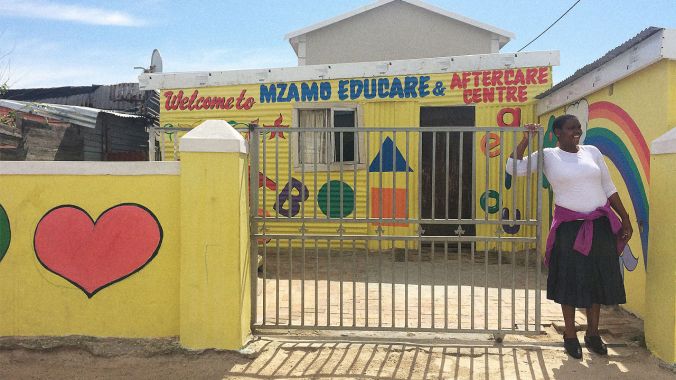
Lakheni is a social enterprise which harnesses the aggregated buying power of low-income communities to give them access to discounted staple food.

Lakheni is a social enterprise which harnesses the aggregated buying power of low-income communities to give them access to discounted staple food.

The Global Social Venture Competition (GSVC) provides aspiring entrepreneurs with mentoring, exposure, and $50,000 in prizes to transform their ideas into businesses that will have positive real world impact. And one of the winners this year is Lakheni, a service that could serve as a low-cost replacement for brick-and-mortar stores.

Continue reading

Sustainable Seafood, from Dock to Dish

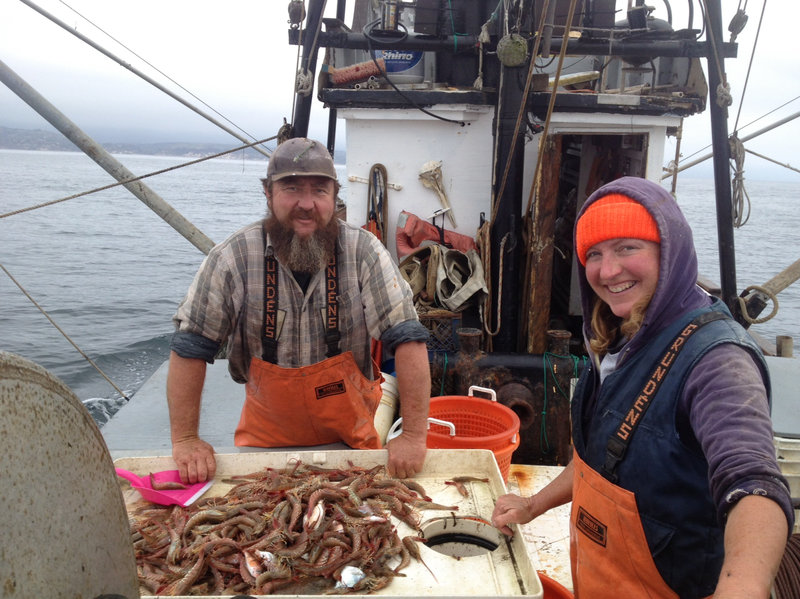
Sixteen Santa Barbara-based fishermen are participating in the Dock to Dish pilot program in California. Seen are Keith and Tiffani Andrews fishing for ridgeback shrimp on the fishing vessel Alamo. PHOTO:   Sarah Rathbone

Sixteen Santa Barbara-based fishermen are participating in the Dock to Dish pilot program in California. Seen are Keith and Tiffani Andrews fishing for ridgeback shrimp on the fishing vessel Alamo. PHOTO: Sarah Rathbone

You’ve heard of farm-to-table. At its heart, farm-to-table means that the food on the table came directly from a specific farm. Also emphasizes a direct relationship between a farm and a restaurant or store. The vocabulary of the movement is changing now to include produce from the seas, giving birth to the concept of dock to dish.

The pile of fish marks an important step toward a fundamentally different way that prominent chefs are beginning to source American seafood: the restaurant-supported fishery. Call it an evolutionary leap from community-supported-agriculture programs, which support local farmers, and community-supported fisheries, which support small-scale fishermen. Both models rely on members who share the risks of food production by pre-buying weekly subscriptions.

Continue reading

In the Foothills of Ethical Fashion

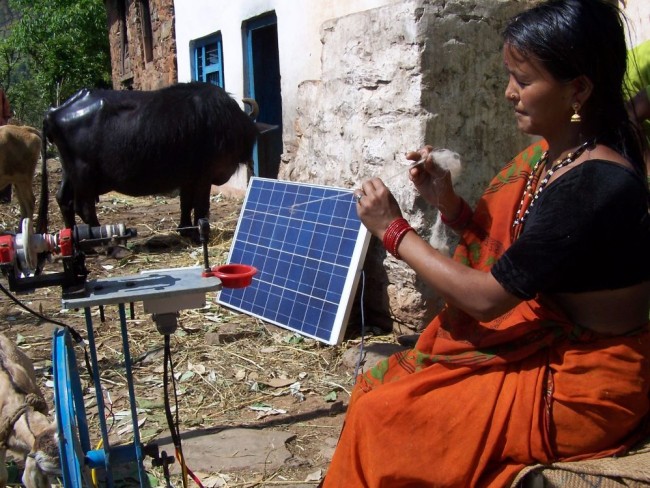
Avani uses green energy for all their production processes. Solar energy is used in the form of solar powered spinning wheels and calendering machines for all textile production. PHOTO: Avani

Avani uses green energy for all their production processes. Solar energy is used in the form of solar powered spinning wheels and calendering machines for all textile production. PHOTO: Avani

AVANI is a voluntary organization working in the Kumaon region of Uttarakhand, located in the middle ranges of the Central Himalayan region of India. The genesis of AVANI came about in the context of the isolation and consequent problems of the far-flung villages situated in one of the highest mountain ranges of the world. Its work focuses on developing and disseminating appropriate technologies for meeting the energy and water requirements of the local villages, promoting craft-based (development of handmade naturally dyed textiles) and farm-based livelihood opportunities. To date, AVANI projects include the dissemination of solar technology, water resource management, natural textiles and paints, and the social and economic development of rural communities with projects such as healthcare and micro-finance.

Continue reading

Where Eagles Fly

The Kazakhs of the Altai mountain range in western Mongolia are the only people that hunt with golden eagles, and today their number is on the decline. The eagles are not bred in captivity, but taken from nests at a young age. Female eaglets are chosen since they grow to a larger size – a large adult might be as heavy as seven kilos, with a wingspan of over 230cm. After years of service, on a spring morning, a hunter releases his mature eagle a final time, leaving a butchered sheep on the mountain as a farewell present.

“That’s how the Kazakh eagle hunters make sure that the eagles go back to nature and have their own strong newborns, for the sake of future generations”.

Continue reading

The Disappearing Cajun Culture

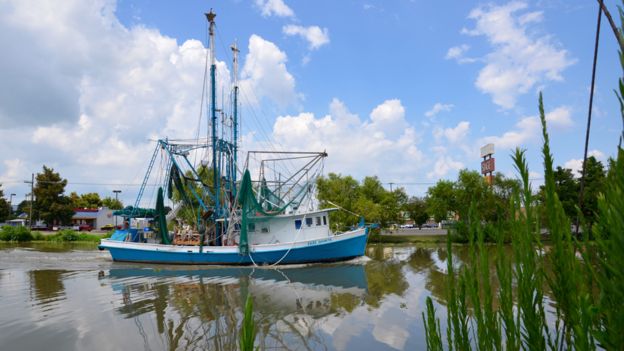
A shrimp boat heading out to fish on Bayou Lafourche. PHOTO: BBC

A shrimp boat heading out to fish on Bayou Lafourche. PHOTO: BBC

Cajuns are mostly descended from French immigrant ancestors. Their name comes from Acadia in Nova Scotia, Canada, where they originally settled – they were expelled by the British in the 18th Century, and many eventually ended up in southern Louisiana. What was once home to several hundred families now only counts a few permanent residents. Where there were cotton fields, there’s now open water. Where a cemetery once stood, a few last remaining tombstones are sliding into the bayou.The people here have survived hurricanes, including Katrina in 2005, and the BP oil spill in 2010. But their resilience is being tested again by a less dramatic, but no less dangerous threat – the long-term erosion of the marshes and wetlands that run all along Louisiana’s coast.

Continue reading

From the Soil to Homes and Hearts, this Onam

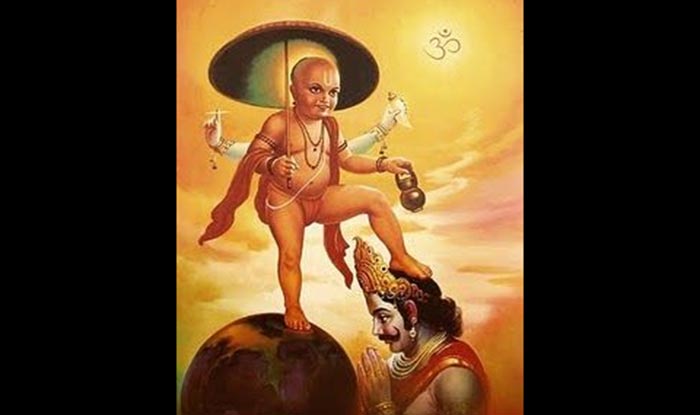
Vamana, an avatar of Lord Vishnu, places his feet on King Mahabali.

Vamana, an avatar of Lord Vishnu, places his feet on King Mahabali.

Kerala was once ruled by Mahabali, who was an asura (Demon). Now being a demon, evil and sinful practices were expected of him, but he was completely the opposite. Mahabali was a mighty king who worked for the prosperity of his people. During his reign, everybody was happy and prosperous. But the Devas (Gods) were jealous and felt that he may surpass them and so they urged Lord Vishnu to help them. Mahabali was about to perform a ritual and he had announced that he would fulfill everyone’s wishes. Vishnu decided to use this opportunity and disguised himself as a dwarf, poor Brahmin called Vamana and went to Mahabali. He asked Mahabali to give him a piece of land which he could measure with three footsteps. Generous Mahabali granted his wish. But everybody was in for a shock when the tiny Vamana grew into a giant. He then took his first step and covered all land, and in his second step he occupied the whole of the sky. He then asked Mahabali where should he keep the third step. Unable to find any more land, the noble king then asked Vamana to keep the third step on his head. Lord Vishnu was pleased with Mahabali’s dedication and so he granted him a wish. Mahabali, who unconditionally loved his people, asked for permission to visit his people once a year. And so Onam is celebrated in his honor and people believe their Mahabali visits them on the day.

Continue reading

Nature’s Wisdom The Only Teacher

The Marudam School in Thiruvannamalai in Tamil Nadu. For starters, it’s run by an NGO – The Forest Way – a registered charitable trust involved in education, afforestation, environmental education, organic farming and more. Also, it receives no funding from the government. The school, set in an organic farm and powered by renewable energy, teaches its students about conscious living that respects the environment.

Continue reading

Redefining Disabilities Through Organic Farming

39-year-old Mahadev Charokar is vision impaired but has got amazing hearing, olfactory and tactical senses. He can differentiate between various denominations of currency notes, can walk up to his farms 1.5 km away and even lead a bullock-driven plough on fields. PHOTO: The Alternative

39-year-old Mahadev Charokar is vision impaired but has got amazing hearing, olfactory and tactical senses. He can differentiate between various denominations of currency notes, can walk up to his farms 1.5 km away and even lead a bullock-driven plough on fields. PHOTO: The Alternative

The adoption of the World Programme for Action concerning Disabled Persons in 1982 laid the foundation for a new approach to disability, with the goals of full participation and equalization of opportunities for persons with disabilities. The World Programme of Action has time and again reinforced the role of persons with disabilities as both agents and beneficiaries of development. The onus is on taking action so that persons with disability do not end up being referred to as a “vulnerable group” but rather, that disability itself will be considered as a cross-cutting theme in any emerging goals on sustainable development. In Madhya Pradesh, India, a unique experiment with organic farming is mainstreaming people with disabilities.

Continue reading

Of Books and Travel

What might be the perfect holiday retreat has just been listed on AirBnB: the opportunity to become a bookseller for a week or two. PHOTO: Colin Tennant

What might be the perfect holiday retreat has just been listed on AirBnB: the opportunity to become a bookseller for a week or two. PHOTO: Colin Tennant

Quotes on travel abound. And chances are you’ve read this some time: The world is a book and those who do not travel read only page. St. Augustine immortalized those words and now, AirBnB has literally taken it to heart. Always believed in the many worlds that exist between two ends of a book? Then, imagine a library. One that you run for a week. Or maybe two, too.

Continue reading