Introducing Taxi Fabric

In Mumbai, India—a city of nearly 19 million people—over 50,000 taxis pick up at least 25 to 30 people every day. For the majority of Mumbaikars, the iconic black and yellow taxis are the most convenient form of transportation in the city. And now a new vehicle of design, dialogue, and a sense of belonging – thanks to the Taxi Fabric project.

Continue reading

First feelings in Kerala

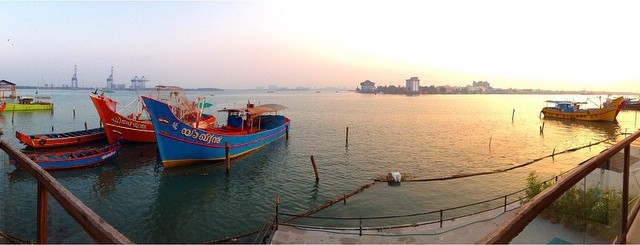
View from Xandari Harbour; Photo credit: Derek Spier

This weekend I arrived in India for the first time. My name is Lucie and I’m currently studying business at Audencia School of Management in Nantes, France. I’ll spend four months here in an internship with Raxa Collective.

My first “home” with Raxa Collective is Xandari Harbour, in Fort Kochi. When I arrived the first thing that astonished me was the warm welcome from the team of co-workers, also named the “Raxa Collective Family”. To be honest, as a French girl I am not used to this kind of welcome. Right away they gave me everything I would need to be comfortable with them and my new surroundings. They definitely know how to welcome a foreigner! ​From the moment I arrived the team helped me forget my 31 hours of travel, replacing it with the knowledge of how lucky I am to be here.

If you have already read some articles on this blog, you probably will agree with my assessment regarding the link between nature and the company. Now that I know a little more about Raxa Collective it’s clear to me that we can’t talk about it without talking about nature, too. So, as much as the warm welcome, I was also really impressed by the place and the amazing landscape.

The sunset was for me the best moment.  Continue reading

Pizza Done the Farm-to-Table Style

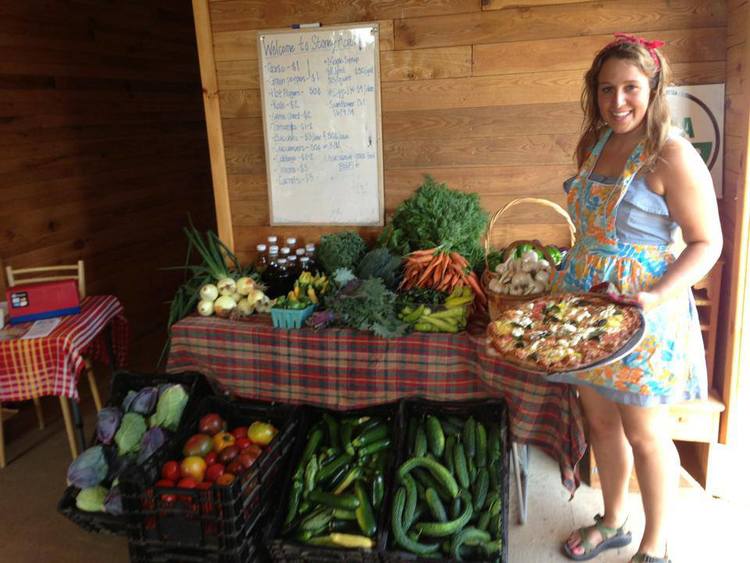
Pizza night on the Stoney Acres Farm in Athens, Wis. PHOTO: Stoney Acres

Pizza night on the Stoney Acres Farm in Athens, Wis. PHOTO: Stoney Acres

The farm-to-table concept is one that we keep revisiting often. And get a taste of almost everyday, be it in the hills of Thekkady, Kerala or in the Costa Rican valley. Farm-to-table can mean different things to different people. At its heart, it means that the food on the table came directly from a specific farm. Literally, the table could actually be at the farm and cooks or chefs prepare and serve the food at the farm (even in the field). Akin to what farmers in the Midwest are doing.

Continue reading

Costa Rica, Punching Above Its Weight, Competitively

“I’m very comfortable with the word ‘revolution,’ ” Figueres said.

“I’m very comfortable with the word ‘revolution,’ ” Figueres said.

Usually “punching above your weight” is a reference to a competition you are not prepared to win. But based on our experience in and observation of Costa Rica it means something entirely different to us. It means something more like: go for it! Give it your best even if the odds are not with you. If not you, then who?

We all have a debt, of one sort or another, to Costa Rica from my perspective if only for this reason. In so many ways it has been inspirational in an against-the-odds sort of way. And who can resist a bit of inspiration?

I shared this article with the La Paz Group teams in India and Costa Rica yesterday, with a note about how it helps understand the challenges related to climate change and what can be done about those challenges—all relevant to the 3 C’s of La Paz Group. Complicated stuff, but clearly important.

I also shared the article for another reason. The woman who features in this article is from Costa Rica, and reading it you can understand a bit better why Costa Rica is so frequently mentioned as an environmentally responsible country. This is important for all of us in La Paz Group because our journey began in Costa Rica, which started our path to Kerala, India and many other places beyond.

To give one small but important example of the long range impact of Costa Rica on La Paz Group, consider the Certification for Sustainable Tourism program developed two decades ago under the visionary leadership of the president of Costa Rica (brother of the subject of the linked article here). Jocelyn is at Xandari Costa Rica specifically to work on getting Xandari to rise up to the highest level from its current status at the second highest level of CST ranking. She has made this the foundation of her career development just after graduating from one of the world’s most prestigious academic institutions. It is impressive that she chose to do so, but equally telling about the lasting impact of Costa Rica’s commitment to sustainable development. Continue reading

Cleaning Kenya’s Slums Through a Toilet Franchise

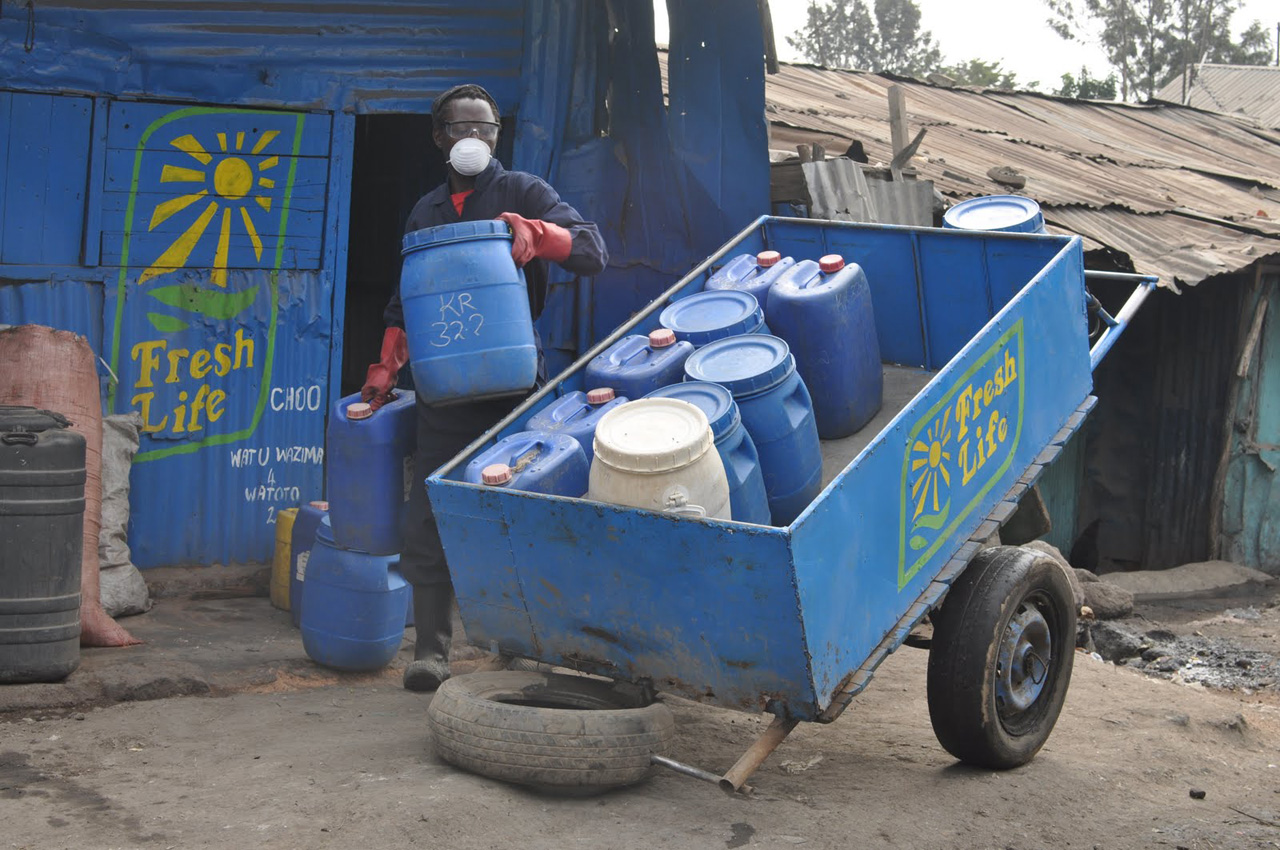
Sanergy builds healthy, prosperous communities by making hygienic sanitation affordable and accessible throughout Africa's informal settlements.

Sanergy builds healthy, prosperous communities by making hygienic sanitation affordable and accessible throughout Africa’s informal settlements.

Innovations are intriguing, ones with the power to change lives more so. Add development of communities, better health and dignity of life to the equation and you can’t say no to knowing more. We are talking toilets. Do you know Caltech engineers and Kohler designers are testing a self-cleaning, solar-powered toilet that turns human waste into hydrogen and fertilizer? Then there’s Peepoople making ‘toilet bags’. Inside are chemicals that break down human waste into fertilizer, offering alternative sanitation in slums and refugee camps. Then there’s what Sanergy is doing in Kenya.

Continue reading

The Man Who Moved a Mountain

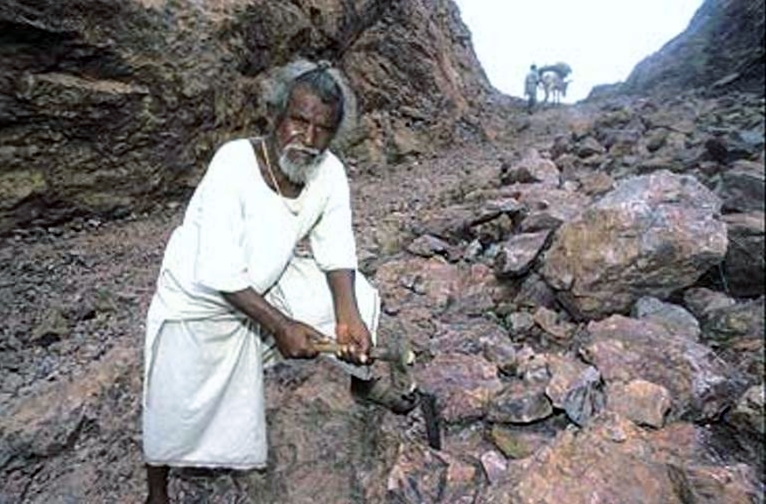
Dashrath Manjhi chipped away at a mountain for 22 years to let his village have access to civilization (and medicine)

Dashrath Manjhi chipped away at a mountain for 22 years to let his village have access to civilization (and medicine)

Forget reality shows about the subject; the ultimate tale of man vs. nature may be the story of Dashrath Manjhi, who single-handedly carved a road through an entire mountain that had been isolating his village from essential services. Using only a hammer and chisel, Manjhi, a landless farmer, carved a path through a mountain in the Gehlour Hills, Bihar, India, just so that his village could have easier access to medical facilities.

Continue reading

The Japanese Women Who Married the ‘Enemy’

Atsuko, Emiko and Hiroko were among tens of thousands of Japanese women who married their former enemies after World War II. They landed in 1950s America knowing no one, speaking little English and often moving in with stunned in-laws.  PHOTO: BBC

Atsuko, Emiko and Hiroko were among tens of thousands of Japanese women who married their former enemies after World War II. They landed in 1950s America knowing no one, speaking little English and often moving in with stunned in-laws. PHOTO: BBC

What does it mean to leave your country, where you were somebody, and move miles to a continent you’d only heard of? A country where you’d be a ‘nobody’. Not knowing whether the decision to say ‘yes’ to a former enemy was right. Struggling for words that help start a conversation. Being told not to wear the one piece of cloth your identity hinges upon? And years of trying to fit in, juggling two distinct identities? Listen to the Japanese War brides as they tell their story on BBC this week. 

For 21-year-old Hiroko Tolbert, meeting her husband’s parents for the first time after she had travelled to America in 1951 was a chance to make a good impression. She picked her favourite kimono for the train journey to upstate New York, where she had heard everyone had beautiful clothes and beautiful homes.

But rather than being impressed, the family was horrified. “My in-laws wanted me to change. They wanted me in Western clothes. So did my husband. So I went upstairs and put on something else, and the kimono was put away for many years,” she says.

Continue reading

The Haircut Story

Courtney Holmes, right, listens to Jeremiah Reddick, 9, of Dubuque, as he reads while receiving a free haircut during the Back to School Bash in Comiskey Park, in Dubuque, Iowa. (Mike Burley/Telegraph Herald via AP)

Courtney Holmes, right, listens to Jeremiah Reddick, 9, of Dubuque, as he reads while receiving a free haircut during the Back to School Bash in Comiskey Park, in Dubuque, Iowa. (Mike Burley/Telegraph Herald via AP)

First day of school is round the corner and now is a time of frenzied preparation for the big day. And haircuts figure in the list of things-to-do. Precisely what Dubuque barber Courtney Holmes figured, too, as he headed to the neighborhood Back to School bash. Just that he thought he’d go beyond the hair and pack in some story time. No, he didn’t tell stories off the back of his head, but he let his little customers read to him. Talk about taking matters of literacy into your own hands and being there for your community right where they need you.

Continue reading

Conservation, Scotland Style

Monitors and a fisherman check lobster traps. Credit Andrew Testa for The New York Times

Monitors and a fisherman check lobster traps. Credit Andrew Testa for The New York Times

We like his simplicity, his tenacity, his practicality; most of all we appreciate the outcome:

Scotsman’s Mission Ends in a Fishing Bay Restored

HOWARD WOOD, round-faced and jolly, was happily counting the lobsters being pulled, measured and tagged out of the coastal waters he has worked for years to protect. One weighed close to four pounds, its huge right claw dwarfing its left, which was growing back after what must have been quite a battle. Continue reading

People First at This Public Regrigerator

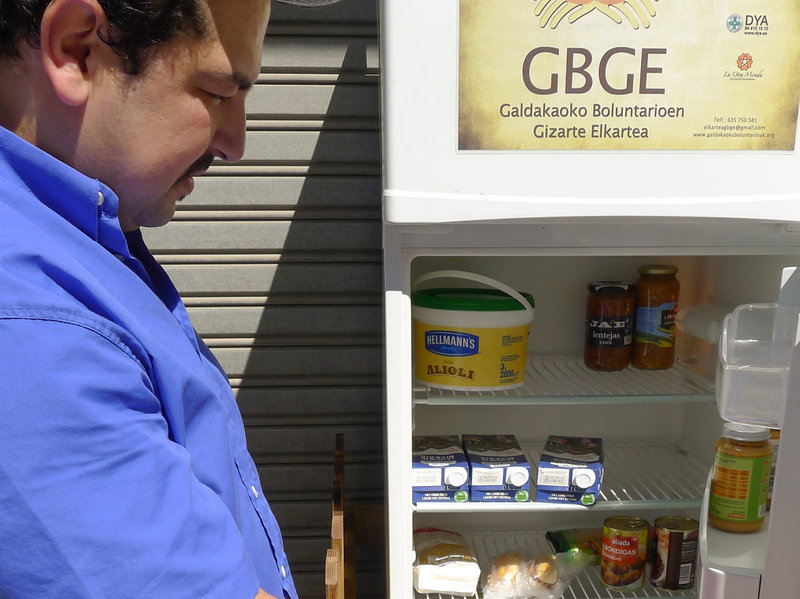
Issam Massaoudi, an unemployed Moroccan immigrant, checks out what's inside the Solidarity Fridge. Massaoudi says money is tight for him, and it's

Issam Massaoudi, an unemployed Moroccan immigrant, checks out what’s inside the Solidarity Fridge. Massaoudi says it’s “amazing” to be able to help himself to healthy food from Galdakao’s communal refrigerator. PHOTO: NPR

Last year, a small act of kindness in the desert country of Saudi Arabia warmed the hearts of many across the globe. An anonymous individual put a fridge outside his house and called on neighbors to fill it with food for the needy. And now a pioneering project in the Basque town of Galdakao, population about 30,000, aims to eliminate wastage of perfectly good groceries and food. Solidarity refrigerator is showing the world how a little generosity can go a long way.

Continue reading

Help in the Time of Crisis

Migrants from Iraq, Syria and other Middle Eastern nations are fleeing to Europe, a continent whose migrant camps are struggling to keep up with the growing numbers. PHOTO: SBS

Migrants from Iraq, Syria and other Middle Eastern nations are fleeing to Europe, a continent whose migrant camps are struggling to keep up with the growing numbers. PHOTO: SBS

Greece has agreed a deal in principle with its lenders about a third bailout, worth around €85bn and allowing some €10bn to be disbursed to the country’s struggling banks almost immediately. There is a long list of reforms the country has to carry out in return for the cash. While governments do the talking in terms of numbers, there is a group of people doing the talking – in deeds of compassion and kindness towards multitudes of refugees who wash up on the country’s already struggling shores. They come for travel, they stay back for humanity.

Continue reading

Goodwill on Two Wheels

The Bike Project is run by former refugees and mechanics, who work with new refugees to fix up donated bikes. PHOTO: The Bike Project

The Bike Project is run by former refugees and mechanics, who work with new refugees to fix up donated bikes. PHOTO: The Bike Project

13,500 refugees flee to London each year. In that same period, around 27,500 bikes are abandoned. Just one of these abandoned bikes can help a refugee save 20 pounds a week on bus fare. That’s 1,040 pounds a year. Having fixed, donated, and helped refugees maintain over 300 bikes, The Bike Project is turning the wheels of goodwill and community development.

Continue reading

Talking the Lion’s Share of Conservation

An image of a lion projected on to New York's Empire State Building in memory of Cecil, the lion hunted down in Zimbabwe recently. PHOTO: BBC

An image of a lion projected on to New York’s Empire State Building in memory of Cecil, the lion hunted down in Zimbabwe recently. PHOTO: BBC

The hue and cry over Cecil the lion’s killing is yet to die down. Zimbabwe’s most popular lion’s death did stir up outrage in the quarters of animals rights crusaders and much indignation at how a ‘man who restores lives’ could take the life of another. While the need for a better conservation-hunting model has risen yet again and efforts are on to chalk out more effective regulation on hunting, the focus returns to how man-habitat-animal conflicts abet loss of lives. More interesting are the isolated voices that call animals in the wild just what they are – “killers”.

Continue reading

A House For and By the People

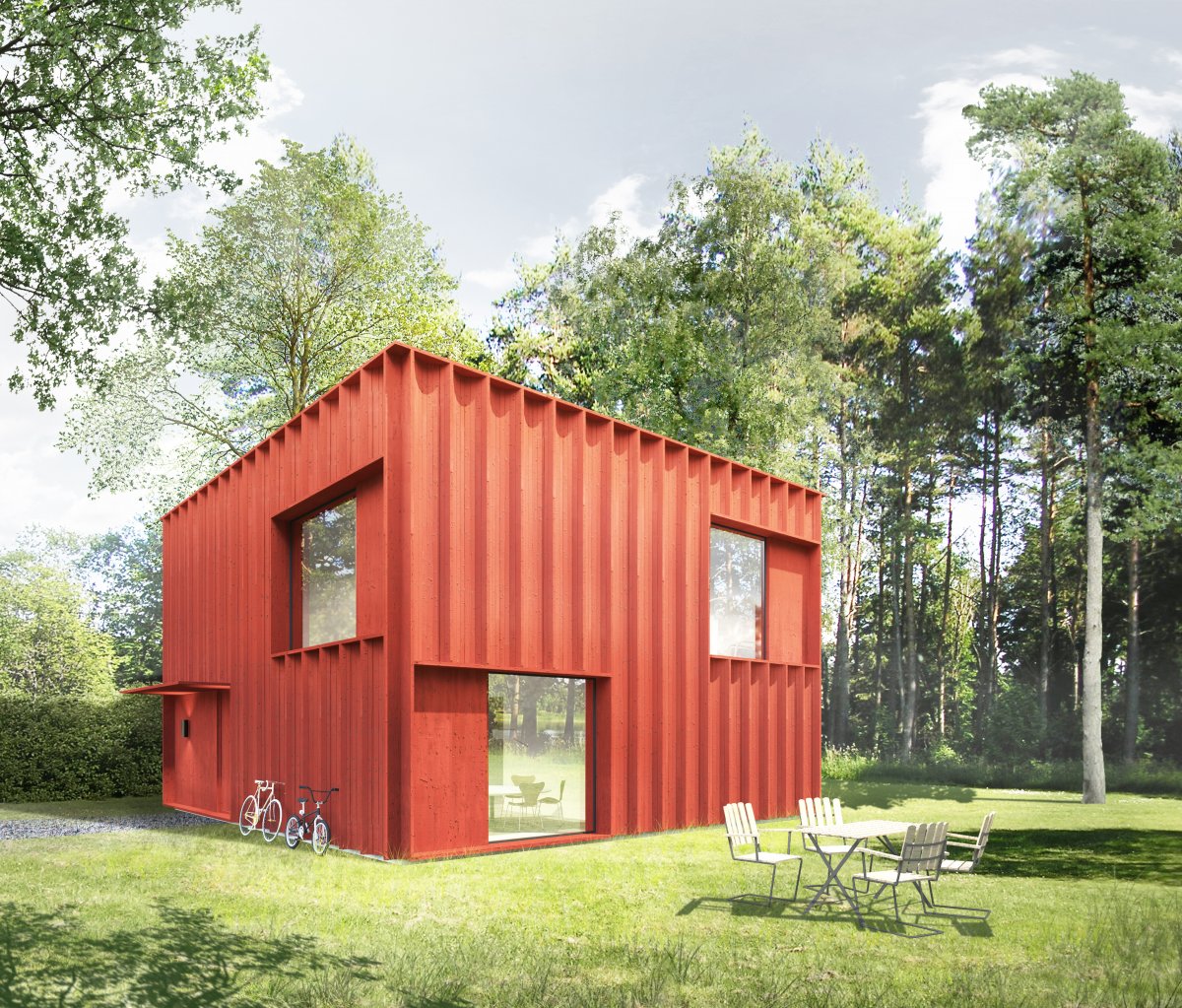
This Swedish house was designed by two million people. PHOTO: Tech Insider

This Swedish house was designed by two million people. PHOTO: Hemnet

Technology and democracy – two great forces to reckon with in today’s world. And when these two come together, it exemplifies what community of thought and the powers and possibilities of science can do. Take the Hemnet House. Designed collaboratively by 2 million people (the population size of Jamaica, Latvia, Slovenia and more), the house stands for the greatest tenet of democracy – for the people, by the people.

Continue reading

Here’s to the Orchid Observers

Orchid Observers is a collaboration between the museum and Zooniverse, the citizen science platform established at the University of Oxford. PHOTO: Wikimedia Commons

Orchid Observers is a collaboration between the museum and Zooniverse, the citizen science platform established at the University of Oxford. PHOTO: Wikimedia Commons

A citizen science project to study when and where orchids bloom around the UK has already revealed 200 new flowering locations for particular species. Members of the public are submitting and identifying orchid photos, and also annotating historical specimens. Called Orchid Observers, the initiative aims to measure the effect of warming, and other environmental changes, on the distribution of 29 different orchids. Orchid Observers is a collaboration between the museum and Zooniverse, the citizen science platform established at the University of Oxford. The data it yields will not only be used by researchers at the museum, but will feed into the biological records data held by the BSBI.

Continue reading

A ‘Ketchup’ Sachet and its Power to Heal

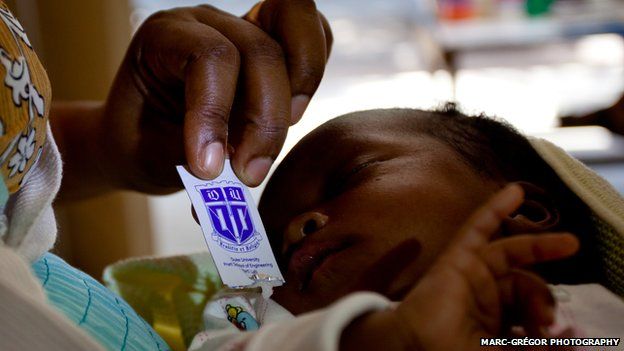
An HIV positive mother in Moshi, Tanzania, giving her baby antiretroviral medicine from the sachet

An HIV positive mother in Moshi, Tanzania, giving her baby antiretroviral medicine from the sachet

Inside a foil sachet, which looks more at home in a fast-food restaurant, an exact dose of antiretroviral medicine is helping to protect newborn babies against the threat of infection from their HIV-positive mothers. According to the UN, mother-to-child transmission in the developing world creates 260,000 new infections in children every year. Thanks to a program involving the Ecuadorian government, the VIHDA foundation in Guayaquil and Duke University in North Carolina, at least 1,000 babies have been born without the infection from HIV-positive mothers.The program is enabling newborn babies to take their medicines efficiently – via a pouch that looks just like the small ketchup sachets you get at fast food restaurants. Only in this case, they are filled with antiretroviral drugs, which protect against HIV.

Continue reading

Join the Big Butterfly Count

By spending just 15 minutes counting butterflies, you’ll be taking part in the world’s biggest butterfly survey and helping protect these precious insects. PHOTO: Wikimedia Commons

By spending just 15 minutes counting butterflies, you’ll be taking part in the world’s biggest butterfly survey and helping protect these precious insects. PHOTO: Wikimedia Commons

Butterflies aren’t just a beautiful sight, fluttering between flower heads on a sunny summer’s day, they are crucial indicators of the health of our environment. Alas the majority of UK butterflies and moths are still in major decline, they need constant monitoring and protecting. You can help do just that by taking part in Butterfly Conservation’s annual Big Butterfly Count.

Continue reading

The Most Continuously Staged Performance in the World

In Indonesia, the country with the world’s largest Muslim population, this Ramayana ballet, performed in the Javanese style—a finessed form, associated with slow and deliberate movements—has been running continuously since 1961. PHOTO: Griyayunika

In Indonesia, the country with the world’s largest Muslim population, this Ramayana ballet, performed in the Javanese style—a finessed form, associated with slow and deliberate movements—has been running continuously since 1961. PHOTO: Griyayunika

Java is one of the main islands in the archipelago nation of Indonesia, home to the country’s capital, Jakarta, and almost 60% of its population. The powerful Hindu kingdom of Majapahit flourished here from about the 13th to the 15th centuries, leaving its impact on culture, language and landscape. Temples in honour of Vishnu and Shiva are scattered through the islands, words from Sanskrit make appearances in the language, and names from the Mahabharata and Ramayana dot establishments and shops across cities. Still, in modern-day Indonesia, Hindus account for less than 2% of the population.

Continue reading

The Village Capital of Light

Scorrano, a little village turns into the Capital of the Luminarie for a few days a year. PHOTO: Gorgonia.it

Scorrano, a little village turns into the Capital of the Luminarie for a few days a year. PHOTO: Gorgonia.it

Tradition, religion, heritage, and passion: from one generation to the other, a small town in the Apulia region, Scorrano, has been able to keep all these things untouchable and unique and give them expression during a festival called “Festa delle Luminarie”. The history of this festival goes back to the 20th century and it is related to the existence of small family-run businesses that have been developing and installing the so-called “luminarie” to celebrate local patrons and religious feasts. This was especially true for this small town where only 7,000 people live: there, a few local firms used to wait for the village’s feast in order to install the most beautiful and spectacular illuminations they had been working on in the months before.
Continue reading

Hunger Games and Peru’s Wachiperi

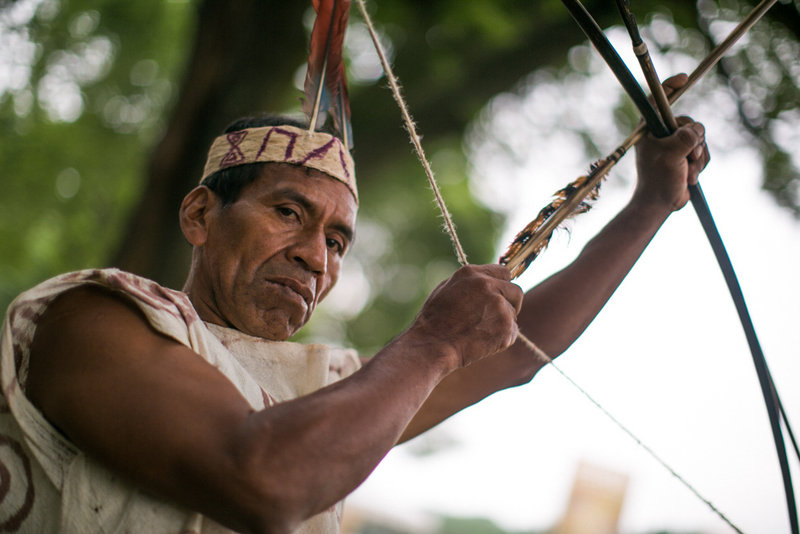
Victorio Dariquebe Gerewa displays his bow and arrow at the Smithsonian Folklife Festival in Washington, D.C. PHOTO:  Ben de la Cruz/NPR

Victorio Dariquebe Gerewa displays his bow and arrow at the Smithsonian Folklife Festival in Washington, D.C. PHOTO:
Ben de la Cruz/NPR

Girls and women in the Peruvian Andes are also asking to learn — but for a different reason. They want to be able to hunt for meat and fish so they don’t have to rely on the men to bring home food.

“The world is modernizing, and women are starting to want to use the bow,” says Sergio Pacheco, a skilled archer who’s part of the tiny Wachiperi community — population estimates range from 90 to 140 — in a remote region of Southeast Peru. “They say, ‘We are just women in the family, so what happens when our father dies? We need to learn this to be able to take care of our families.'”

Continue reading