Fancy Some Meat Done Inca-style?

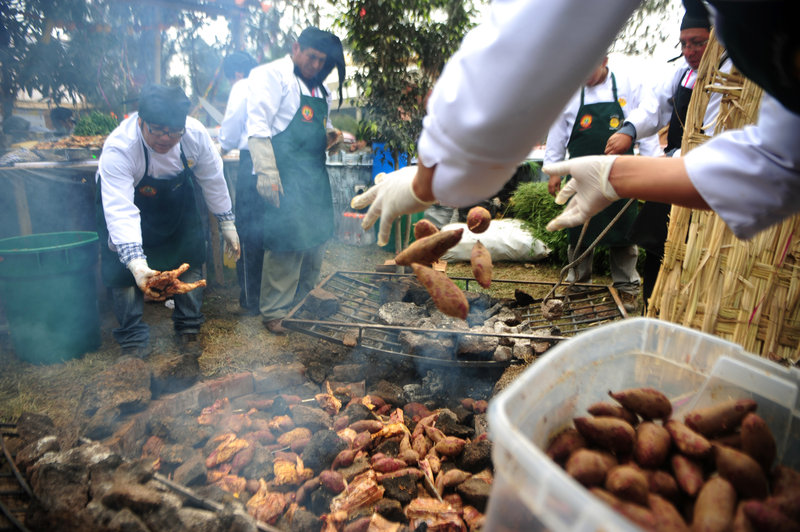
People throw potatoes into a pachamanca during a gastronomic fair Mistura in Lima. PHOTO: Ernesto Benavide

People throw potatoes into a pachamanca during a gastronomic fair Mistura in Lima. PHOTO: Ernesto Benavide

What’s the epitome of summer for a lot of Americans? It’s communing around a grill, with friends and family, waiting for a slab of meat to cook to juicy perfection. In Peru, people like to gather around heat and meat, too. Except the heat — and the meat — are buried in the ground. It’s called pachamanca, a traditional way of cooking that dates back to the Inca Empire. The pit cooking technique has evolved over time but remains an important part of the Peruvian cuisine and culture, especially in the central Peruvian Andes all year-round for family get-togethers and celebrations. Imagine a cornucopia of dozens of potatoes and corn ears and giant slabs of well-marinated meat, stacked carefully in layers. Pachamanca is that cornucopia turned upside-down and sealed for hours.

Continue reading

The Tradition of a Most Dangerous Game

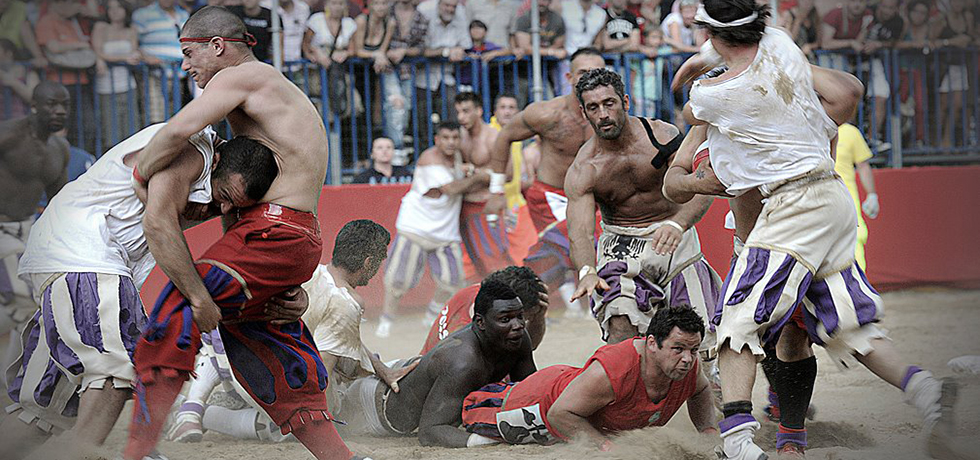
The Calcio Storico is an ancient form of football from 16th century Italy, which originated from the ancient Roman ‘harpastum’, and is played in teams of 27, using both feet and hands. Sucker-punches and kicks to the head are prohibited but headbutting, punching, elbowing, and choking are all allowed

Welcome to Calcio Storico, a centuries-old competition in Florence with very few rules and the sort of human wreckage generally associated with the gladiators. Dating back to 16th century Italy, today’s calcio storico (see photos from The Guardian here), or historic soccer, may be both the most violent form of soccer in the world. It is played only in Florence, Italy, where four 27-man teams representing four historic Florentine neighborhoods—Santa Croce, Santa Maria Novella, Santo Spirito, and San Giovanni—face off to beat each other to a pulp, every June. Kicks to the head are forbidden. So are fights of two or more against one. Everything else goes, making the goal of moving a leather ball from one end of the field to another seem like a side note to the bloody proceedings.

Continue reading

What’s the Real Price of Fish?

In 2010, environmental NGO Oceana ordered studies of fish in 14 major metropolitan areas and found that roughly one third of the fish found in restaurants and markets was mislabeled . PHOTO: Wikimedia Commons

In 2010, environmental NGO Oceana ordered studies of fish in 14 major metropolitan areas and found that roughly one third of the fish found in restaurants and markets was mislabeled . PHOTO: Wikimedia Commons

The efforts of the government to regulate Big Fishing and all its known and unknown evils often have the adverse effect of undercutting people for whom the ocean is something more than mere industry. The realities on the docks aren’t always as legislators understand them, says this first installment of the Medium‘s  inaugural episode of Food Crimes: The Hunt For Illegal Seafood.

The United States imported as much as 90 percent of its fish in 2013, up from 54 percent in 1995, according to the National Oceanic and Atmospheric Administration (NOAA). In fact, the United States has tripled the dollar amount of fish it imports, to more than 5 billion pounds of fish worth $18 billion. Couple these figures with the staggering estimate that between one quarter and one third of all fish sold in the United States is illegal, and you’re an equation or so away from going vegan.

Continue reading

Dear Cocoa

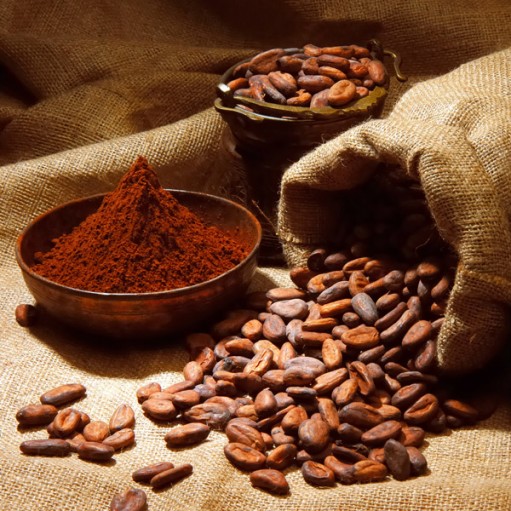
The world is running out of cocoa farmers. Younger generations no longer want to be in cocoa. Older generations are reaching their life expectancy. PHOTO: Herbcraft

The world is running out of cocoa farmers. Younger generations no longer want to be in cocoa. Older generations are reaching their life expectancy. PHOTO: Herbcraft

Think comfort food, think chocolate. Much has been written and debated about cocoa’s health properties. Many are the ones who swear by the uplifting power of cocoa at the end of forgettable days. But the ones who grow the beans hardly find any comfort in them, says the Cocoa Barometer. Some of them haven’t even tasted chocolate. Cocoa continues to be among the few crops that are hand-harvested but it doesn’t hand its cultivators a fair deal, says research.

Continue reading

For the Love of the Beautiful Game

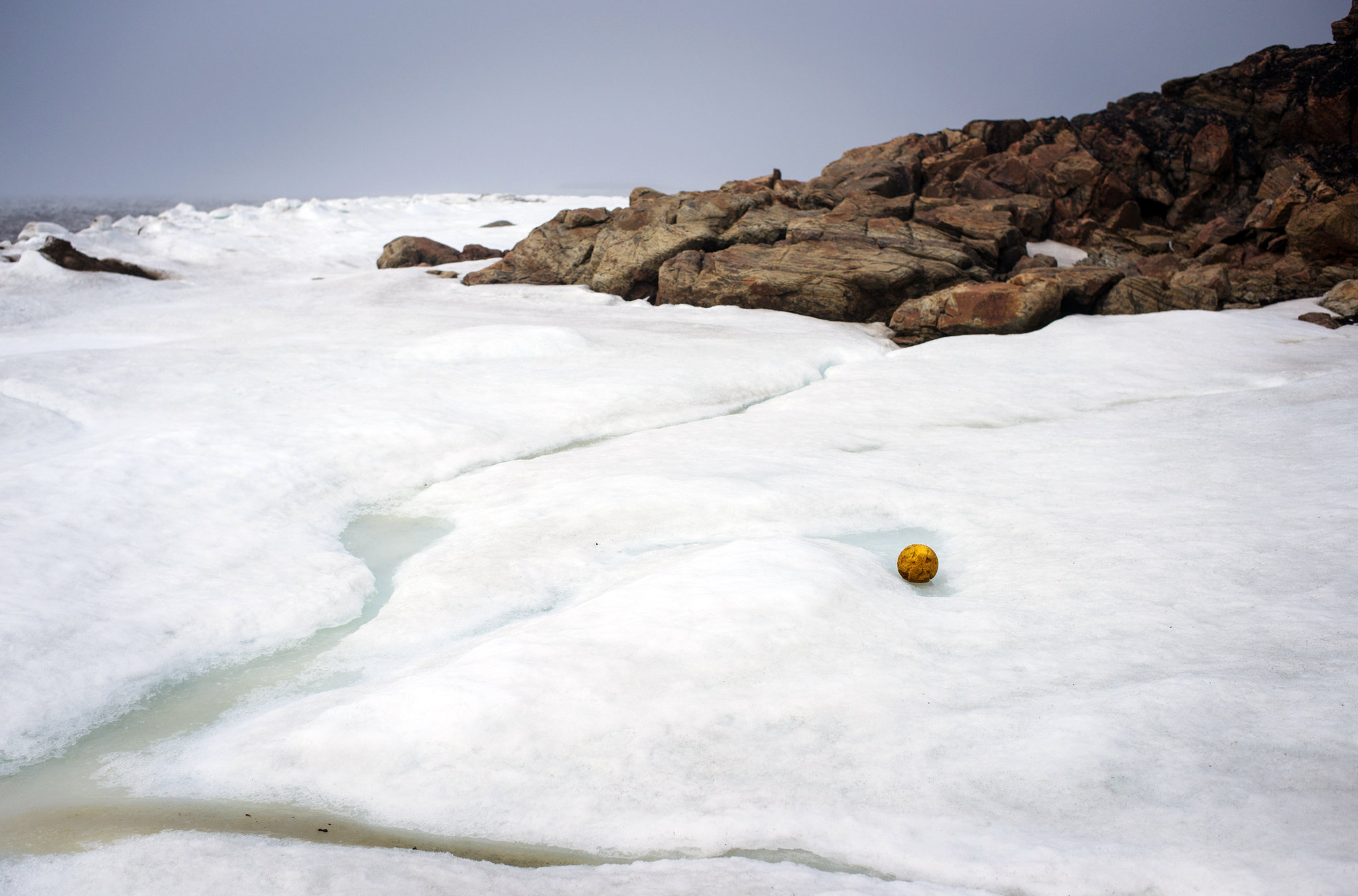
Even in late June, ice clotted Frobisher Bay in Iqaluit, where teams from across Nunavut met to compete in a soccer tournament.PHOTO: Ian Willms for The New York Times

Even in late June, ice clotted Frobisher Bay in Iqaluit, where teams from across Nunavut met to compete in a soccer tournament.PHOTO: Ian Willms for The New York Times

Sports, like most aspects of life, are not easy in the Canadian Arctic. But a major youth tournament recently revealed soccer’s importance to the area. Sports, like everything in the Arctic, demand constant, patient improvisation. Nunavut makes up about 20 percent of Canada’s land mass and is more than twice the size of Texas, but it has only an estimated 36,000 inhabitants, predominantly Inuit. There are no roads connecting the 25 communities in this vast territory. Every trip requires a snowmobile, a dogsled, an all-terrain vehicle, a boat or an airplane. Contingencies must be made for immense distance, mercurial weather, extravagant costs and geographic paradox. Soccer is best played on plush grass, but nearly all of Nunavut is tundra. So the sport has adapted.

Continue reading

Cycling’s Best Week Is Here

Associated Press' photographer, Laurent Cipriani, shifts the focus from cyclists of Tour de France to bystanders in his series titled 'Along the Road'

Associated Press’ photographer, Laurent Cipriani, shifts the focus from cyclists of Tour de France to bystanders in his series titled ‘Along the Road’

Welcome to the best three weeks in professional cycling. The Tour de France is the world’s most popular and grueling cycling race. It is a 23-day journey throughout France — and occasionally other European countries — comprising 21 stages, and the route is different every year. The first edition of the Tour was in 1903. The 2015 edition of the Tour will run July 4-26, beginning in Utrecht, Netherlands and ending on the Champs-Élysées in Paris.

If photographing the Tour de France doesn’t sound difficult enough, imagine doing it while riding on the back of a motorbike travelling up to 60 miles per hour. Laurent Cipriani has been doing that for the Associated Press since 2011, part of a team of photographers, editors, and drivers—what he refers to as “a travelling theater.” While Cipriani’s focus is on the cyclists, what initially made an impression on him was the amount of people lined up along the streets watching the race.

Continue reading

The Ultimate Architect of Cardboard Buildings

“What is the difference between temporary architecture and permanent architecture?” No architect is more qualified to explore that question than Japanese architect Shigeru Ban. “Temporary” architecture, in disaster zones, is Ban’s calling card. For over 20 years, the 2014 winner of the Pritzker Prize, architecture’s Nobel, has best been known for his well-publicized humanitarian work. From Rwanda to Japan to Nepal, he has turned cheap, locally-sourced objects—sometimes even debris—into disaster-relief housing that “house both the body and spirit,” as Architectural League president Billie Tsien puts it.

Continue reading

The Indians Who Move Italy’s Cheese

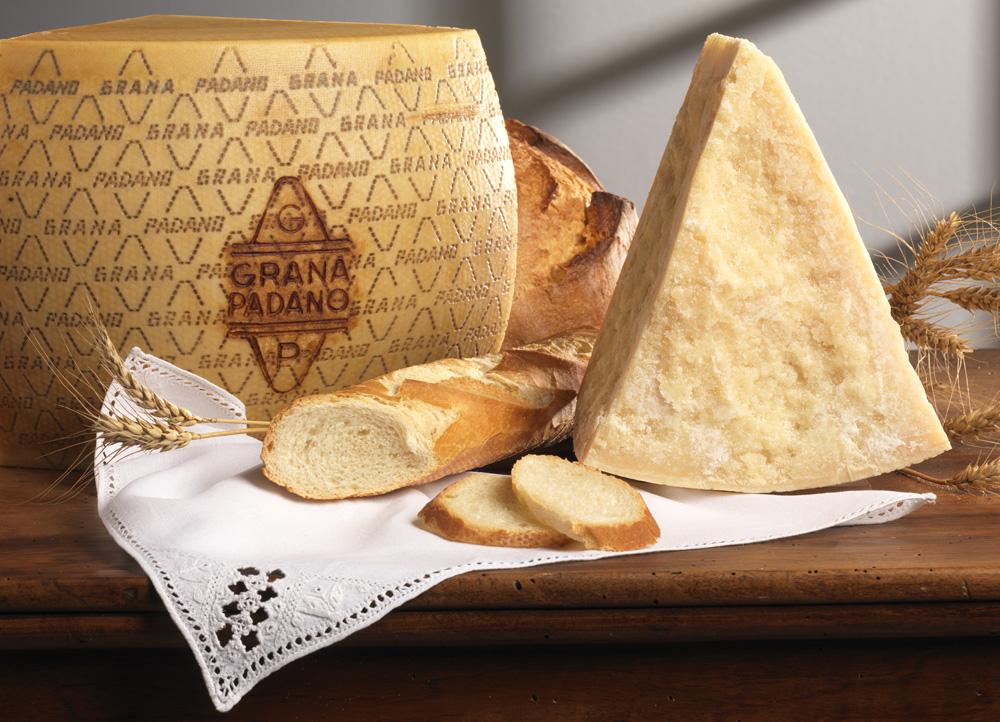
The Grana Padano cheese industry in Pessina Cremonese of Italy is powered not by locals but by Indian immigrants.

If French cheeses are best served preceding or culminating a meal, Italian cheeses are often woven into the fabric of dinner (or breakfast, or lunch). And when you look to Italy, look beyond the likes of Parmigiano-ReggianoMozarella di Bufala and Gorgonzola.Then you are bound to hear of Grana Padano. Pessina Cremonese in northern Italy is known for its hard Grana Padano cheese. But unlike other cheeses that might be made by the locals of the area, this cheese at least depends on an unusual community of immigrants: Sikhs. Nothing like food to bring communities together.

Continue reading

Of Magical Tattoos and Civil Wars

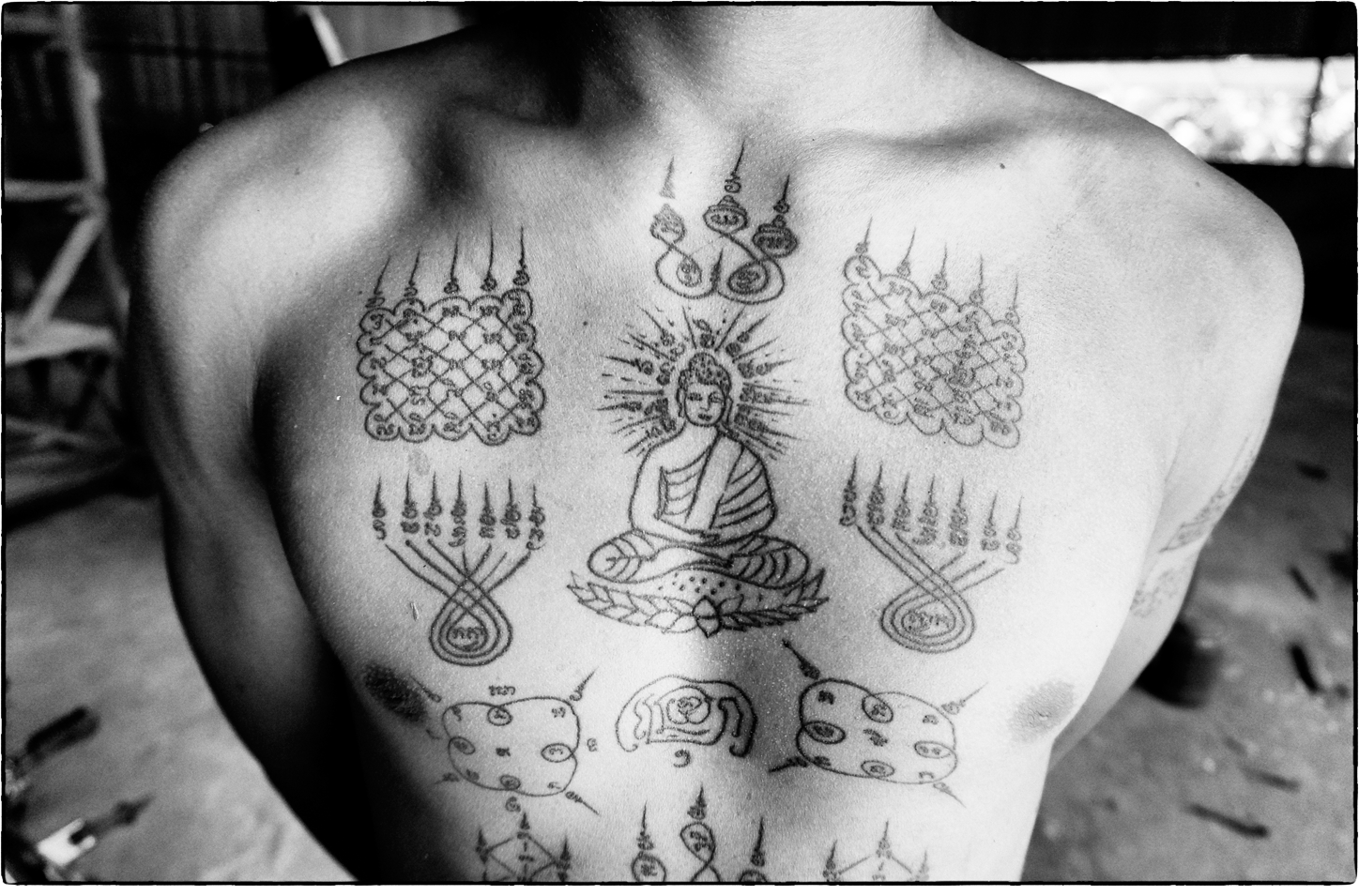
Believed to ward off bad luck, sacred tattoos or sak yant have centuries of history in Southeast Asia. PHOTO: Nathan Thompson

Believed to ward off bad luck, sacred tattoos or sak yant have centuries of history in Southeast Asia. PHOTO: Nathan Thompson

Magical tattoos, known as sak yant in Khmer – the language of Cambodia – are believed to render their wearers impervious to bullets, protect them from misfortune and endow them with sexual magnetism. While the tradition prevails throughout Southeast Asia, little is known about the art in Cambodia, partly because of a 1920 royal ordinance that forbade monks from tattooing and partly because the remaining practitioners were killed during the Khmer Rouge genocide and civil war. Today, traditional Cambodian sak yant is especially difficult to find because those who are still practicing the art form are reluctant to publicize their activities.

Continue reading

For the Love of Rains and Traditions

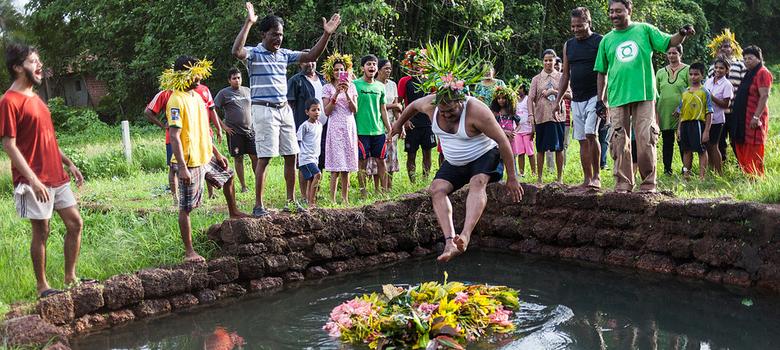
Celebrated in June every year, San Joao is one of Goa's cultural festivals. Tradition has it that it was on this day that unborn St. John the Baptist 'leapt with joy' in his mother Elizabeth's womb, as Mary, the mother of Jesus visited her.

Celebrated in June every year, San Joao is one of Goa’s cultural festivals. Tradition has it that it was on this day that unborn St. John the Baptist ‘leapt with joy’ in his mother Elizabeth’s womb, as Mary, the mother of Jesus visited her. PHOTO: Harsha Vadlamani

Yes, this is yet another rain-inspired story, after the one on Communist reading rooms. But such is the power of the Indian monsoon, that it can sway even the most stoic of minds. For comparison, the feelings and emotions associated with the deluge mirror those of when sighting the first of the cherry blossoms or even the Northern Lights. May be less, may be more. Any how, this post is about a fun tradition that has its roots in the picturesque villages of Goa, a popular tourist destination. And the feast of Sao Joao is a playful mix of religion, tradition, lots of merrymaking, and jumping into wells. Yes, wells. And oh, the event marks the six-month countdown to Christmas!

Continue reading

A Picture Perfect World

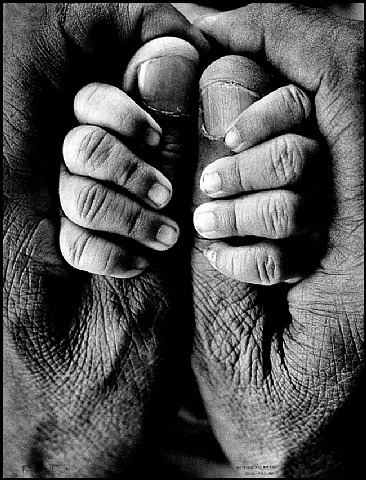
PHOTO: Raghu Rai

PHOTO: Raghu Rai

When is the last time you saw someone sans a camera? No device in their hands and none dangling around their necks? Well, “we can’t seem to recollect” is our answer, too. And, may be there are reasons for it. More than the power to immortalize fragments of time, a photograph brings together all the pictures you’ve seen, the books you’ve read, the music you’e heard, the people you’ve loved. To take a photograph is to participate in another person’s (or thing’s) mortality, vulnerability, mutability. Precisely by slicing out this moment and freezing it, all photographs testify to time’s relentless melt, say others. And ace Indian photographer, Raghu Rai, protégé of Henri Cartier-Bresson, pens his own take in Nat Geo Traveler.

I am called a photographer, and my dharma is photography but I think of myself as an explorer. To me, the best way to explore life is through photography. Life changes constantly, so the more you explore the more you are enriched.

Continue reading

Speaking from the Roof of the World

New research challenges stereotypical views of Tibet as an isolated and inward-looking society before the British and Chinese arrived. PHOTO: Maxi Science

New research challenges stereotypical views of Tibet as an isolated and inward-looking society before the British and Chinese arrived. PHOTO: Maxi Science

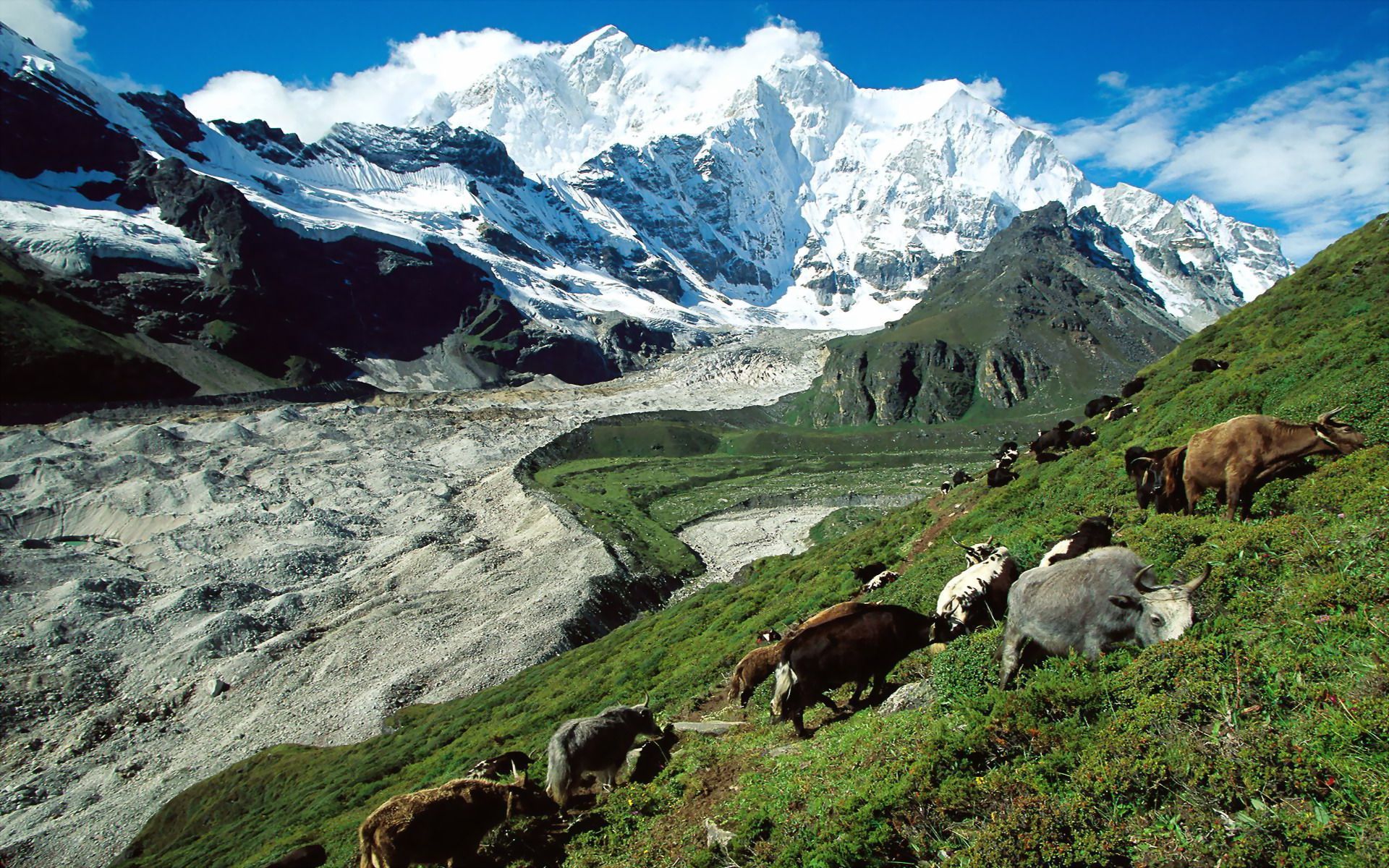
Tibet. It’s called the ‘Roof of the World’ with good reason — the Tibetan Plateau stands over 3 miles above sea level and is surrounded by imposing mountain ranges that harbor the world’s two highest summits, Mount Everest and K2. While the world’s mountaineers regularly attempt to summit the forbidding peaks, the remote area is home to a rich variety of cultures. Less well-known is the story of how the Tibetan Plateau and the craggy peaks that surround it formed. The geologic tale is familiar to many schoolchildren: About 50 million years ago, the Indian subcontinent began to collide with Eurasia, and as it slammed into the bigger landmass, the plateau and the Karakoram and Himalaya ranges were born.

Only recently did Tibetan scholar Lobsang Yongdan revisit a long-ignored section of a historic text to reveal how Tibetans were engaging with western scientific knowledge two centuries ago.  His research into a geography of the world, first published by a lama (Buddhist spiritual leader) in 1830, challenges stereotypical views of Tibet as an isolated and inward-looking society.

Continue reading

What’s That You Hear on Uganda’s Streets?

Uganda has the world’s youngest population, with over 78% below 30 years of age. PHOTO: campustimesug.com

Uganda has the world’s youngest population, with over 78% below 30 years of age. PHOTO: campustimesug.com

Uganda is a ‘young’ country if the above numbers are anything go by. And that makes the nation’s present population one that is acclimatized to he ways of the English language. A consequence of it is the development of a new language  – Luyaaye. Designated an Urban Youth Language (informal varieties, the new variant is a combination of mostly English, Sheng (a Swahili-based cant, originating among the urban underclass of Nairobi, Kenya), and other Sudanese languages. Now, why should anybody pay attention to this nascent dialect, that is less rigid than traditional languages and mainly involves word play? And should its dark past be forgotten, the one about the language helping criminals do their business?

“Programmes have been carried out to spread information about AIDS but even with increased dissemination there was a decrease in the take-up of that information,” she said. “When asked what would help, people said ‘speak our language’.

Continue reading

When Soap Makes the Difference

Sundara is a soap making operation in Mumbai that collects bar soap waste from hotels and recycles it for underprivileged children who cannot afford to buy soap. PHOTO: Sundara

Sundara is a soap making operation in Mumbai that collects bar soap waste from hotels and recycles it for underprivileged children who cannot afford to buy soap. PHOTO: Sundara

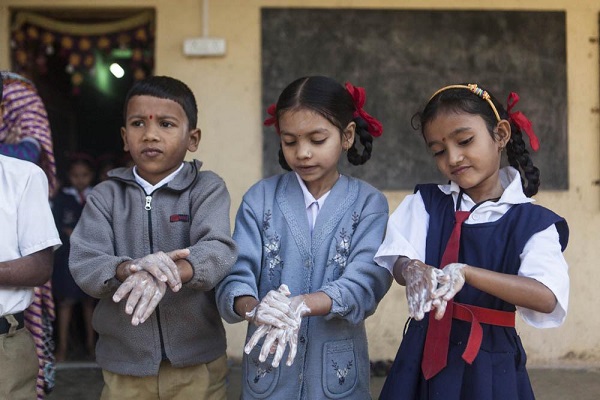
Ever wondered what happens to the barely used soaps that you leave behind in hotel rooms? Think they get reused? We’ve got bad news – they don’t. In fact they are normally tossed away, cluttering our already crowded landfills. The solution at our Raxa Collective properties is to use dispensers filled with all-natural liquid soaps to avoid the waste of bar soaps. Sundara, a soap making operation in Mumbai has a community-based solution to the problem. They collect bar soap waste from hotels, sanitize and recycle it and distribute the new soaps to underprivileged children and adults who cannot afford soap. To date they have regular soap distributions reaching over 6,000 underprivileged children and adults in Mumbai slums. They have also saved thousands of kilograms of waste from going to landfills in the process.

And it started with a University of Michigan graduate. And she didn’t let a near-death experience with dengue hemorrhagic fever stop her from making the world and its people a little more clean.

Continue reading

Your Worst Dragons Are Your Best Teachers

PHOTOGRAPH BY ELI REED/MAGNUM

PHOTOGRAPH BY ELI REED/MAGNUM

Amie and I lived around the corner from the Chelsea Hotel during the second term of Ronald Reagan’s presidency. At that moment in our lives, newly married and full of that kind of hope, we nonetheless observed with concern the culture of the USA changing radically around us. New York City, in particular seemed an epicenter for the demonization of “welfare queens” (Reagan terminology) and homeless people (of which there was a sudden massive increase due to various social safety nets being eliminated, a result of the “Reagan revolution”), while the values associated with speculative money, and cronyism, were ascendant.

It seems to me in hindsight that it was the moment when entrepreneurial capitalism receded as a driving force of the culture, giving way to a strong strain of some other form of capitalism. A much darker, or at least shadier, form that culminated in the economic tragedies of recent years in the USA, including contagious sub-strains that made their way to Europe and can be seen in the Greek tragedy today.

Reading that the Chelsea Hotel is g0ing “boutique” is at first depressing, but then not; it is a reminder of how New York City has been transformed by the new rules of capitalism; yet encouraging, even if the Chelsea Hotel’s role as an institution will be lost, because some of its core values remain intact as residents live out their terms there. The heartless strain of capitalism that bred and multiplied in the 1980s, which we have thought monstrous, has forced us to look for answers, which in turn has led us to the entrepreneurial conservation concept that animates our work, daily. The dragon sometimes teaches:

At a moment when the once beautifully entangled fabric of New York life seems to be unravelling thread by thread—bookstore by bookstore, restaurant by restaurant, and now even toy store by toy store—it might be time to spare a thought or two for the Chelsea Hotel. At the hotel on Twenty-third Street, famously rundown and louche—the Last Bohemia for the Final Beatniks, our own Chateau Marmont, where Dylan Thomas drank and Bob Dylan wrote “Sad-Eyed Lady of the Lowlands” and Leonard Cohen wore (or didn’t; people argue) his famous blue raincoat, and Sid Vicious killed (or didn’t; they argue that, too) Nancy Spungen—the renovators and gentrifiers have arrived. The plastic sheeting is everywhere, the saws buzz and the dust rises. In a short time, the last outpost of New York bohemia will become one more boutique hotel. Continue reading

Hawaii Hits the Road to Help Homeless

Old city buses in Hawaii are going to be converted into homeless shelters if architecture firm Group 70 International is successful.

Old city buses in Hawaii are going to be converted into homeless shelters if architecture firm Group 70 International is successful.

Hawaii has one of the worst homeless rates in the country. In a 2014 “State of Homelessness in America” report, Hawaii ranked highest among the 50 states for homeless people per capita with 45.1 percent; the national rate was 19.3 percent. Up to 70 old city buses in Hawaii are going to be converted into homeless shelters if architecture firm Group 70 International is successful. The vehicles are to operate in fleets, with different units dedicated to different purposes, from living spaces to recreation rooms.

The design “is based on the premise that you could walk in to a hardware store, buy everything you need in one go and build everything with no trade skills,” so that it can be built by a team of untrained volunteers. LIFT, the volunteer organization helping to execute the project, hopes to build two buses by the end of this summer. 70 buses and all the material required for renovations will be donated.

Continue reading

Sri Lanka Takes the Ecofeminism Route

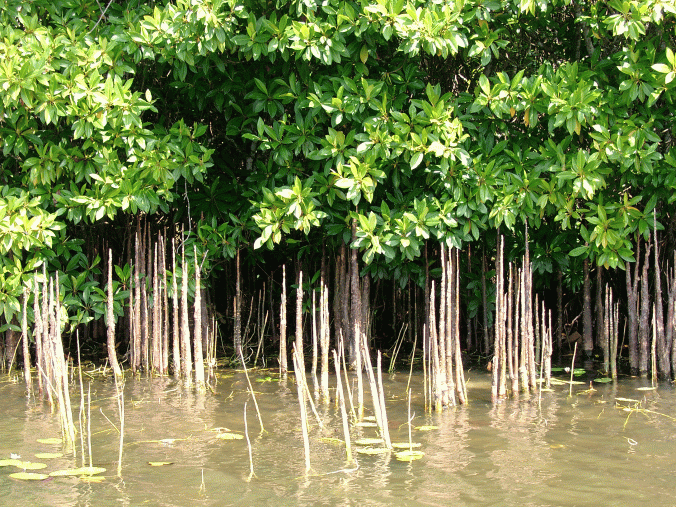
The new national scheme aims to set up 1,500 community groups around Sri Lanka's 48 lagoons, which will offer alternative job training and micro-loans to 15,000 people. The groups will be responsible for the upkeep of designated mangrove forests.

The new national scheme aims to set up 1,500 community groups around Sri Lanka’s 48 lagoons, which will offer alternative job training and micro-loans to 15,000 people. The groups will be responsible for the upkeep of designated mangrove forests. PHOTO: Outdoor Conservation

Big news for the environment: Sri Lanka’s new government just took the unprecedented, historic step to protect all of its mangroves. The move, the first of its kind anywhere in the world, will provide long-term environmental, social and, last but not least, economic benefits to the Indian Ocean island nation, and provide a model for other vulnerable tropical nations to follow. Whose are the champions of this mission? Women.

Started in the 1970’s and gaining in much popularity during the next two decades, ecofeminism seeks to foster a connection between repression of women with the damage caused to nature and natural resources. It is based on the philosophy that both women and nature exhibit the same values and characteristics like nurturing and hence see it as the responsibility of women to undertake ecological causes. One of the most memorable events of ecofeminism occurred in Kenya when rural women planted trees as part of a soil conservation effort to avert desertification of their land as a part of the Green Belt Movement formed by Wangari Maathai. The women of Greenham Common Peace Camp were instrumental in the removal of nuclear missiles there, a fight lasting for over ten years. Sometimes ecofeminism has also been an avenue through which minority and repressed communities like the Native Americans have found their voice. Mohawk women along the St. Lawrence River established the Akwesasne Mother’s Milk Project to monitor PCB toxicity while continuing to promote breastfeeding as a primary option for women and their babies. More.

Continue reading

What’s in Your Tequila?

Although demand for tequila is booming, the younger generation of laborers is deserting the land of the agave in Mexico, from which the liquid is extracted. PHOTO: The Huffington Post

Although demand for tequila is booming, the younger generation are deserting the land of the agave in Mexico, from which the liquid is extracted. PHOTO: The Huffington Post

Find yourself taking a shot at the tequila often? Or are you one to cook with it, whipping up some tequila wings, tequila-cured salmon or infusing the liquid in cheesecakes and ice cream? Not to forget those breezy cocktail mash-ups featuring flavors of rose, mango, strawberry, and even pepper! Now that we have your attention, we are going to take a shot at bringing you this story from the home of the drink – Mexico. A story with a mood-board that will definitely not have you screaming “One tequila, two tequila, three tequila, floor”. One that may possibly leave you with questions about the future of the drink and Mexico’s loss of a family tradition.

The craft of the agave harvest, still done entirely by hand, has remained virtually unchanged since around 1600 when tequila was first invented by the Spanish conquistadors. It is also one that has traditionally remained in families, with each generation teaching the next, ensuring that the mechanization of the tequila harvest has been kept at bay.

Yet traditions of the jimador, a figure still cloaked in romantic mystique in literature and even Mexican telenovelas, are slowly disappearing. While the demand for high-quality tequila is rising year on year, with the industry worth over $1bn and seven out of 10 liters produced now exported worldwide, the younger male generations who would once have taken on the mantle of their fathers to become jimadores are turning away from the agricultural way of life in droves.

Continue reading

All That Wine

Since its debut in October of 2014, Tender has become a neighborhood favorite, with wine on tap and small plates featuring cheese and charcuterie. PHOTO: Blair Czarecki / Hoodline

Since its debut in October of 2014, Tender has become a neighborhood favorite, with wine on tap and small plates featuring cheese and charcuterie. PHOTO: Blair Czarecki / Hoodline

Our thought and work processes guided by the 3Cs  – community, collaboration, and conservation – it’s encouraging when we find one of our ilk. And this time, our kin in ethos is living a dream in an apartment building at 850 Geary St, Tenderloin, San Francisco. Until a few years ago, the derelict building invited descriptions like ‘deplorable’ and the ‘Heroin Hotel’. That was before the Liptons arrived on the scene. The carefully renovated building now houses Tender, a tiny bar with wine on tap and an eco-friendly spirit at heart.

“My whole concept for this place was to create a home away from home, an unpretentious neighborhood wine bar that takes advantage of the technology of an eco-friendly business model of wine on tap,” says Lipton.

Continue reading

Casual Cultural Conservation Through Dance

The only working Danish windmill in the US.

A few weeks ago I visited a friend from Cornell whose family lives in Nebraska and comprises a good portion of the Scandinavian Folk Dancers of Omaha. I’d seen them perform before at the New England Folk Festival in April, held in Mansfield, Massachusetts, but unfortunately at that point my phone’s camera wasn’t the right tool for the job of documenting their great dancing. This time, when the group performed on a much more intimate stage at the Danish Tivoli Festival in Elk Horn, Iowa, (Elk Horn and neighboring Kimballton apparently make up the largest rural Danish settlement in the US) I was ready with my camera and was able to take some half-decent videos of several of the dances. The audio quality isn’t the best given the slightly windy conditions, but hopefully you can get a general feel for the experience in the video below.

We’ve featured some thoughts on dance on the blog before, especially given Kerala’s Continue reading