When the Sun Goes Down

About seven out of every 10 households in rural India have no access to electricity. Many of these households still use less efficient energy sources that are harmful to the environment, such as kerosene. Even in places where electricity is accessible, shortages are frequent and the supply is inconsistent. In such a scenario, solar lamps come as a blessing and are revolutionizing lives in the country and around the world.

PRASHANT MANDAL FLIPS ON A CANDY-BAR-SIZE LED LIGHT in the hut he shares with his wife and four children. Instantly hues of canary yellow and ocean blue—reflecting off the plastic tarps that serve as the family’s roof and walls—fill the cramped space where they sleep.  He shuts down the solar unit that powers the light and unplugs it piece by piece, then carries it to a tent some 20 yards away, where he works as a chai wallah, selling sweet, milky tea to travelers on the desolate road in Madhotanda, a forested town near the northern border of India.

“My life is sad, but I have my mind to help me through it,” Mandal says, tapping the fraying cloth of his orange turban. “And this solar light helps me to keep my business open at night.”

Continue reading

Drinkwell: A Pioneer of Potable Water

Photo credit: Drinkwell

Water is the essence of all life on Earth, and access to potable water is an absolute human right. To resolve the global arsenic water crisis that affects over 200 million people across 70 countries, Drinkwell is pioneering an alternative method for providing potable water to affected communities by transforming existing arsenic-affected tube wells into local profitable water enterprises. The organization provides affected villagers with water filtration technology and business tools, and in turn, the villagers become entrepreneurs of these mirco-water businesses.

Drinkwell filtration systems extract the arsenic and do it efficiently. “Whereas current solutions use Reverse Osmosis technology that wastes 40%-60% of input water, Drinkwell wastes only 1% of water,” their website explains. The polymers, or resin beads, are infused with nanoparticles which extract arsenic from water flowing through them. These polymers are regenerable and can filter water for years.

Continue reading

The Greenest Island in the World?

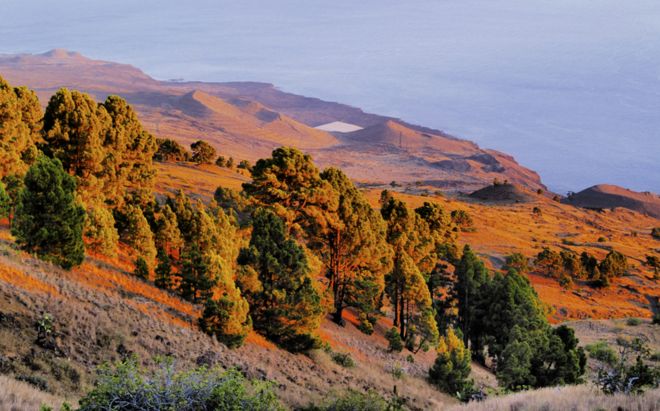
The smallest and most isolated of the Canary Islands, El Hierro, has a way of combining hydro and wind power that may allow it, one day, to get all its energy from renewable sources. PHOTO: BBC

The smallest and most isolated of the Canary Islands, El Hierro, has a way of combining hydro and wind power that may allow it, one day, to get all its energy from renewable sources. PHOTO: BBC

The question is not about who has the densest forests or flora resources showing up high estimates in green. It is one of keeping up a sustained model of efficient use of alternative and natural sources of energy. And on that front, El Hierro seems like it’s well on its way to self-sufficiency on the energy front.

For more than 30 years, El Hierro has been dreaming of becoming self-sufficient. And this year it took a big step forward. At the end of June its new hydro-wind facility, Gorona del Viento, came fully on stream and in July and August it provided roughly half of the island’s energy needs.That means the island’s 10,000 inhabitants are suddenly less reliant on supplies of diesel arriving over unpredictable seas from Tenerife, 200km away. In July, Gorona del Viento saved 300 tonnes of fossil fuels, but that is predicted to rise to 500 tonnes per month before long – the equivalent of saving 40,000 barrels of oil and 19,000 tonnes of emitted CO2 per year.

Continue reading

Washing Hands to a Cleaner World

When Dr. Pawan found out about the unhygienic living conditions in Gadchiroli, Maharasthra, India, he created a hand-washing device in just Rs.35 (50 cents) that has been saving the lives of the villagers. - PHOTO: Better India

When Dr. Pawan found out about the unhygienic living conditions in Gadchiroli, Maharasthra, India, he created a hand-washing device in just Rs.35 (50 cents) that has been saving the lives of the villagers. – PHOTO: Better India

Clean care is safe care, says the World Health Organisation and follows it with a campaign on washing hands towards cleaner living and working conditions across the globe. And Dr. Pawan did his part too. By creating a hand-washing device that costs less than 50 cents, roping in children to keep the initiative going, and relying on elders for the device to adapted and adopted into the community.

In 2008, Dr. Pawan was one of the seven students selected for a two-year fellowship programme at Nirman’s SEARCH (Society for Education, Action and Research in Community Health), in Gadchiroli district, Maharashtra, India. The programme encourages students to work in areas affecting rural communities like water management and NRGA schemes, and being a physician, Dr. Pawan chose to work in the health sector. Living in the community, he realised that there were several diseases persisting in the village, those that could be prevented by merely drinking clean water or paying more attention to cleanliness. He promptly did a study that revealed that of the 64 families living in the village, only six families used soap for washing hands.

Continue reading

Mark Your Calendar for Steve McCurry

Do you remember the image of the Afhan girl that made the cover of the June 1985 issue of National Geographic? It is regarded as one of the world’s most recognizable photographs. And the man behind it is Steve McCurry. Since then, McCurry has traveled extensively, later returning to India to create the series’ “Monsoon” and “India by Rail.” Photographs from these collections, including some that have never been seen before, will be showcased in a new exhibition by the International Center of Photography and the Rubin Museum of Art that opens on November 18th.

Continue reading

A Library at the Police Station

Over 5,000 books make up the library at the local police station in Tirupur, a small town in Tamil Nadu state of India. PHOTO: BetterIndia

Over 5,000 books make up the library at the local police station in Tirupur, a small town in Tamil Nadu state of India. PHOTO: BetterIndia

Can libraries be taken out of the four walls of an educational institution? Can it find a place in the midst of communities, accessible not only for children but for all who seek better understanding, greater learning? Like these 5,000 books that traveled from the US to a tiny police station in Tamil Nadu, India.

Continue reading

Where World Heritage Sites Meet

A variety of birds, frogs, and crocodiles can be spotted while cruising the mangrove-lined Daintree River. Photo: David Wall/Dinodia

A variety of birds, frogs, and crocodiles can be spotted while cruising the mangrove-lined Daintree River. Photo: David Wall/Dinodia

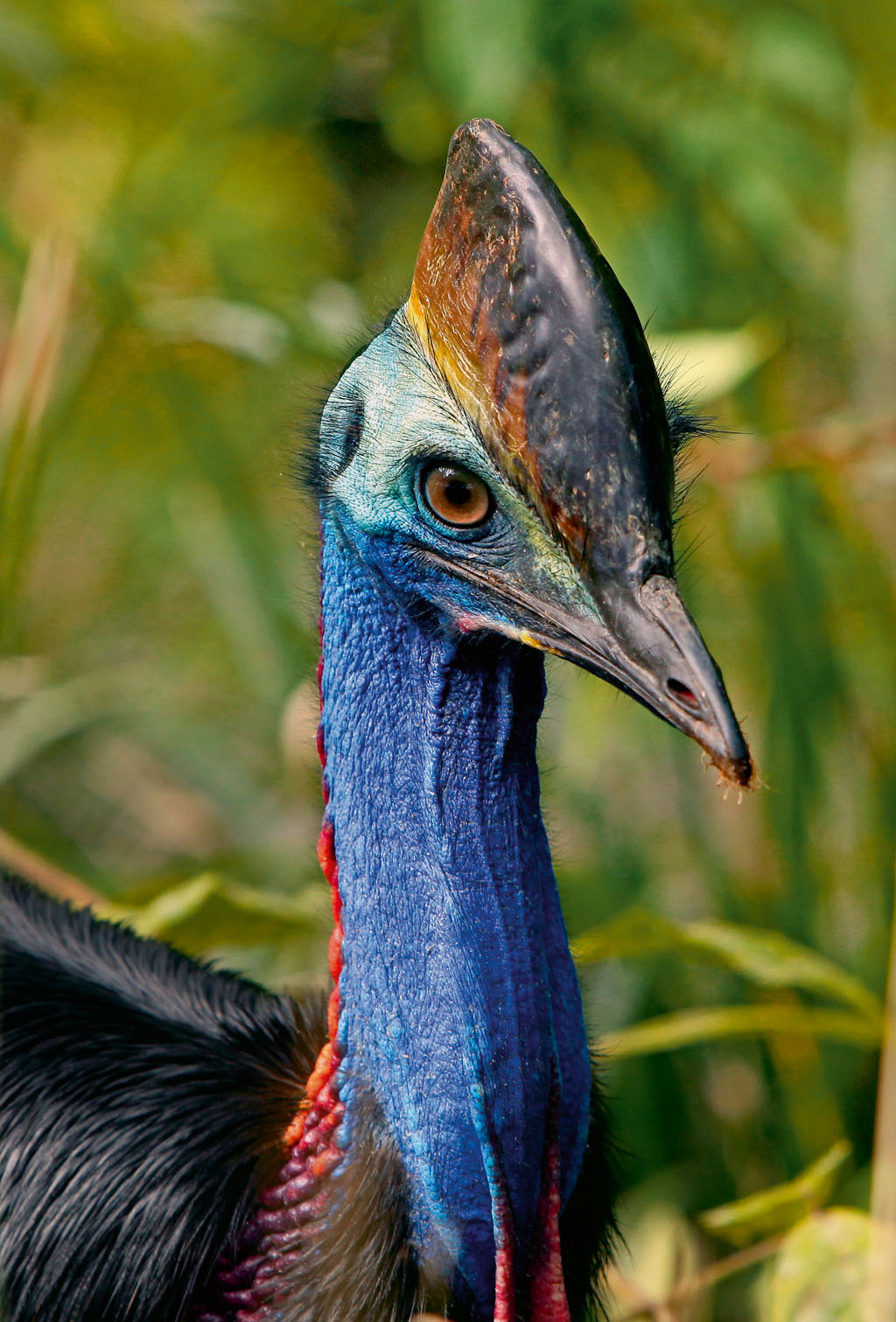
Unique to Australia, the flightless cassowary bird lives a solitary existence for most of its life. It is integral to the survival of many of the plants of this rainforest. Photo: CCOPhotostockBS/Dinodia

Unique to Australia, the flightless cassowary bird lives a solitary existence for most of its life. It is integral to the survival of many of the plants of this rainforest. Photo: CCOPhotostockBS/Dinodia

The list of the World Heritage Sites, as recognized by UNESCO, is a goldmine of history, natural and cultural patrimony. It tells of places and cultures that warrant a second look, an effort to better understand them. And of all the geography the list covers, there’s only one place where two Heritage Sites meet: the Daintree Rainforest and the Great Barrier Reef.

Continue reading

Forging Understanding Through Food

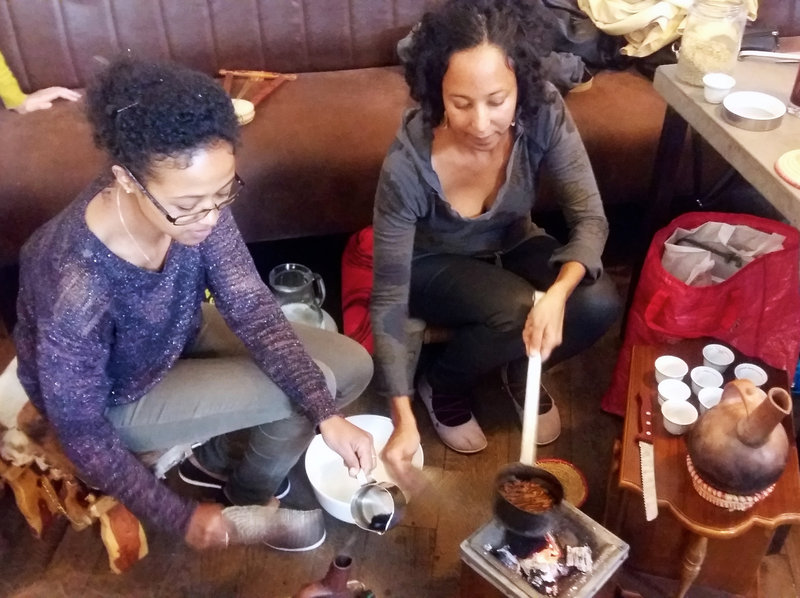
Luwam Melake (left), a recently arrived Eritrean refugee, and Saba Tesfay, who is half-Hungarian and half-Eritrean, wash, roast and grind coffee beans during a traditional Eritrean coffee ceremony. PHOTO: Lauren Frayer for NPR

Luwam Melake (left), a recently arrived Eritrean refugee, and Saba Tesfay, who is half-Hungarian and half-Eritrean, wash, roast and grind coffee beans during a traditional Eritrean coffee ceremony. PHOTO: Lauren Frayer for NPR

What are ways to combat xenophobia, an aversion to what is perceived as foreign? Especially when that involves fragile human spirits, miles away from their homelands and hoping on the faintest possibility of refuge in an alien land. Budapest is showing the way.

Customers crowd into a bustling Budapest restaurant for dinner. They open their menus, expecting to read about stuffed paprikas and Hungarian goulash.

But instead they find … Eritrean sourdough pancake bread. Afghan pie. Syrian sweets.

“It’s a little bit difficult, because not all the ingredients are available in Hungary. So a few of them are coming from Austria or other countries. But we can do it!” laughs Judit Peter, the bartender and director of special projects at Kisuzem, a trendy, bohemian bar in Budapest’s historic Jewish quarter. “People really like it. We’ve served 80 portions a day — and that’s quite a lot for a small kitchen like ours.”

Continue reading

Making Silk Non-violent

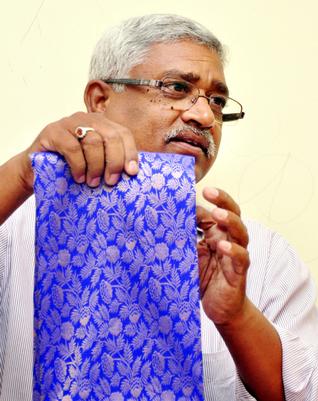
Kusuma Rajaiah displaying a sari made from 'Ahimsa Silk'. Photo: Balachander Goud

Kusuma Rajaiah displaying a sari made from ‘Ahimsa Silk’. Photo: Balachander Goud

Do you know how many silkworms are normally killed to make a five yard silk sari? Kusuma Rajaiah, a 55-year old government officer from India’s Andhra Pradesh state, does: “Around 50,000.” Rajaiah estimates that around 15 silkworms are normally sacrificed to produce a gram of silk yarn. For years, he’s been battling against what he describes as the “cruel killing of millions of innocent worms.” And has come up with an alternative. He realized the lure of silk was too strong to persuade people to give it up altogether so he came up with a technique that spares the life of the silkworm.

Ahimsa silk derives its idea and the brand name from Mahatma Gandhi, who was also critical of the conventional method of silk production. In fact, he had written to the Silk Board of India to explore ways of producing silk without hurting any living being. For Rajaiah, it’s a matter of pride to have fulfilled that wish; a pride shared by those who use the fabric.

Continue reading

Building an Empire, A Fish at a Time

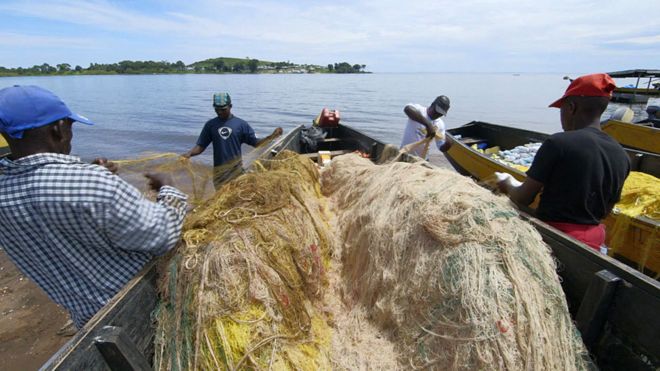
When Mama Sylvia started fishing 27 years ago, all she had was a small canoe, which she paddled with an oar. PHOTO: BBC

When Mama Sylvia started fishing 27 years ago, all she had was a small canoe, which she paddled with an oar. PHOTO: BBC

We talk about sustainable development. Often, the definition is relegated to the environment domain alone and does not cover social and human capital. The United Nations has identified gender equality as one of the key Millennium Development Goals, validating the fact that every small victory is a step forward for the larger good. Like Mama Sylvia’s story.

Gertrude Nabukeera, or Mama Sylvia as she is usually known, stands with her arms resting on her hips as she supervises a handful of men unloading the catch from a fishing boat. It’s early in the morning and the boats are bringing their night’s catch in at the Nakatiba landing site, on the island of Bugala in Lake Victoria, Africa’s largest expanse of fresh water. More than 400m long and lined with motor-driven boats, this landing site is owned and run by Mama Sylvia.There are concrete stalls from which she sells the catch of the day, and to the right an icebox the size of a freight container in which she stores the fish.

It’s unusual for a woman to be the boss of a fishing business in Uganda, or anywhere else for that matter, but even more surprising is the fact that she herself was once a fisherwoman – one fisherwoman among many, many fishermen.

Continue reading

Lessons of Islam in a Temple

Some Hindu temples in Pakistan are now Islamic schools. PHOTO: Rida Arif

Some Hindu temples in Pakistan are now Islamic schools. PHOTO: Rida Arif

Given the volatile relationships between India and Pakistan, any sentence that involves the two nations is fraught with speculation and scrutiny. Talking of a temple and a mosque in the same breath spells secularism in a liberal setting but portends unrest in another quarter. And when you do hear of goodwill where these worlds meet amicably, it’s a story worth sharing. Like this one about how ancient temples in Pakistan have turned into centers of Islamic teaching.

We stood at the entrance of the temple, not sure if we would be allowed to go inside.

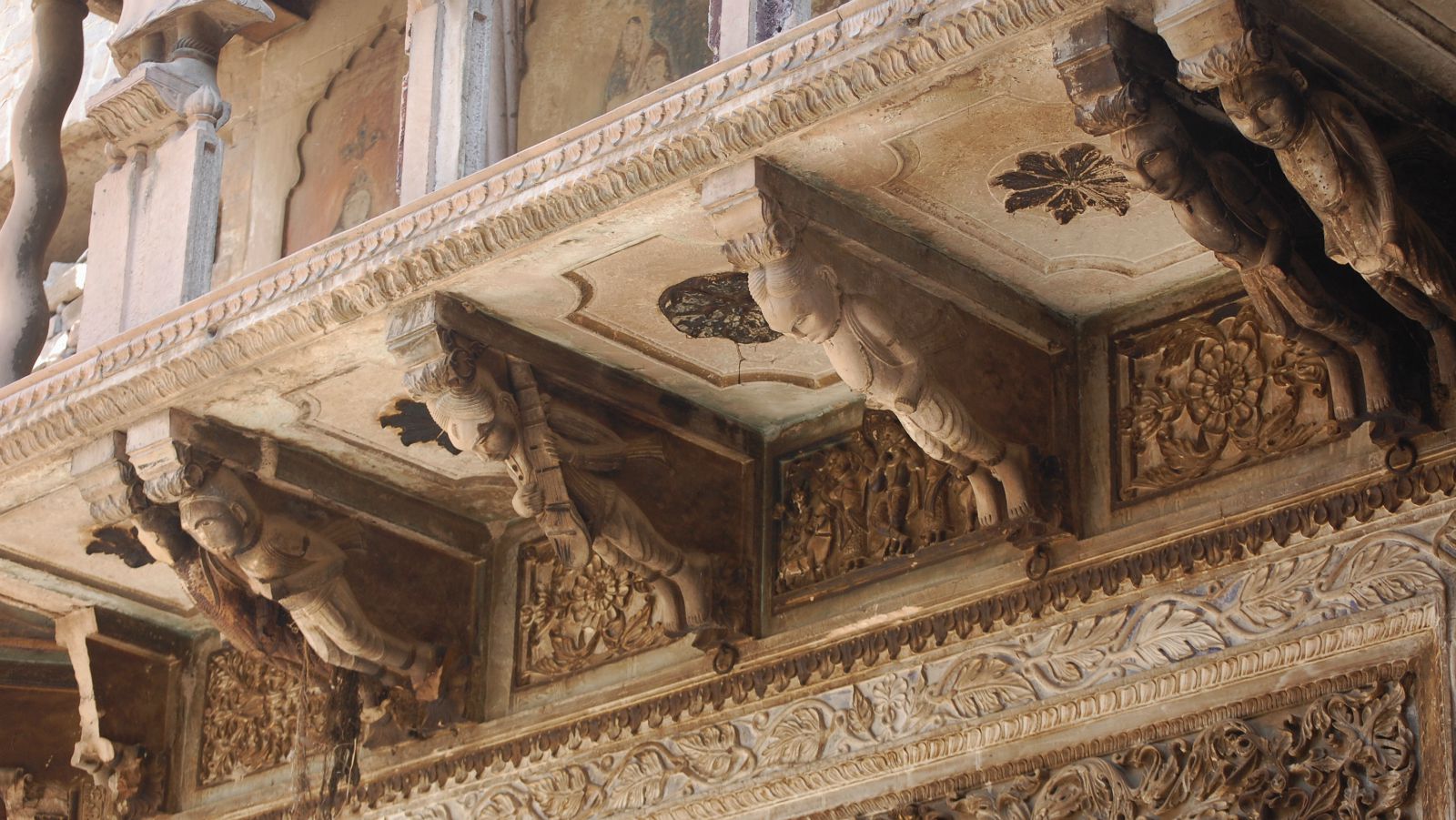
It was a double-storey structure with a small round balcony. The door was made of wood with intricate patterns on it, while there were fading remnants of frescoes on the wall. Judging by the entrance, I could only imagine how beautiful this structure must be from the inside. The only problem was that this temple was not vacant. It wasn’t even taken over by an individual family, as has happened in many other cases. In that situation, I could have requested them to allow me to see the temple from inside. But this was now controlled by the women’s wing of an Islamic religious organisation called Minhaj-ul-Quran, founded by the famous preacher-turned-politician Tahir-ul-Qadri.

Continue reading

Celebrating Flour Power

The Poderanchem Fest will pay tribute to the state's unique baking traditions and the people who keep them alive. PHOTO: Scroll

The Poderanchem Fest will pay tribute to the state’s unique baking traditions and the people who keep them alive. PHOTO: Scroll

India is home to celebrations that pan religions, occasions like harvest, birthdays of legendary heroes, and more. And now the country gets its first platform celebrating bakers. All the way from the tourist-laden beaches of Goa.

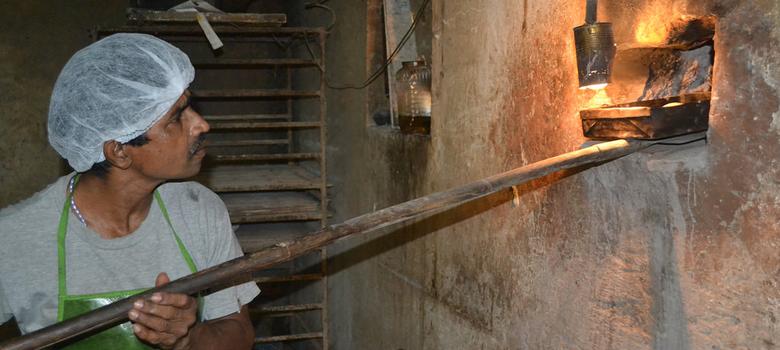
It’s the sound of Goa. Every morning at the crack of dawn, the bulb horn of the poder wakes up people across the state, encouraging them to start their day with cheap, freshly baked bread.  On Friday, the state’s humble bakers will finally get turn in the spotlight. Goa’s first Poderanchem Fest, or Baker’s Festival, being hosted in the leafy North Goa village of Succorro, will feature a baker’s parade and stalls selling traditional and new varieties of pao, in addition to the region’s favourite foods to eat the bread with.

Read more here.

Flood-proofing Education

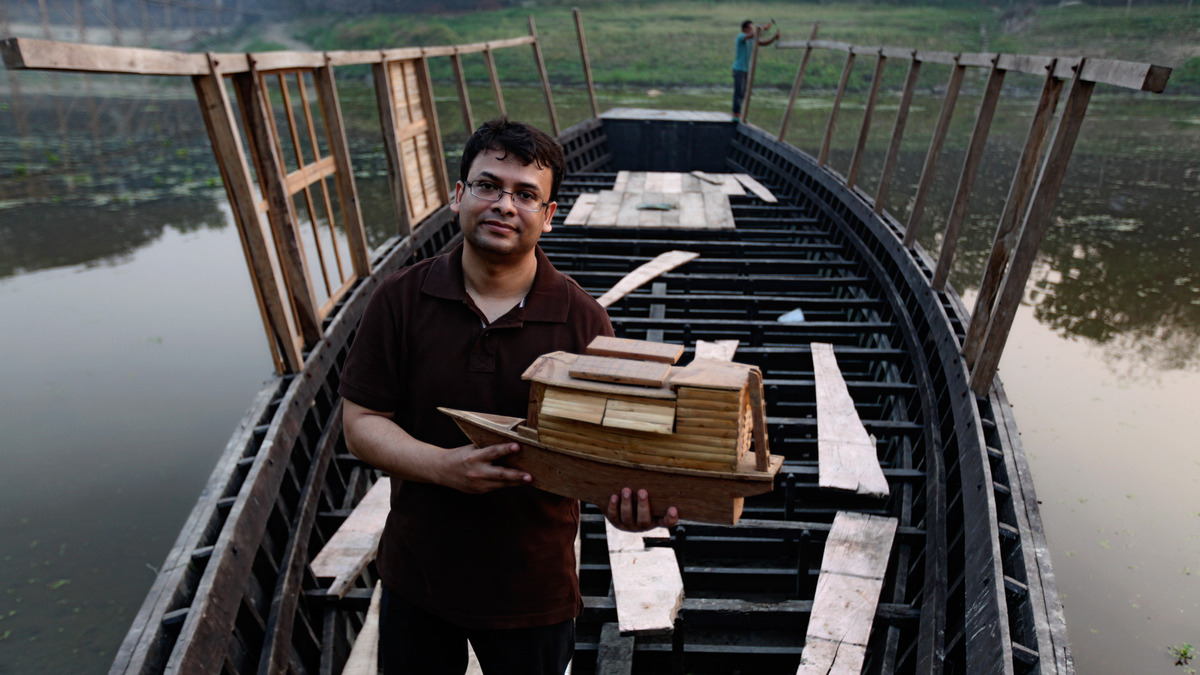
Architect Rezwan’s idea is to combine a school bus with the schoolhouse, and use the traditional wooden boat to create a floating space to bring primary education to doorsteps. PHOTO: ABIR ABDULLAH/ SHIDHULAI SWANIRVAR SANGSTHA

Architect Rezwan’s idea is to combine a school bus with the schoolhouse, and use the traditional wooden boat to create a floating space to bring primary education to doorsteps. PHOTO: ABIR ABDULLAH/ SHIDHULAI SWANIRVAR SANGSTHA

Bangladesh is prone to flooding due to being situated on the Ganges Delta and the many distributaries flowing into the Bay of Bengal. Coastal flooding, combined with the bursting of river banks is common, and severely affects the landscape and society of Bangladesh. 75% of Bangladesh is less than 10m above sea level and 80% is floodplain, therefore rendering the nation very much at risk of periodic widespread damage, despite its development. One man, who as a child often found himself cut off from school, did not want the future generations to face the same plight.

His idea: using boats to facilitate education at the time of floods.

Continue reading

A Clean Breath of Life

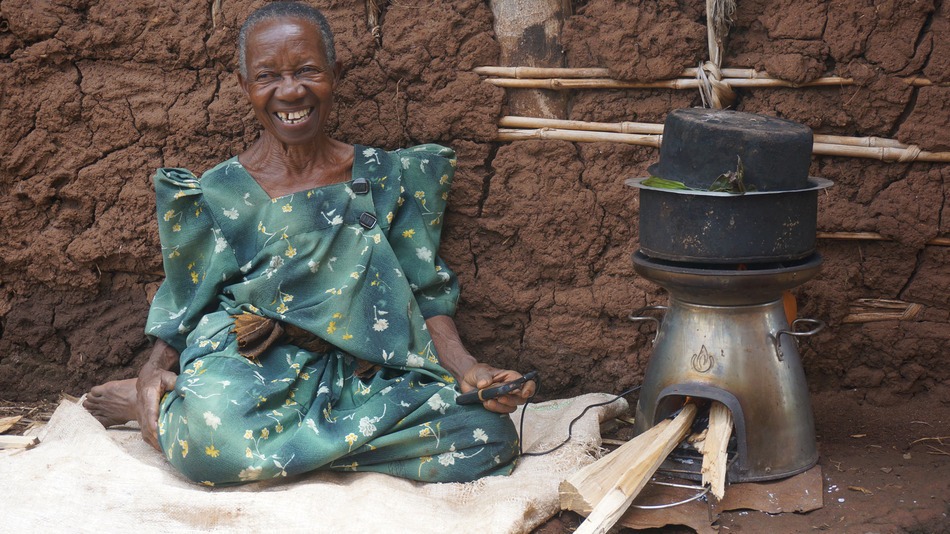
In addition to eliminating 94% of the smoke and 91% of the carbon dioxide emitted by open fires, the HomeStove can save households as much as $8 to $10 per week just on fuel, the company says. the HomeStove can save households as much as $8 to $10 per week just on fuel. PHOTO: Biolite

In addition to eliminating 94% of the smoke and 91% of the carbon dioxide emitted by open fires, the HomeStove can save households as much as $8 to $10 per week just on fuel. PHOTO: Biolite

According to the WHO, 4.3 million people die prematurely every year from illnesses attributable to household air emissions from cooking with solid fuels, which kill more people every year than malaria, HIV and tuberculosis combined. Women and children, who spend the most time near open flames in developing countries, are most at risk. And the gravity of the dangers of indoor air pollution pushed  product developers Alec Drummond and Jonathan Cedar to maximize the use of the off-the-grid stove they were initially designing for campers.

“We’d seen that by blowing air in a particular place in a wood fire, you can really improve combustion and turn a rudimentary fuel into a super hot, controllable, clean combustion process,” Cedar tells Mashable. “We were fascinated by this idea that you could take waste product and turn it into a useful energy source.”

“The question was: How do you do that without batteries, which still tie you back to the grid?” he says.

Continue reading

Fortune at the Bottom of the Tea Cup

On Canadian tasseomancer Amy Taylor's vintage tea-leaf reading cups, your reading is determined by where your leaves fall on the preprinted symbols on the cups. PHOTO: Mike Taylor for NPR

On Canadian tasseomancer Amy Taylor’s vintage tea-leaf reading cups, your reading is determined by where your leaves fall on the preprinted symbols on the cups. PHOTO: Mike Taylor for NPR

Divining fortune from tea leaves has been around for almost as long as there has been tea, over five thousand years. Tea-Leaf reading which is also known as Tasseomancy like any other divination art has multiple origin histories. Tea-leaf reading tells fortunes using the symbols and the patterns formed by the residue of tea left in the cup. More of an art rather than a science, there are no universal guidelines that dictate what the patterns mean. Tea-Leaf reading is mostly done as a daily reading about life, love, work and money issues, though a longer timeframe may be determined as well.

Continue reading

Giving Up Electricity

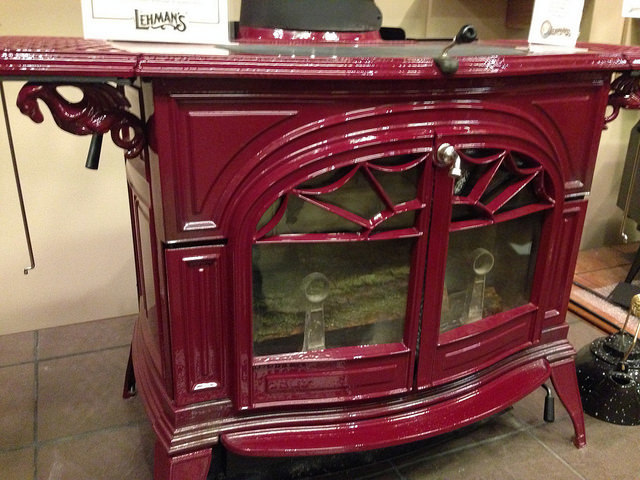
A wood-fired stove at Lehman's (Photo: sonja/Flickr)

A wood-fired stove at Lehman’s (Photo: sonja/Flickr)

What started as a small hardware store serving the local Amish in Kidron, Ohio, grew into something much bigger than founder Jay Lehman ever dreamed. Gathering four pre-Civil War era buildings under one soaring roof, today the store is a place to embrace the past: from old-fashioned treats and sodas to practical, non-electric goods for a simpler life.

The story of the Lehman store is one of “peddling historical technology”. A story of being old-school. And being good at it. Their top-selling products have not changed for decades. Wood stoves, gas refrigerators, oil lamps, water pumps, and water filters are always popular: if you don’t have electricity, you still need ways to store food, stay warm, light the night, and access water.

“We’ve known the term ‘off-the-grid’ for many, many years,” Ervin says. “But now it’s a thing.”

Continue reading

The Art Movement of the 20th Century

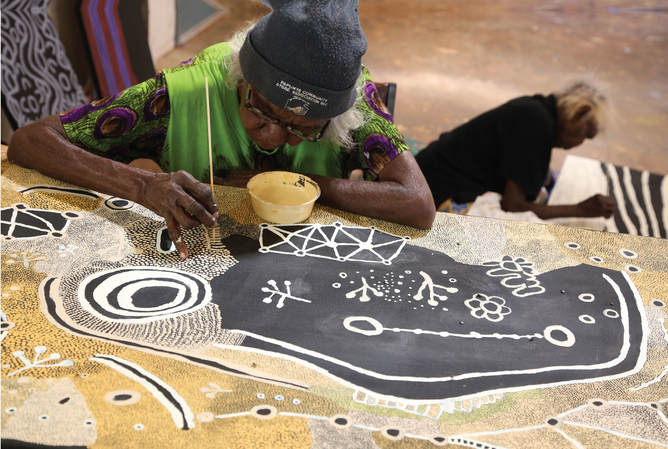
Martha MacDonald Napaltjarri (in foreground) and Mona Nangala painting at Papunya Tjupi art centre, Papunya, 2015. Photo: Helen Puckey

Martha MacDonald Napaltjarri (in foreground) and Mona Nangala painting at Papunya Tjupi art centre, Papunya, 2015. Photo: Helen Puckey

Have you heard of Papunya? The birthplace of what is touted as the century’s greatest art movement? The Conversation looks at how the movement has given birth to indigenous artists’ collectives, transformed communities, empowered women and forms a grand narrative on Aboriginal art:

The emergence of ‘dot’ paintings by Indigenous men from the western deserts of Central Australia in the early 1970s has been called the greatest art movement of the twentieth century.It all changed at a place called Papunya. Papunya was a ‘sit-down’ place established in the early 1960s, 240 kilometres northwest of Alice Springs in the Northern Territory (NT). The settlement brought together people from several western desert language groups: the Pintupi, Warlpiri, Arrernte (Aranda), Luritja, and the Anmatyerr, who were unaccustomed to living in close proximity to each other. Papunya was described as a ‘centralised government settlement established as a marshalling point for Aboriginal people displaced from their traditional lands’ (Curator Hetti Perkins, Papunya Tula: Genesis and Genius, Art Gallery of New South Wales– external site, 2000).

Continue reading

A Conversation of Whistles

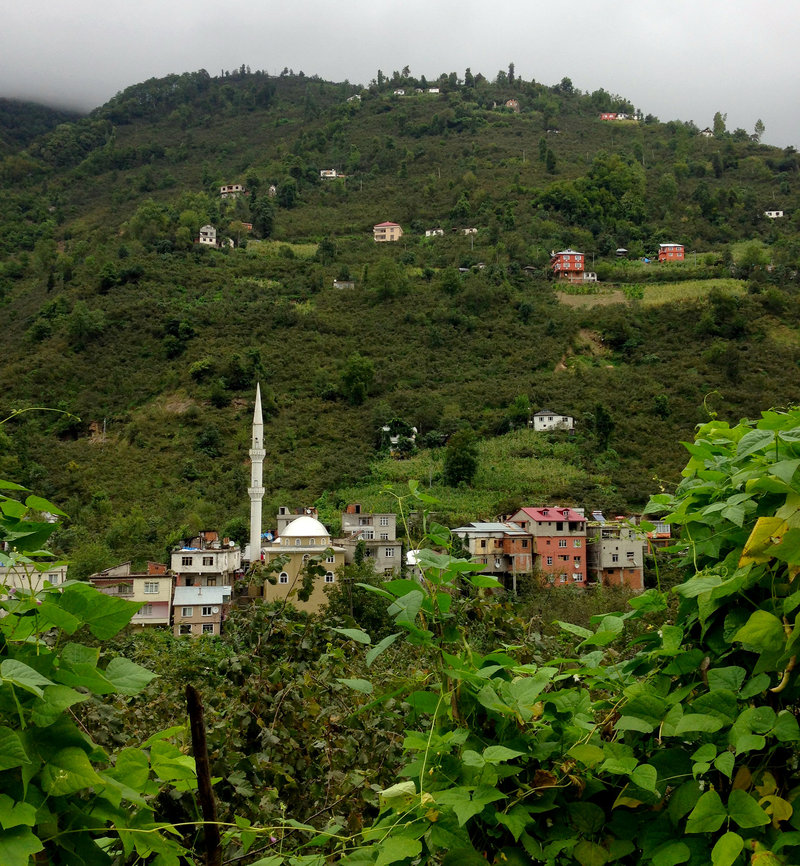
Steep hills surround the village of Kuskoy, high in the mountains above Turkey's Black Sea coast. Some villagers here can still understand the old "bird language," a form of whistled Turkish used to communicate across these deep valleys. Peter Kenyon/NPR

Steep hills surround the village of Kuskoy. Some villagers here can still understand the old “bird language,” a form of whistled Turkish used to communicate across these deep valleys. PHOTO: Peter Kenyon/NPR

Is it always necessary to use words to communicate? Theoretically, there’s verbal communication and its non-verbal counterpart of body language, gestures, and the like. What if the communication is to pass over valleys and hills – spontaneously? Then, a whistled language – with its origin in bird calls – is the answer. Ask the “bird whistlers”.

In a remote mountain village high above Turkey’s Black Sea coast, there are villagers who still communicate across valleys by whistling. Not just whistling as in a non-verbal, “Hey, you!” But actually using what they call their “bird language,” Turkish words expressed as a series of piercing whistles.

The village is Kuskoy, and it’s inhabited by farmers who raise tea, corn, beets and other crops, and also keep livestock. The landscape is unusual by Turkish standards, and the residents are also considered a bit eccentric by other Turks.

Continue reading

More a Passion Than a Language – Catalan

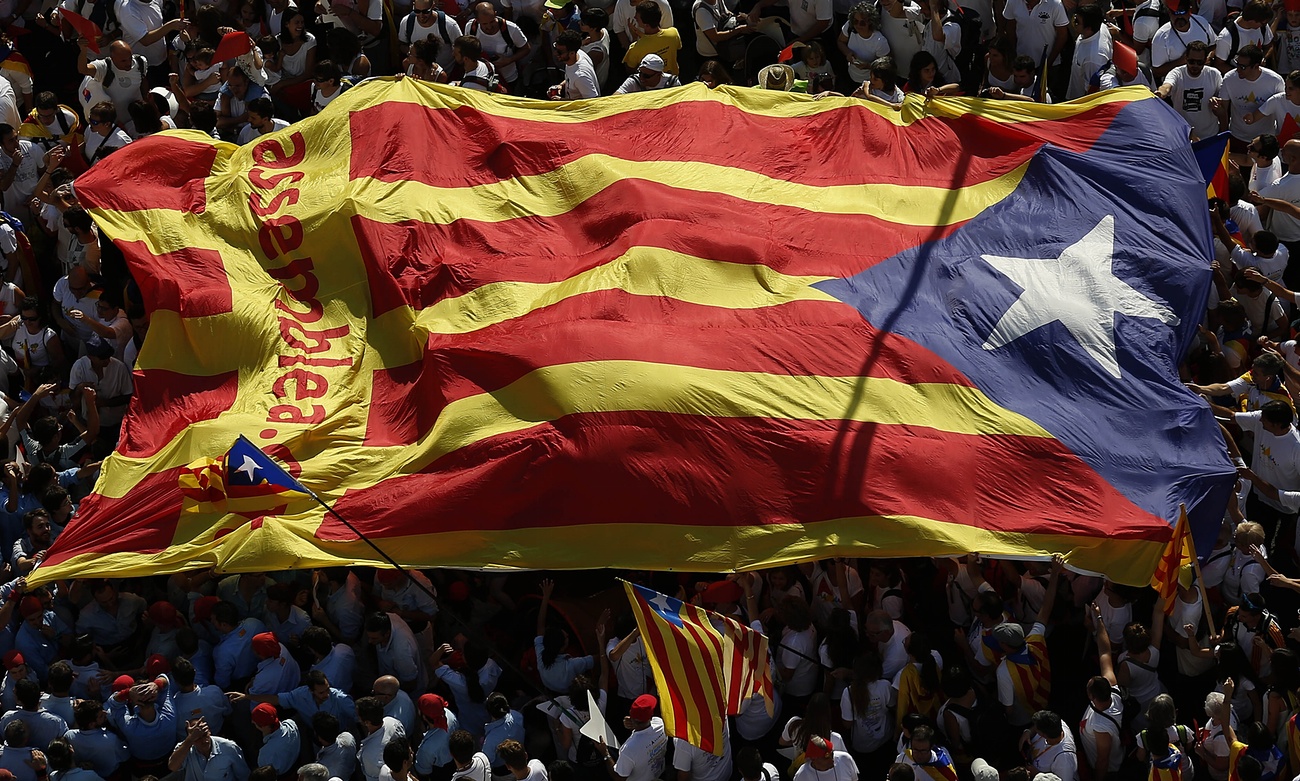
The estelada, the flag of Catalan independence, during a demonstration in Barcelona. Photograph: Manu Fernandez/AP

The estelada, the flag of Catalan independence, during a demonstration in Barcelona. Photograph: Manu Fernandez/AP

Catalonia,the northeastern corner of Spain, is heading to polls. A move in which we could possibly see a new independent state. Amid the political predictions, the election narrative closely shadows what has held this population together. The Catalan language. One that finds its being in the fact that banning something could lead to its preservation.

This Catalan reaction is also expressed by a Catalan writer exiled in Mexico, Pere Calders, in his 1955 short story, “Catalans in the World”. A Catalan traveller in the Far East, at an evening party encounters a parrot which, to his surprise, utters Catalan phrases. He was overcome by emotion: “Many were the things which made us different but there was a language which made us one… Early that morning, when I left, I had a softer heart than the day I arrived.”

Continue reading