Avant Guard

The guards at The Broad Museum in Los Angeles aren't just here to protect the art — they're also expected to engage and educate. They're called visitor services associates, and they've gone through hours and hours of training to become ambassadors for contemporary art. Ryan Miller/Capture Imaging/The Broad Art Foundation

The guards at The Broad Museum in Los Angeles aren’t just here to protect the art — they’re also expected to engage and educate. They’re called visitor services associates, and they’ve gone through hours and hours of training to become ambassadors for contemporary art.
Ryan Miller/Capture Imaging/The Broad Art Foundation

I can easily spend hours wandering museum galleries – viewing Art, artifacts and people – it’s all fascinating. More likely than not every other room I’ll pass an ever present museum guards, usually efficient, sometimes friendly. Always in uniform. The directors of The Broad Museum in L.A. are viewing this important role in a new light. Dressed eclectically in black with red lanyard IDs, the VSAs (Visitor Service Associates) are well-trained crosses between guard and guide. Their knowledge and friendly delivery creates a concierge museum experience, which seems especially appropriate for a private collection museum.

Guard Sabrina Gizzo might easily be mistaken for a docent. She’s talking with some visitors about Thomas Struth’s huge color photograph of a crowd at a museum in Florence Italy. In the photo, tourists are dressed in summer clothes — shorts, T-shirts, caps, sneakers. Struth photographs the crowd facing us, looking up at something we can’t see. As Los Angeles visitors to The Broad study Struth’s photograph — a museum crowd looking at another museum crowd — one Broad visitor notices that a man in the photograph is wearing sunglasses clipped to the front of his shirt. Gizzo suggests that her guest take a very close look at the sunglasses.

Why? Turns out, if you look closely, a famous statue can be seen in the reflection of the man’s glasses: Michelangelo’s sculpture of David.
Continue reading

You Are Here

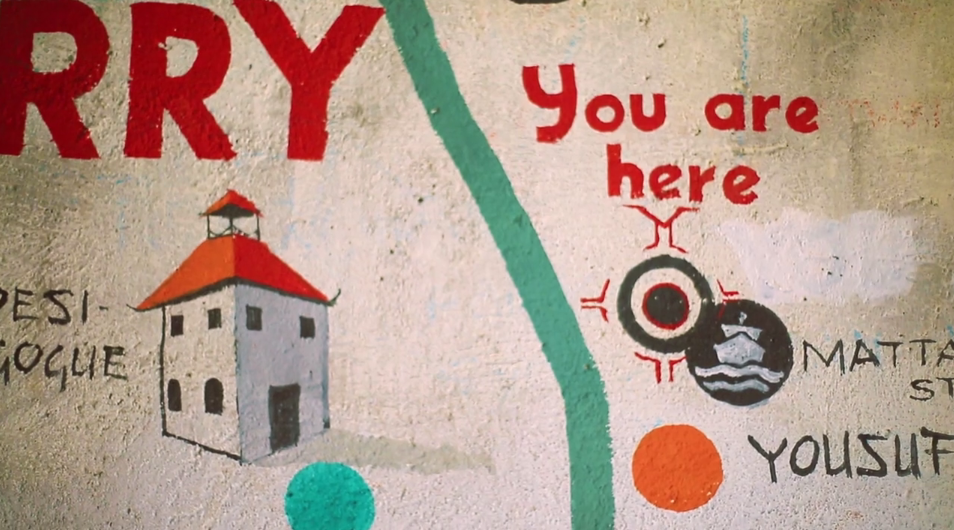
You Are Here.

Three small words found on map boards from metros to malls around the world, usually accompanied by a red dot. Existential words to be sure. Words whose underlying message begs us to live with intention.

The RAXA Collective team crafted the Xandari Harbour walking map with the same deliberateness.

Come explore with us!

Step out from Xandari Harbour’s red door. Go right. Go left. You can’t go wrong!


click below to view the map!

Continue reading

For Whom the Bell Tolls

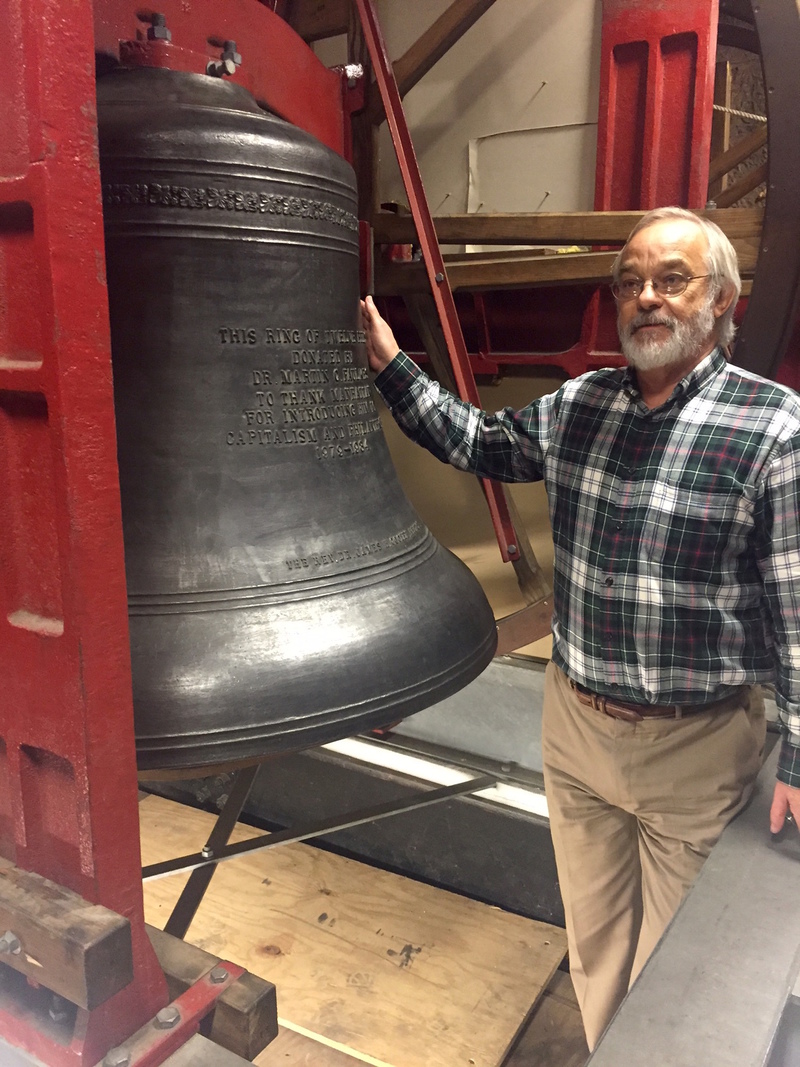
Tony Furnivall beside one of the dozen bells in Trinity Church's clocktower. (Photo: Ella Morton)

Tony Furnivall beside one of the dozen bells in Trinity Church’s clocktower. (Photo: Ella Morton)

If you’ve still not knocked off “do the new” on the year’s bucket-list, we have a suggestion. Join the Wednesday Night rites of New York’s church bell ringers.

Bell ringing, also known as change ringing, is what Furnivall calls “an ultra-niche interest.” Originating in medieval England, it is practiced by an estimated 40,000 people around the world today, mostly in the United Kingdom and among countries of the former British Empire. In the U.S., there is a small but enthusiastic bell-ringing scene, spread across 42 towers. The North American Guild of Change Ringers, established in the 1970s, calls ringing “a team sport, a highly coordinated musical performance, an antique art, and a demanding exercise.” “We ring bells to celebrate,” Furnivall says, and if you’re spry enough to clamber up a clock tower, you can grab a rope and join in the fun.

Continue reading

To Our Sisters In Bali, Thank You

Ted Bali Sisters

A few months ago, with 11 minutes on stage in London at a regional TED event, these two poised and articulate, compelling Balinese sisters made a bold challenge. We commend their decisiveness and commitment, and will do our best to support them both in Bali and on our various home turfs:

Melati and Isabel Wijsen:

Our campaign to ban plastic bags in Bali

Plastic bags are essentially indestructible, yet they’re used and thrown away with reckless abandon.  Continue reading

Israel to India, To Build Forests

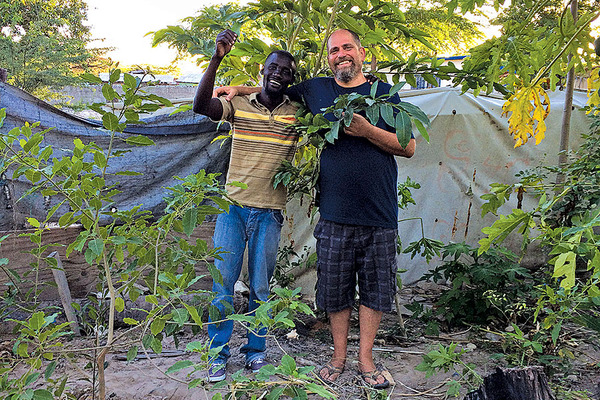
Sadhana Forest shows local people in India, Haiti, and Kenya how to plant trees in dry regions – and improve their lives. PHOTO: Sadhana

Sadhana Forest shows local people in India, Haiti, and Kenya how to plant trees in dry regions – and improve their lives. PHOTO: Sadhana

Do you believe in a literary cosmos? I do. In the seemingly innocuous collision of two pieces of writing SO removed from each other that they are all that similar. Two articles – one found last evening for work, one chanced upon during the routine Instagram surf on the way to work. One standing out in the mayhem of a news feed; the incredible story of an Israeli man and his wife moving to India in 2003 and buying 70 acres of barren land. To build, sustain a forest. Reafforestation, to be clear. The other titled The Builder’s High. Yes, I’m ‘building’ this up.

Continue reading

The Alphabets of Assimilation

The Salt

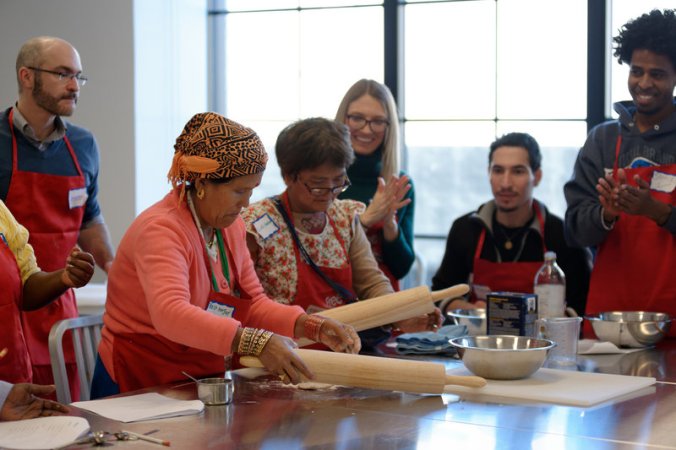
Teela Magar and Cing Neam prepare roti dough as part of Edible Alphabet, a program in Philadelphia that folds English lessons for immigrants to the U.S into a cooking class. PHOTO: Bastiaan Slabbers, The Salt

Roti is a staple in Indian homes. This unleavened flat bread made of stoneground wholemeal flour links tables in Asia and Africa. With its humble origins, simple spirit, and its versatility in being an economical yet nutritious accompaniment, the roti is a mainstay of an English-as-a-Second-Language class in Philapdelphia. So, how does breaking bread help immigrants pick up basics of English – a skill vital to their rehabilitation, assimilation, and survival in a foreign land? The Salt tells us:

“Food is warmth, it’s comfort, it breaks down those barriers.” Galeb Salman left his native Iraq 25 years ago and most recently lived in Thailand. He says he savors the choices and freedom he feels since arriving here in September with his wife and five kids. “When I think I want to learn, I want to study, I can. When I want to work, I can,” he says. “I feel we have good life now. …This is my new life.”

Continue reading

Hiking for E-mail

mahabir pun

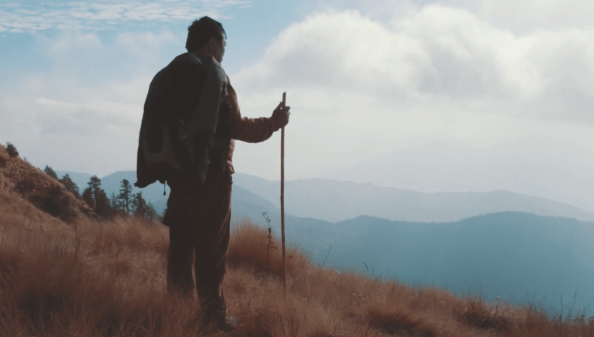
For six years, Mahabir Pun trekked long distances to check emails in Nepal. Until he brought the Internet home to his remote village. PHOTO: Hiking for Emails, Vimeo

In India, there exists this dwindling practice of writing letters to the Editor. Of publications. Most people write on current affairs, some write to highlight issues that range from a lack of streetlights to dissent. Some write in to commend actions, public campaigns. A handpicked bunch of these are published in a column titled Letters to the Editor. Mahabir Pun of a remote village in the mountainous country of Nepal wrote to BBC, asking for help to bring the Internet home.

Continue reading

When Wheels Move the Soul

skating

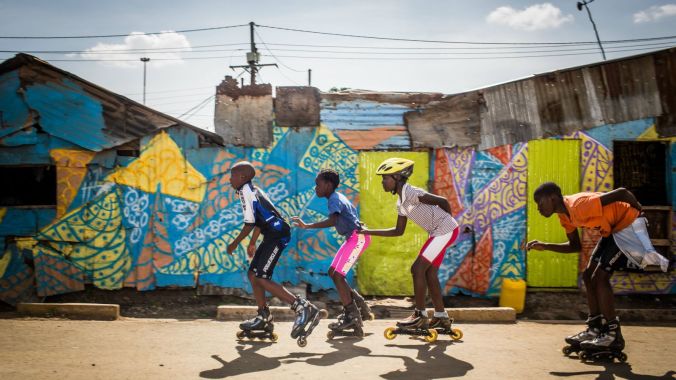
Korogocho skaters are taking advantage of some of the best streets in one of Nairobi’s poorest slums. PHOTO: Will Swanson 

Can a paved road and a pair of used skates aid development? An emphatic yes. This is the story of a failed slum upgrading project that saw the light of day when kids took to the streets. Over scavenging in the dump for things they could resell, the children took to the streets this time to skate. To keep out of trouble. To compete. For a chance at life.

Continue reading

Footstep by Footstep

soccer

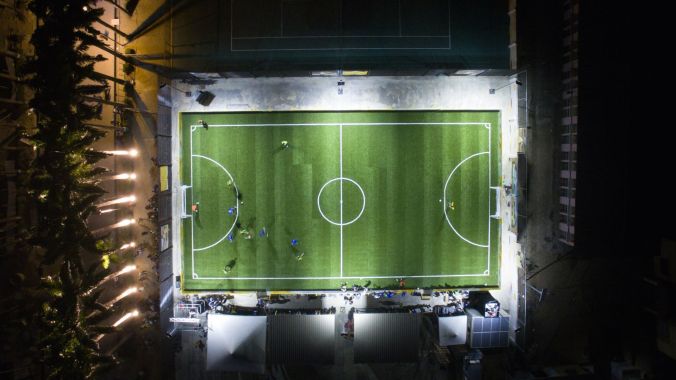
This solar-powered football pitch in Lagos also uses kinetic energy generated by footballers playing. PHOTO: Edelman PR

There’s a host of ingenious solar projects impacting the developing world. Energy’s role in political, social, and economic development is being highlighted more than before and being energy-smart is the blueprint to a sustainable future. Clean energy is the way forward. And Lagos has an example. In the name of soccer.

Continue reading

Visual Memories From Borneo

Sea Nomads

A group of Sea Badjao are photographed in Denawan Island, Borneo. Malaysia.

Raxa Collective was invited in 2014 to scout a location for a new conservation project in Borneo, and the Sea Badjao were among the most important cultural features of the island locations being scouted. The scouting resulted in a “pending” return plan, and for sometimes pending implies years (as in this case) so all we can say at the moment is that this item reminds us:

For hundreds of years, nomadic groups known as Badjao have lived on boats in the waters of Southeast Asia, heading to shore only to trade or to take shelter from threatening weather. They are free-diving fishers by tradition, swimming many metres underwater, without equipment, to harvest seafood and pearls off the ocean floor. It is only in the past few generations, facing rising costs and reduced seafood catch, as well as myriad other threats, from extreme weather to pirates, that Badjao families have settled in fixed communities. Living in homes near the water or perched above it, on stilts set into old coral reefs, they have undertaken a slow and difficult transition to modern life. Continue reading

Introductions, 2016 & Onward

saji_alila_goaIn keeping with the resolution made here, to share more in 2016 of what we care about , the buck starts here. No excuses for my recent quietude, but a note of thanks to those I handed off blogging to in 2015 so I could tend to our organization’s growth and development. Rosanna in India, Jocelyn in Costa Rica, Seth in Ithaca & Jamaica & Costa Rica, and a cast of others too numerous to name now, all kept our blog real, lively and on point. Thanks to them for that.
Now it is time for me to share again, and I may as well start with our organization. 2015 was a milestone year, and we have started 2016 with new leaders for both our Asia and our Latin America operations. In the photo to the left you see Saji Joseph, who now oversees La Paz Group’s Asia region from the organization’s home office in Kerala, India. Just one thing to say about him for now.

When we started this organization in 2010 the first thing I did to prepare for what would eventually become La Paz Group was to ask everyone I met in the hospitality business: who do you consider to be the best hotelier in India? The response was consistent, with stories about Saji’s leadership in various stories that sounded far-fetched to me at first, but now I believe completely. Maybe one day he will share some of those stories in these pages…

Continue reading

The Journey of the Xandari Commuters

I wrote about my daily “commute” in the first post I wrote upon arriving to Xandari as an intern. However, circumstances have changed since then (I am proud to say that I am officially a company employee now), so I think it’s only fair for me to share an updated version that not only illustrates my own personal account but also reflects that of many other employees of the hotel as well.

Continue reading

Because Coffee is ‘Human’

For those who believe life begins after coffee, the story of its origin will definitely sound familiar. Coffee grown worldwide can trace its heritage to the ancient coffee forests on the Ethiopian plateau, where legend says the goat herder Kaldi first discovered the potential of these beloved beans. It is said that Kaldi discovered coffee after noticing that his goats, upon eating berries from a certain tree, became so energetic that they did not want to sleep at night. Kaldi reported his findings to the abbot of the local monastery who made a drink with the berries and discovered that it kept him alert for the long hours of evening prayer. The abbot shared his discovery with the other monks at the monastery, and slowly knowledge of the energizing berries began to spread.

Now photographer Sebastiao Salgado takes readers deep into that grind with his latest collection, The Scent of a Dream: Travels in the World of Coffee that looks at the landscapes and labors behind the $100-billion-a-year business in ten countries around the globe.

Continue reading

When A Legend Fades Away

Stories about the Yeti date back thousands of years, especially in the Himalayan nations. Legends say it can be seen only when it comes down from the high mountains to lower elevation and that it passes through the forests and into the villages where it surprises or scares people and sometimes kills a yak for food. Several climbers claim to have seen an unusual animal on their way up Mount Everest. A few have taken photographs of very large footprints in the snow, claiming they belong to the Yeti. It has another name that many people will recognize: Abominable Snowman. Think of a big human-like animal covered in white hair, with huge canine teeth and very big footprints.

But now, no one’s looking for the Yeti.

Continue reading

On the Rocks

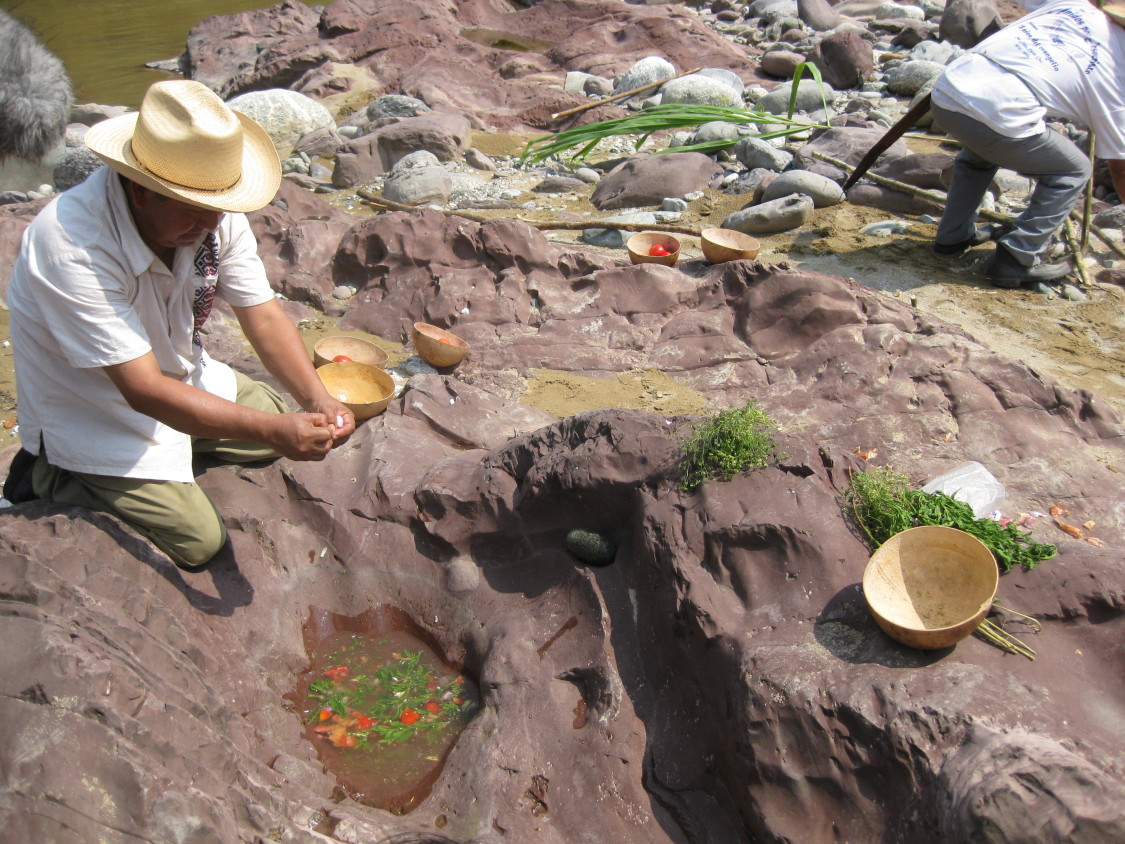
Chinatec elders prepare stone soup the traditional way, by the Papaloapan River. PHOTO: SARAH BOREALIS

Chinatec elders prepare stone soup the traditional way, by the Papaloapan River. PHOTO: SARAH BOREALIS

National Geographic’s The Plate explores the “global relationship between what we eat and why, at the intersection of science, technology, history, culture and the environment”. The latest in its daily discussion on food is the preparation of  real stone soup in Oaxaca, Mexico.

The soup originated in a remote ritual site in the Papaloapan River basin, about 12 hours by car from Oaxaca City, in the highlands of the Sierra Madre mountain range. The geography there is very rocky, and in the Pre-Ceramic [period,] Chinantec ancestors developed an elemental way to cook their food using fire and stone. The ritual site features large boulders excavated to serve as large cooking pots, and I guess you might say that the rest is history! The recipe for stone soup features local ingredients and really is a product of this unique environment.

Continue reading

When Art Bridges Communities

The Islamic Cultural Center of Northern California hosts plays, open mic nights, painting and ceramics classes. PHOTO: ICCNC

The Islamic Cultural Center of Northern California hosts plays, open mic nights, painting and ceramics classes. PHOTO: ICCNC 

Places of religious significance have long been centers of the community spirit. Moving beyond discourses and rituals, their supreme ability lies in bringing people together on some common ground. And projects like the Islamic Cultural Center in Northern California demonstrate how art and culture can bridge gaps within the space of beliefs.

Many mosques preach against even listening to music, let alone playing it on the premises. But here, in a huge auditorium filled with dozens of people, a Moroccan singer on stage sings the praises of the Prophet Muhammad, playing a stringed instrument called an oud. Next to him, a man plays a North African drum called thedumbek. The people here are white, black, Asian — some in embroidered green Sufi robes, others in black Shiite turbans or flowing white Arab jalabeyas. Some women cover their hair, some don’t. Ask anyone who’s been to a mosque, and they’ll tell you this scene is definitely not a common one — which is precisely why many people feel comfortable here.

Continue reading

When a Way of Life Melts With the Ice

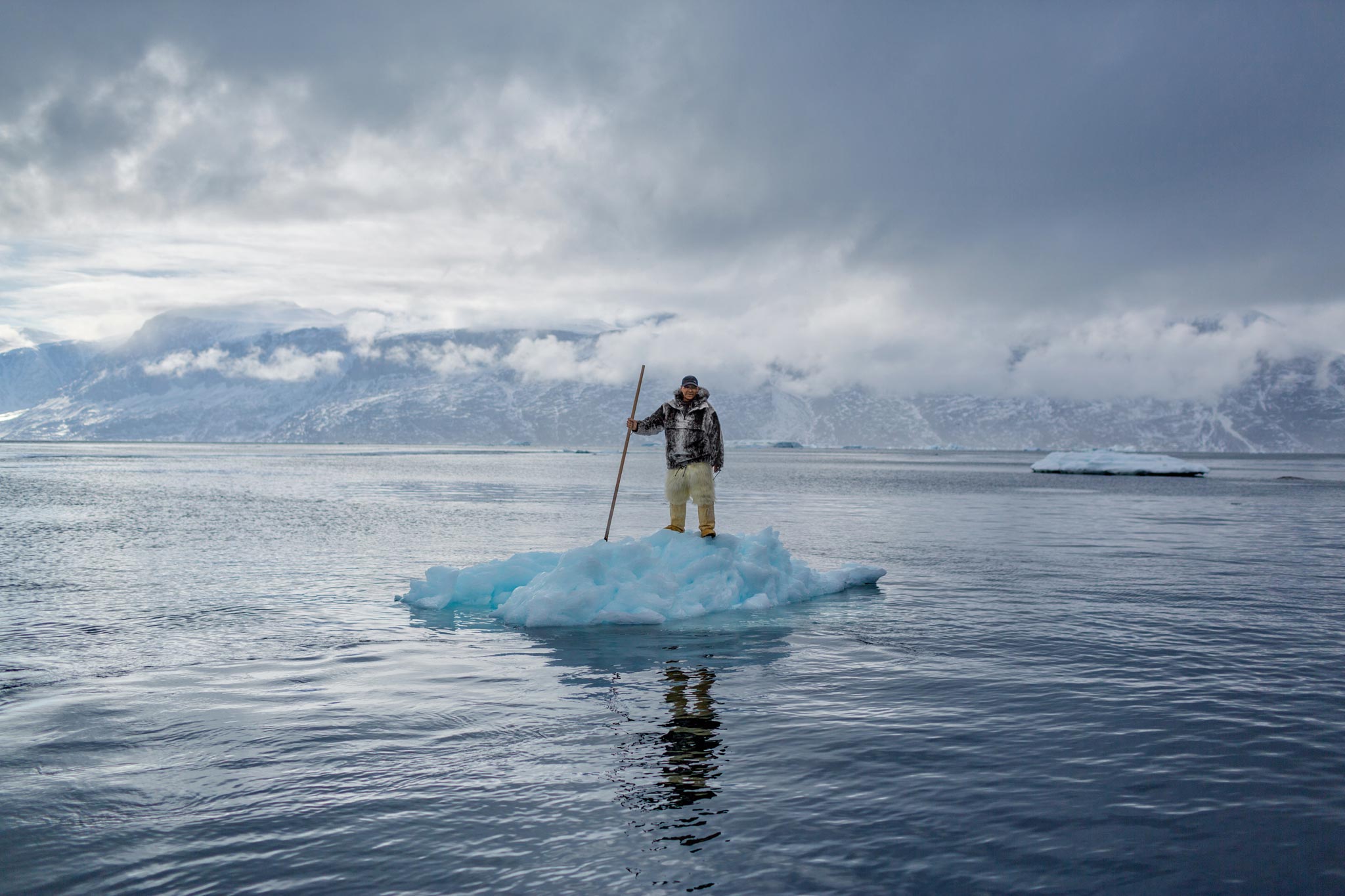
Albert Lukassen’s world is melting around him. When the 64-year-old Inuit man was young, he could hunt by dogsled on the frozen Uummannaq Fjord, on Greenland’s west coast, until June. This photo shows him there in April. PHOTO:  Ciril Jazbec

Albert Lukassen’s world is melting around him. When the 64-year-old Inuit man was young, he could hunt by dogsled on the frozen Uummannaq Fjord, on Greenland’s west coast, until June. This photo shows him there in April. PHOTO: Ciril Jazbec

Climate change – a situation that choices can better, but circumstances see it go from bad to worse. Much talk, much less done. Temperatures rise, glaciers melt, and seas begin to usurp shores. Also, people like the natives of Kiribati and now the Inuit are forced to rethink ways to survive on their lands which once provided for all. And did not threaten their lives. National Geographic reports from the North:

Something else is vanishing here too: a way of life. Young people are fleeing small hunting villages like Niaqornat. Some of the villages struggle to support themselves. And now a culture that has evolved here over many centuries, adapting to the seasonal advance and retreat of sea ice, is facing the prospect that the ice will retreat for good. Can such a culture survive? What will be lost if it can’t?

Continue reading

Short Story Dispensers Aim to Dispense with Unproductive Waiting Time in Grenoble

Screenshot from a spot by the French news channel M6

Last week Konbini, the online magazine dedicated to popular culture, featured a short story (the nonfiction kind) on the French city of Grenoble, so-called capital of the French Alps. In a collaboration between the city council and the French publishing company Short Édition, certain public spaces that frequently feature waiting time–libraries, the post office, the tourist center–have been equipped with short story dispensers.

After pressing a button to select between one-, three-, and five-minute stories, a long strip of paper is printed from the kiosk and the user can enjoy a piece of short fiction from Continue reading

Wedded to Their Land Despite the Tides

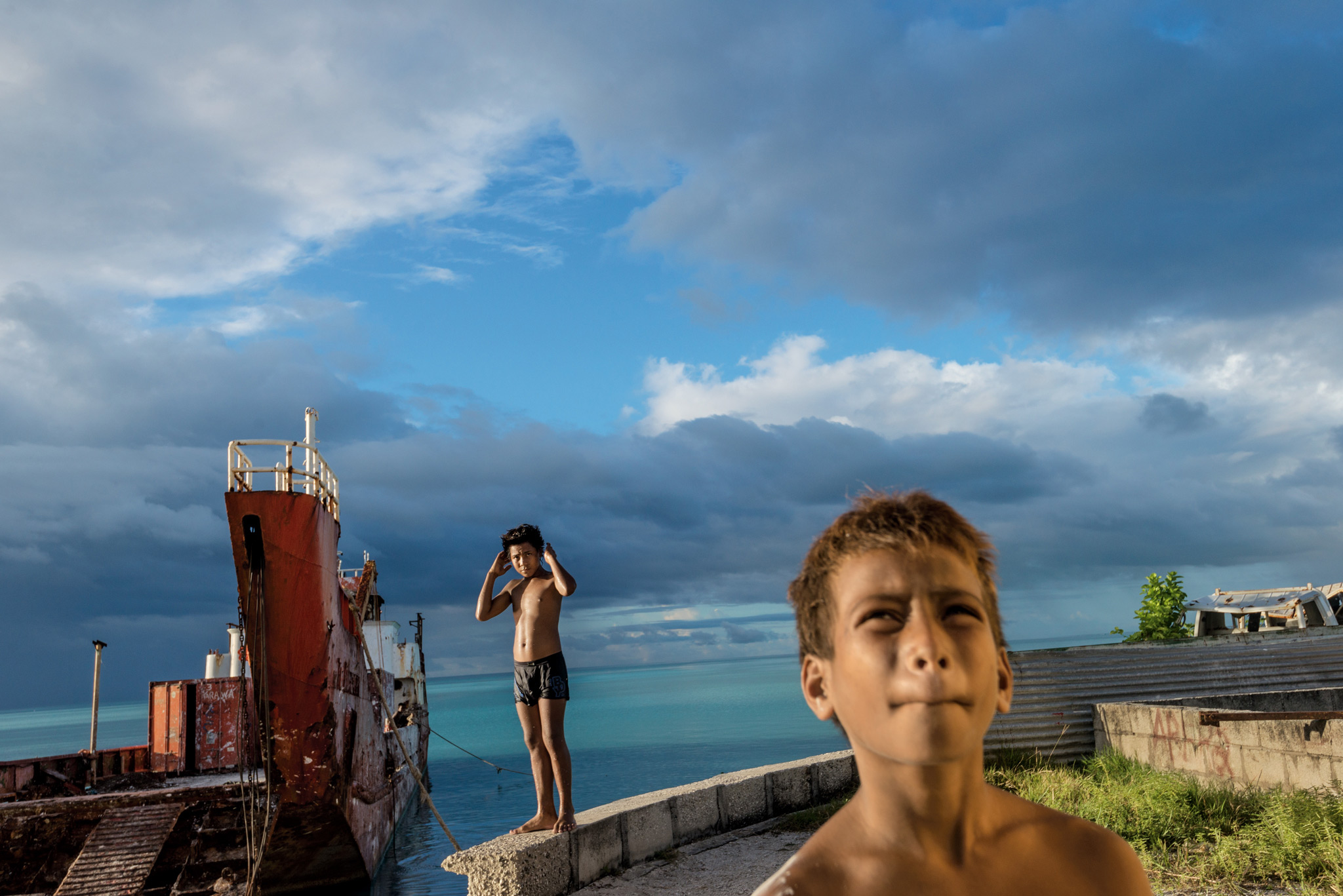
 Kiribati—33 coral islands in an expanse of the central Pacific larger than India—is “among the most vulnerable of the vulnerable” to climate change. PHOTO: Kadir Van Lohuizen

Kiribati—33 coral islands in an expanse of the central Pacific larger than India—is “among the most vulnerable of the vulnerable” to climate change. PHOTO: Kadir Van Lohuizen

They do not think of themselves as “sinking islanders,” rather as descendants of voyagers, inheritors of a proud tradition of endurance and survival.

That’s how National Geographic captures the spirit of the people of Kiribati, a spirit that forgives the seas despite the threats that its warming, rising, acidifying waters pose to their native islands. A people who believe that planting mangroves will stop the encroaching sea in its tracks, a people whose lives are centered on the seas that without it, they maybe forced to question who they are. This is their story then, from “the front line of the climate-change crisis.”

Continue reading

Airports and Urban Farming

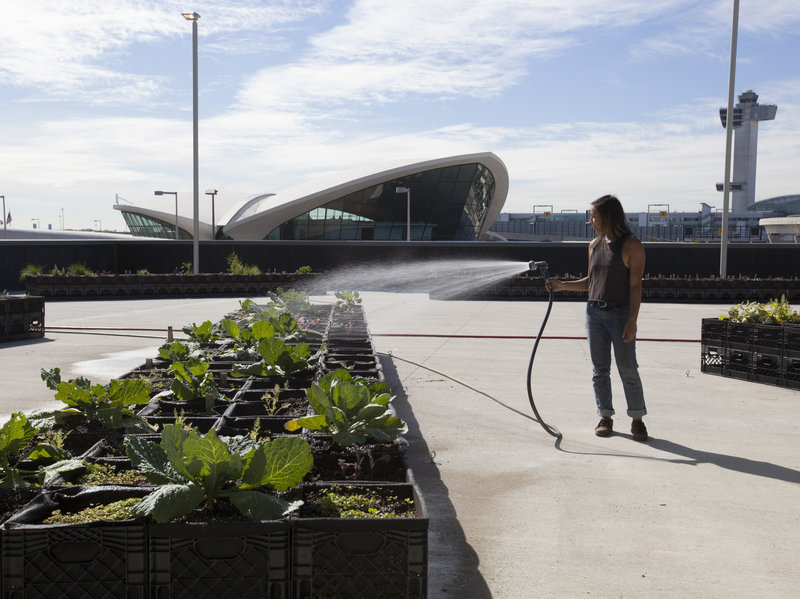
Katrina Ceguera tends JetBlue's farm outside Terminal 5 at New York's John F. Kennedy International Airport. PHOTO: Chelsea Brodsky /JetBlue

Katrina Ceguera tends JetBlue’s farm outside Terminal 5 at New York’s John F. Kennedy International Airport. PHOTO: Chelsea Brodsky /JetBlue

Airports are growing a ‘green’ conscience, and how! If Kochi in Kerala, India is home to the world’s first airport to be completely powered by solar energy, then the Galapagos airstrip is not far behind. Going off-grid is just one way to offset massive carbon footprints left behind by the use of fossil fuels. Another way might be to add a touch of green – like JetBlue did at the New York airport.

JetBlue was intent on growing potatoes and other produce at John F. Kennedy International Airport in New York. It took three years of jumping through hoops before the T5 Farm, named for its location outside Terminal 5, came to fruition in early October, the company says.

Continue reading