Earlier this month, while scrolling down my Facebook newsfeed, I chanced upon a photo of a friend of mine on the Cornell campus. The caption was a short but interesting conversation between the friend and a Facebook user called “Humans of Cornell University,” who had taken the photo. I was intrigued. Upon clicking the photo I discovered that there were dozens of other photos along the same theme, where apparently these “Humans of Cornell” (HOCU) people would randomly select a person they encountered at Cornell, take a photo of him or her, and ask a thought-provoking question, sometimes following the question up if the response merited more discussion.
Community
A Master Puzzle
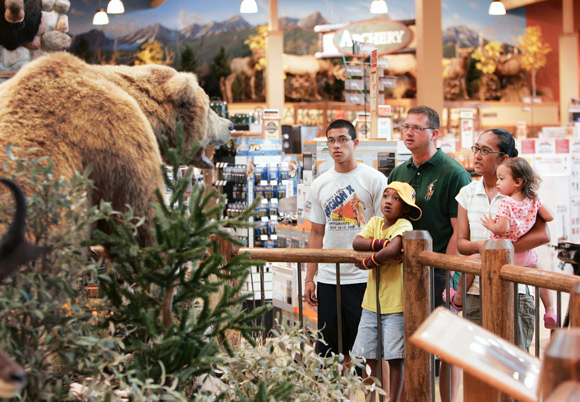
If you have shopped there in person, or ordered from them online, or see that the interrelation between the USA’s various communities are sometimes not easy to figure out, you know why this story is important:
…The growth of Cabela’s reflects Americans’ odd relationship with the outdoors: we mythologize it even as we pave it over. To accommodate their bulk and the crowds that they attract, Cabela’s stores are often built next to interstates and surrounded by giant parking lots. Generally, the only wildlife in sight are the crows picking over the litter. Some of the newest branches are on the edges of cities—Denver, Austin—that epitomize sprawl. In Greenville, South Carolina, where Cabela’s plans to open on a congested retail strip in April, other retailers are worried that traffic jams will scare away their customers. Continue reading
Grid Growth Gazing

(Thinkstock) Is there anywhere left on Earth where it’s impossible to access the internet? There are a few places, but you have to go out of your way to find them, discovers Rachel Nuwer.
As much as we encourage travelers to join us off grid in remote locations, to disconnect and engage in authentic experiences of communities and ecosystems not like home, nonetheless we depend on the grid for our ability to connect with those very same travelers. We are paying increasing attention to the evolution of connectedness, and this report by the BBC is of interest:
It can be easy to forget what life was like before the internet. For many, not a day goes by without checking email, browsing online or consulting Google. Some 1.3 billion people alive today are young enough never to have experienced anything else. Yet has the network of networks underpinning all this activity actually reached every part of the globe?
Various reasons still stop people accessing the internet where they live, of course. There’s censorship, for starters. “We don’t get much traffic from North Korea,” says John Graham-Cumming of CloudFlare, a content delivery network – the equivalent of a regional parcel distribution centre, but for web traffic. “Likewise, early in the Syrian civil war they cut off internet access and we saw a drop in traffic coming from those Syrian connections.” Continue reading
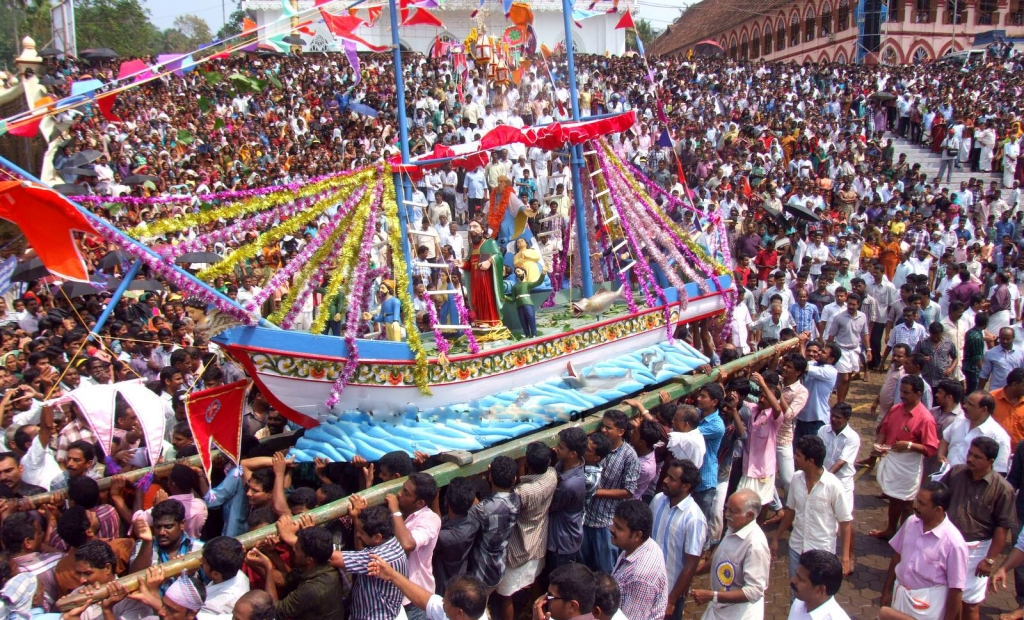
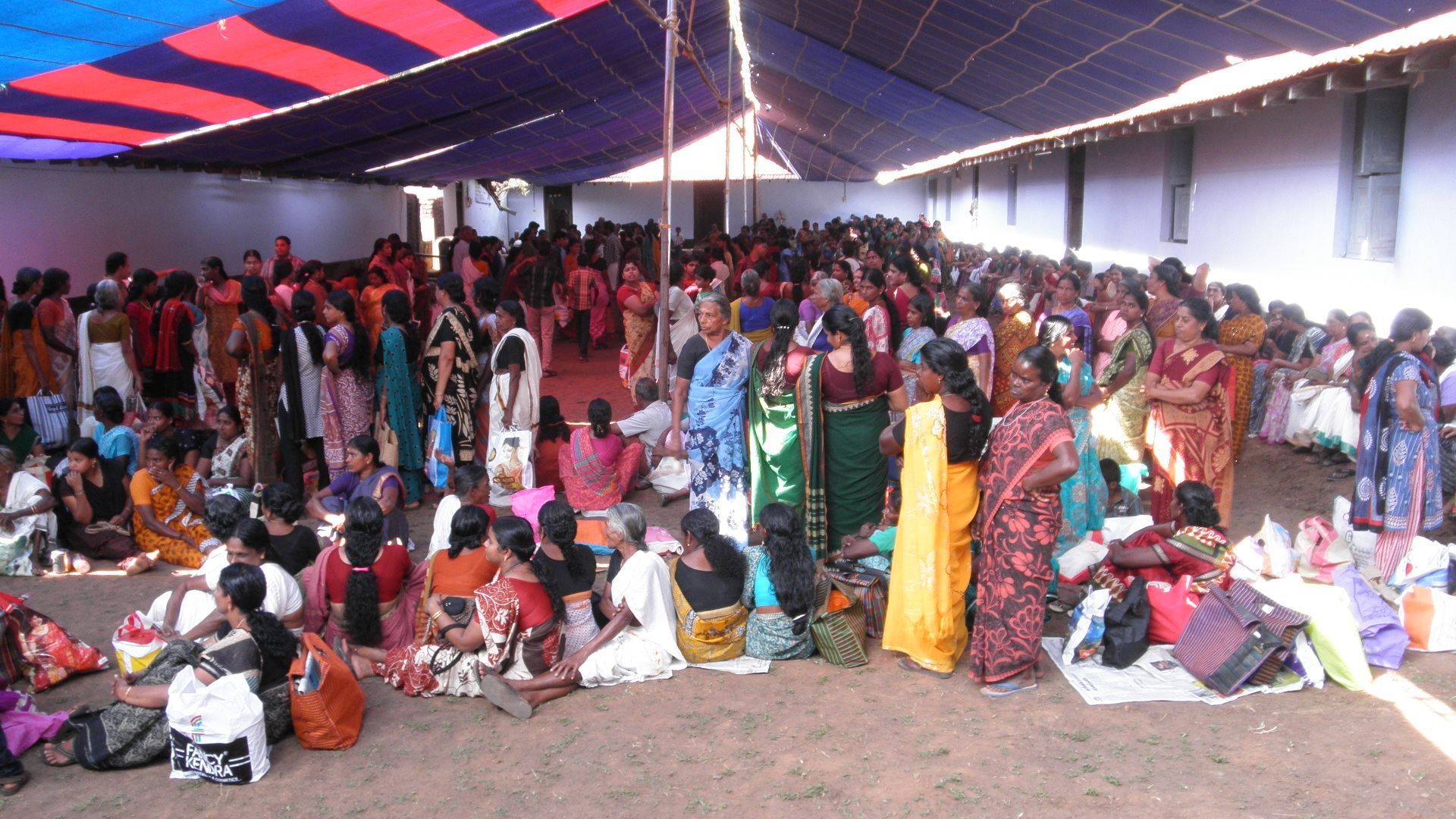
Kerala Church Festival – St.Mary’s Church, Kuravilangad
Church festivals mark a special form of festivity among the Christians of Kerala. Called Perunal, these celebrations add verve and flavor to local communities. St. Mary’s Church in Kuravilangad is an ancient church believed to have been built over thousand years ago, which celebrates the famous kappal festival (vessel procession) every year in February. Continue reading
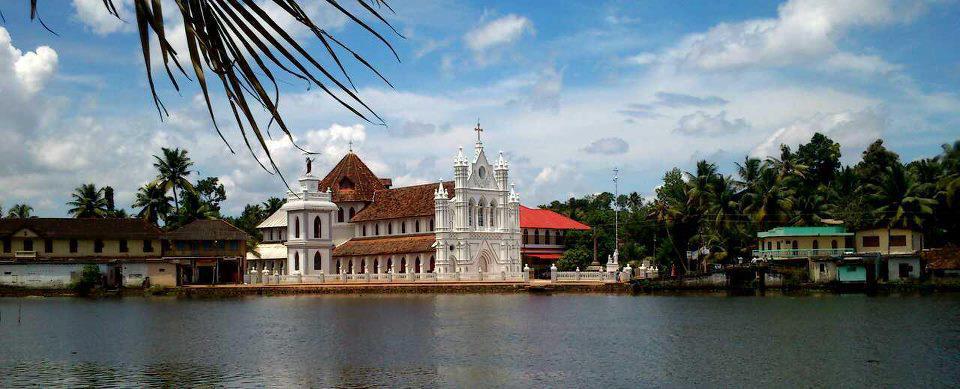
St. Mary’s Forane Church, Pullincunnu- Alleppey
St. Mary’s Forane Church is one of the oldest Christian Churches in India. This church is situated at Pullincunnu on the bank of Pampa River. The village is part of the Kerala Backwaters, a network of lakes, wetlands, and canals. Pulincunno is notable for the annual Rajiv Gandhi Trophy boat race. Continue reading
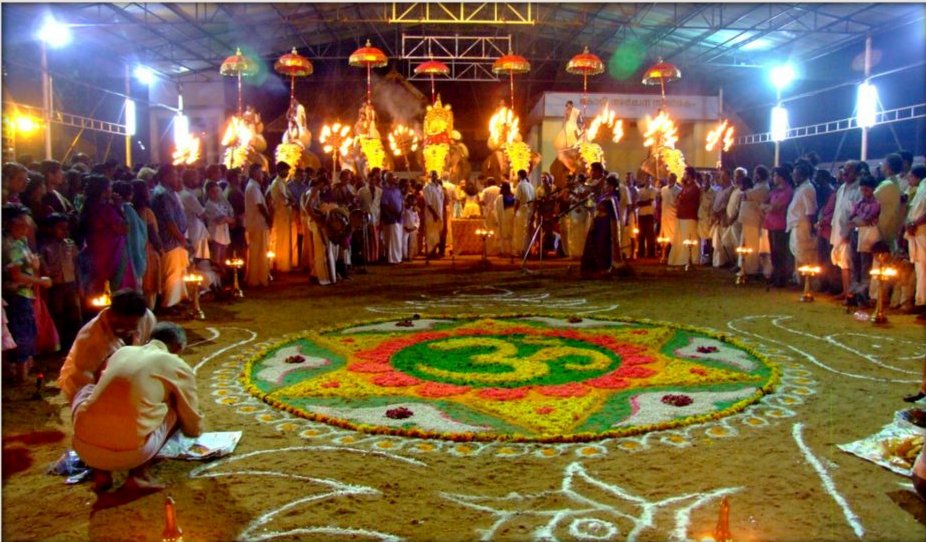
Temple Art – Kerala
The temples of Kerala offer various artistic and cultural events during festival time. During these periods, previously limited space become public as people gather to celebrate together, making carpets of natural materials, which we have described before. Continue reading
Sri Krishna Temple – Ambalappuzha, Kerala
The Sri Krishna Temple of Ambalappuzha is situated about 12 km south of Alleppey. Dedicated to Lord Sri Krishna, the temple architecture is a mixture of Keralan and Dravidian styles. Continue reading
Of Festivals and Traditions, the Royal Way….
Sarvani Sadya (Food served by the Royal Family)
Kerala is known for its culture, traditions and festivals. After a gap of 2 years, I had the chance to attend our family festival at Nilambur Kovilakam. Normally people from outside the family are not allowed to enter the temple, since it is my family’s, but this festival, called ‘Nilambur Pattu’, gives a chance for all to attend and seek the blessings of our family God ‘Vettekkorumakan’. Continue reading
Welcome To Raxa Collective’s Learning Laboratory, Cardamom County

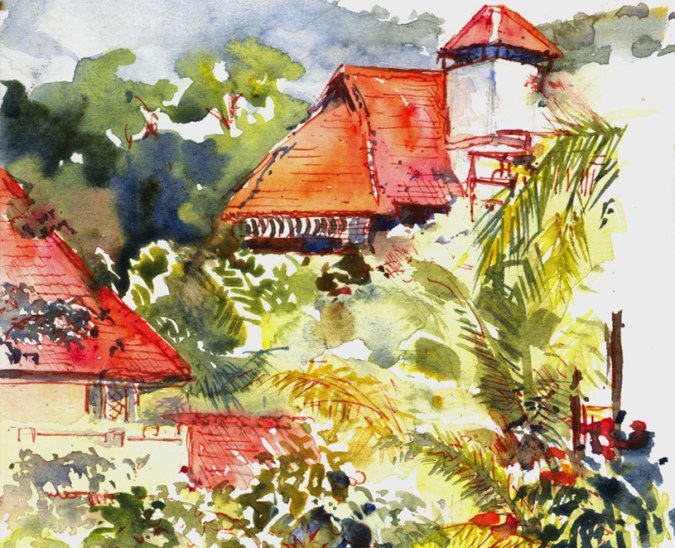
Cardamom County, by Maxine Relton
Every year right about now, a group of painters arrives to Kerala from England. They are led by a professional artist who also teaches, and during their several days’ stay at Cardamom County we enjoy watching their sketch books fill up. The watercolor above is an example of what we have seen in the past, and we are looking forward to this year’s new collection.
It is not only the colors and impressionistic views of our property we enjoy seeing, but the learning process itself. Each of the last few years, as Raxa Collective has expanded the number of properties in its portfolio, Cardamom County’s unique value as a learning laboratory has become more and more clear. Interns, trainees, and most of all guests–many of whom, while still at Cardamom County or after returning home, choose to share news about their experience with us, or on the themes of community and/or collaboration and/or conservation from around the world) are all essential components of the learning laboratory’s chemistry.
Today, we welcome a group of nearly one dozen new employees to Raxa Collective. Continue reading
Sleuthing for Birds
Next to my Celebrate Urban Birds student work-desk at the Lab of Ornithology, team members of the inquiry-based science program called BirdSleuth are always busy developing new curriculum plans in avian education for K-12 students and instructors to learn more about birds and the local environment through citizen science and discovery driven by curiosity.
Originally called “Classroom BirdWatch,” the program provides training, kits, and other resources to encourage investigation and data collection among youth. Although it started in 2004 under a National Science Foundation grant in the US, about five years ago Continue reading
Sharing Enthusiasm for Wildlife
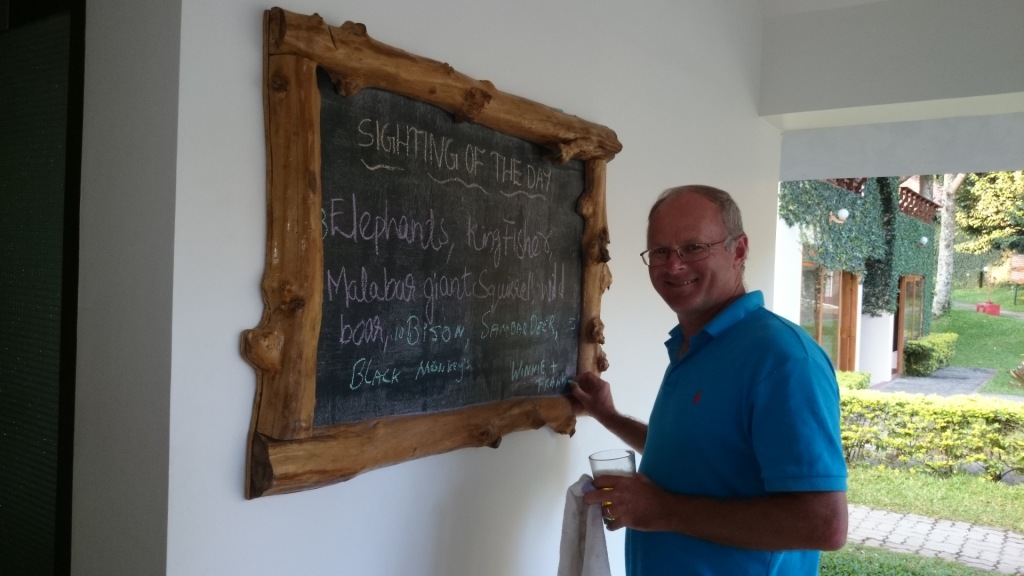
Five years ago we started the “Sighting of the Day” board at Cardamom County with the goal of asking guests to share their experience inside the Periyar Tiger Reserve with us. Today this board has grown to much more than just a list, Continue reading
Self-Sufficiency Taken To The Outer Extremes
Before the lights go out on the last New Yorker issue of 2013, one more of several articles we found worth the read, and relevant to our common themes of interest–community-building, innovation, environmentalism, farming, etc.–on this blog, even if we tend to incremental change rather than the radicalism on display here:
Marcin Jakubowski, the owner of a small farm in northwestern Missouri, is an agrarian romantic for high-tech times. A forty-one-year-old Polish-American, he has spent the past five years building industrial machines from scratch, in a demonstration of radical self-sufficiency that he intends as a model for human society everywhere. He believes that freedom and prosperity lie within the reach of anyone willing to return to the land and make the tools necessary to erect civilization on top of it. His project, the Global Village Construction Set, has attracted a following, but among the obstacles he has faced is a dearth of skilled acolytes: the people who show up at his farm typically display more enthusiasm for his ideas than expertise with a lathe or a band saw. Continue reading
Channel 13, Tens Of Millions Of Community Beneficiaries, And One Man’s Contribution
We recently mentioned how we rarely get to link to Hertzberg written commentary, and here is one more of those rare opportunities. The man he writes about, unknown to any of us at Raxa Collective, was involved in the creation of an institution that several of us were deeply influenced by.
Channel 13, serving the New York City metropolitan area television community, started several Raxa Collective contributors (and many millions of our generation and subsequent generations) on Sesame Street as children in the 1970s, and well into adulthood we were still watching Channel 13’s excellent programming. But none of us remembers this particular show Hertzberg writes about.
Technology, including television, is neither good nor bad; it is how we use it that makes it one or the other or somewhere in between. Television today seems mostly to have abandoned its potential for good, but here was a man continuing to stick to its potential for good well into his 80s. Anyone so important to the history of Channel 13 is a community-building hero, even if it is otherwise difficult to associate television with heroism or community:
In the spring of 1954, my parents finally allowed themselves to bring a TV set into our home—a state-of-the-art DuMont, black and white, of course, with the aspect of an alien insect: spindly legs, pointy antennae, a body entirely dominated by a single bulging, bulbous eye. Reception was spotty: ghosts, chance of snow, iffy horizontal hold. But what a wondrous treat.
Mom and Pop maintained that they had bought the set for the Army-McCarthy hearings. I believed them. I still believe them. But even at our tender ages, my sister (age eight) and I (ten) were perceptive enough to notice that they had grown awfully tired of having to wangle invitations from people as their only access to Sid Caesar and Imogene Coca. Continue reading
Support Your News Sources
Our blog is a mix of first person accounts and references to stories from major news sources around the world, mostly about communities (unique forms of heritage, unique approaches to getting important things done for community members, etc.), about conservation (especially examples of entrepreneurial approaches to the conservation of unique cultural and natural heritage), and about collaboration (especially in relation to communities and conservation). We scan far and wide for stories. We depend on newspapers to which we do not subscribe, in return feeding traffic back to their websites. We think this is a fair exchange, but what do we know? It is definitely worth further investigation.
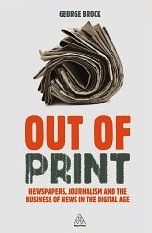
Whatever news sources you regularly depend on, you should read this review by Nicholas Lemann in the Times Literary Supplement about this book that documents, in the context of the USA, the economic challenges facing the newspaper business:
People tend to have little sympathy with accounts of crisis in a trade or profession. It comes across as evidence of excessive self-preoccupation, or as a prelude to special pleading before government.Journalism’s difficulties seem to be drawing this kind of reaction from many people who aren’t journalists. Isn’t the press still a swaggering, even power-abusing actor in politics and society? Doesn’t it command vast attention and resources? Isn’t more news being read by more people than ever before? Continue reading
Thevara Badminton, Inauguration
Raxa Collective has at least as many neighborhoods to consider as we do properties under our management–each of which has a remarkable surrounding community–which is to say six in Kerala, one in Costa Rica, and one in Ghana. Continue reading
Thevara Badminton, Final Practice And Laying The Lines
6pm this evening, our neighborhood will be the scene of intense competition. Yet, of course, friendly. Raxa Collective, as sponsor, has a special seat of honor watching the event, so we will hope to photo/video-document the fun. Liveblogging, alas, is not going to happen this time. It is peak season here for lodging operations, and all hands are on deck elsewhere. The recap, we promise, will be worth a look.
Fact-Checking Walter Isaacson
Walter Isaacson has done some remarkable things (according to his present byline he is “CEO of the Aspen Institute. Author of biographies of Steve Jobs, Albert Einstein, Benjamin Franklin, and Henry Kissinger. Former editor of Time, CEO of CNN”). Little reason for him to doubt his own authority, on anything. But he invites you to fact check the book he is currently working on, starting with a draft of a chapter published in Medium. I appreciate the creative spirit of collaboration, and his faith in the wider community to get his facts both straight and full of color:
The Culture That Gave Birth to the Personal Computer
I am sketching a draft of my next book on the innovators of the digital age. Here’s a rough draft of a section that sets the scene in Silicon Valley in the 1970s. I would appreciate notes, comments, corrections
In that draft he makes reference to the starting point of the Whole Earth Catalog, and the meme that came with it of using an image of the earth from space to communicate its fragility and limitations as much as its wondrousness; which, along with the rest of the draft (as if you needed convincing) makes the book sound worth the wait: Continue reading
Welcome, Xandari

Seen from one angle, the sun is setting over the pool on Xandari’s western perimeter; the way this photo is taken makes it appear that way, but if seen from Kerala, the sun would just be rising. Just hours ago, Xandari joined Raxa Collective. Welcome! Continue reading
2013 Thevara Badminton Invitational
Opposite the badminton field, which part of the year serves as cow pasture, is a wall with these hand-painted signs announcing the December dates for the tournament that these players have been practicing for–singles, doubles, juniors, seniors, etc.. Raxa Collective is proud sponsor of this tournament. Live webcam coverage (maybe) so stay tuned.
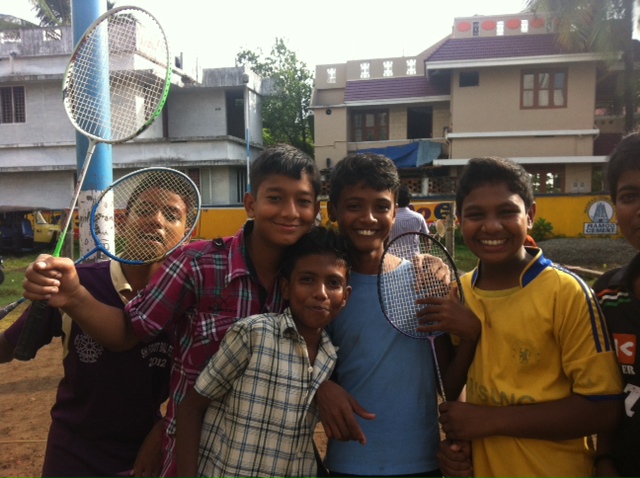
Our Gang, Thevara (Racquets In Hand)
As we post this, collaboration on the badminton court is in full swing; these young friends in our community are Raxa Collective’s best hope for global domination of a sport: the power smile. We are cheering them on in badminton as well. December 23 is a big day, we are told. Stay tuned.