
Photo credits: Anuraj
Theyyam is based on a traditional belief system, and is a self-contained world without obligations to caste, community, society and religious faith. Fire has a major presence in many Theyyam myths. Continue reading
Photo credits: Anuraj
Theyyam is based on a traditional belief system, and is a self-contained world without obligations to caste, community, society and religious faith. Fire has a major presence in many Theyyam myths. Continue reading
It does not matter whether you are a farmer, a geneticist, or whatever you do with your time: you will almost certainly be affected in important, unexpected ways after time spent in Paris. Continue reading
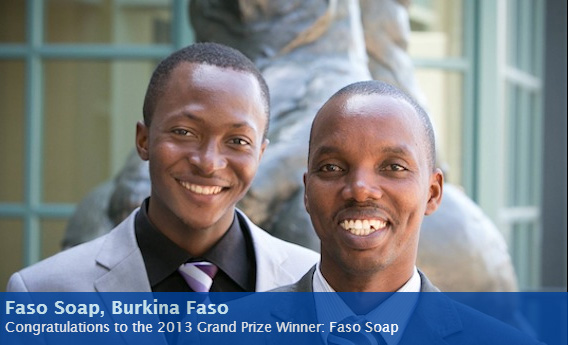
Fasoap Founders Photo courtesy of gsvc.org
Moctar Dembele and Gerard Niyondiko are this year’s grand prize winners of Global Social Venture Competition, an annual competition that awards young entrepreneurs for ideas that can have a positive impact on the world. Their idea “Fasoap” hopes to help prevent the contraction of malaria, a disease that Johns Hopkins Research Institute states over 40% of the world is at risk for, including parts of Africa and India. Malaria a disease that is contracted through bites of infected mosquitoes. Once contracted the medical treatment for the malaria can be very costly, and many of the people who contract it have trouble seeking and paying for such medical care. Continue reading
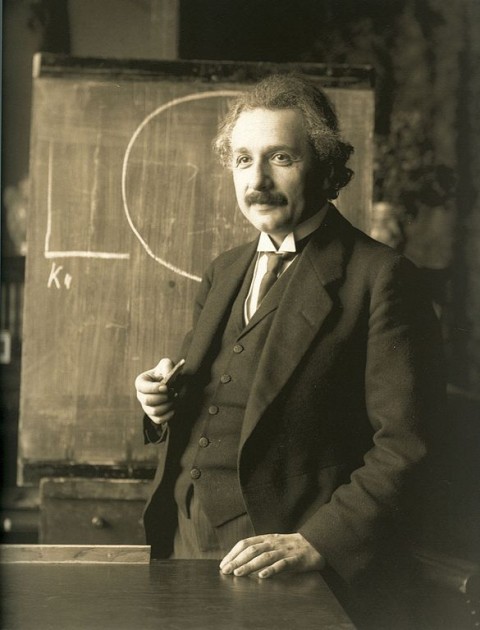
Planning our work with communities in diverse locations, language is a challenge, a puzzle. We are constantly on the lookout for new ways of thinking about how to resolve this puzzle, so when we hear this fellow speak on the topic, it makes us smile. Nothing to do with conservation, but everything having to do with community and collaboration at a very fundamental level, we thank Open Culture for bringing this wonderful recording to our attention:
The essay is called “The Common Language of Science.” It was recorded in September of 1941 as a radio address to the British Association for the Advancement of Science. The recording was apparently made in America, as Einstein never returned to Europe after emigrating from Germany in 1933. Continue reading
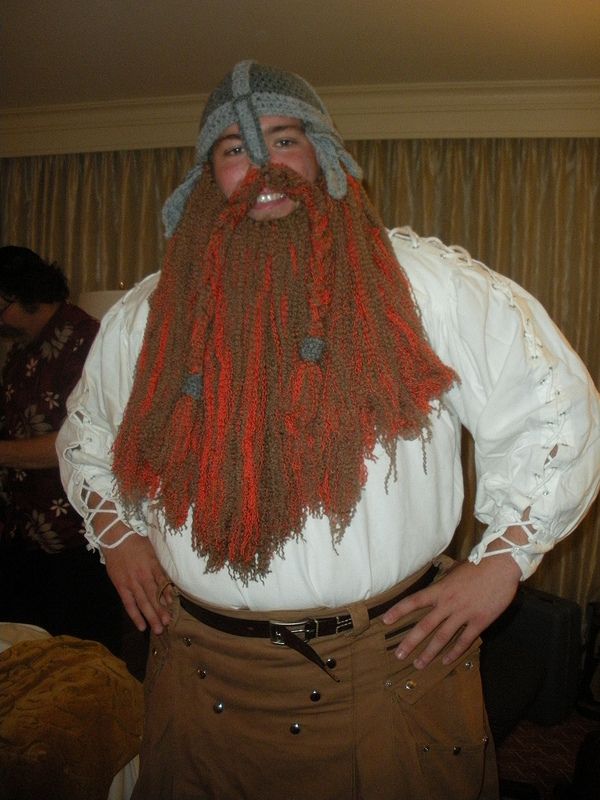
A fan sporting a dwarf beard and helmet woven from yarn. Both photos of convention by Flickr user Caliopeva.
My brother Milo and I spent the July 4th long weekend with some family friends in Baltimore, which neither of us had visited before. We were all there primarily for the North American Discworld Convention of 2013, a gathering of fan(atic) readers of Sir Terry Pratchett’s Discworld series at the Baltimore Waterfront Marriott, where the Church of God in Christ also had an event over the weekend (Marriott’s booking office has a sense of humor, it seems). We all had a great time attending various interesting panels and amusing activities, and seeing the diverse array of costumes that readers created and brought to display, and look forward to the next convention in 2015! If you haven’t read any of Pratchett’s work, he specializes in British satire and is often compared to P.G. Wodehouse and Douglas Adams. I like recommending Men at Arms or Night Watch to those interested in reading any of his Discworld series (soon over 40 books total), but he also wrote a book with Neil Gaiman called Good Omens that is one of my all-time favorites.
Speaking of books, if you’re ever in Baltimore on a weekend, you should most definitely check out the Book Thing and revel in the strange feeling of walking out of a building with bags full of books that you haven’t paid for: Continue reading
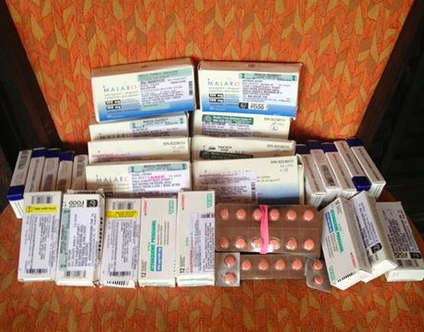
When “first world” travelers are planning a trip to the “third world”, their doctors often require them to take a handful of vaccinations, and a few prescriptions. This summer, about 40 students from a graduate program at the University of Western Ontario interned in Kerala, hosted by Raxa Collective; many of them, to err on the side of caution brought medicines for tropical diseases, including malaria. However, most of those medications are not needed in Kerala, whose health profile is comparable to Costa Rica, and which happens to be malaria-free.
As weeks progressed, many of the interns stopped taking their pills and consequently they were left with an excess, which are worth much more to those in need than in the garbage can back home. Continue reading

Thanks to this interview podcast on Fresh Air, we learned about Ava DuVernay and through her we learned about @AFFRM (click the banner above to go to their site, and be sure to read her interview with Director Spike Lee). DuVernay is a cultural entrepreneur, par excellence, and we salute her sense of community and collaboration:
Before she started making movies a few years ago, DuVernay made a name for herself through her marketing and publicity firm DVA Media + Marketing, which has handled films by brand-name directors like Clint Eastwood and Steven Spielberg. Continue reading

Photo credits: Ramesh Kidangoor
The shyanapradikshanam is ritual worship by devotes (usually male) of circling the temple sanctum sanctorum by rolling on the ground. The ritual is performed as atonement, pledge fulfillment or a gesture of thanks giving. It’s a common sight in many Kerala temples. Continue reading
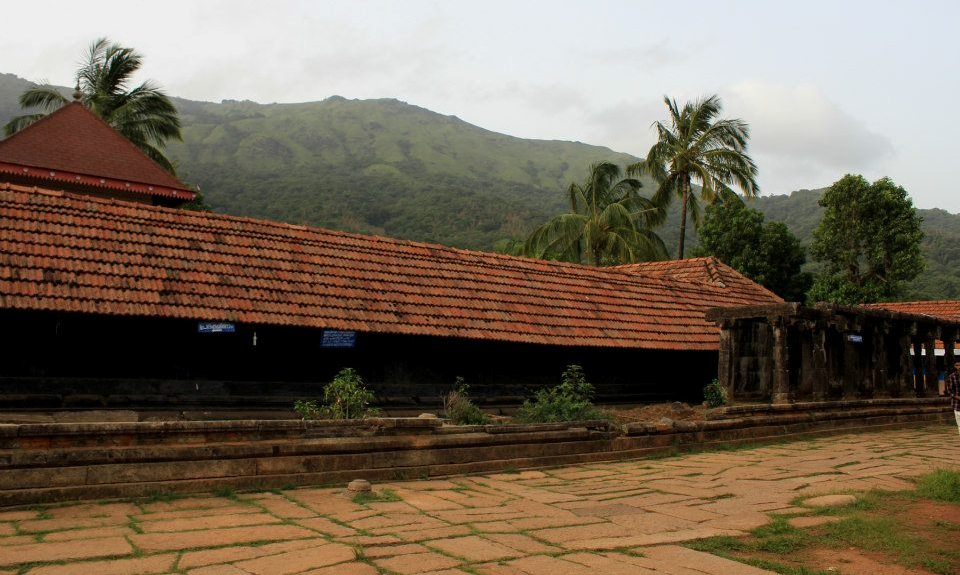
Thirunelli Temple
Thirunelli Mahavishnu Temple is one of the most ancient temple in Kerala, situated at the foothills of Brahmagiri in norh Wayanad , surrounded by mountain and beautiful forest.The temple is popularly known as ‘ Kashi of the South’. According to legend, Lord Brahma himself installed the idol of Lord Vishnu in this temple . The waters of the Papanasini River , which flows close to the temple,is said to have mystical powers.It is believed that bathing in the River will wash away one’s sins. Continue reading
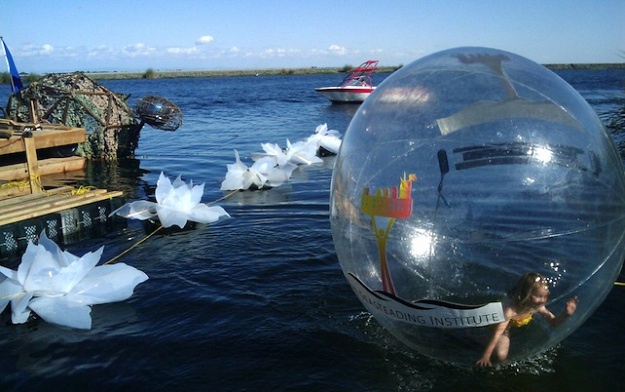
An article recently published in n+1 examines a utopian futurist form of an idea that seems oddly symmetric with Seth’s posts about the history of exploration using Iceland as a case study. Looking back, we see much in common with explorers, pioneers, pilgrims and adventurous thinkers of all sorts. Looking forward, we are inclined to embrace smart, creative, enthusiastic group efforts to resolve seemingly intractable challenges. Especially when they involve living on boats. We recommend reading the following all the way through:
To get to Ephemerisle, the floating festival of radical self-reliance, I left San Francisco in a rental car and drove east through Oakland, along the California Delta Highway, and onto Route 4. I passed windmill farms, trailer parks, and fields of produce dotted with multicolored Porta Potties. I took an accidental detour around Stockton, a municipality that would soon declare bankruptcy, citing generous public pensions as a main reason for its economic collapse. After rumbling along the gravely path, I reached the edge of the Sacramento–San Joaquin River Delta. The delta is one of the most dredged, dammed, and government subsidized bodies of water in the region. It’s estimated that it provides two-thirds of Californians with their water supply. Continue reading
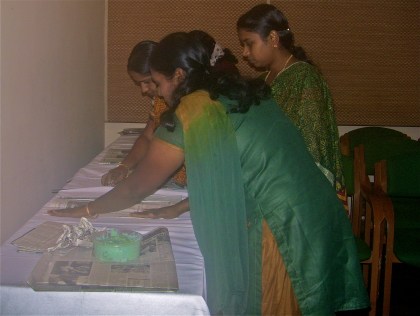
Our newspaper bag unit is a permanent, exciting work-in-progress. Using upcycled newspapers provides us with an alternative to plastic bags in our two shops at Cardamom County– the Raxa Collective store and the via kerala shop. It is also a way to work with more people in our community. We have been working at making this unit a sustainable entreprise with many collaborators since the beginnings of Raxa Collective in 2011.
This week Isabel and I continued to survey coffee producers and visit cafetales (shade coffee plots) while we also began interviewing ex-coffee producers (people who planted coffee but either have stopped harvesting it or never did) and conducting more conversational, open-ended interviews with coffee producers. Additionally, a baby cow was born on the farm and we have officially started to become sick of rice, beans, and soup.
Last week I wrote about the technical problems with shade coffee. This week I’ve learned much more about the social elements constraining it. One of the most common things we heard people say this week was that they don’t have time to work on their cafetales. By this they mean that they don’t weed it, fertilize it, or spray it to control pests and diseases. All they do is simply harvest it when it’s ready. It also means that they’re not willing to give up time from their other crops to dedicate to coffee. “Si carga, carga. Si no carga, no carga.” If it produces, it produces. If it doesn’t, it doesn’t. This attitude shows a serious lack of commitment and is also preventing people from seeing the true economic potential of this valuable crop. In our interviews we’ve been asking what people’s main sources of income are, and not one person has mentioned coffee.
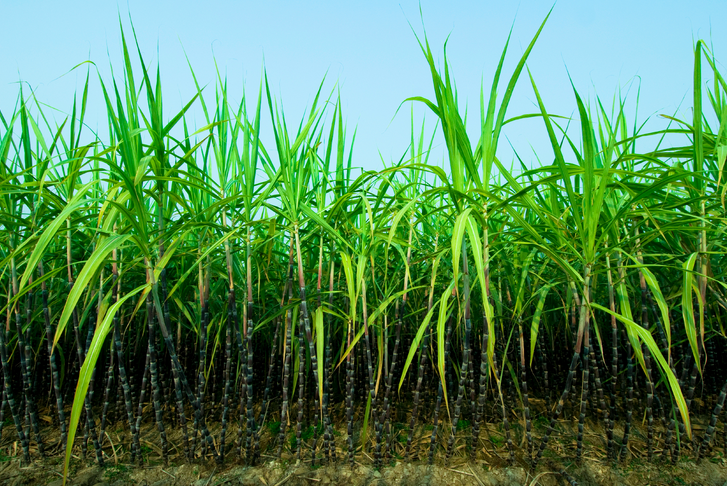
Why is this the case? Largely, because of subsistence agriculture and sugarcane. Here in Barrio Nuevo, cane is king. Continue reading

Photo credits : Ramesh Kidangoor
Thirvunamalai Arunacaleshwara Temple is dedicated to Jyothi Lingam, the fire incarnation of Lord Shiva. Situated amidst picturesque surroundings at the base of the 2600-ft Annamalai hills, it is one of the largest and most revered shrines in South India. The nine imposing gopurams of the temple constructed in the Vijayanagar style are a magnificent sight. There is a “thousand pillared hall” with intricate carving of minor deities and demi-Gods. Continue reading
Photo Credits : Ramesh Kidangoor
Cochin Carnival is celebrated at Fort Cochin annually during the last ten days of December. The carnival is celebrated as a continuity of the Portuguese New Year festivals during the colonial years. During the carnival period all establishments in the city don white paper buntings. All available space on the streets is used to host traditional competitions such as kalam vara (floor drawing), tug-of-war, and bicycle racing. Additionally, people often play beach volleyball or go for a swim in the sea. The festivity and revelries continue until midnight of December 31st, culminating in a marvelous show of fireworks. Continue reading
 Click the image to the left for an interview with Tim Westergren about his experience prior to and as founder of Pandora. The path to that founding is colorful and unlike other startup stories. Launching a business that threatens the status quo is a classic tale, retold often.Travis Kalanick tells his own variation on a founder’s story about an industry’s reaction to disruptive technology; it is worth listening to both interviews back to back.
Michael Philips has a very insightful blog post covering Pandora’s recent moves in a brutal chess game–incumbents are under no obligation to sit back and watch an upstart deliver creative destruction on a silver platter, but the defensive moves to protect entrenched interests from the power of innovation obviously do not always serve the best interests of society. Philips gives attention to Kalanick’s Uber travails at the same time:
This week, the Internet-radio service Pandora planted itself in South Dakotan soil. It bought an FM radio station in Rapid City. The station, KXMZ-FM (Hits 102.7, “Today’s hits without the rap”), serves the two hundred and fifty-fifth largest radio market in America. Its Facebook page highlights a local Good Samaritan who bought new tires for a stranger’s beat-up pickup truck. But Pandora’s purchase is not a bid for heartland radio; it is the company’s latest gambit in the war between artists, publishers, broadcasters, and technology companies over who will profit from popular music. Continue reading

Photo Credits: Ramesh Kidangoor
Thalappoli is a traditional and ritual procession carried out by young girls and ladies of Kerala to attract happiness and prosperity in the community which holds the festival. The participants wear traditional dress and hold thalam (a metal plate) in their hands filled with fresh paddy, flowers, rice, coconut and a lighted lamp. Continue reading
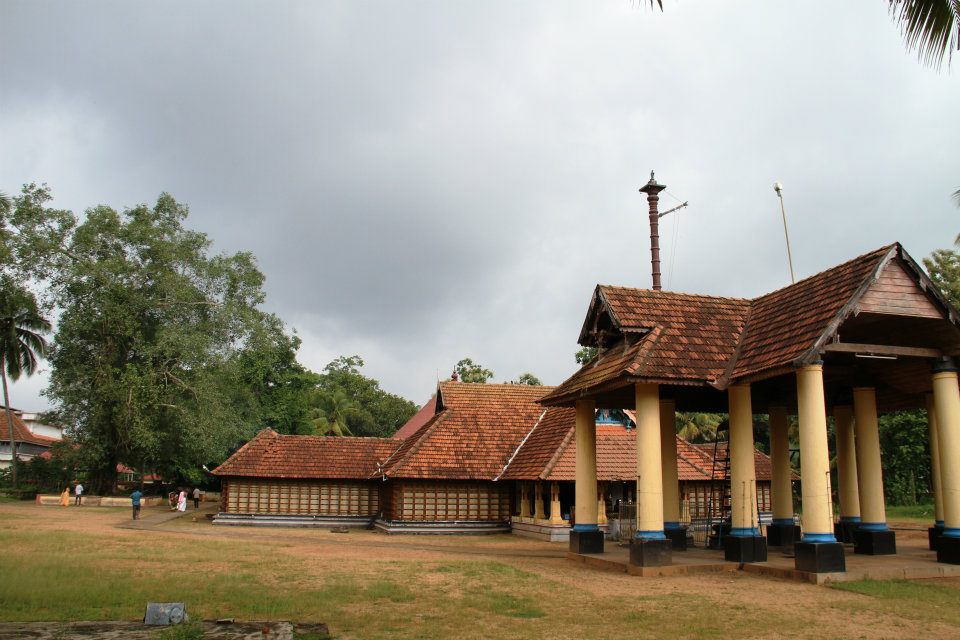
Photo credits : Ramesh Kidangoor
Located near Cochin, Thrikkakara Temple is one of the few temples dedicated to Lord Vamana, the 5th incarnation of Lord Vishnu. The name Thrikkakara means “the Holy place where Lord placed His Foot”. Thrikkakara is famous for the 10-day Onam festival celebrations. Continue reading
Down under, where there is no aurora borealis, the do-it-yourself creatives have taken matters into their own hands, using vivid colors to attract your attention–and thrown a big party to boot (May 24 – June 10 according to this press release):
…“Vivid Sydney is where technology, commerce and art intersect—delivering real business outcomes. With 37 per cent of Australia’s creative industries located in NSW, supporting creative industries through events like Vivid Sydney is key to the NSW Government’s strategy to grow the NSW economy,” Mr Stoner said. Continue reading
India Ink has a story about a group of young Indians collaborating in the upper reaches of the region’s mountains, at a time when many are celebrating the six decades-old historic accomplishment in the same region:
KHUMBU GLACIER —It was nearly 60 years ago this month that Tenzing Norgay, the Sherpa guide, and Sir Edmund Hillary from New Zealand scaled the highest peak in the world, Mount Everest. Continue reading
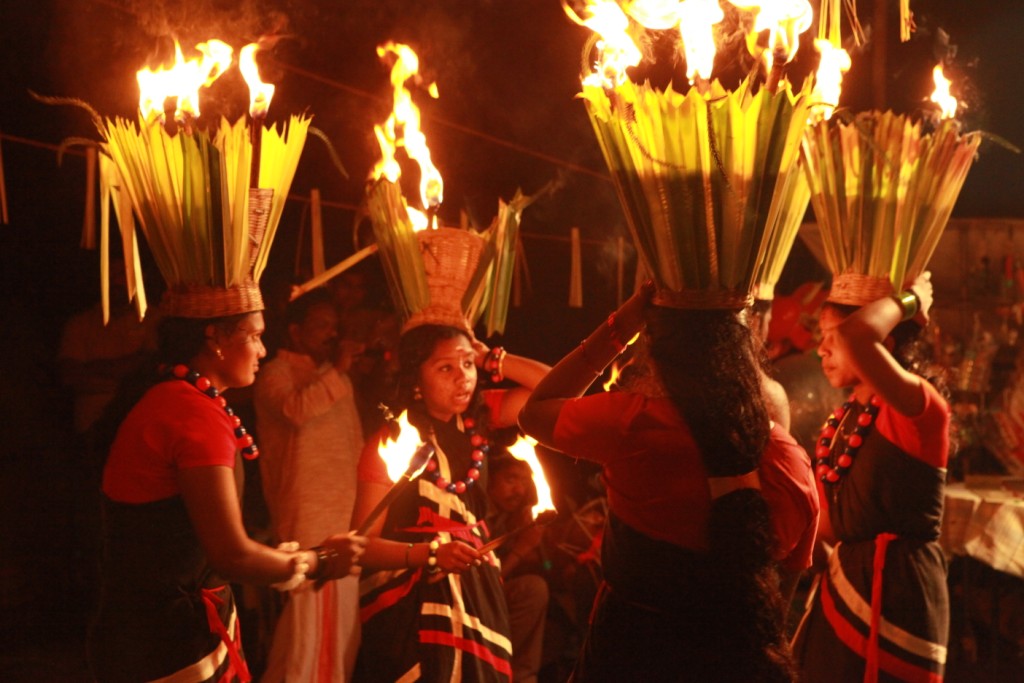
In India Kerala is famous for its Tribal folk dances. There are more than fifty well-known popular folk dances in the state which are mostly performed for religious influences, during harvesting, sowing of seeds, festivals etc. Tribal dances are often accompanied by songs & instruments.
 Organikos