Support Edible Utensils, Reduce Plastic

Screen Shot 2016-05-31 at 8.52.42 AM

Click the image above to go to the video on this new company’s page at Kickstarter, and then scroll down if you want to pre-order items to support the mission:

Eat your utensil and prevent waste at its source! 

Bakeys is launching the world’s first edible cutlery line made of three flours: rice, wheat, and sorghum. Help us change the way we eat and think about waste!

And we understand how important it is to be able to provide delicious cutlery that can be eaten by anyone. We are already fully vegan, preservative free, trans fat free, dairy free and operate on principals of fair trade. We have put a focus on bringing up the following certifications within the following year: Continue reading
Xandari, Monday Morning

WestPoolSunrise

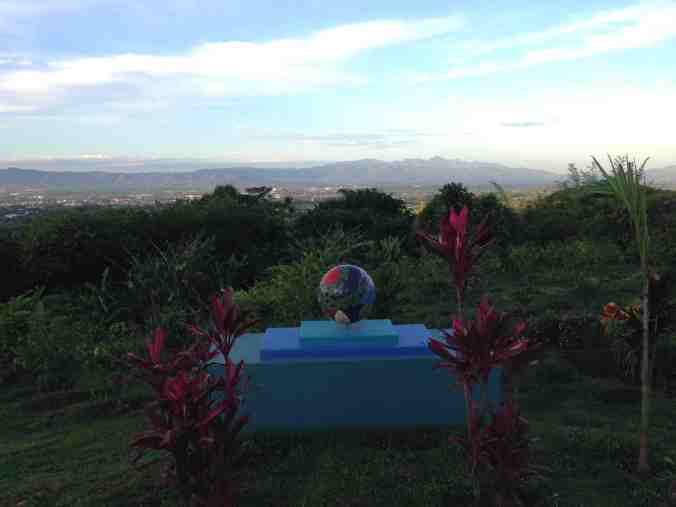
We are currently in the middle of filming a series of short films at Xandari, here in Costa Rica, to match the series of short films we have made of the various Xandari properties in Kerala, India. The film crew arrives at 4:45 so we can catch the rising sun, which I find best viewed from the west edge of the property. Above you can see some of the coffee planted in the last two years, in the midst of one of Xandari’s highly productive organic vegetable gardens. The film crew is drawn to this space at sunrise and sunset. Soon you will see why, cinematically. For now, some more images from the edge of the forest reserve, following Saturday morning’s outing; this time focused on various introduced species of flora that complement Costa Rica’s most famous introduced species of plant (high grade arabica coffee). Continue reading

No-till Farming On The Rise

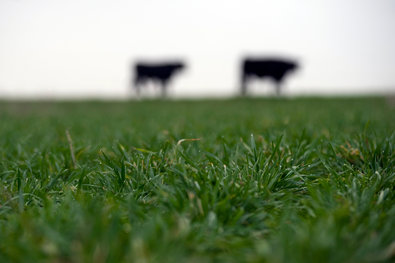
Brandon Thibodeaux for The New York Times. Cattle graze on farmland owned by Terry McAlister, near Electra, Tex. Mr. McAlister converted to no-till farming for its apparent economic benefits.

Brandon Thibodeaux for The New York Times. Cattle graze on farmland owned by Terry McAlister, near Electra, Tex. Mr. McAlister converted to no-till farming for its apparent economic benefits.

Thanks to the Science section of Tuesday’s New York Times for pieces regularly covering alternative approaches to agriculture, such as this one today:

Farmers Put Down the Plow for More Productive Soil

Soil-conservation farming, a movement that promotes not tilling fields and using “green” manures, is gaining converts in tough environments and markets.

Redefining Recycling

In the early years of this site we highlighted a concept of “the fourth r” – focusing on the restaurants and events planners who support a form of social entreprenuership by donating excess food to local shelters. On an annual basis huge amounts of prepared foods go to waste in all forms of venues, but the classic buffet-style cafeteria is a long-term culprit. But luckily creative solutions have gone hand-in-hand with awareness of the problem. At the time we used the term “recycled” when taking about the food programs. Kudos to the new voices who redefined at as “repurposed.”

Back in 2011 when I was a student at the University of Maryland in College Park I once noticed a massive pile of trash in front of a dining hall. A closer look revealed that it was mostly food — a half-eaten sandwich, a browning apple and what appeared to be the remains of the day’s lunch special.

The heap was gross, but intriguing. Turned out it was a stunt to get students thinking about how much food they throw out each day.

Nowadays, students are coming face to face with their food waste, and its environmental and social impact, a lot more often. They also have more opportunities do something about it. Continue reading

Sugar Beets, Wherefore Art Thou?

shutterstock_79736593

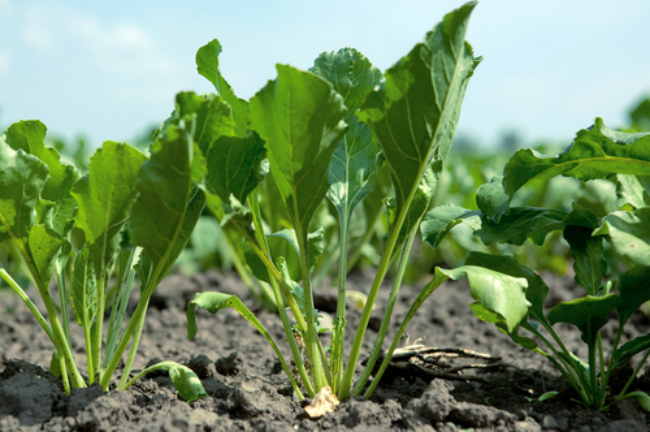
A Dutch scientist has created a process for turning sugar beet leaves into protein. Photo credit: Shutterstock

Thanks to Ecowatch, we can consider the long lost love of our better, healthier selves, found:

Sugar Beet Leaves Create Vegan Protein Alternative

Katie Levans

A scientist in the Netherlands is turning plant waste into a potential substitute for environmentally unsustainable proteins like meat, dairy and soy. The Dutch government commissioned Peter Geerdink, a food scientist at TNO, to identify a use for the 3 million tons of beet sugar leaves produced each year and left to rot after the beets themselves are harvested. The result of his work is a vegan gluten-free plant-based protein extracted from the pressed green juice of sugar beet leaves that, according to Geedink, is as versatile as a chicken egg.

Continue reading

Notes from the Garden: Tropical Composting

10366090_10152547906815712_3231564213131287158_n

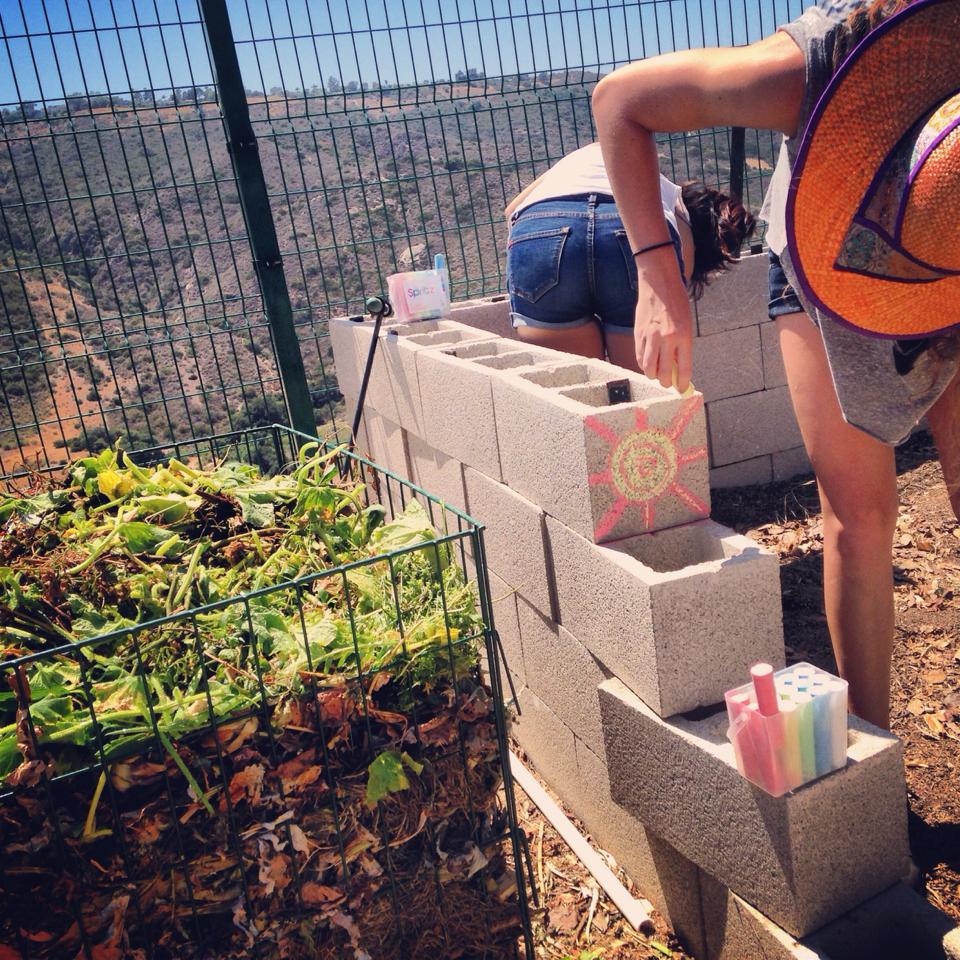
Soka Instructional Garden, Soka University of America. Photo credit: Leia Marasovich

Composting where I live in a sunny Southern California desert climate is very different than the composting we have done since I have been here in tropical Thekkady, India. Here are some pictures of our composting at my university garden I work at. We do ‘hot composting’ above ground. At Cardamom County they’ve been doing a type of vermicomposting, or worm composting. As a gardener, I have always considered earthworms to be a little magical. When there are worms in our garden beds, we always take it as a good omen that our soil is healthy, and healthy soil is the only path to healthy plants. They speed up the decomposition process and essentially create compost gold. They add really beneficial microorganisms to the soil and their castings, or poop, is extremely nutrient rich with the essential ingredients of good soil: nitrogen, phosphorous, and potassium! Where I work in the Soka Instructional Garden (SIG), we make compost tea from the worm castings, and any time a crop is struggling, we can usually nurse it back to life within weeks of adding worm compost tea.

So here, I was happy to see, not only are the worms already dancing happily in the soil, but they have a thriving worm composting bed.There is a hole dug in the ground, maybe 6 feet deep and a good 10 feet across. They fill the hole with any garden waste, add several wheelbarrows of dirt dug up from the poultry area, which is already rich in nitrogen from their poop (therefore speeding up the decomposition process and helping the pile heat up) and then just let the worms feast. Continue reading

Chicago’s Vertical Farming

Plant Chicago, NFP/Rachel Swenie

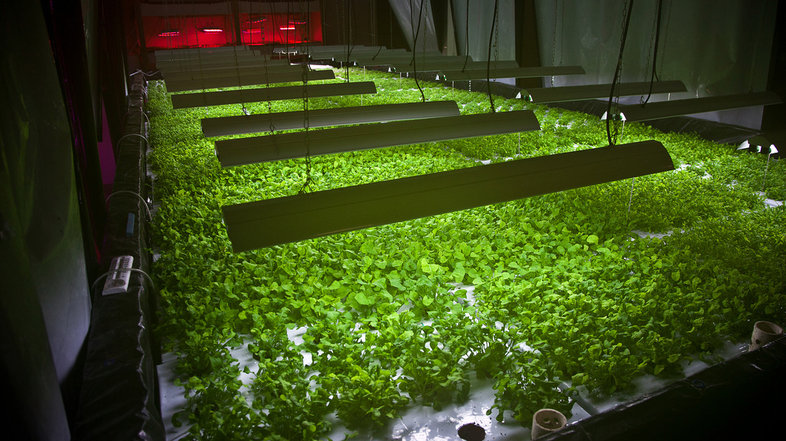
Arugula plant beds inside The Plant, a vertical farm operation in Chicago. Plant Chicago, NFP/Rachel Swenie

Thanks to National Public Radio (USA) for this story on their weekly program called The Salt:

From plant factories fueled by the magenta glow of blue and red LED lights, to the 30-foot tall Ferris wheel for plants in Singapore, we’ve shown you the design possibilities for growing vegetables up instead of out.

But critics ask, what kind of stresses does that put on the plant? And how do you feed this kind of intensive cultivation without spending more than what you get back in the harvest? Continue reading

It’s Never Too Late

Recycling In India

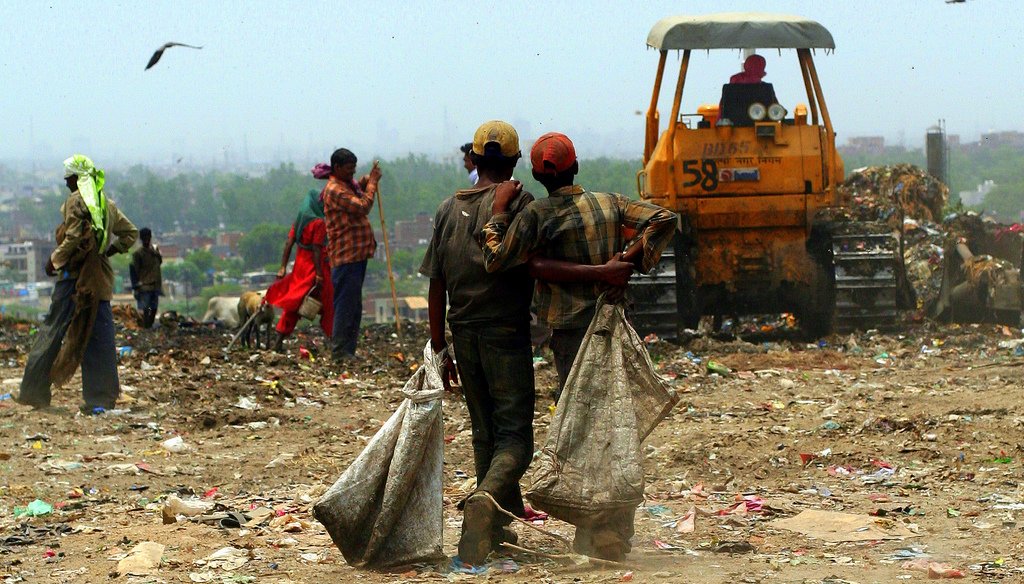
Photograph Credit: mackenzienicole

To be completely honest, helping the environment had rarely been a crucial concern of mine.  Actually, that’s an understatement: Helping the environment had rarely been a concern of mine at all.  Growing up, my parents tried to nudge me the right way.  For example, they always told me not to waste food – the theme of this year’s World Environment Day.  However, it didn’t actually sunk in.  At buffets I would take more food than I actually needed so I could try everything before it was gone. To me, this was well justified – we were paying the same amount regardless of what we took, right? I even scorned my parents’ initiative to use fluorescent light bulbs in the house; I didn’t see the benefit of using light bulbs that took a while to light up.

This past summer I decided to come to India and intern for Raxa Collective to experience something both culturally and professionally different.  From the moment I arrived I was amazed at the passion with which Amie, Crist, and the rest of the Raxa Collective staff operated.  Cardamom County already had numerous eco-friendly initiatives in place such as their natural farm, composting, and the use of glass water bottles in the restaurant, solar panels to heat the water in the kitchen, and compact fluorescent lighting (CFL).  However, it was evident that the Raxa Collective staff was not willing to settle.  Continue reading

WED 2013: Food for Thought

WED 2013 - Raxa Collective

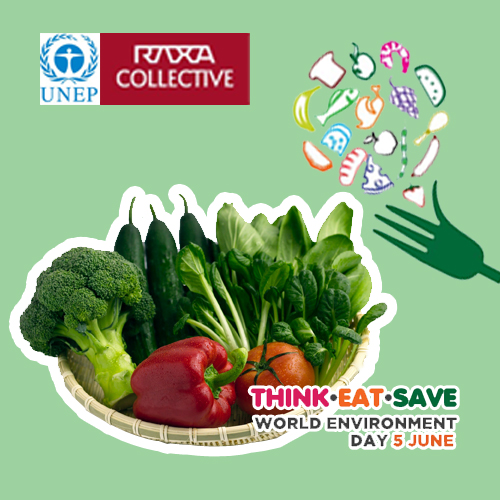
On June 5, we’ll celebrate World Environment Day. This year UNEP focuses on the theme Food waste/Food Loss. At Raxa Collective we’ll be carrying out actions and sharing experience and ideas. Come and join us with your ideas and tips to preserve foods, preserve resources and preserve our planet.

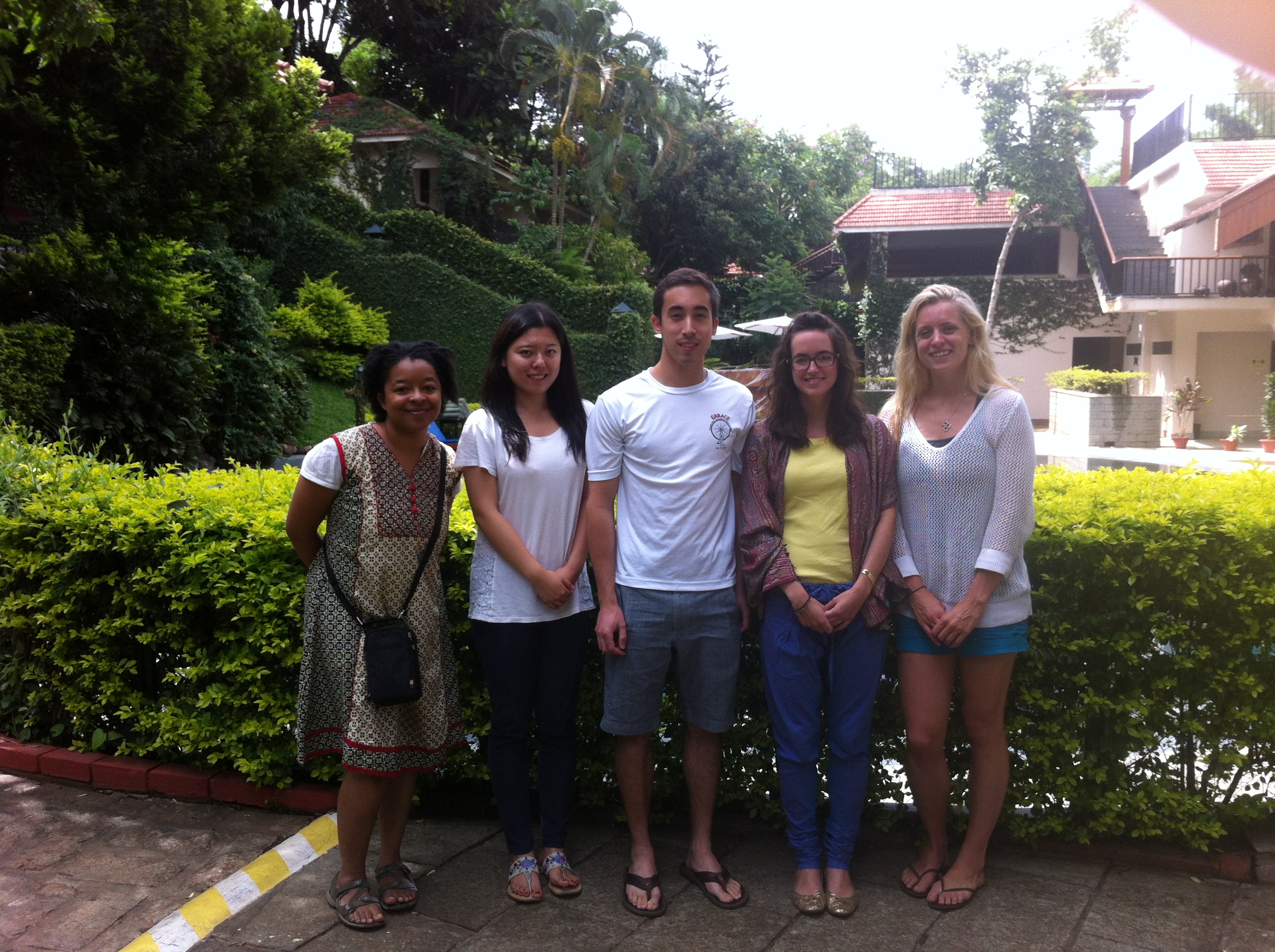
From left: Allegra Marzarte, Lu Li, Martin Bawden,  Raphaëlle De Gagné, Ashley Ostridge

From left: Allegra Marzarte, Lu Li, Martin Bawden, Raphaëlle De Gagné, Ashley Ostridge

Tomorrow is World Environment Day. A United Nations Environmental Programme initiative, WED is annually celebrated on June 5th in an effort to increase environmental awareness and positive environmental action. This year the theme is food wastage, with the motto: Think, Eat, Save. A recent report by the UNEP  concluded that every year, roughly one third of the food produced in the world for human consumption — approximately 1.3 billion tonnes — never makes it to from farm to table.

While one may imagine that most food wasted is a result of the actions of individuals in developed countries, this is not the case. Many developing countries, including India, also have an enormous food waste crisis. Specifically, while India is 2nd in the world in food production, as much as 20 to 40 percent of the food grown spoils before reaching consumers.

Here at Raxa Collective we have several initiatives to both alleviate food wastage and help both the local community and the environment. Continue reading

Composting, Scaled For The Big Leagues

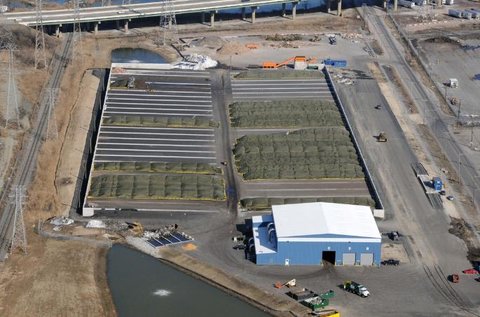
Corrado Construction. The Wilmington Organic Recycling Center in Delaware now produces some 75,000 tons of compost a year.

Corrado Construction. The Wilmington Organic Recycling Center in Delaware now produces some 75,000 tons of compost a year.

Thanks to Green Blog for coverage of the progress made getting this process in line with market forces:

Is it possible to make a living by turning rotting food into usable compost while also helping to curb greenhouse gas emissions and reduce landfill disposal costs?

The Peninsula Compost Company of Wilmington, Del., thinks so. Since 2009 it has been taking in growing quantities of spoiled food from supermarkets, restaurants, schools, and other sources and converting it in a matter of weeks into dark, moist, friable compost for use by landscapers, farmers and private gardeners. Continue reading