Fresh Ideas

featured_art_cu100_042.jpg

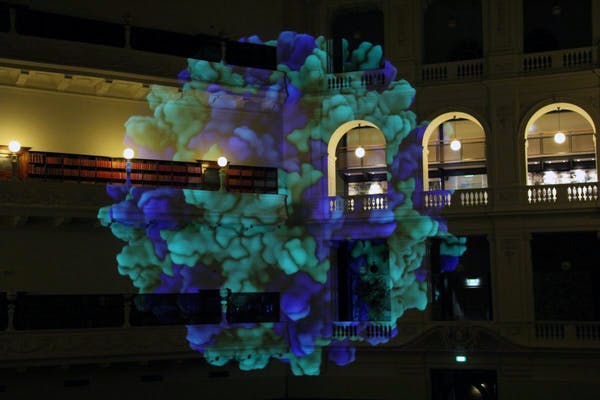
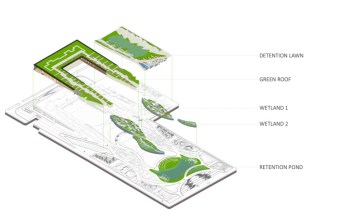
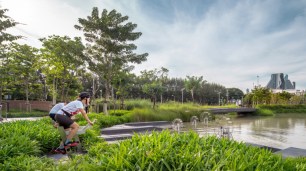
This oasis of green in the hyper-developed city has an important job: it can contain one million gallons of water. Here’s how.

Thursday night in Costa Rica Amie and I attended an event at the oldest, yet freshest Marriott in this country. Fresh with actions around sustainability. Fresh with a renovation and landscape plan that enhances the property’s coffee hacienda origins. And fresh with ideas from other parts of the world in their ongoing series of TED events. The picture above was on the screen as the speaker explained one of her projects; she gave an extended version of the TED talk she first presented earlier this year. I found some additional information about it to share here:

When Bangkok floods (and it floods a lot), this park does something amazing

web_ready_01_4_2flooding

Rainwater flows from the green roof through wetlands that frame two sides of the park into the retention pond; water can also collect in the detention lawn.

Bangkok is sinking. Spilling out across the delta of the Chao Phraya River, the Thai capital was once known as the Venice of the East for its network of canals.Today, thanks to explosive development, many of those waterways have been filled with cement. With nowhere for water to go, Bangkok has become notorious for frequent, destructive floods, sometimes after as little as 30 minutes of rain. The reality is that this city of 20 million people, built on shifting river mud, is sinking at the rate of more than one centimeter a year and could be below sea level as soon as 2030.

web_rady_01_8_4retention

Stationary bikes serve two purposes: to give people a workout and to keep the pond water from getting stagnant.

Thai landscape architect Kotchakorn Voraakhom, a TED Fellow, watched firsthand as her city became a dense concrete jungle. “When I was young, there were rice fields and canals in the city,” she remembers. “I could hear boats from my house in central Bangkok. Now, all those fields and canals have been stopped with concrete and covered by highrises. All of the buildings and concrete become obstacles for water to drain, so the city floods.”

At her Bangkok firm Landprocess, Voraakhom designs parks, gardens, green roofs and bridges that address the city’s flooding problem while also reconnecting residents to their natural environment. “We’re so much in the buildings,” she says. “I think it’s very necessary for us, as urbanists, to have places where we can reconnect to our nature, to Mother Earth. Just to see the sky.”
Libraries as Cultural Hotspots


An installation at The State Library of Victoria during White Night in 2014. The library hosted almost 2 million visitors last financial year. Kerry O’Brien publicity

Never one to tire of reading about libraries, the essay below gives me a surge of hope in a world where culture is often upstaged by bullish showmanship. The sense that libraries encapsulate and span centuries of human endeavors, yet still evolve and remain essential to communities around the world is completely on point. “All hail the librarian!”, indeed.

Friday essay: the library – humanist ideal, social glue and now, tourism hotspot

Last year two Danish librarians – Christian Lauersen and Marie Eiriksson – founded Library Planet: a worldwide, crowdsourced, online library travel guide. According to them, Library Planet is meant to inspire travellers “to open the awesome book that is our world of libraries, cities and countries”.

The name of the online project is a deliberate nod to the Australian-made Lonely Planet. The concept is simple and powerful. Library lovers contribute library profiles and images from their travels; the founders then curate and publish the posts, with the ambition of capturing library experiences and library attractions from around the world.

Why make libraries a focus of travel? There are a thousand practical and aesthetic reasons, as well as cultural ones. Libraries for the most part are safe and welcoming places. And they tell unique stories about the people who build and appreciate them. If books are the basic data of civilisation, then nations’ libraries provide windows on national souls. They are precious places in which to seek traces of the past, and reassurance about the future.

Library Planet now has dozens of intriguing profiles – including from Burma, Iceland, Tanzania and French Polynesia. A recent entry celebrated the Melbourne Cricket Club library at the MCG. The site has rapidly become a favourite among the bibliographical communities and subcultures of Instagram and Twitter, such as #rarebooks, #amreading and #librarylove. Continue reading

A Summer in Rwanda

I’ve already been here a month, and Crist has shared some of my photos from brief missives that I’ve sent home, so I am overdue for an explanation of what I’m doing in Rwanda this summer.

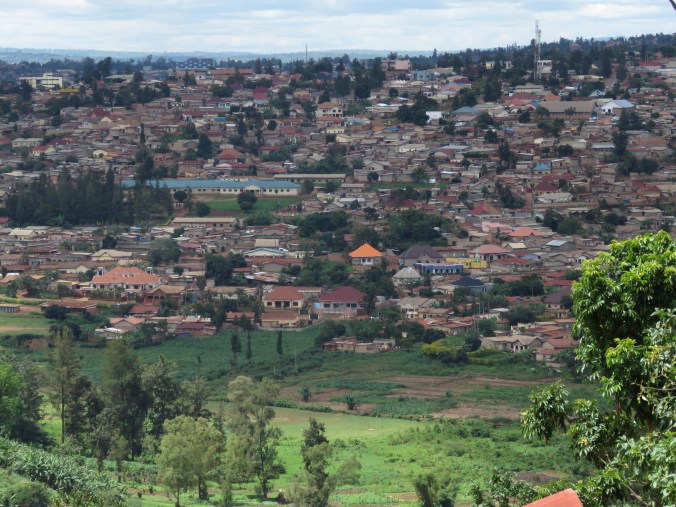
A view from the Nyamirambo neighborhood of Kigali

At first I was in the country with four classmates from the Yale School of Forestry and Environmental Studies (FES) and our professor, Dr. Amy Vedder, who started working in Rwanda back in the late seventies, studying mountain gorillas in Volcanoes National Park and, with her husband Dr. Bill Weber, helped set up the tourism program that has now become the cornerstone of the country’s economy. The six of us were participating in the Rwanda Study Tour, an opportunity for five Yale FES students to learn about conservation as practiced in this tiny nation of twelve million people.

Continue reading

Cyprus & the Right Side of Conservation


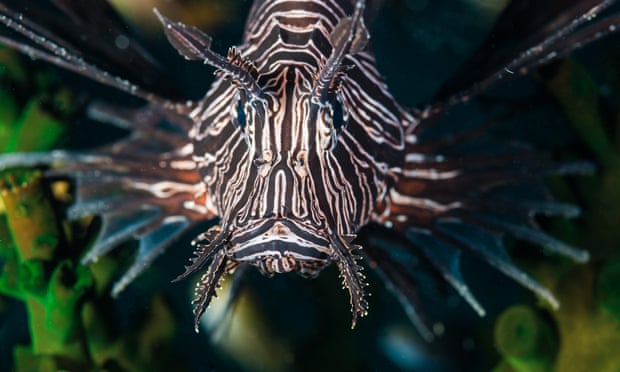
Lionfish, armed with venomous dorsal spines that enable them to deter predators, are more normally associated with warm tropical waters. Photograph: Arno Enzerink /www.stockphotogr/Arno Enzerink

After writing about some of Cyprus’ environmentally destructive actions, it feels good to hear about these positive organized efforts to eradicate this marine threat. Lionfish have long been on our radar, but this is the first we’ve heard of their spread through European waters.

Perhaps a new venue for eradication idea exchange is in order!

Cyprus begins lionfish cull to tackle threat to Mediterranean ecosystem

Cyprus  has held its first organised cull of lionfish after numbers of the invasive species have proliferated in recent years, threatening the Mediterranean ecosystem and posing a venomous danger to humans.

“They’re actually very placid,” said Prof Jason Hall-Spencer, a marine biologist, after spearing 16 of the exotic specimens in the space of 40 minutes in the inaugural “lionfish removal derby” off the island’s southern coast. He added: “The problem is they are not part of the natural ecosystem and we are seeing them in plague proportions.”

Lionfish, armed with venomous dorsal spines that enable them to deter predators, are more normally associated with warm tropical waters of the South Pacific and Indian Ocean. Almost two decades ago the non-native tropical fish began to enter US waters, appearing in the Atlantic after pet owners started releasing outsized lionfish from home aquariums into the sea. Now they have reached Europe. In 2012, after initial sightings off Turkey, Israel and Lebanon, they were spotted off Cyprus. Three years later they had appeared further south in Greece, Italy and Tunisia, testimony, scientists say, to their ability to both enter new territories and spawn at record rates.

As numbers proliferate, so have fears of the flamboyantly coloured fish posing the biggest ecological setback to ecosystems in the Mediterranean – which is already under pressure from pollution, tourism and over-exploitation. In the EU, Cyprus has become “the first line of defence” against the lionfish invasion. Continue reading

Reduce Is Best Because Recycle Is Costly & Re-Use Is The Next Big Thing

1114

Starbucks at South Terminal, Gatwick. The scheme is being launched by Starbucks and environmental charity Hubbub. Photograph: Zute Lightfoot

We have been using this cup since early 2017, and it really should have replaced the paper cup by now. But slow as the pace is, we are happy to read the news of this experiment and wish it well:

Gatwick hosts UK’s first airport reusable coffee cup trial

Customers buying coffee from South Terminal Starbucks will be able to borrow free refillable cup

1060.jpg

A sign will remind passengers to return their cup before they board a flight

The UK’s first airport reusable coffee cup trial gets under way this week at Gatwick, offering passengers the opportunity to borrow and return refillable cups in a bid to help cut waste and tackle “throwaway” culture.

Customers buying hot takeaway drinks from Starbucks will have the option to borrow a free reusable cup instead of using a paper cup, which they can then drop off at a designated point before boarding their flight.

The trial – starting on Monday in Gatwick’s South Terminal – will help customers reduce their disposable cup usage in a manageable “closed loop” environment that could be used in any travel hub. The scheme is being launched by Starbucks in partnership with the environmental charity Hubbub with support from Gatwick, the UK’s second largest airport. Continue reading

Free The Seed

Seeds.jpg 

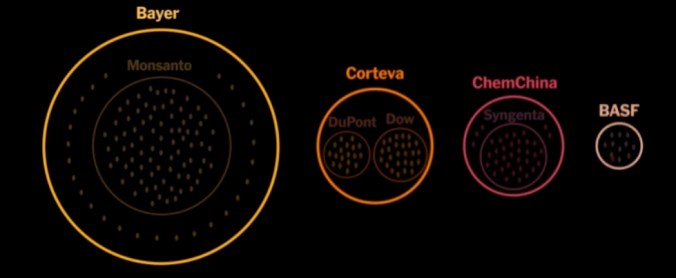
Today, just four giant companies control more than 60 percent of all the world’s seed sales.


Thanks to the New York Times for this opinion:

Save Our Food. Free the Seed.

By Dan Barber

Additional reporting and graphics by Ash Ngu. Photographs by Ruth Fremson

Kale.jpg

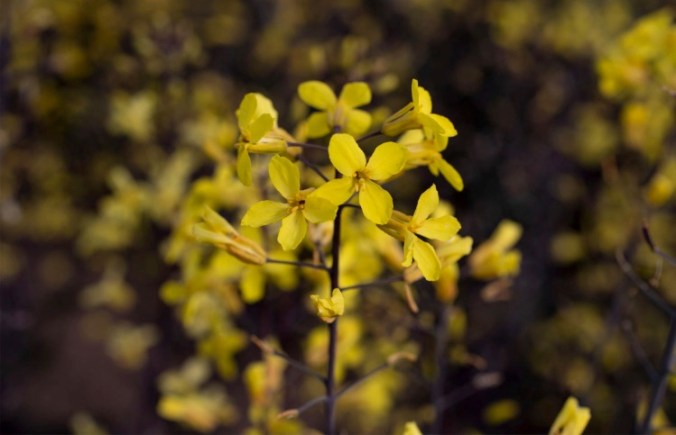
Flowering curly kale, a variety called Baltisk Rod Purpurkal, being grown for seed at Fresh Roots Farm in Montana. The farm is collaborating with the Organic Seed Alliance on a toolkit for farmers who want to produce seed.

Not long ago I was sitting in a combine tractor on a 24,000-acre farm in Dazey, N.D. The expanse of the landscape — endless rows of corn and soybeans as precise as a Soviet military parade — was difficult to ignore. So were the skyscraper-tall storage silos and the phalanx of 18-wheeled trucks ready to transport the grain. And yet what held my attention were the couple of dozen seeds in my palm — the same seeds cultivated all around me.

We are told that everything begins with seed. Everything ends with it, too. As a chef I can tell you that your meal will be incalculably more delicious if I’m cooking with good ingredients. But until that afternoon I’d rarely considered how seed influences — determines, really — not only the beginning and the end of the food chain, but also every link in between.

The tens of thousands of rows surrounding me owed their brigade-like uniformity to the operating instructions embedded in the seed. That uniformity allows for large-scale monoculture, which in turn determines the size and model of the combine tractor needed to efficiently harvest such a load. (“Six hundred horsepower — needs a half-mile just to turn her around,” joked the farmer sitting next to me.) Satellite information, beamed into the tractor’s computer, makes it possible to farm such an expanse with scientific precision.

The type of seed also dictates the fertilizer, pesticide and fungicide regimen, sold by the same company as part of the package, requiring a particular planter and sprayer (40 feet and 140 feet wide, respectively) and producing a per-acre yield that is startling, and startlingly easy to predict.

It is as if the seed is a toy that comes with a mile-long list of component parts you’re required to purchase to make it function properly. Continue reading

Creative Conservation

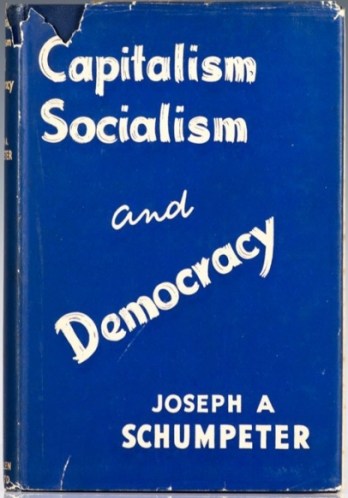
capitalism-socialism-and-democracy-joseph-a-schumpeter-first-edition-1943-signed.jpgI just checked the index of my dissertation to see if this book to the right is listed. It is not. Strange.

Rarely has a single idea had so much impact on me. Creative destruction, a concept that Joseph Schumpeter is most famous for, comes from that book. I will not try to explain it here because either you already know what it means or else you should really read it from the source.

In my dissertation I was interested in the impact of the efforts of entrepreneurs–specifically every single one of the thousands of entrepreneurs that started up a hotel business from the 1880s to the 1980s on both the Canadian and US side of Niagara Falls–to join together to develop a mutually beneficial solution when facing a collective threat. In this century-long story I had metrics to determine how those efforts impacted the likelihood of a hotelier’s staying in business after starting up. Niagara Falls was at risk of being ruined as a natural attraction. Hoteliers on each side of the border joined one another, cooperating with their direct competitors, to find a solution to that risk. Hoteliers, independently of the actions of those on the other side, jointly invested in conservation initiatives. The rich quantitative data show that on the side of the border that invested more heavily in conservation, over the course of 100 years hotels had fewer failures (permanent closure) overall. Bravo, Canada. Continue reading

Authentica’s Culture Is Conservation

fort-cochin-girls-118.jpgAbout one year in to our time in India Amie got us involved in an initiative that helped reduce our carbon footprint by ensuring that the bags we used in our hotel gift shops contained no plastic. Instead we used bags made from recycled newspaper. We were fortunate enough to have an intern from Amherst College that summer who wanted to work on this. His enthusiasm for the project was so infectious that other interns joined him. Being from Korea, Sung Ho Paik has what I believe is K-pop accompanying his video below.

We were still expanding this initiative with intern assistance years later. Items sold in our gift shops in Kerala followed the lead of the takeaway bag initiative, and elephant paper may be an extreme example but is a useful segue to what is on my mind today. We had the opportunity to join forces with an excellent local design firm in their idea to launch a retail concept with the kind of products that we have always believed in. We  believe in ideas that support entrepreneurial conservation with great design.

Authentica springs from these roots, and the culture of conservation is clearly a guiding force in what will be on offer.

Creative Canine Collaboration

A team of specially-trained hunting dogs has been helping conservationists and researchers find rare turtles in Iowa. KATE PAYNE/IPR

Thanks to Iowa Public Radio for some good conservation news from the Heart Land.

Specially Trained Dogs Help Conservationists Find Rare Iowa Turtles

An eastern Iowa conservation group is taking an unconventional approach to tracking rare turtles on its land. Iowa Public Radio tagged along with a man who’s trained his hunting dogs to find the reptiles for researchers. Counting the creatures will help conservationists manage the land better.

It’s a cool morning on a nature preserve owned by Bur Oak Land Trust in Johnson County. I’m scouring a shady hillside with John Rucker and his four Boykin spaniels, looking for turtles.

“Find turtle, find turtle,” Rucker calls to his dogs. He turns to me and says, “did I tell you I’m the only person in the world that does this?”

When he’s not living off the grid in rural Montana, Rucker travels the country with his specially-trained hunting dogs, helping scientists and conservationists find turtles.

“This is Rooster,” John says, introducing the dogs. “This is Jenny Wren. She’s the one that gives me my litters. And that’s Mink. No, that’s Jaybird, and that’s Mink.”

We make our way through the undergrowth, checking in brush piles and under old logs. When the dogs find a turtle, they’ll pick it up and bring it back to be counted.

“You will notice that as soon as they strike a scent trail their tails will start wagging furiously, and then their whole demeanor becomes extremely excitable,” Rucker explains.

Citizen conservationist Judy Felder is one of the volunteers out hunting today.

“It’s sort of like a religion for me,” Felder says. “Nature is important and somebody has to defend it, protect it, preserve it.” Continue reading

Rewilding in an Unexpected Landscape

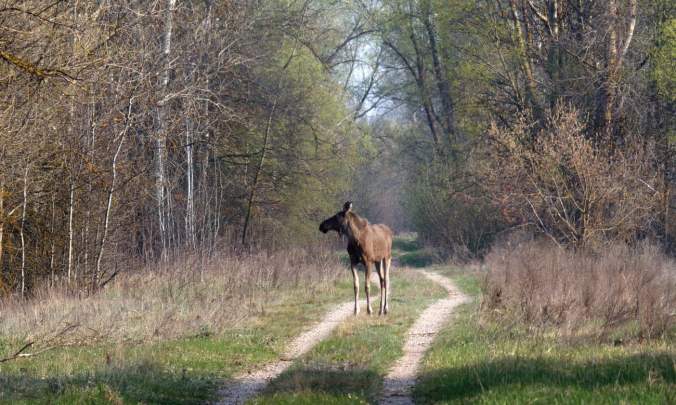
Elk are the most common mammals at the reserve. Photograph: Valery Yurko

Most examples of rewilding are defined as human intervention to return wildlife back into habitats where they’ve long disappeared. Thanks to the Guardian for this highly unusual one where the human population are the ones who have left – due to bizarre circumstances, to be sure – and the wildlife have slowly returned to reclaim the habitats left behind.

It’s heartening to believe that the animals may illustrate Nature’s power to heal where human’s have so severely faltered.

Chernobyl: the wildlife haven created when people left

Rare and endangered animals have thrived in the Chernobyl disaster zone since it was evacuated in 1986, as a new wildlife tour in southern Belarus shows

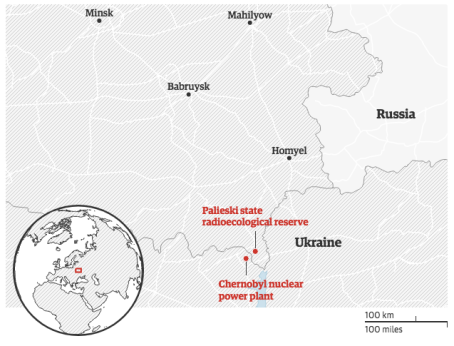
It is 5.30am in southern Belarus. A pink moon hangs over flat fields tinged with frost, and as we arrive at the checkpoint on the edge of the Chernobyl Exclusion Zone, five hours’ drive south of the capital, Minsk, a dawn chorus of cranes and hoopoes is in full swing.

This may seem an unlikely place to come wildlife watching, but I’m here with the first eco-tour of the Palieski state radioecological reserve (as the Belarusian section of the zone is called).

It was in April 1986 that probably the world’s worst nuclear accident happened, just over the border in northern Ukraine – a dramatisation of the disaster is currently showing on Sky Atlantic. Chernobyl town was evacuated and the exclusion zone today covers 2,600 sq km in Ukraine and 2,100 sq km in Belarus.

Ukraine turned its part of the zone into a tourist attraction several years ago – 50,000 people visited the nuclear reactor and ghost town of Pripyat last year, and it has even hosted a rave. But Belarus didn’t open its Palieski reserve to visitors until last December.

The Ukrainian site is now popular for its eerie ghost town and reactor ruins, but on this side of the border it’s all about the wilderness, and our tour will be a nature-watching trip like no other. The reserve claims to be Europe’s largest experiment in rewilding, and the unlikely beneficiaries of nuclear disaster have been the wolves, bison and bears that now roam the depopulated landscape, and the 231 (of the country’s 334) bird species that can also be found here. Continue reading

Bees, Conservation & Otherworldy Honey

28tupelo6-jumbo.jpg

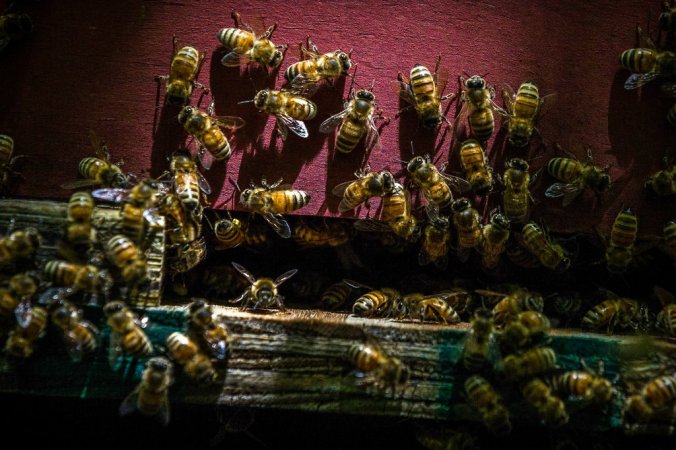
In the well-kept hives tended by beekeeper Fred Merriam in Georgia, every bee has a job to do. Credit Stephen B. Morton for The New York Times

Kim Severson last caught my attention about a year ago. She covers food culture for the New York Times, and this is the fifth time we have found a story of hers a perfect fit for our platform’s themes. Food intersecting with conservation is always welcome, and honey specifically is on my mind these days. Honey bees? Always of interest. During our transition from India back to Costa Rica over the last two years we spent much of our time in Atlanta. The honey in this story was available in the farmer’s market we shopped at, and we occasionally indulged. I am gratified to learn more about it here:

On the Trail of Tupelo Honey, Liquid Gold From the Swamps

Hurricanes, blights and encroaching development have cut into the harvest in Florida and Georgia, but a small cadre of beekeepers still fiercely pursues this lucrative prize.

merlin_154619529_3adf4217-2fb6-45e2-9622-c088f0e9668e-jumbo.jpg

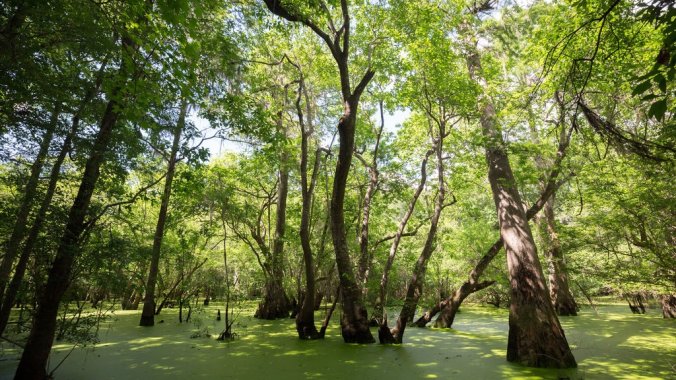
Tupelo trees, which produce small, nectar-filled light green and white flowers for two weeks each spring, rise out of swamps in the Altamaha River Basin in southeastern Georgia. Credit Stephen B. Morton for The New York Times

ODUM, Ga. — The most expensive honey in America starts in these mucky Southern swamps, where white Ogeechee tupelo trees twist up out of water so dark you can’t tell if that was an alligator or a snake that just broke the surface.

merlin_154619466_43169437-afce-47a8-b91e-64cb3cfb39b0-superJumbo.jpg

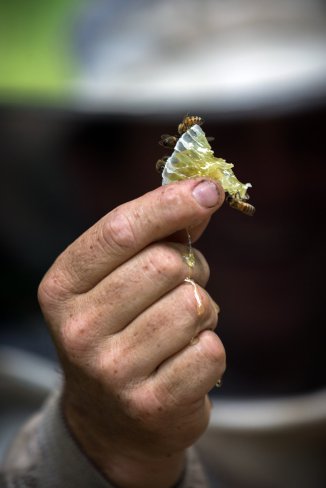
Tupelo honey fresh from the comb has a distinctive light green tint. Credit Stephen B. Morton for The New York Times

For two precious weeks each spring in this slice of southeastern Georgia and in the Florida Panhandle, tupelo trees bloom with pale, fragile flowers that look like pompoms for tiny cheerleaders. Beekeepers tuck their hives along the banks, or occasionally float them out into the water on rafts. Then the bees get to work, making honey that looks and tastes like no other.

Good tupelo will glow with a light green tint, especially when it’s fresh from the comb and bathed in sunlight. The first taste is of cinnamon with a tingle of anise. That gives way to a whisper of jasmine and something citrusy — tangerine rind, maybe? The honey is so soft, light and buttery that the only logical move is to chase it with another spoonful. Continue reading

Rwandan Charismatic Megafauna (& Honey)

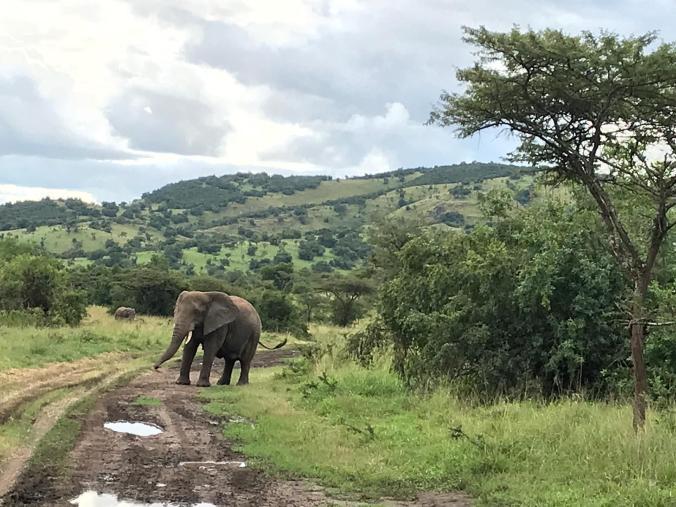
RwElephant.jpeg

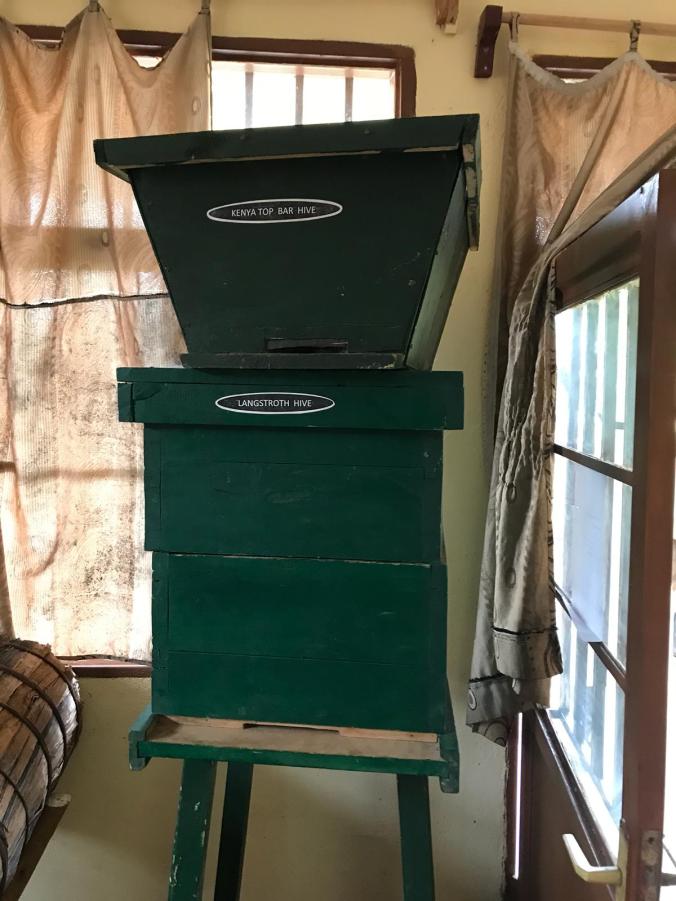
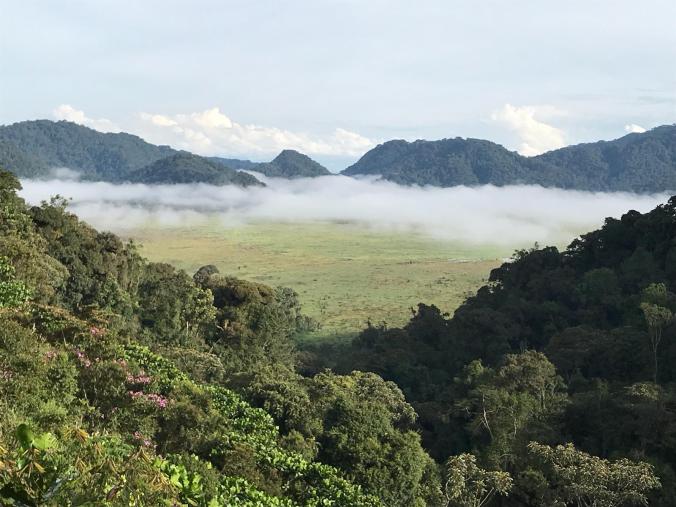
Seth sent a few more messages, in the form of images, from Rwanda. One day soon I will describe what he is doing there, but for now the images say more than enough.

RwGiraffe.jpeg

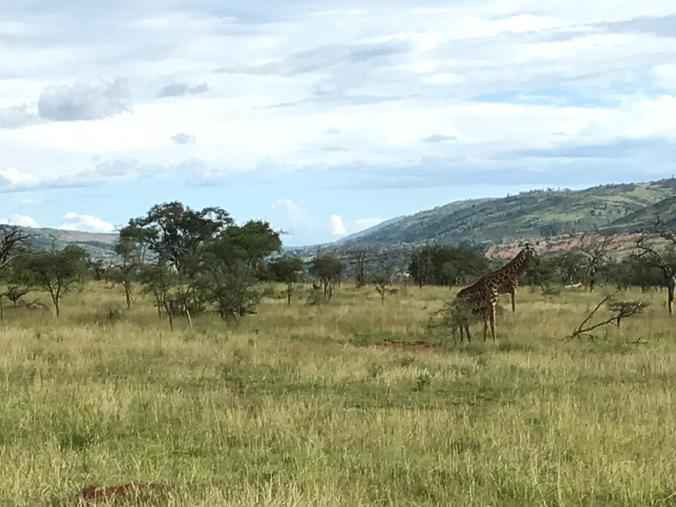
While elephants are a childhood favorite animal for Seth, he had seen Asian elephants in the wild, so that probably made seeing giraffe the charismatic topper so far.

RwZebra.jpeg

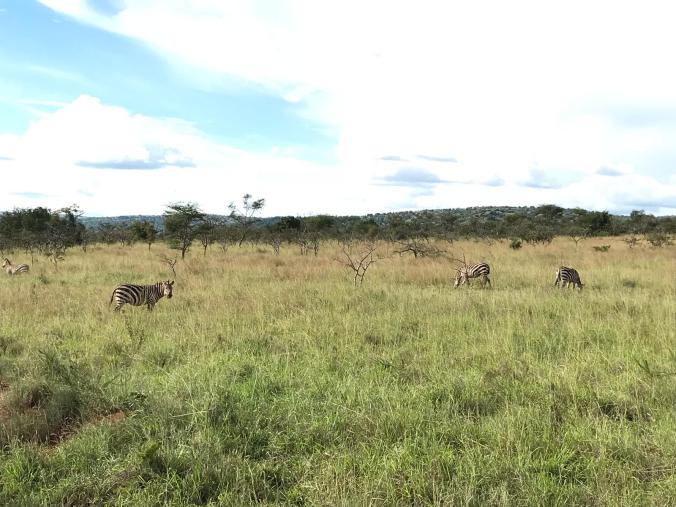
Once zebra is added to the list of species seen, it might start feeling like all is well in the wild (even if we know it is not).

RwBuck.jpeg

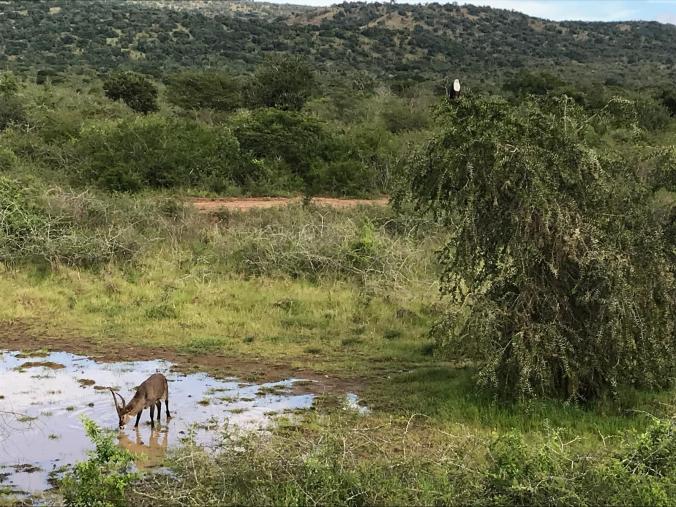
Waterbuck with African Fish-Eagle

One of the few photos that had any words to explain was this one, which is to be expected of a birder in the realm of charismatic megafauna.

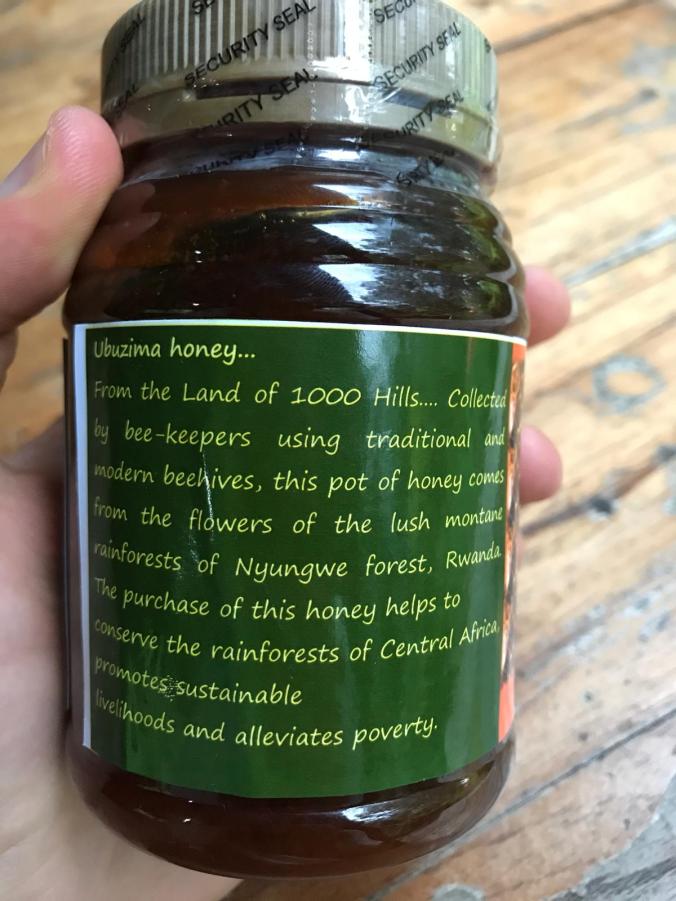
RwHoney1.jpeg

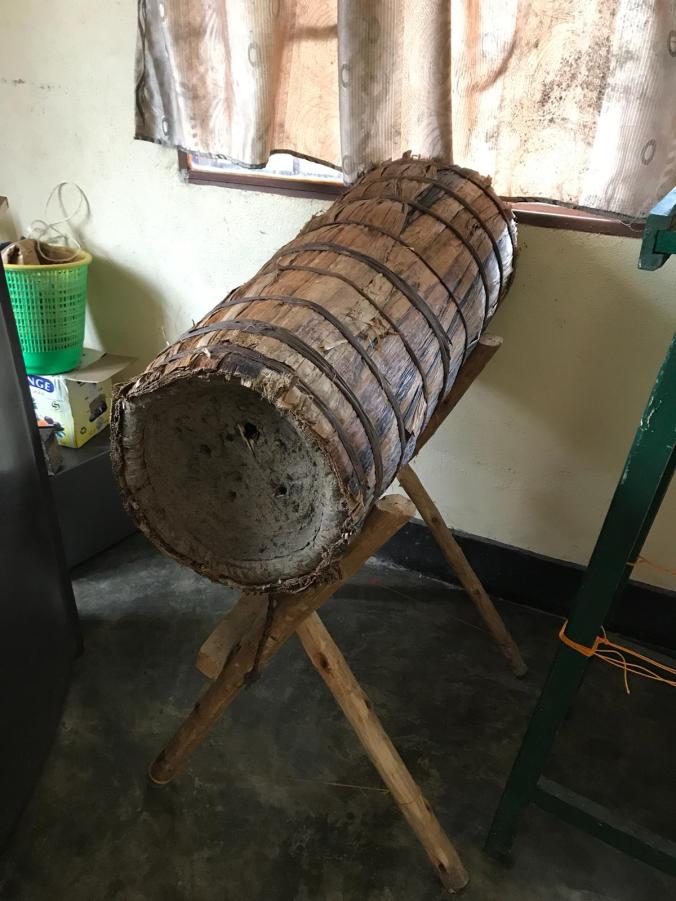
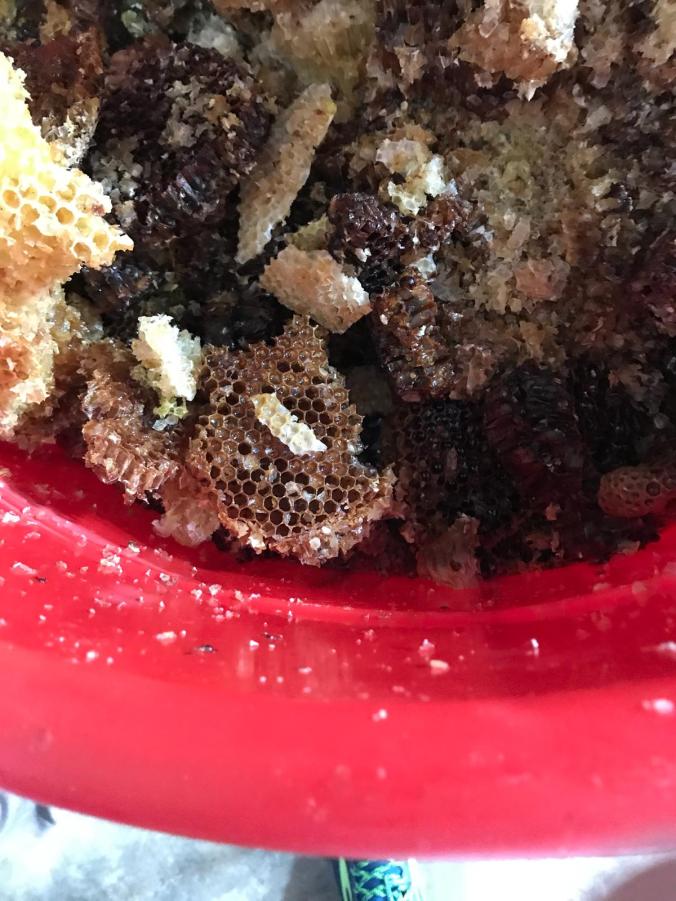
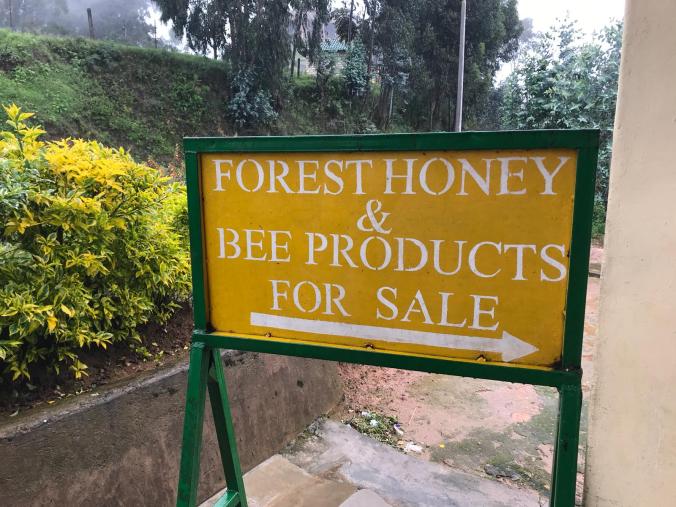
But of all the photos, the one that caught my eye was the one above, which I do not yet have an explanation for but it is in surrounded by the following photos which put it in some context.

RwHoney2.jpeg

That gives a hint.

RwHoney3.jpeg

This answers the question.

RwHoney4.jpeg

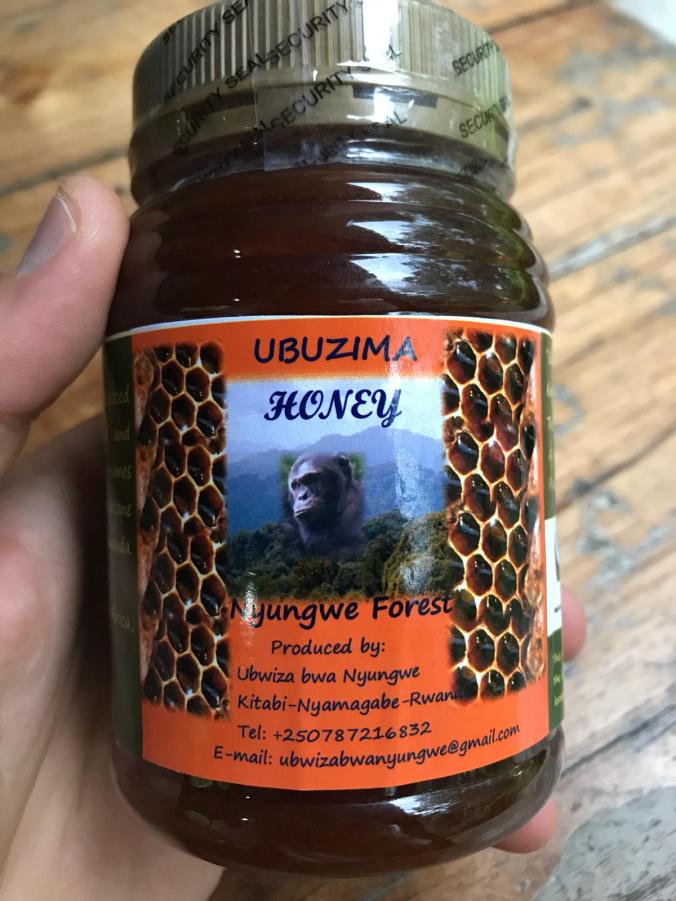
And this makes it crystal clear. Seth had already sent an image from an earlier field visit that he knew would catch my attention.

RwHoney5.jpeg

The origins of Organikos can be traced to a project I led in 2005 in Paraguay, where I had the idea that wild-hunted honey from the Pantanal region could share the taste of place with the world while at the same time providing much-needed cash infusion to the honey hunters and the protection of their wilderness areas. Seth knows that story and knows to send me photos of honey from wild places as a polite indication that the idea was a good one, if not original.

RwHoney6.jpeg

Everglades & Birds & Signals

macstone-4579.jpg

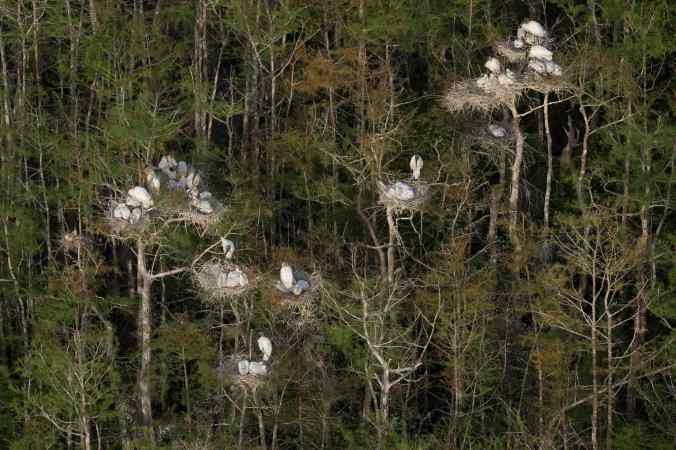
Wood Storks nesting in the Everglades. Photo: Mac Stone

Thanks to By Andy McGlashen, the Associate Editor of Audubon Magazine, for this bright spot on the horizon, a signal that long shot comebacks are possible:

Last Year’s Everglades Breeding Bonanza Was the Biggest in More Than 80 Years

An official report says that South Florida’s wading birds had an even better 2018 than we thought.

macstone-3430.jpg

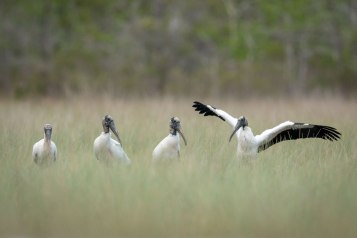
Wood Storks in the Everglades. Photo: Mac Stone

A year ago, Everglades scientists and environmentalists were ecstatic about what looked like a blockbuster breeding season for South Florida’s wading birds. Turns out, it was far better than those early estimates indicated. New data show that the region hosted its biggest colonies of waders in more than 80 years, offering a flashback to the historical Everglades and a glimpse of how the ecosystem again could look once restored.

All told, wading birds built 138,834 nests throughout South Florida, with 122,571 of them in the Everglades, according to an annual report released last week by the South Florida Water Management District. That’s about three and a half times the average for the past 10 years, making it the strongest nesting season since before the region’s hydrology was transformed with engineering projects that made development possible but also contributed to steep declines in wading bird numbers. Continue reading

Weavers at Hand

This video expresses the concept of artisan ethos in almost too many ways to count: from the centuries old traditions of weaving in India , to creative communities coming together to rebuild cultural patrimony in the face of natural disasters, not to mention the well-crafted visual storytelling of the piece itself. (Kudos yet again to Anoodha and her Curiouser team for their own style of weaving.) Continue reading

Visual Notes From Rwanda

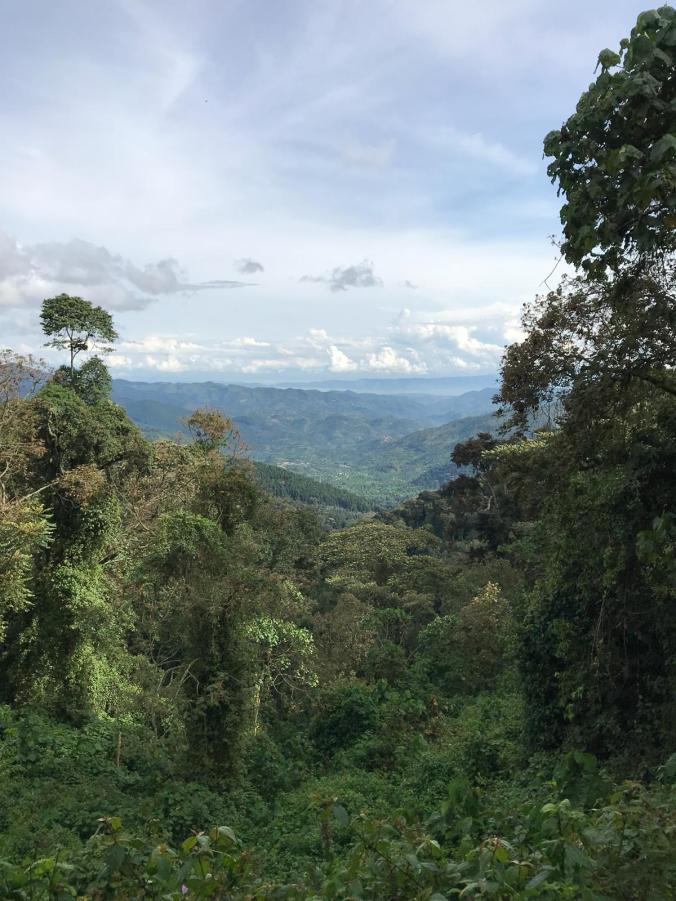
Rwanda1.jpeg

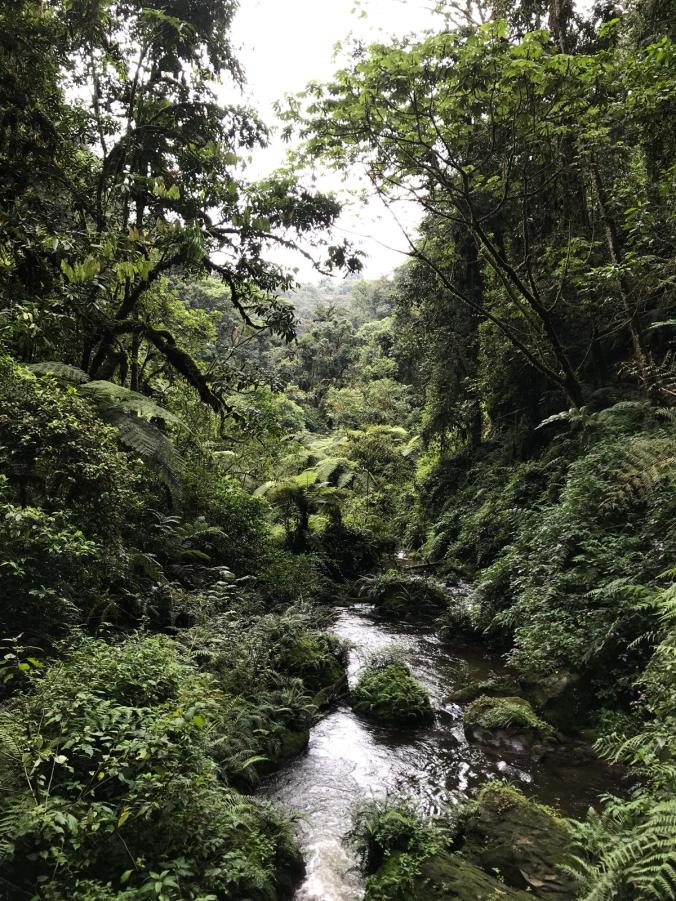
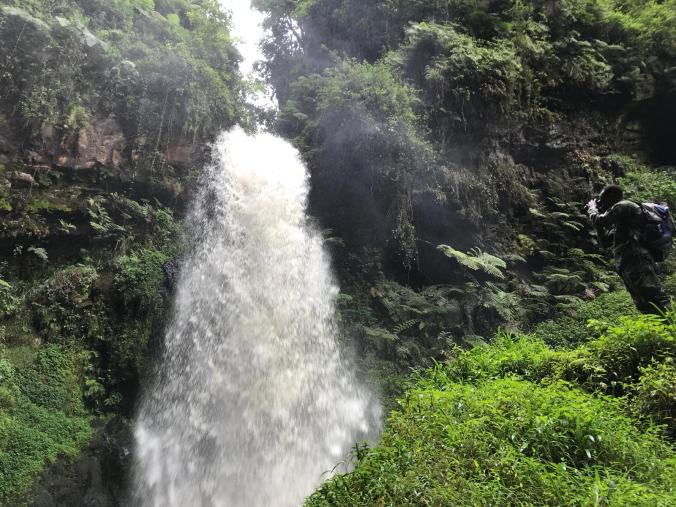
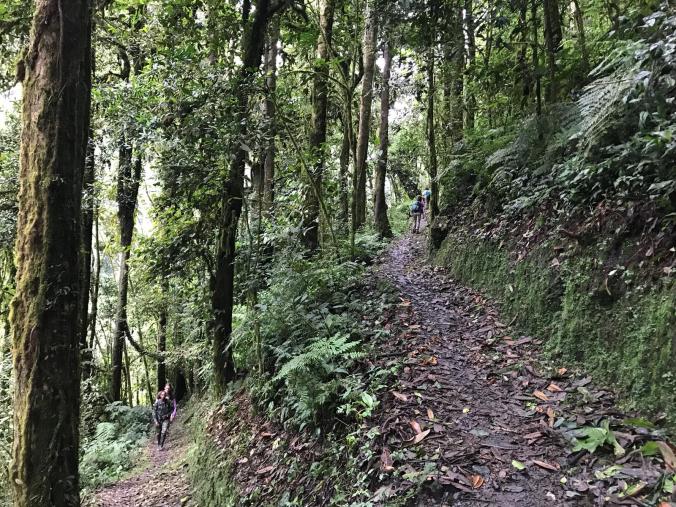
Seth is in Rwanda, and until now only one of his photos was posted here. His last written post on this platform was about a year ago, when he was preparing for graduate school, but since then dozens of his photographs have been shared here as bird of the day. I do not expect him to have time to share written description here of his work in Rwanda, so I will share some of the photos he is sending us.

Rwanda2.jpeg

I do not know where these places are, yet. But I hope to hear soon.

Rwanda3.jpeg

La Paz Group was part of a consortium a decade ago competing for a project, funded by USAID, to assist Rwanda’s government with planning for the future of nature-based tourism. Our proposal was not the winning proposal, so I did not have the chance to see the country in person. Yet. But based on these photos, I will.

Rwanda4.jpeg

My last long term assignment in Africa was in Ghana. My last prospecting for a long term assignment was in Ethiopia. Both of those countries are worthy of revisiting, and I intend to do so. But Rwanda has jumped to the top of the must visit list in Africa.

Rwanda5.jpeg

What is not visible in any of these photos is Seth’s encounters with wildlife. I have heard about gorillas, chimpanzees, colobus monkeys and plenty of bird species. He has sent pictures of wildflowers, mushrooms, ants. Not just any ants. Driver Ants! But for now, the bucolic natural and manicured landscapes are enough to convince me.

Rwanda6

Restoration, Inspiration & Conservation

RestoreEscazu.jpg

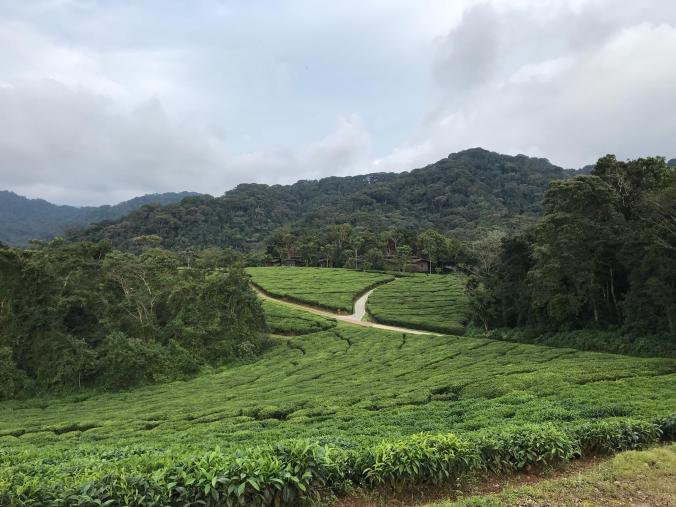
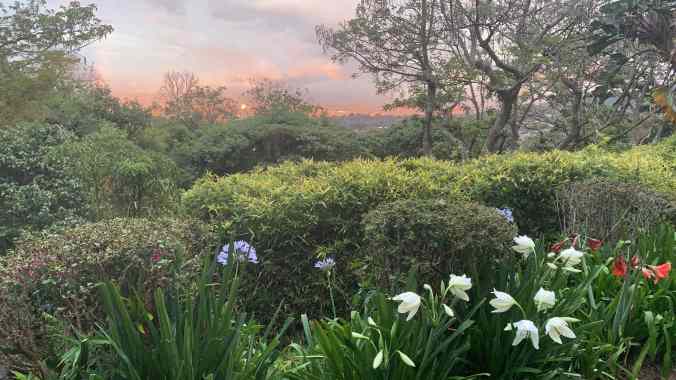
Organikos has been described in these pages in relation to its commitment to treat nature respectfully and its aspiration to inspire. Above is land that will be restored to its previous condition as an arabica coffee plantation. It looks green enough, to be sure. And the trees are poro (Erythrina Poeppigiana), planted sometime in the previous century when the last coffee trees were planted. So that is encouraging. The agapanthas and lilies and the bushes and the bamboo are all lovely, but not as lovely as coffee. Coffee inspires.

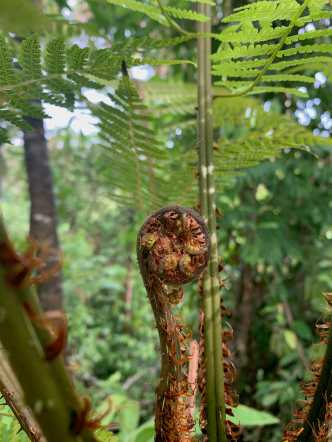
FernTree.jpgAnother type of inspiration altogether is the tree fern, a primordial plant. The one to the right was photographed a few days ago about 250 miles south of the photo above. It is in the restoration section of a large land holding belonging to Osa Conservation. Its location is important to me because it is where our company developed its first understood the deeper implications of our work.
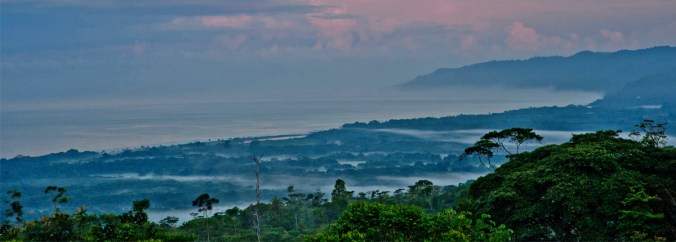
This abundant stand of tree ferns with new shoots inspires because Osa Conservation has succeeded where others have not succeeded in getting these ancient plants to propogate. It inspires more broadly due to the success of the organization to protect the land in the region.

Carlos-Manuel-Uribe.jpg

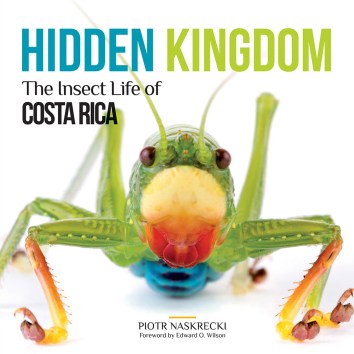
InsectBook.jpgOur team was in the Osa with some friends from Colombia who are in the process of planning the next stage of a large scale conservation initiative. They came to Costa Rica for inspiration on new methodologies for conservation, and they found what they were looking for in the Osa, most impactfully during their visit at Osa Conservation. That impact was on display at a book fair in the form of this gem of a book. You can be sure it will be on the shelf at Authentica, along with that coffee we keep mentioning.

Biodiversity Public Service Announcement

We’ve written a great deal about the sobering truth of human created climate change lately; highlighting the difficult science of the increasingly limited options on how to avert worst case scenarios.

There’s something calming about this piece of animation by Sebastian Ramn that addressed climate change as nature’s  SOS, reaching out to creative communities and NGOs who may be in search of ways to get involved in any way possible.

More information at natureneeds.help


Reducing Waste As A Personal & Community Commitment

merlin_154322778_cf2d9b7e-e538-4dff-b135-65ffc2855c05-articleLarge.jpg

Keiran Whitaker, the chief executive of Entocycle, which takes so-called pre-consumer local food waste and feeds it to fly larvae, which eats the waste and converts it to protein. Andrew Testa for The New York Times

We believe in waste reduction as a key component of individual and community responsibility for securing the future. Our thanks to Tatiana Schlossberg for this:

Waste Not — if You Want to Help Secure the Future of the Planet

If there’s one vital, but underappreciated, subject in the conversation about climate change, it’s waste: how to define it, how to create less of it, how to deal with it without adding more pollution to the planet or the atmosphere.

The issue has gained some acceptance, whether in the form of plastic straw bans or anxiety about e-commerce-related cardboard piling up.

But experts say these aren’t necessarily the biggest problems. Reducing the damage from waste might require expanding the traditional definition of waste — not just as old-fashioned garbage, but as a result of wild inefficiency in all kinds of systems, which often results in emissions of greenhouse gases, among other problems.

Continue reading

Upheaval, Another Heavy Book For The Reading List

First I had read the Guardian interview with the author, which was good, and made watching the above worthwhile. But when David Wallace-Wells conducts such an interview, it is something altogether more compelling. He knows how to word a title alarmingly. My reading list just got 320 pages longer:

Jared Diamond: There’s a 49 Percent Chance the World As We Know It Will End by 2050

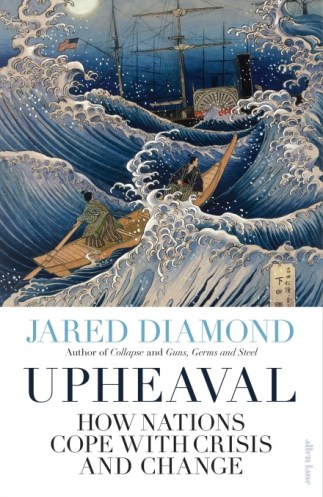
Upheaval.jpgJared Diamond’s new book, Upheaval, addresses itself to a world very obviously in crisis, and tries to lift some lessons for what do about it from the distant past. In that way, it’s not so different from all the other books that have made the UCLA geographer a sort of don of “big think” history and a perennial favorite of people like Steven Pinker and Bill Gates.

Diamond’s life as a public intellectual began with his 1991 book The Third Chimpanzee, a work of evolutionary psychology, but really took off with Guns, Germs, and Steel, published in 1997, which offered a three-word explanation for the rise of the West to the status of global empire in the modern era — and, even published right at the “end of history,” got no little flak from critics who saw in it both geographic determinism and what they might today call a whiff of Western supremacy. In 2005, he published Collapse, a series of case studies about what made ancient civilizations fall into disarray in the face of environmental challenges — a doorstopper that has become a kind of touchstone work for understanding the crisis of climate change today. In The World Until Yesterday, published in 2012, he asked what we can learn from traditional societies; and in his new book, he asks what we can learn from ones more like our own that have faced upheaval but nevertheless endured.

I obviously want to talk about your new book, but I thought it might be useful to start by asking you how you saw it in the context of your life’s work.
Sure. Here’s my answer, and I think you’ll find it banal and more disappointing than what you might have hoped for. Continue reading

How Do You Define Too Late?

TNY-McKibbenKolbertUNReport.jpg

“The problem with climate change is that it’s a timed test,” the writer Bill McKibben says. “If you don’t solve it fast, then you don’t solve it.” Photograph by S. E. Arndt / Picture Press / Redux

I have been reading the reviews, and interviews with the authors of this and two other important recent books covering similar territory. I have stopped worrying about overkill, because this is overkill territory. You cannot get too much perspective on this; the worry is too little, too late:

McKibKolbert.jpg

Bill McKibben and Elizabeth Kolbert on the U.N. Extinction Report

While the political tide could be turning on climate change, both writers worry that it is too late.

After years of languishing far down the list of voters’ priorities—for Democrats and even more so for Republicans—the desire for action on climate change has brought this issue to the top of many voters’ concerns, according to a CNN poll. Now Presidential candidates are competing to establish themselves as leaders on the issue, while children are making headlines for striking from school.

Bill McKibben, whose book “The End of Nature” brought the idea of global warming to public consciousness thirty years ago, tells David Remnick that the accumulation of weather catastrophes—droughts, wildfires, floods—may have finally made an impact. McKibben joined Elizabeth Kolbert in a conversation about the U.N.’s new report on species extinction. It finds that a million species could become extinct within a few decades, and that human life itself may be imperilled. While the political tide could be turning, both worry that it is too late. Continue reading