Respecting Our Oceans, And Our Fellow Beings

Holloway-Whales

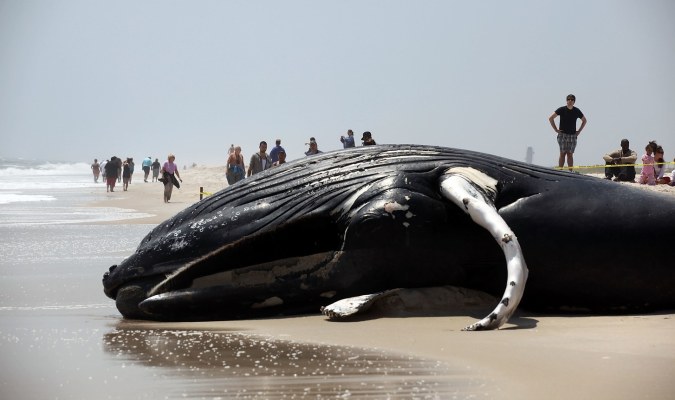
A humpback whale calf that washed ashore in Wantagh, New York. A series of “unusual mortality events” among whales has scientists worried that the ocean is more dangerous than ever. Photograph by Mario Tama / Getty

Thanks to Marguerite Holloway, who we have appreciated a couple times earlier, for this:

One foggy morning last April, a dead humpback whale washed up on New York’s Rockaway Beach. It was a young male, thirty-one feet long, and had extensive bruising—the result of contact with “something very large,” according to Kimberly Durham, of the Atlantic Marine Conservation Society, who performed the necropsy. The Rockaway whale was one of sixty-eight humpbacks that have died between North Carolina and Maine since 2016, casualties in what the National Oceanic and Atmospheric Administration is calling an “unusual mortality event.” And humpbacks, it turns out, are not the only species suffering. Continue reading
MA’O’s Marvelous Mission

MaoFarm

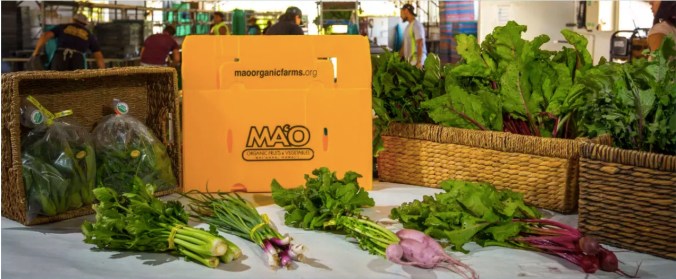
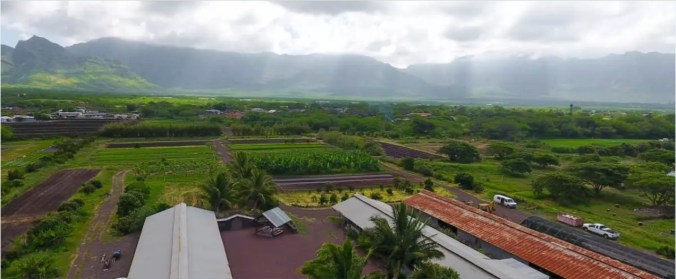
If we had come upon the website with no introduction maybe it would have looked like just another pretty organic farm in a tropical paradise.

MaoFarm2

But there are people involved, and it is a pleasant surprise to learn from Dakota Kim’s story Youth Farm In Hawaii Is Growing Food And Leaders how those people bring that place further to life. There is a mission worth reading about:

farm-3_vert-1ca699e699afb15a6803f2ffef41df115fa49f22-s500-c85

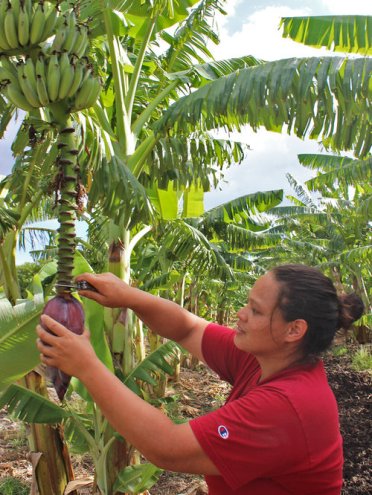
Cheryse Sana, farm co-manager, cuts a banana blossom off a tree at MA’O Organic Farms. Dakota Kim

A tight circle of teenagers is deep in conversation — not about movies or apps, but about … vegetables.

It’s 7 a.m. at MA’O Organic Farms, part of 24 acres nestled in an emerald mountain-ringed valley just two miles from Oahu’s west shore. Under a hot sun that bathes this idyllic breadbasket, college-aged farmers harvest tons of mangoes, bananas, mizuna (mustard greens) and taro every month for the island of Oahu.

The farm’s atmosphere bubbles with enthusiastic lightheartedness, its college interns quipping across the rows that they can beat their neighbors’ harvesting speed. But a calm falls over the group as they move from joking around to talking more seriously. A circle forms under an open pavilion, and a young woman speaks. Continue reading

Coffee, Starbucks & Costa Rica

hNKGIzaU-5568-3132

Yesterday we were compelled to link to an illustration that captured the importance of vigilance. Putting that link in context was the reminder that our primary purpose on this platform is to seek out evidence of progress related to environmental and social innovation.

kgGVpXmJ-6720-4480Today a case in point. Credit is due to Starbucks. Just a couple days ago our vigilance antennae were roused by their opening in Yosemite, one more step in a national park system compromised by commercialism. There is no doubt that Starbucks is commercial, but they can also be model corporate citizens when seen from another angle.

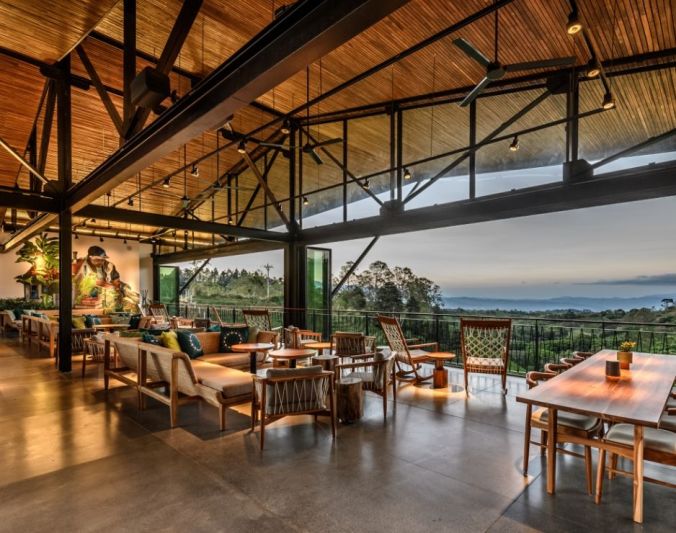
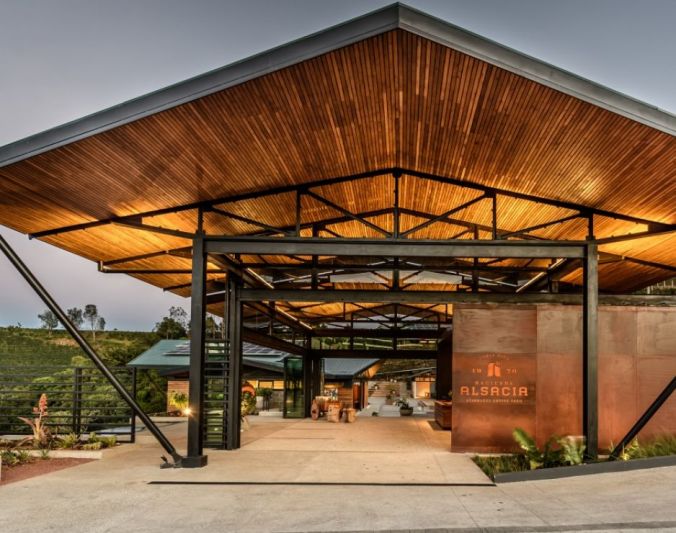
tMOCnNCo-5246-2623Costa Rica provides evidence in favor of Starbucks. Their recently opened facility–a combined working coffee farm, milling operation, visitor center, cafe, gift shop–called Hacienda Alsacia looks like a win-win for a country that deserves attention and investment, and a company that can provide them both of those.

HGX0IDH0-5402-2701

I plan to visit the property next week, so will save my commentary, focusing here on what makes me want to visit:

Starbucks Opens World Renowned Costa Rican Coffee Farm to Visitors

A 46,000-square foot visitor center immerses guests in the entire life cycle of sustainably grown, high-quality arabica coffee from seedling to picking, milling, roasting and the craft of brewing in a café

Starbucks approach to ethical sourcing and innovative coffee tree hybrid research also showcased at the visitor center, part of the company’s $100 million investment in an open-sourced farmer support program to help make coffee the world’s first sustainably sourced agriculture product Continue reading

Using Water Cleverly

SandTroughBefore2-e1521583715535-1260x708

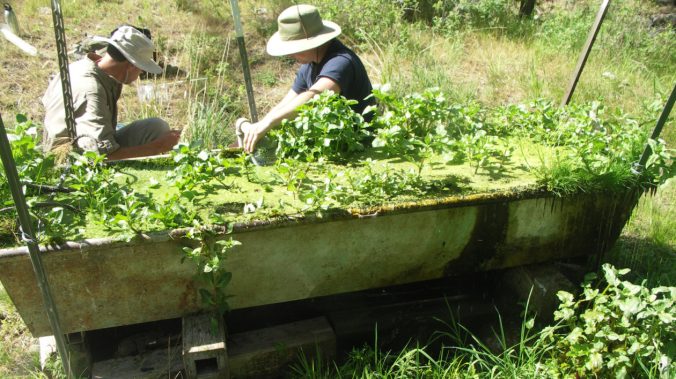
Hydrologists Zach Freed (The Nature Conservancy) and Hank Johnson (U.S. Geologic Survey) measure water chemistry of the spring from the inflow pipe to the old trough, which is filled with emergent aquatic vegetation. Photo © Allison Aldous / The Nature Conservancy

Thanks to Lisa Feldcamp at the Nature Conservancy for this story:

Sharing Water: How I Met the MacGyvers of Water Use

DSC_0131-1260x708.jpg

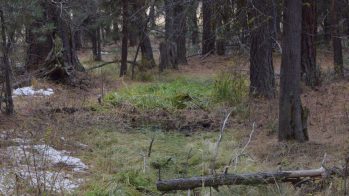
Down the stream at Sand Spring you can see an elk wallow. Photo © Lisa Feldkamp / The Nature Conservancy

“It’s like leaving the kitchen faucet on all year for one glass of water,” says Zach Freed, a hydrologist for the Nature Conservancy in Oregon. That’s how people in Oregon and throughout the US West have traditionally used spring water.

When European homesteaders first came west, spring water must have seemed like an endless resource. Homesteaders could find a potable spring and turn on the tap to provide water for their families and livestock. As the generations came and went, old ranches failed, and new ones sprang up. Springs came in and out of use, but it often happened that nobody ever turned off the tap. Continue reading

For Ocean Conservation, Focus On Scientifically-Driven Decisions

merlin_135772488_b42241fe-633d-46e4-aa00-8913cd80255e-master768

Nathaniel Russell

Our favorite stories on conservation challenges–whether marine or terrestrial–are those that highlight entrepreneurial approaches. Those stories, though, have multiple counterparts related to government approaches to conservation. In our many celebrations of various forms of ocean conservation, we have probably tended to favor quantity and scale more than emphasizing the value of science. Guilty as charged, but ready to remedy:

Bigger Is Not Better for Ocean Conservation

SAN FRANCISCO — I have spent my entire life pushing for new protected areas in the world’s oceans. But a disturbing trend has convinced me that we’re protecting very little of real importance with our current approach.

From Hawaii to Brazil to Britain, the establishment of large marine protected areas, thousands of square miles in size, is on the rise. These areas are set aside by governments to protect fisheries and ecosystems; human activities within them generally are managed or restricted. While these vast expanses of open ocean are important, their protection should not come before coastal waters are secured. But in some cases, that’s what is happening.

Continue reading

Government Conference Looking For Solutions To Big Puzzles

Happy to hear that there are still such efforts (conferences such as the one described below) underway and that they are inclined to the audacious. Thanks to Brad Plumer, at the New York Times, for this report:

Kelp Farms and Mammoth Windmills Are Just Two of the Government’s Long-Shot Energy Bets

Thousands of entrepreneurs gathered near Washington this week for an annual government conference. On the agenda: unusual solutions to major clean-energy problems.

merlin_135587181_610e6e68-2378-49ae-8b1a-5557e87a02a5-jumbo

A kelp forest off Mexico’s Pacific coast. A project presented this week at an energy research conference proposes using tiny robots to farm seaweed for use in biofuels. Credit Reinhard Dirscherl/ullstein bild, via Getty Images

Off the coast of California, the idea is that someday tiny robot submarines will drag kelp deep into the ocean at night, to soak up nutrients, then bring the plants back to the surface during the day, to bask in the sunlight.

The goal of this offbeat project? To see if it’s possible to farm vast quantities of seaweed in the open ocean for a new type of carbon-neutral biofuel that might one day power trucks and airplanes. Unlike the corn- and soy-based biofuels used today, kelp-based fuels would not require valuable cropland. Continue reading
Salmon, Shrinkage & Man

large-chinook-salmon_wide-e91ab4e6c6999d8d452ab3824075c74f0f7bbf3f-s1600-c85

A photo taken in Astoria, Ore., circa 1910. It was stated that the chinook on the left weighed 116 pounds and the one on the right weighed 121 pounds. WikiMedia Commons

John Ryan, filed this story through Northwest Public Radio, KUOW and EarthFix, an environmental journalism collaboration led by Oregon Public Broadcasting in partnership with five other public media stations in Oregon, Washington and Idaho. Another of the many reasons we appreciate National Public Radio (USA) and its various associates:

This Is Why You Don’t See People-Size Salmon Anymore

While the orcas of Puget Sound are sliding toward extinction, orcas farther north have been expanding their numbers. Their burgeoning hunger for big fish may be causing the killer whales’ main prey, chinook salmon, to shrink up and down the West Coast.

Chinook salmon are also known as kings: the biggest of all salmon. They used to grow so enormous that it’s hard now to believe the old photos in which fishermen stand next to chinooks almost as tall as they are, sometimes weighing 100 pounds or more.

“This has been a season of unusually large fish, and many weighing from 60 to 70 pounds have been taken,” The Oregonian reported in 1895. Continue reading
Spying on Birds

“So, like, what do you do every day?”

I get asked this often and I’m not always sure how to explain it to people without pictures at hand or infinite patience for follow-up questions. So, in this blog post, with the benefit of time to pick the right words and theoretically infinite space to write them out, I figured I would try to provide an adequate answer.

View from the field, a week or so ago

Why fieldwork?

This, I feel, is the question at the crux of the what-do-you-do-every-day question. Why do you have to go to Kenya to do your work? Right, the bird you study is only found there, but why do you have to be out on the savanna everyday – can’t you just bring the birds back to the lab or study them in a zoo?

Of course, you can (nowadays, only with the right permits) and that is precisely what early zoologists did, collecting specimens – alive or dead – from around the world and bringing them back to examine them under microscopes or in aviaries in a rainy British country garden. While this may be convenient, it inevitably renders your conclusions about a bird’s diet or the adaptive nature of its plumage coloration suspect, because they are arrived at out of context. Without the bird having been examined in the environment it’s found in, with different factors that might affect its behavior and morphology in play, it is impossible to understand why it acts the way it does and why it is the way it is. Hence, fieldwork: observing and sampling critters in the wild. Continue reading
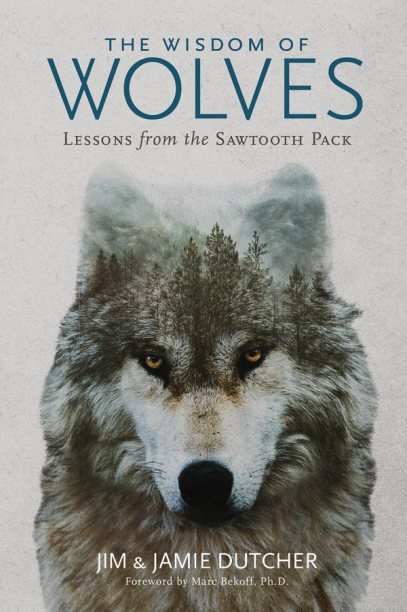
The Wisdom Of Wolves

WisdomofWolvesCover.600x900.jpgWe first heard of the book here, so thanks to Public Radio station WNYC. However, in the blurb for the podcast interview with the authors, the link to the book went directly to Amazon. Must it forever more be so? Hope not.

So, click the image to the left to go to the actual source of the book, which seems a more worthy place to consider purchasing it, even though here too they give you the option to buy on Amazon. But there is a slight favoring of the publisher, National Geographic, in the purchase options. Here’s what they say:

CURIOSITY. COMPASSION. FAMILY FIRST.

After living among the wolves of The Sawtooth Pack for years, Jim and Jamie Dutcher present a new book, The Wisdom of Wolves: Lessons from the Sawtooth Packproviding groundbreaking observations of their unique experience.

As strong, and just as immediately recognizable as the ties that unite a human family, the emotional bonds shared among wolves are far more complex than ever realized, and now are detailed in this exceptional book. Continue reading
Rewilding In New Jersey

It has been some time since we featured a story on rewilding, which occasionally involves iconic urban areas. New Jersey may not sound iconic, but it is the home to one of the masters of long form so we are happy to share this late great masterpiece of his:

Direct Eye Contact

The most sophisticated, most urban, most reproductively fruitful of bears.

Improbably, I developed a yearning, almost from the get-go, to see a bear someday in the meadow. While I flossed in the morning, looking north through an upstairs bathroom window, I hoped to see a bear come out of the trees. If this seems quixotic, it was. This was four miles from the campus of Princeton University, around which on all sides was what New Yorkers were calling a bedroom community. Deer were present in large familial groups, as they still are in even larger families. They don’t give a damn about much of anything, and when I walk down the driveway in the morning to pick up the newspaper I all but have to push them out of the way. Beforehand, of course, I have been upstairs flossing, looking down the meadow. No bears. Continue reading
Geothermal Cooking, Just Because

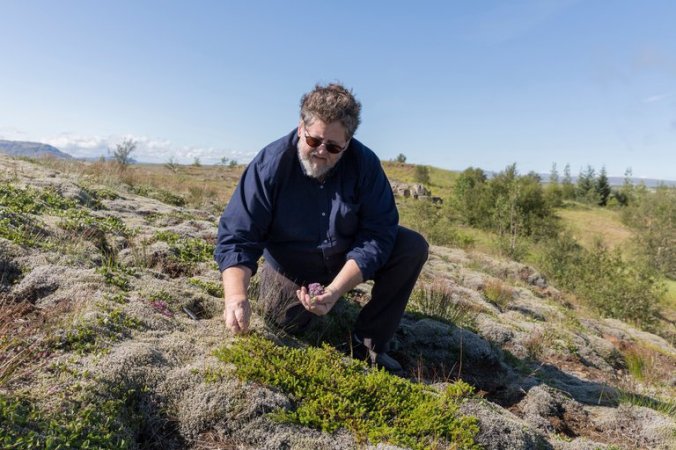
merlin_125685548_c436b8e6-ebb0-4c57-8c2a-b2fcbf46e20b-master768.jpg

Jon Sigfusson, the chef at Fridheimar, a restaurant in Reykholt, Iceland, picking herbs for cooking lamb. Credit Bara Kristinsdottir for The New York Times

Thanks to Peter Kaminsky, who helps answer the question Why Cook Over an Icelandic Geyser? and does so with gusto:

REYKHOLT, Iceland — Standing in the mud of the Myvatn geyser field in northern Iceland, Kolla Ivarsdottir lifted the lid of her makeshift bread oven. It had been fashioned from the drum of an old washing machine and buried in the geothermally heated earth. All around us mudpots burbled and columns of steam shot skyward, powered by the heat of nascent volcanoes.

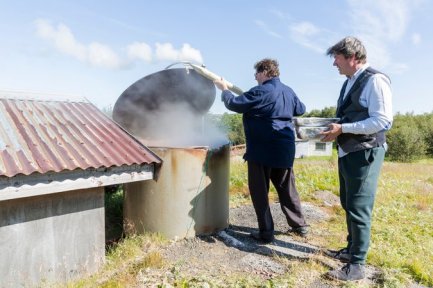
merlin_125685812_85ded439-31d9-4c03-b718-389cf79b405a-master675.jpg

Mr. Sigfusson, left, and Kjartan Olafsson, a restaurant critic and fish exporter, putting food into the communal geothermal oven. Credit Bara Kristinsdottir for The New York Times

Ms. Ivarsdottir, a mother of three who sells her bread in a local crafts market, reached into the oven and retrieved a milk carton full of just-baked lava bread, a sweet, dense rye bread that has been made in the hot earth here for centuries. She cut the still-hot loaf into thick slices. It is best eaten, she said, “completely covered by a slab of cold butter as thick as your hand, and a slice of smoked salmon, just as thick.” We settled for bread and butter — still a supernal combination. Continue reading
Progress In Mongolia Looks Like This

ger-1-0e1df16a975c6ffe1af6e84d8e3715f248383a0c-s1600-c85.jpg

Odgerel Gamsukh has a started a company to create a green community in the unplanned and polluted sprawl outside of Ulaanbaatar. Katya Cengel for NPR

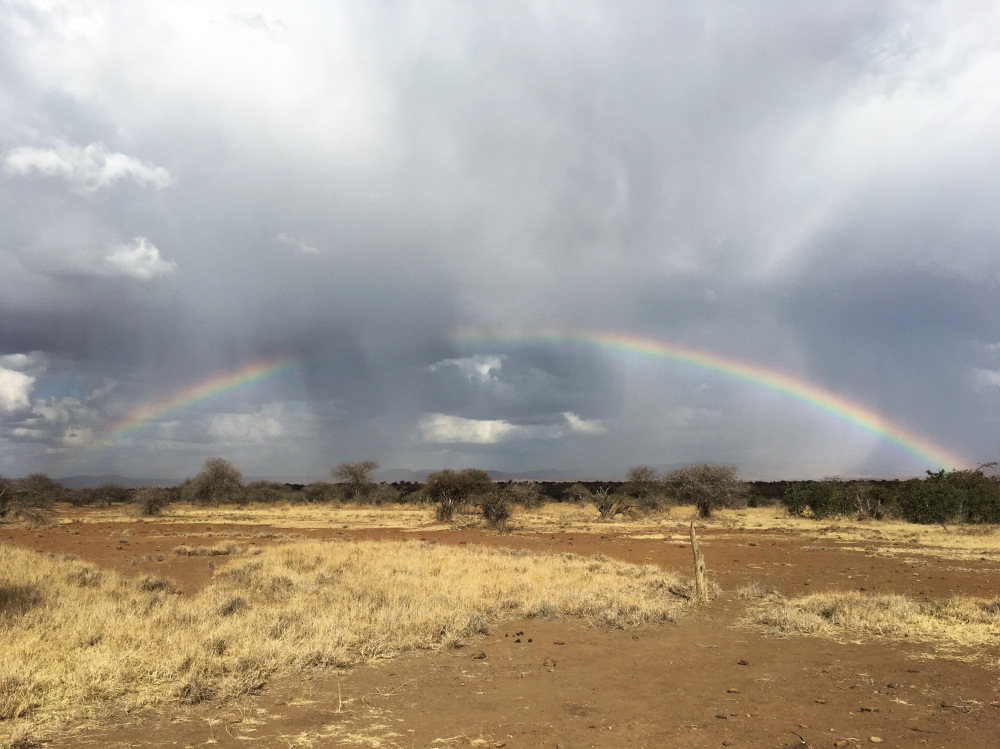
My one visit to Ulaanbaatar was in 1984, so I have outdated perspective, but I do recall the haze. I did not know it was from coal, associating it more with the Soviet gloom that I grew up believing was a permanent shadow on those lands. The military guards patrolling the train station were ominous at first sight. And one of them walked up to my buddy, grabbed his camera and ripped the film out of it. Yikes. No photo ops for us. But when our train, the Trans-Siberian, left the station I saw that Mongolia is one of the most blessedly beautiful landscapes I had seen, or have seen since. Multiple rainbows alway on the horizon. Thanks to Katya Cengel and NPR for this reminder that the sun is always shining somewhere in Mongolia:

To Fight Pollution, He’s Reinventing The Mongolian Tent

It takes the taxi driver three tries to find the neighborhood and at least another three wrong turns on narrow unpaved roads before he locates the company’s front gate. Each time he gets turned around the driver reaches for a cell phone. On the other end of the line Odgerel Gamsukh directs the driver to Gamsukh’s garage door business. Neither man seems bothered by the multiple interruptions and resulting delay. Mongolians are used to it taking a little extra time to get around, especially in the ger areas of Ulaanbaatar.

ger-4_custom-4d916c8e94c81b0b2fa6d78bf27f78ac78ab344c-s1600-c85.jpg

Gamsukh’s designs are displayed on his desk.
Katya Cengel for NPR

If street addresses mean little in the city center, where residents commonly give directions based on landmarks instead of street names, they mean even less in the surrounding ger areas, named for the circular felt tents in which many residents live. In these neighborhoods, the route that takes you from one place to another is sometimes a grass-covered hill. That is because the government has yet to catch up with the city’s rapid growth. Sixty years ago only 14 percent of Mongolia’s population lived in the capital of Ulaanbaatar, the country’s largest city. Today it is approximately 45 percent, more than one million people. The majority of them, 60 percent, live in ger areas that often lack basic services such as sewer systems, running water and trash collection. The coal that area residents burn to warm their homes is the main cause of winter air pollution that now rivals Beijing’s. Continue reading
When Edward O. Wilson Has Something To Say In Writing, Reading It Is A Top Priority

04wilson-master768

Credit Jillian Tamaki

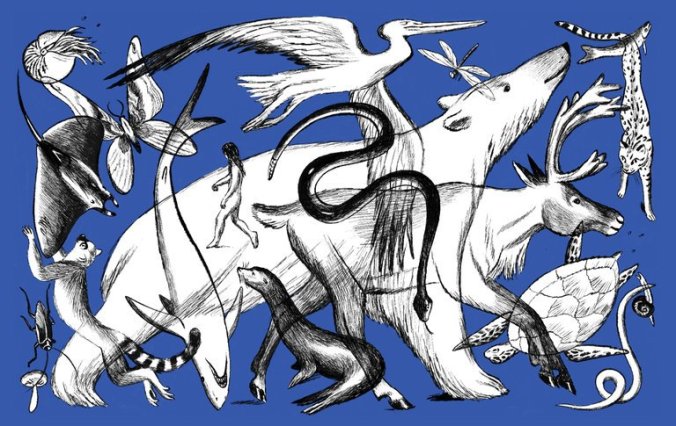
Edward O. Wilson invariably focuses our attention on the planet in new and interesting, not to mention critically important, ways. Here he goes again, and the supporting graphics, highly informative maps, alone are worth the read:

The 8 Million Species We Don’t Know

The history of conservation is a story of many victories in a losing war. Having served on the boards of global conservation organizations for more than 30 years, I know very well the sweat, tears and even blood shed by those who dedicate their lives to saving species. Their efforts have led to major achievements, but they have been only partly successful.

The extinction of species by human activity continues to accelerate, fast enough to eliminate more than half of all species by the end of this century. Unless humanity is suicidal (which, granted, is a possibility), we will solve the problem of climate change. Yes, the problem is enormous, but we have both the knowledge and the resources to do this and require only the will. Continue reading
Writers, Thinkers, Birders

Petrusich-Dont-Mess-with-the-Birds.jpg

A proposed Republican amendment threatens to weaken the protections in the Migratory Bird Treaty Act of 1918. Photograph by Ernest Manewal / Camera Press / Redux

Thanks to writers who become birders, and this one in particular:

Don’t Mess with the Birds!

By Amanda Petrusich

Catskill, New York—the small Hudson River town where the American painter Thomas Cole lived and worked, from 1825 to 1847—is also home to the RamsHorn-Livingston Sanctuary, which contains four hundred and thirty acres of tidal marsh, upland forest, and fallow farmland, and is presently occupied by common loons, great blue and green herons, wood ducks, mallards, a pair of bald eagles, northern harrier and red-tailed hawks, ruffled grouse, merlin falcons, eastern screech and great horned owls, belted kingfishers, pileated woodpeckers, warblers, scarlet tanagers, blue-gray gnatcatchers, a tiny and nervous-looking thrush known as a veery, and various other species of birds whose names, I will admit, are perilously delightful to type. There is also a beaver. Continue reading
Finn The Wonder Dog, And Other Introduced Species

KarenAndrew_Finn-1-1260x708

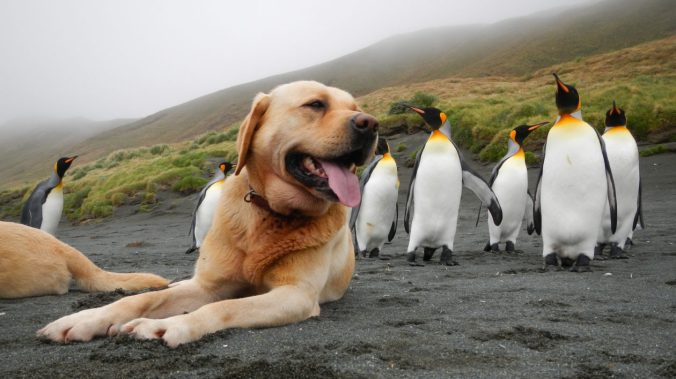
Finn the Wonder Dog on Macquarie Island with king penguins. Photo © Karen Andrew/New Zealand Department of Conservation

Thanks to Ted Williams at Cool Green Science for this article about the eviction of an invasive species in a remote location with charismatic species both native and introduced:

16051893298_01a0a7f12f_k-1260x708.jpg

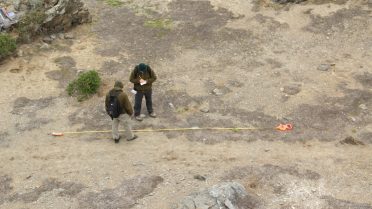
Choros Field Work. Photo © Island Conservation

Early in the 20th century settlers on the islands of Chañaral and Choros off northern Chile had a brainstorm: They’d create a ready supply of fresh meat by unleashing European rabbits.

It worked out as well as rabbit introduction in Australia. Continue reading

Starbucks Taking Some Responsibility

5118

Thanks to the Guardian’s consumer affairs correspondent, Rebecca Smithers, for this:

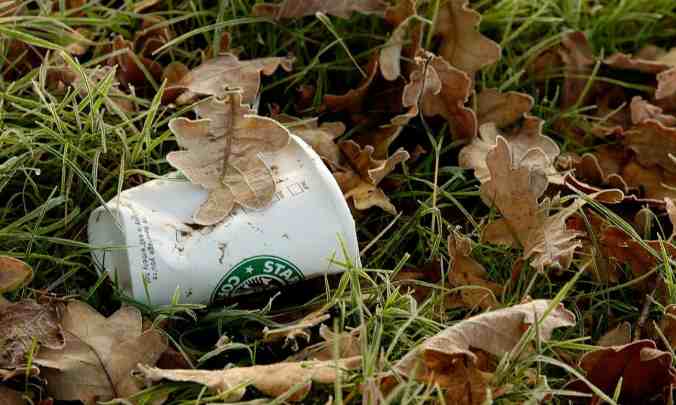
Starbucks trials 5p takeaway cup charge in attempt to cut waste

People buying hot drinks in cardboard cups in 35 London branches will pay ‘latte levy’

Starbucks will be the first UK coffee chain to trial a “latte levy” – a 5p charge on takeaway coffee cups – under plans that aim to reduce the overuse and waste of 2.5bn disposable cups every year.

In the latest offensive in the war against plastic waste, the chain said it hoped the move, starting on Monday, would help change behaviour and encourage customers to switch to reusable cups instead. Continue reading

A Pro-Environment Form Of Apartheid

4928

Jonathan Watts, over at the Guardian, has this news:

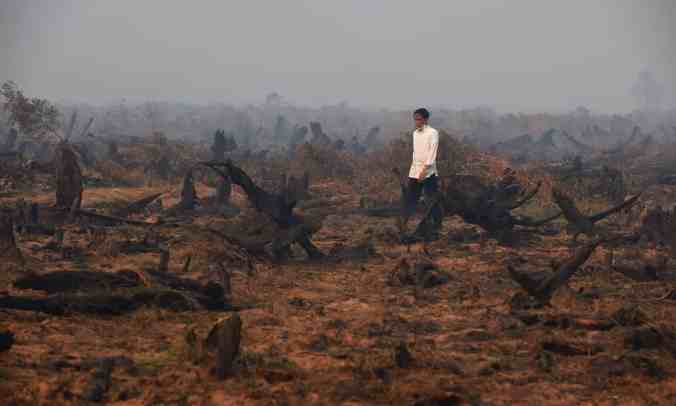
Britain and Europe must ban palm oil in biofuel to save forests, EU parliament told

Forest peoples affected by plantations urge EU to enact ban despite diplomatic opposition

If Britain and other European nations are to fulfil forest protection goals, they must ban the use of palm oil for biofuel and tighten oversight of supply chains, a delegation of forest peoples told parliamentarians this week.

The call for urgent, concrete action comes amid an increasingly heated diplomatic row over the issue between the EU and the governments of major palm-producing nations such as Indonesia, Malaysia and Costa Rica.

The European parliament voted last April to prohibit sales of biofuels made from vegetable oils by 2020 in order to meet its climate goals. This was followed by a related vote last month. Whether and how this might be implemented is now being considered by the European Commission and member states.

Continue reading

Getting To No On Plastic

5514

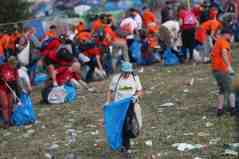
The cleanup … Glastonbury 2017. Photograph: Matt Cardy/Getty Images

This headline in the Guardian–Glastonbury festival set to ban plastic bottles in 2019accompanying the photo to the right is well timed for me:

Emily Eavis says festival is working on ‘enormous project’ to ban plastic bottles on site when it returns after year off in 2018

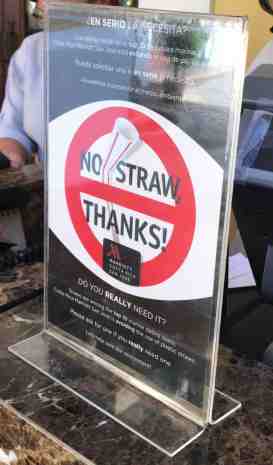
MarriottNoStraw.jpgThat story continues after the jump, but I want to add to this post an image I just photographed when visiting the Costa Rica Marriott Hotel San Jose that was built more than two decades ago. Amie and I were friends with the managers of that property from the mid- to late-1990s, but had lost track of what this property has been up to lately. And I was very happy to learn today that they have recently earned five leaves in the CST program, whose board of directors I served on in the mid- to late-1990s. Bravo, Marriott! And as I snapped this photo, I was told that starting next month this property will have no straws, even if someone says they “really need one” (as the text on the sign says near the bottom). Double bravo!

We have reported on efforts in India, during our years there, to reduce noise pollution using similar signage. Whoever designed this sign for the Marriott property in Costa Rica was thinking along the same lines, graphically speaking. While I am in Costa Rica this week, I hope to have more to report, but for now, back to Glastonbury: Continue reading

Bats Are More Important Than You May Realize

Sullivan-A-Fatal-Disease-Ravaging-Americas-Bats

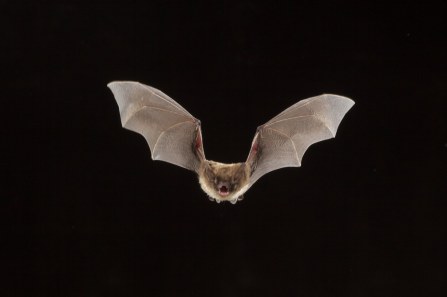
Since white-nose syndrome was first identified, just twelve years ago, it has spread to thirty-one states. The consequences—for bats, humans, and the U.S. economy—could be disastrous. Photograph by Michael Durham / Minden Pictures / Getty

Once you see the photo to the left, more than likely you will bypass this post. We have found this over dozens of occasions when we have posted about this animal. But think twice; read this first (thanks to J. R. Sullivan, an editor for Men’s Journal writing on the New Yorker website):

Late last summer, the biologist Mark Gumbert began flying over the farmlands of Iowa, looking for bats. As the animals foraged and moved through the night, he followed from above, circling the rivers and fields in his single-engine Cessna 172, trying his best not to lose the signals from their transmitters. Over the past decade or so, Gumbert has pioneered the study of bat migrations using radio telemetry, a method of wildlife tracking typically reserved for caribou, moose, and other big game, which tend to travel at moderate speeds. “A wolf running across the ground can move pretty quick, but they’re not going to run all night,” Gumbert told me recently. A bat, on the other hand, can be nearly impossible to trail on foot or by truck. Gumbert and his team at Copperhead Environmental Consulting were the first to observe an entire migration from the air, and they have since conducted surveys in New York, North Carolina, Ohio, Tennessee, West Virginia, and elsewhere. But the project that brought Gumbert to Iowa was unlike any he had undertaken before—tracking the northern long-eared batMyotis septentrionalis, a species that is among those most threatened by a dangerous fungal disease called white-nose syndrome. Continue reading

Coffee, Birds & India Forever

merlin_133986233_bd3304d6-db53-4670-b4fa-812f01167101-master675.jpg

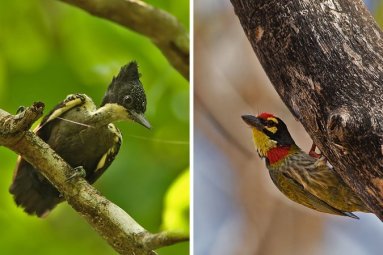
Ah, our favorite trifecta of the 2010-2017 era: coffee and birds and India! (Not to mention that the 2 species of birds featured in the article have graced this site in our Bird of the Day feature!) Just because we are back in Costa Rica does not mean the topics covered in this article are any less important to us. Thanks to Karen Weintraub for this:

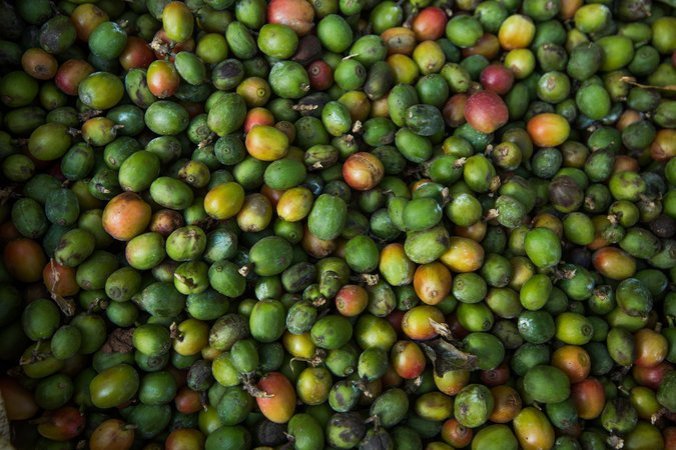
Coffee Beans Are Good for Birds, Fancy Brew or Not

17TB-COFFEE4-master675

Left, a heart-spotted woodpecker. Right, a coppersmith barbet bangalore. Credit Left, Ramki S.; Right, Shashank Dalvi

Birds are not as picky about their coffee as people are.

Although coffee snobs prefer arabica beans to robusta, a new study in India found that growing coffee does not interfere with biodiversity — no matter which bean the farmer chooses.

In the Western Ghats region of India, a mountainous area parallel to the subcontinent’s western coast, both arabica and robusta beans are grown as bushes under larger trees — unlike in South America, where the coffee plants themselves grow as large as trees, said Krithi Karanth, who helped lead the study, published Friday in the journal Scientific Reports. Continue reading