Shoreline Durability

Crofton 12U Select 2017 Season

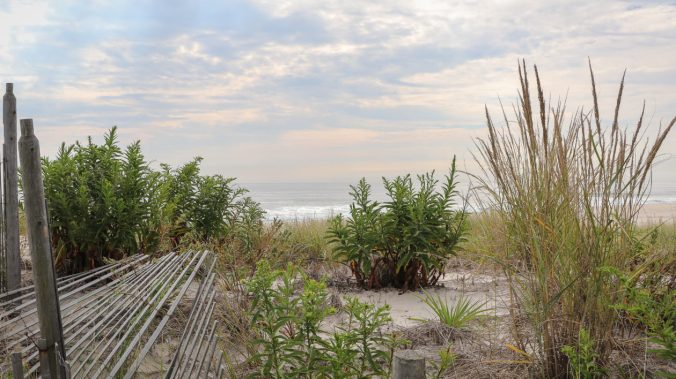
The dunes of Midway Beach have a secret ingredient hiding beneath the sand. © Cara Byington/The Nature Conservancy

Thanks to Cool Green Science:

The Secret in the Sand Dunes

Dominick Solazzo likes to say the healthy dunes at Midway Beach and South Seaside Park on the Jersey Shore have a “secret ingredient.” Of course, it’s a secret that gives itself away pretty readily when the wind blows.

Crofton 12U Select 2017 Season

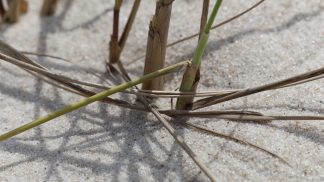
Dune grasses have deep roots that help trap sand and anchor the dunes, and help them grow and resist wind erosion. © Cara Byington/TNC

“It’s Christmas trees,” Solazzo says with a smile. Discarded (natural) Christmas trees donated by the city of Secaucus, New Jersey and given a second life – so to speak – as sand dunes. And, yes, according to him and a few of his neighbors, you can smell the sharp, familiar scent of fir through late winter and part of the spring.

But why Christmas trees? In a word: structure.

“They’re like re-bar in concrete,” explains Solazzo. “They help hold the sand and the dune in place, and give it structure. And good structure matters for dunes. It matters a lot.” Continue reading
Rewilding Minelands

Flatwoods_WFA_2.10.17-26_web

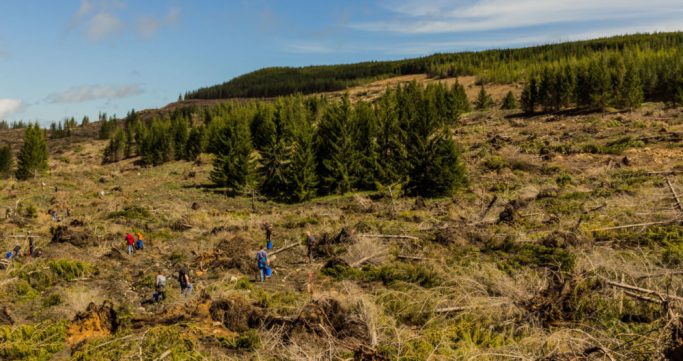
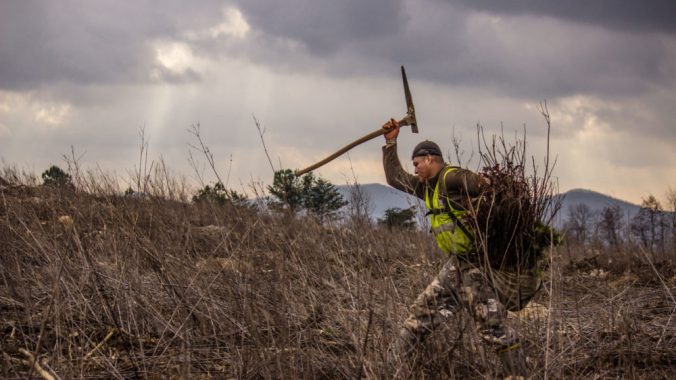
A contractor for Green Forests Work plants native hardwood and evergreen seedlings on a reclaimed mine site in Dorton, Kentucky. GREEN FORESTS WORK

Thanks to Yale 360 for this story about Green Forests Work, in a part of North America that is often considered lost, from an ecological perspective:

Reclaiming Appalachia: A Push to Bring Back Native Forests to Coal Country

Previous efforts to restore former coal mine sites in Appalachia have left behind vast swaths of unproductive land. Now, a group of nonprofits and scientists are working to restore native trees to the region — even if it means starting the reclamation process from scratch.

5.5.17_Monongahela-36_web

Volunteers fan out over a recently bulldozed plot on Cheat Mountain to plant red spruce and other native seedlings. GREEN FORESTS WORK

Near the top of Cheat Mountain in West Virginia, bulldozer operator Bill Moore gazes down a steep slope littered with toppled conifers. Tangled roots and angled boulders protrude from the slate-colored soil, and the earth is crisscrossed with deep gouges.

“Anywhere else I’ve ever worked,” Moore says, “if I did what I did here, I’d be fired.” Continue reading

Kelp Forest Versus Kelp Farm

Shutterstock_ChannelIslandsKelpCalifornia_web

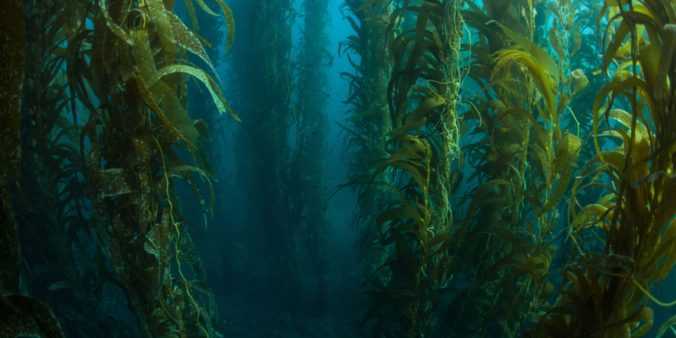
Kelp forest commentary is not new to our pages, but much more frequently the generic category seaweed has been highlighted for its farming potential. We have apparently not give sufficient attention to the specific value of natural kelp forests. Thanks to Yale 360 and science writer Alastair Bland for this story:

As Oceans Warm, the World’s Kelp Forests Begin to Disappear

Macrocystis_Scott_Ling_web

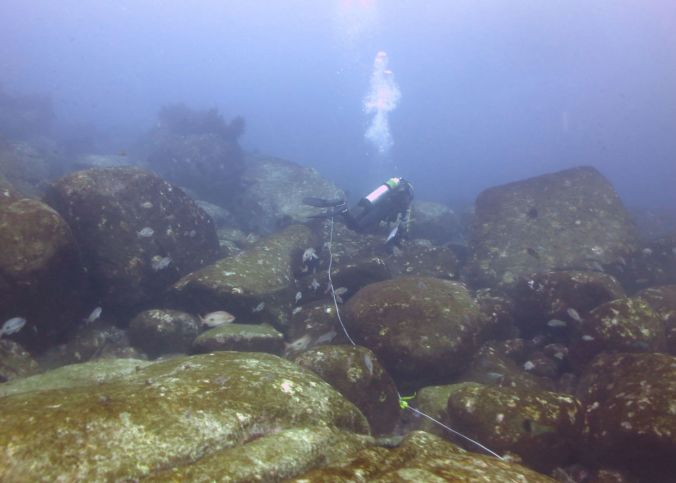
The progression of the destruction of a kelp forest in Tasmania by urchins, photo 1/3.

Kelp forests — luxuriant coastal ecosystems that are home to a wide variety of marine biodiversity — are being wiped out from Tasmania to California, replaced by sea urchin barrens that are nearly devoid of life.

A steady increase in ocean temperatures — nearly 3 degrees Fahrenheit in recent decades — was all it took to doom the once-luxuriant giant kelp forests of eastern Australia and Tasmania: Thick canopies that once covered much of the region’s coastal sea surface have wilted in intolerably warm and nutrient-poor water.

centro_overgrazing_phase_shift_Tasmania2_SDLing_web

The progression of the destruction of a kelp forest in Tasmania by urchins, photo 2/3.

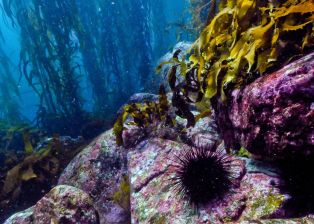
Then, a warm-water sea urchin species moved in. Voracious grazers, the invaders have mowed down much of the remaining vegetation and, over vast areas, have formed what scientists call urchin barrens, bleak marine environments largely devoid of life.

Today, more than 95 percent of eastern Tasmania’s kelp forests — luxuriant marine environments that provide food and shelter for species at all levels of the food web — are gone. With the water still warming rapidly and the long-spine urchin spreading southward in the favorable conditions, researchers see little hope of saving the vanishing ecosystem.

Diver_surveying_overgrazed_reef_web The progression of the destruction of a kelp forest in Tasmania by urchins, photo 3/3. The Australian island state has lost more than 95 percent its kelp forests in recent decades. COURTESY OF SCOTT LING Continue reading

Crowdfunding Conservation

gettyimages-869721444-79374ee2e7dfa3ba9188f3ae88ffe0c0cb438412-s1300-c85

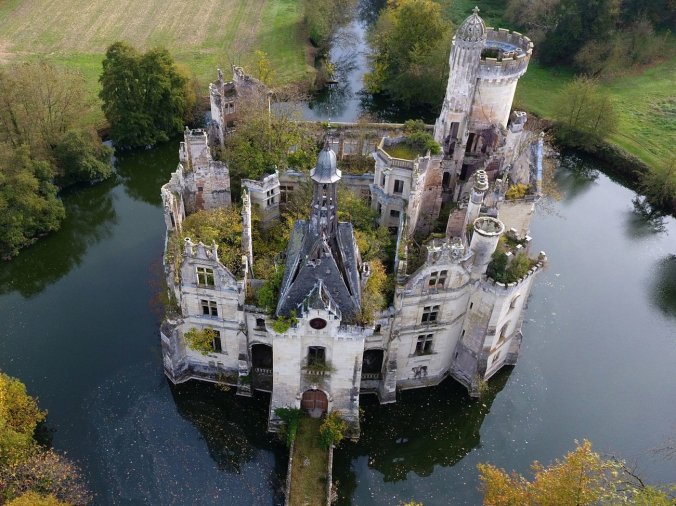
The ruined castle of La Mothe-Chandeniers in central western France. The crowdfunding site Dartagnans organized an effort to buy the chateau for 500,000 euros. Guillaume Souvant/AFP/Getty Images

Thanks to National Public Radio (USA) for this signal that trust, the cement of civilization, is alive and well in some quarters:

7,500 Strangers Just Bought A Crumbling French Chateau Together

It’s late 2017. By now, crowdfunding has been used to finance filmsboard gamesclassical musicscientific research and infertility treatments.

Dart.jpgAdd this to the list of things bought with collective purchasing power: A chateau in the French countryside, complete with moat.

Mais oui!

The platform used to raise the funds announced on Friday that the castle had been purchased by milliers d’internautes – that is, thousands of Internet users, who each paid at least 50 euros (about $60) to “adopt” the chateau and help restore it. In just 40 days, the site raised the 500,000 euros it needed to buy it. Continue reading

St. Kilda, Now For The Birds

Fergus-St-Kilda

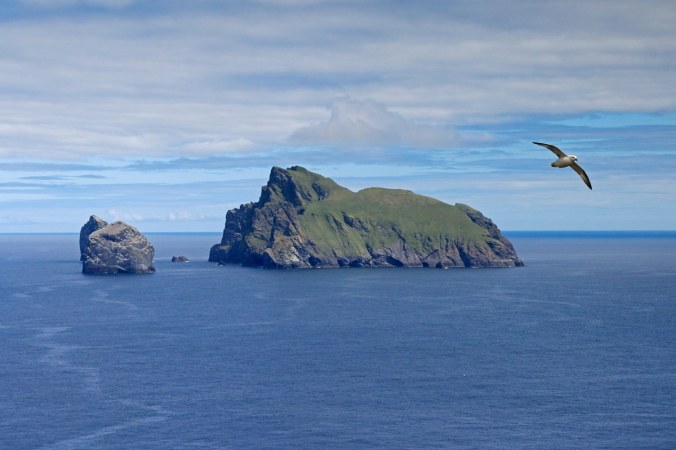
A northern fulmar in flight near Boreray, an uninhabited island in the archipelago of St. Kilda. Photograph by Philip Mugridge / Alamy

A beautiful several minutes of historical reading, thanks to Fergus McIntosh:

A Trip to St. Kilda, Scotland’s Lost Utopia in the Sea

In 1877, George Seton, a visitor to the tiny Scottish archipelago of St. Kilda, observed that the men living there had an unusual physiological characteristic. “The great toes of the cragsmen are widely separated from the others, from the circumstance of their frequently resting their entire weight on that part of the foot in climbing,” Seton wrote. These men with prehensile feet were residents of the most remote settlement in the British Isles, forty miles out in the North Atlantic, where seabirds, garnered from the towering cliffs, formed the major part of their diet. A hundred years after Seton, another visitor wrote that “even today a boat setting out for St. Kilda is by no means assured of reaching its destination.”

Fergus-St-Kilda-secondary

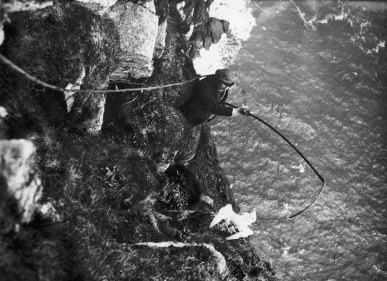
A St. Kildan hunts seabirds on the cliffs of Hirta, May 26, 1923. Photograph by Trinity Mirror / Mirrorpix / Alamy

These were unnerving words to recall as I stood, clad in oilskins and a lifejacket, on the pier at Uig, on the Isle of Skye, at seven o’clock one morning in August. Though the air was cold and still, the sky a smooth overcast, the captain of our small boat assured us that the ocean swell would make the journey to the islands uncomfortable, and that the weather could worsen at any moment. Continue reading

Doomsday Discussion

Each day we scan the news for stories that will help make sense of the environmental challenges facing humanity, with special attention to potential solutions and collective action taken to rise up to those challenges. Earlier this year we declined to link out to this story that was a collection of doomsday scenarios:

NYLogo

The Uninhabitable Earth

Famine, economic collapse, a sun that cooks us: What climate change could wreak — sooner than you think.

By David Wallace-Wells

This article reporting on a recent panel at Harvard University has caused us to reconsider the decision:

112917_despair_014_605_embed

Nikhil Advani (from left), David Wallace-Wells, Elizabeth Wolkovich, Nancy Knowlton, and Campbell Webb.

…Unfortunately, that vision isn’t fiction, but rather Wallace-Wells’ summation of climate change’s little-discussed worst-case scenario for the year 2100.

“I think there’s real value in scaring people,” the journalist said Wednesday during a panel at the Geological Museum, sponsored by the Harvard University Center for the Environment.

The event, “Hope and Despair: Communicating an Uncertain Future,” explored whether doom and gloom are more effective than hope in spurring climate action. Panelists agreed that fear is a potentially powerful lever, but also insisted on the importance of covering success stories. Progress is an important motivator, keeping people from succumbing to despair in the face of bad news. Continue reading

Victory Favoring Earth, We Hope

Lisa Friedman appears twice on today’s landing page of the newspaper she works for, once as co-host on a video, below, about Alaska; and again as host of an equally important story in the form of an interview, also captured on this video titled Jerry Brown on How to Fix Global Warming.

JBrown

How can policymakers fight climate change in the face of political headwinds? Gov. Jerry Brown of California addresses that question at ClimateTECH, a conference from The New York Times, in a conversation with Thomas L. Friedman. By THE NEW YORK TIMES on Publish DateNovember 29, 2017. Photo by Friedemann Vogel/European Pressphoto Agency.  Watch in Times Video »

With Gene-Altering Schemes, Be Careful What You Wish For

merlin_130180247_f155f48f-78b8-4667-8348-506d3ed9edeb-master768

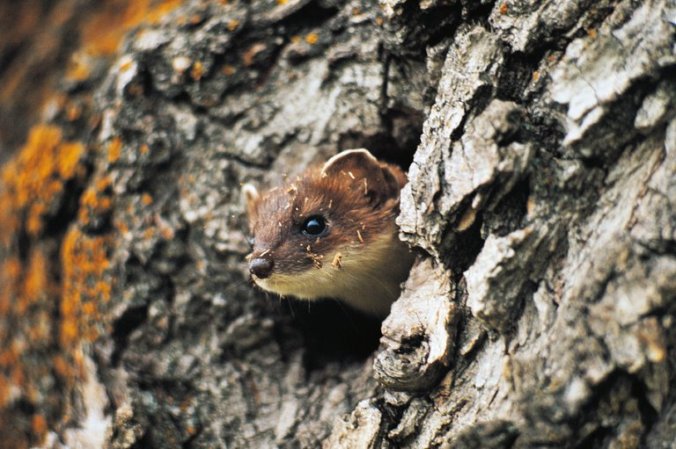
The short-tailed weasel, or stoat, decimated native bird populations after it was introduced to New Zealand. Altering the genes of invasive animals might save threatened species, scientists said, but could also have devastating consequences. Credit DeAgostini, via Getty Images

Two days ago we were intrigued by the notion; today, not so much. Is it a cat fight between two of the science writers most often linked to in these pages? Or perhaps it is an example of how scientific consensus is built:

‘Gene Drives’ Are Too Risky for Field Trials, Scientists Say

In 2013, scientists discovered a new way to precisely edit genes — technology called Crispr that raised all sorts of enticing possibilities. Scientists wondered if it might be used to fix hereditary diseases, for example, or to develop new crops.

One of the more intriguing ideas came from Kevin M. Esvelt and his colleagues at Harvard University: Crispr, they suggested, could be used to save endangered wildlife from extinction by implanting a fertility-reducing gene in invasive animals — a so-called gene drive. Continue reading

New Zealand, Invasive Species & Gene Editing

1920

Thanks to Ed Yong and his editors at The Atlantic for this story on one country’s approach to rats:

New Zealand’s War on Rats Could Change the World

The nation wants to eradicate all invasive mammal predators by 2050. Gene-editing technology could help—or it could trigger an ecological disaster of global proportions.

The first thing that hit me about Zealandia was the noise.

I was a 15-minute drive from the center of Wellington, New Zealand’s capital city, but instead of the honks of horns or the bustle of passersby, all I could hear was birdsong. It came in every flavor—resonant coos, high-pitched cheeps, and alien notes that seemed to come from otherworldly instruments. Continue reading

Nature’s Silence Is Golden

rainforest-slide-S9Y8-jumbo

Yesterday’s post, linking to an article from the same source, combines with this one to confirm that some venerable members of the “mainstream media” see an audience (us, for example) for green-leaning reporting. Then we found this, about a remarkable Norwegian silence-hunter who has gone to the ends of the earth; and now finds himself in the East Village of New York City. Instead of featuring that story, this one below is must-read on the topic of quietude:

Lessons in Stillness From One of the Quietest Places on Earth

In the wilderness of Washington State’s Hoh Rain Forest, a poet searches for the rare peace that true silence can offer.

THE OLYMPIC NATIONAL PARK stretches down coastal Washington and east toward Seattle on a thumb of land known as the Olympic Peninsula, some 60 miles long by 90 miles wide. Around a three-hour ride by car from Seattle, it feels much farther, as if you have passed into an otherworldly realm. Within it are volcanic beaches scattered with the remains of massive Sitka spruces, evergreen-crowded mountains, broad, flat valleys and the Hoh Rain Forest, through which 12 miles of hiking trails and the glacier-formed Hoh River run. The Park, in total nearly a million acres, is home to what may be the most complex ecosystem in the United States, teeming with big-leaf maples, lichens, alders, liverworts, Monkey flowers, licorice ferns, club mosses, herbs, grasses and shrubs of remarkable abundance. Today, thanks to federal protections, it is home to some of the largest remaining stands of old-growth forest in the continental U.S. Continue reading

Feeding 7 Billion People

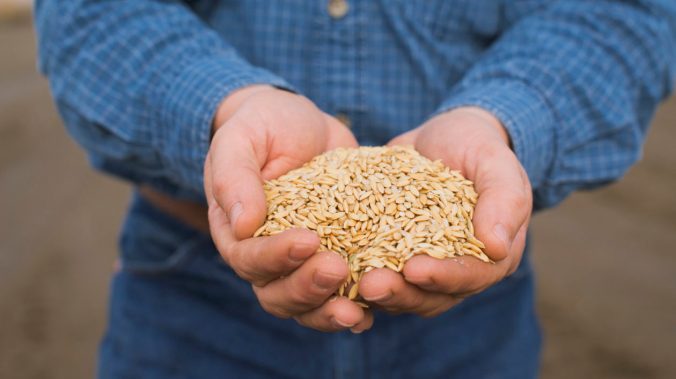
Farmer Doug Thomas holds rice at a storage facility near Olivehurst, California.

Farmer Doug Thomas holds rice © Drew Kelly for The Nature Conservancy

 Thanks to Cara Byington and her colleagues at Cool Green Science:

When They Said They Wanted to Rethink Agriculture, They Meant It

Continue reading

Ant-Hunting Dogs

08TB-TOBIAS1-master768

Kyren Zimmerman and Tobias — a Labrador retriever who specializes in sniffing out the invasive Argentine ant — on Santa Cruz Island, in the Channel Islands National Park. Credit Gary Andrew/The Nature Conservancy

Ants are the masters of the planet we live on. There is no escaping that. But if these dogs can protect us from some of the more sinister ants, we have these trainers to thank:

A Very Good Dog Hunts Very Bad Ants

Tobias is a Labrador retriever with one job: sniffing out invasive Argentine ants wherever they hide. He’s really good at it, and with his help, a fragile island ecosystem may be spared a repeat inundation with the pests.

Santa Cruz Island is 25 miles off the coast of Southern California, part of Channel Islands National Park. The island’s rich, rugged environment — which includes more than 1,000 kinds of plants and animals, including the bald eagle and the island fox — is threatened by Argentine ants, one of the world’s most successful and wily invasive species. Continue reading

Speaking for the Trees

‘Hope, courage and anger’: The Indigenous Guardians of the Forest caravan to Bonn, in front of the French National Assembly in Paris last week. Photograph: Jonathan Watts for the Guardian

Thanks once again to the Guardian for sharing these stories from the front line.

‘For us, the land is sacred’: on the road with the defenders of the world’s forests

Of the many thousands of participants at the Bonn climate conference which begins on 6 November, there will arguably be none who come with as much hope, courage and anger as the busload of indigenous leaders who have been criss-crossing Europe over the past two weeks, on their way to the former German capital.

The 20 activists on the tour represent forest communities that have been marginalised over centuries but are now increasingly recognised as important actors against climate change through their protection of carbon sinks.

In the run-up to the United Nations talks, they have been visiting the UK, France, Belgium, the Netherlands and Germany, talking to city leaders, environment NGOs and youth groups. Their aim is to build support for their role as forest defenders – a role that frequently puts them odds with agribusiness, mining companies and public security. The Observer caught up with them on the road to Paris.

“We have been looking after the forest for thousands of years. We know how to protect them,” said Candida Dereck Jackson, vice president of the National Indigenous Alliance in Honduras, as she outlined the principal demands of the group: respect for land rights, recognition of crimes against the environment, direct negotiations over forest protection, decriminalisation of indigenous activists, and free, prior and informed consent before any development by outsiders. Continue reading

Amaranth’s Allies: Art, Academia & Activism

00seeds18-superJumbo.jpg

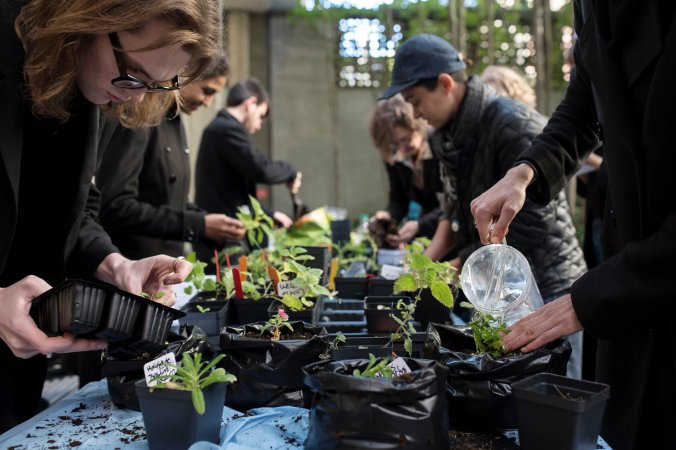
New School students and faculty repotting seedlings on campus in preparation for the exhibition.

Search on the three words “seeds of change” on this platform and you will find dozens of stories dealing with topics like botanical hazard initiatives or innovative approaches to flora conservation and/or climate change and some of the radical plans made to prepare for it that we have linked to over the years. Type the same three words into your favorite search engine and the topics are much more diverse. The three words are also the name of an evolving exhibition, and the subject of an article that mixes art, academia and activism:

A Seed Artist Germinates History

An exhibition using plants brought to New York in ships’ ballast illuminates the city’s hidden past using stinging nettle, milk thistle and amaranth. Continue reading

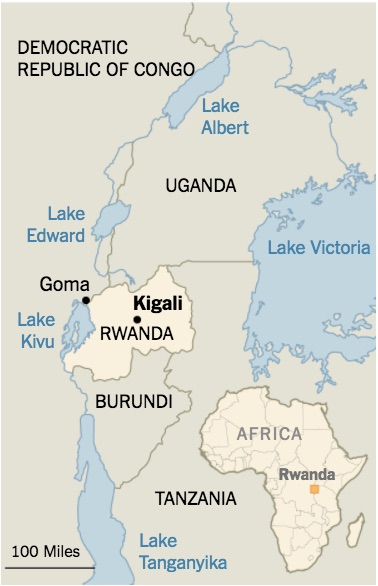
All In, Eliminating Plastic Bags, Rwanda Is A Leader

RWANDAmap

By The New York Times

Thanks to the New York Times for this success story from a small country in Africa that has been working its way steadfastly to global leadership, quietly but surely for the last decade-plus. Eliminating plastic bags from a country seems impossible, until you read how it was done:

GISENYI, Rwanda — They are sometimes tucked into bras, hidden in underwear or coiled tightly around a smuggler’s arms.

They’re not narcotics or even the illegally mined gold and diamonds that frequently make it across the border into Rwanda. But they are, at least in the eyes of Egide Mberabagabo, a watchful border guard, every bit as nefarious.

The offending contraband? Plastic bags.

“They’re as bad as drugs,” said Mr. Mberabagabo, one of a dozen border officials whose job it is to catch smugglers and dispose of the illicit plastic he finds. Continue reading

Hooved Fire Prevention

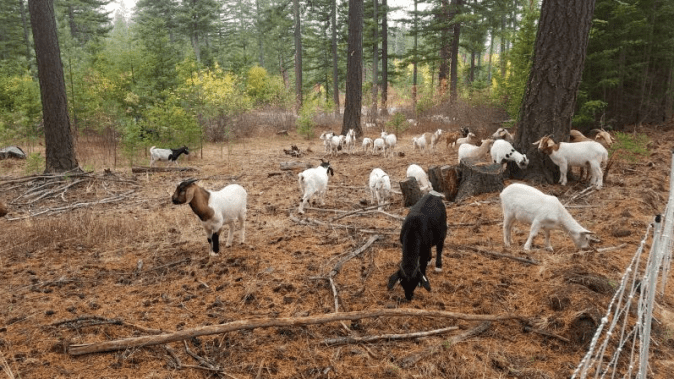
Image: Renee Lewis

Goats have appeared on these pages in various guises, including being part of urban park maintenance. Thanks to environmental reporter Renee Lewis and the Earther.com for sharing this good news fire prevention story.

Firefighting Goats Devour Fuel Across the West Before it can Burn

Roslyn, WA—After one of the worst fire seasons in recent memory in the Pacific Northwest this summer—with the unforgettable smoke-pocalypse that socked in the region with thick smoke for weeks—a new tool is being added fight against wildfires: goats.

“More and more, people are looking at goats as a tool for fire suppression,” said Craig Madsen of Healing Hooves, a company based in Edwall, Washington, that maintains a herd of about 250 goats that are used for natural vegetation management.

The goats bleated loudly and walked towards Madsen as we approached the plot of land where the herd was busy grazing.

“The goats are complaining because of the rain,” Madsen said, as a cool, fall shower began.

Madsen stood under the overhang of the trailer he uses to to transport the herd, across the road from the land where the goats were grazing. The guard dog, Gigi, sat under a tree keeping watch as the goats—bucks, does, and kids—worked together to devour everything within reach.

Every car that drove by stopped to look at the unusual sight, and many asked Madsen about what he was doing out there with all those goats.

Continue reading

Jane Goodall Then And Now

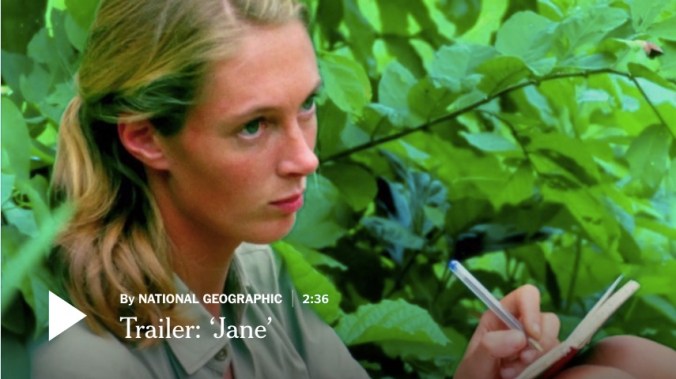
Jane

A preview of the film. By NATIONAL GEOGRAPHIC on Publish DateOctober 18, 2017.Image courtesy of Internet Video Archive. Watch in Times Video »

Several of us contributing to this platform have had the opportunity to meet her, and can attest to what Melena Ryzyk says below. There really are not sufficiently powerful words to describe her, but we link out to those stories that try.  It may be that photography or film offer the best medium for understanding and more fully appreciating her work. Click above for the trailer, or click the title below to read the review of this film, high on our list for viewing:

Jane Goodall’s Unparalleled Life, in Never-Before-Seen Footage

If you ever meet Jane Goodall and well up with overwhelmed joy, you won’t be alone. “I make everybody cry,” said Dr. Goodall, the primatologist and conservationist. “The Jane effect.” Continue reading

Regenerating Biodiversity Is Hard Work In The Best Of Circumstances

merlin-to-scoop-126602513-337561-jumbo

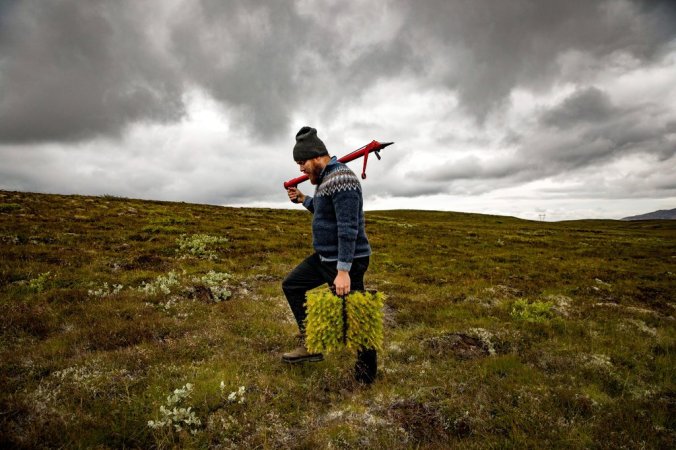
Jon Asgeir Jonsson, who works for a private forestry association, with larch saplings in western Iceland.

It’s never easy being green, but especially millennia after deforestation. Thanks to Henry Fountain and the New York Times:

Vikings Razed the Forests. Can Iceland Regrow Them?

GUNNARSHOLT, Iceland — With his flats of saplings and a red planting tool, Jon Asgeir Jonsson is a foot soldier in the fight to reforest Iceland, working to bring new life to largely barren landscapes.

The country lost most of its trees more than a thousand years ago, when Viking settlers took their axes to the forests that covered one-quarter of the countryside. Now Icelanders would like to get some of those forests back, to improve and stabilize the country’s harsh soils, help agriculture and fight climate change. Continue reading
Keep National Parks Safe, Know Your Chocolate

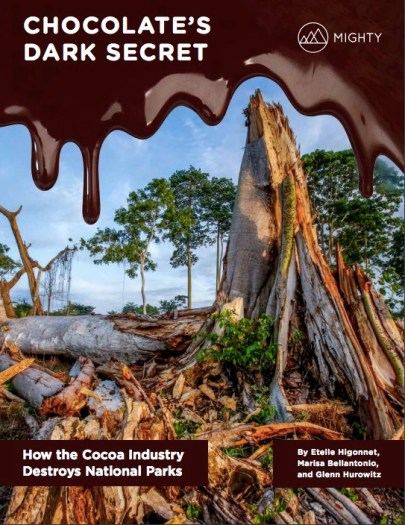
Choc.jpgI am now learning more about cacao, and its end use, the sweet we all adore. The rise in artisanal cacao farming, as we have noted on occasion, can have important implications for conservation. Whether you are a chocoholic or just a casual dabbler in the sweet bi-product of cacao, this report deserves your attention (click on the image to go to the source):

Chocolate is everywhere. It is the afternoon pick-me-up, the sensual indulgence, the accoutrement to seduction. Lovers gift truffles, skiers sip on rich hot chocolate, and connoisseurs savor the tiniest, richest bite of single origin dark chocolate. The ancient Aztecs believed that chocolate was an aphrodisiac, and the emperor Montezuma was reported to gorge himself on chocolate in advance of his trysts. Continue reading
Empathic Survival Strategy

Kolbert-On-the-Fate-of-Earth_05.jpg

Photograph courtesy the author

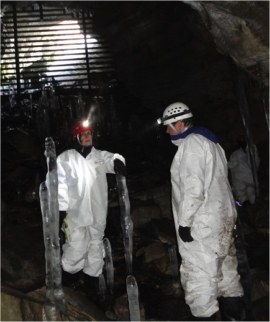
Finally, the author we link out to with frequency (respectfully and affectionately noting her role in highlighting doom on the horizon), has offered a photo of herself in the setting of one of her stories. It is a cave with a story to tell, and while the story is not one we want to hear it is one we must ponder. That is why we keep linking out to her writing.

This is among her best short offerings, written originally to be a speech, with the creature below featured in compelling manner:

Kolbert-On-the-Fate-of-Earth_01

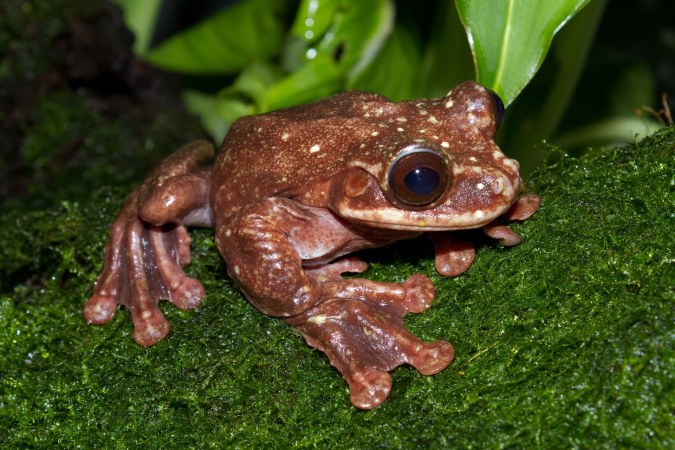
A Rabbs’ fringe-limbed tree frog. Photograph by Brian Gratwicke / Flickr

The Fate of Earth

Humanity’s survival on this planet seems more uncertain than ever. But what happens when we look at ourselves through other creatures’ eyes?

By 

Yesterday evening, at Manhattan’s New School, the New Yorker staff writer Elizabeth Kolbert delivered the second annual Jonathan Schell Memorial Lecture on the Fate of the Earth, an event established by the Nation Institute in honor of the late Jonathan Schell, a longtime New Yorker staff writer, and named for “The Fate of the Earth,” a series of articles that Schell wrote for the magazine in 1982 and later published as a book. Kolbert’s remarks have been edited for length. Continue reading