Thanks to Cool Green Science:
Space Cowboys: A New Generation of Prairie Keepers
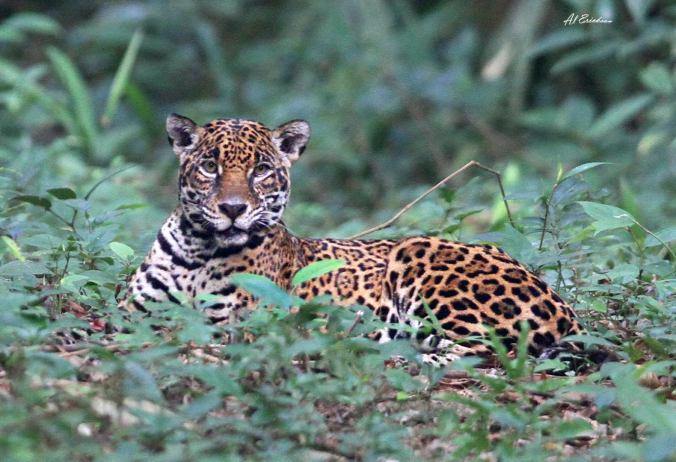
Yesterday I posted a couple images from a guest’s phone camera, including one of the cat above seen through the lens of a scope. What I did not know when I posted that was that another guide, Marvin who was with two other guests, had come upon the cat first and had signaled to Luis to bring his two guests to see the cat, which seemed quite relaxed in this location. Al Erickson, who is at Chan Chich primarily for photographing birds, took the photo above. Incidentally, he and his wife were the ones who pointed us to Bird Tales.
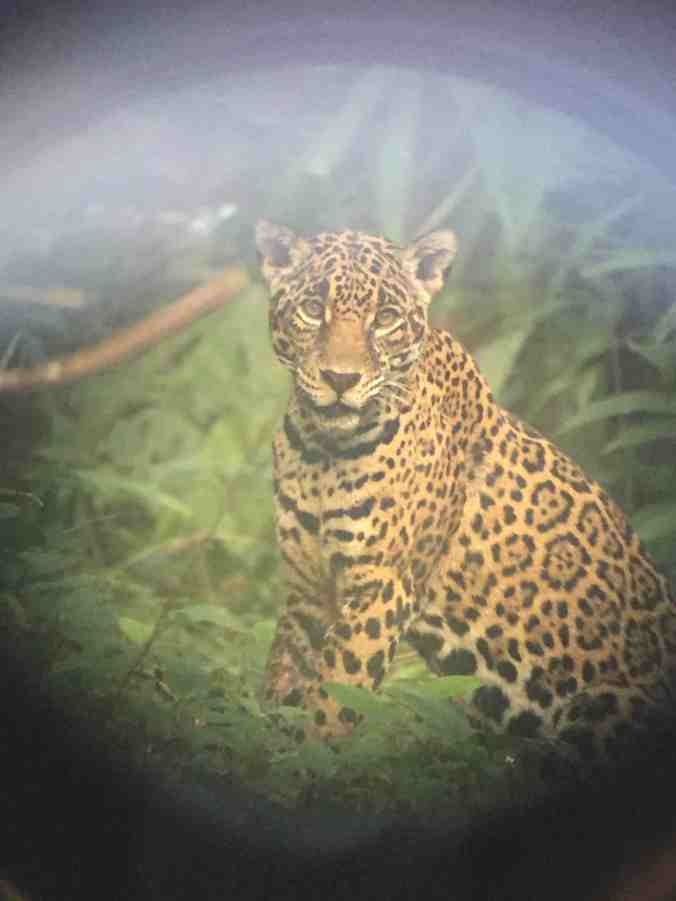
I was just starting to think how surprisingly awesome broccoli is, when a guest at Chan Chich Lodge showed me the photo he took about an hour ago. It was taken using his phone, through the scope that our guide Luis had while they were on the morning Gallon Jug tour. That complements well, to say the least, the photo the guest took with just his phone last night. Continue reading
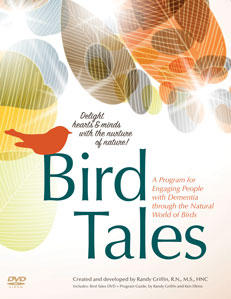 When guests of Chan Chich Lodge told me last evening about their local Audubon Center in Connecticut (USA), my first thought was a memory of the Audubon Center in my hometown, also in Connecticut, and how essential it was to the decisions I made to do what I do today.
Then they mentioned Bird Tales, and I had never heard of anything like this before, but it made so much sense to me I thought I should excerpt the description here and point it out to the many bird-centric visitors to our platform here (click the image to the left to go to the website of the Center that created the program):
…Initially working with four facilities operated by Transcon Corporation, our Audubon Center Bent of the River Education Program Manager, Ken Elkins, incorporated Audubon at Home environmental principles into the goals of these facilities to improve the quality of life for their residents. Continue reading
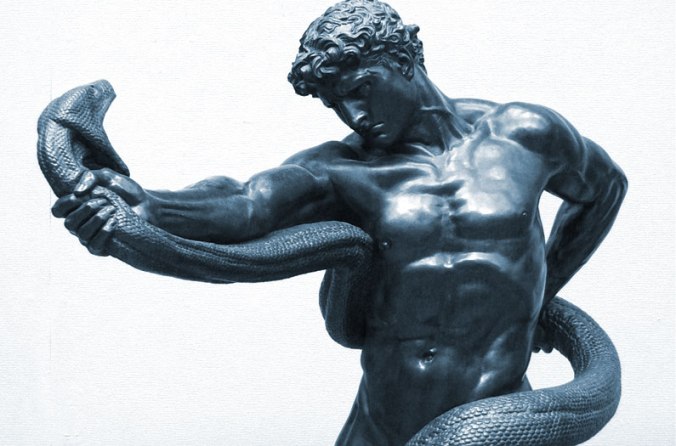
Thanks to Anthropocene for providing a summary of recent science on a topic of concern in these pages from time to time in the last few years:
Invading pythons and the weird, uncertain future of the Florida Everglades
What a decent man, we say every time we see news of Jimmy Carter. This story is no exception, and we especially appreciate the example he is setting with this action:
PLAINS, Ga. — The solar panels — 3,852 of them — shimmered above 10 acres of Jimmy Carter’s soil where peanuts and soybeans used to grow. The panels moved almost imperceptibly with the sun. And they could power more than half of this small town, from which Mr. Carter rose from obscurity to the presidency. Continue reading
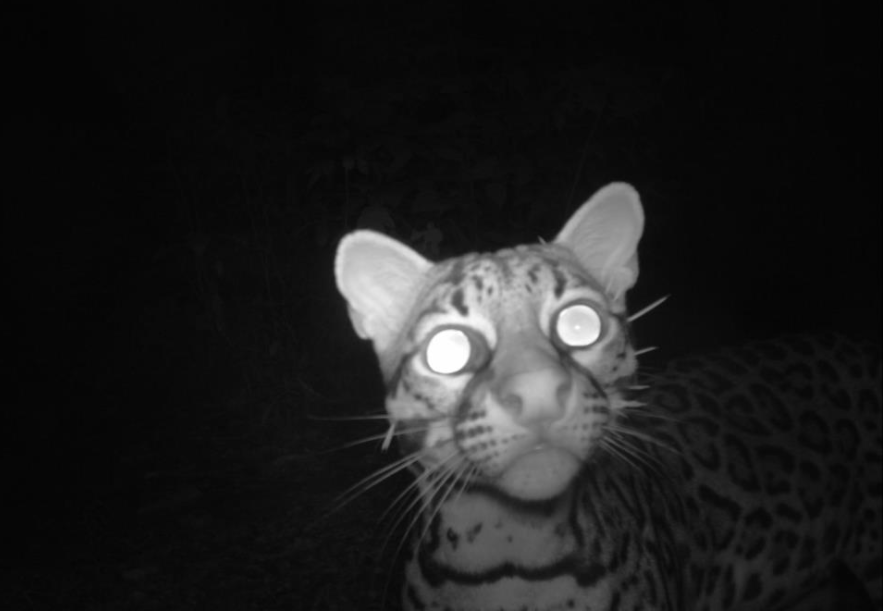
Ocelot curious about the red light of the camera
For years the camera traps at Chan Chich Reserve have been capturing images of wildlife both day and night. In addition to helping to document the size and health of the population of a specific species within the reserve, the cameras also capture the particular behavior of the species.
 After a year of waiting, the paper that I wrote with Justin and John is finally published! This is a journal article that arose from an accidental encounter with a juvenile Barn Owl in a small cave that I noticed on the side of a trail we were on while exploring the Hellshire Hills. This southern region of Jamaica is not one in which we expected to see the Golden Swallow, but we wanted to check anyway, as well as look out for some of the rare tropical dry scrub species we might find in the area, like the Jamaican Iguana, previously thought extinct.
I briefly hinted at this paper in an old post after our return from Jamaica, but didn’t mention it after that since I knew a published article would tell the story more fully, albeit more technically and with science instead of storytelling as a priority. In the cover photo above I’ve included a link to the PDF version of Caribbean Naturalist journal issue 37, which contains our article, but I also want to summarize our findings in lay terms for those less familiar with the biological jargon.
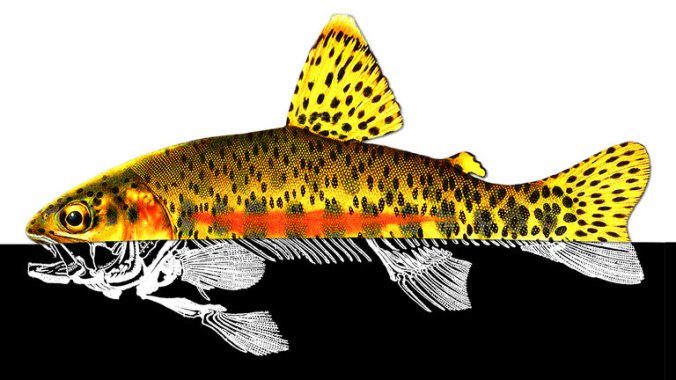
Leigh Guldig
Please take a few minutes to read what follows to the end, and share it as far and wide as you can. Our thanks to Chris Wood–president and chief executive of Trout Unlimited, which needs and deserves our support for exactly the reason stated below–for writing, and the New York Times for publishing this clear statement:
THE eastern brook trout, whose native haunts in the Appalachians are a short drive from my home in Washington, is a fragile species. It requires the coldest and cleanest water to survive, and over the past two centuries, its ranks have been decimated by all that modern society could throw at it. Today it lives in a fraction of its historic range.
One reason? Thousands of miles of prime brook trout streams have been polluted by poorly regulated historic coal mining, and what has been lost is difficult to bring back. Groups like Trout Unlimited have worked with partners to restore more than 60 miles of wild trout streams damaged by acid mine drainage in Appalachia. But it is hard, painstaking work — it has taken the better part of two decades and millions of dollars, and the fact is that it would take many lifetimes to revive all the streams in need of resuscitation. Continue reading
Thanks to the Nature Conservancy’s Cool Green Science, and specifically Lisa Feldcamp, for this note and video on adaptive coastal folks:
“It hurt my heart to see how [the beach] had been deteriorated,” says Norris Henry of St. Andrew’s Development Organization. “I know in the past there was a nice beachfront, where you can play cricket, you can play football, you can run. But it’s so sad to see it is no longer there.” Continue reading
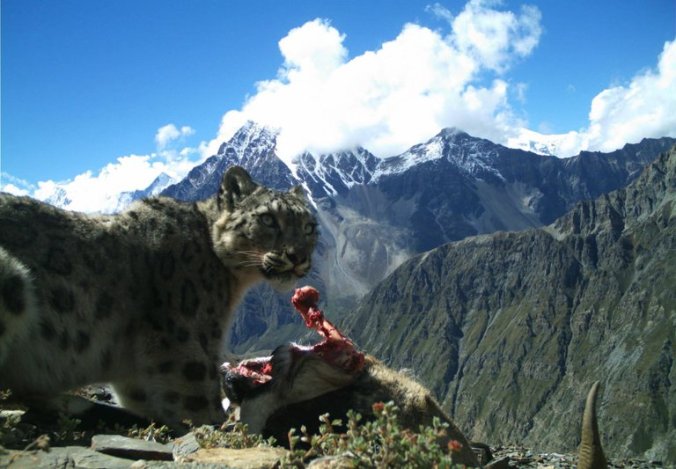
A snow leopard in the Himalayas eating its prey. Credit Madhu Chetri
The New York Times’ always-appreciated Science section, once a Tuesday feature, has been joined by many features made possible by the wonders of modern technology, and the news organization has also responded creatively to the competition made possible by all that wondrous technology. This article by Nicholas St. Fleur is a good example of why we check in on the Trilobites feature of the website daily:
How Do You Save Snow Leopards? First, Gather Their Droppings

Credit Emilia Lloret/Native Agency
We will all be the beneficiaries, no doubt:
Nurturing New Storytellers in Africa and Latin America
By David Gonzalez
For some people, the idea of “serious” photography conjures up dramatic scenes of suffering, violence and poverty. This can be especially so in parts of Latin America and Africa, where careers have been made by foreign journalists who go in looking for drama. While no doubt there are pressing issues in these regions, there are also scenes of daily life, or less dramatic situations, that go unnoticed, slanting how a global audience sees people and places. Continue reading
 We appreciate Anthropocene’s ongoing efforts to summarize important scientific findings related to the environment, conservation and related topics. Earlier this week Emma Bryce offered “The invisible boundaries of ocean refuges protect even wide-roaming creatures” — a worthy read about these spaces providing more benefit than expected:
In recent years, we’ve preserved several million square kilometers of ocean inside Marine Protected Areas (MPAs), the wildlife reserves of the sea. By cordoning these areas off from commercial fishing, undersea mining, and development, we hope to protect the species within them. But does it actually work? Continue reading
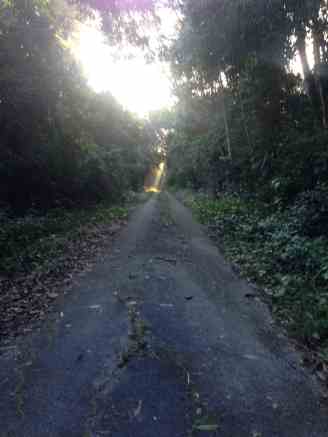 Yesterday in these pages we welcomed you to visit the new website for and the actual place, Chan Chich Lodge. It bears repeating. This time by me personally. Please come here.
The snapshot to the right, taken on my phone just minutes ago on my morning walk, says the same. If you combine it with the last time I was walking these paths, you will see one more reason why I walk every morning.
I walk the roads and paths at Chan Chich every morning with the hope of seeing wildlife, and knowing that breathing the air here is better than doing so almost anywhere else on the planet. It is pure.
Between the puma-sighting snapshot and now I was in India. I have just arrived to Belize again and expect to be here for some time. I did not see any big cats this morning, but the birdlife is as abundant as ever, and their song just now provides very good cheer. If you need more information on why to come to Chan Chich, or how, or when, just let me know.

Utah’s congressional delegation has vigorously fought to open Ute tribal land, currently partially protected by the Bears Ears National Monument, above, to drilling. Photograph: Francisco Kjolseth/AP
Thanks to the Guardian for first bringing this to our attention, another example of model mad, and a pretty big deal too:
Republicans back off bill to sell 3.3m acres of public land after outcry
Congressman Jason Chaffetz withdraws House bill 621 as conservationists and outdoorsmen vow to continue fight over similar legislation Continue reading
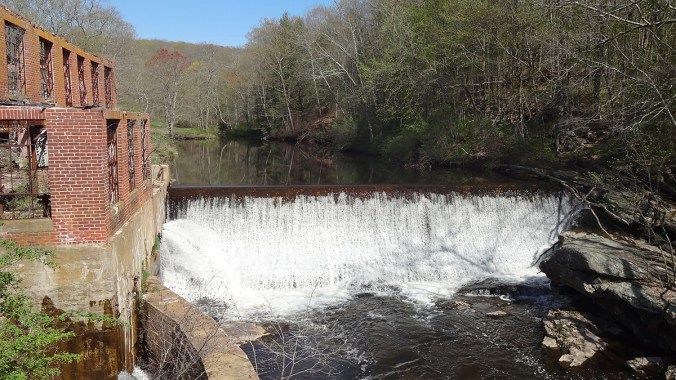
Norton Mill Dam view from the bridge. Photo © Lia McLaughlin / USFWS through a Creative Commons license
Outtakes: Exploring America’s Most Dammed Waterways
by JENNY ROGERS
Sally Harold has one eye on the river and one on the cars whizzing by as we stand on a road near the freeway. A river restoration specialist for The Nature Conservancy’s Connecticut River program, she’s showing me a map of the state, obscured with dots representing dams. To our left, a burned-out mill building looms over a small river. To our right, the road that leads northeast to Hartford. Continue reading
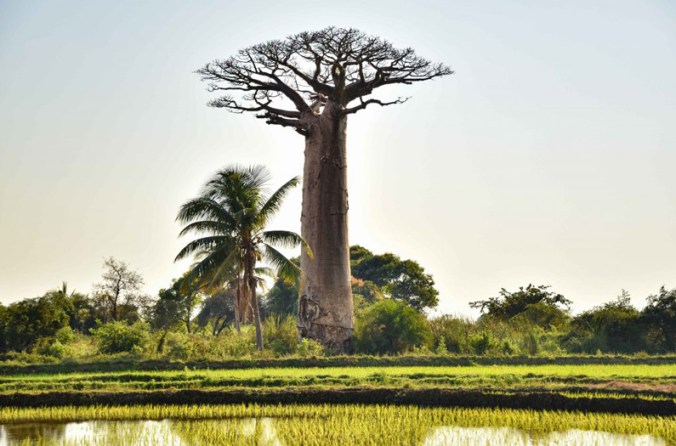
Baobab and palm tree/Rod Waddington via Flickr
Thanks to Anthropocene for this summary:
Trees improve the environment—and bottom line—on small African farms
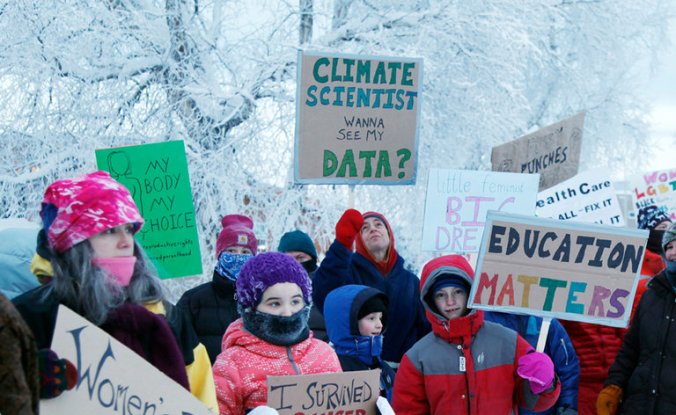
A women’s march in Fairbanks, Alaska, last month. The movement inspired a group of scientists to organize their own demonstration in Washington. Credit Robin Wood/Fairbanks Daily News-Miner, via Associated Press
We have not had a shortage of model mad stories, which may be the silver lining to the cloud, so thanks to the Science section of the New York Times for this contribution:
Listen to Evidence’: March for Science Plans Washington Rally on Earth Day
Within a week of its creation, the March for Science campaign had attracted more than 1.3 million supporters across Facebook and Twitter, cementing itself as a voice for people who are concerned about the future of science under President Trump.
Now, hoping to transform that viral success into something approaching the significance of the women’s march last month, the campaign has scheduled its demonstration in Washington for Earth Day, April 22. Continue reading
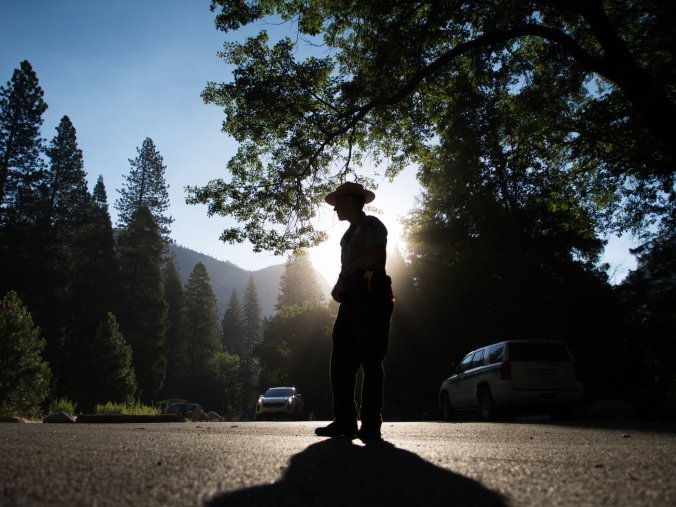
Multiple Twitter accounts claiming to be run by members of the National Park Service and other U.S. agencies have appeared since the Trump administration’s apparent gag order. The account owners are choosing to remain anonymous. David Calvert/Getty Images
Thanks to Wynne Davis at National Public Radio (USA) for It’s Not Just The Park Service: ‘Rogue’ Federal Twitter Accounts Multiply, another example of model mad:
“Rogue” accounts that have the look of those by real federal agencies are spreading like wildfire on Twitter.
The AltUSNatParkService Twitter account has gained more than 1 million followers and inspired the creation of many more “unofficial resistance” accounts for specific national parks and other entities, including accounts like Rogue NASA and AltUSForestService. Continue reading
Thanks to Lisa Feldkamp at Cool Green Science for Bison, Pioneers of the Prairie, Return to Kankakee Sands:
Over the past 20 years The Nature Conservancy in Indiana has been converting 6,700 acres of row-crop agriculture at Kankakee Sands into a diverse prairie. The goal – to restore key prairie habitat and connectivity for wildlife. Continue reading
 Organikos