Understanding The Solar-Carbon Threshold

sunset

Image: Daniel Parks/Flickr

We are constantly playing catch up with the terminology, let alone the science, of environmental efficiency in all its forms and considerations. Anthropocene delivers the daily goods, in the form of a summary of an environmentally-oriented scientific study, that we constantly find useful:

Solar power will cross a carbon threshold by 2018

Rewilding, South Atlantic Edition

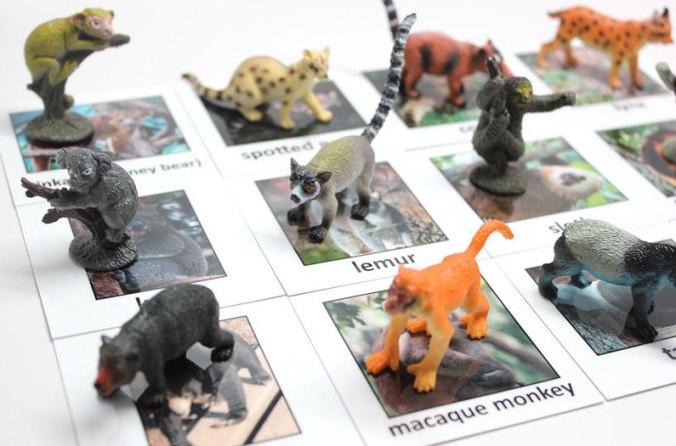
rainforest-animals

Galetti et al. “Reversing defaunation by trophic rewilding in empty forests.” Biotropica. 2016.

Thanks to Anthropocene:

A recipe for rewilding the Atlantic forest

Flow Chart

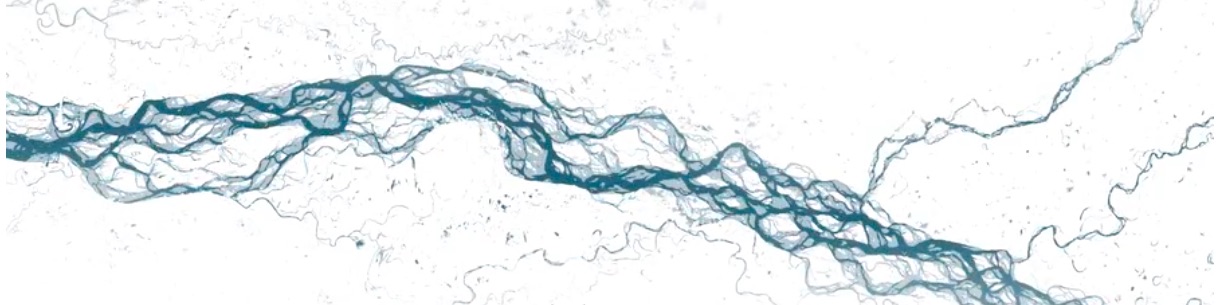
water

This excellent interactive story, Mapping Three Decades of Global Water Change, b

Another Small Step For Mankind

05standing-master675

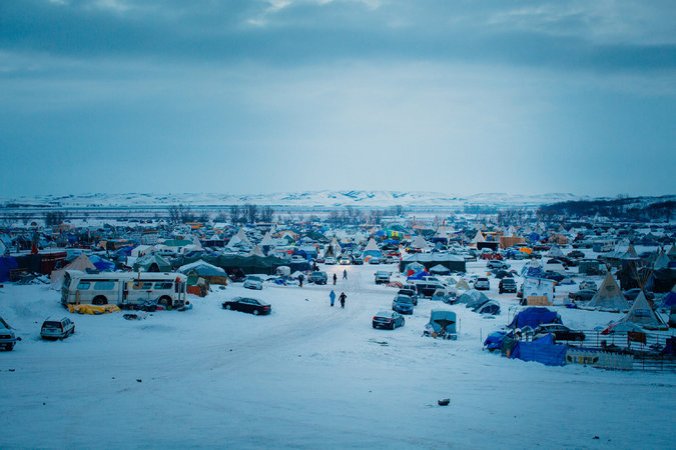
A camp in Cannon Ball, N.D., where cold weather has set in. Credit Alyssa Schukar for The New York Times

Protesters for a cause we could understand and side with, namely the keeping of commitments made long ago to the pre-Columbian inhabitants of the North American continent, have apparently won. Not so common, so we celebrate. And we like the twist in this story below, with unexpected allies. We did not quite believe the news when we first saw it, but now it seems certain enough to post it for posterity:

As North Dakota Pipeline Is Blocked, Veterans at Standing Rock Cheer

By

FORT YATES, N.D. — After four deployments to Iraq and Afghanistan, after being hit by a roadside bomb and losing two friends to explosions, Jason Brocar floated from job to job, earning enough to pay for long solo hikes where his only worries were what he would eat and where he would sleep. He was deep into a rainy trek through Scotland when he noticed friends back home talking about a place called Standing Rock. Continue reading

Conservation Swan

3135

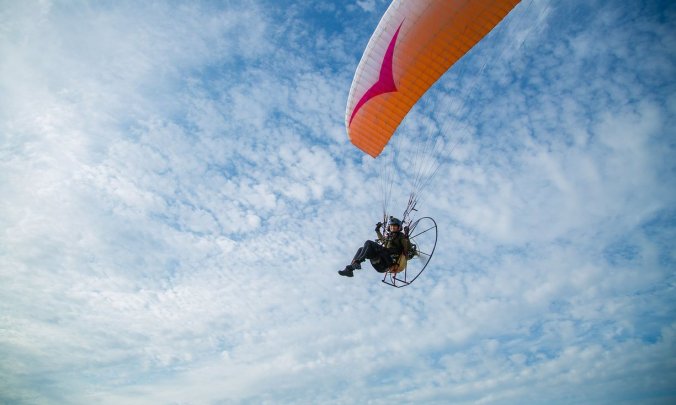
Sacha Dench, the ‘human swan’, in her paramotor as she follows migrating birds from the Russian tundra to the UK. Photograph: WWT/PA

We wish Sacha Dench all the best on this one:

Sacha Dench is first woman to cross the Channel in a motorised paraglider, as part of her journey following migrating birds from Russia to Britain

Patrick Barkham

The conservationist and “human swan” Sacha Dench has become the first woman to cross the English Channel in a motorised paraglider during her epic 4,500-mile journey following migrating birds from the Russian tundra to Britain.

Continue reading

Banks, Rainforests, We The People

04DEFORESTATION-superJumbo.jpg

Young orphaned orangutans on a climbing expedition with their keeper at International Animal Rescue’s orangutan school in West Kalimantan, Indonesia. Credit Kemal Jufri for The New York Times

We first started paying close attention to the plight of the ecosystem in the image above when we saw the talk given by Willie Smits, who has taken action, to say the least, in the interest of protecting that rainforest and its inhabitants. It is not because of the orangutans (though see the photo below and try to resist reading on) that we find this article compelling; it is because there is a clear and compelling call to action on holding our institutions accountable:

How Big Banks Are Putting Rain Forests in Peril

By

In early 2015, scientists monitoring satellite images at Global Forest Watch raised the alarm about the destruction of rain forests in Indonesia.

Environmental groups raced to the scene in West Kalimantan province, on the island of Borneo, to find a charred wasteland: smoldering fires, orangutans driven from their nests, and signs of an extensive release of carbon dioxide into the atmosphere. Continue reading

Mexico’s Experimentation With Community-Based Forestry

DSC-NT1216_05.jpg

Thanks to Discover magazine for this (subscription required):

Can Community-Based Logging Fight Climate Change?

In Mexico, conservationists hope sustainable logging can provide jobs, protect the habitat and keep carbon from the atmosphere. Continue reading

Planet Earth II

4344

Planet Earth II has attracted audiences of up to 10.6 million. Photograph: David Willis/BBC

Thanks to the Guardian for this:

Planet Earth II a form of therapy for viewers, says Attenborough

Veteran broadcaster says blockbuster BBC nature show offers audiences respite from their concerns about the world

by Esther Addley

Millions of people are tuning into the BBC’s nature series Planet Earth II because they crave a respite from their concerns about the future of the planet, Sir David Attenborough has said. Continue reading

Whale Songs

As whale season draws near in Baja California Sur, our ears become attuned to this type of singing.

Thanks to TED-Ed and Conservation Biologist Stephanie Sardelis and her talented team for so beautifully answering an age-old question.

Dakota Divesting

980x-13

©Lori Panico

We are glad to see market forces at work in this matter:

Another Major Norwegian Investor Divests From Dakota Access Pipeline

Stefanie Spear

Odin Fund Management, one of Norway’s leading fund managers, announced Thursday that it sold $23.8 million (243 million NOK) worth of shares invested in the companies behind the Dakota Access Pipeline. Continue reading

Lessons From Ningaloo Reef

WOPA100627_D105

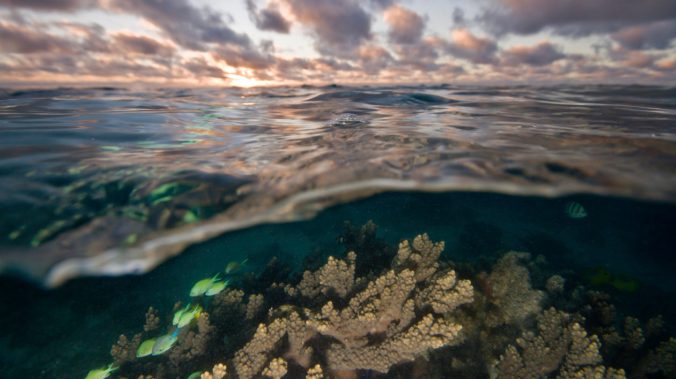
Acropora coral and blue green chomis on Ningaloo Reef in Western Australia. Photo © Steve Lindfield

Thanks to James Fitzsimons and The Nature Conservancy’s Australia program for this one:

Big, Bold & Blue: Lessons from Australia’s Marine Protected Areas

BY JUSTINE E. HAUSHEER

Australia has one the largest systems of marine protected areas in the world, from the coral-covered Great Barrier Reef to the sub-Antarctic Macquarie Island. Now, a new book details the lessons learned by Australian scientists, policymakers, and communities during more than 130 years of marine conservation.

The book — Big, Bold & Blue: Lessons from Australia’s Marine Protected Areas — gathers lessons learned from academia, government, NGOs, indigenous communities, and the fishing sector. Continue reading

The Science Of Marine Conservation

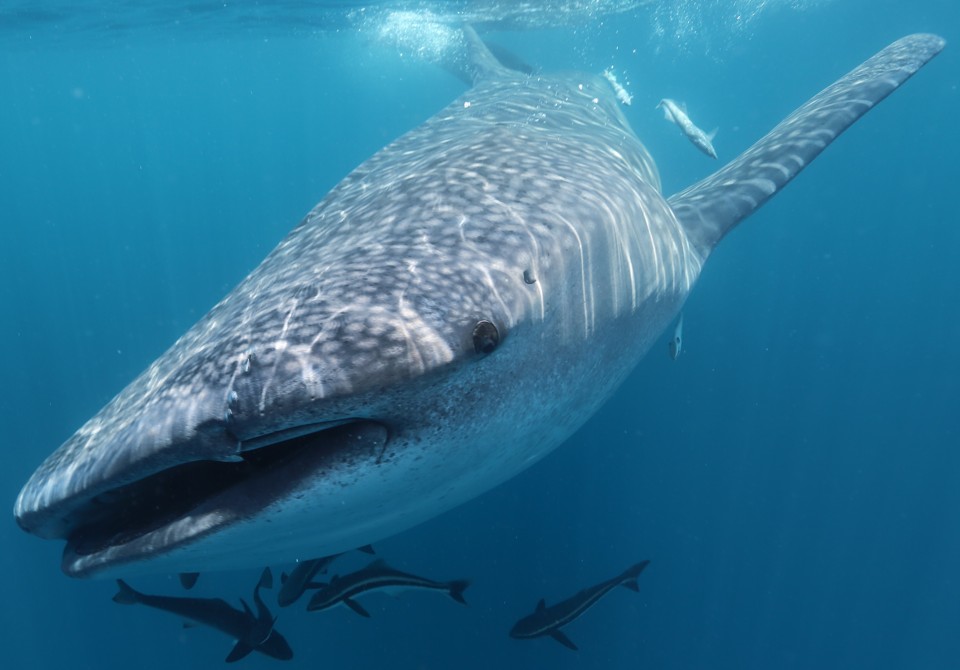
A whale shark in the Persian Gulf. Steffen Sanvig Bach

This is the future of marine ecosystem science (thanks as always to Ed Yong and the Atlantic’s ongoing  commitment to compelling coverage of environmental issues):

The World’s Biggest Fish in a Bucket of Water

Scientists used DNA floating in just 30 liters of seawater to count the endangered whale shark across two oceans.

ED YONG

If you lean over the side of a boat and scoop up some water with a jug, you have just taken a census of the ocean. That water contains traces of the animals that swim below your boat—flecks of skin and scales, fragments of mucus and waste, tiny cells released from their bodies. All of these specks contain DNA. And by sequencing that DNA gathered from the environment—which is known as environmental DNA, or eDNA—scientists can work out exactly what’s living in a patch of water, without ever having to find, spot, or identify a single creature.

And that helps, even when the creature in question is 18 meters long. Continue reading

Big New Grove

980x-12

We wish the Earl well, and appreciate his efforts:

Ireland to Plant Largest Grove of Redwood Trees Outside of California

By Steve Williams

An estate in Ireland has revealed plans to create a redwood grove that will be the largest of its kind outside California. The initiative serves as a testament both to Ireland’s heritage and its commitment to fighting global warming. Continue reading

Imposter Fish

mystery-fish

We are curious to know more:

Imposter fish may be more sustainable

In a first of its kind study, researchers tackled the environmental and financial impacts of consumers purchasing mislabeled fish. And—as upsetting as the mislabeling of any food is—they found a surprising silver lining. Continue reading

The Mysterious Saola

28560535993_0fd7776ce4_o-1260x708

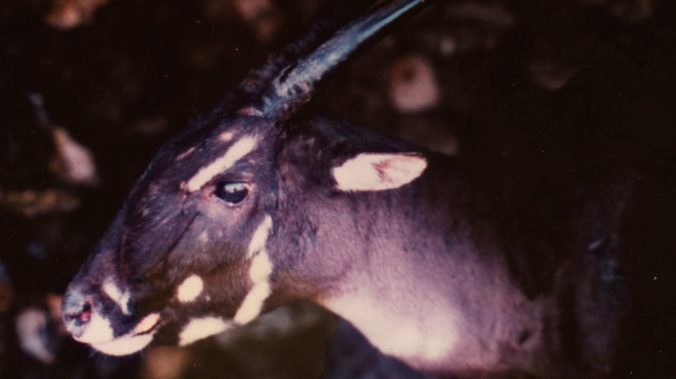
Saola. Photo © Bill Robichaud

Still so much to learn, and sometimes it seems like there is so little time to do so:

The Largest Mammal That No Scientist Has Ever Seen in the Wild

BY

The saola is the largest terrestrial mammal never seen alive in the wild by a biologist. This is not a Bigfoot story. The saola undeniably exists. It roams only in the Annamite Mountains of Laos and Vietnam. Continue reading

Five Years Of Protection From Drilling

web_eho_6328-edit

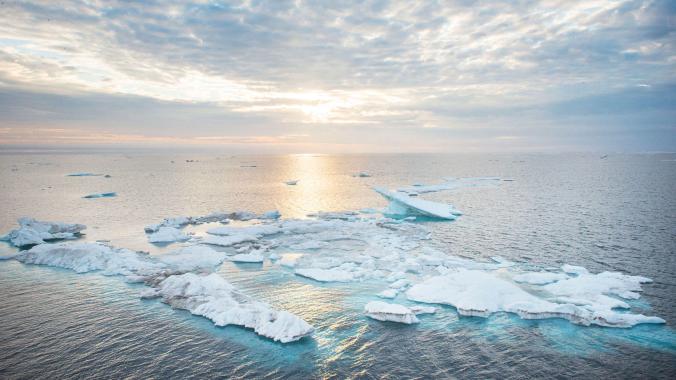
Melting sea ice in the Chukchi Sea, one of the areas included in the ban. Photo: Esther Horvath

Thanks to Audubon Magazine for their coverage of this news:

U.S. Offshore Drilling Banned Along Arctic and Atlantic Coasts for Next Five Years

A new federal leasing plan released today outlines where energy companies can look for oil while protecting vital bird habitat.

by Martha Harbison

After months of deliberations, the Bureau of Ocean Management announced its final five-year plan for offshore energy-exploration leases today. In that plan, no drilling leases would be available in U.S.-held Arctic and Atlantic waters from 2017 to 2022, meaning that no new drilling could happen in those areas until at least 2022.  Continue reading

Empowered Tribal Communities Innovate

16tribal4-master675

Bolin Bay in the Great Bear rain forest near Klemtu, on the central coast of British Columbia. CreditRuth Fremson/The New York Times

There is an excellent article about old treaties and new alliances empowering indigenous people in North America, which this excerpt captures well:

…In Idaho last summer, tribal representatives from 19 states met for what organizers said was the biggest Native American workshop on climate change, and they concluded that global environmental changes transcended national boundaries.

“This is how land resource decisions are going to be made in the future — through co-management with people who have been on the land forever,” said Hadley Archer, the executive director of the Nature Conservancy Canada, which helped put together the Great Bear forest agreement. To that end, the University of Victoria law school in British Columbia will begin enrolling students next year in a degree program that will combine the traditional study of court precedents and legislation with the study of tribal law. Continue reading

Camera Traps Capturing Big, Odd Charisma

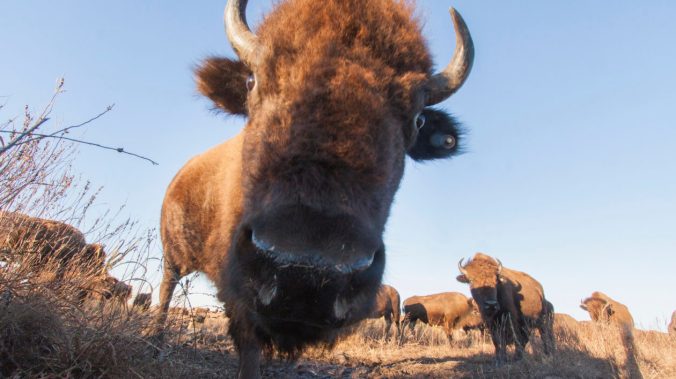
Bison trigger a camera trap set up on the prairie at The Nature Conservancy's Tallgrass Prairie Preserve in Pawhuska, Oklahoma. These behemoths are known as key grassland ecosystem engineers. Their grazing patterns play a key role in growing plant diversi

Bison trigger a camera trap set up on the prairie at The Nature Conservancy’s Tallgrass Prairie Preserve in Pawhuska, Oklahoma.

We have posted on this topic a few times, and can predict there will be more:

9 Animal Cams You Need in Your Life

A Further Note On Death Valley National Park

ross-deathvalleyalsofeelstheshadowoftrump-1200

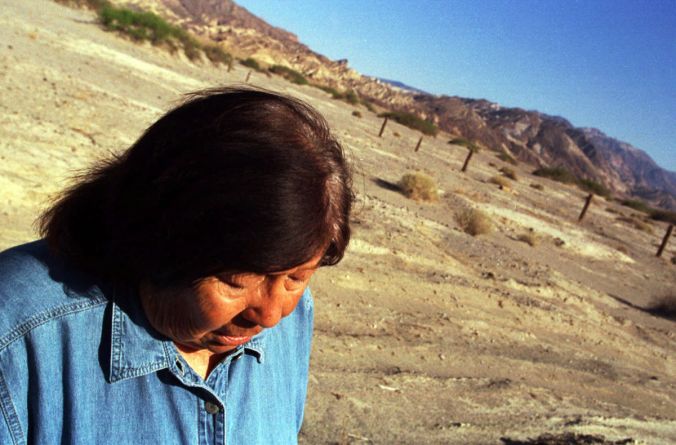
The Timbisha Shoshone elder Pauline Esteves in 1999. In 1933, when Esteves was eight, her tribe’s homeland was declared Death Valley National Monument. PHOTOGRAPH BY LAURA RAUCH / AP

We had already published several posts mentioning one of the earth’s more remarkable deserts. But the spectacle that desert displayed this year brought it back to our attention, for several important reasons. Click here (or on the image above) to go to Alex Ross’s update of the epic article he published on Death Valley recently, which we linked to here:

“In the desert, you see, there is everything and there is nothing,” Balzac wrote. “It is God without mankind.” The sensation of sublime emptiness, of a sacred void, explains the enduring romantic appeal of a place like Death Valley,: Continue reading

Acorns, Seeds, Understood

201610516172412162-2016-11nightstandravenf1

Thanks to American Scientist for this book review:

From Little Acorns

Peter H. Raven

SEEDS: A Natural History. Carolyn Fry. 192 pp. University of Chicago Press, 2016. $35.

Plant conservationists, horticulturists, plant ecologists, and the like face a perplexing public relations problem when it comes to their beloved subject: For many people, plant life—even though it is essential to the existence of all living things on our planet—may seem dull, especially in comparison with animal life. In 1998 American botanists James Wandersee and Elizabeth Schussler coined the term plant blindness, defining it as “the inability to see or notice the plants in one’s own environment,” leading to “the inability to recognize the importance of plants in the biosphere and in human affairs.” In the pages of Seeds, Carolyn Fry offers an almost certain cure for this malady. Continue reading